

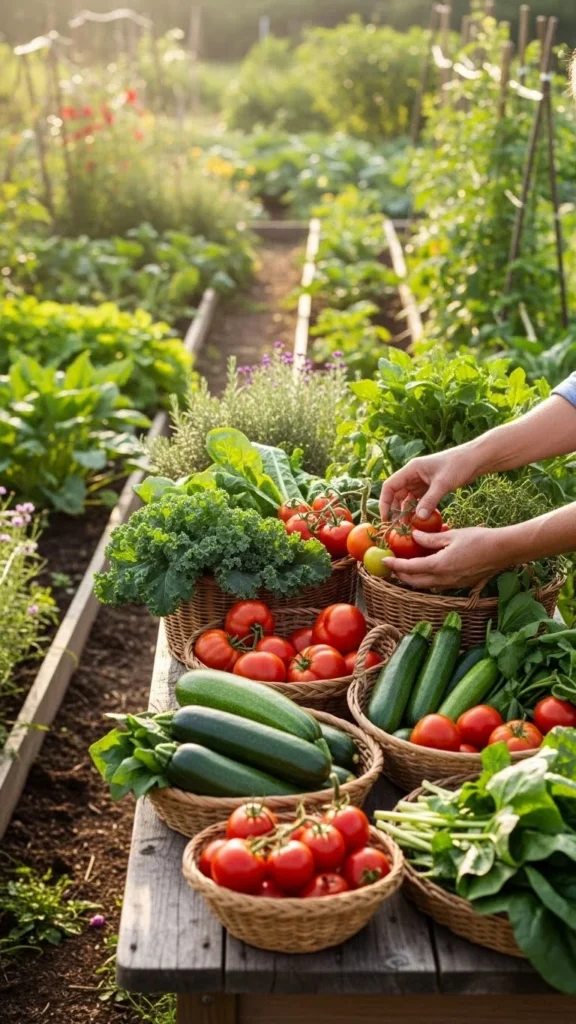
Harvesting is the most rewarding part of gardening — but timing, technique, and handling can make a huge difference in how much produce you actually take home. With the right tricks, you can gather more fruits and veggies, reduce waste, and even encourage new growth. These 22 simple harvesting hacks will help you collect your crops at the right moment and keep your plants producing for longer.
1. Harvest Early in the Morning
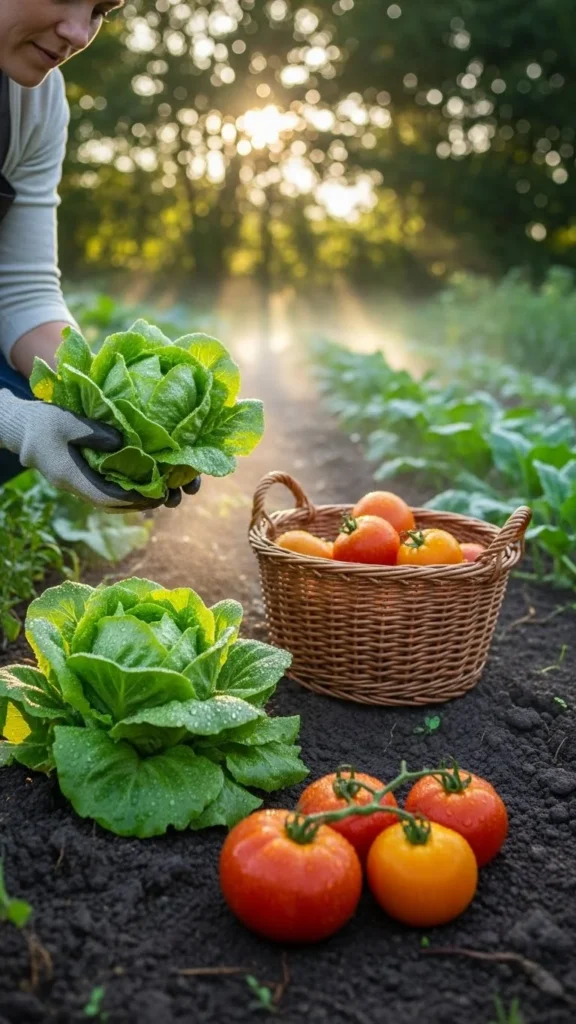
Morning harvests help retain flavor and texture. The cool air keeps vegetables crisp and herbs aromatic. During the day, heat causes wilting and moisture loss. Bring a basket and harvest while plants are still firm. Store produce right away in shaded containers or cool indoors. This small timing shift preserves nutrients and gives you longer-lasting harvests. If you sell or store veggies, early picking also reduces spoilage.
2. Use Clean, Sharp Tools
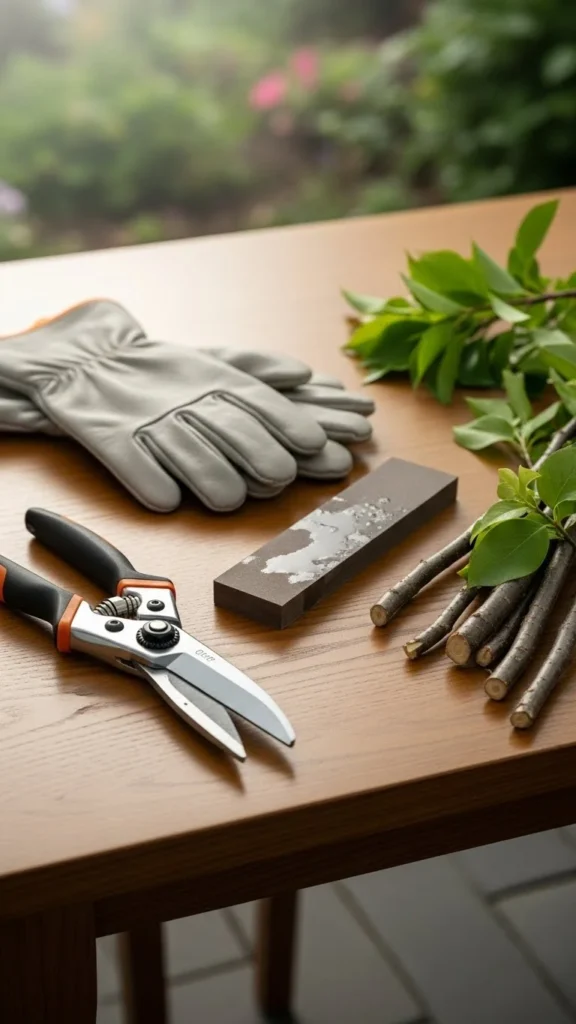
A dull blade tears stems and harms plants. Keep pruning shears, scissors, or knives sharp and clean. This prevents infections and helps crops recover faster. Wipe tools with rubbing alcohol before cutting. Avoid twisting or pulling fruit off vines. Clean cuts mean healthier plants and fewer losses. For quick cleanups, keep a small towel and alcohol spray in your basket.
3. Pick Produce at Peak Ripeness
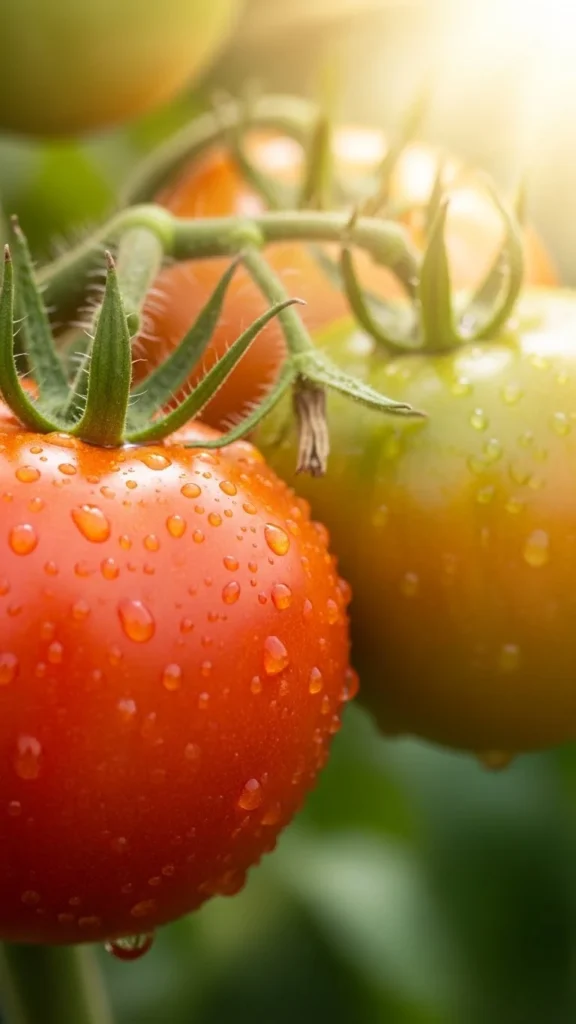
Each vegetable has its own perfect moment. Tomatoes, peppers, and melons taste better when fully colored. Squash and cucumbers are best slightly young and tender. Learn your crop’s ideal size and color before picking. Overripe vegetables can slow down future growth. Keep a small notebook or take phone photos for reference — that helps you harvest more accurately next time.
4. Gentle Handling Prevents Bruising
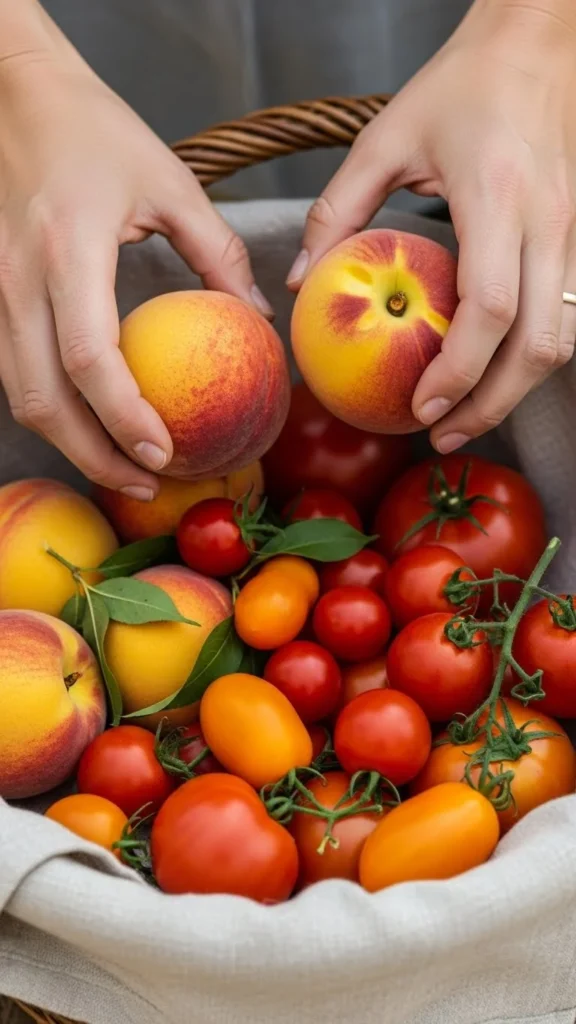
Treat your harvest like it’s delicate. Rough handling bruises fruit, which shortens shelf life. Use shallow baskets lined with cloth. Avoid stacking too high. Carry baskets carefully and avoid tossing produce in piles. For leafy greens, rinse and pat dry before refrigeration. Handle gently, and you’ll get more usable food and fewer damaged pieces.
5. Harvest Frequently to Encourage Growth
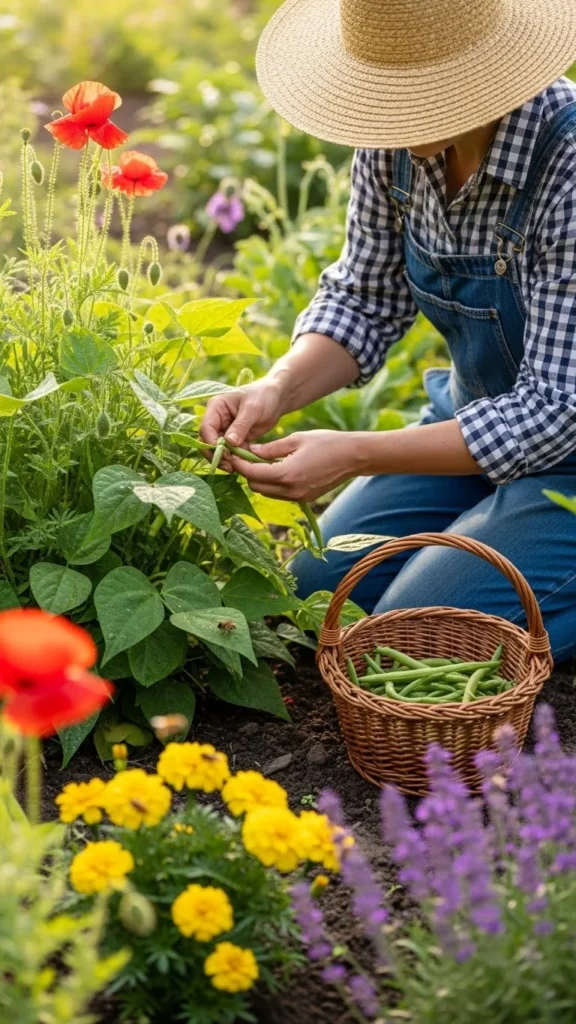
The more you pick, the more plants give back. Beans, cucumbers, and zucchini thrive when picked often. Leaving mature fruit signals plants to stop producing. Visit your garden every two to three days during harvest season. A little routine harvesting encourages new blooms and keeps yields steady. Quick daily walks also help spot pests early.
6. Keep Produce Out of Direct Sunlight
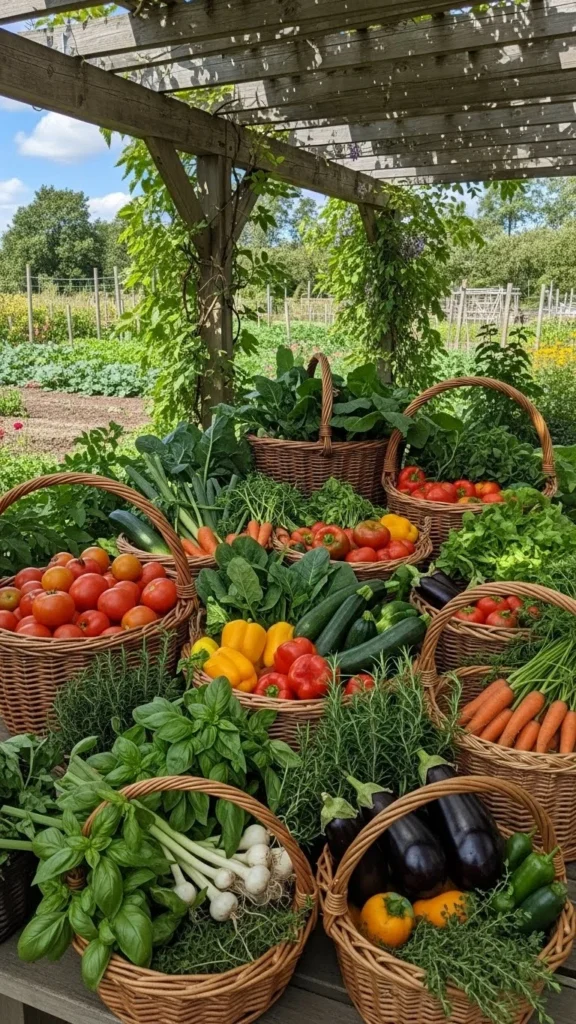
Sunlight can heat up freshly picked produce quickly, leading to wilted greens and softer fruits. Always move harvested crops to a shaded area right away. Use a patio umbrella or tarp if needed. Store in ventilated baskets instead of plastic bags. If you harvest large amounts, keep an insulated cooler nearby to maintain freshness.
7. Use Separate Baskets for Different Crops
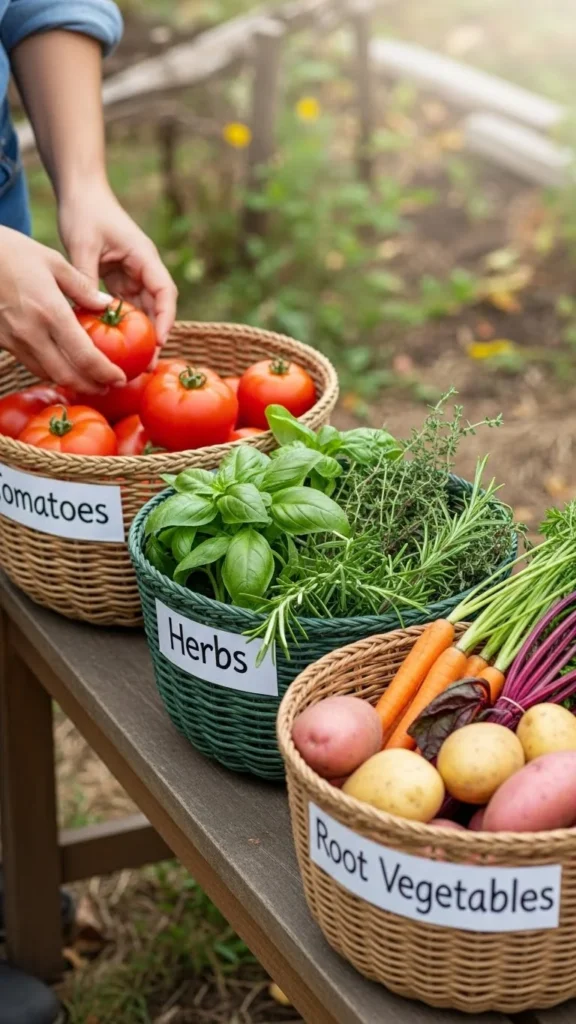
Mixing crops can cause bruising and spoilage. Tomatoes or strawberries crush easily under heavier root crops. Keep small baskets or crates for different vegetables. This also helps when washing or sorting later. Lightweight greens can go in mesh bags. Keeping everything organized saves cleanup time and prevents flavor mixing.
8. Learn the “Snap Test” for Beans
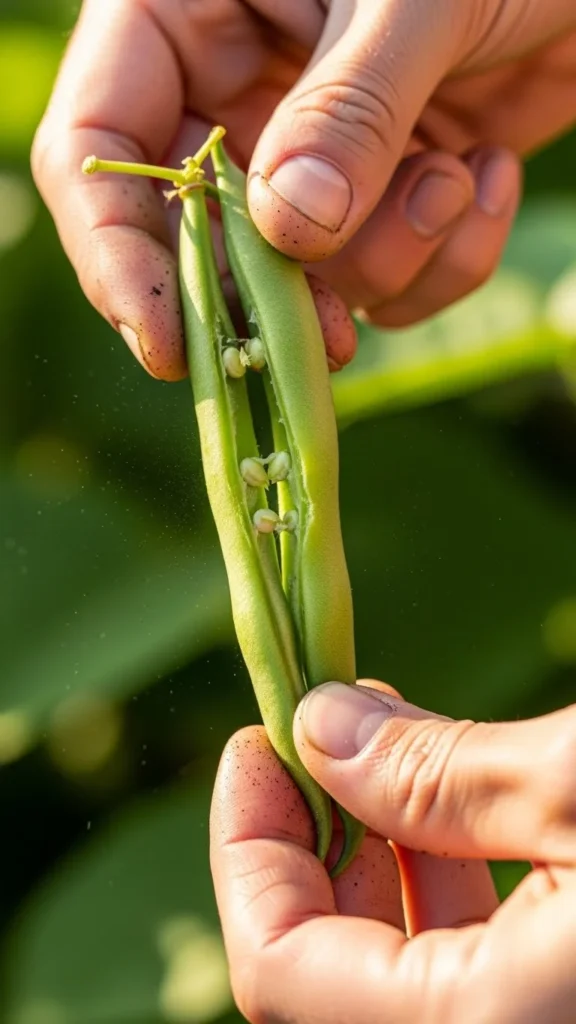
For beans, there’s a simple way to check readiness — the snap test. If the bean breaks cleanly when bent, it’s ready. Limp or fibrous beans mean they’re overripe. Harvest every couple of days to keep plants producing. Store snapped beans in breathable containers before cooking or freezing. This easy habit keeps your yields tender and tasty.
9. Leave a Bit of Stem Attached
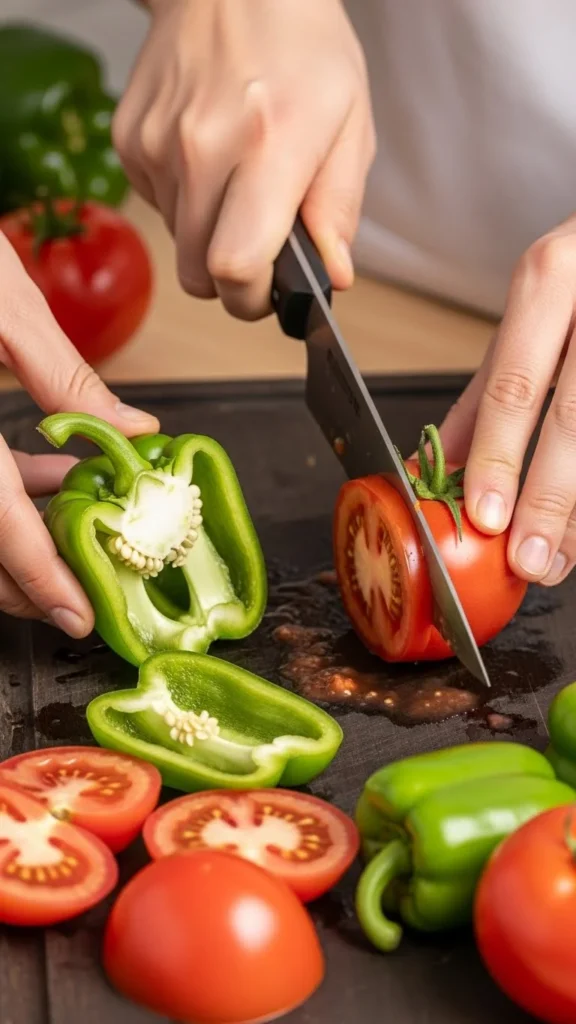
Leaving a short stem helps fruits last longer after picking. It prevents moisture loss and delays rot. Use clean scissors to cut fruit rather than pulling. Peppers, tomatoes, and eggplants benefit most from this trick. It’s a small detail, but your kitchen harvest will stay firm and usable longer.
10. Handle Root Crops Carefully
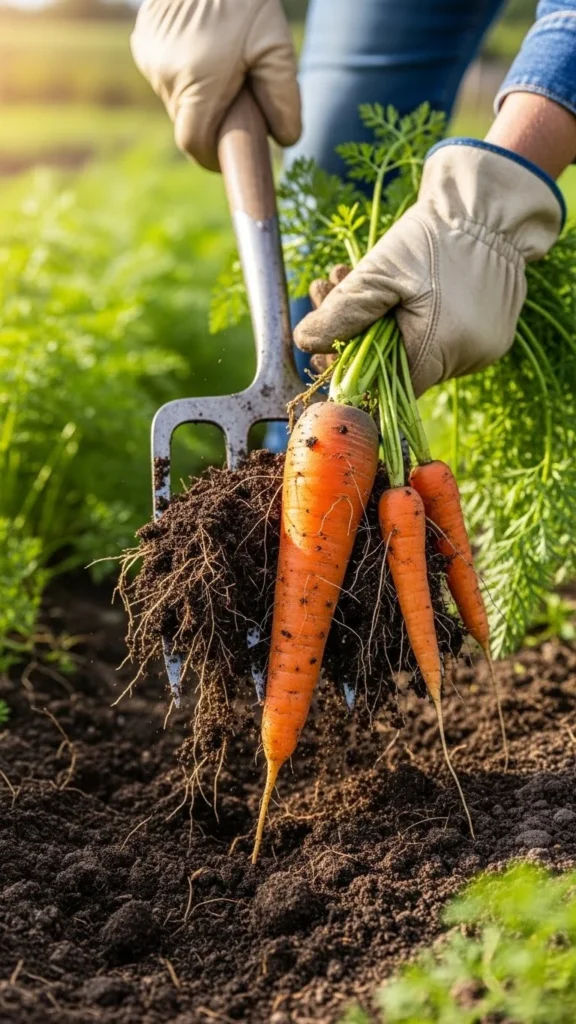
Root vegetables like carrots and beets bruise easily when pulled too hard. Loosen soil with a fork or trowel before lifting. Shake off excess dirt gently — don’t wash until ready to store. Washing too early encourages mold. Trim leafy tops to one inch to prevent moisture loss. Keep roots cool and dry in ventilated containers.
11. Harvest Herbs Before They Flower
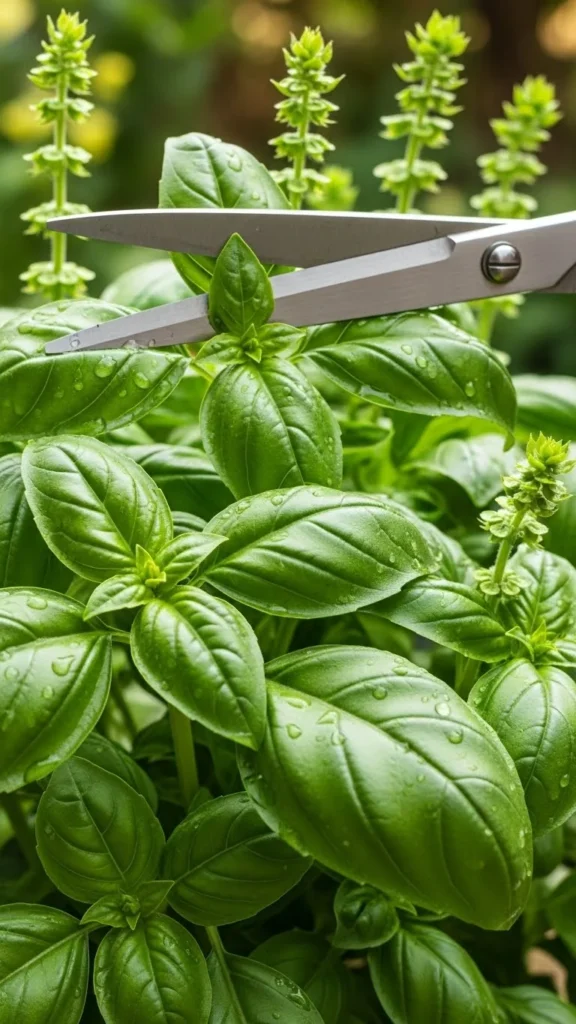
For herbs, timing changes everything. Leaves taste best before plants flower. Once buds appear, flavor weakens. Snip herbs in the morning after dew dries. Regular harvesting keeps plants bushy and aromatic. Hang bunches upside down in a shaded spot for drying or freeze leaves in small bags for later use.
12. Use Cloth Bags Instead of Plastic
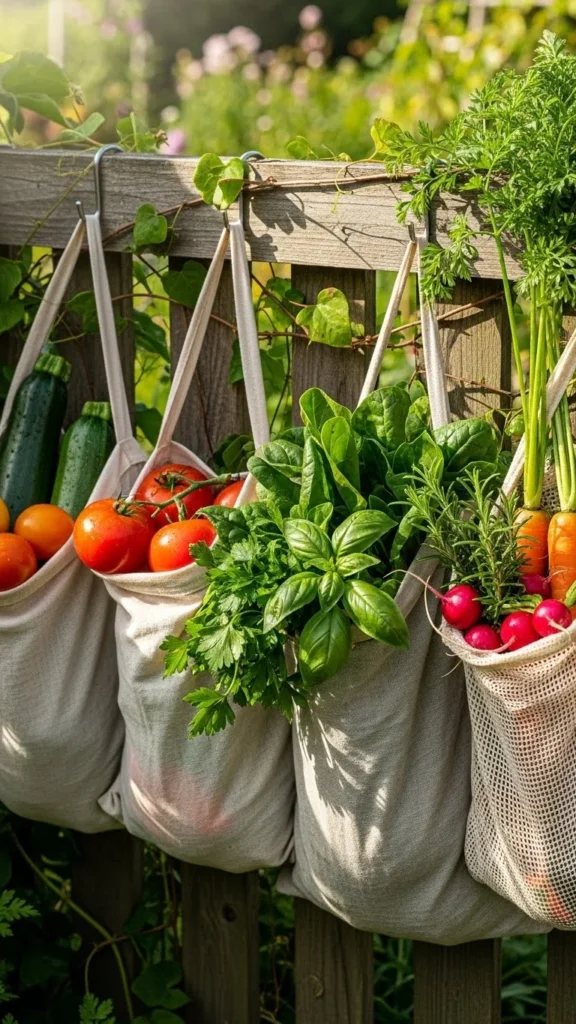
Plastic traps moisture, causing decay. Cloth or mesh bags allow airflow, keeping produce crisp longer. They’re reusable, easy to wash, and more sustainable. Keep a few handy near your garden shed. You’ll reduce waste and keep your veggies fresher for days without refrigeration.
13. Collect Rainwater for Post-Harvest Washing
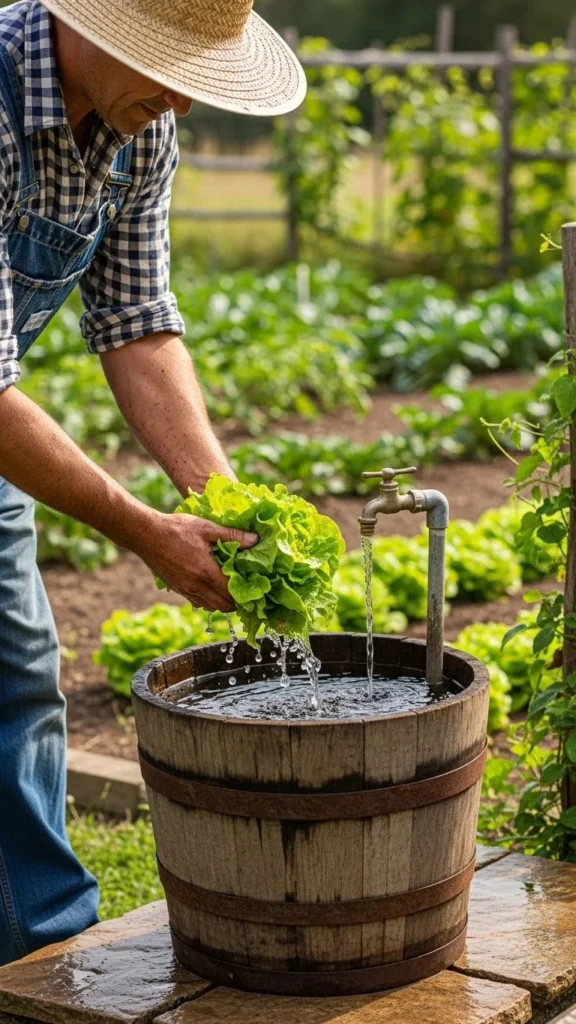
Using stored rainwater saves money and reduces chlorine exposure for delicate greens. Fill a clean basin with rainwater to rinse soil from produce. It’s soft and gentle on leaves. Always filter rainwater before use and avoid standing water. You’ll have cleaner produce and less waste overall.
14. Keep a Harvest Log
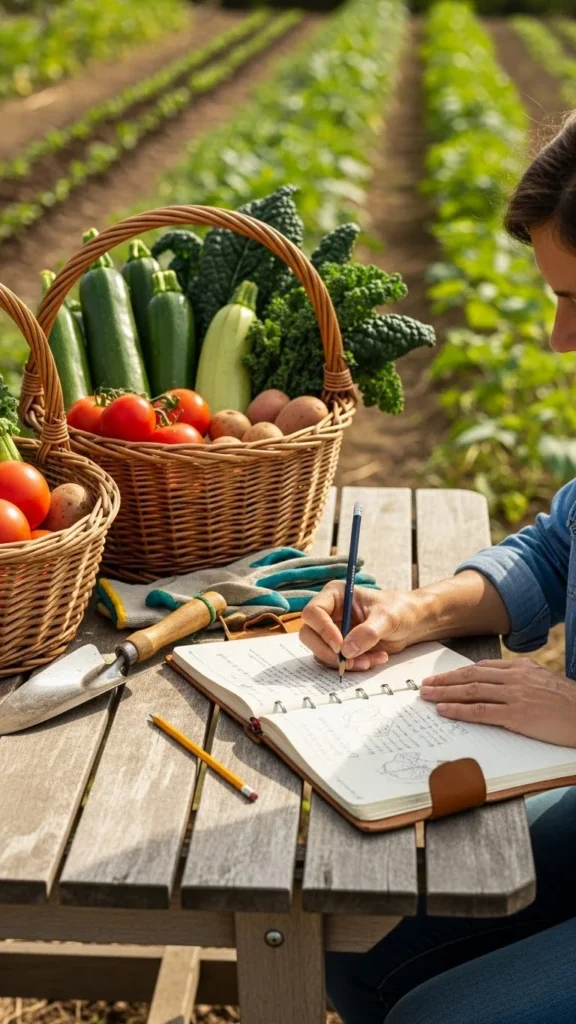
Track what you pick and when. Note crop quantities, ripening patterns, and weather conditions. This helps plan future planting schedules. A simple notebook or phone app works fine. Over time, your harvest data reveals trends — which crops thrive, which need adjustments — helping you maximize next season’s yield effortlessly.
15. Use a Gentle Spray to Rinse Produce
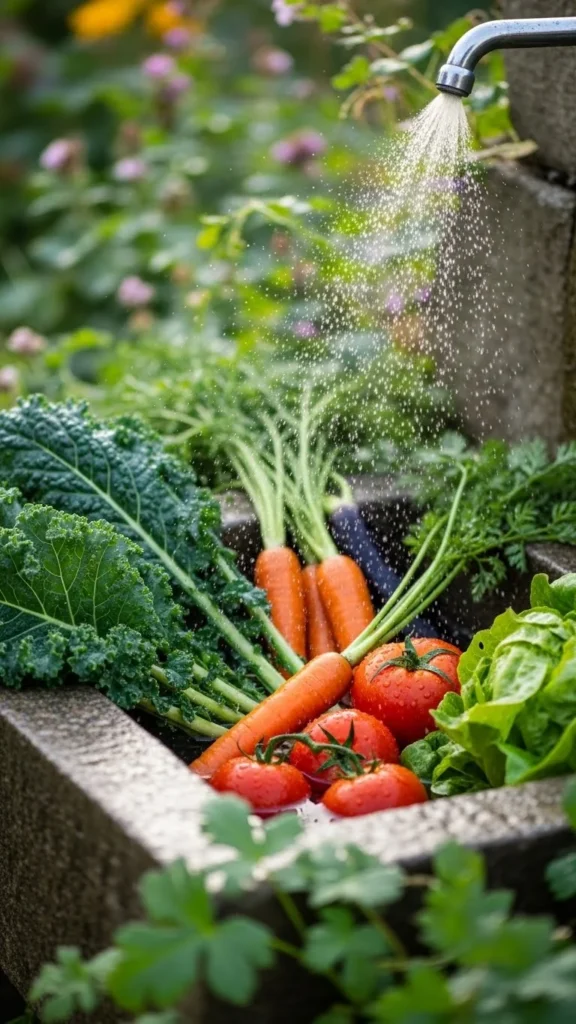
Strong water pressure damages leaves and fruits. Use a gentle spray nozzle or watering can to clean dirt off your harvest. For delicate greens, soak briefly and lift instead of scrubbing. Pat dry with a towel or use a salad spinner. Gentle cleaning keeps produce intact and visually appealing.
16. Stagger Harvests for Continuous Supply
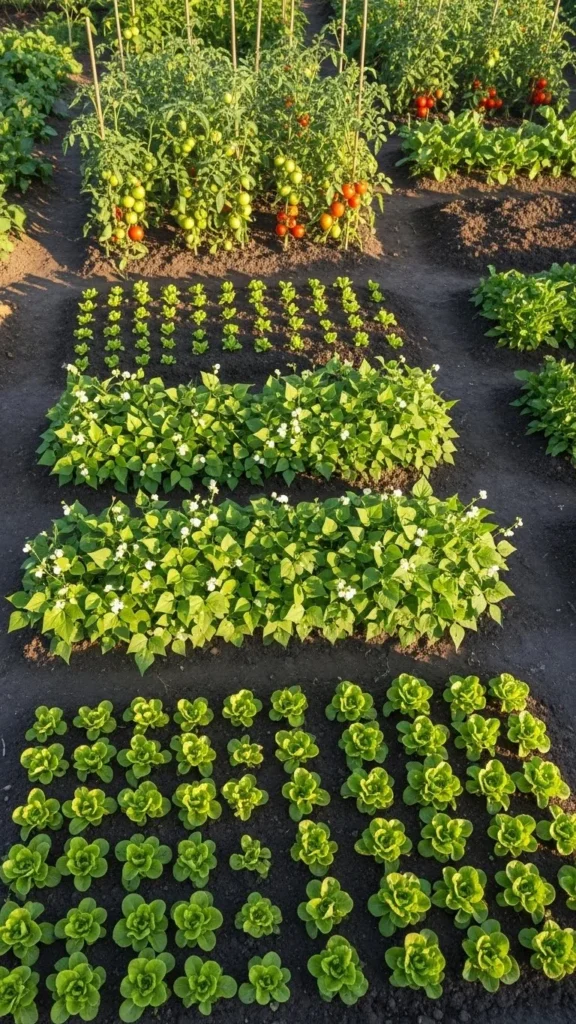
Don’t harvest everything at once. Leave younger fruits to mature and pick in intervals. This way, you’ll have a steady flow of fresh food instead of one big haul. It also reduces waste. When planting, choose varieties with different maturity dates. That keeps your table stocked through the entire season.
17. Refrigerate at the Right Time
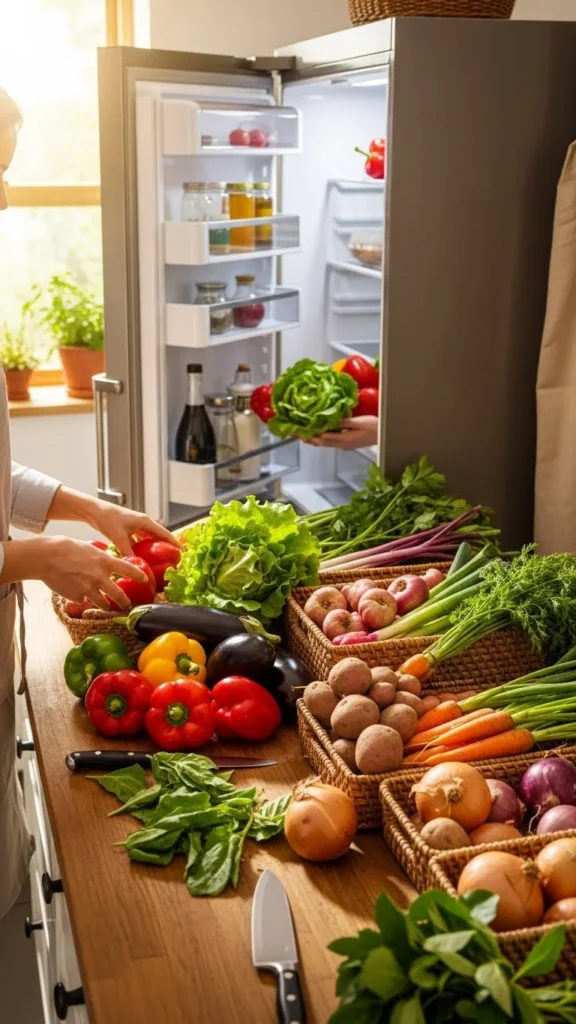
Not everything likes the cold. Tomatoes, onions, and potatoes do better at room temperature. Leafy greens, carrots, and herbs prefer the fridge. Separate your harvest accordingly. A few minutes of sorting extends freshness for days. Label bins to avoid confusion — a smart way to cut food loss.
18. Dry or Freeze Surplus Crops
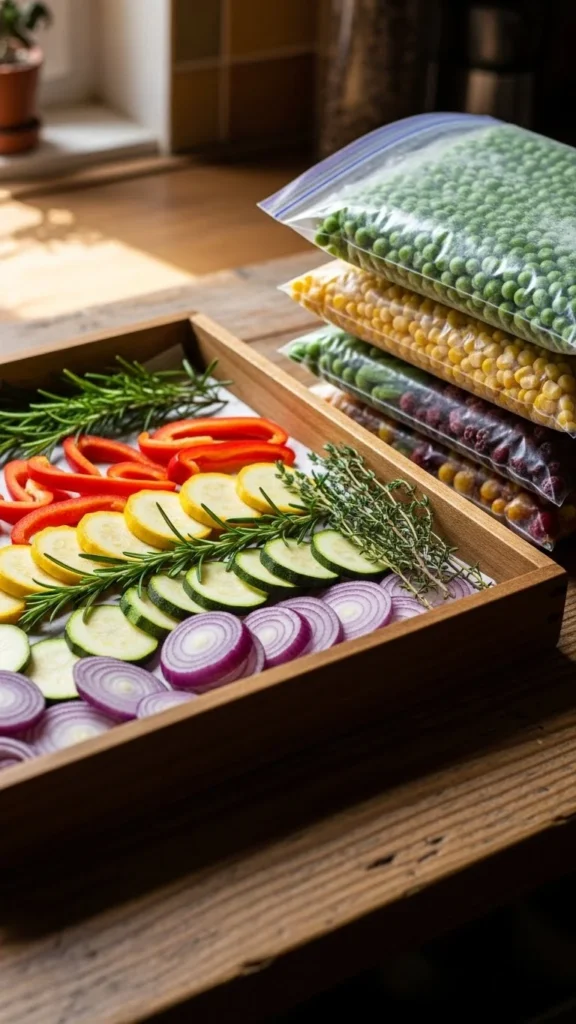
If your garden produces more than you can eat, preserve it. Dry herbs using trays or freeze chopped vegetables in small portions. Blanch veggies before freezing to keep flavor. These easy steps let you enjoy your garden even in winter. Store neatly labeled containers for future meals.
19. Share Excess with Neighbors
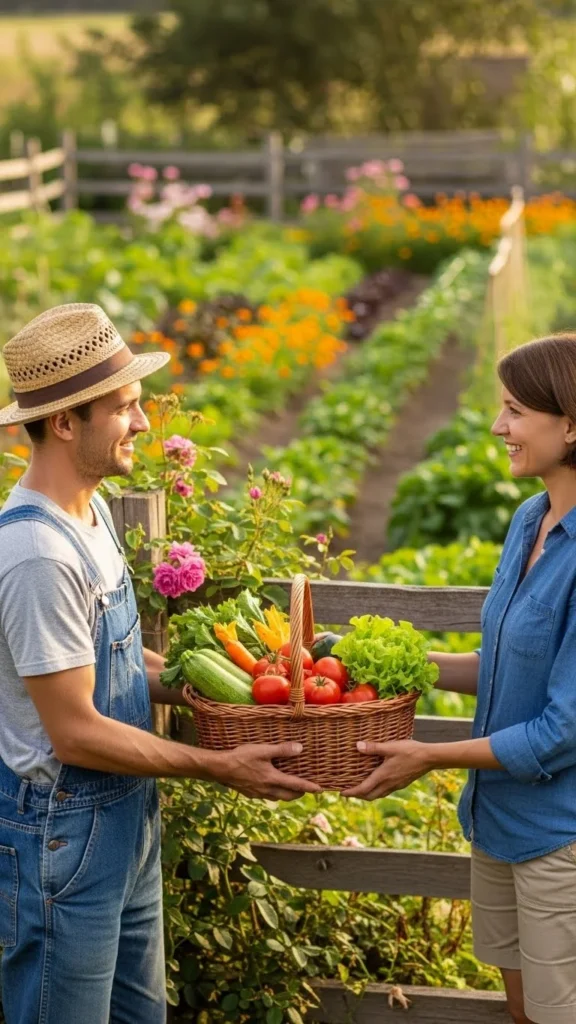
When you have too much, share the joy. Gifting surplus tomatoes or cucumbers builds community and reduces waste. Many towns have local swap tables or donation boxes. Sharing also encourages others to start their own gardens, making the hobby more rewarding for everyone involved.
20. Replant After Harvest
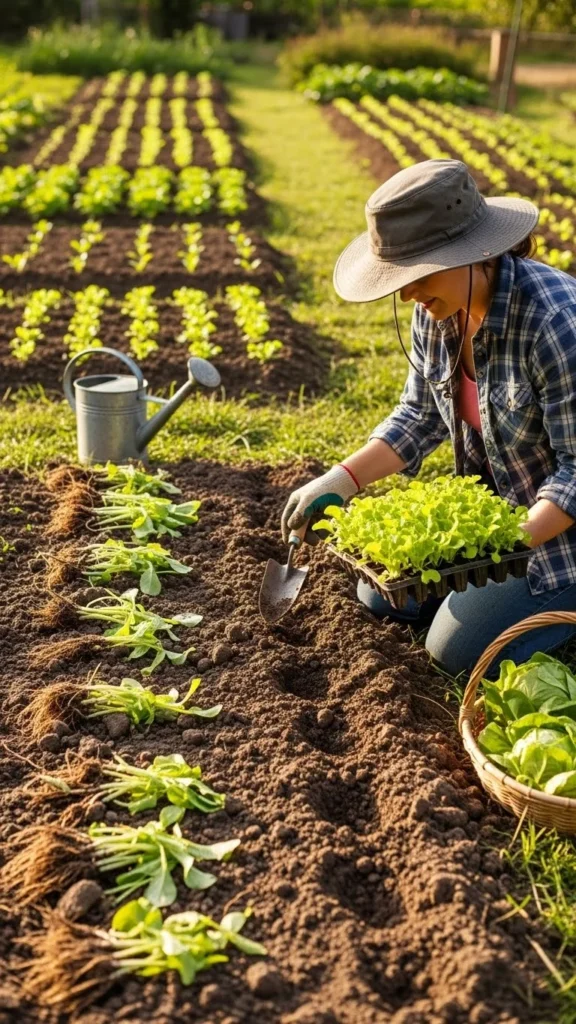
Don’t let empty soil sit idle. After harvesting, plant fast-growing crops like radishes, spinach, or lettuce. This extends your growing season and keeps soil active. Add compost or mulch between plantings for nutrients. A quick replanting routine means more harvests from the same space.
21. Compost Plant Leftovers
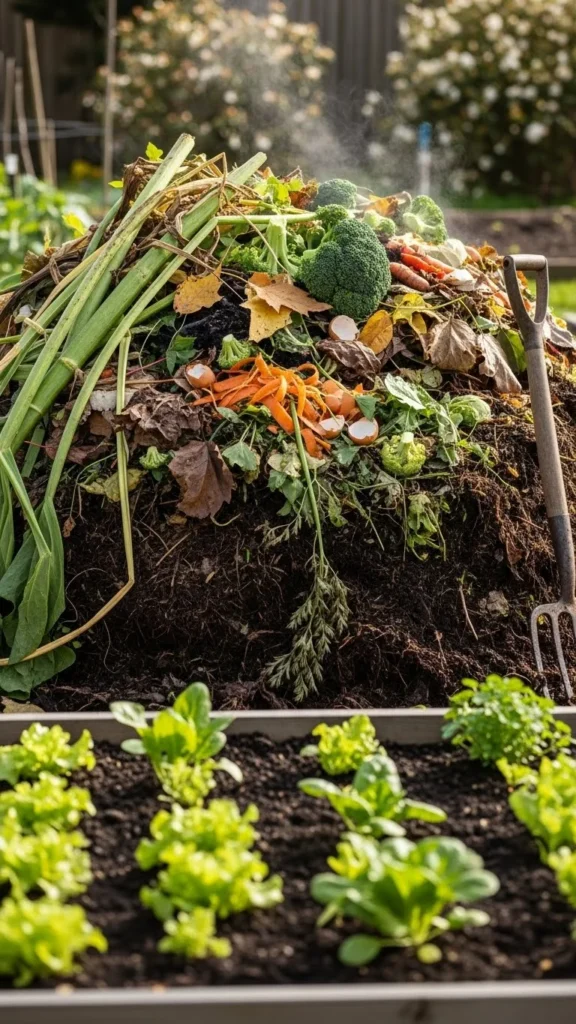
After harvest, don’t toss out plant remains. Compost them to enrich your soil naturally. Chop large stems to speed up decomposition. Mix dry leaves with kitchen scraps to balance moisture. In a few months, you’ll have rich compost ready for the next growing cycle.
22. Store Seeds from Your Best Crops
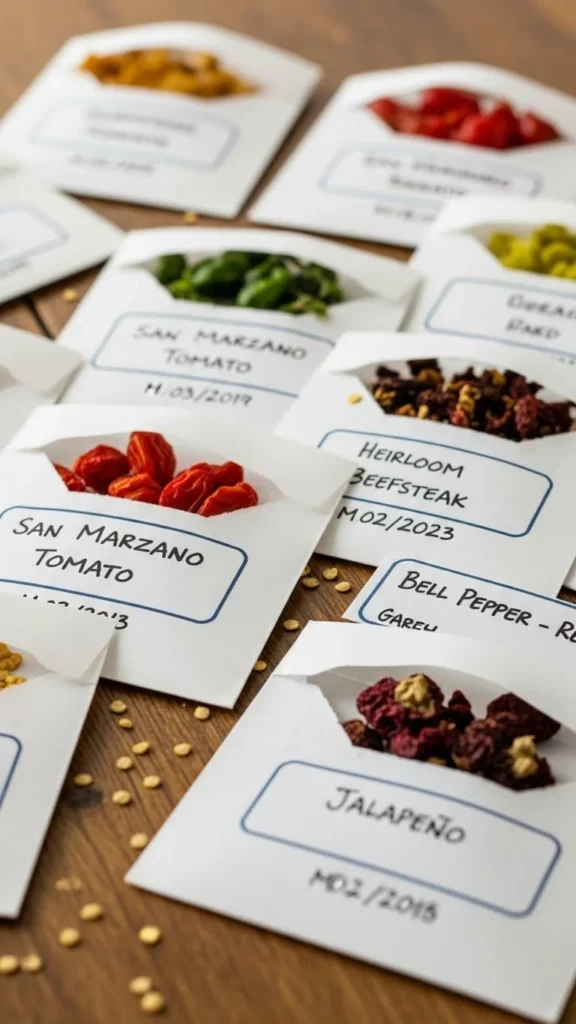
Save seeds from your healthiest, best-producing plants. Dry them thoroughly and store in labeled paper envelopes in a cool, dark place. Seed saving builds self-reliance and adapts your garden to local conditions over time. You’ll spend less and grow more consistent crops year after year.
Conclusion
Gardening is about rhythm — knowing when to pick, how to handle, and what to replant next. These 22 harvesting hacks make that rhythm easier to master. With a few smart habits, you’ll gather more food, waste less, and enjoy healthier plants all season long. Keep refining your approach, and every harvest will feel more rewarding than the last.

Leave a Reply