

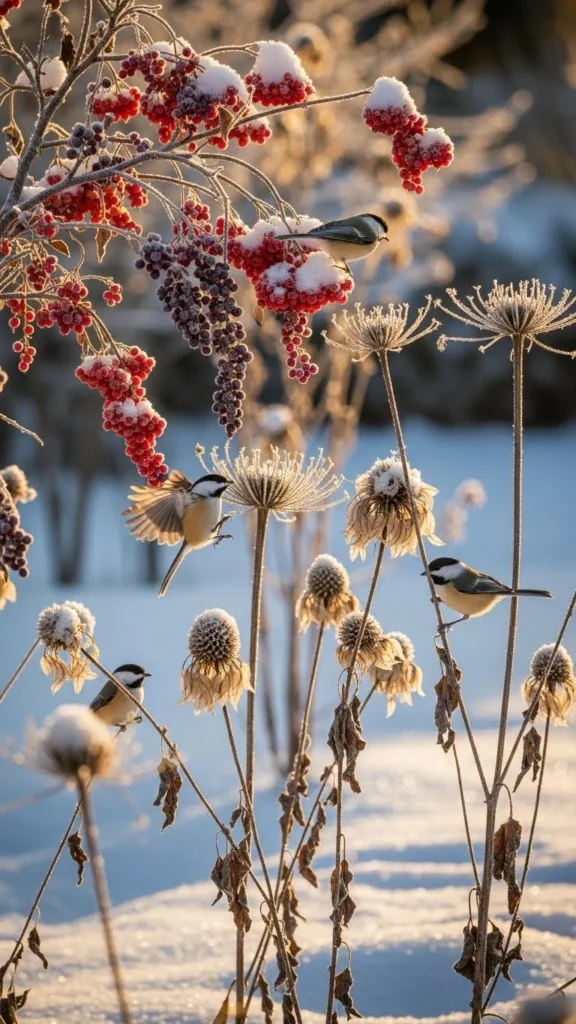
A winter garden doesn’t have to feel empty. Many plants keep birds, pollinators, and helpful insects active even in the coldest months. From berry shrubs to nectar-rich evergreens, these plants offer food, shelter, and structure during the quiet season. If you want a yard that feels alive even in snow, these winter wildlife plants make it simple, budget-friendly, and beginner-friendly.
1. Winterberry Holly
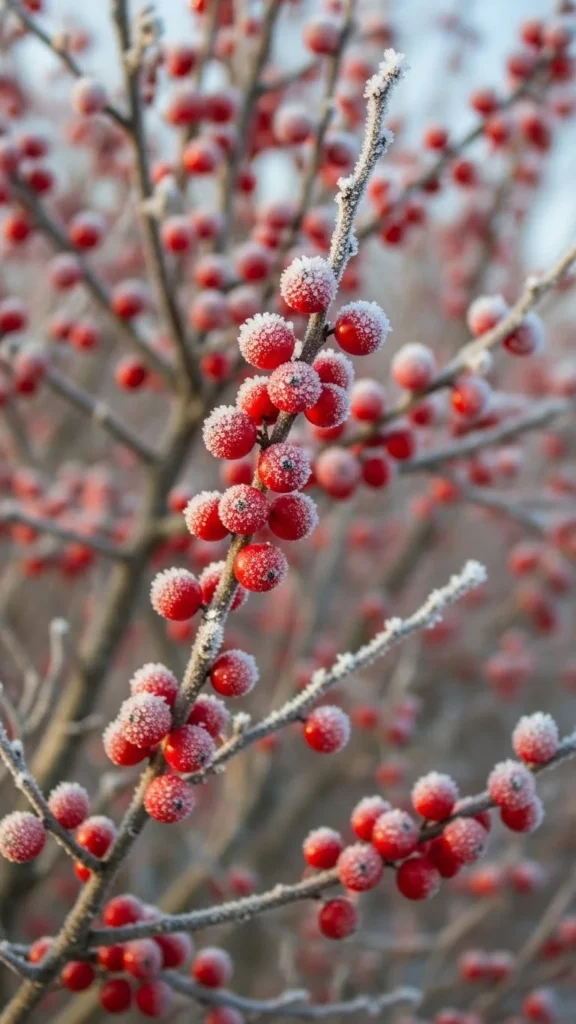
Winterberry holly is one of the easiest shrubs to add if you want more bird activity in cold months. The berries stay on the branches through deep freezes, so birds return again and again. Plant a male and female shrub so berry clusters form well. Choose a sunny area, but partial shade also works. If you’re on a tight budget, buy one small shrub and let it grow slowly. Add mulch around the base to help retain moisture. Keep pruning simple. Remove only broken branches and let the plant grow into a natural shape. The berries also create a bright spot in dull landscapes, making your yard feel more cheerful. Birds such as robins and cedar waxwings love these shrubs. It’s a practical plant with long-lasting color that stays helpful all season.
2. Red Twig Dogwood
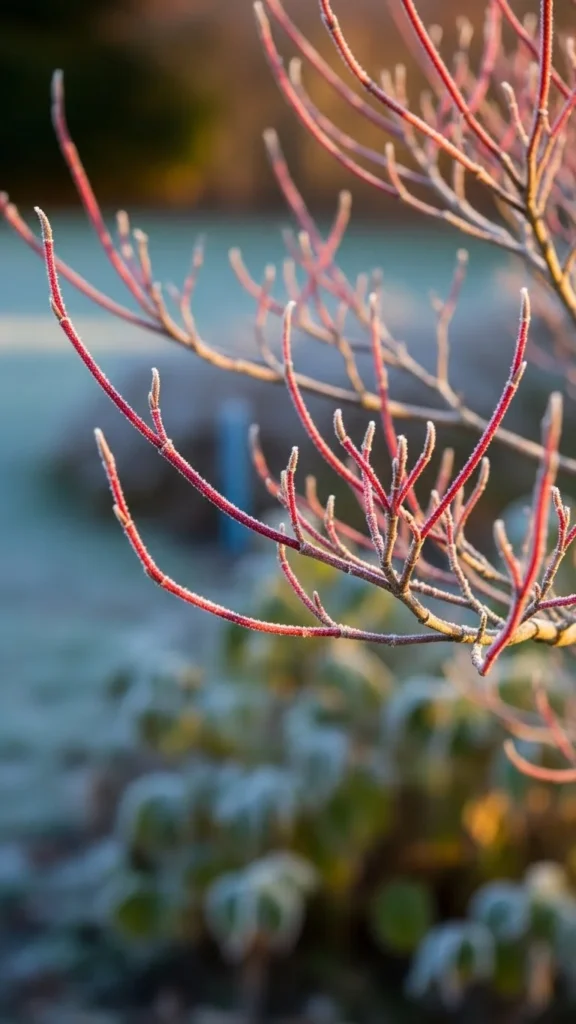
Red twig dogwood offers winter shelter along with striking color. Birds use the dense branches to hide from predators during colder months. The bright stems also stand out beautifully after snowfall. This shrub likes moist soil, but it adapts well to regular garden beds too. Use a simple drip hose or recycled rainwater to keep it hydrated. Pruning a few older stems each year encourages the brighter red color. It also keeps growth full without much effort. Many gardeners use this plant to define borders or create wind-protected nooks where wildlife can rest. Pair it with evergreens for even more structure. Adding just one shrub can transform an empty winter corner into a wildlife hideout.
3. Crabapple Trees
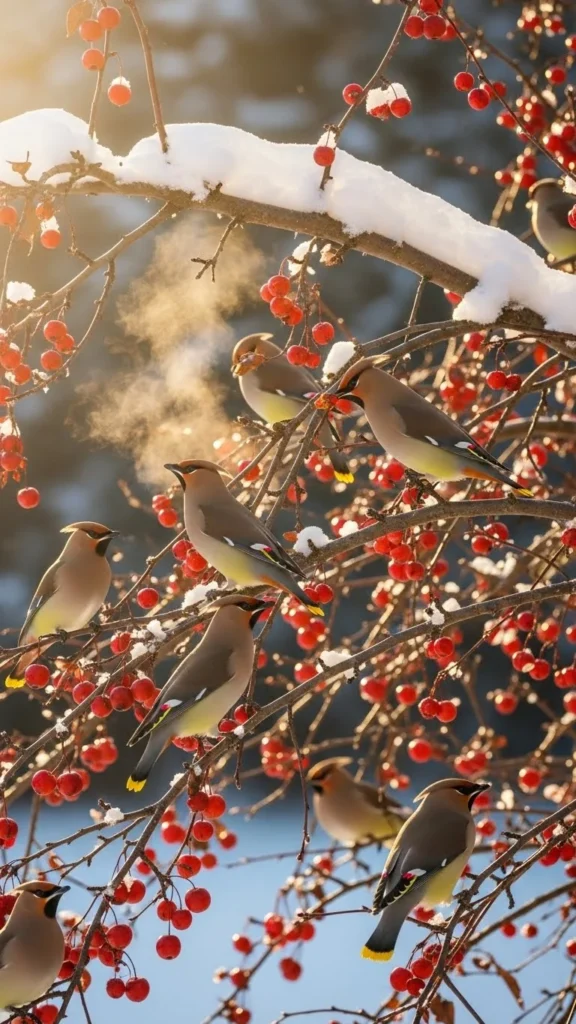
Crabapple trees hold their fruit well into winter, giving birds a steady food source. Many varieties produce small apples that soften in the cold, which makes them easier for birds to enjoy. These trees also add height and help frame garden beds. If you’re planting on a budget, choose a young bare-root tree. They’re cheaper and establish well once spring arrives. Leave the fruit on the branches through the cold season instead of cleaning up fallen pieces. The tree won’t mind, and wildlife will thank you. Crabapples also support native insects, which help pollinators as temperatures rise again. They’re reliable, attractive, and very low-maintenance once established.
4. Juniper Shrubs
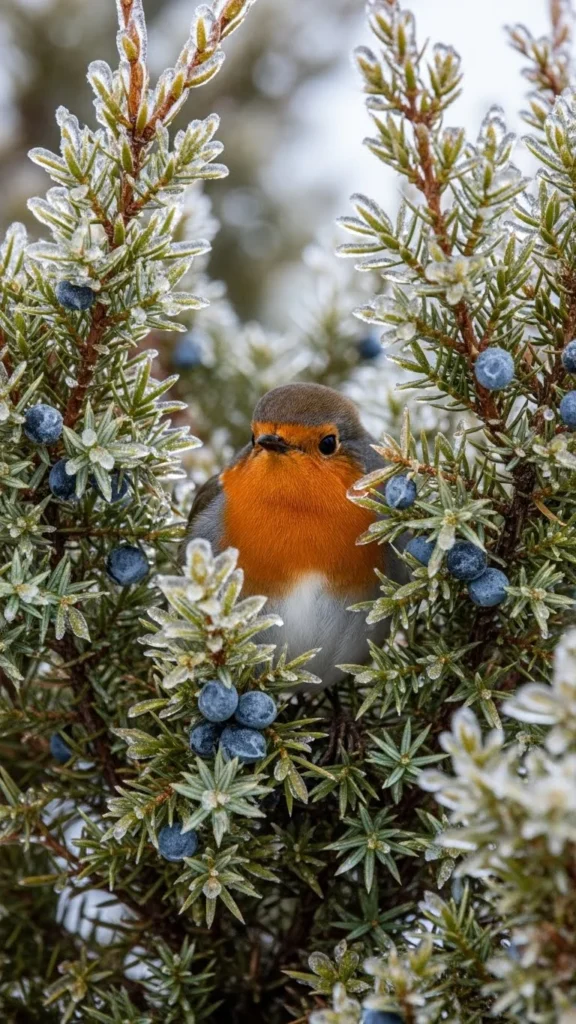
Junipers offer both food and shelter. Many birds rely on the berries during the coldest months. The foliage stays thick year-round, giving wildlife a safe place to hide. Plant junipers near fences or along the sides of your yard to create wind protection. They do well in rocky or poor soil, making them a budget-friendly choice for tricky spots. Water deeply a few times during dry spells, but otherwise, they’re hands-off. If you want extra color, pick varieties with blue-tinted berries. Junipers also support overwintering pollinators that tuck into the bark or nest at the base. It’s a hardy shrub that adds texture, structure, and quiet activity to your garden.
5. Coneflower Seed Heads
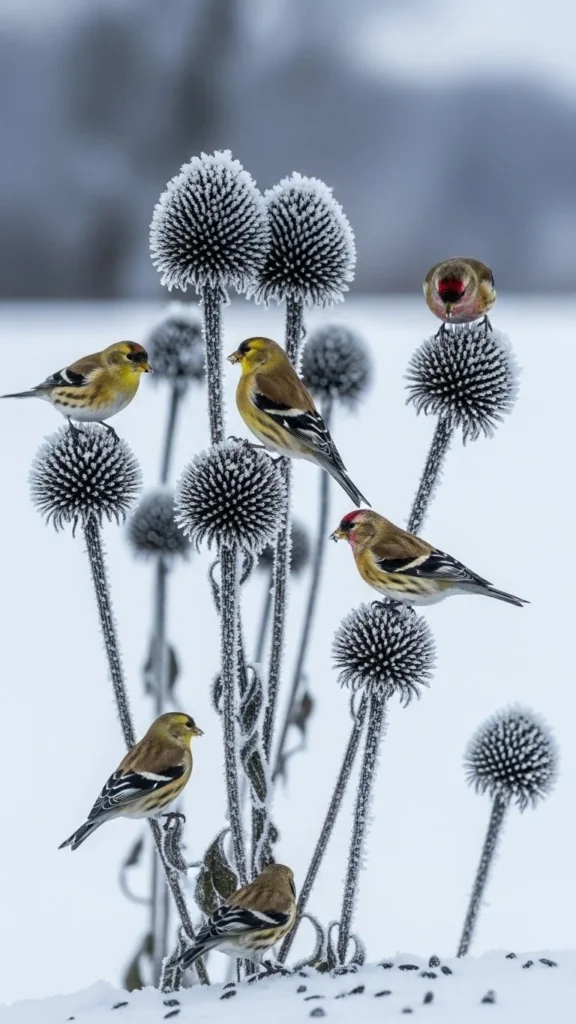
Don’t cut your coneflowers back in fall. The seed heads are valuable food for finches and other small birds. The tall stalks also add movement to winter beds. Leaving them up saves time and supports wildlife. This makes coneflowers one of the easiest winter-friendly plants to maintain. Plant additional clumps in spring to expand your patch. The flowers spread gently, so a few plants can turn into a full section of winter habitat over time. If you want to save money, divide mature plants every few years and replant the extras. You’ll get more blooms in summer and more seed heads in winter.
6. Sunflower Stalks
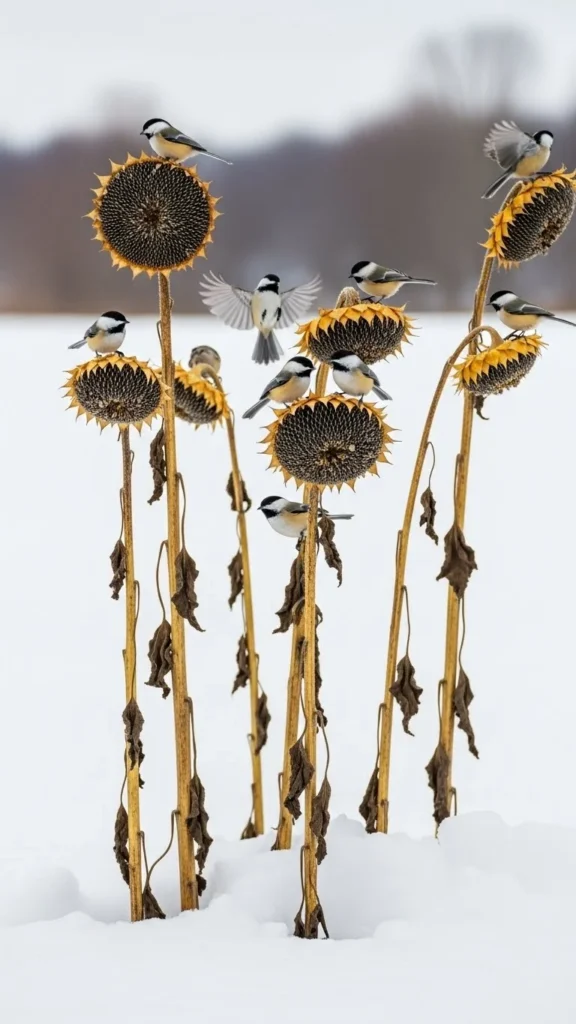
Sunflower stalks provide natural feeding stations for birds. Leaving them standing through winter lets the seed heads serve as an easy snack. They also attract overwintering insects, which helps keep your winter ecosystem active. Grow sunflowers in summer, then simply let them dry in place. If the stalks lean, tie them loosely to a wooden stake. This keeps everything upright in wind or snow. The dried heads also look attractive in rustic gardens. You can plant different varieties each year for new colors and heights. This is one of the most affordable ways to add winter habitat to any yard.
7. American Beautyberry
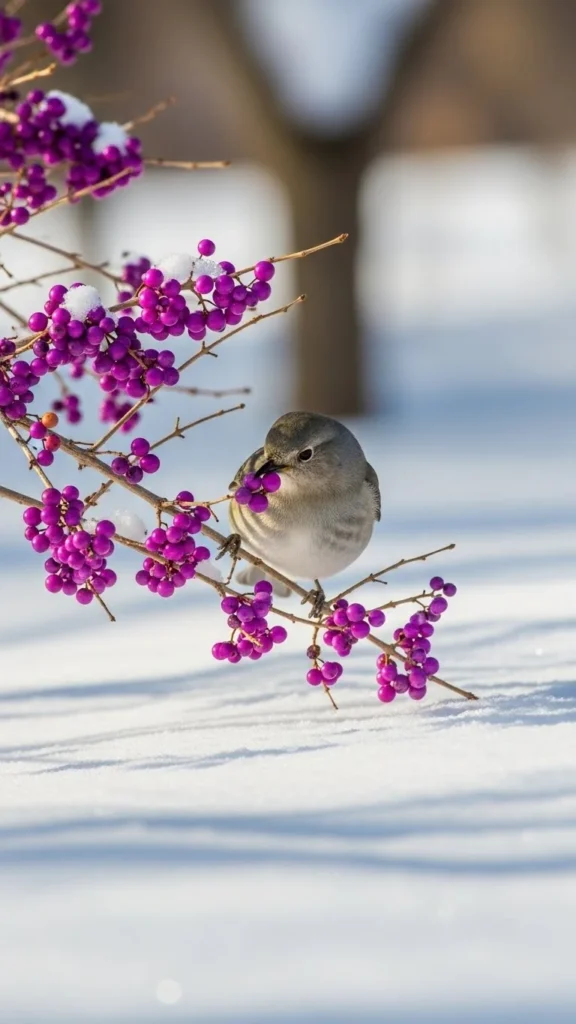
Beautyberry shrubs stand out in winter with neon-purple berries. These clusters stay on the branches long after leaves fall, offering food when little else is available. Plant beautyberry in partial shade for the best color. It grows quickly, so even a small starter plant becomes a full shrub within a few seasons. Birds enjoy the berries, and the arching branches create small pockets of shelter. Add compost in spring to keep growth healthy. Minimal pruning keeps the natural shape soft and wildlife-friendly. The berries often stay bright even in frost, giving your yard unexpected winter color.
8. Rosemary
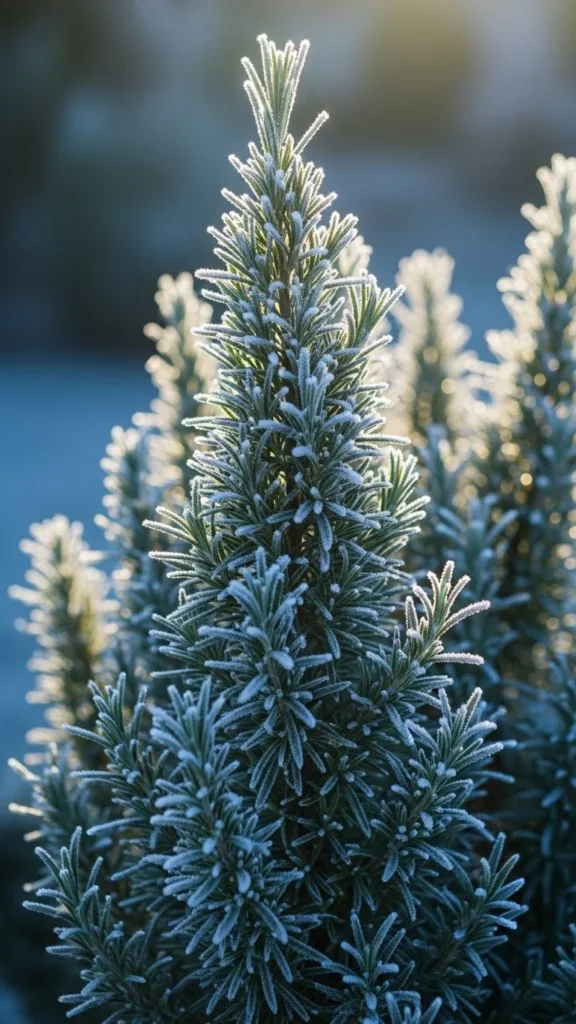
Rosemary blooms through mild winter days, attracting bees that wake during warmer spells. The scent also makes your garden feel lively when most plants are dormant. Rosemary grows best in sunny spots with well-drained soil. Plant it near walkways so the fragrance greets you every time you pass. To save money, start with a small pot and let it grow naturally. Trim lightly to shape, but avoid heavy cuts during cold months. The evergreen stems give pollinators a place to rest, and the small flowers provide nectar when resources are low.
9. Winter Jasmine
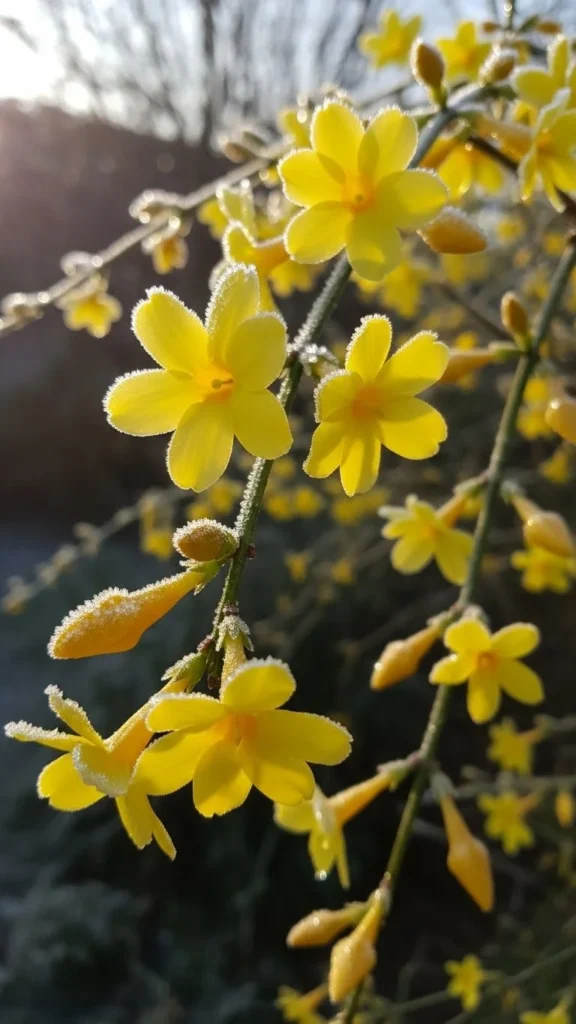
Winter jasmine brightens cold months with cheerful yellow flowers. These blooms appear before the leaves, making the plant glow against winter landscapes. Pollinators visit during mild days, using the flowers as an easy nectar source. Train winter jasmine along a wall or trellis for extra warmth and protection. The plant spreads quickly, so you can cover a large area without spending much. Keep pruning simple by trimming long trailing stems. The bright flowers also help birds spot insects that hide in the branches, making this plant useful for multiple wildlife groups.
10. Cotoneaster
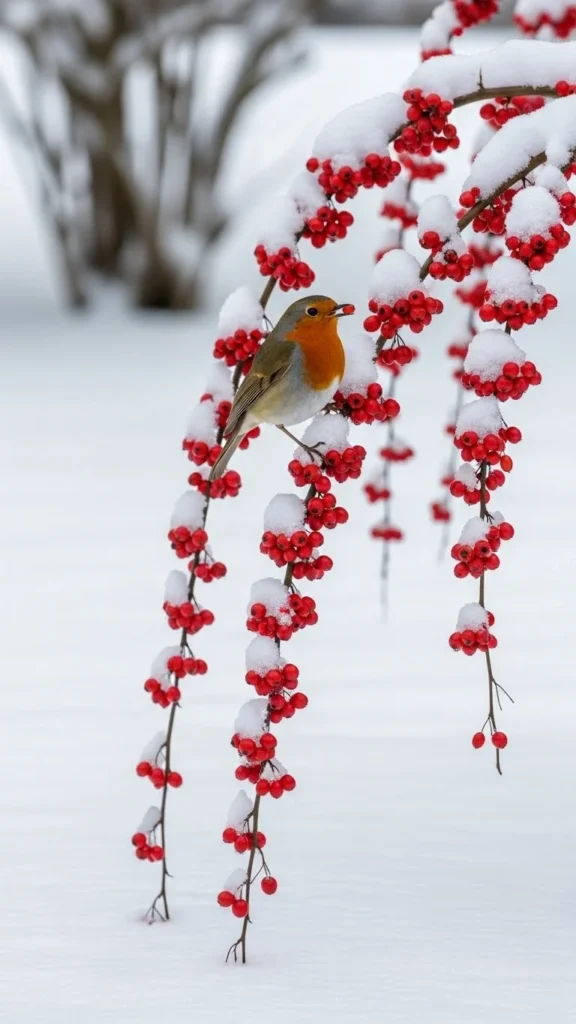
Cotoneaster shrubs produce dense berry clusters and arching branches that birds love. The berries last well through winter. Plant them along slopes or borders for a natural draping effect. Cotoneaster is easy to grow and handles neglect well. Water occasionally during dry spells, but mostly let it do its thing. If you want more plants for free, layer a low branch into soil and let it root. Birds appreciate the shelter, and the berries add color to winter beds. It’s a practical choice for anyone wanting wildlife support with minimal effort.
11. Serviceberry
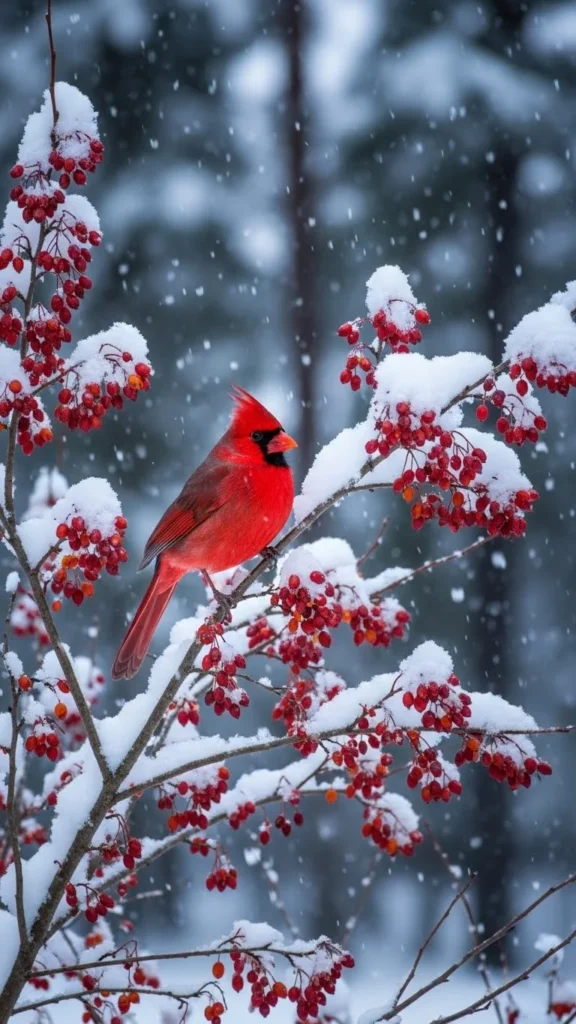
Serviceberry trees are favorites for winter wildlife. The fruit stays on the tree and becomes sweeter after frost. Birds return daily to feed. These trees also bring graceful form to garden beds. Plant them in full sun or partial shade. Young trees are affordable and establish quickly. Add mulch around the base to protect roots from freeze-thaw cycles. Serviceberry trees also help with early spring pollination as their flowers appear before many others. They’re beautiful, reliable, and welcome in almost any yard size.
12. Oregon Grape
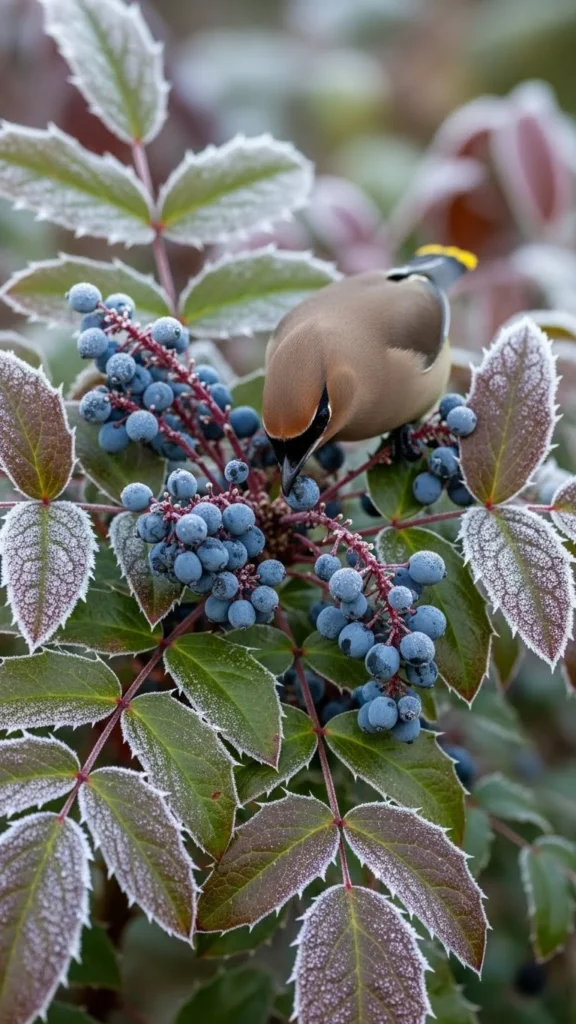
Oregon grape offers evergreen shelter and berry clusters through winter. The leaves turn bronze or red in cold weather, adding subtle color. The berries sit high enough for birds to access easily. Plant Oregon grape in partial shade or sun. It handles tough conditions, even dry soil. Keep the soil lightly mulched to hold moisture. A small shrub grows into a full clump over time, making it an affordable long-term choice. Bees also visit the flowers during late winter, so it supports multiple wildlife groups as seasons shift.
13. Hellebores
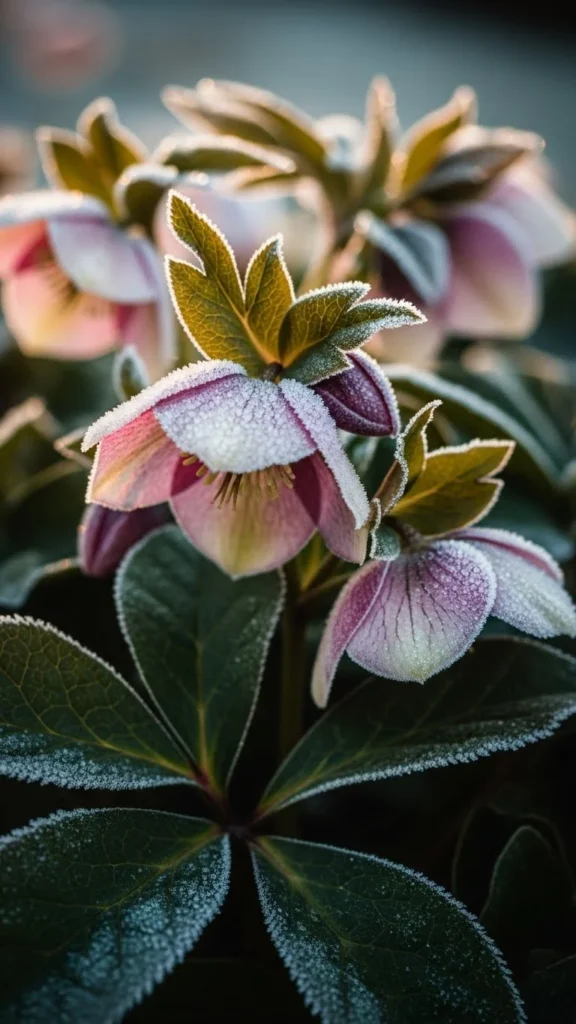
Hellebores bloom earlier than most garden plants, giving pollinators much-needed flowers when little else is available. They’re perfect for shaded or woodland gardens. The evergreen leaves also provide ground shelter for insects. Plant hellebores in rich soil and add compost yearly. They spread slowly, making them a steady long-term investment. If you want more plants, divide older clumps carefully in early spring. The flowers stay upright through snow, creating a gentle winter display. Bees visit them often during warm spells.
14. Viburnum
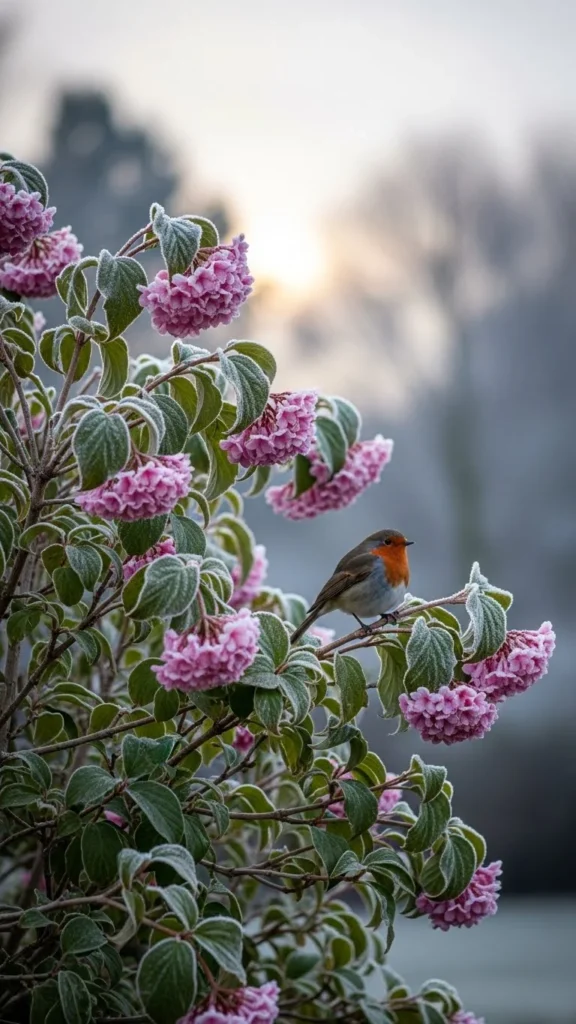
Many viburnum varieties offer berries and early flowers, which support both birds and pollinators. Some types bloom in winter, giving your yard gentle color. Plant viburnum along pathways or near windows so you can enjoy the winter show. They handle different soil types and rarely need heavy pruning. Remove only damaged stems to keep things simple. The berries stay well into winter, and the branching pattern makes perfect hiding spots for small birds. It’s a multi-purpose shrub that adds structure all year.
15. Holly (Evergreen Varieties)
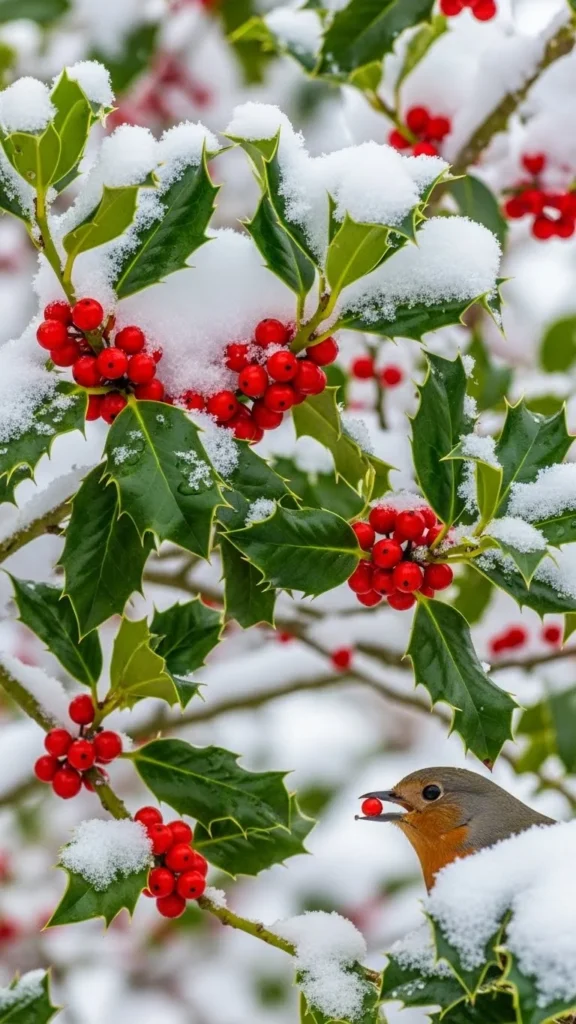
Evergreen hollies look bright and vivid throughout winter. Birds depend on their berries when snow covers other food sources. These shrubs also give year-round shelter. Plant holly along fences or near garden edges. They grow slowly but steadily, so a small affordable plant works well. Keep the soil slightly acidic by adding pine needles or leaf mulch. Trim lightly for shape. The glossy leaves stand out beautifully against winter skies, and the berries stay bright through deep cold.
16. Sumac
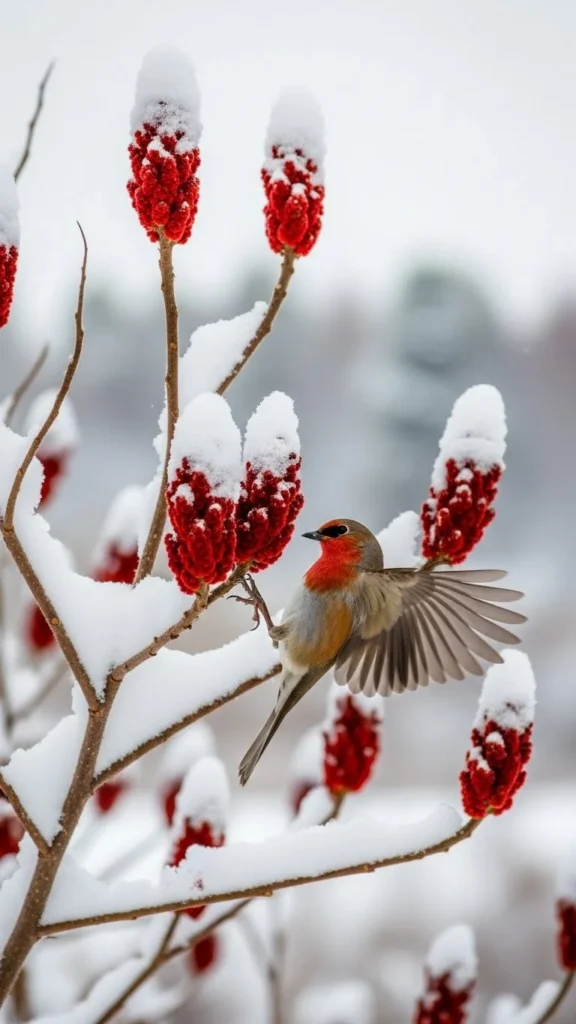
Sumac produces tall red berry clusters that last long into winter. Birds love these cones, especially during late winter when food gets scarce. The plant spreads gently, making it great for naturalized areas. Plant sumac on slopes or open sunny spots. It handles poor soil well, so you won’t spend much on amendments. The red clusters add color to bare landscapes. Leave the cones intact through winter to keep wildlife visiting regularly.
17. Lavender
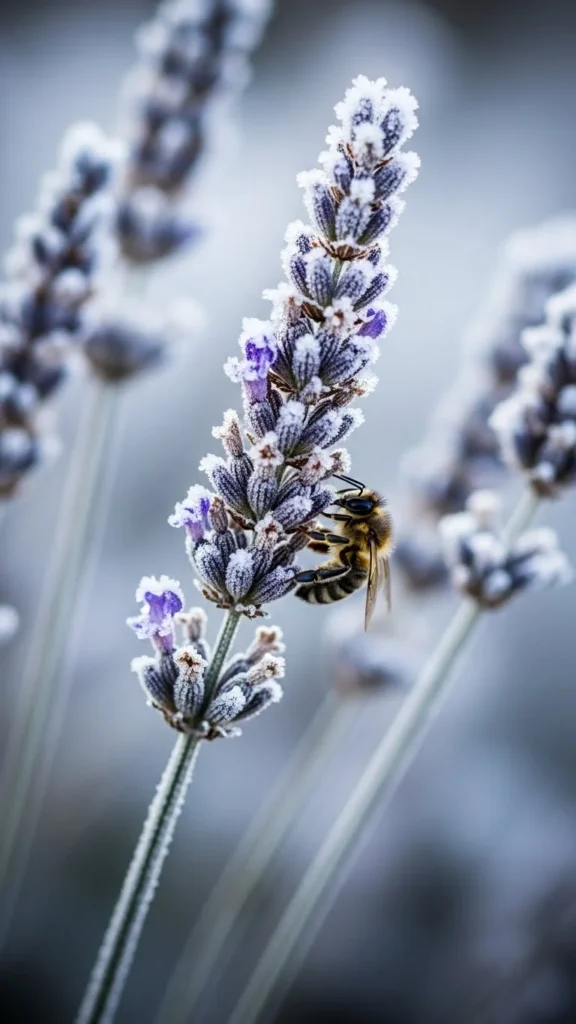
Lavender offers winter interest even when not in bloom. The dried flower heads attract insects that shelter inside, and bees occasionally visit during warm spells. Lavender grows best in sunny, dry areas. If you’re planting new ones, choose small nursery pots because they grow quickly. Avoid heavy watering in winter. Simply let the plant rest. The dried stems look attractive and smell pleasant when brushed. You can also leave stems until spring clean-up to help wildlife stay protected through cold nights.
18. Pines and Spruces
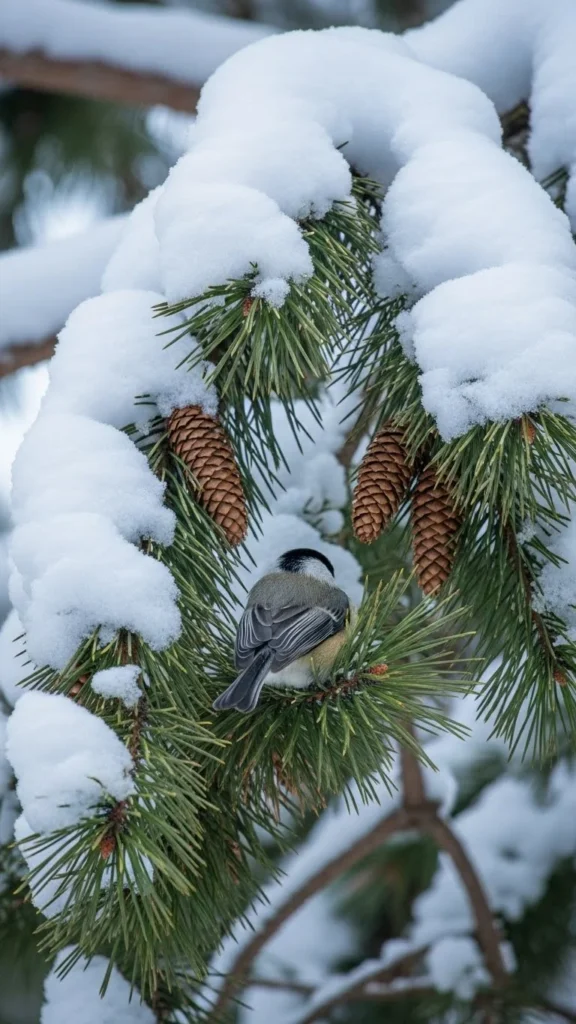
Evergreen trees provide year-round shelter and food through their pinecones. Birds often hide within the branches to escape wind and predators. These trees also help define your winter garden. Plant a small tree if space is limited. They grow slowly, so even budget-friendly young trees become valuable over time. Add a thick layer of mulch around the base to help hold moisture. Leave fallen needles where they drop to support soil health and provide a natural habitat layer.
19. Yarrow
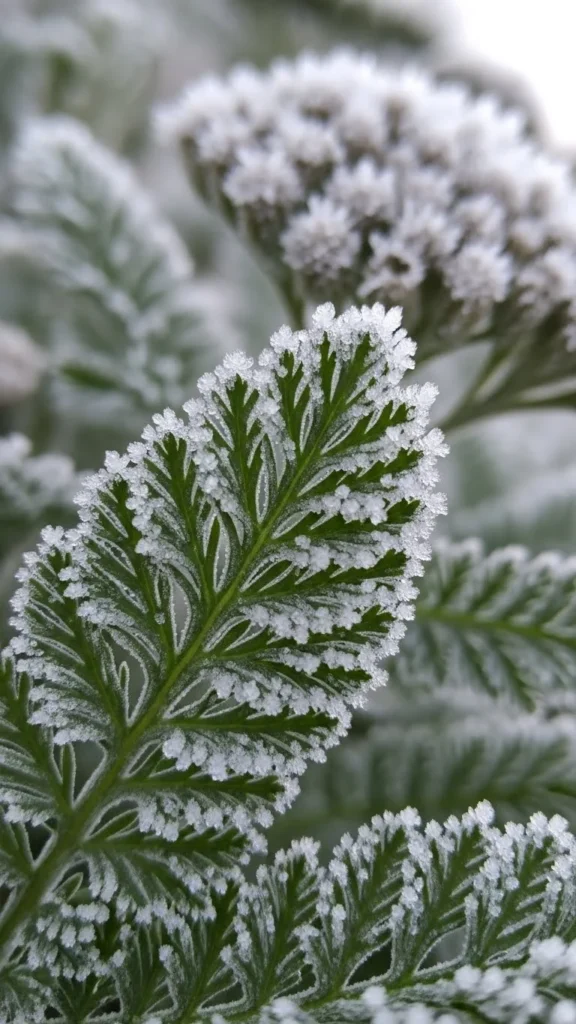
Yarrow keeps its shape even after blooming, creating seed heads that provide shelter for insects. Plant it in sunny spots with well-drained soil. It spreads gently, so one plant can fill an entire area within a couple of years. This makes it an affordable option for wildlife-friendly gardens. Leave flower heads standing through winter to support insects and provide visual texture. Trim in early spring for fresh growth. Yarrow also works well as a border plant alongside shrubs and trees.
20. Black-Eyed Susan Seed Heads
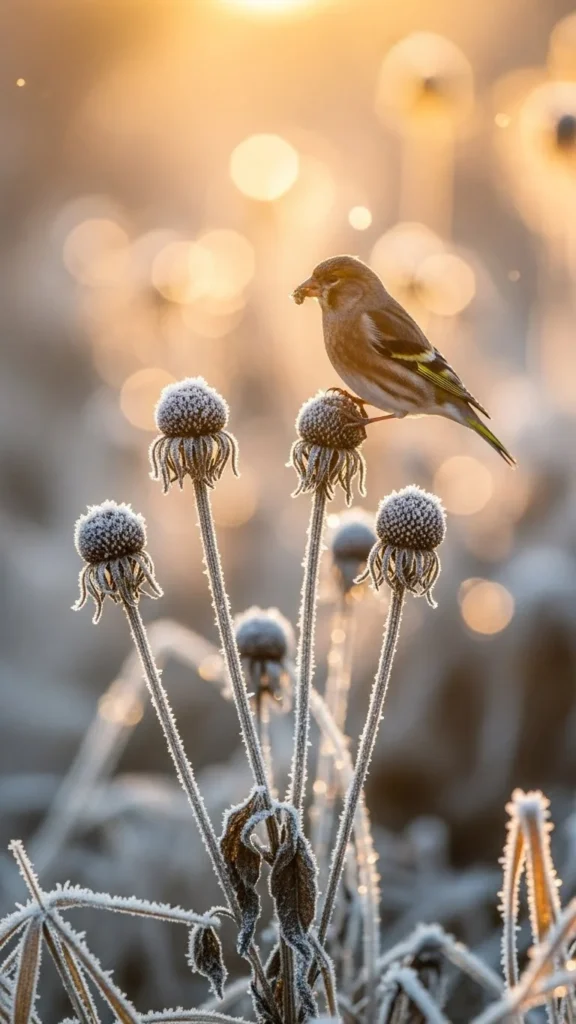
Black-eyed susans dry into sturdy seed heads that birds love. Leave the stems standing after fall. They add a natural, rustic look to winter beds. The dried heads also shelter insects that help pollinators once temperatures warm. Plant multiple clumps in sunny areas to create a large wildlife-friendly patch. Divide mature plants in spring if you want more without spending extra. It’s an easy, reliable plant with long-lasting winter value.
Conclusion
Winter doesn’t have to feel empty when your garden includes plants that support birds and pollinators. These shrubs, flowers, trees, and seed heads bring steady movement, soft color, and year-round activity to your outdoor space. Start with a few affordable choices, let them grow naturally, and watch your winter landscape turn into a lively habitat that wildlife depends on.

Leave a Reply