

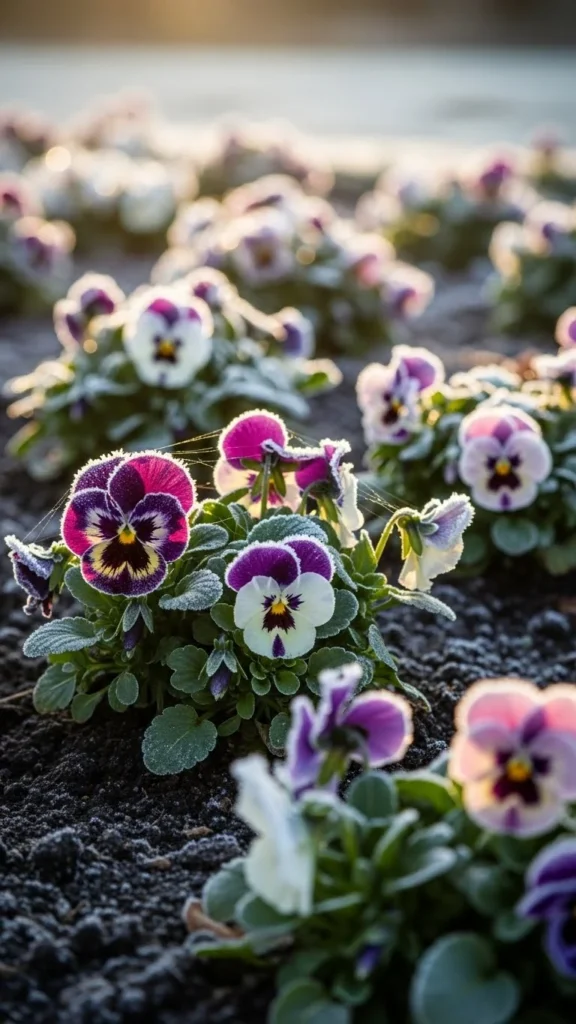
A winter yard does not have to look dull. Many annuals hold their color even when temperatures drop, making them reliable choices for gardeners who want lively beds through fall and early winter. These plants handle frosty mornings, bounce back after cold nights, and offer structure when the rest of the landscape goes quiet. Below are frost-friendly annuals that bring long-lasting color along with easy, budget-friendly care ideas you can use right away.
1. Calendula
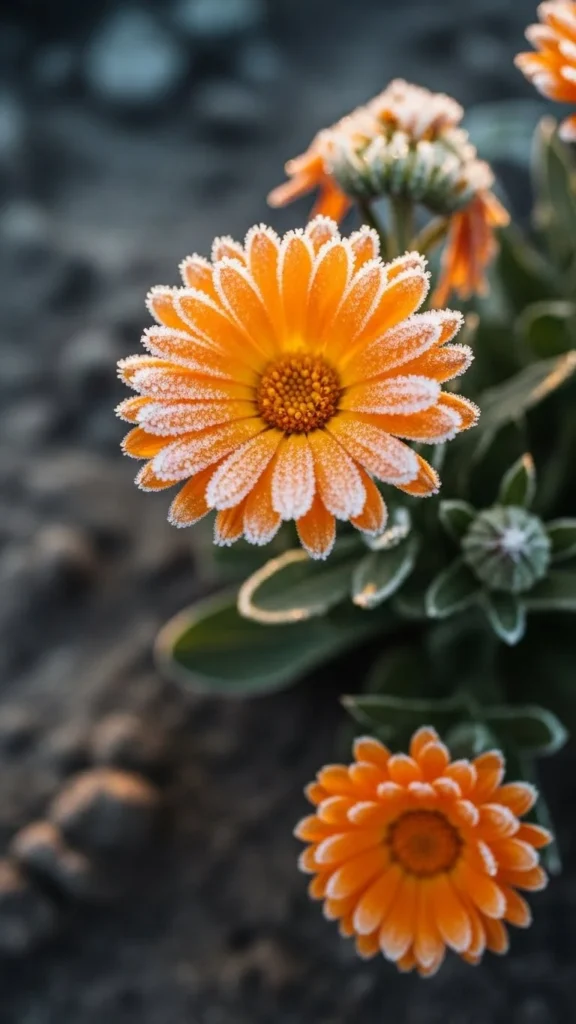
Calendula holds its color even when mornings turn icy. The petals stay bright and cheerful, so you get long stretches of warm gold or orange during the cold months. It grows well in containers and beds, giving you flexibility to tuck it anywhere a small pop of color helps. Water lightly and keep the soil loose, especially in late fall. If you have leftover pots from summer, reuse them for an easy, cost-friendly winter setup. You can also cut back leggy growth to help the plant look tidy all season. Try mixing calendula with cool-tone flowers for contrast. If frost hits hard, just remove damaged petals and the plant often rebounds. It thrives with simple care and spreads enough to fill gaps without taking over. Sprinkle seeds directly into the soil for a low-cost way to refresh bare spaces.
2. Pansies
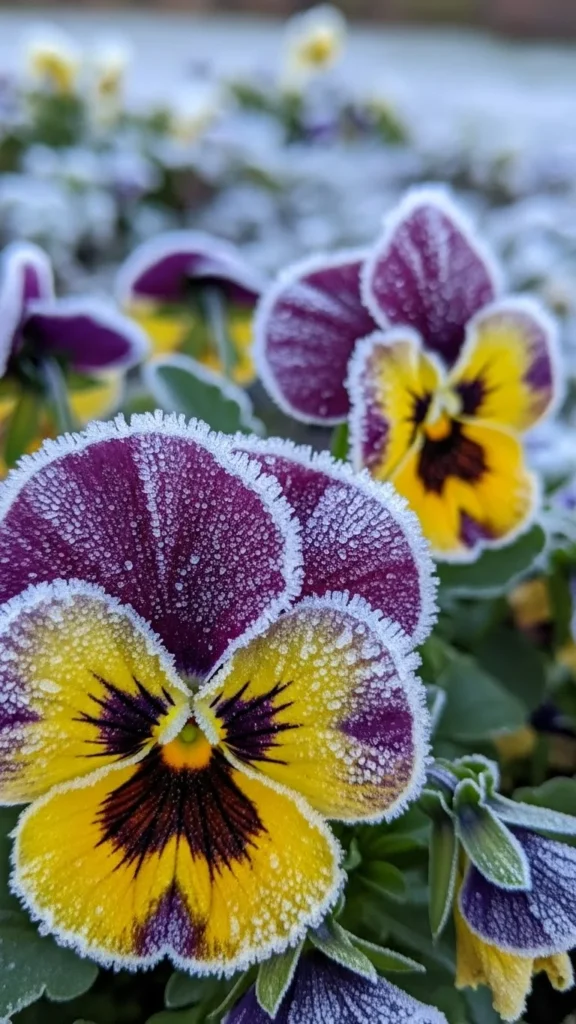
Pansies handle cold nights better than many plants. Their faces stay bright even after repeated frosty mornings. You can choose from dozens of colors, making it easy to match your winter garden theme. Plant them in clusters for stronger visual impact since small groups get lost in wide beds. Use leftover mulch to insulate roots without spending extra. They also do well in window boxes where they add charm from indoors. If blooms droop after a freeze, give them sunlight and they often perk back up within hours. Pansies are simple to plant and maintain, which makes them ideal for beginners or anyone tight on time. Add them near walkways so the color stays visible through winter.
3. Violas
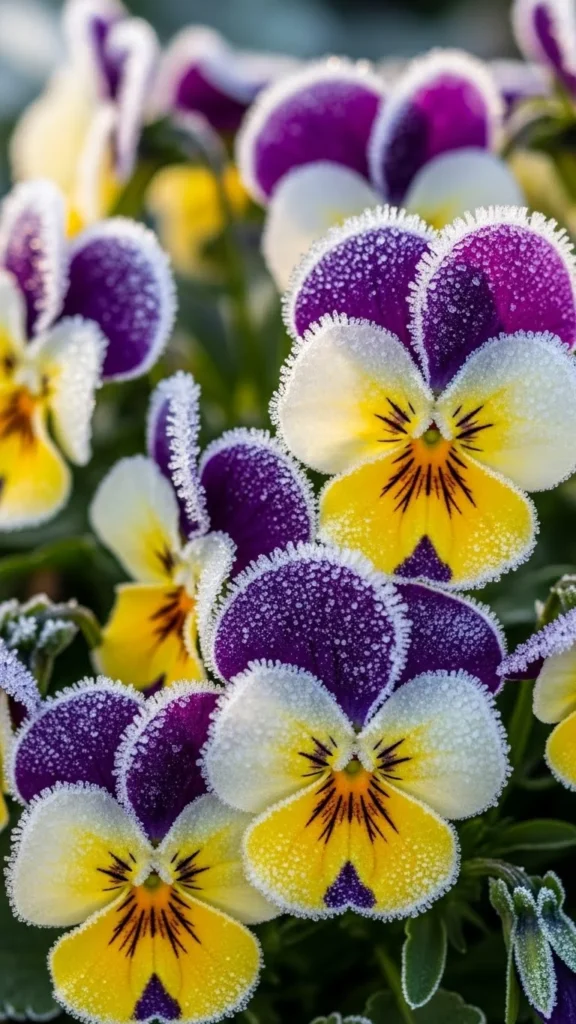
Violas continue blooming even as temperatures drop below freezing. Their small flowers bring steady color when larger plants fade. They grow quickly in cool weather, so you can refresh beds even late in the season. Mix them with pansies for layered texture and long-lasting interest. Violas are great for budget gardeners since seed packets are inexpensive and grow readily. Water sparingly because damp soil in cold weather slows growth. If you want a fuller look, pinch stems to encourage branching. They do well in small pots too, making them useful for porch steps and railings. Even when frost coats the petals, violas often stay bright, offering color on days when the yard feels quiet.
4. Snapdragons
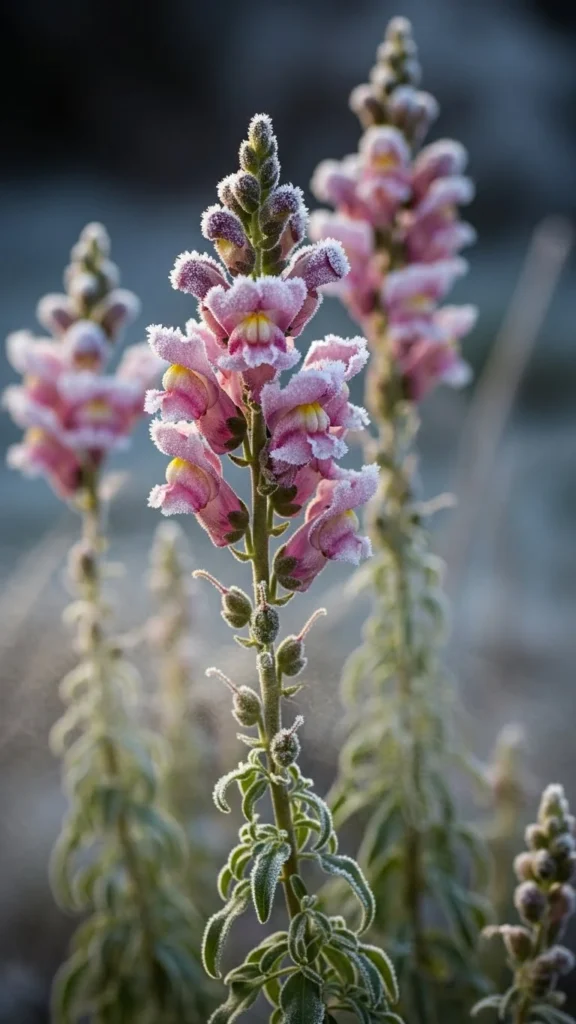
Snapdragons grow taller than most frost-tolerant annuals, giving your winter garden height and structure. Their vertical shape helps balance shorter plants and adds dimension to small beds. They also come back strong after cold nights, especially when planted in early fall. If the stems lean, tie them loosely to old bamboo stakes instead of buying new supports. Removing faded blooms encourages the plant to keep producing more. Snapdragons work well along fences, porches, or in raised beds where they stay visible above snow flurries. The color range is wide, from deep burgundy to soft peach. Even the buds look charming when frosted, adding a seasonal feel to your yard.
5. Dusty Miller
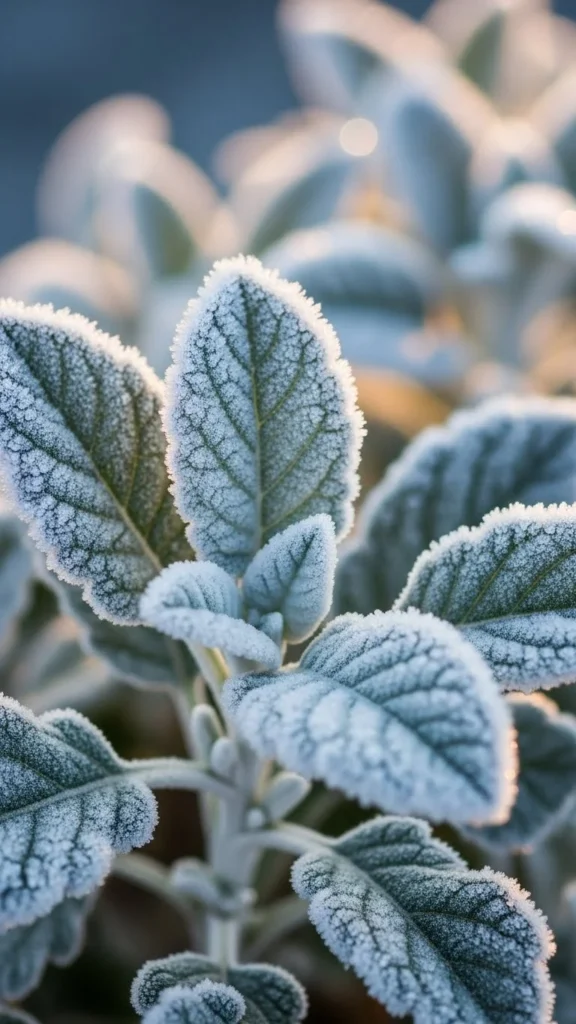
Dusty Miller isn’t known for flowers, but its silvery leaves make winter beds look structured and bright. The foliage pairs well with colorful annuals, creating a balanced contrast. Since it thrives in cold conditions, you won’t have to fuss over it during frosty spells. Plant it along borders for a clean, outlined look. You can also repurpose old terracotta pots and fill them with Dusty Miller for a simple seasonal display. Trim back longer stems to keep the shape compact. The plant survives better when the soil stays slightly dry, so avoid overwatering. Its pale color stands out during gloomy days, giving your garden a soft winter glow.
6. Sweet Alyssum
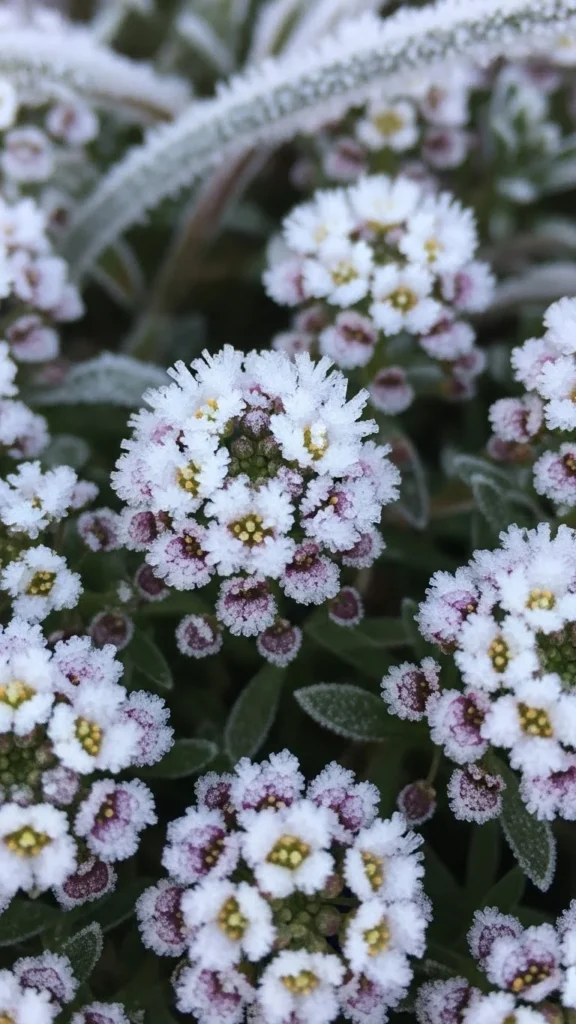
Sweet alyssum spreads quickly and forms low, fragrant mounds that handle cold easily. The tiny blooms work well for filling gaps between larger plants. Use it at the edge of walkways for a delicate border that lasts through cold snaps. Alyssum grows from seed with little effort, making it a low-cost option for covering bare patches. Keep the soil lightly moist during the first few weeks, then reduce watering as the weather cools. The plant often reblooms after frost, especially when trimmed lightly. If you want variety, try white, lavender, or soft pink selections. Alyssum also performs well in containers, where it creates a soft draping effect.
7. Nemesia
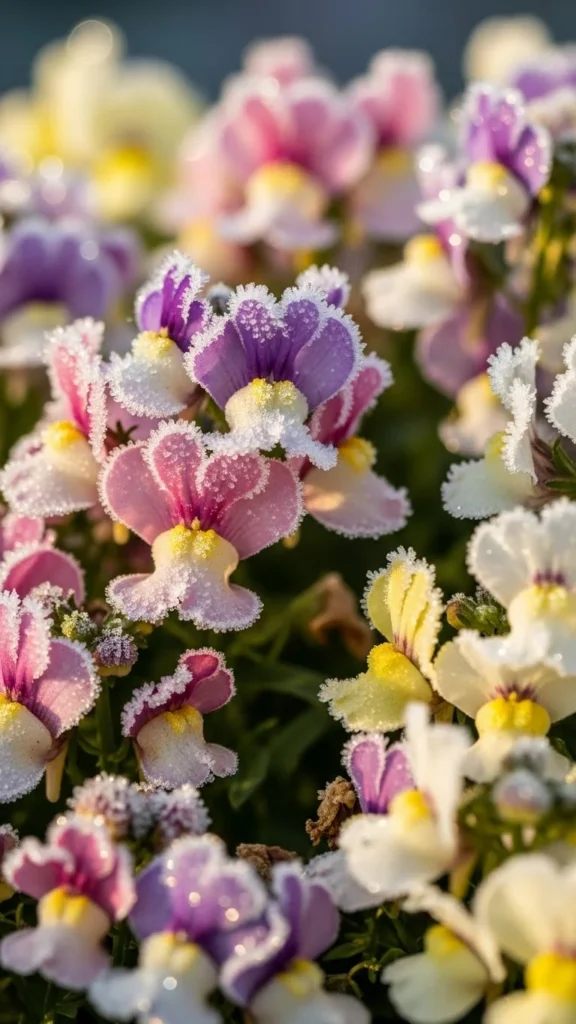
Nemesia produces clusters of bright blooms that stay strong through light frost. They offer a garden-friendly mix of colors and thrive in cool weather. Plant them close together for a full, cushion-like appearance. If you want to save money, divide larger nursery pots into smaller groups instead of buying multiple trays. Nemesia prefers quick drainage, so add a little sand to the soil when planting. After frost, the plant often returns to form once temperatures rise during the day. Use nemesia in hanging baskets for a colorful display that stays cheerful even in cold weather. Pinch stems to encourage branching and steady blooms.
8. Primrose
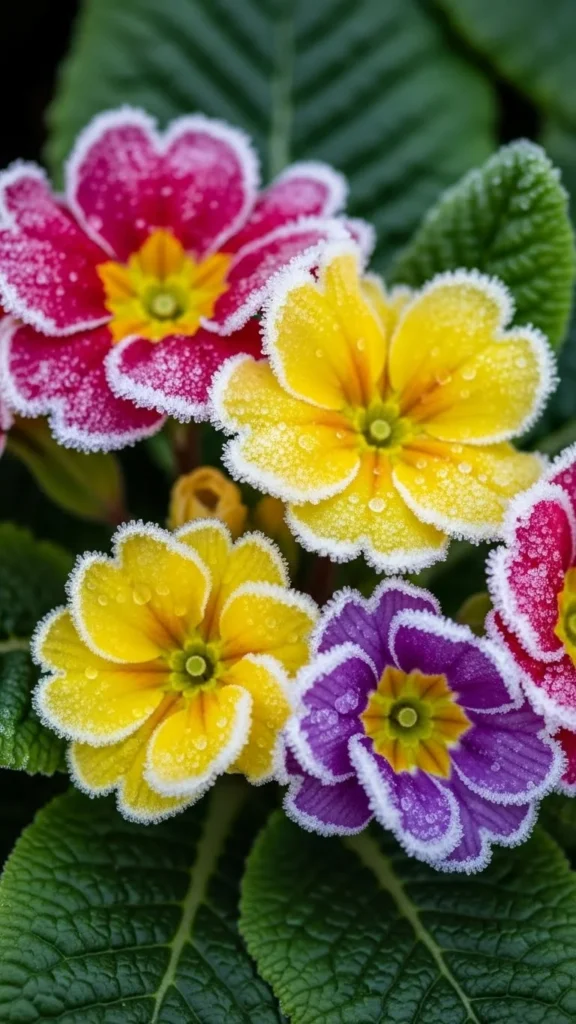
Primrose brings bold color at a time when most plants are slowing down. The large flowers brighten up shady corners and work well near entry paths. If you’re decorating on a budget, mix primrose with low-cost evergreen fillers for a fuller look. Keep the soil lightly moist but not soggy, especially during cold spells. The thick leaves withstand frost easily, and the plant bounces back quickly after freezing nights. Primrose looks beautiful in clusters, so plant several together. You can also reuse ceramic pots from summer and switch out the old soil for a clean winter mix. Even indoors near a cool window, primrose keeps its charm.
9. Ornamental Kale
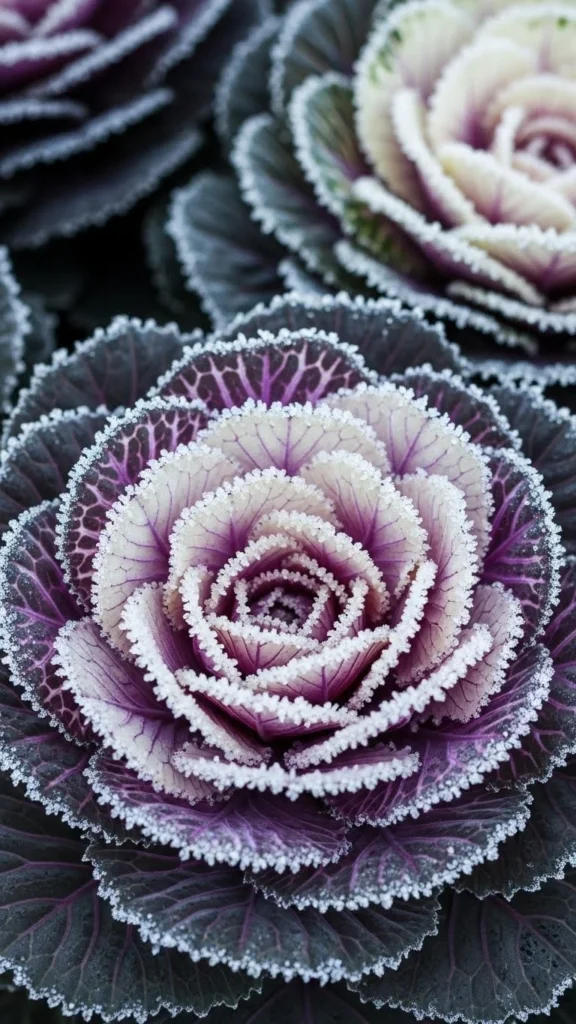
Ornamental kale is a winter classic. The rosettes stay colorful through frost, often becoming brighter in cold weather. You can choose from frilly or smooth-leaf varieties depending on your style. Plant kale in rows or small clusters to create structure in empty beds. It pairs nicely with pansies and violas for a layered winter display. To save money, buy small starter plants since they grow larger quickly. The plant prefers firm soil, so press lightly around the base after planting. Even if frost thickens on the leaves, kale holds its shape, making it a reliable winter accent. Use it in pots for an easy porch feature that lasts until spring.
10. Winter Dianthus
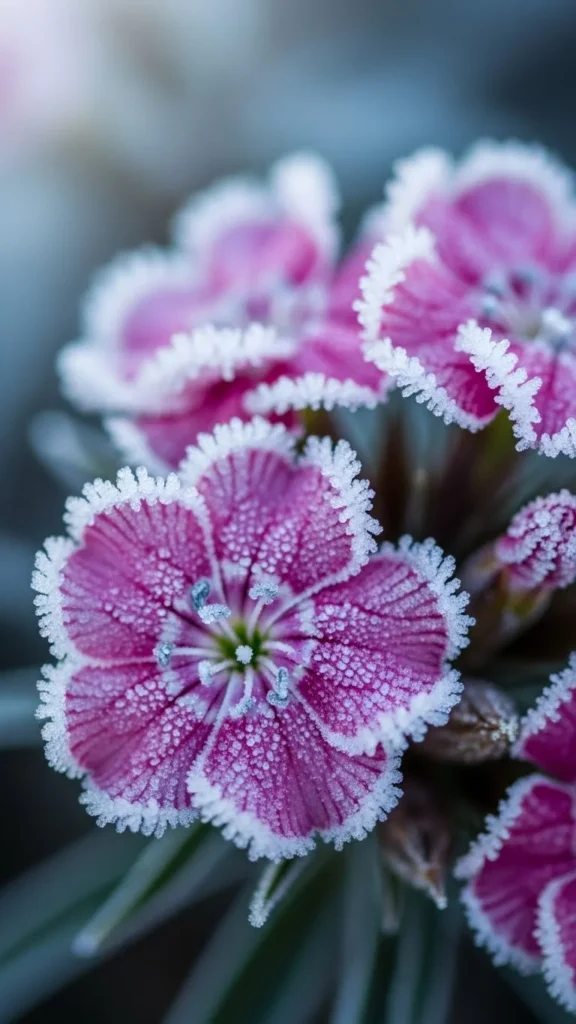
Winter dianthus adds small, star-like blooms that stay colorful during cold spells. The petals often have unique patterns that stand out in winter light. Plant them in raised beds to improve drainage and help them last longer. If you’re reusing old containers, refresh the top layer of soil instead of replacing all of it. Trim spent blooms to encourage more growth throughout the season. The plant holds up well in breezy, cool weather, so it’s suitable for open yards. Pair it with silvery foliage for contrast. Winter dianthus also spreads slowly, offering a gentle way to fill thin areas of your landscape.
11. Stock
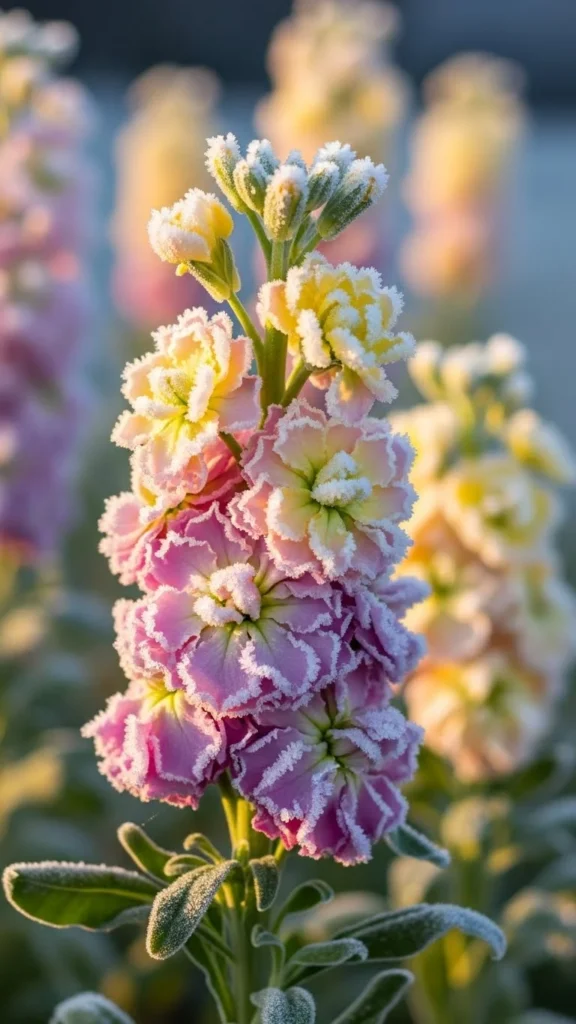
Stock gives off a light, pleasant scent even in cold weather. The blooms are full and elegant, making them ideal for borders or entryway containers. They do well in cool temperatures and survive frost with ease. To stretch your budget, buy mixed-color trays and divide them into separate planters. Stock prefers soil that drains quickly, so avoid heavy clay patches unless amended. The blooms last a long time, and trimming encourages more flowers. Add stock near windows where you can enjoy the color from indoors. Even after a frosty night, the petals usually hold their shape.
12. Larkspur
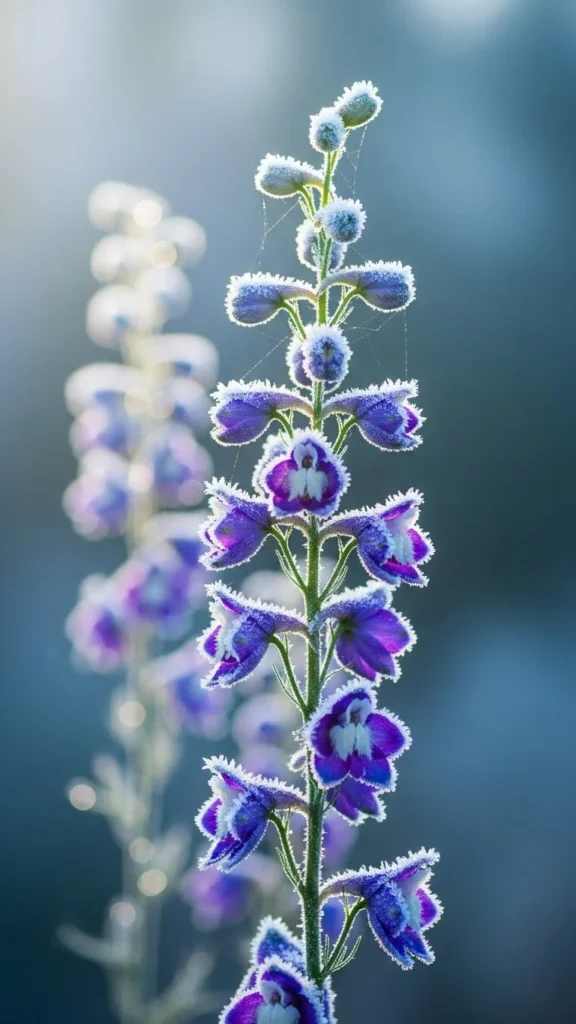
Larkspur grows tall and brings graceful color to winter beds. The plant handles frost well and often grows stronger in cold weather. Use it to add height behind low-growing flowers. If you want to save money, sow seeds directly into the soil during fall so plants develop before winter. The blooms appear in soft purples, blues, and pinks. Stake taller stems using leftover plant ties from summer. Larkspur prefers cool mornings and mild sunlight, which makes it perfect for cold-season gardens. Even the seed pods look attractive when brushed with frost.
13. Petunias (Cool-Hardy Types)
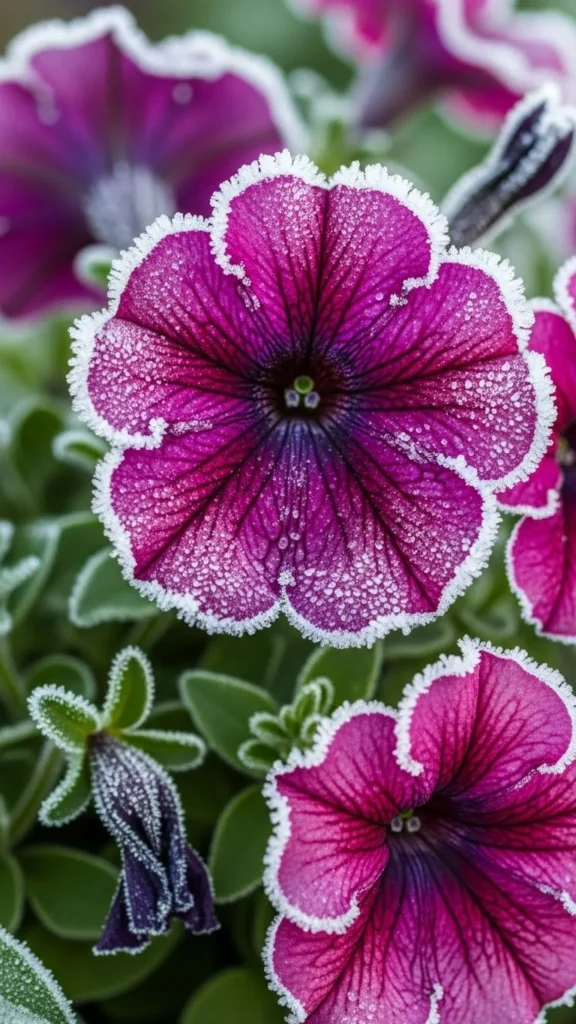
Some petunia varieties hold up surprisingly well in frosty conditions, especially cool-hardy series. They continue blooming long after fall ends. Place them in hanging baskets or railing planters for a splash of color. If you want fuller plants without extra cost, pinch the tips to encourage branching. Water lightly during cold months. Petunias pair beautifully with pansies and ornamental kale. Even after frost, many blooms bounce back as soon as sunlight hits. Choose rich colors for maximum impact on cloudy days.
14. Iceland Poppies
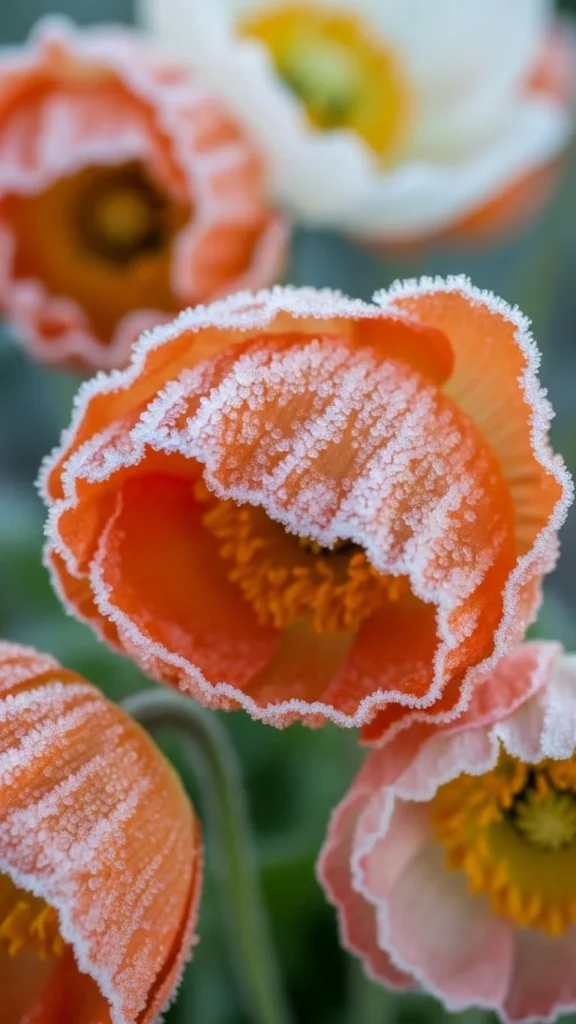
Iceland poppies thrive in cool climates and keep their delicate petals even after frosty nights. Their colors range from pale peach to vivid orange, which brightens winter beds. Plant them in well-drained soil and avoid heavy mulching. If you’re saving money, start them from seed indoors, then move them outside during cool weeks. The blooms sway gently in cold breezes and add movement to quiet winter landscapes. Snip spent flowers to encourage fresh ones. Iceland poppies also work well along stone pathways where their thin stems create a soft contrast.
15. English Daisy
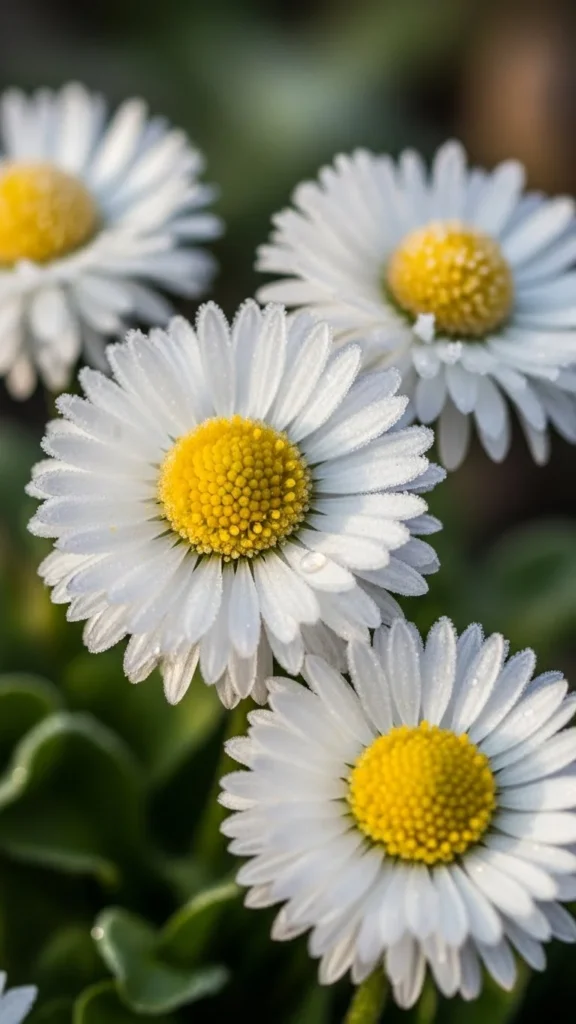
English daisies offer charming button-like blooms that stay lively through frost. Their compact size makes them perfect for edging beds or adding color to planter boxes. These daisies grow easily from seed, making them friendly to tight budgets. Water sparingly and give the soil a light rake before planting. Their round flowers stay perky even after cold nights. English daisies look lovely mixed with violas for small-scale winter arrangements. Remove older flower heads to help new ones form. Their tidy shape brings order to winter gardens.
16. Phlox (Annual Type)
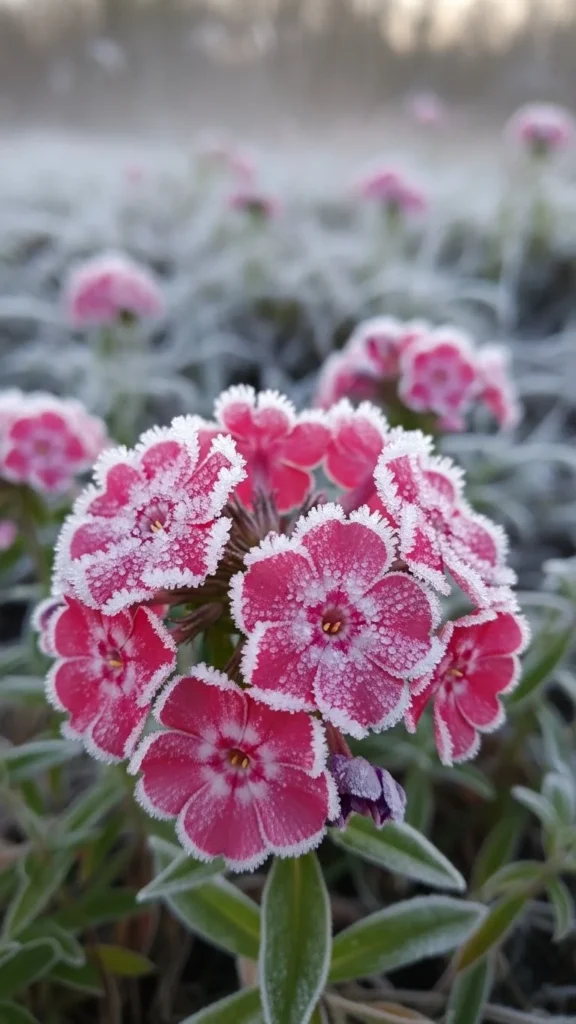
Annual phlox delivers clusters of vivid flowers that stay bright through light frost. They work best in sunny spots but handle cold mornings without trouble. Plant them densely for a lush, carpet-like display. To keep costs low, start from seed or purchase small starter trays. Phlox looks lovely in front yards where its color can be appreciated up close. Trim leggy stems to help the plant stay compact. With steady cool weather, phlox continues blooming for weeks, keeping your landscape colorful.
17. Forget-Me-Nots
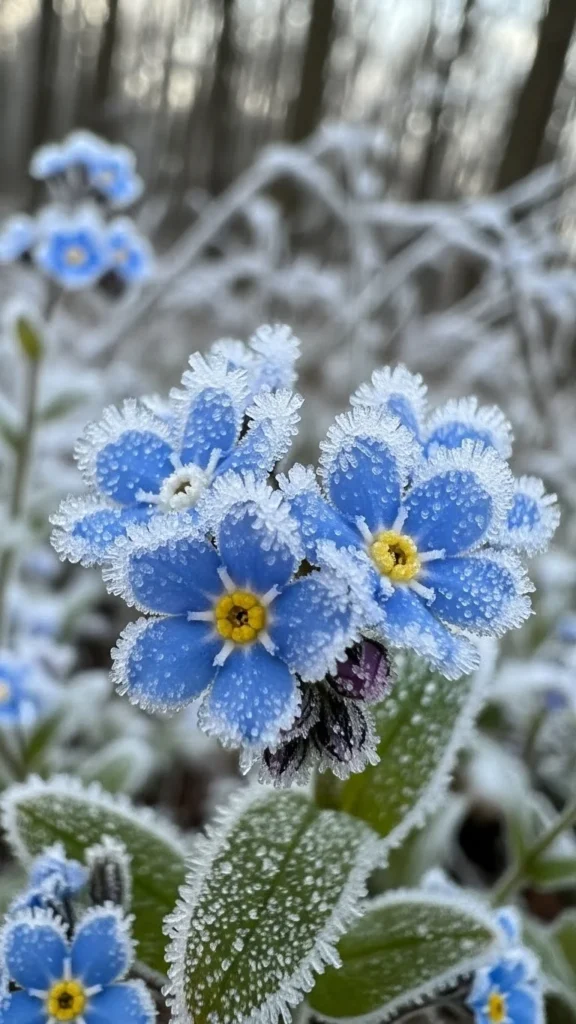
Forget-me-nots thrive in cold weather and spread gently across winter beds. Their soft blue blooms give the yard a calm, soothing look. These plants prefer partial shade, making them useful under bare trees or along fences. They also grow well from seed, so you can fill large spaces on a small budget. Water lightly and avoid soil that stays soggy. Even when frost coats the petals, forget-me-nots keep their charm. Use them near walkways so their delicate color stays visible.
18. Lobelia (Cool-Hardy Type)
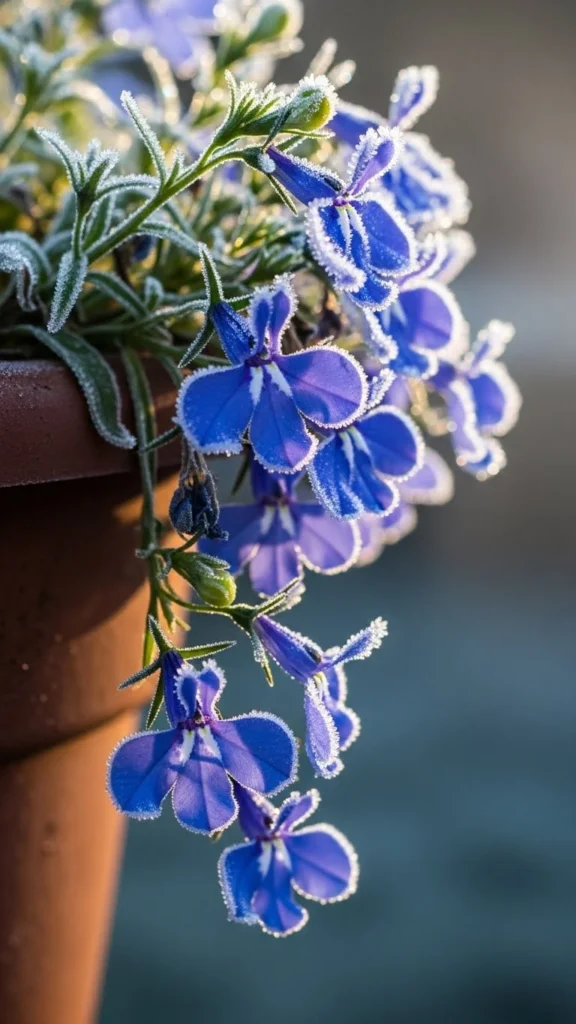
Cool-hardy lobelia varieties produce vivid blue flowers that hold strong during cold periods. They drape beautifully from containers, making them ideal for porches. If you’re trying to save money, repurpose old hanging baskets and fill them with a simple soil mix. Lobelia grows fast and often rebounds quickly after frost damage. Trim back long strands to encourage fuller growth. Pair it with white alyssum for a striking winter combination. Even during cloudy days, lobelia’s blue tones stay intense.
19. Rudbeckia (Short-Lived Annual Type)
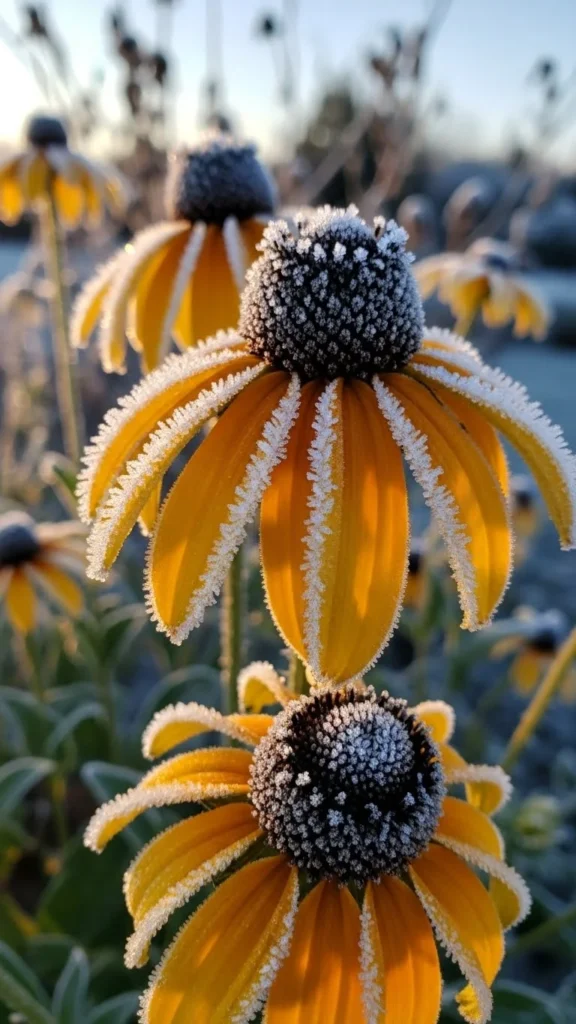
Some rudbeckia varieties behave like frost-friendly annuals, holding onto their blooms and seed heads deep into winter. Their gold tones bring warmth to bare landscapes. Plant them in sunny spots for the best color. If you’re decorating on a budget, leave the seed heads standing since they add structure and attract wildlife. Rudbeckia pairs well with grasses for a natural winter look. The petals often hold up even after frost, giving you color long after other plants fade.
20. Cornflower
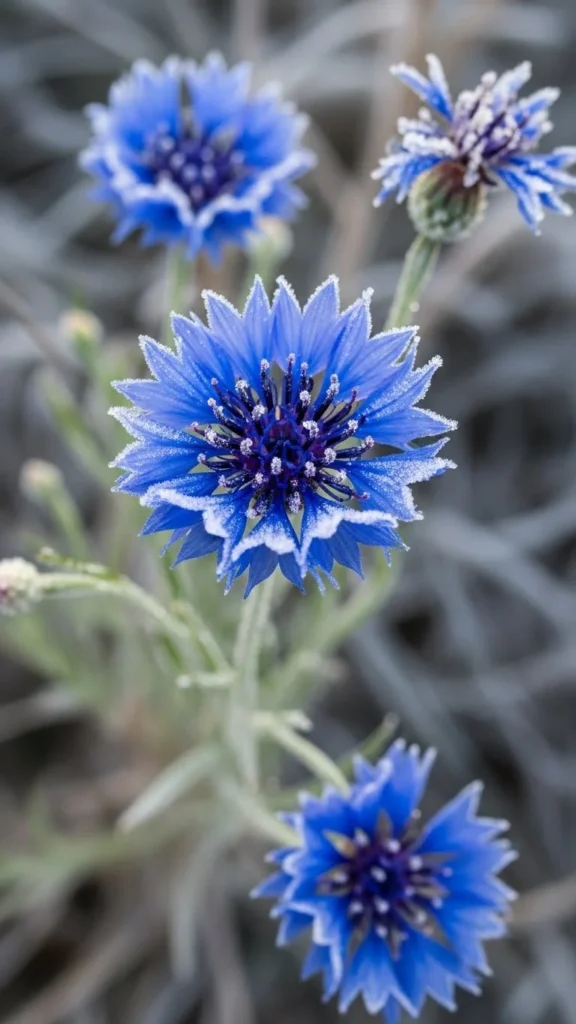
Cornflowers bloom well into winter when planted early. Their vivid blue petals stand out against frosty backdrops. Use them in cutting gardens or along fence lines for a seasonal pop. Cornflowers grow easily from seed, making them one of the most budget-friendly winter choices. Water lightly and avoid overfeeding. Their sturdy stems help them stay upright during cold nights. Even when frost sits on the petals, cornflowers maintain their bold color.
21. Strawflower
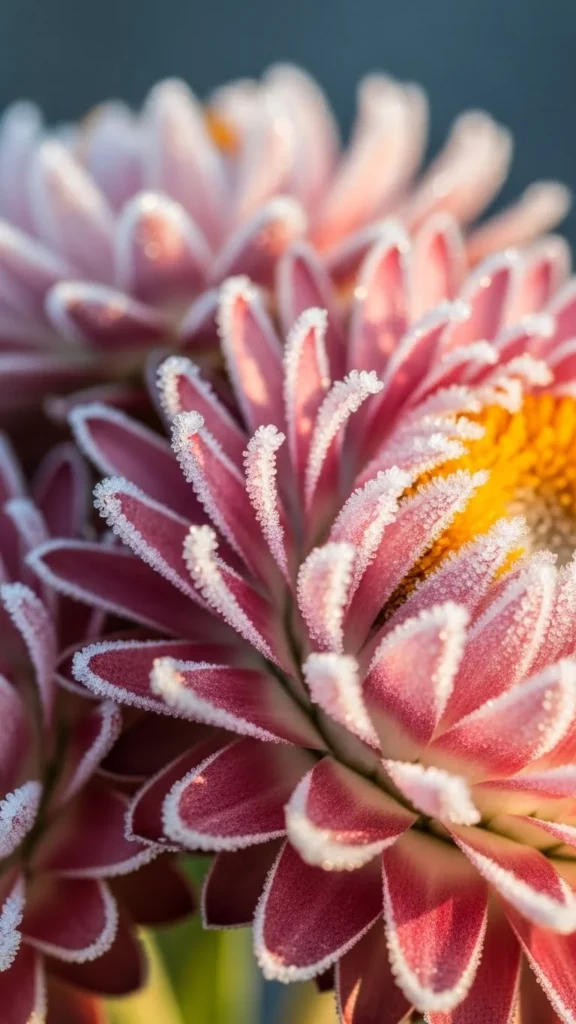
Strawflowers are unique because their petals hold shape even when cold sets in. They feel dry and crisp, which protects them from frost damage. Their bright colors stay visible for months. Grow them in clusters for the best effect. If you want to stretch your gardening budget, harvest dried flowers for crafts later. Strawflowers do well in both beds and containers. They keep producing blooms through chilly weather and work nicely as filler plants in winter arrangements.
22. Borage
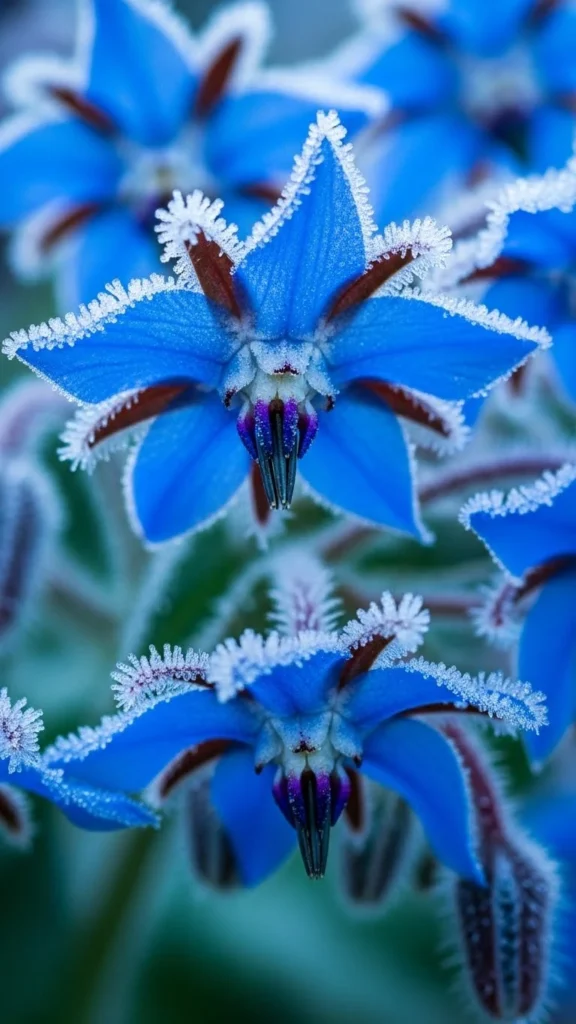
Borage adds star-shaped blue flowers that contrast beautifully with winter soil. The plant tolerates frost well and continues blooming through much of the cold season. It also reseeds gently, giving you new plants the following year at no extra cost. Plant borage in sunny spots or near vegetable beds. Trim back long stems to keep the plant compact. Even when frosted, borage keeps its shape and color, making it a strong option for winter landscapes. The fuzzy stems also catch light during cold mornings, adding interest from every angle.
Conclusion
Frost-friendly annuals bring long-lasting color when the rest of the garden slows down. With simple care and budget-friendly planting ideas, you can create a winter landscape that stays bright through freezing mornings and short days. Mix heights, textures, and colors to keep your yard lively, and enjoy a season full of blooms that hold their charm even in cold air.
Leave a Reply