

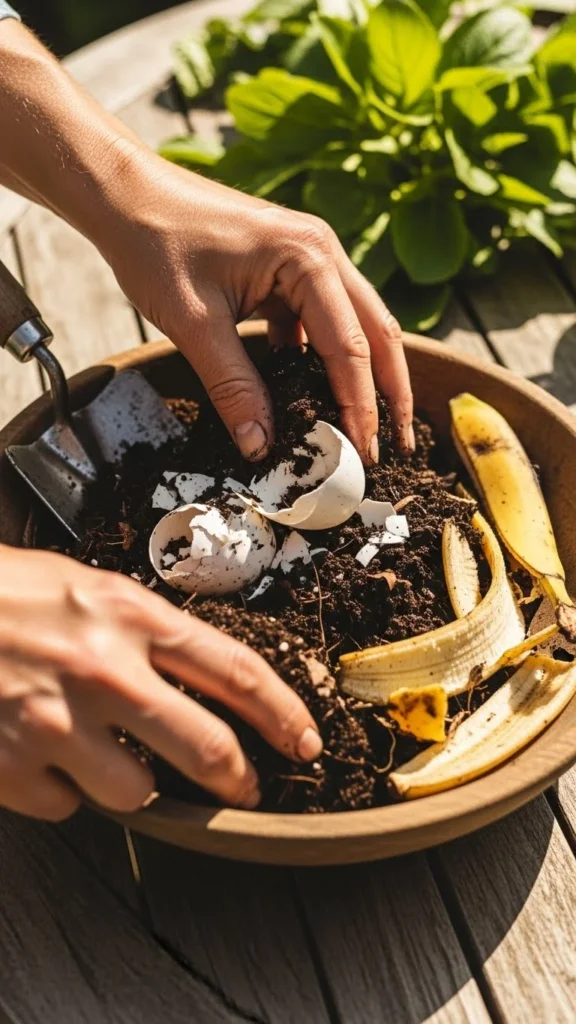
Keeping your plants healthy doesn’t have to cost a fortune. Many everyday kitchen scraps and yard waste can be turned into powerful homemade fertilizers that support strong growth and rich soil. Making your own organic fertilizer means fewer chemicals, less waste, and healthier produce. Whether you’re feeding herbs on a balcony or vegetables in a backyard garden, these DIY fertilizer recipes are practical, affordable, and easy for any gardener to make.
1. Compost Tea
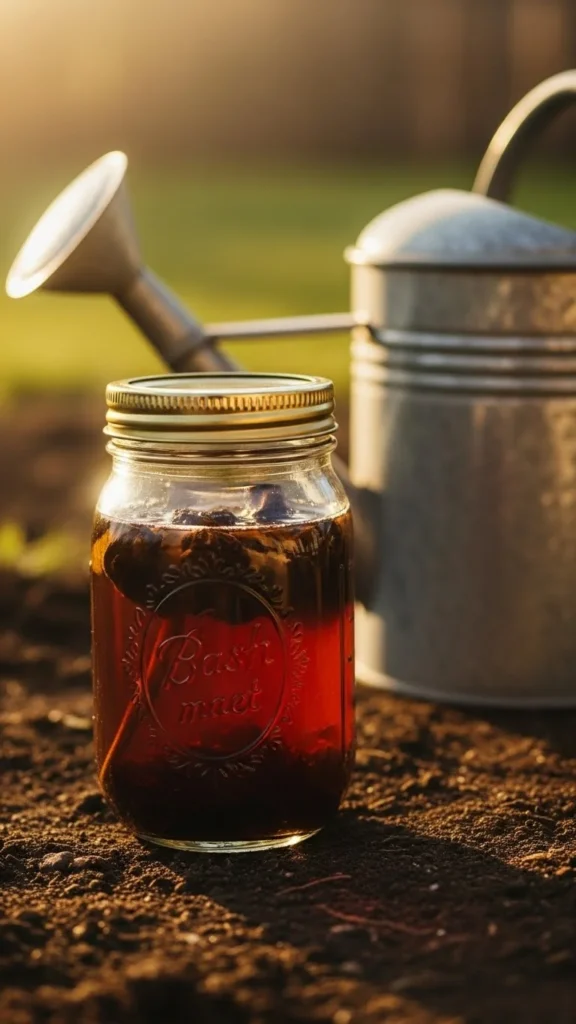
Compost tea is a liquid version of regular compost that provides a quick nutrient shot for plants. To make it, fill a bucket with water and add a shovelful of mature compost. Stir daily and let it steep for three days. Then strain and pour it around the base of plants. Use rainwater or dechlorinated tap water for better results. This simple fertilizer works for both flowers and vegetables, improving soil structure and microbial life without costing a dime.
2. Banana Peel Fertilizer
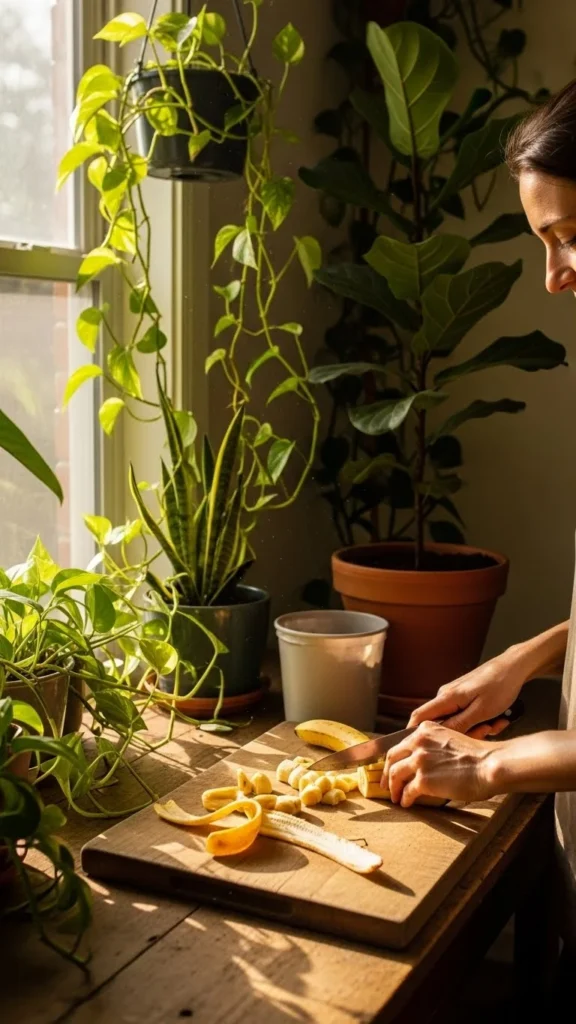
Banana peels are rich in potassium and calcium, two nutrients essential for flowering plants. Chop peels into small pieces and bury them around the roots, or blend them with water to make a slurry. You can also dry and grind them into powder for long-term storage. Use the mix near roses, tomatoes, and pepper plants. It’s an easy way to recycle kitchen scraps and strengthen plant growth naturally.
3. Eggshell Powder
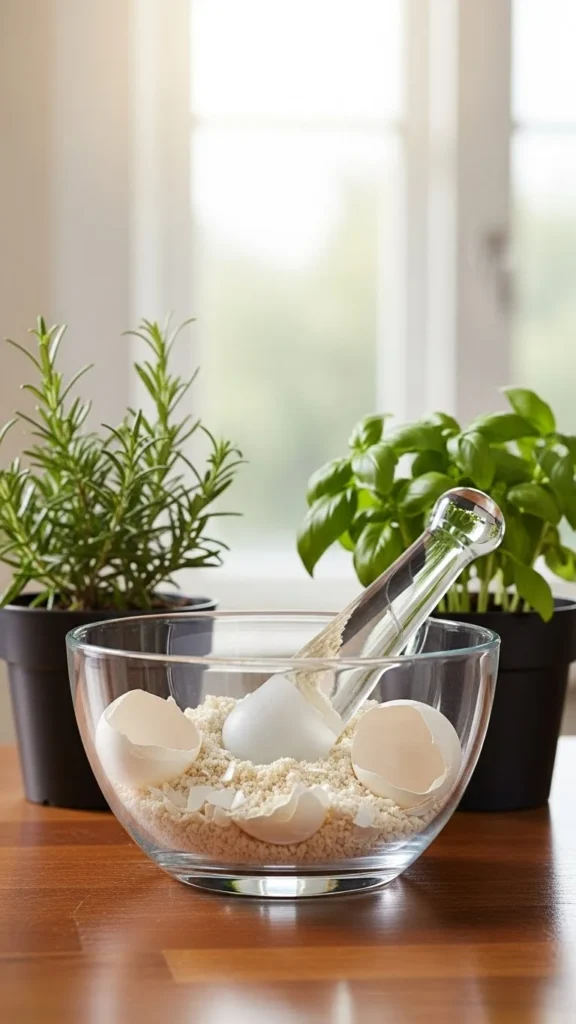
Eggshells are an excellent source of calcium, which prevents blossom end rot in tomatoes and peppers. Rinse and dry shells completely, then crush them into a fine powder. Sprinkle the powder directly into the soil or mix it with compost. You can also steep the crushed shells in water for a few days and use the liquid for watering. It’s a free, simple, and long-lasting soil conditioner.
4. Coffee Grounds Mix
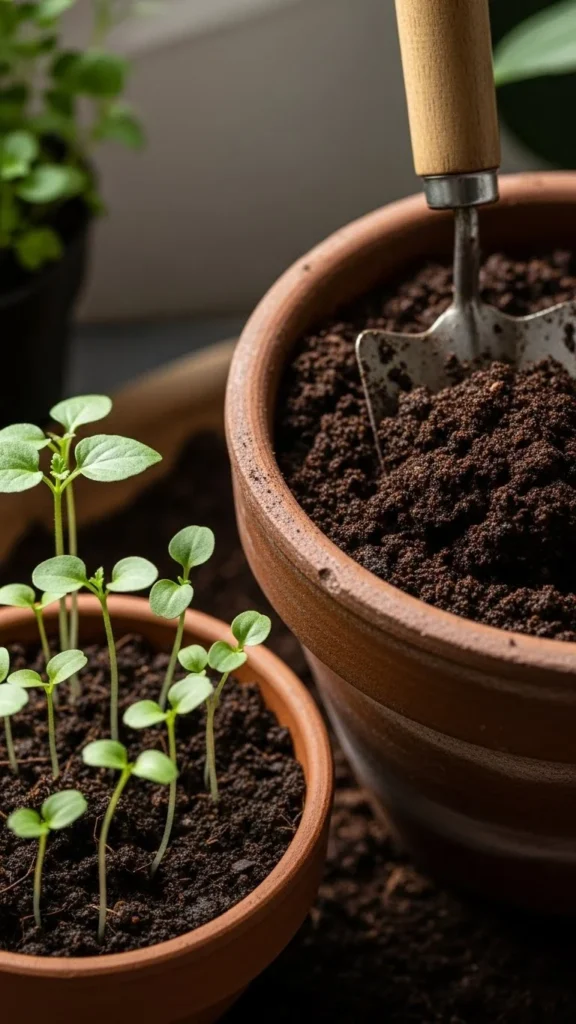
Used coffee grounds add nitrogen and organic matter to soil, helping plants like leafy greens thrive. Spread the grounds thinly around the base of plants or mix them into compost to balance the carbon content. Avoid piling them too thickly, as they can compact and limit airflow. For potted plants, mix one part coffee grounds with three parts soil. This gives your plants a gentle nutrient boost while reducing kitchen waste.
5. Fish Emulsion
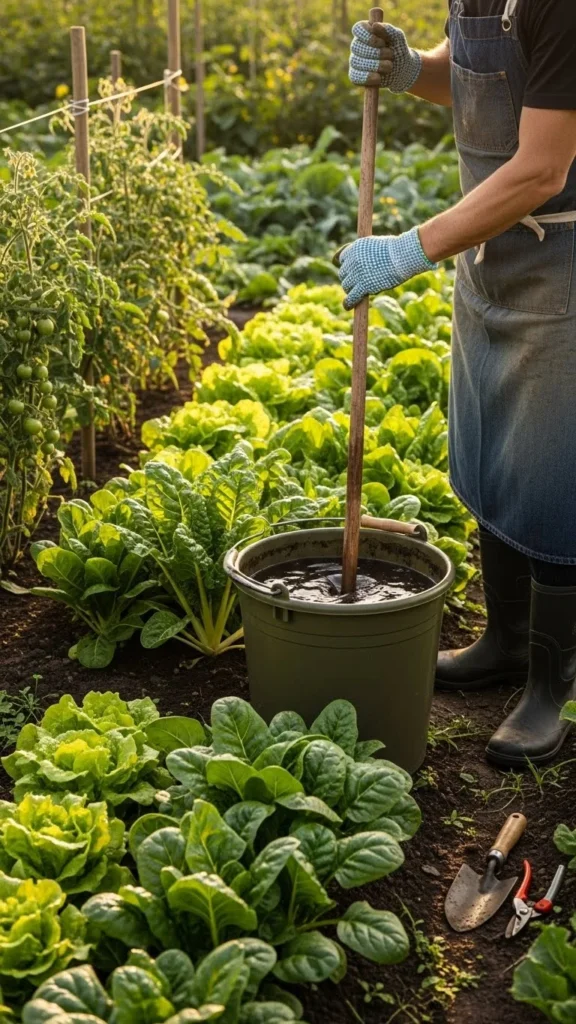
Fish scraps make a strong natural fertilizer when fermented. Combine one part fish waste with two parts water in a bucket and cover loosely. Let it sit outdoors for two weeks, stirring occasionally. After fermentation, dilute one tablespoon of the liquid per gallon of water before applying. This fertilizer is especially helpful for fruiting plants and root crops, adding nitrogen, phosphorus, and trace minerals.
6. Seaweed Fertilizer
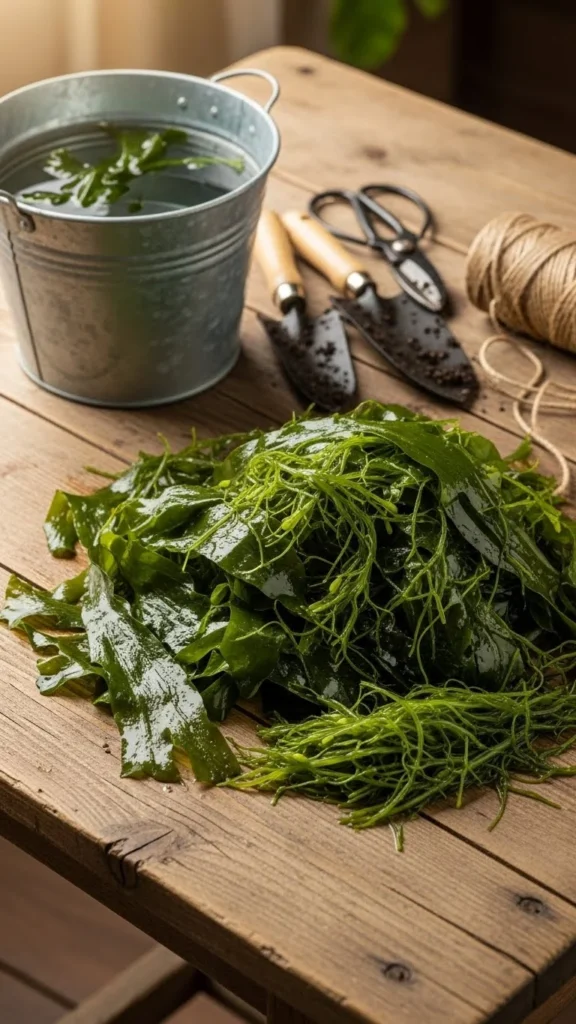
Seaweed is packed with micronutrients and growth hormones. Rinse it to remove salt, chop it into small pieces, and soak in water for about a week. Strain and pour around plants as liquid fertilizer. The leftover solids can go straight into your compost bin. This method is especially useful for coastal gardeners, but dried seaweed powder works just as well inland.
7. Molasses Mix
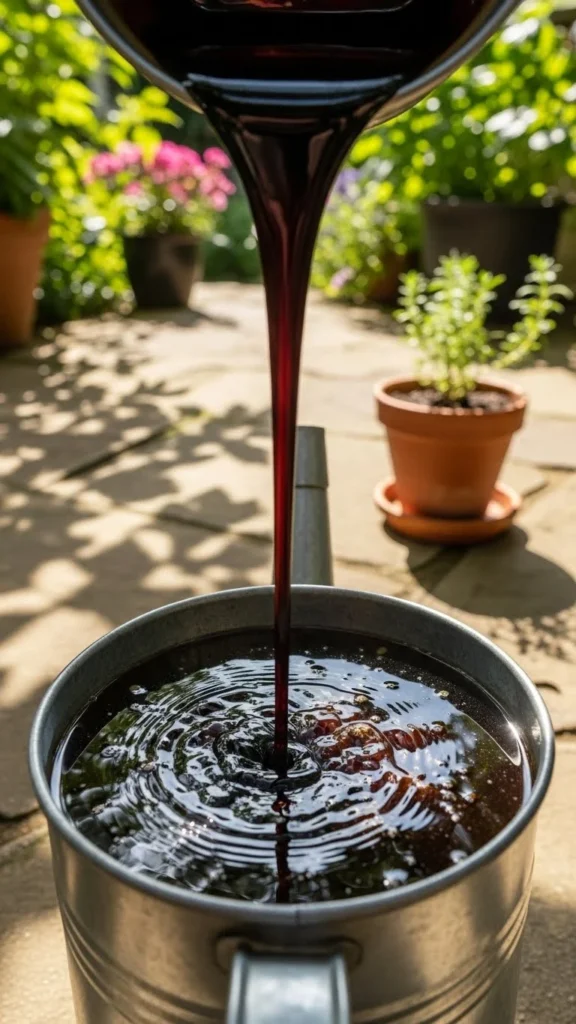
Molasses feeds the beneficial microbes in your soil, which help release nutrients for your plants. Mix one tablespoon of unsulfured molasses into a gallon of water. Use it as a foliar spray or soil drench once a month. The natural sugars support microbial life, leading to healthier roots and improved moisture retention.
8. Wood Ash Blend
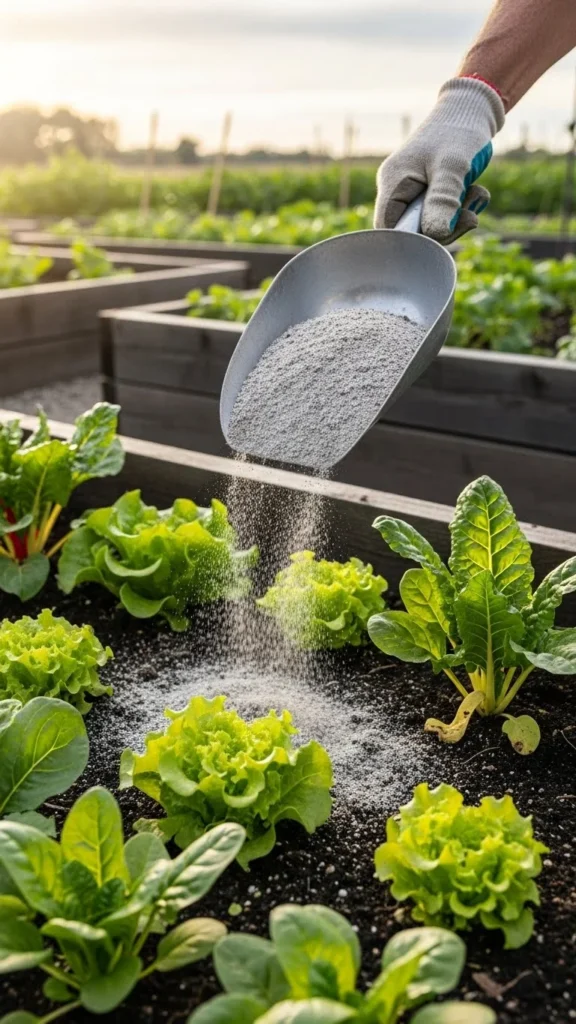
Wood ash from untreated wood is rich in potassium and calcium carbonate. Sprinkle a thin layer around plants like carrots, cabbage, and beans. Avoid using too much, as it can raise soil pH. Mix it with compost or bury it lightly to prevent wind dispersal. Always store ash in a dry container before use to preserve nutrients.
9.Green Manure Tea
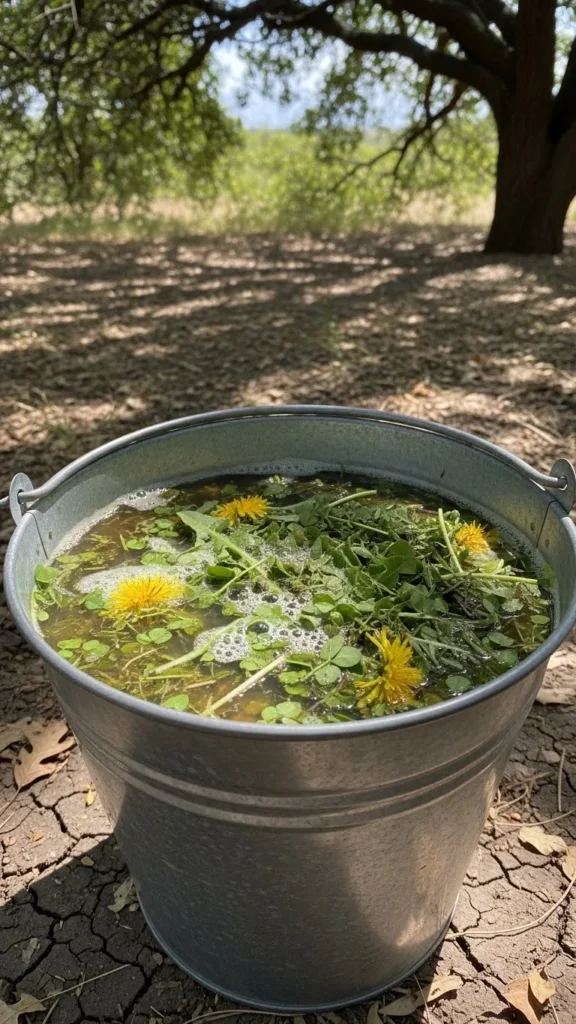
Weeds like comfrey, nettles, or clover can be turned into a natural fertilizer tea. Chop them finely, fill a bucket halfway, and top with water. Let it ferment for 10–14 days. The resulting liquid may smell strong but is packed with nutrients. Dilute it before use—one part tea to ten parts water. This recipe turns unwanted weeds into a rich source of nitrogen and trace minerals.
10. Rice Water
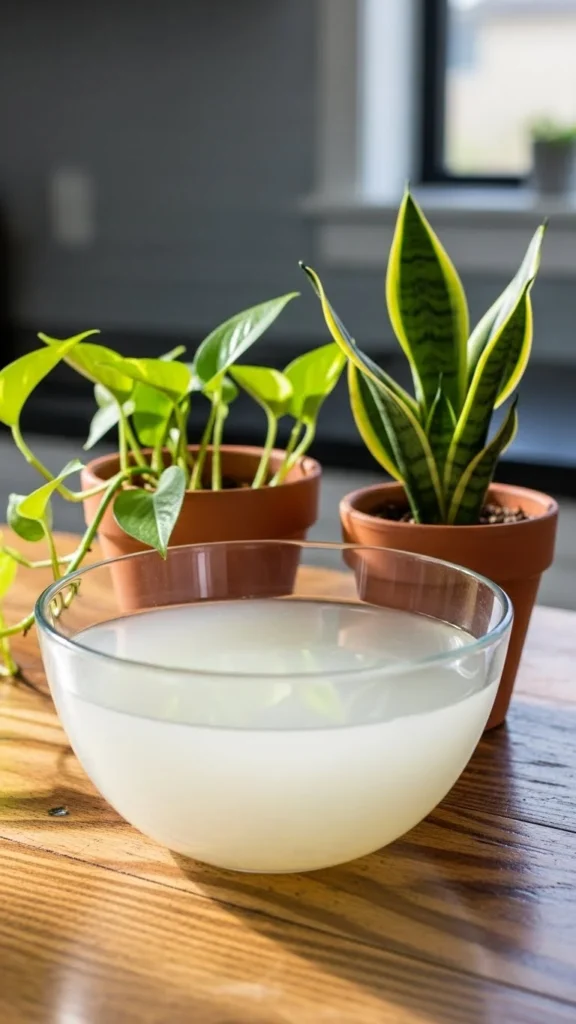
Instead of pouring leftover rice water down the drain, use it for watering plants. It’s mild but rich in starch and trace nutrients that feed beneficial microbes. Let the water cool before using. Apply it once a week around seedlings, herbs, and indoor plants. It’s gentle enough not to harm roots while keeping the soil biologically active.
11. Epsom Salt Solution
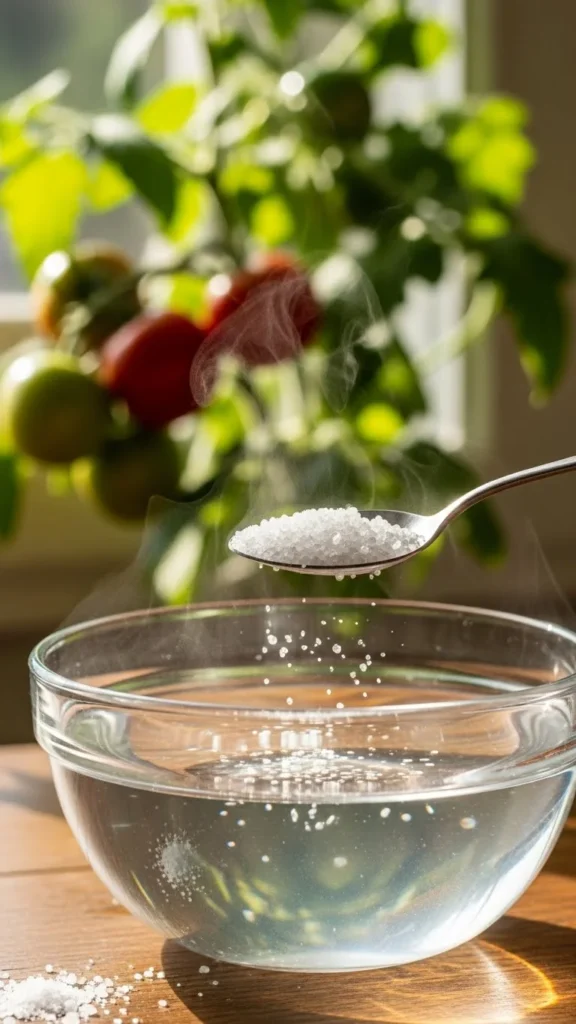
Epsom salt provides magnesium and sulfur, which are vital for photosynthesis. Mix one tablespoon per gallon of water and apply monthly to plants like peppers, tomatoes, and roses. It helps improve leaf color and blossom production. Avoid overuse—too much magnesium can affect soil balance. Store the solution in a cool, dry place between uses.
12. Bone Meal Powder
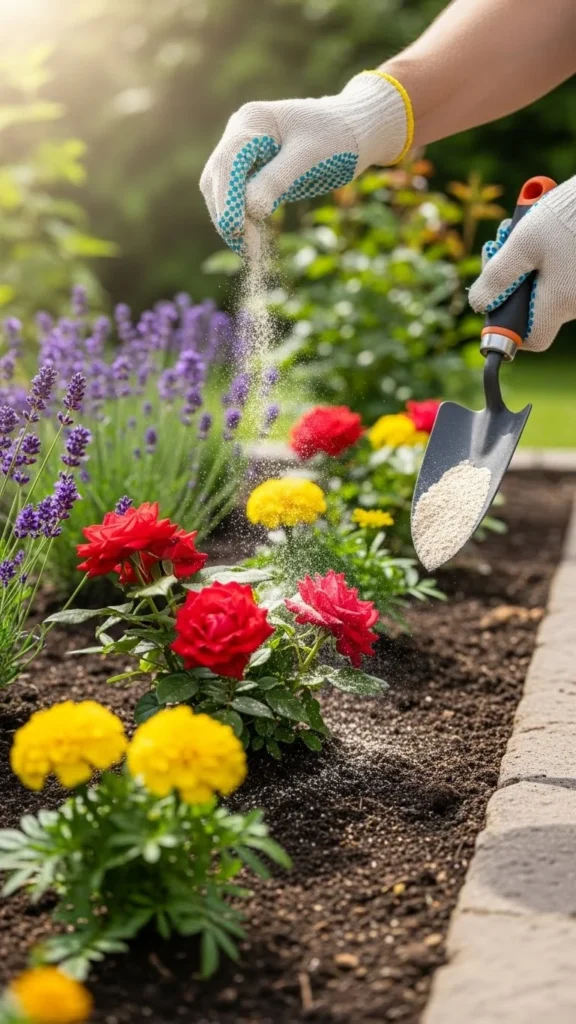
Bone meal, made from ground animal bones, is a great phosphorus source for root development and flowering. You can make your own by drying bones, crushing them, and grinding them into powder. Mix it into the soil before planting or scatter around existing plants. This slow-release fertilizer enriches the soil for months and encourages strong root systems.
13. Grass Clipping Tea
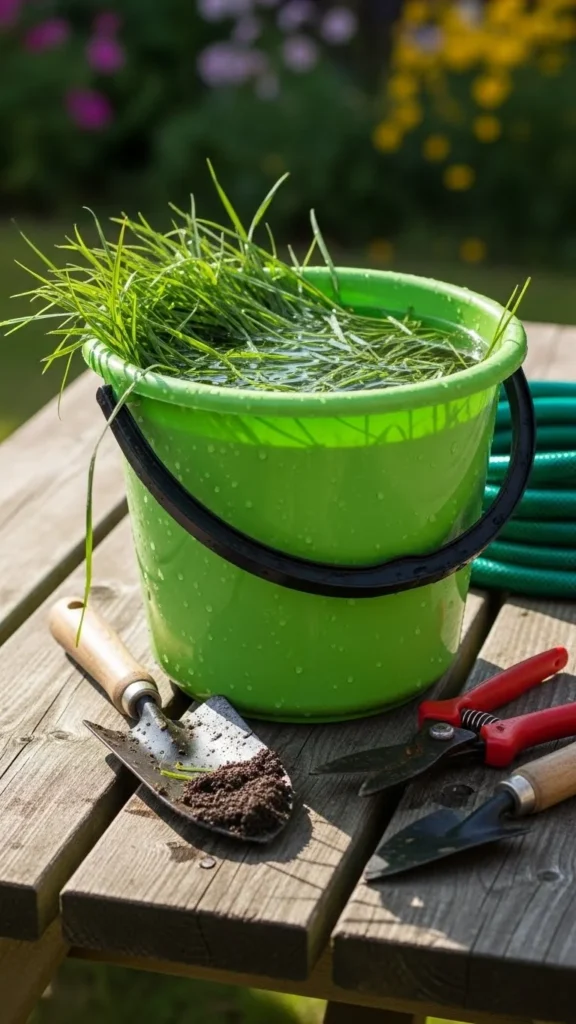
Grass clippings are full of nitrogen. Fill a bucket with clippings, cover with water, and steep for three days. Strain the liquid and use it on your garden as a fertilizer. The leftover material can be composted. This simple brew turns lawn waste into a nutrient-rich liquid that supports vigorous plant growth.
14. Worm Castings
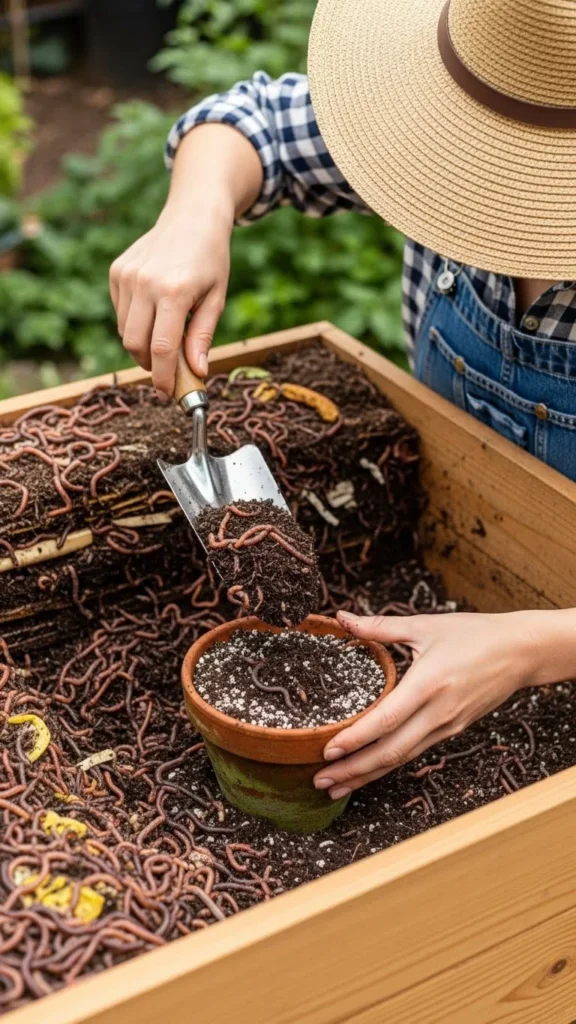
Worm castings are one of the best organic fertilizers available. If you have a worm bin, collect the dark, crumbly material and mix it into your soil or compost. It provides balanced nutrition and enhances soil structure. For liquid fertilizer, soak a handful in water overnight and use the strained liquid to water plants.
15. Milk Water
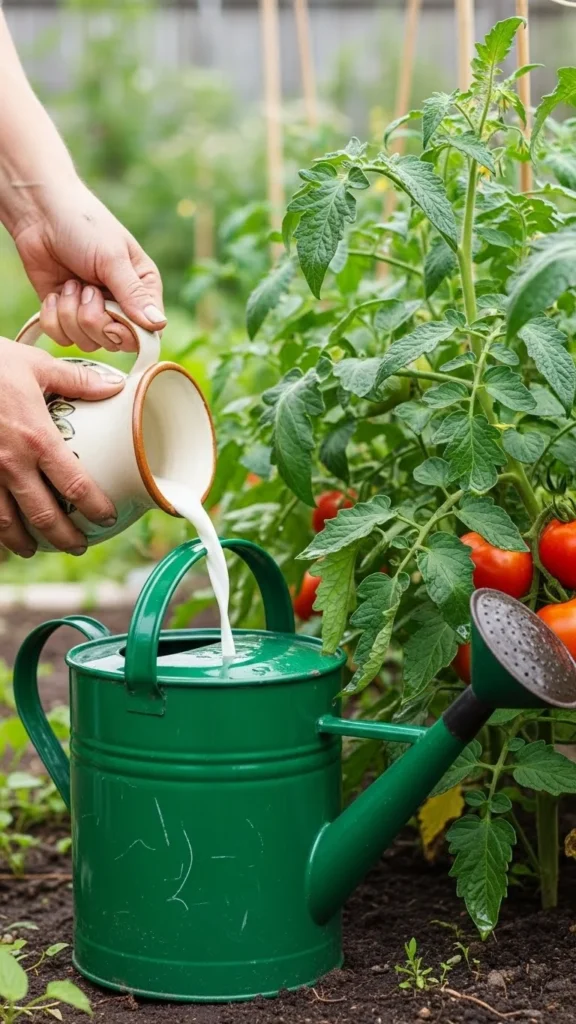
Milk contains calcium and small amounts of nitrogen and potassium. Mix equal parts milk and water, then use it to water plants or spray leaves. It helps prevent fungal diseases while feeding the soil. Use leftover or expired milk for this recipe—it’s an easy way to recycle waste while nurturing your plants.
16. Manure Compost
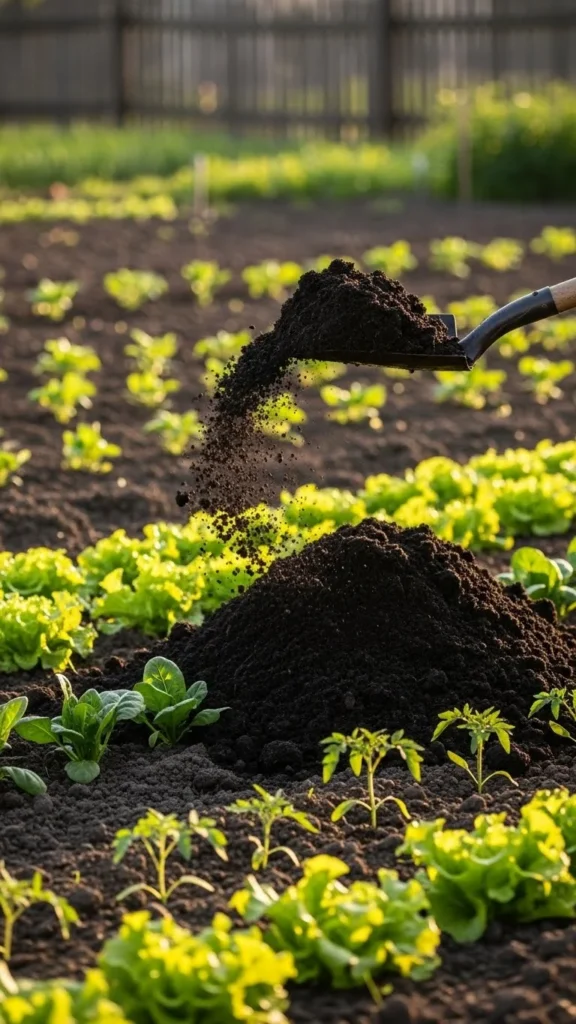
Composted animal manure—like cow, horse, or chicken—adds nitrogen and organic matter. Always use well-aged manure to avoid burning plants. Spread it in garden beds a few weeks before planting. It improves soil fertility, water retention, and microbial activity naturally.
17. Alfalfa Meal
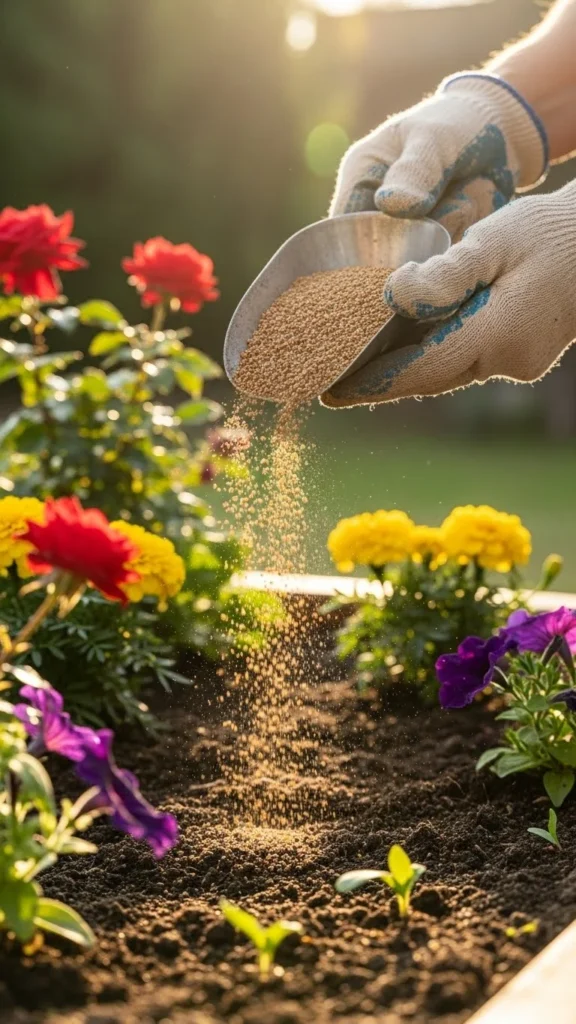
Alfalfa meal adds nitrogen and trace minerals while stimulating microbial life. You can buy it or make it by grinding dried alfalfa pellets. Mix it into garden soil or sprinkle around perennials before watering. It breaks down quickly and helps plants produce healthy foliage.
18. Onion Peel Fertilizer

Soak onion peels in water for two days, then strain and use the liquid for watering. This mild fertilizer adds potassium and sulfur, strengthening stems and improving plant resistance. It’s especially effective for houseplants and container gardens. The peels can also be composted afterward for extra value.
19. Vegetable Scrap Broth

Collect vegetable peels and scraps throughout the week. Boil them in water for about 20 minutes, then let the broth cool. Strain and use it as a watering solution for plants. This method recycles nutrients that would otherwise go to waste while reducing kitchen garbage.
20. Tea Leaf Mix
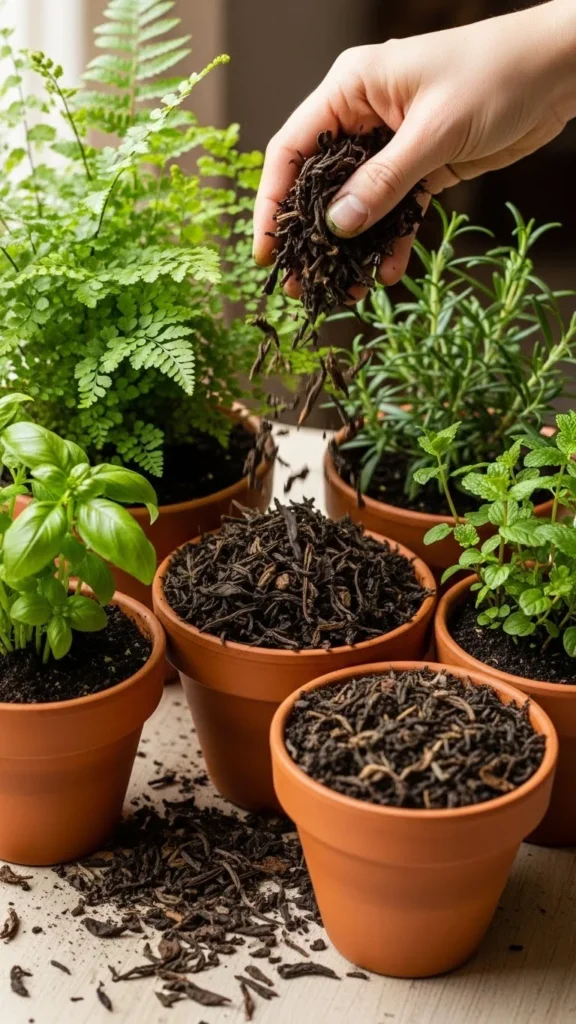
Used tea leaves improve soil structure and provide gentle nitrogen content. Spread them around the base of plants or mix into potting soil. Avoid flavored teas with added oils. The tannins in tea also help repel certain pests, making it a great dual-purpose fertilizer.
21. Charcoal Dust
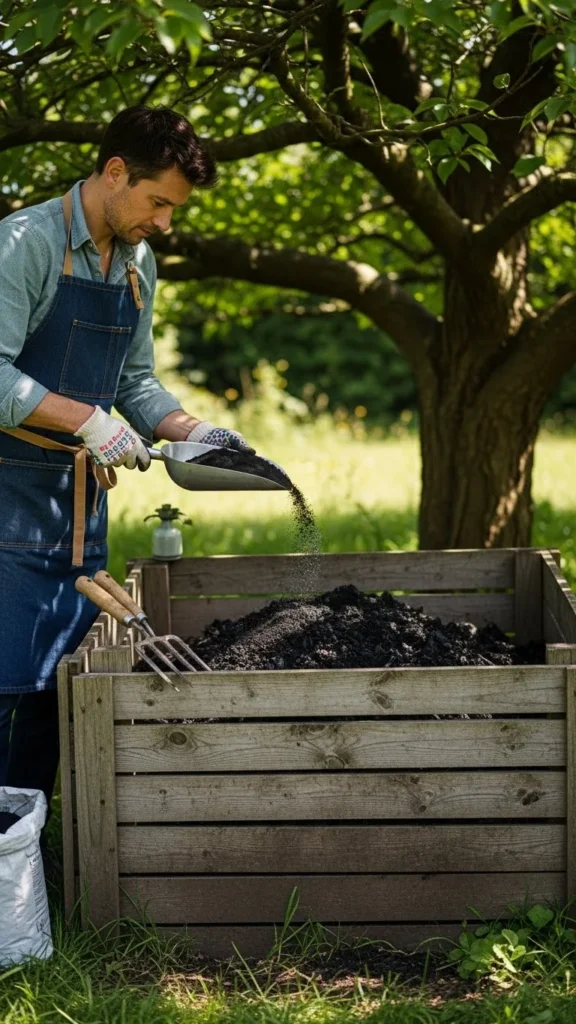
Charcoal dust (biochar) enhances soil aeration and water retention. Mix it with compost before applying to garden beds. It stores nutrients and improves microbial habitats. Use small amounts—about one cup per square foot of soil—to avoid drying effects.
22. Potato Peel Fertilizer
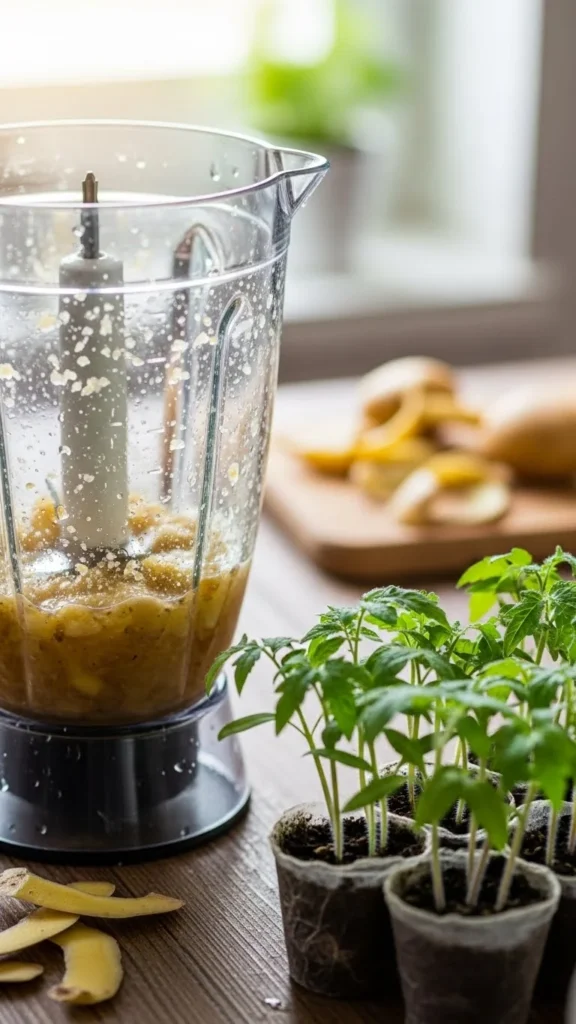
Potato peels are loaded with potassium and phosphorus. Blend peels with water, strain, and use the liquid as a fertilizer. The leftover pulp can go into compost. Apply this once a month for leafy greens, flowering plants, or container vegetables. It’s a simple kitchen-to-garden recycling trick that adds real nutrition.
Conclusion
Homemade organic fertilizers turn everyday scraps into powerful plant food. They’re simple to make, kind to the planet, and save you money in the long run. Start with one or two recipes from this list, observe how your plants respond, and experiment from there. With a bit of consistency, your garden will thrive naturally—without synthetic chemicals or expensive store-bought mixes.

Leave a Reply