

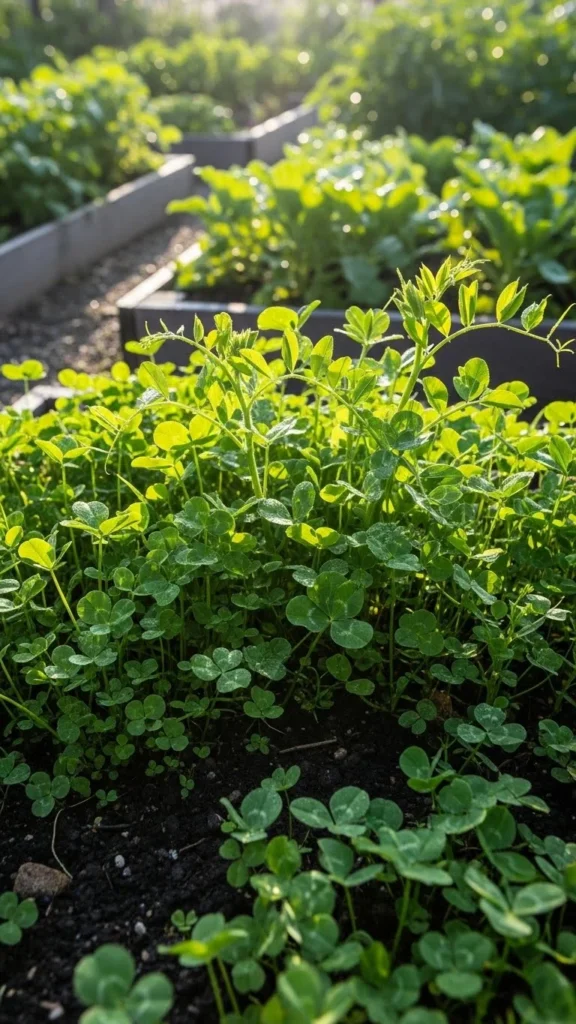
Healthy soil is the backbone of every productive garden. Green manure—plants grown specifically to enrich the soil—is one of the simplest, most affordable ways to improve fertility naturally. By growing and then tilling these plants into the soil, you recycle nutrients, improve structure, and invite beneficial life underground. Whether you garden in a small backyard plot or manage raised beds, using green manure transforms your soil into a living, breathing ecosystem. Here are 23 real-world benefits that show why it deserves a place in your gardening routine.
1. Improves Soil Structure
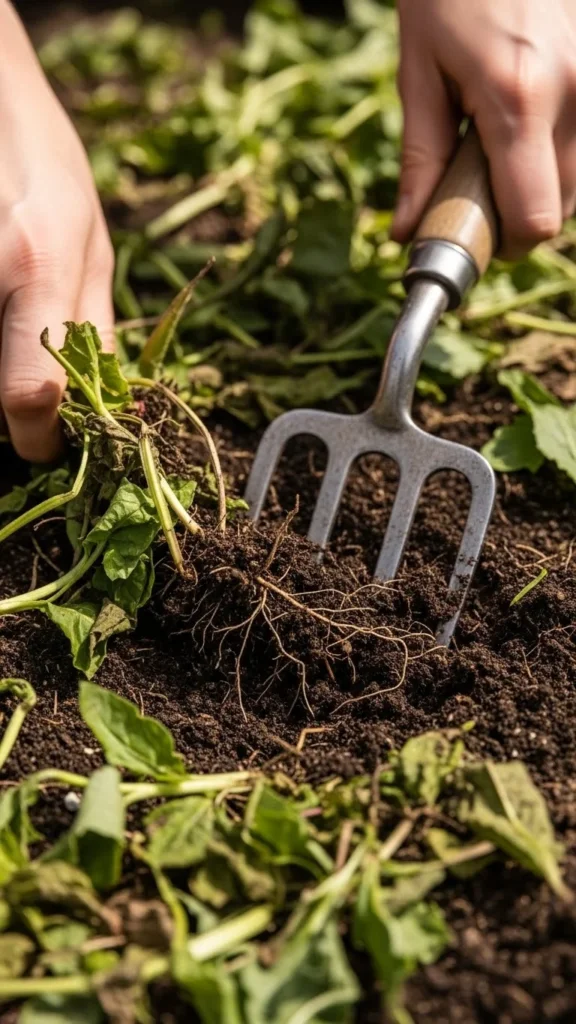
Green manure helps loosen compacted soil, making it easier for roots to grow. The decomposing plant material adds organic matter, creating a crumbly texture that holds moisture yet drains well. For gardeners dealing with heavy clay or sandy beds, this improvement means healthier plants and stronger root systems. You can easily grow legumes or grasses, chop them down before flowering, and mix them into your soil for lasting results.
2. Adds Natural Nutrients
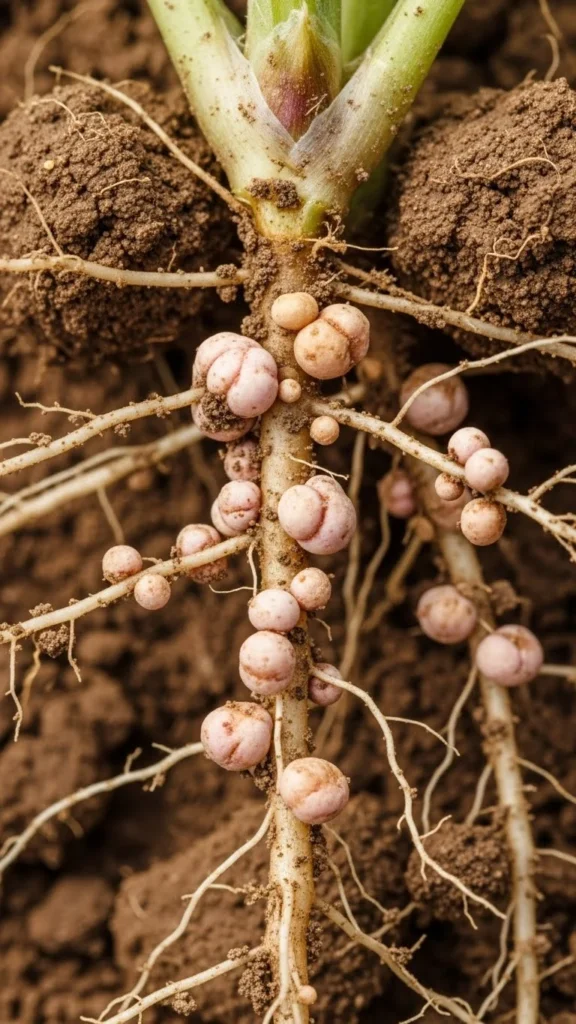
Legumes like clover or peas naturally fix nitrogen from the air into the soil. When turned under, they release this nutrient for your next crop. It’s a budget-friendly replacement for synthetic fertilizers and keeps your garden entirely organic. Over time, this process enriches your soil’s fertility and supports long-term plant health without chemical residue.
3. Prevents Soil Erosion
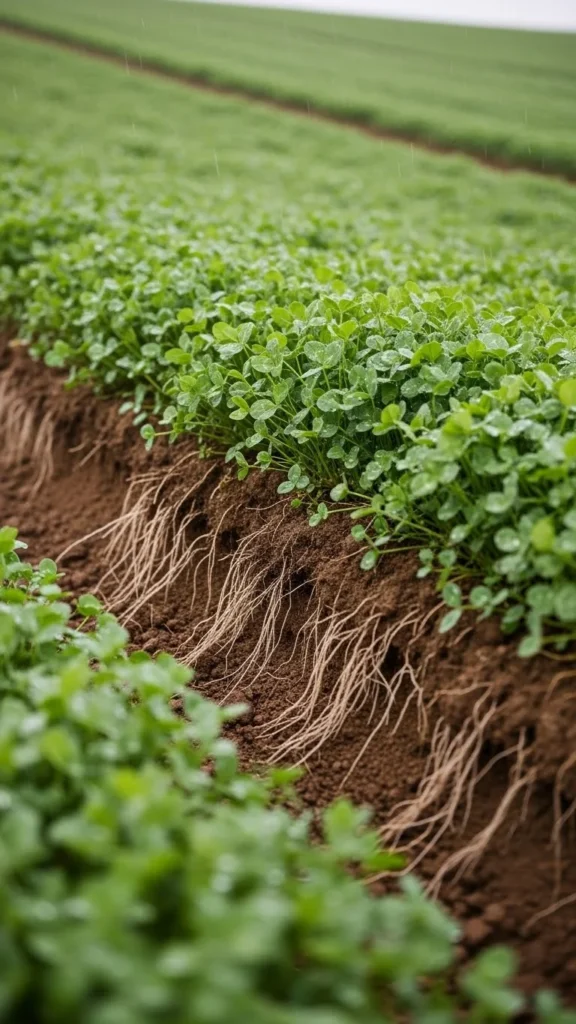
Bare soil easily washes away during heavy rains or winds. Green manure acts like a natural cover, keeping soil anchored. The roots form a protective network that prevents nutrient-rich topsoil from eroding. It’s a simple yet powerful way to protect sloped gardens or raised beds exposed to weather.
4. Retains Soil Moisture
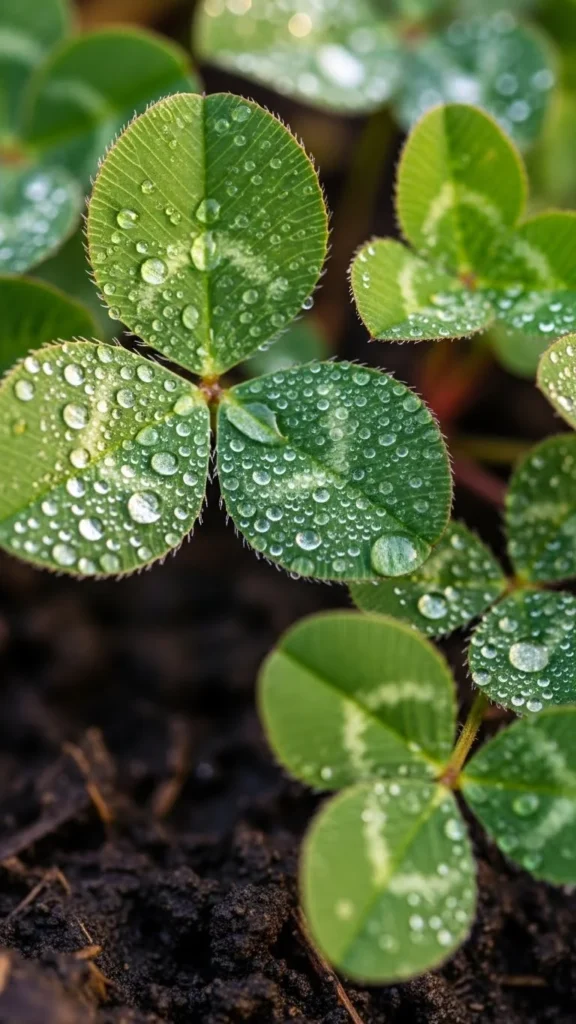
Green manure works like a living mulch. It shades the soil surface, reducing evaporation and keeping it cool. In dry climates, this means less watering and healthier plants. The decayed plant matter later acts like a sponge, holding moisture for future crops.
5. Suppresses Weeds
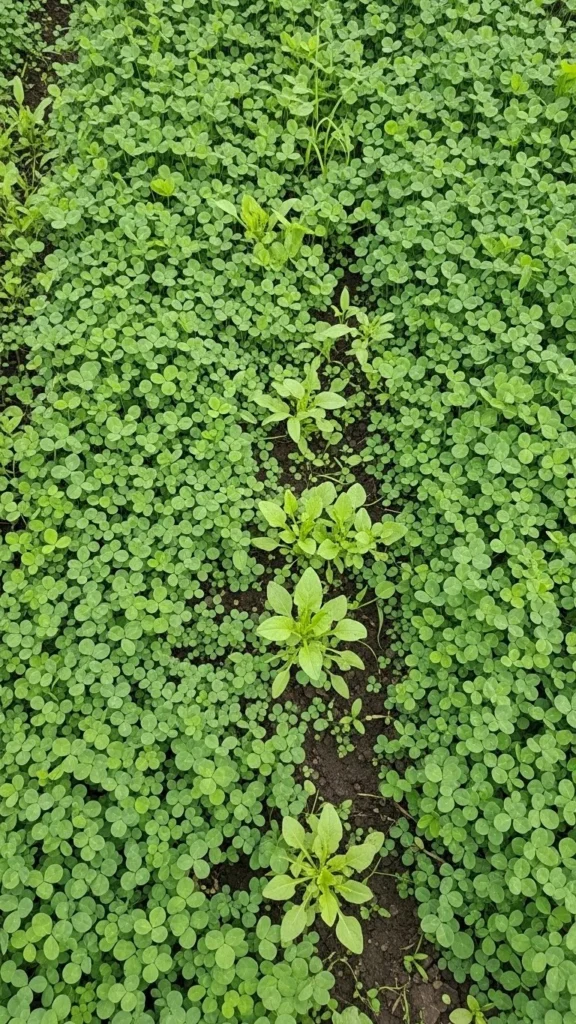
Fast-growing cover crops like rye or buckwheat block sunlight from reaching weeds. This natural weed control saves hours of hand weeding. When the green manure is cut and left as mulch, it continues to prevent new weeds from sprouting—a win for both your back and your soil.
6. Encourages Beneficial Microbes
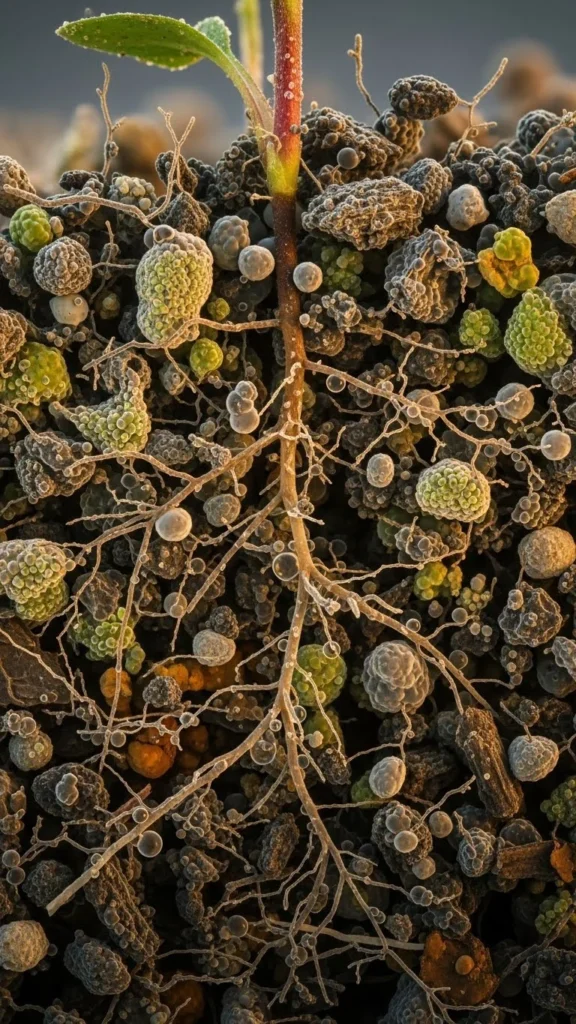
As green manure breaks down, it feeds the soil’s microbial community. These microbes transform organic matter into nutrients plants can use. A thriving microbial population means healthier soil and stronger plants. You can think of it as feeding your soil’s digestive system.
7. Reduces Fertilizer Costs
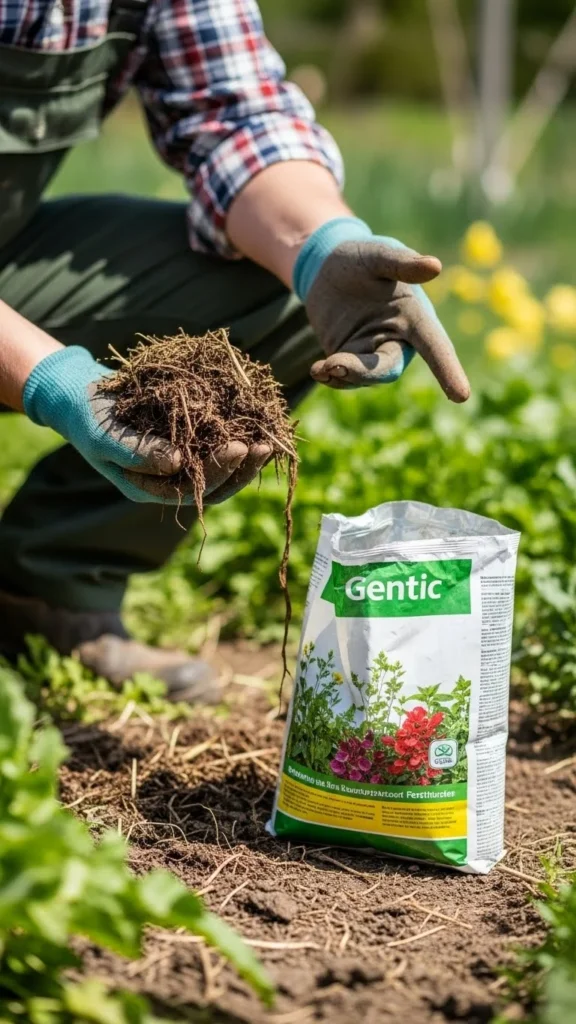
Green manure cuts down your need for expensive fertilizers. The decomposed plants release slow, steady nutrients that improve fertility for months. It’s a one-time effort that keeps paying off each season—perfect for gardeners on a tight budget.
8. Recycles Garden Waste
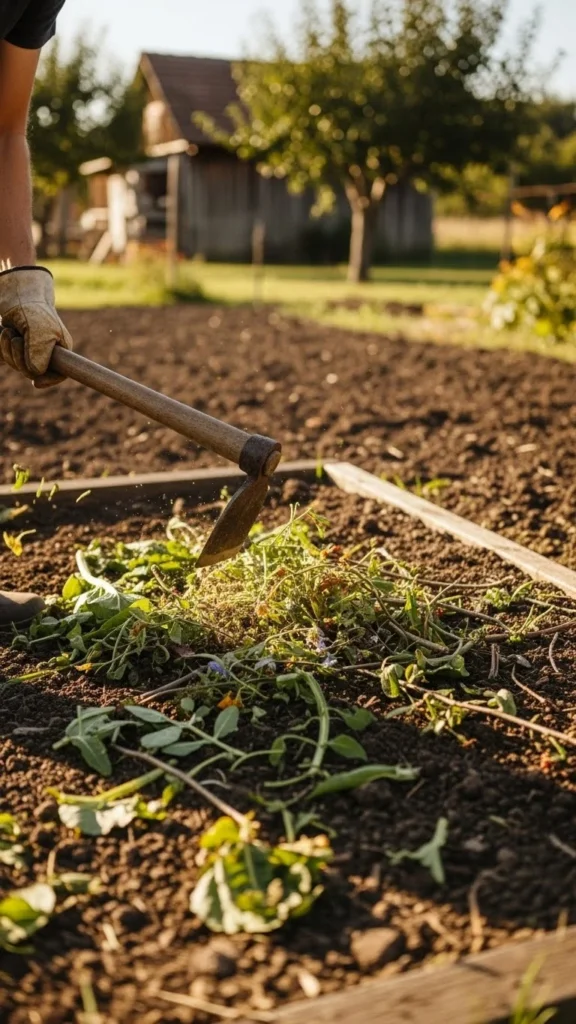
Instead of throwing away old crop residue, you can turn it into green manure. This recycling habit reduces waste and returns nutrients right where they belong—the soil. It’s an easy way to close your garden’s natural loop.
9. Attracts Pollinators
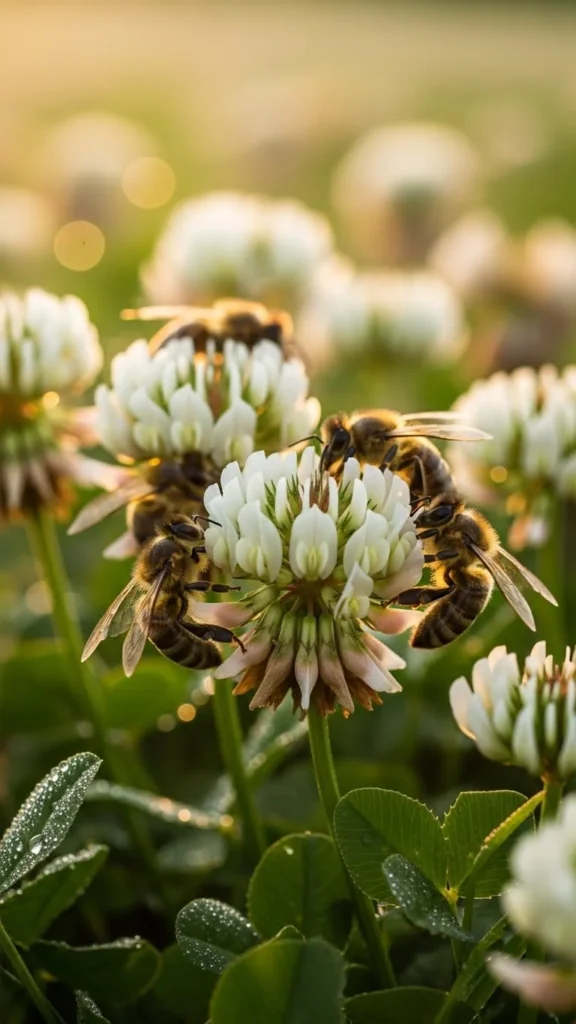
Some green manure crops, like clover or mustard, attract pollinators before being turned under. You’ll see bees, butterflies, and other helpful insects visiting your garden. Even a short flowering period can help increase overall biodiversity in your yard.
10. Enhances Earthworm Activity
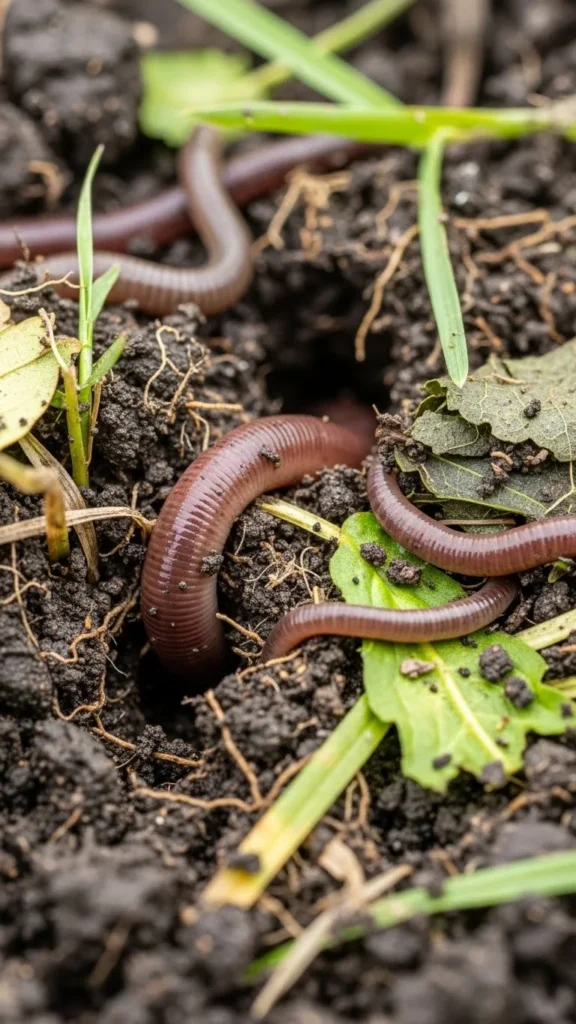
Earthworms love green manure. The decaying roots and leaves provide their food. More worms mean better aeration and nutrient cycling in your soil. A thriving worm population is a sign your garden ecosystem is alive and balanced.
11. Adds Carbon to the Soil
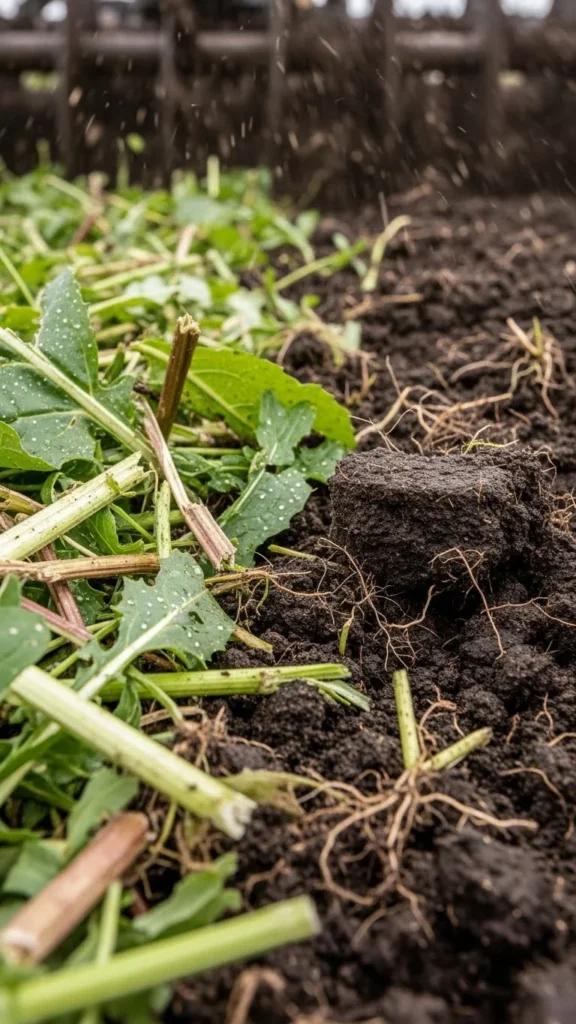
When green plants decompose, they add carbon compounds that improve soil structure. This helps retain nutrients and moisture while promoting microbial growth. It’s a sustainable, zero-cost way to build long-term soil health.
12. Breaks Up Hard Soil Layers
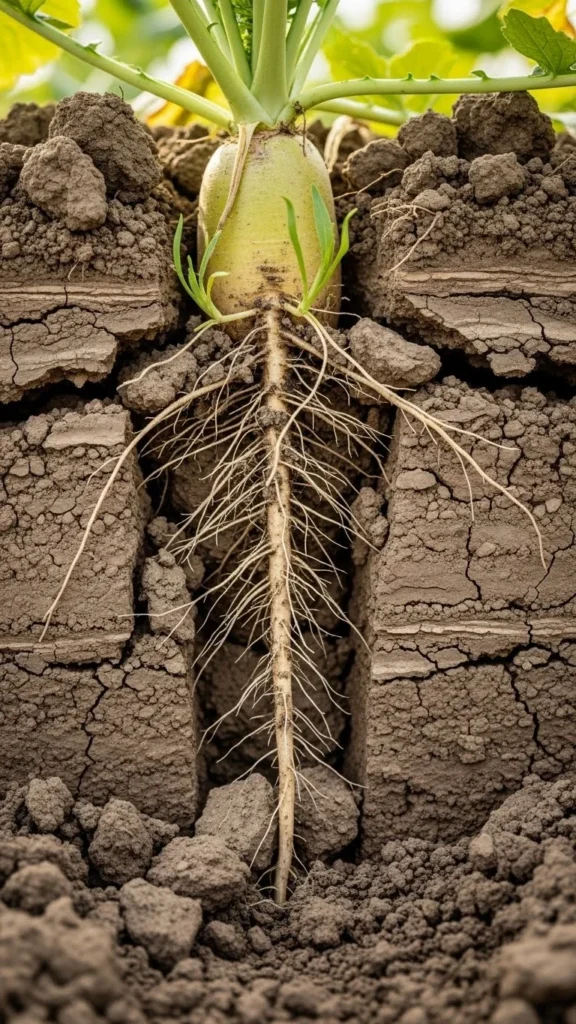
Deep-rooted green manures like radish or ryegrass drill into compacted soil. When they decay, they leave air channels behind, improving drainage. Gardeners with dense clay soil find this especially helpful in restoring soil texture.
13. Balances Soil pH Naturally
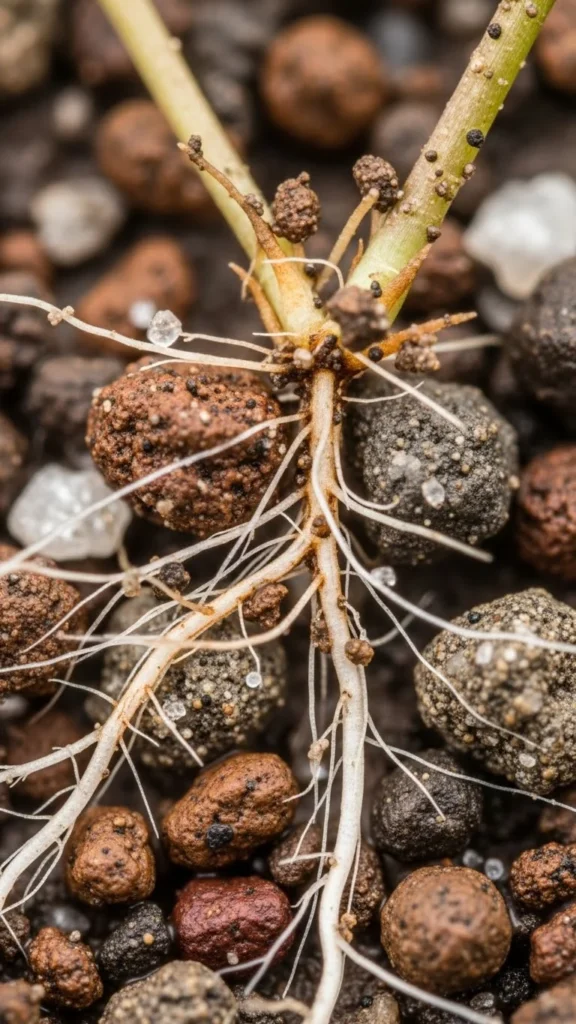
Green manure plants help balance soil acidity over time. As they decompose, they release compounds that moderate pH levels. This creates a healthier environment for both vegetables and flowers without the need for store-bought soil amendments.
14. Reduces Pests Naturally
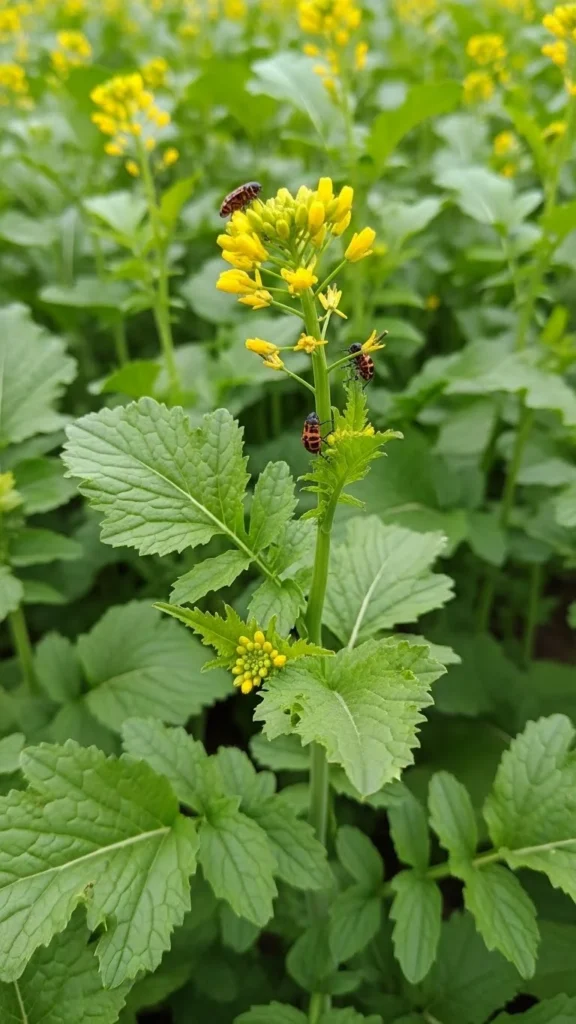
Some green manures—like mustard or marigold—release compounds that repel soil-borne pests. They also attract predatory insects that feed on harmful bugs. It’s an eco-friendly pest management approach that fits well into any organic garden.
15. Improves Seed Germination for Future Crops
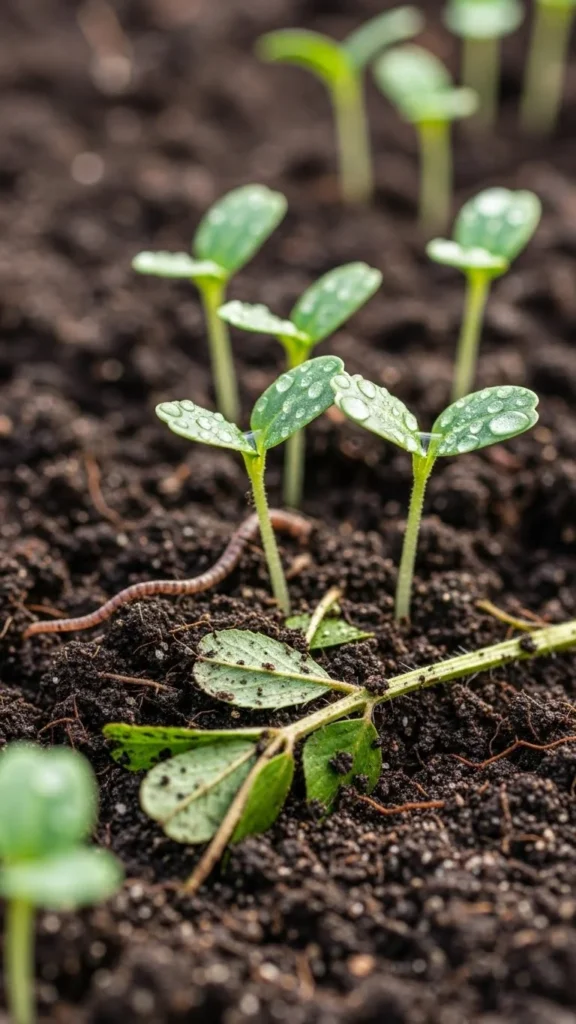
After green manure decomposes, the soil becomes lighter and richer, helping seeds sprout faster. You’ll notice stronger seedlings and better growth right from the start. It’s a simple pre-planting step that pays off in higher yields.
16. Increases Crop Yields Over Time
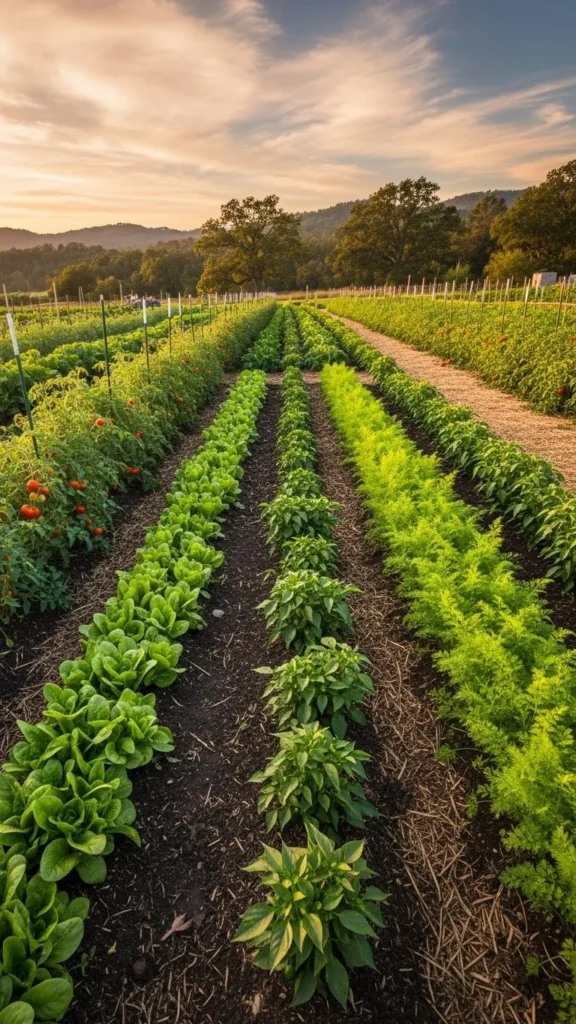
With each green manure cycle, the soil becomes more fertile. Nutrients are replenished, structure improves, and biological life thrives. Over time, this leads to larger harvests with better-tasting produce—all from a natural, repeatable process.
17. Supports Crop Rotation
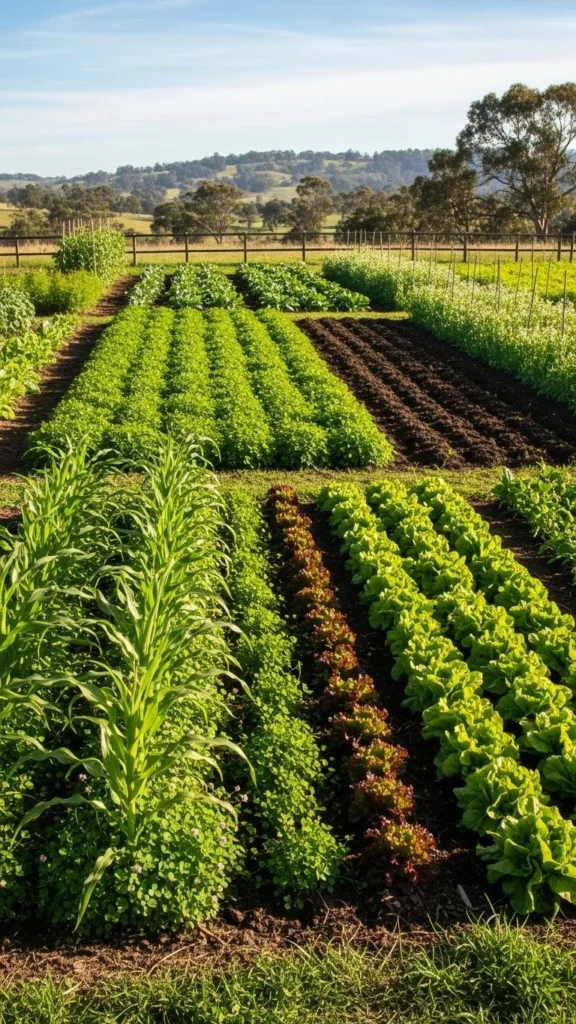
Green manure makes crop rotation easier by filling gaps between planting cycles. You can sow it after harvesting and till it before your next crop. This keeps the soil covered year-round and prevents nutrient depletion from repeated plantings.
18. Reduces Runoff Pollution
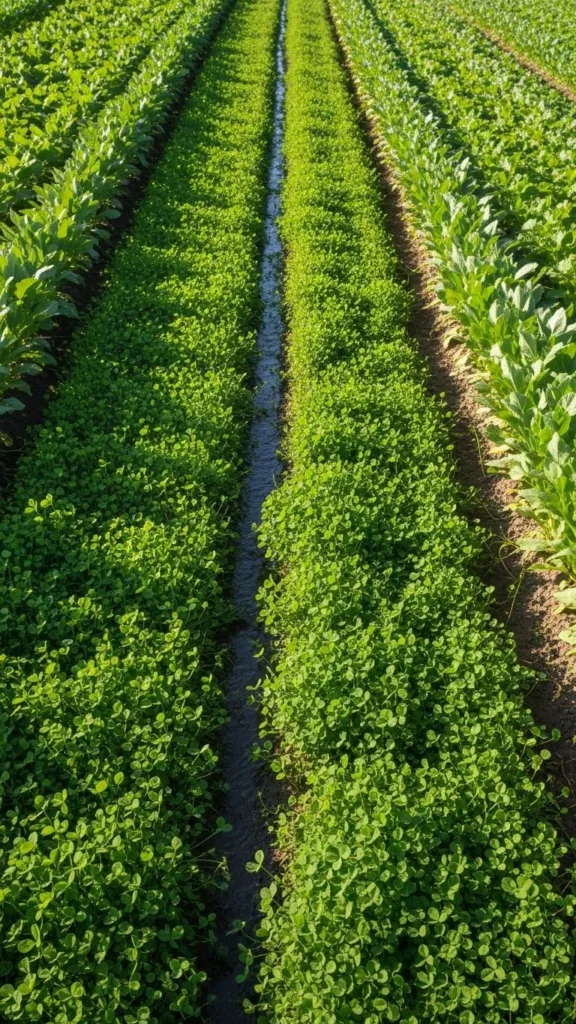
By holding soil in place, green manure also reduces fertilizer runoff into drains or streams. It’s a simple practice that keeps your garden sustainable and environmentally responsible—especially useful in urban or suburban settings.
19. Builds Long-Term Soil Fertility
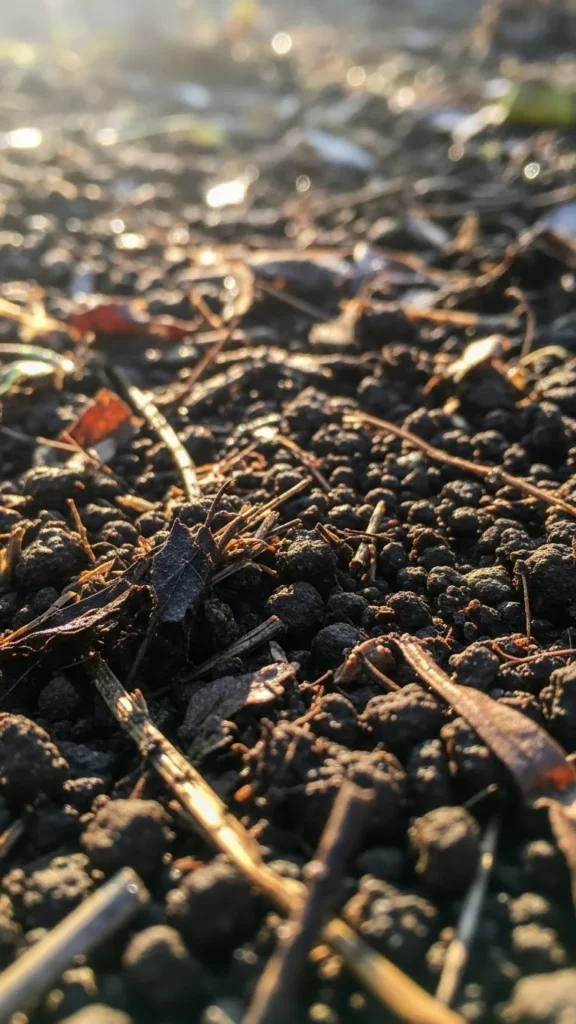
Unlike quick-fix fertilizers, green manure creates lasting fertility. Each cycle builds more humus, improving the soil’s capacity to store nutrients and moisture. The more you repeat the process, the better your garden performs.
20. Adds Color and Life Between Seasons
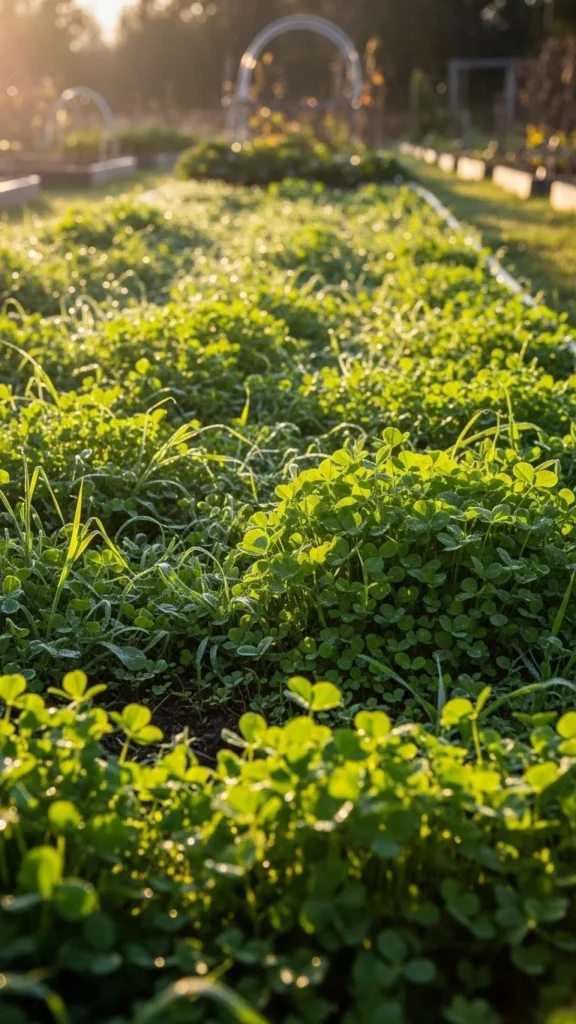
When main crops are done, green manure keeps your garden alive. It prevents the space from looking barren while working quietly to improve soil health. It’s a functional and visually pleasing addition during idle months.
21. Protects Against Soil Diseases
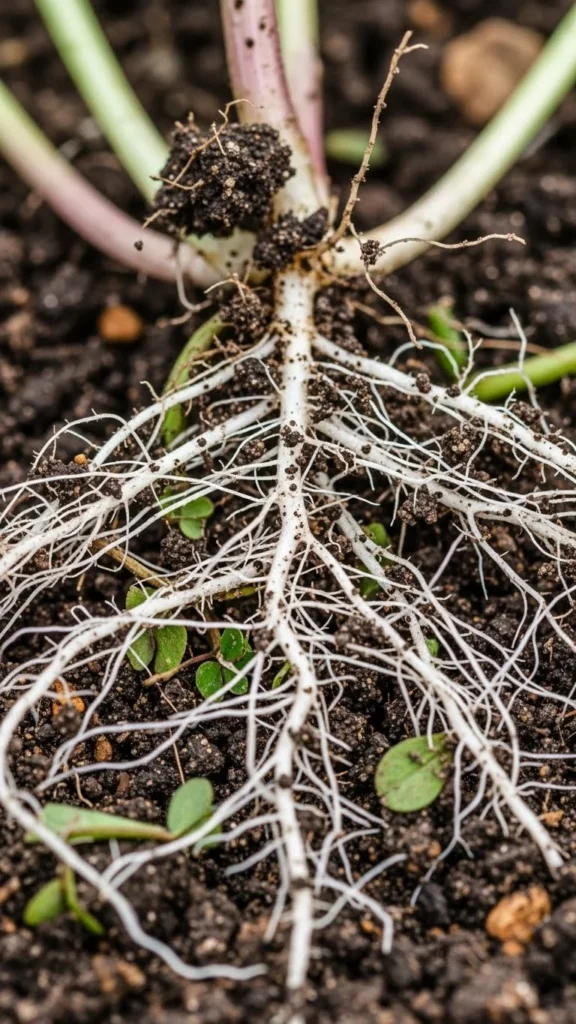
Healthy, biologically active soil suppresses pathogens. By increasing organic matter and microbial balance, green manure helps limit soil-borne diseases naturally. It’s an invisible shield for your next planting season.
22. Simplifies Garden Maintenance
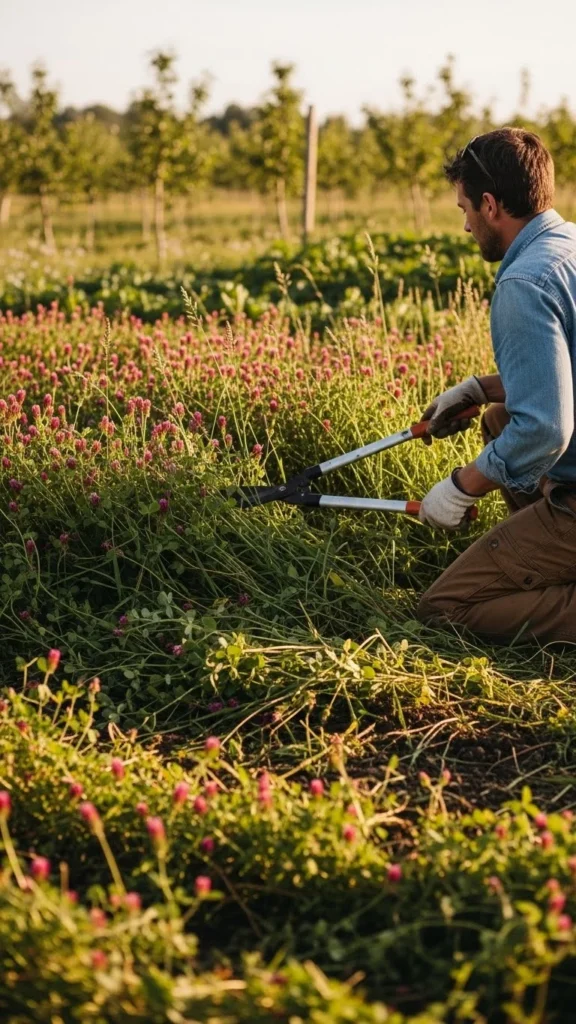
Green manure reduces garden chores over time. With fewer weeds, better water retention, and balanced nutrients, your garden becomes easier to manage. It’s low effort with high payoff for both beginners and experts.
23. Creates a Sustainable Gardening Cycle
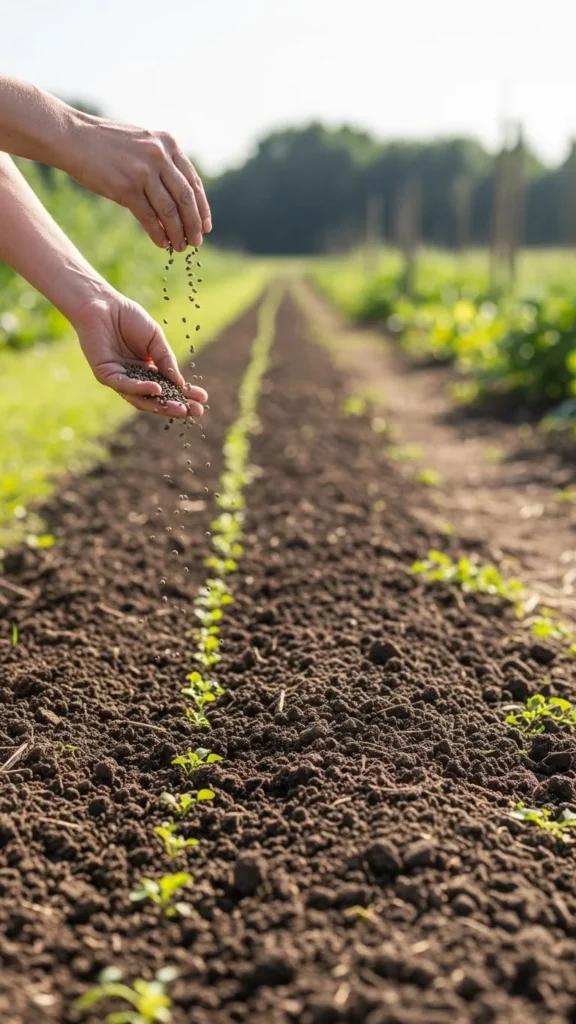
Green manure closes the loop between planting and soil enrichment. It transforms your garden into a self-sustaining system, reducing dependence on external inputs. Each season you repeat it, your soil becomes richer and more productive.
Conclusion
Green manure is a simple, affordable, and powerful tool for building soil fertility. It supports life below and above ground, from microbes to pollinators. Whether you grow flowers, herbs, or vegetables, incorporating green manure turns your garden into a regenerative space that improves with every season. Start small—sow a few cover crops—and let nature handle the rest.

Leave a Reply