

A lush, thriving garden doesn’t have to mean high water bills or endless maintenance. With xeriscaping, you can design a stunning outdoor space that conserves water, supports local wildlife, and stays beautiful year-round — even in dry climates. Whether you live in a desert region or simply want a more sustainable garden, this approach blends smart design with natural beauty.
What Is Xeriscaping?
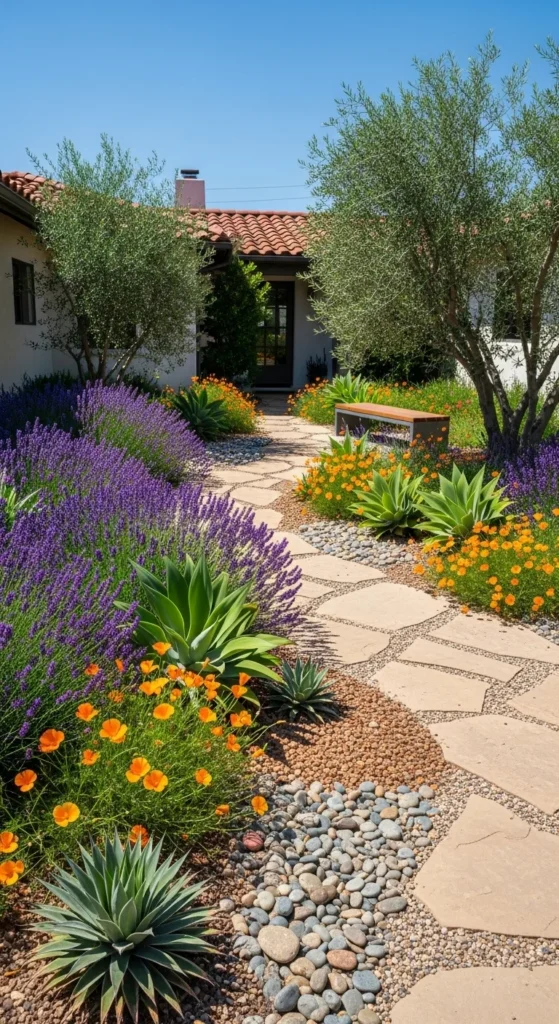
Xeriscaping is a landscaping method designed to reduce or eliminate the need for supplemental water. It focuses on choosing drought-tolerant plants, improving soil, and using efficient irrigation systems. But it’s not about having a dry, barren yard — in fact, modern xeriscaped gardens are bursting with color, texture, and life.
Key benefits include:
- Lower water bills
- Less maintenance
- Fewer pests and weeds
- A garden that thrives in your local climate
Step 1: Plan Your Layout with Purpose
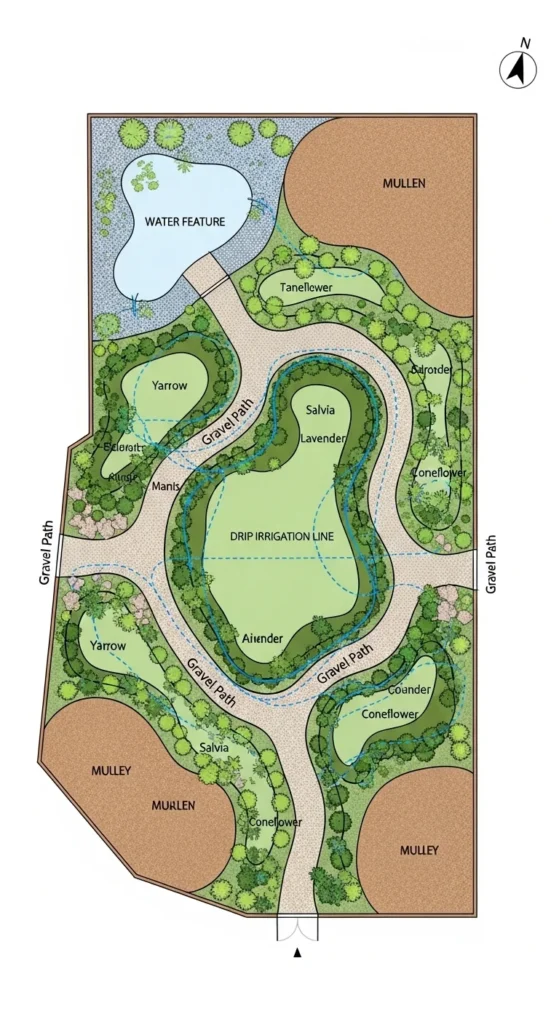
Before planting anything, sketch your garden’s layout. Divide areas based on water use — a concept known as hydrozoning.
- Group plants with similar water needs together.
- Keep high-water plants (like vegetables or lawns) near the house.
- Use native and low-water plants for the outer areas.
This layout ensures you’re not overwatering any section of your garden.
Step 2: Choose the Right Plants
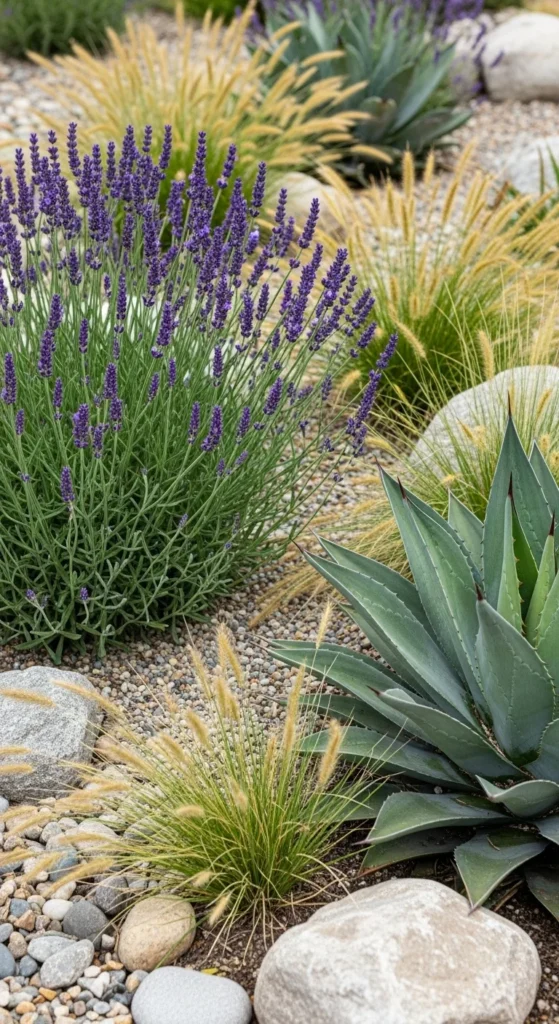
The beauty of xeriscaping lies in smart plant selection. Opt for species that naturally thrive in your region’s climate. Native plants are the best choice because they’ve adapted to local soil and rainfall.
Some excellent drought-tolerant picks:
- Succulents: Agave, aloe, sedum
- Herbs: Lavender, rosemary, thyme
- Perennials: Coneflower, yarrow, black-eyed Susan
- Grasses: Blue fescue, fountain grass, buffalo grass
Mix heights, textures, and colors to create visual depth and interest.
Step 3: Improve Your Soil
Good soil is the foundation of any thriving xeriscape. Many drought-tolerant plants prefer well-draining soil. Here’s how to prepare it:
- Add organic compost to boost nutrients.
- Incorporate grit or sand to improve drainage.
- Avoid heavy clay or compacted soil that retains too much moisture.
Once improved, top your soil with mulch to lock in moisture and prevent weeds.
Step 4: Use Mulch to Conserve Water
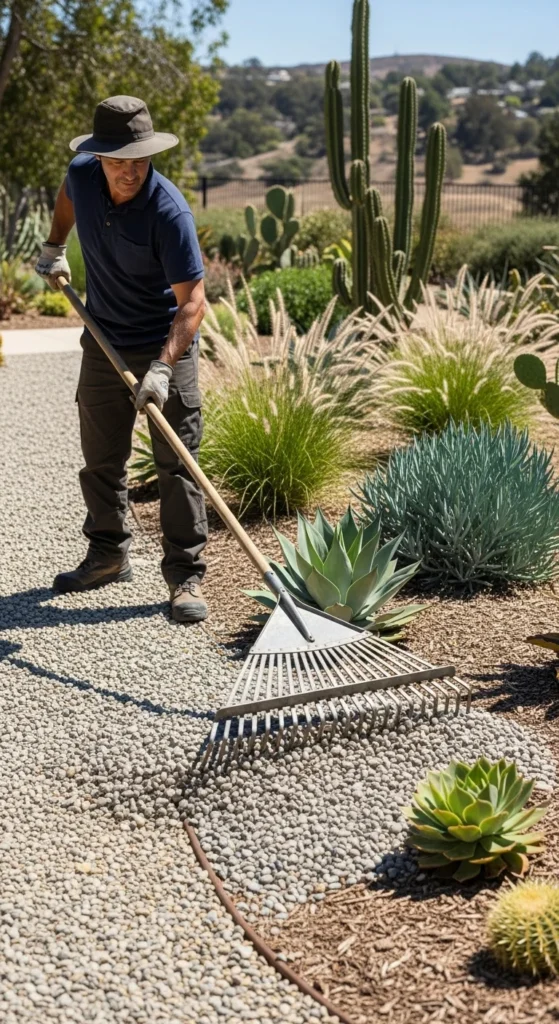
Mulch is your best friend in a water-efficient garden. It acts as a protective blanket, keeping soil cool and reducing evaporation.
Try these options:
- Wood chips or bark mulch for natural aesthetics
- Crushed gravel or stone for a modern look
- Compost mulch to add nutrients
Maintain a layer about 2–3 inches thick and replenish it yearly.
Step 5: Install Efficient Irrigation
Traditional sprinklers waste a lot of water. Instead, choose drip irrigation or soaker hoses, which deliver moisture directly to plant roots.
Tips for success:
- Water early in the morning to reduce evaporation.
- Use a timer to automate watering cycles.
- Check for leaks regularly — even small drips add up!
These systems not only save water but also reduce the chance of fungal diseases from excess moisture.
Step 6: Add Hardscaping for Beauty and Function
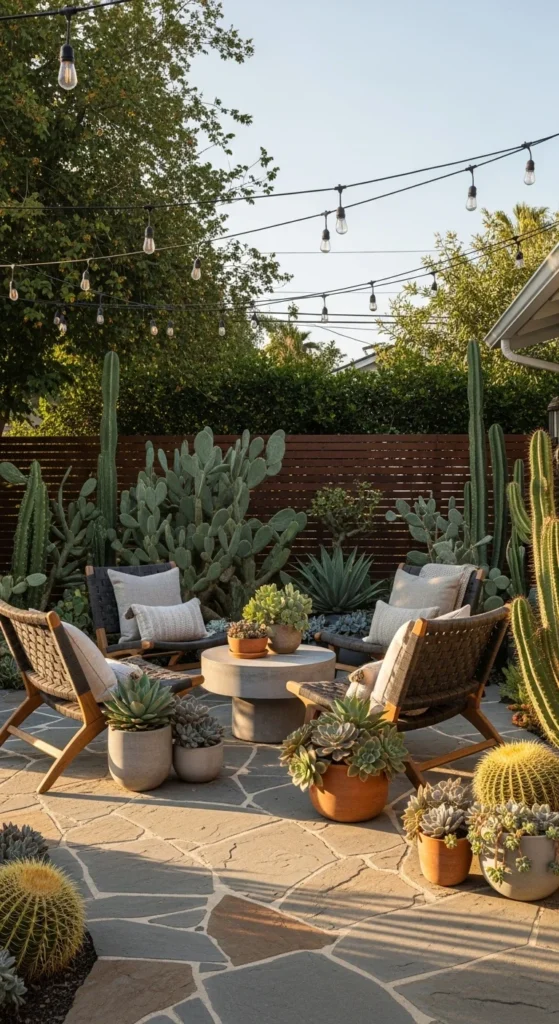
Xeriscaping isn’t just about plants. Integrate hardscaping elements like stones, pavers, or decorative gravel to add texture and define spaces.
Ideas include:
- A winding stone path
- A gravel patio with outdoor seating
- Raised planters made from reclaimed wood or stone
These features enhance your garden’s visual appeal while reducing the space that needs watering.
Step 7: Maintain with Minimal Effort
Once your xeriscape is established, maintenance becomes refreshingly simple.
- Weed regularly to prevent competition for water.
- Prune dead or overgrown plants to encourage healthy growth.
- Adjust watering schedules with the seasons — less in winter, more during dry spells.
Your garden will adapt over time, becoming even more self-sufficient.
Final Touch: Add a Personal Touch
Make your xeriscape reflect your personality! Add decorative features like:
- Garden sculptures
- Solar-powered lights
- Birdbaths or small water features
Even a few well-placed accents can transform your yard into a relaxing oasis.

Conclusion: A Garden That Thrives Naturally
Creating a water-efficient garden with xeriscaping is both eco-friendly and rewarding. You’ll save water, cut down on maintenance, and enjoy a landscape that flourishes naturally. Start small — redesign one section at a time — and watch your sustainable paradise take shape.
Save this guide for later and share it with friends who love gardening the smart, sustainable way!

Leave a Reply