

Nothing adds magic to your backyard quite like a flutter of butterflies gliding through the air. These vibrant creatures aren’t just beautiful—they’re vital pollinators that help your garden thrive. The best part? You don’t need a massive yard or complicated setup to invite them in. With a few thoughtful choices, you can turn your outdoor space into a butterfly paradise.
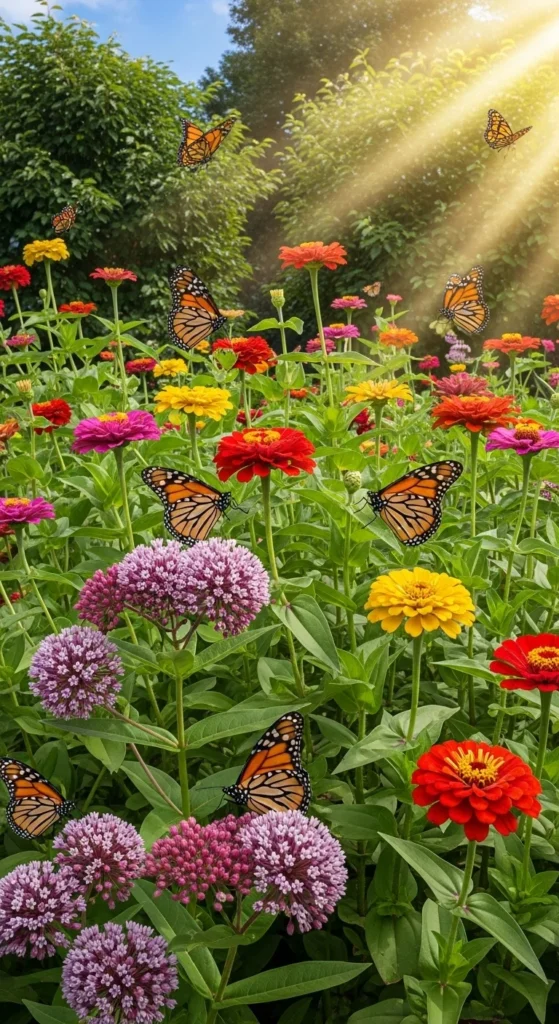
Choose the Right Location
Butterflies are sun lovers. They rely on warmth to fly and feed, so your garden should be in a sunny, sheltered spot. Look for an area that gets at least 5–6 hours of direct sunlight a day. Avoid windy areas since strong gusts make it hard for butterflies to land and feed.
A few quick tips:
- South-facing areas are ideal for maximum sunlight.
- Use hedges or shrubs as windbreaks.
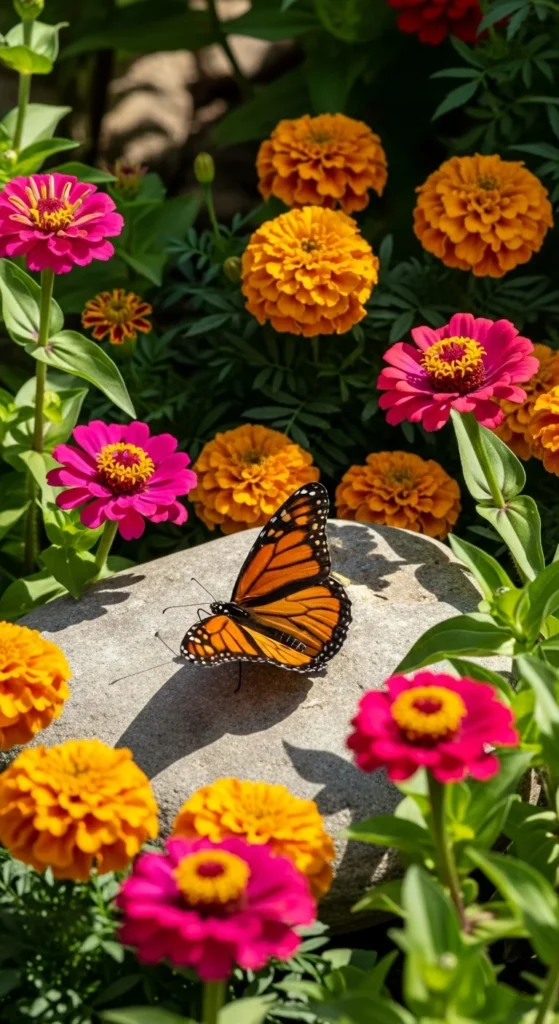
- Place flat stones in sunny spots—butterflies love to bask and absorb warmth.
Pick Nectar-Rich Flowers
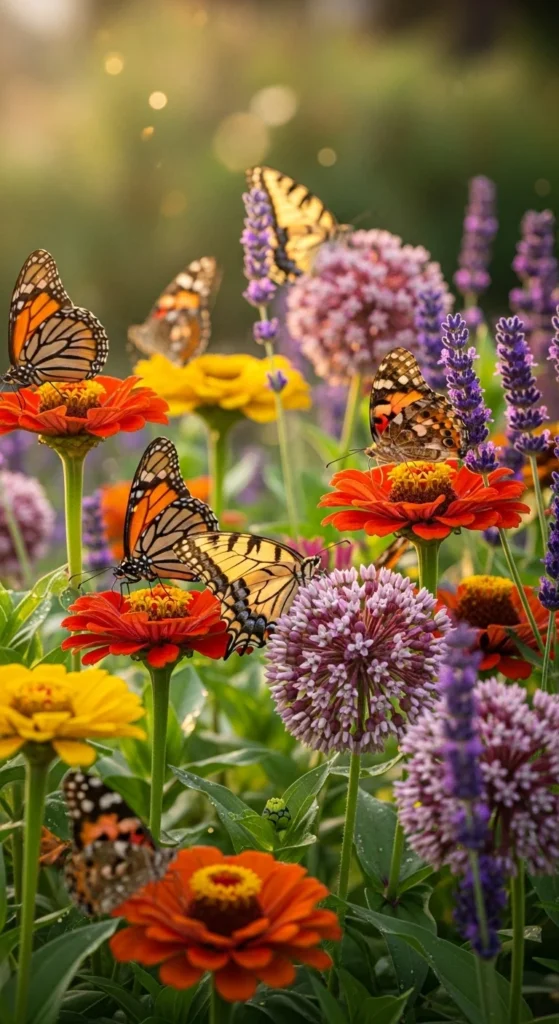
To attract butterflies, you’ll need to grow flowers that serve as nectar stations. Choose varieties that bloom throughout the growing season so you always have something in bloom.
Some butterfly favorites include:
- Milkweed – especially for monarchs.
- Zinnias – long bloomers that attract various species.
- Coneflowers and Black-eyed Susans – colorful and hardy.
- Lantana – bright clusters of nectar-rich blooms.
- Lavender and Verbena – fragrant and pollinator-friendly.
Mix colors, shapes, and heights for a visually rich and butterfly-friendly space.
Don’t Forget Host Plants
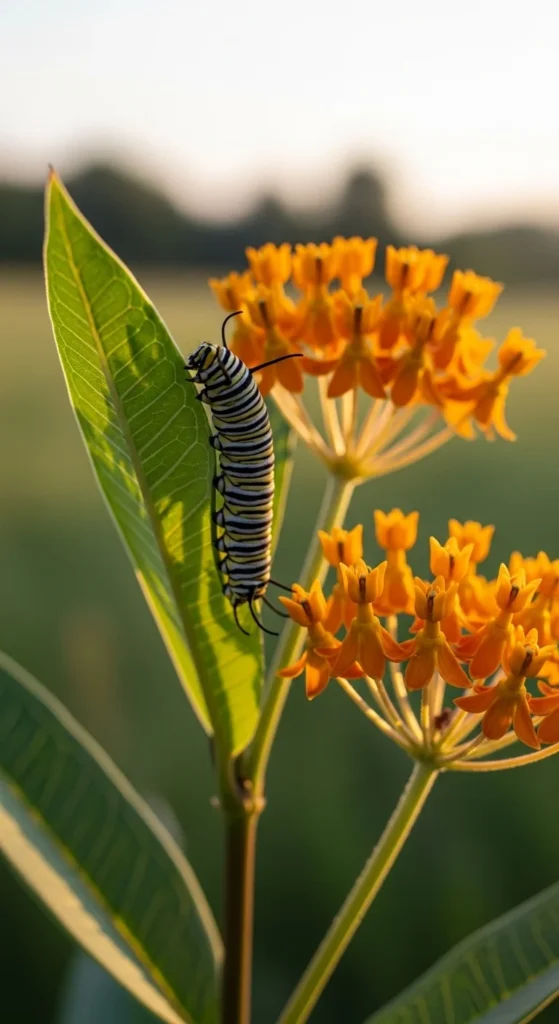
While nectar flowers feed adult butterflies, host plants are where they lay eggs and feed their caterpillars. Without these, your garden won’t support the full butterfly life cycle.
Here are some great host plants to include:
- Milkweed – for monarch caterpillars.
- Parsley, fennel, and dill – for swallowtails.
- Violets – for fritillaries.
- Nettles – for red admirals and peacocks.
By mixing host and nectar plants, you’ll create a garden that welcomes butterflies at every stage of their life.
Add Water and Resting Spots
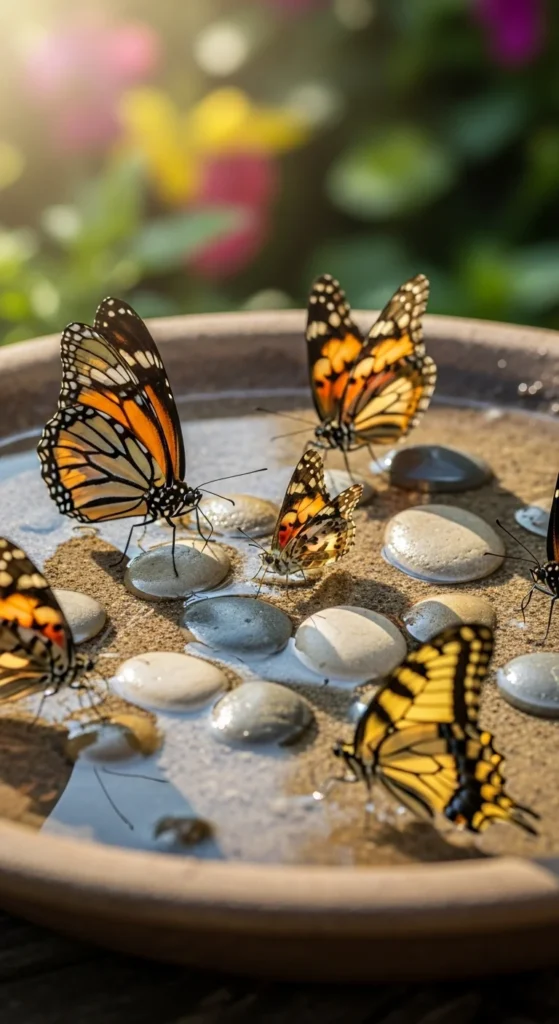
Butterflies need water, but not in deep birdbaths. They prefer shallow puddles or muddy spots where they can sip minerals and moisture—a behavior known as “puddling.”
Create a simple puddling area:
- Fill a shallow dish with wet sand or soil.
- Keep it slightly damp.
- Add a few flat stones for perching.
You can also include a few flat rocks or wooden logs where butterflies can rest and warm their wings between flights.
Avoid Pesticides
Even small traces of pesticides can harm butterflies and their larvae. Instead, embrace natural pest control methods:
- Encourage beneficial insects like ladybugs.
- Hand-pick pests when possible.
- Use homemade sprays with mild, natural ingredients (like neem oil or soap water).
A chemical-free environment ensures your butterfly visitors stay safe and healthy.
Design for Continuous Bloom
Plan your garden so something is always in bloom—from spring through fall. Layering different species ensures a steady food supply and keeps butterflies returning.
Try this seasonal guide:
- Spring: Phlox, lilac, and dianthus.
- Summer: Lantana, zinnias, coneflowers.
- Fall: Asters and goldenrod.
This staggered blooming pattern gives butterflies a reason to linger for months.
Add a Touch of Whimsy
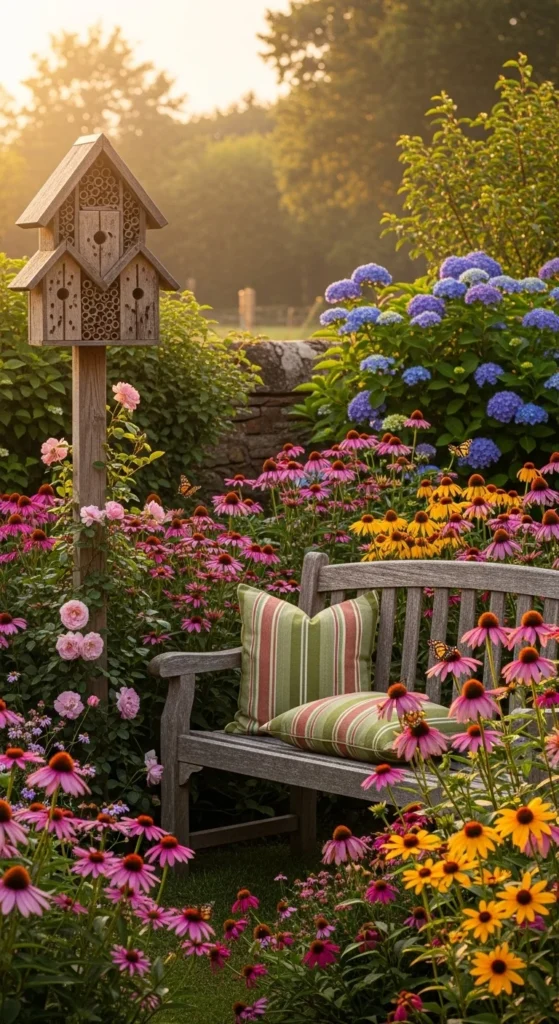
Make your butterfly garden a place you love to be, too. Add small décor touches that blend function with charm:
- A butterfly house for shelter during storms.
- Colorful garden stakes that mimic flowers.
- Rustic benches or stepping stones for your own enjoyment.
Butterfly gardening is about balance—beauty for you and a haven for them.
Conclusion: Welcome the Wings of Wonder
Creating a butterfly garden isn’t just about planting flowers—it’s about inviting nature to dance right outside your window. Every bloom, puddle, and sunny perch helps these gentle creatures thrive. With a bit of planning, your garden will soon be filled with vibrant wings and joyful movement.
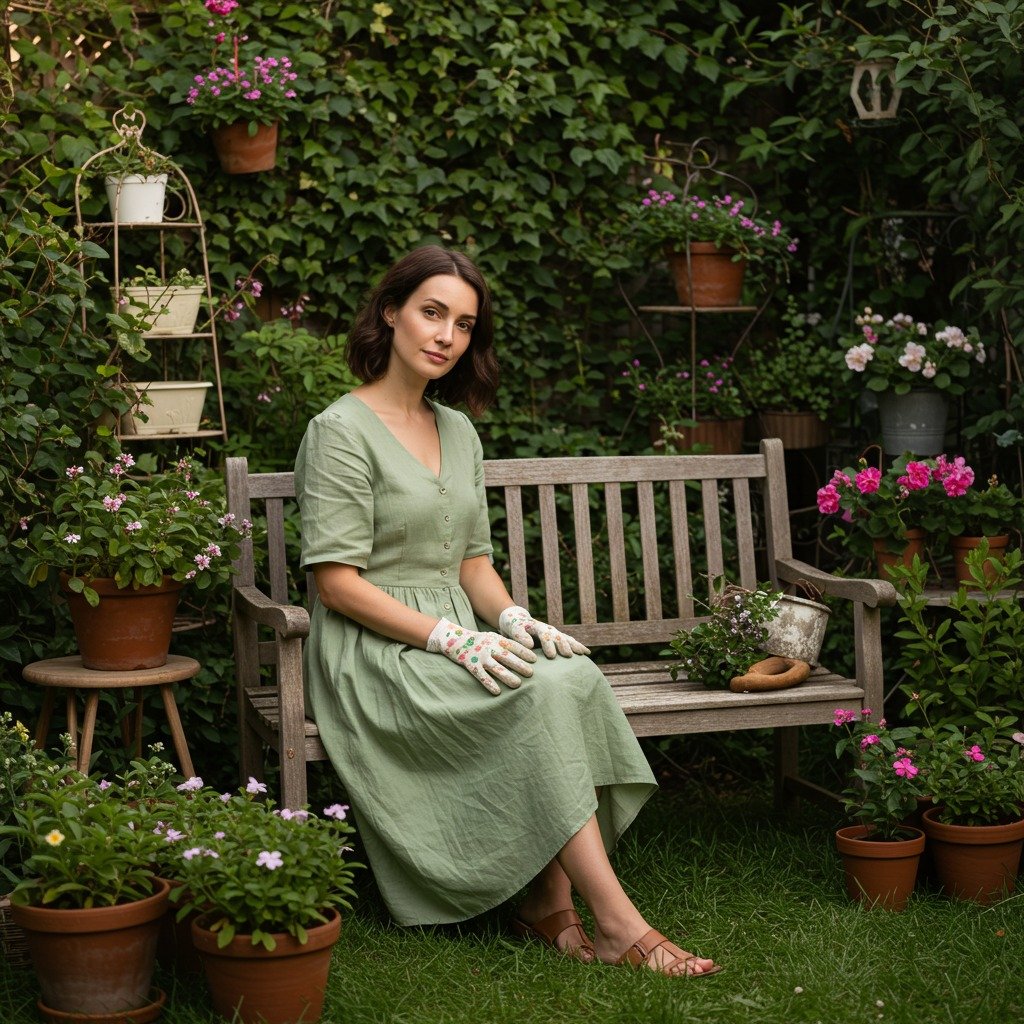
So, grab your gloves, pick your plants, and start building your little butterfly haven today.
Save this guide for later and share it with a fellow garden lover!
Leave a Reply