

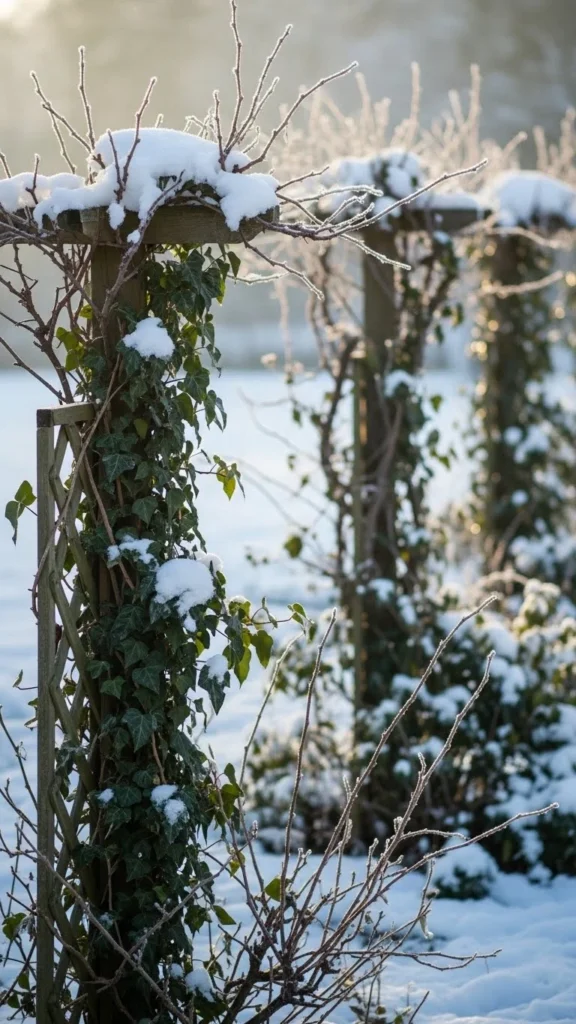
Cold climates don’t have to mean bare walls and empty trellises. Many vines handle snow, frost, and freezing temperatures while still adding structure, texture, and interest to outdoor spaces. Some stay green. Others rest quietly and return strong when warmth comes back. This list focuses on hardy climbers that survive winter with simple care. You’ll find options for fences, arbors, walls, and small DIY supports—perfect for gardeners who want reliable results without expensive setups.
1. Virginia Creeper
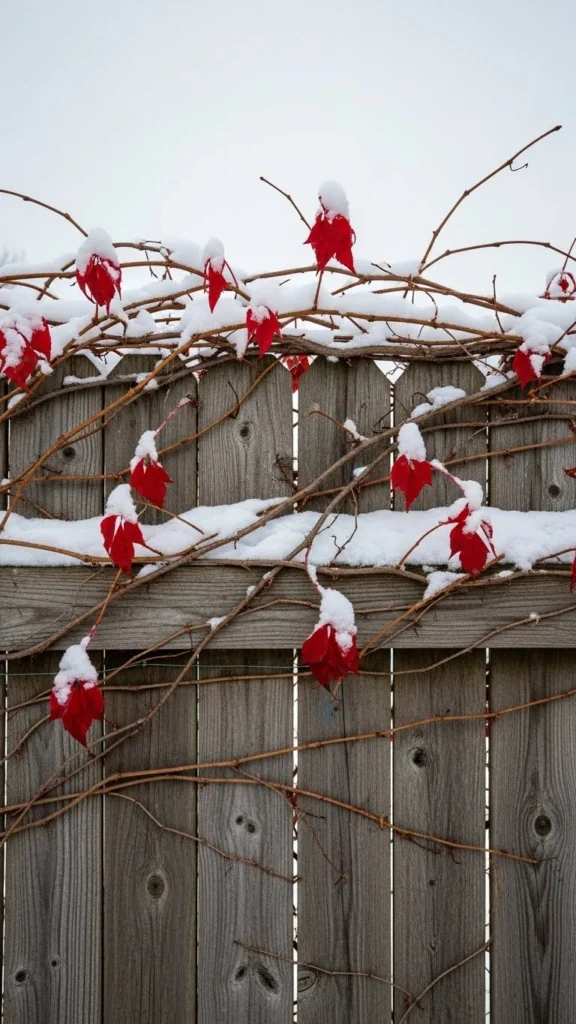
Virginia creeper is one of the toughest climbers for cold regions. It drops leaves in winter, but the woody vines stay firm and attached. Snow rarely harms it. This vine grips walls and fences without extra ties, making it a budget-friendly pick.
You can train it along chain-link fences or let it climb old sheds. It doesn’t ask for rich soil. Basic garden dirt works fine. Once planted, watering is minimal.
For small spaces, prune it back each fall. Cut long runners with hand pruners. No fancy tools needed. If you want color, its red fall leaves are a bonus before winter sets in.
2. Boston Ivy
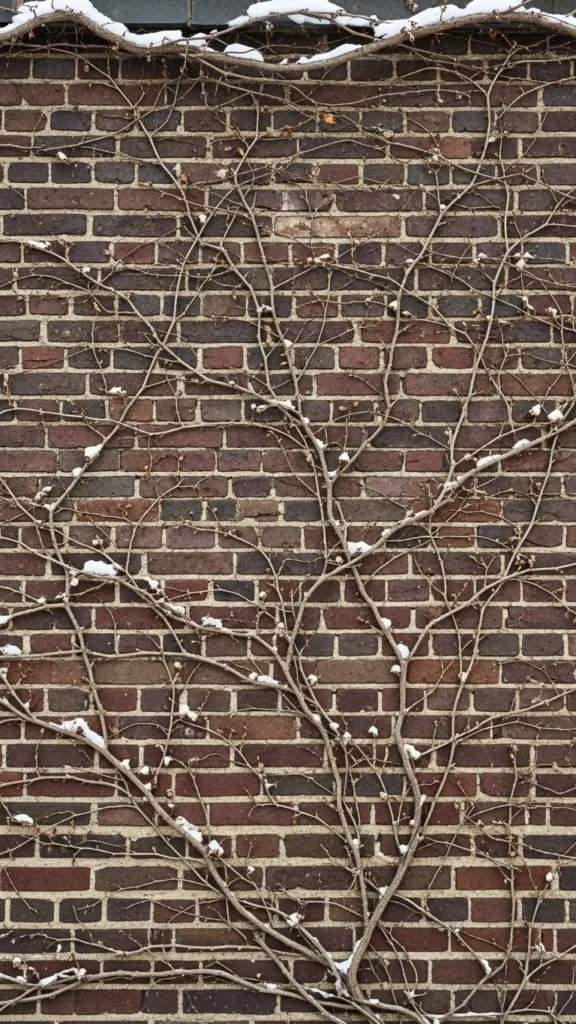
Boston ivy handles snow well and sticks tightly to masonry. During winter, the bare vine structure still adds pattern to walls. It handles freezing temperatures without wrapping or covers.
Plant it at the base of a wall and let it climb on its own. Water during the first season only. After that, it manages fine on rain.
If you’re renting, guide it on a trellis instead of walls. Simple wood lattice panels work and cost little. Trim once a year to keep it neat.
3. Climbing Hydrangea
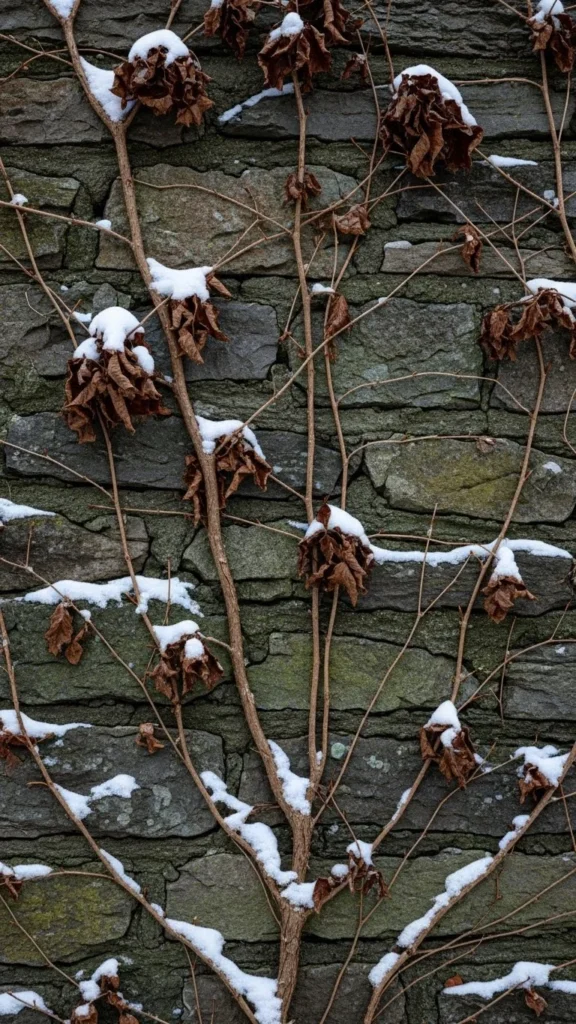
Climbing hydrangea grows slowly but handles cold climates well. In winter, its thick stems stay firm and ready for spring. Snow does not damage mature vines.
It works well on north-facing walls or shaded fences. Soil does not have to be perfect. Mix compost into the planting hole, and you’re set.
DIY tip: Use garden twine early on to guide young vines. After they grip the surface, ties are no longer needed.
4. Honeysuckle (Hardy Types)
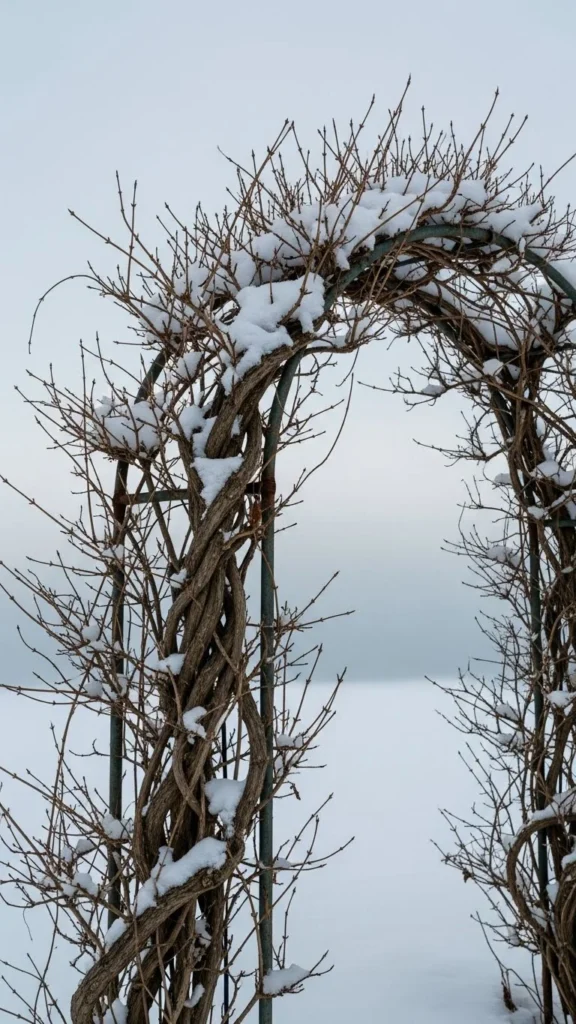
Certain honeysuckle varieties survive snow without trouble. While leaves drop, the vine structure remains strong. It bounces back once temperatures rise.
Plant it along arches or railings. Metal supports work best in snowy areas since they don’t rot.
Prune lightly after winter. Remove dead tips with basic shears. No feeding required during cold months.
5. Trumpet Vine
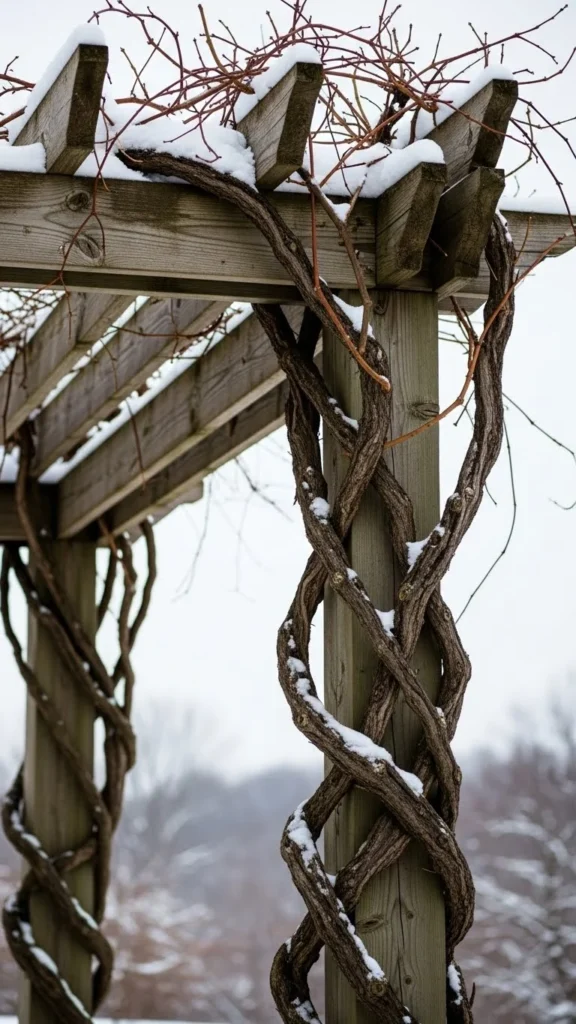
Trumpet vine is aggressive but extremely tough. Snow, ice, and freezing wind rarely bother it. Once established, it grows with little care.
Use it only where strong growth is welcome. Old fences and pergolas are good spots. It can handle poor soil and limited watering.
To control it, cut back hard in late winter. This keeps it from spreading too far and costs nothing but time.
6. English Ivy
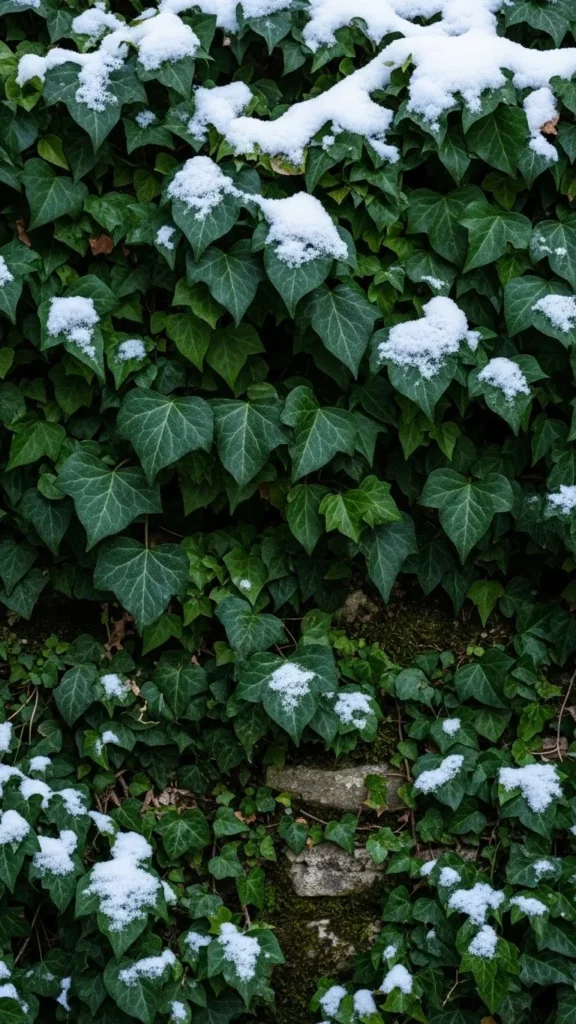
English ivy stays green through winter in many regions. Snow may flatten it briefly, but it recovers quickly.
It works well for walls, slopes, and shaded areas. For DIY control, grow it in large containers and let it trail upward.
Trim edges with scissors to keep it tidy. No special care required during winter.
7. Bittersweet Vine
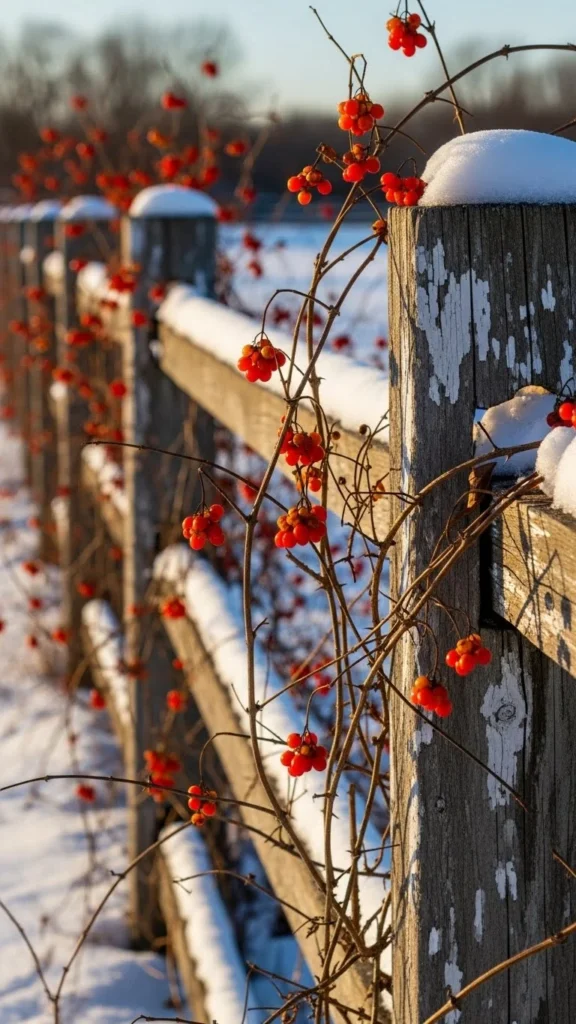
Bittersweet handles cold well and adds winter interest with berries. The vine structure stays firm under snow.
Grow it on fences or trellises. It adapts to basic soil and does not need winter protection.
Prune in early spring to guide growth. Simple cuts keep it manageable.
8. Clematis (Cold-Hardy Varieties)
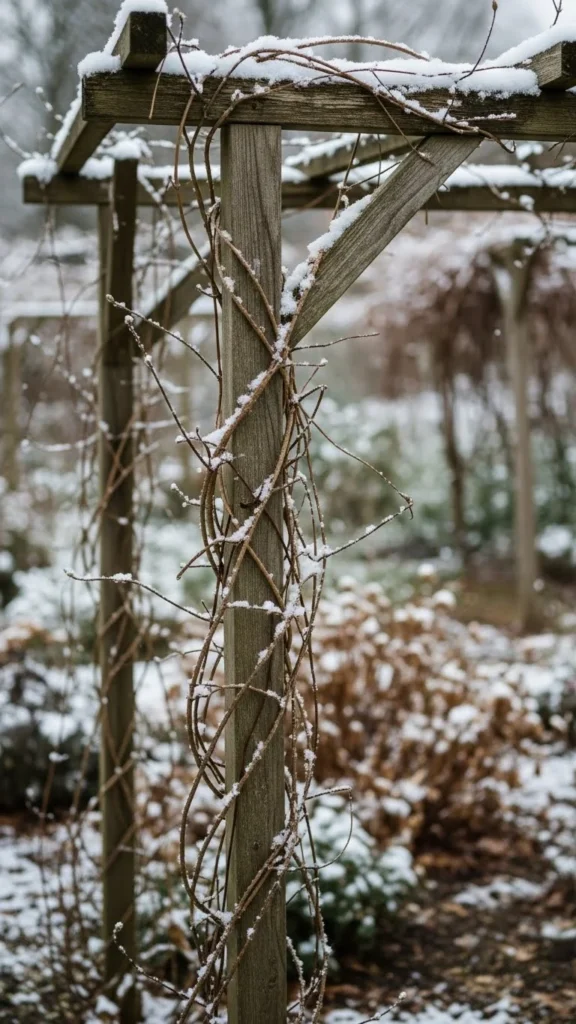
Many clematis types survive snow easily. The vines rest during winter and return strong.
Plant roots deep and mulch lightly. Use fallen leaves or straw—cheap and effective.
Train vines with garden clips or twine. Replace ties as they wear out.
9. Wisteria (Cold Regions)
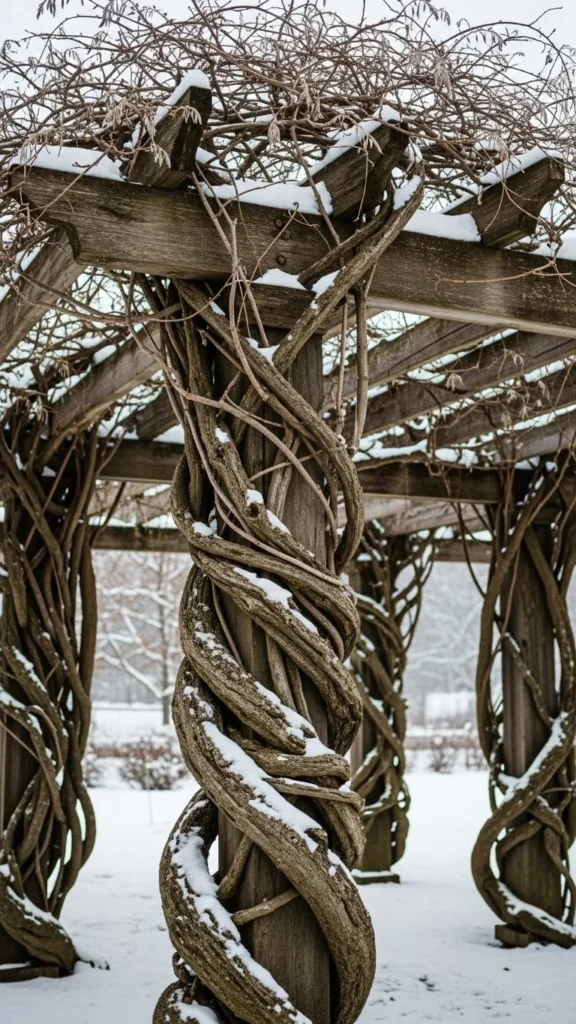
Certain wisteria varieties handle snow once mature. The woody vines are strong and long-lasting.
Plant it with patience. Growth is slow at first. Support with sturdy wood or metal.
Prune twice a year using basic hand tools. This keeps it from becoming heavy.
10. Chocolate Vine (Akebia)
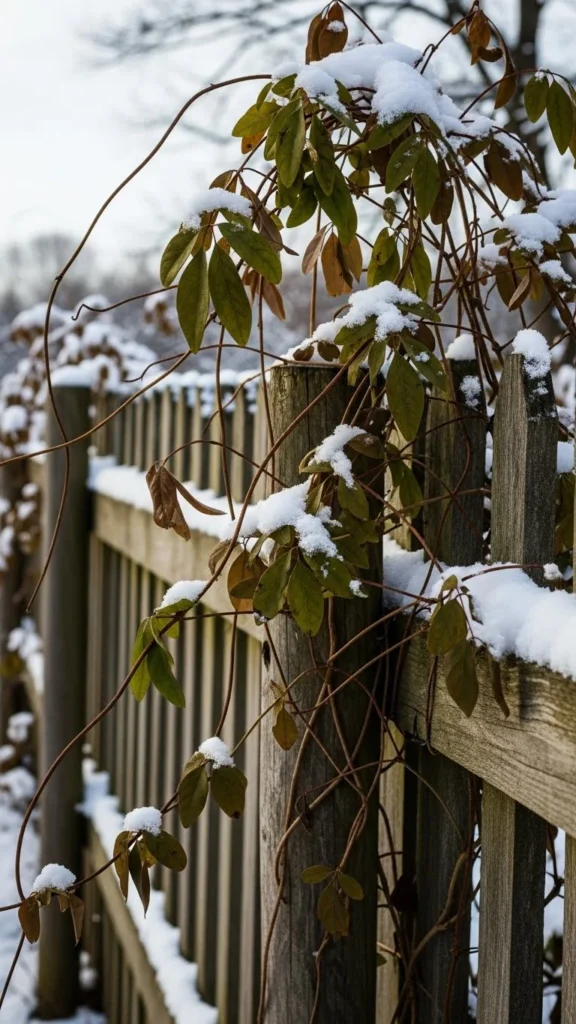
Akebia handles cold and keeps some leaves in mild winters. It grows fast and covers space quickly.
It works well for privacy fences. No feeding during winter is needed.
Prune lightly to shape. Compost mulch helps roots without cost.
11. Climbing Roses (Hardy Types)
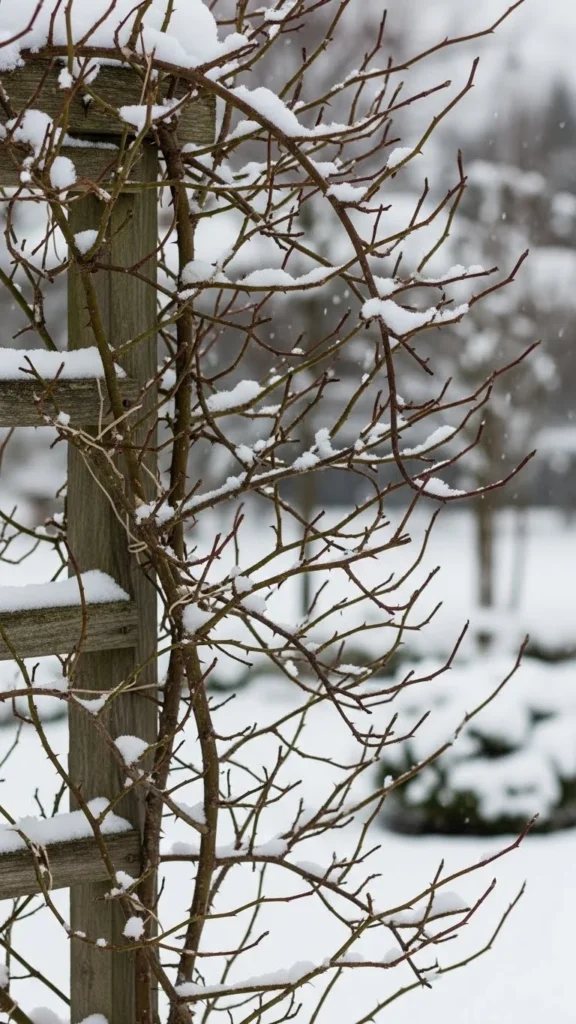
Many climbing roses survive snow when tied securely. Canes bend under weight but rarely break if supported.
Use soft ties made from old fabric. Avoid wire.
Prune dead wood in early spring. Keep bases mulched with leaves.
12. Silver Lace Vine
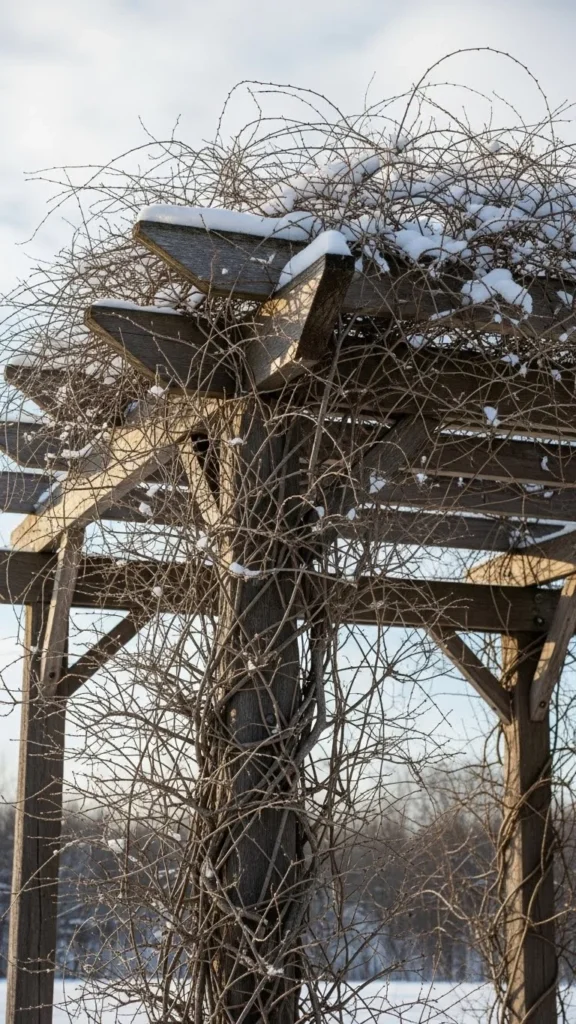
Silver lace vine grows fast and tolerates cold well. Winter leaves drop, but stems stay strong.
It handles poor soil and little water. Great for quick coverage.
Trim aggressively once a year. This keeps growth under control.
13. Dutchman’s Pipe
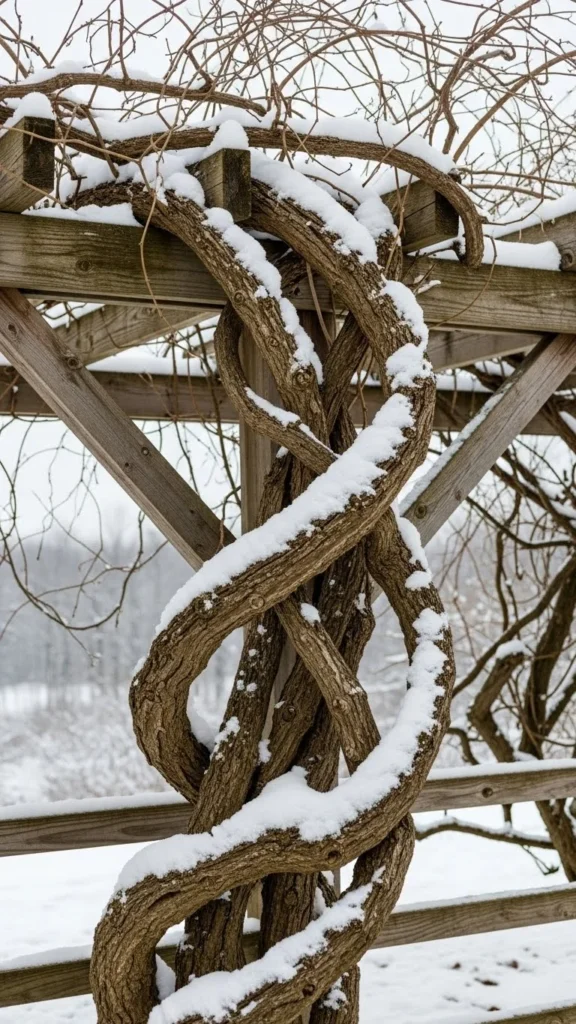
This vine handles snow and cold well. The thick stems protect it during winter rest.
Plant near sturdy supports. Wooden trellises work well.
Mulch roots lightly with yard waste. No store-bought products required.
14. Winter Jasmine
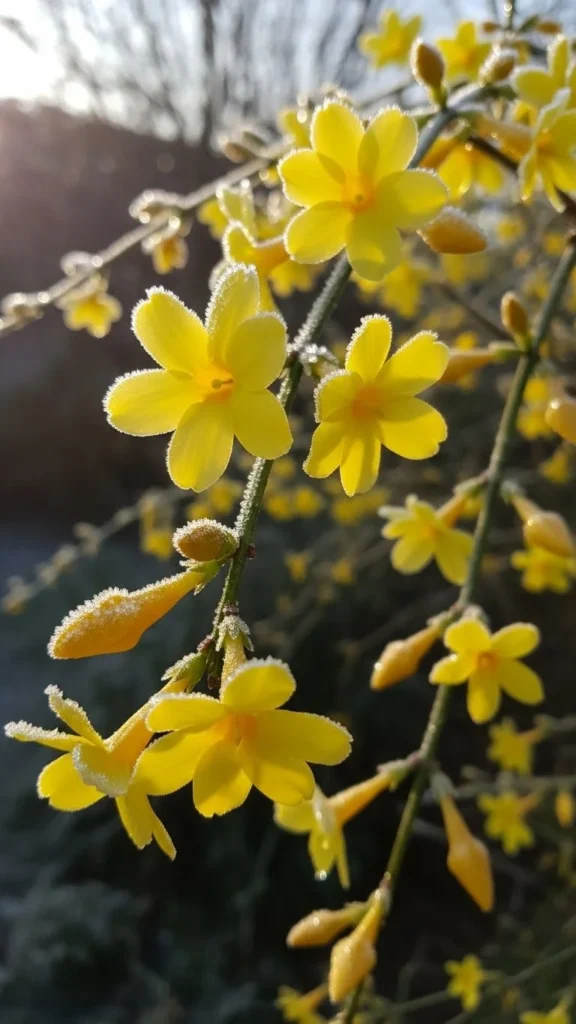
Winter jasmine handles cold and often blooms early. Snow rarely harms it.
Grow it along low walls or slopes. It spreads easily.
Prune after flowering. Simple cuts keep it tidy.
15. Creeping Fig (Cold-Tolerant Zones)
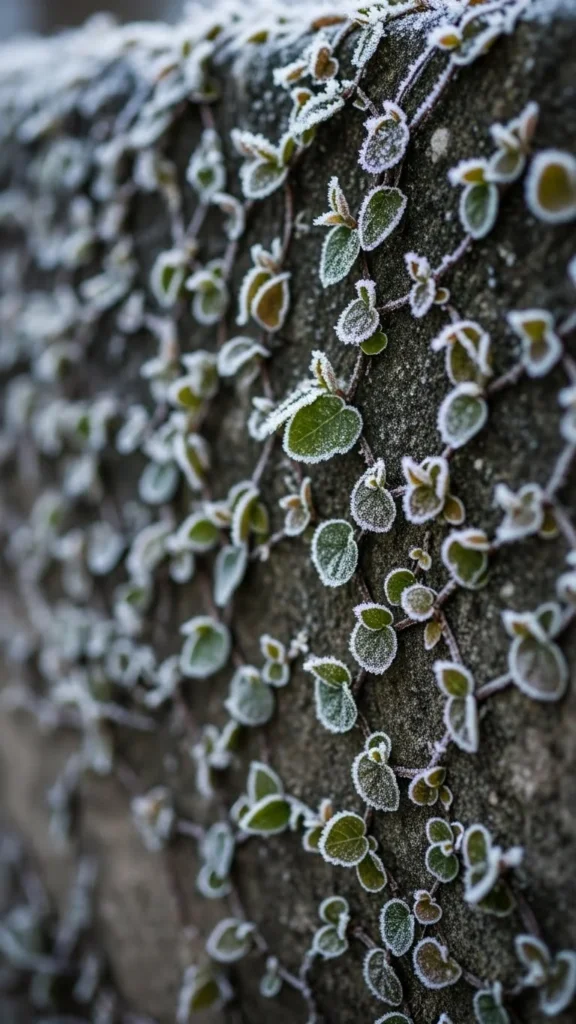
In milder cold regions, creeping fig survives winter. It clings tightly and adds texture.
Plant in sheltered spots. Walls block wind and help survival.
Trim lightly in spring. Avoid heavy winter cutting.
16. Groundnut Vine
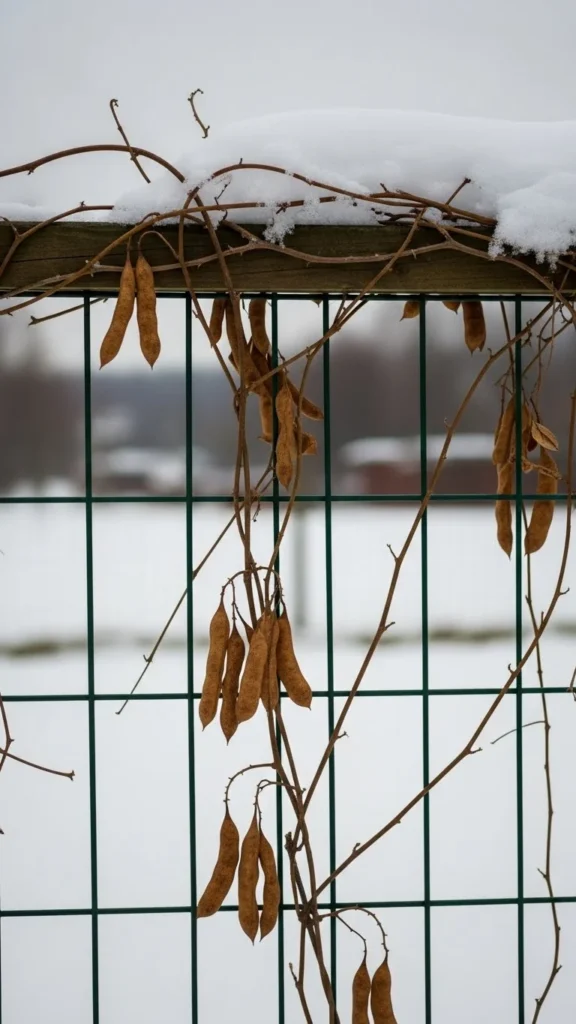
Groundnut vine survives freezing temperatures and returns yearly. It also spreads slowly underground.
Grow it on fences or trellises. It handles average soil well.
Cut back dead growth in late winter. No extra care required.
17. Carolina Jessamine
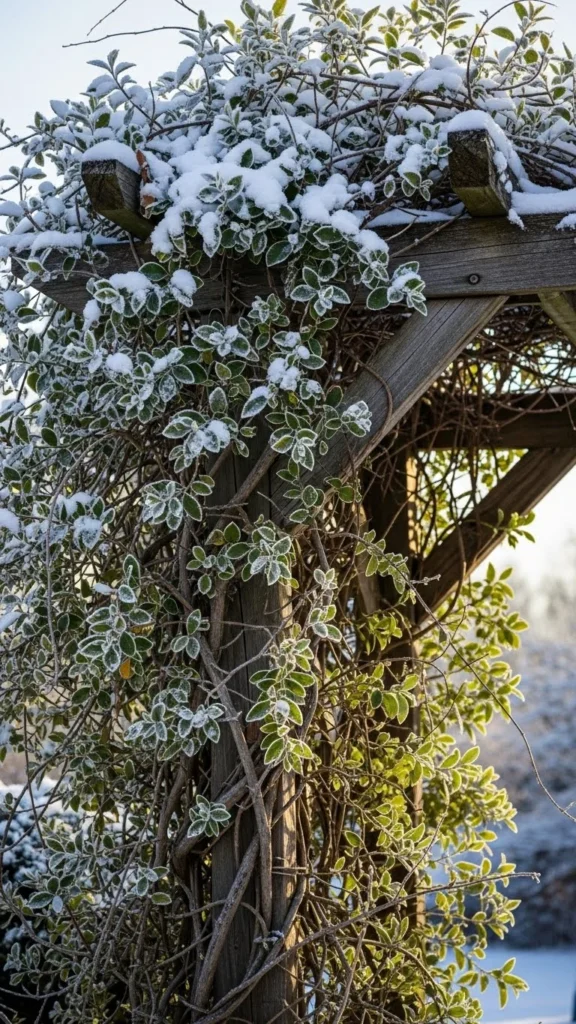
This vine stays green in many cold areas. Snow rarely causes damage.
Plant near entryways or fences. It climbs with light guidance.
Prune lightly after flowering. Hand pruners work fine.
18. Five-Leaf Akebia
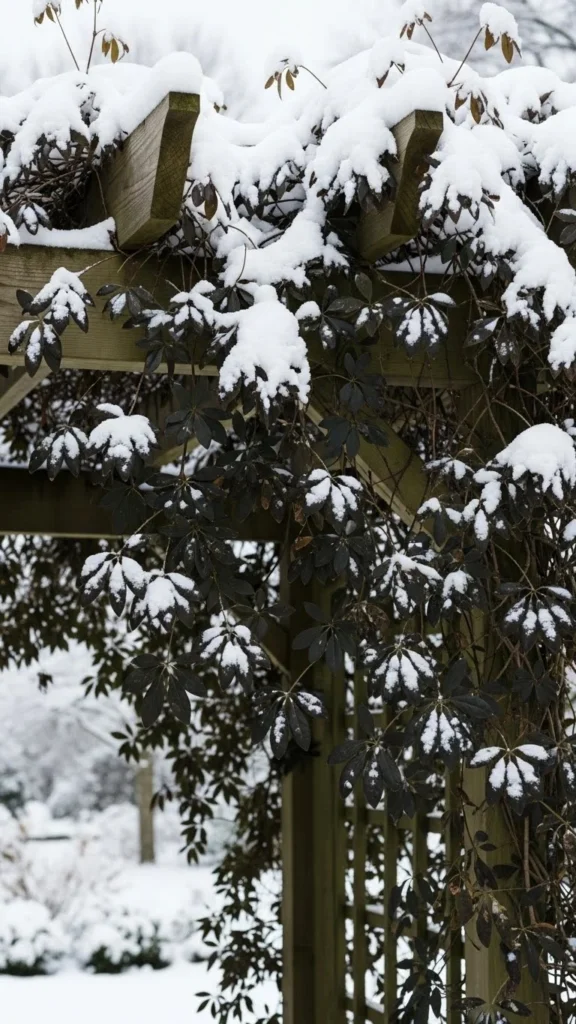
This akebia variety tolerates snow and cold. Leaves may stay on in mild winters.
It grows fast and covers space easily. No rich soil required.
Trim to shape once a year.
19. Cross Vine`
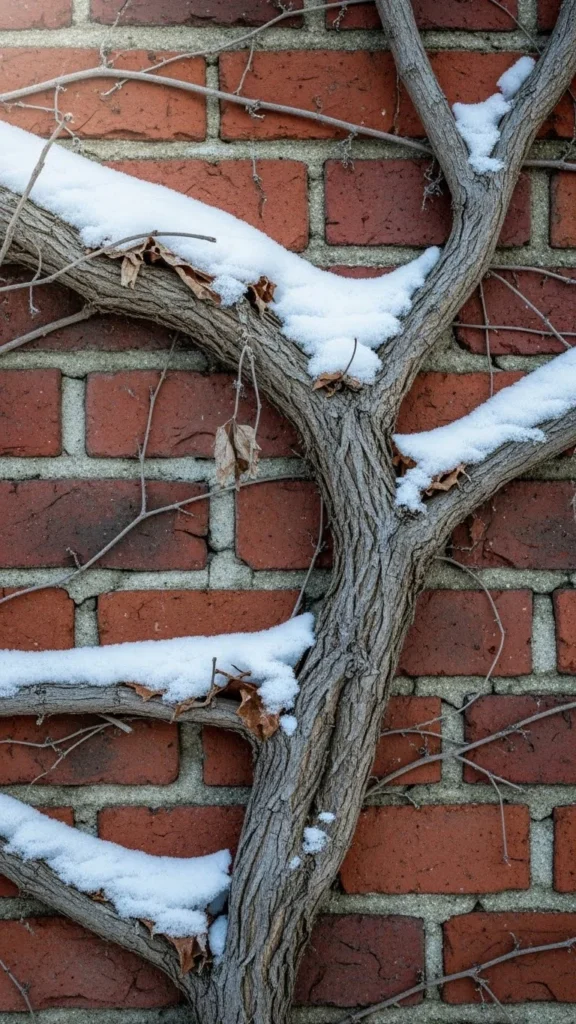
Cross vine handles cold and snow well. It clings firmly to surfaces.
Plant in sunny spots for best results. Basic soil works.
Prune lightly to manage size.
20. Evergreen Clematis
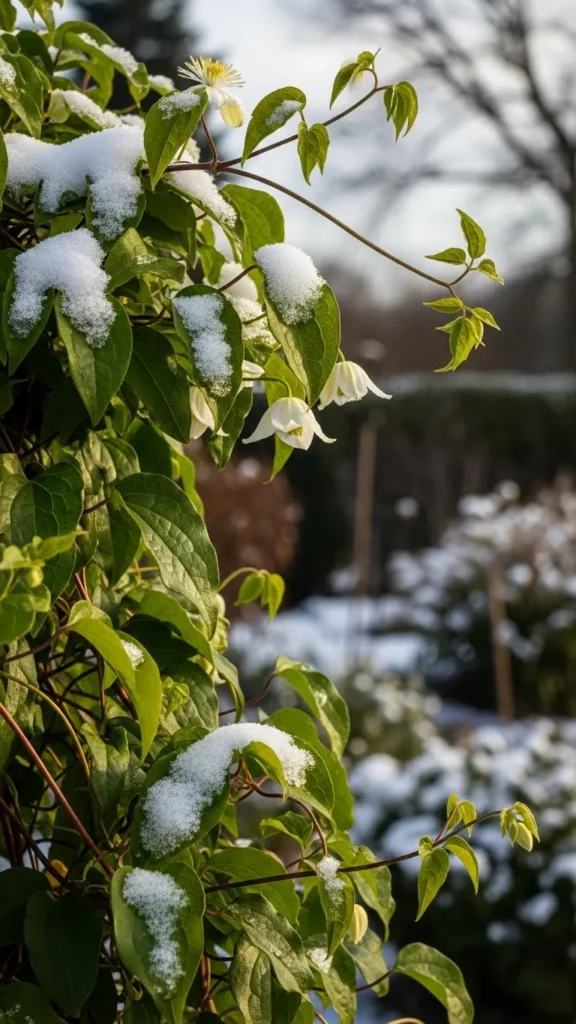
This clematis keeps leaves in mild winters and handles cold snaps.
Plant in protected spots. Mulch roots with leaves.
Guide vines early with twine.
21. Passionflower (Cold-Hardy Types)
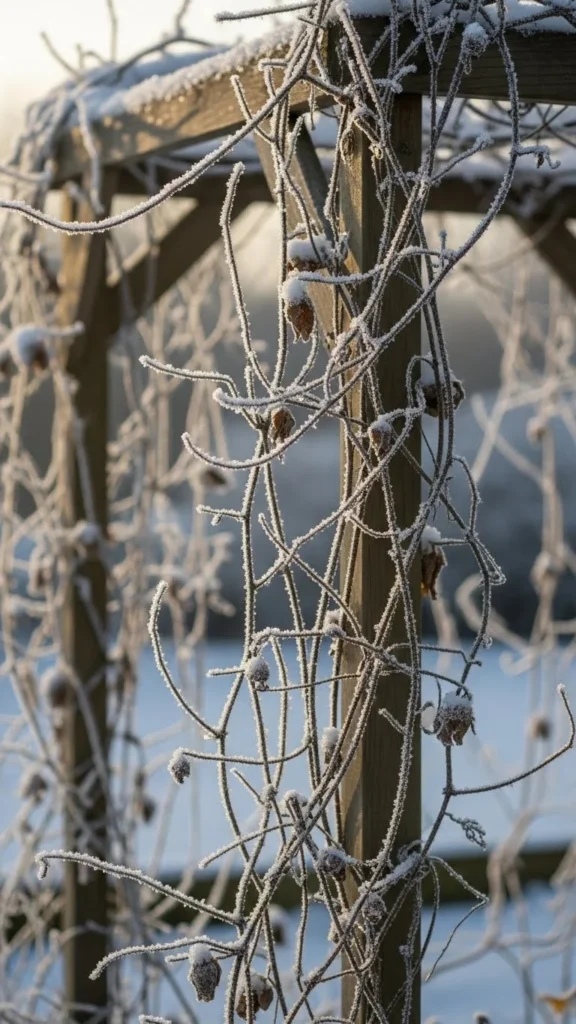
Certain passionflowers survive snow and return yearly. Above-ground growth may die back.
Mulch heavily using yard waste. This protects roots.
Cut back dead vines in spring.
22. Climbing Euonymus
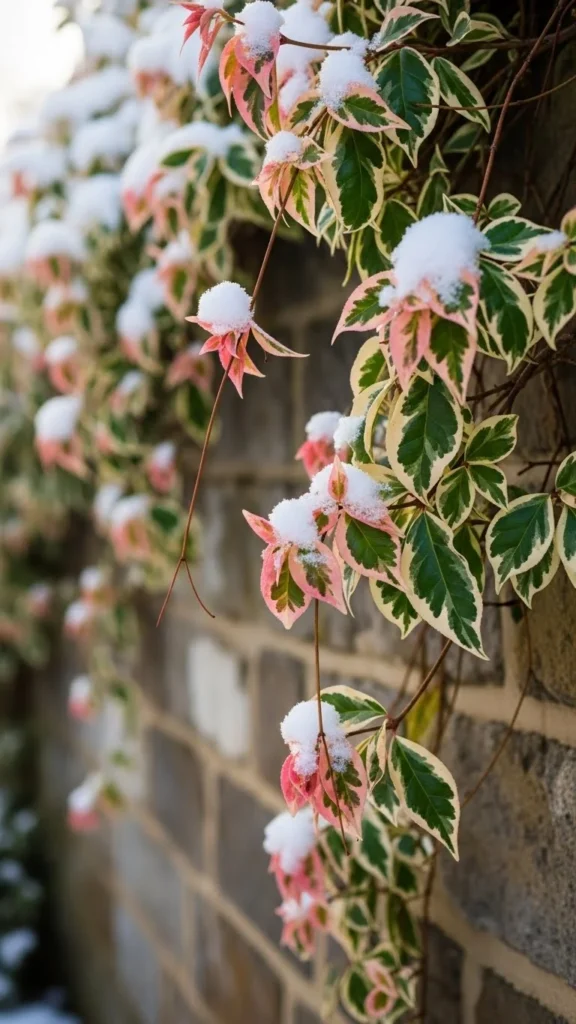
This vine stays green and handles snow well. It grows slowly and evenly.
Great for low walls and fences. It needs little care.
Trim edges as needed.
23. Kudzu (Cold Zones)
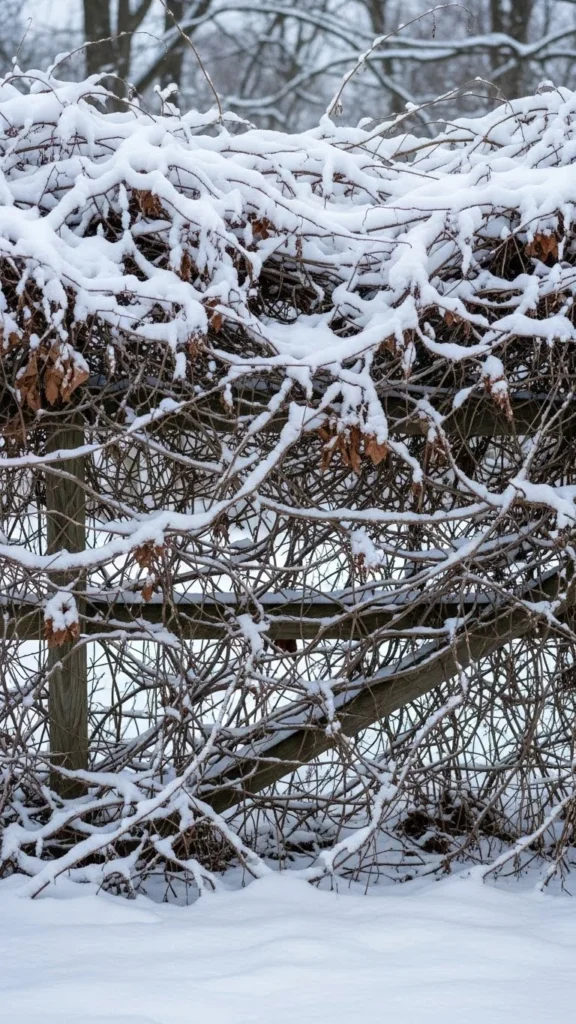
Kudzu survives cold but grows aggressively. Use only where control is possible.
Cut back heavily each year. This keeps it contained.
No feeding or winter care required.
24. Russian Vine
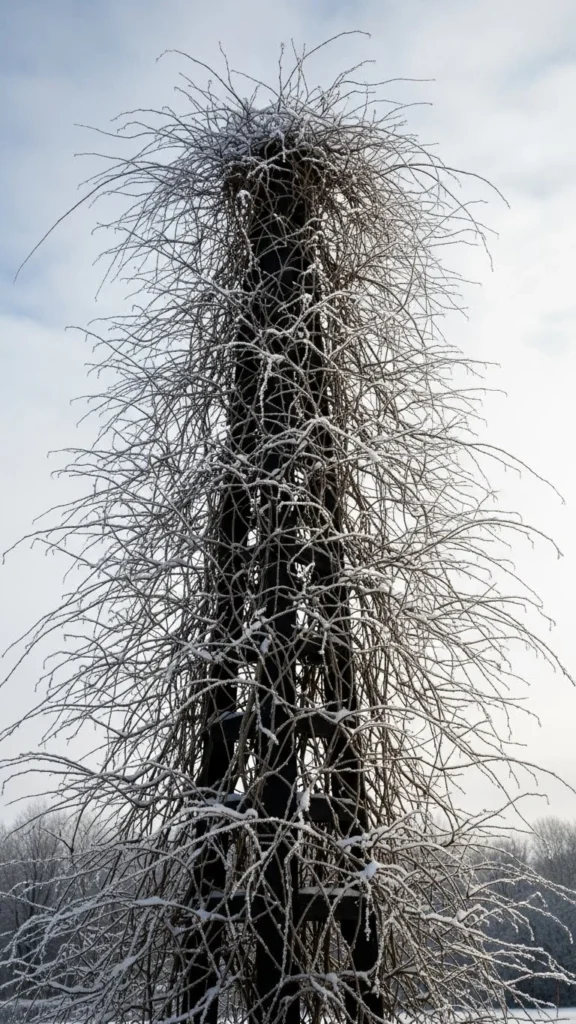
Russian vine grows fast and handles snow easily. It covers tall structures well.
Plant away from delicate areas. Prune often.
Simple hand tools work fine.
25. Alpine Clematis
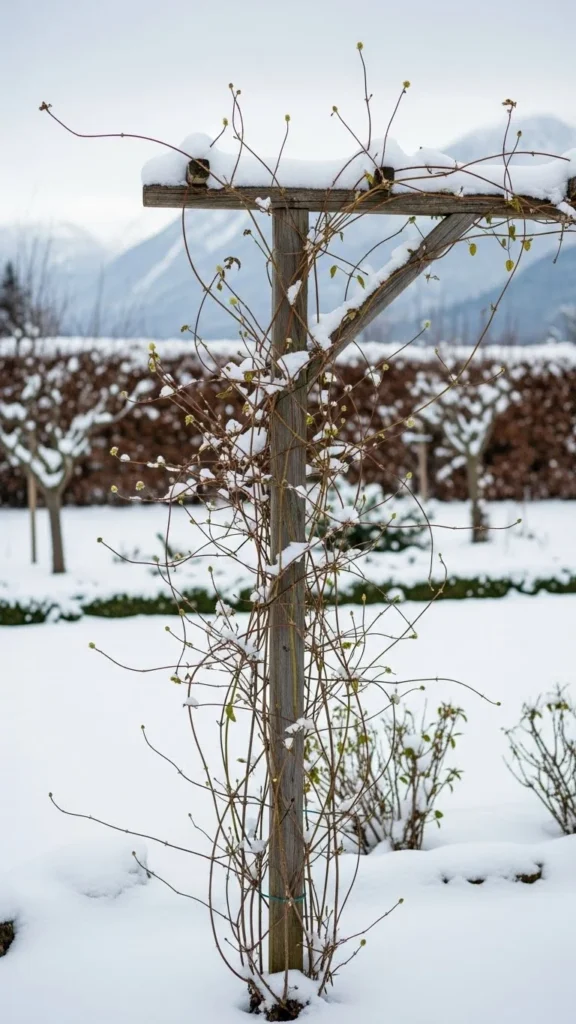
This clematis type thrives in cold climates. It rests during winter.
Plant deep and mulch lightly.
Minimal pruning keeps it healthy.
26. Hardy Kiwi Vine
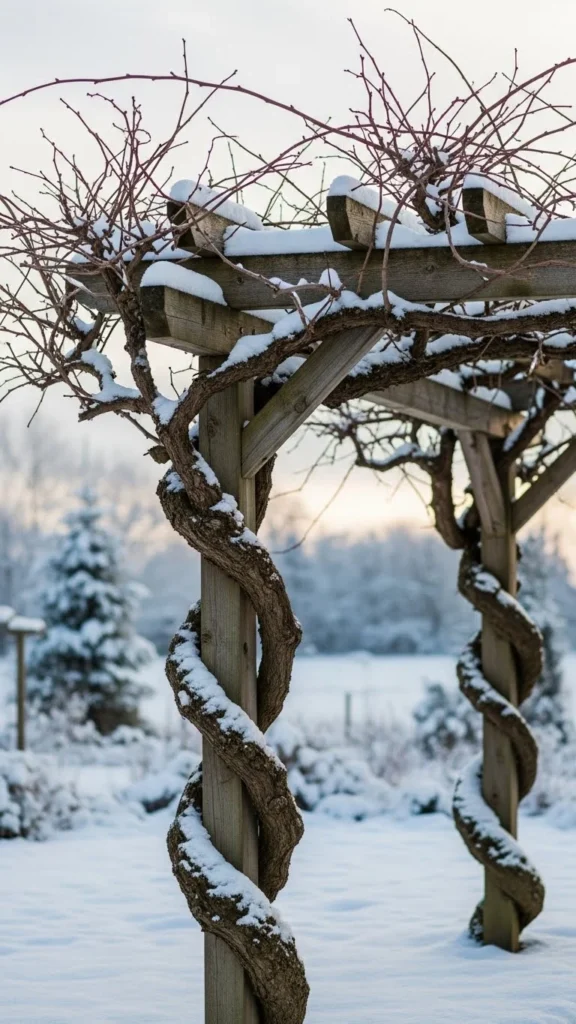
Hardy kiwi handles freezing temperatures once established. Vines are strong and long-lived.
Use sturdy supports. Wooden posts work well.
Prune yearly to manage growth.
27. Lonicera Henryi
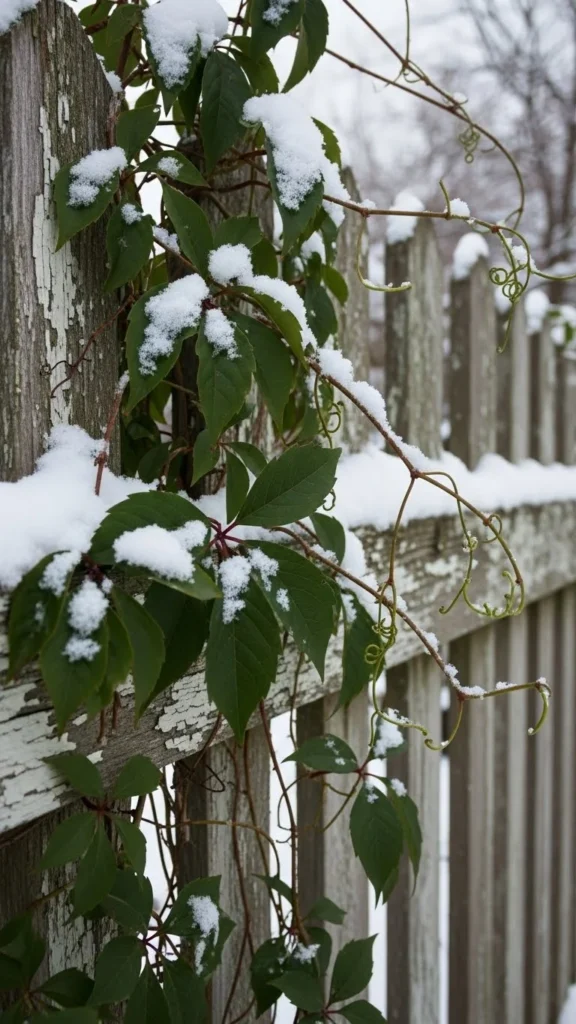
This honeysuckle stays green and handles snow well. It’s reliable and low effort.
Plant along fences or walls. It climbs with ease.
Trim lightly in spring for shape.
Conclusion
Snowy winters don’t have to strip your garden of structure or interest. With the right vines, fences, walls, and arches stay covered year after year. These climbers handle cold with simple care and affordable setups. Pick one that fits your space, plant it once, and let it return every season. Save this list for planning, and start building a winter-ready garden that holds strong when temperatures drop.

Leave a Reply