

Winter doesn’t have to mean a bare, lifeless garden. With the right shrubs, your yard can stay full, structured, and quietly beautiful even when frost settles in. Frost-hardy shrubs are tough, reliable, and surprisingly easy to grow once you understand their needs. Whether you garden in cold climates or deal with unpredictable freezes, these plants can carry your landscape through the cold months with confidence.
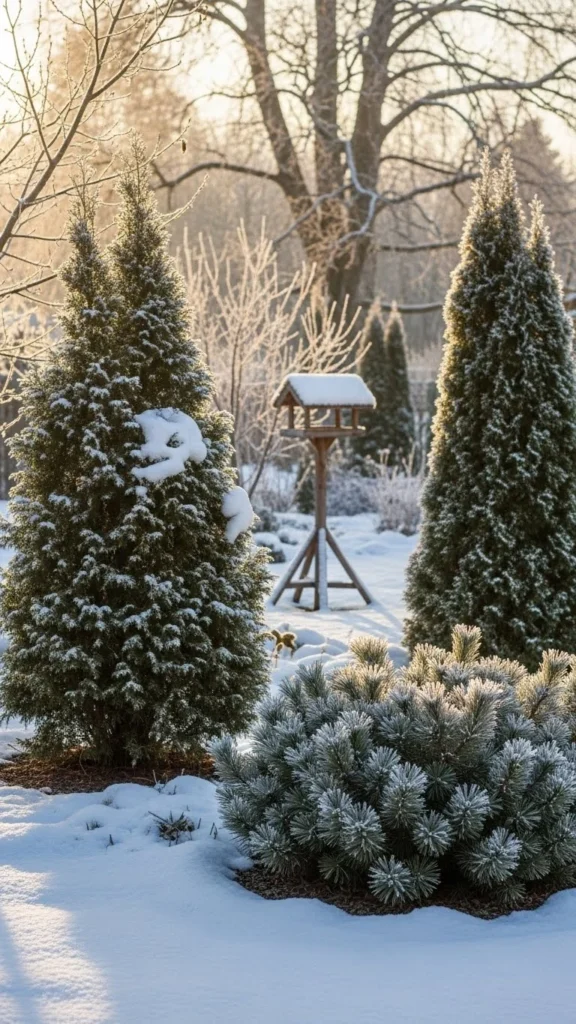
Why Frost-Hardy Shrubs Are a Winter Game-Changer
Frost-hardy shrubs are built to survive cold temperatures without extra fuss. Many stay evergreen, while others keep colorful stems, berries, or textured branches that add interest when flowers are gone.
Benefits of growing them include:
- Less winter maintenance
- Year-round structure in your landscape
- Better protection for soil and roots
- Early spring growth with less damage
Once established, these shrubs often handle frost better than many perennials or tender plants.
Choose the Right Shrubs for Your Climate
Not all “hardy” shrubs work everywhere. Your local winter conditions matter more than plant labels.
Focus on:
- Your USDA hardiness zone
- Typical winter lows, not just averages
- Wind exposure and snow load
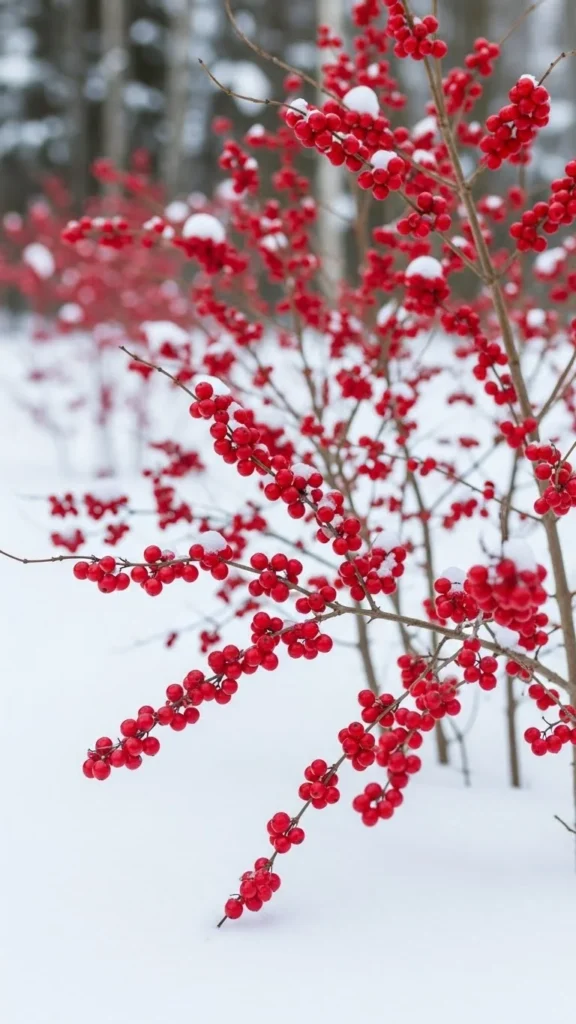
Popular frost-hardy shrub options include boxwood, holly, juniper, yew, dogwood, and winterberry. Native shrubs are often the safest choice because they’re already adapted to local weather patterns.
Planting at the Right Time Makes All the Difference
Timing is one of the biggest secrets to winter success. Frost-hardy shrubs need time to settle in before deep cold arrives.
Best planting windows:
- Early fall (ideal in most regions)
- Early spring before active growth
Avoid planting right before the ground freezes. Roots need time to anchor and absorb moisture before winter stress hits.
Planting tips:
- Dig a hole twice as wide as the root ball
- Keep the shrub at the same depth it grew before
- Water deeply after planting
Build Healthy Soil That Protects Roots
Winter survival starts below the surface. Healthy soil acts like insulation for shrub roots.
Improve your soil by:
- Mixing compost into planting holes
- Avoiding heavy clay compaction
- Ensuring proper drainage
Poor drainage is more dangerous than cold. Roots sitting in soggy soil during freezing weather are far more likely to fail.
Mulch Is Your Best Winter Defense
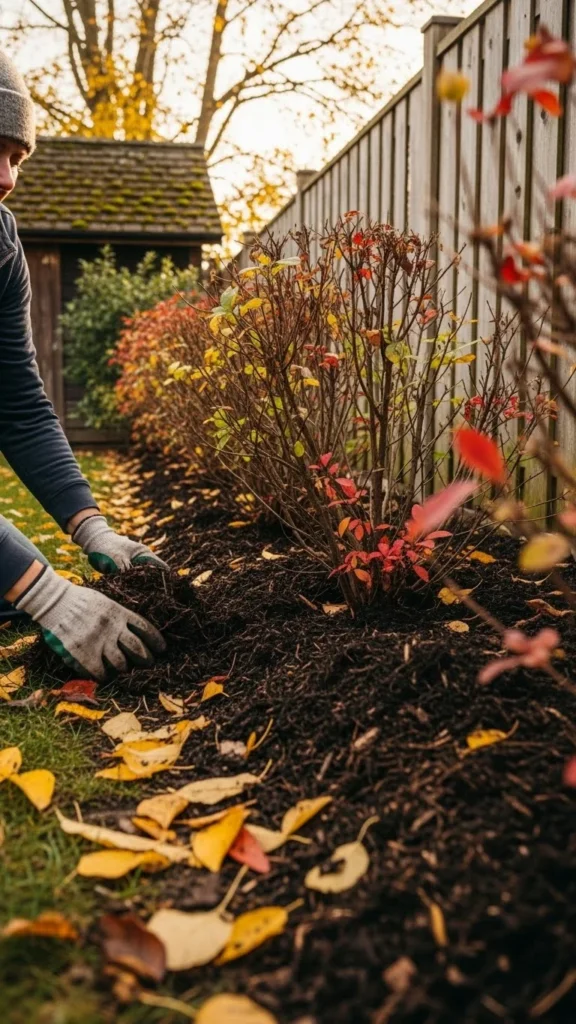
Mulch is one of the simplest and most effective tools for winter shrub care.
Apply mulch:
- 2–4 inches deep
- In a wide circle around the base
- Keeping it a few inches away from the stem
Mulch helps:
- Regulate soil temperature
- Reduce freeze-thaw cycles
- Hold moisture during dry winters
Use shredded bark, pine needles, or leaf mulch for a natural look.
Smart Watering Before Winter Sets In
Many shrubs suffer more from winter dryness than cold itself. Frozen ground limits water access, so hydration beforehand matters.
Before winter:
- Water deeply during dry fall weeks
- Focus on evergreens, which lose moisture year-round
Stop watering once the ground freezes, but don’t let shrubs enter winter already stressed.
Protect Shrubs From Wind and Heavy Snow
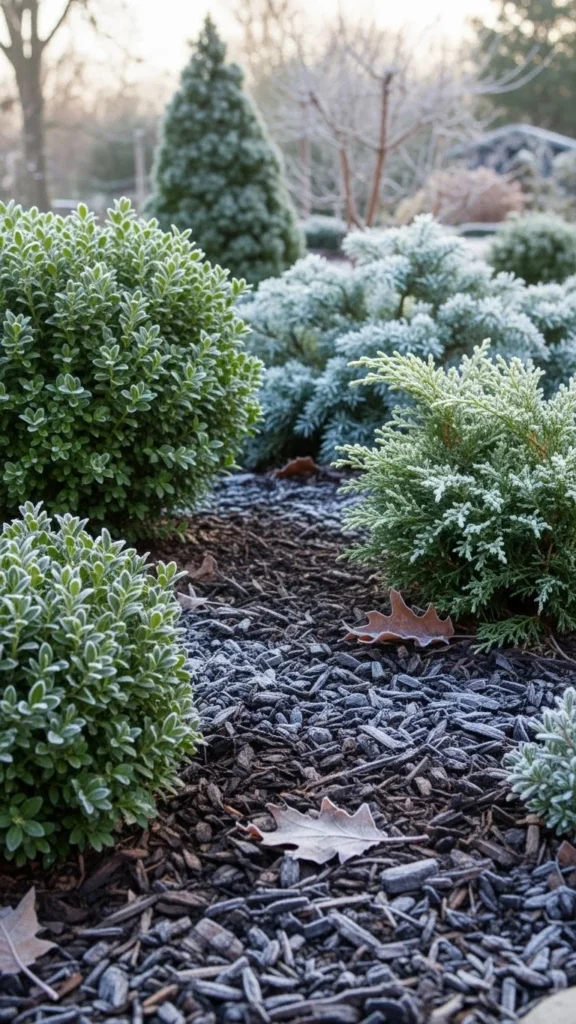
Cold wind can dry out leaves and damage branches, especially on exposed sites.
Simple protection ideas:
- Plant near fences or buildings
- Use burlap screens for wind-sensitive shrubs
- Gently shake heavy snow off branches
Avoid tying shrubs too tightly. Natural movement helps prevent breakage.
Skip Heavy Pruning Until Spring
Pruning at the wrong time can weaken frost-hardy shrubs.
Winter rules to remember:
- Avoid heavy pruning in fall
- Remove only broken or damaged branches
- Save shaping and size control for spring
Many shrubs use their branches as natural protection during winter.
Common Winter Mistakes to Avoid
Even hardy shrubs can struggle if small mistakes pile up.
Avoid:
- Overwatering late in the season
- Using fertilizer in fall
- Piling snow mixed with salt near shrubs
- Ignoring drainage issues
Simple care often works better than constant intervention.
What to Expect When Spring Arrives
Frost-hardy shrubs usually wake up slowly. That’s normal.
Early spring signs include:
- Gradual leaf color return
- Bud swelling
- New growth near branch tips
Be patient. Resist the urge to prune or replace plants too early.
Final Takeaway
Growing frost-hardy shrubs is one of the easiest ways to keep your garden strong and attractive through winter. With the right plant choices, healthy soil, smart mulching, and minimal protection, your shrubs can thrive even in freezing conditions.
Save this guide for later, and give your winter garden the structure and resilience it deserves.

Leave a Reply