

There’s something incredibly satisfying about stepping outside your back door and picking fresh, crisp vegetables straight from your own garden. Whether you’re a seasoned gardener or just starting out, growing your own vegetables can be both rewarding and therapeutic. The secret to success lies in planning, preparation, and a little patience. Let’s dig into the steps to help you grow the best vegetables right in your backyard!
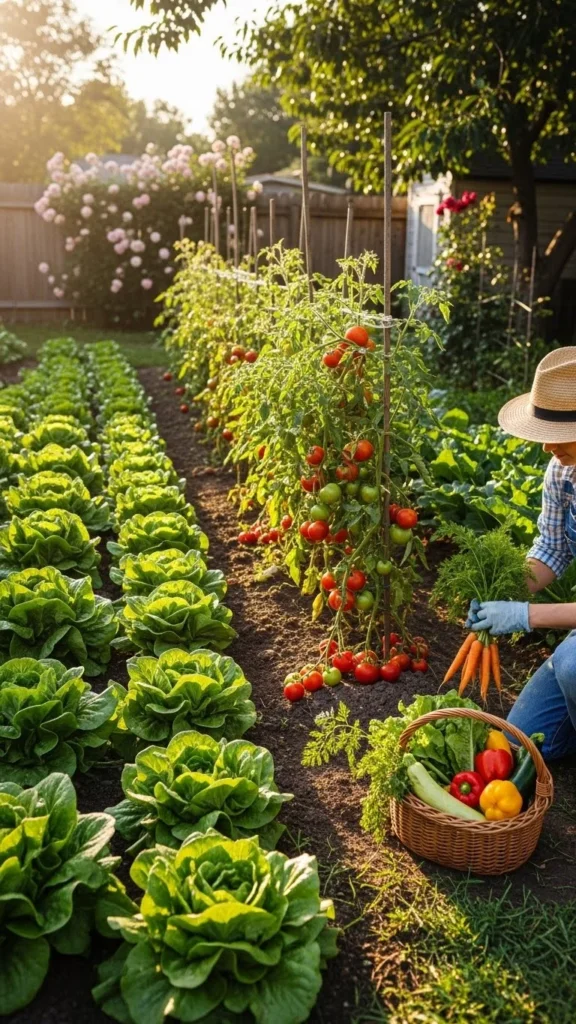
Step 1: Choose the Right Location
The foundation of a thriving vegetable garden is location. Most vegetables love sunlight — around 6–8 hours of direct sun each day.
Tips for Choosing the Perfect Spot:
- Pick a flat area to prevent water from pooling.
- Avoid places shaded by trees, fences, or buildings.
- Ensure easy access to water for regular irrigation.
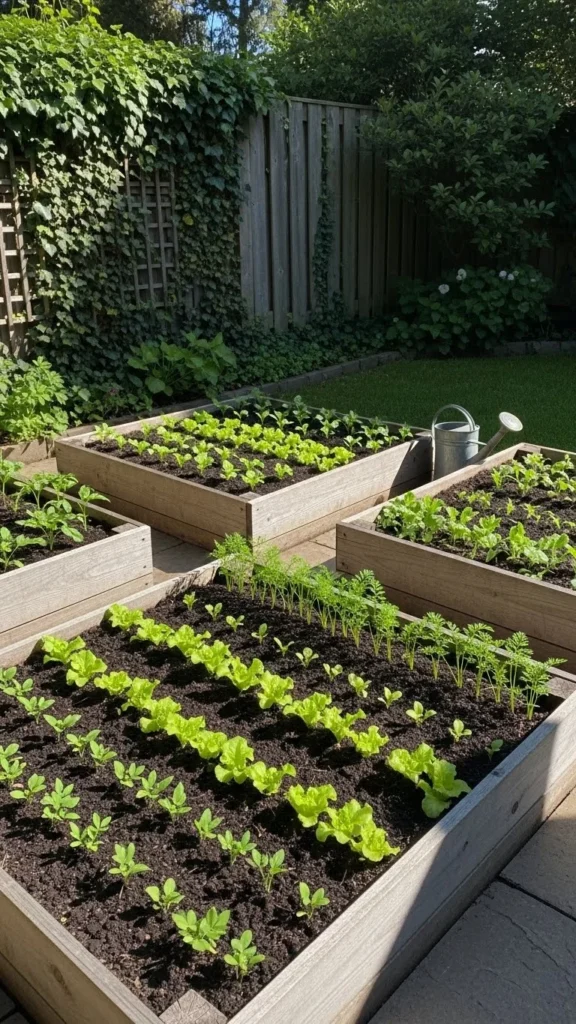
Step 2: Prepare and Enrich Your Soil
Healthy soil equals healthy plants. Before you plant, take the time to test and enrich your soil.
Here’s how:
- Test your soil: You can buy an affordable home soil test kit to check pH and nutrient levels.
- Add compost: Mix in well-rotted compost or organic matter to boost fertility.
- Loosen compact soil: Use a garden fork or tiller to aerate and break up clumps.
Vegetables thrive in loose, well-draining soil that’s rich in organic nutrients. Aim for a slightly acidic to neutral pH (6.0–7.0).
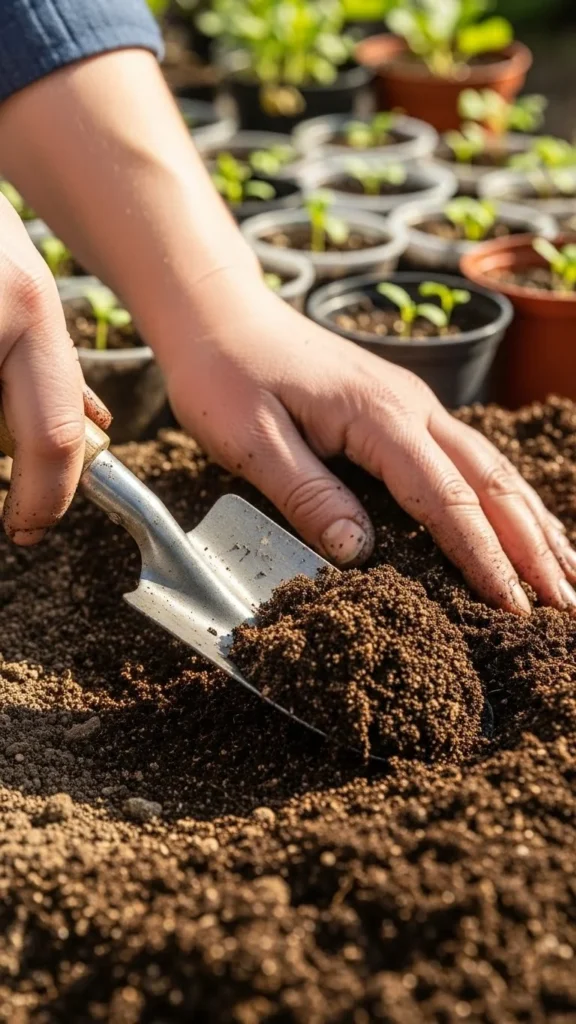
Step 3: Pick the Right Vegetables for Your Climate
Not every vegetable grows well everywhere. Choosing plants that suit your local climate and season is key to success.
Great Beginner Choices:
- Warm-season crops: Tomatoes, peppers, cucumbers, zucchini.
- Cool-season crops: Lettuce, spinach, carrots, peas, and broccoli.
Check your region’s frost dates and plant accordingly. Start seeds indoors if you live in a cooler climate or have a short growing season.
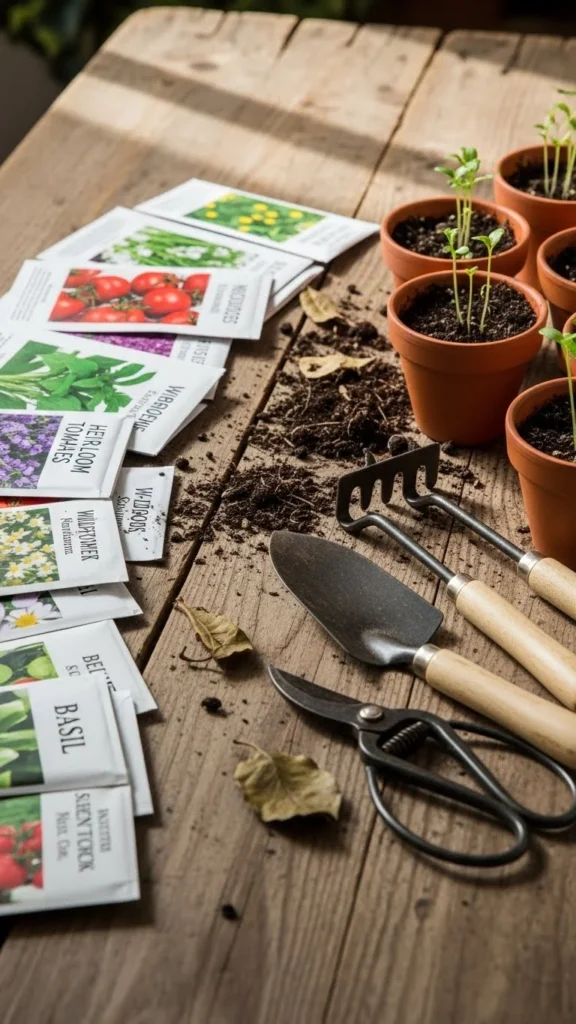
Step 4: Plant with Care and Space Wisely
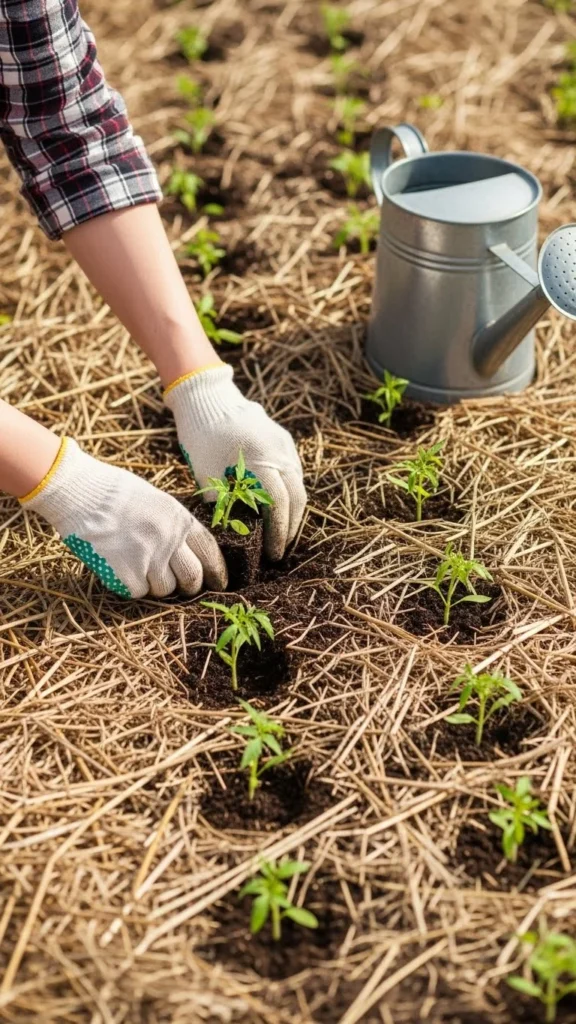
Crowded plants compete for nutrients and sunlight, leading to smaller harvests. Follow spacing guidelines on seed packets or plant tags to give your vegetables room to grow.
Planting Tips:
- Use companion planting: Some plants help each other grow! For example, basil improves the flavor of tomatoes, and carrots love being near onions.
- Water deeply: Keep soil consistently moist but not waterlogged.
- Mulch it up: Add mulch around plants to retain moisture and suppress weeds.
Step 5: Feed and Protect Your Plants
Just like people, plants need regular nourishment and protection to thrive.
Feeding:
- Use organic fertilizers or compost tea every few weeks.
- Avoid over-fertilizing — too much nitrogen can cause lush leaves but fewer fruits.
Protecting:
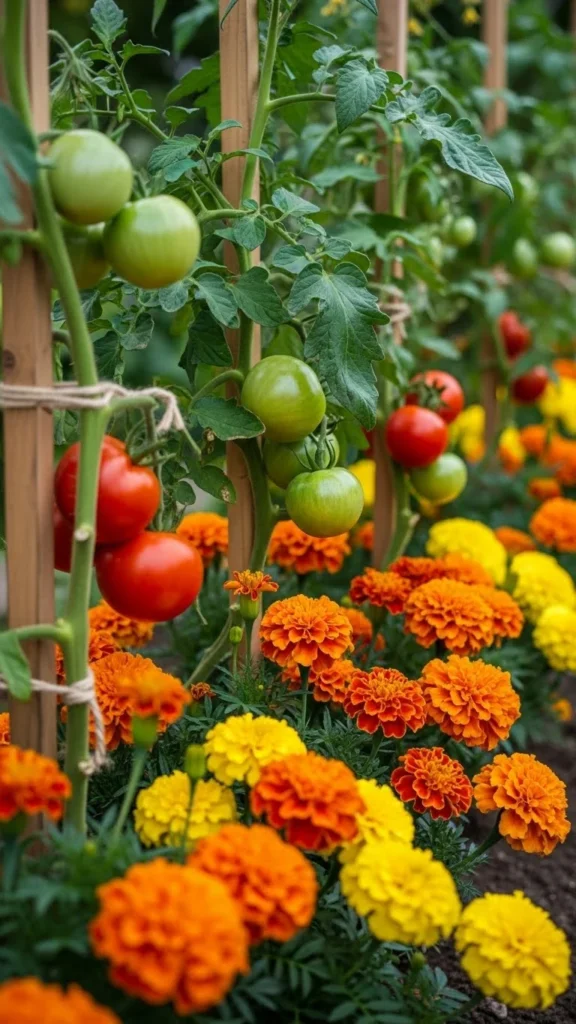
- Watch for pests like aphids and caterpillars. Try natural deterrents such as neem oil or companion flowers like marigolds.
- Stake or cage tall plants to keep them upright and healthy.
Step 6: Harvest at the Right Time
Harvesting your vegetables at peak ripeness gives the best flavor and texture. Pick regularly to encourage more production.
Quick Harvest Tips:
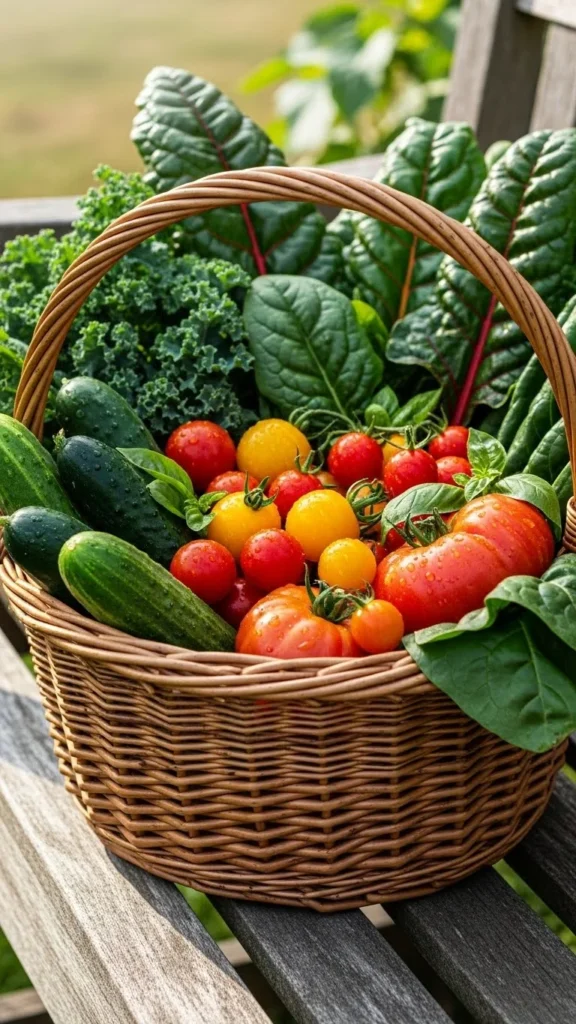
- Tomatoes: Harvest when firm and fully colored.
- Cucumbers: Pick when medium-sized before seeds harden.
- Lettuce: Snip outer leaves first to keep the plant producing longer.
Don’t wait too long — overripe vegetables can become tough or lose their taste.
Step 7: Keep Growing and Learning
Every gardening season teaches you something new. Keep a garden journal to track what worked and what didn’t. Note planting dates, weather conditions, and harvest yields. Over time, you’ll develop a rhythm that fits your garden’s unique personality.
Final Takeaway
Growing your own vegetables isn’t just about the harvest — it’s about connecting with nature, nourishing your body, and enjoying the process. Even a small patch can produce a surprising amount of fresh food when tended with care.
So grab your gloves, dig in, and start planting today.
Your backyard could soon be your favorite grocery store!
Save this guide for later and share it with fellow garden lovers!

Leave a Reply