

Cold snaps can sneak up fast. One week your garden looks fine, and the next your soil feels like a block of ice. The good news? You don’t need fancy tools or expensive supplies to protect plant roots. With a few smart layers and simple habits, you can keep soil warmer and roots healthier all winter long.
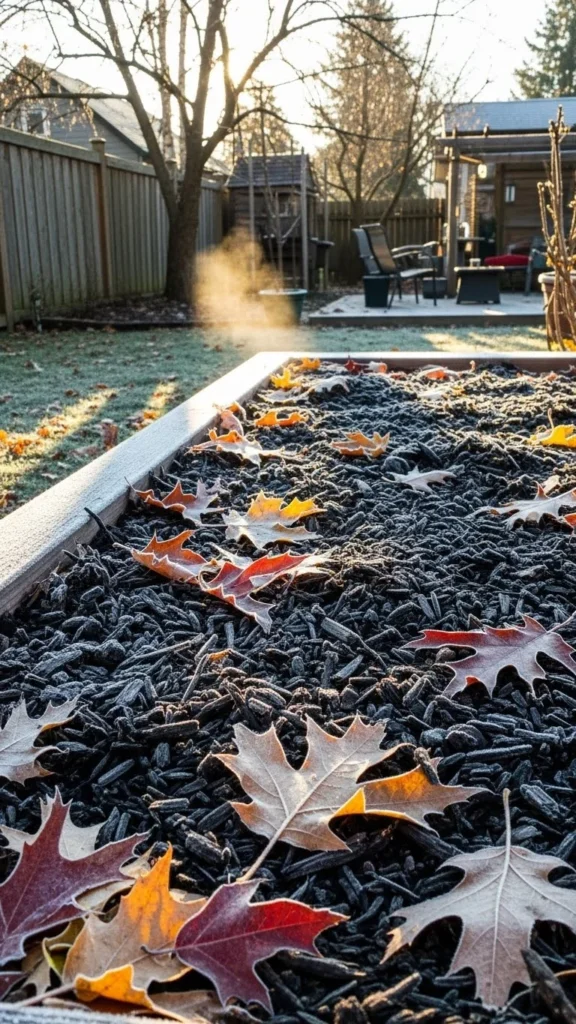
Why Insulating Garden Beds Matters
Roots are the engine of your plants. When soil freezes hard, roots can dry out, crack, or stop absorbing nutrients. Insulation helps by:
- Slowing down temperature swings
- Trapping warmth already in the soil
- Protecting beneficial soil life
- Reducing frost heave that pushes plants upward
Even hardy plants benefit from steadier soil temperatures. Think of insulation as a warm blanket for your garden beds.
Start With a Thick Mulch Layer
Mulch is the easiest and most effective first step. It creates air pockets that slow heat loss and shield soil from freezing winds.
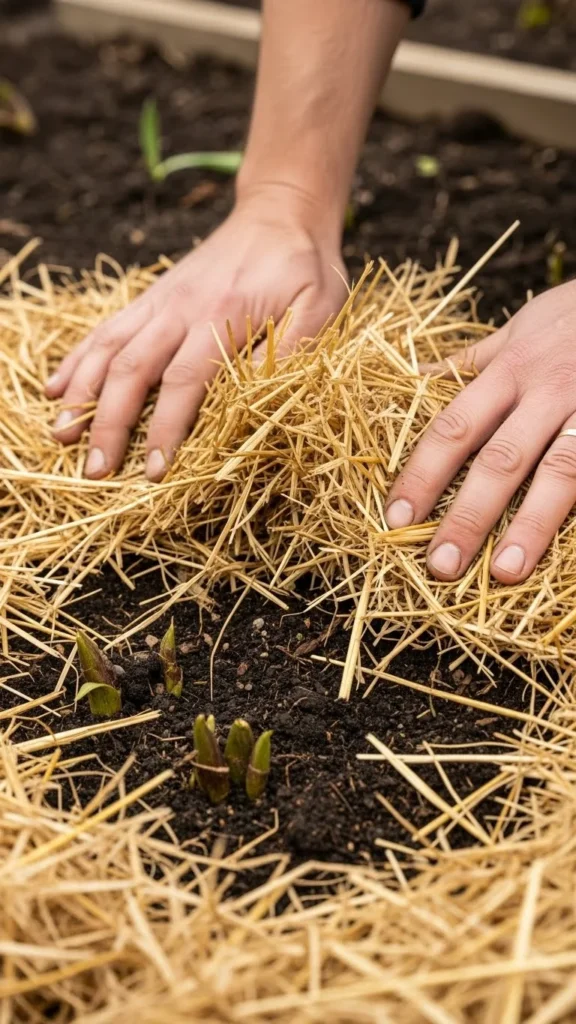
Good mulch options include:
- Straw or pine needles
- Shredded leaves
- Wood chips or bark
- Dried grass clippings (fully dry only)
Aim for 3–6 inches of mulch. For very cold areas, go thicker once plants are fully dormant.
Budget tip: Rake fallen leaves from your yard and shred them with a mower. Free and effective.
Add Compost for Extra Warmth
Compost does more than feed soil. As it slowly breaks down, it releases gentle heat that helps moderate soil temperature.
Spread a 1–2 inch layer of finished compost before adding mulch. This creates a warm, nutrient-rich buffer right where roots need it.
Best times to add compost:
- Late fall, before deep freezes
- Early winter during mild spells
This combo of compost + mulch works especially well for vegetable beds and perennial borders.
Use Row Covers or Garden Fabric
When temperatures drop sharply, extra protection makes a big difference.
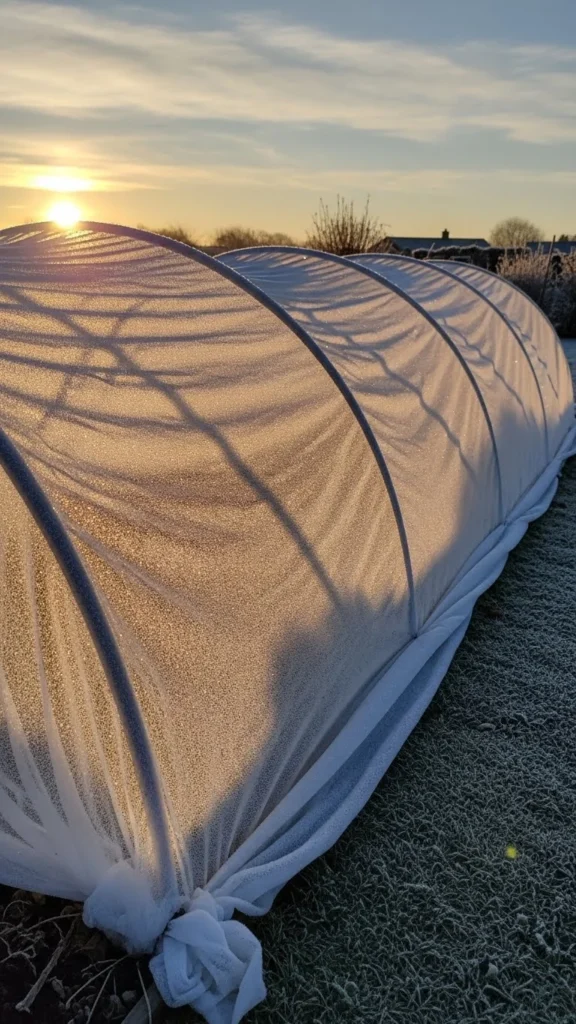
Options to try:
- Frost cloth or garden fleece
- Old cotton sheets (breathable, not plastic)
- Burlap laid loosely over mulch
Tips for success:
- Keep fabric off plant crowns using hoops or sticks
- Secure edges with stones or soil
- Remove covers on mild days to prevent moisture buildup
Avoid plastic touching soil directly. It traps moisture and can increase freezing damage.
Build Temporary Wind Barriers
Cold wind pulls heat from soil faster than still air. Blocking wind helps insulation work better.
Simple windbreak ideas:
- Straw bales stacked along bed edges
- Wooden pallets stood upright
- Recycled fence panels or lattice
Place barriers on the wind-facing side of beds. Even partial coverage helps soil stay warmer overnight.
Insulate Raised Beds From the Sides
Raised beds lose heat faster because cold air hits the sides as well as the top.
[Image Prompt] A wooden raised garden bed wrapped on the outside with burlap and straw, set in a winter garden.
Easy side insulation ideas:
- Wrap burlap around the exterior
- Line sides with straw or dry leaves
- Stack bags of leaves against the bed walls
This step is especially helpful for shallow beds and winter vegetables.
Water Strategically Before Frost
Moist soil holds heat better than dry soil. A deep watering before a hard freeze can help stabilize soil temperature.
Do this:
- Water during the day, before temperatures drop
- Avoid soggy soil—moist, not soaked
Skip watering if the ground is already frozen or if heavy rain is coming.
Leave Some Plants Standing
Not everything needs to be cut back in fall. Dried stems and foliage trap snow, which acts as natural insulation.
Benefits of leaving plants:
- Snow cover protects soil
- Roots stay warmer longer
- Wildlife shelter improves garden balance
Cut back in early spring once severe cold has passed.
Check and Refresh Through Winter
Insulation shifts over time. Wind, rain, and snow can thin mulch layers.
Make quick checks:
- After storms
- During warm spells
- Before major cold fronts
Top up mulch where soil shows through. Small adjustments make a big difference.
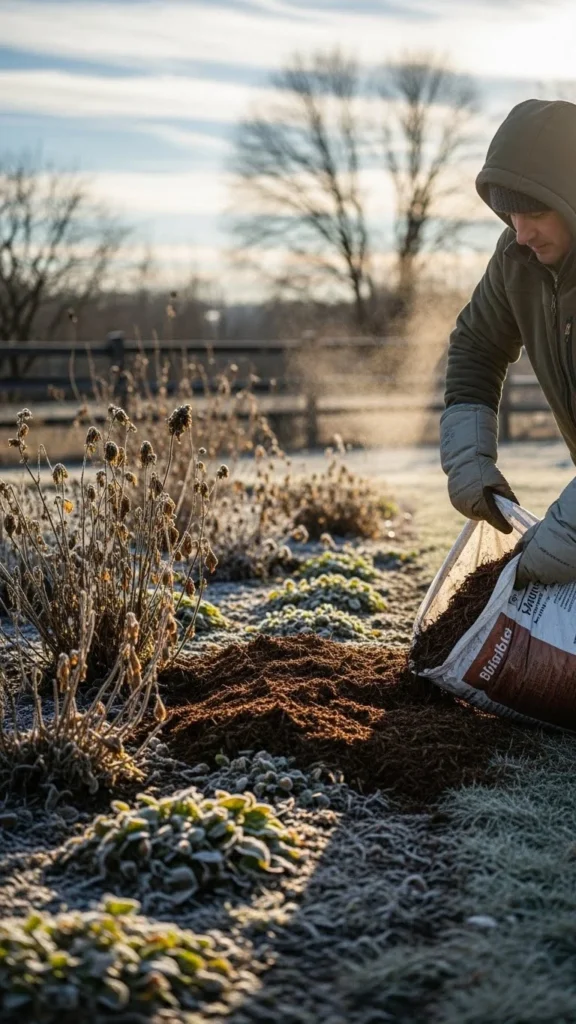
Simple Winter Garden Wins
Insulating garden beds isn’t complicated. It’s about layering smart materials, blocking wind, and keeping soil conditions steady. These small actions protect roots, improve spring growth, and reduce plant loss year after year.
Save this guide for later, and give your garden the cozy winter protection it deserves. Your plants will thank you when warmer days return.

Leave a Reply