

Winter can feel intimidating if you garden in a place where snow piles up and temperatures drop hard. But here’s the good news: harsh winters don’t mean a dull, empty garden. With the right perennials and a few smart techniques, you can grow plants that survive the cold and come back stronger every spring.
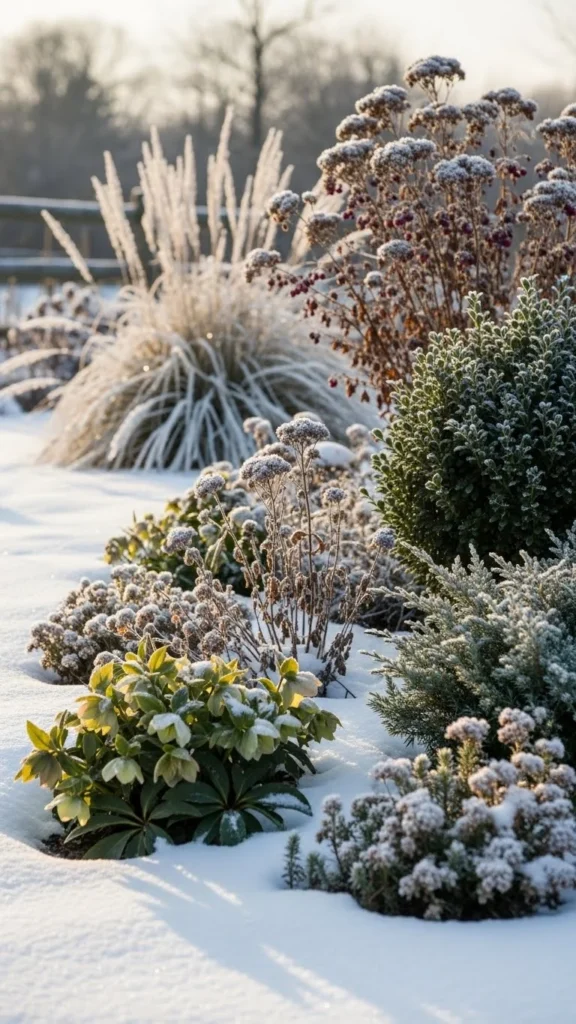
Cold-tolerant perennials are built for resilience. They rest when conditions are tough, protect their roots underground, and return when warmth arrives. Let’s walk through how to grow them successfully—even in the toughest winters.
Understand What “Cold-Tolerant” Really Means
Not all perennials handle winter the same way. Some die back completely and hide underground, while others keep their foliage year-round.
When choosing plants, look for:
- USDA hardiness zone ratings that match or exceed your local zone
- Perennials known for deep or fibrous root systems
- Plants that naturally grow in alpine, prairie, or northern climates
Popular cold-tolerant choices include:
- Coneflowers
- Hostas
- Daylilies
- Sedum
- Peonies
- Siberian iris
These plants don’t fight winter—they adapt to it.
Choose the Right Spot Before You Plant
Location matters more in winter than in summer. A few feet can make a big difference.
Look for spots that:
- Get morning sun to help thaw frozen soil slowly
- Have good drainage so roots don’t sit in icy water
- Are sheltered from strong winter winds
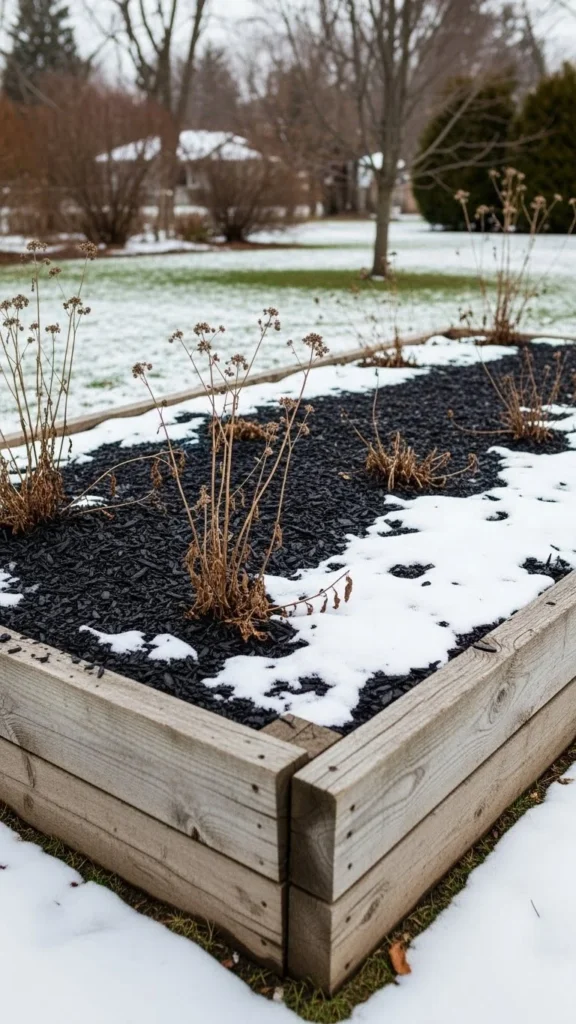
Avoid low areas where water pools and freezes solid. Raised beds or gentle slopes work especially well for cold climates.
Prepare the Soil for Long-Term Survival
Healthy soil is the secret weapon of winter gardening. Strong roots start below the surface long before cold weather arrives.
Before planting:
- Mix in compost to improve structure
- Loosen compacted soil so roots can grow deep
- Avoid heavy clay unless amended with organic matter
Well-prepared soil:
- Drains excess water
- Insulates roots naturally
- Reduces frost heaving (when plants are pushed out of the ground)
This prep work pays off for years.
Mulch Like It’s a Winter Blanket
Mulch is non-negotiable in harsh winters. It keeps soil temperatures stable and protects roots from repeated freezing and thawing.
Best mulching tips:
- Apply after the ground starts to freeze, not before
- Use straw, shredded leaves, pine needles, or bark
- Aim for 2–4 inches of coverage
Focus mulch around the base, but don’t bury crowns completely.
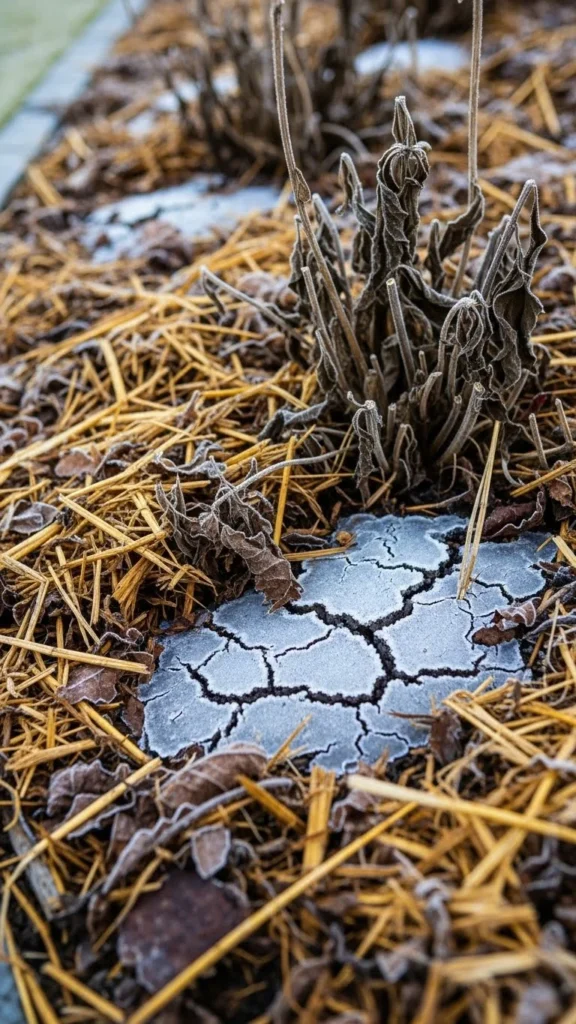
Mulch isn’t about warmth—it’s about consistency.
Water Deeply Before the Ground Freezes
Dry plants suffer more winter damage than hydrated ones.
In late fall:
- Water deeply during dry spells
- Focus on newly planted perennials
- Stop once the ground freezes solid
Moist soil holds heat better than dry soil, giving roots extra protection during cold snaps.
Cut Back—or Don’t—With Intention
Not all perennials should be treated the same way in fall.
Cut back:
- Soft-stem plants that collapse after frost
- Plants prone to disease if left wet
Leave standing:
- Ornamental grasses
- Seed heads that protect crowns
- Plants that trap snow for insulation
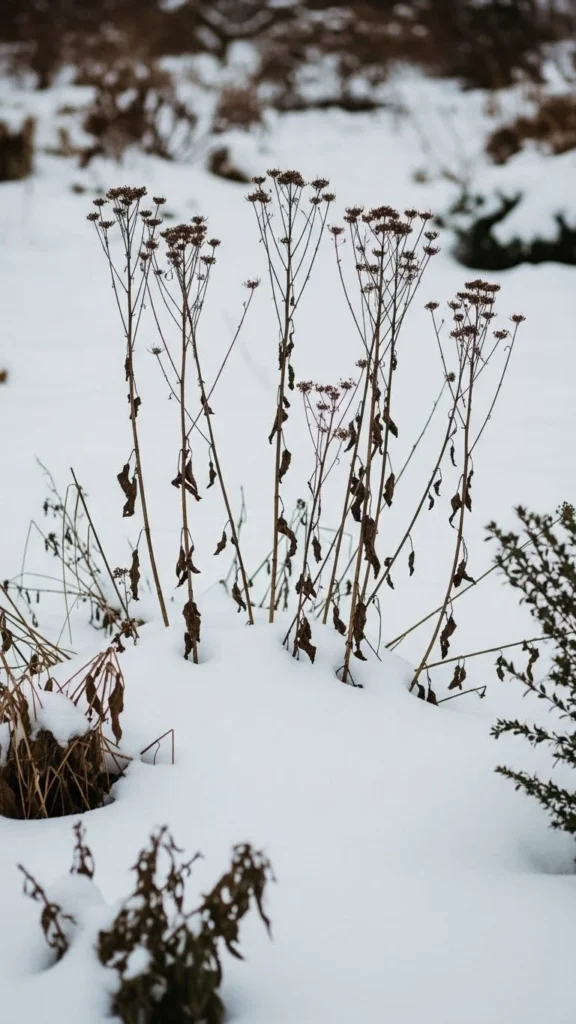
Standing plants also add quiet winter beauty to the garden.
Protect Young and Newly Planted Perennials
First-year perennials need extra help. Their roots aren’t fully established yet.
Extra protection ideas:
- Add thicker mulch layers
- Use evergreen boughs as wind shields
- Surround plants with wire cages filled with leaves
Once they survive their first winter, most cold-tolerant perennials become much tougher.
Be Patient in Spring
One of the hardest lessons for cold-climate gardeners is waiting.
In early spring:
- Don’t rush to remove mulch
- Wait for consistent temperatures before cutting back
- Be patient—some perennials wake up late
Many hardy plants take their time. Dormant doesn’t mean dead.
Final Takeaway
Growing cold-tolerant perennials in harsh winters is about working with nature, not against it. Choose the right plants, prepare your soil, protect roots, and let winter do its thing. With each season, your garden becomes more resilient—and more rewarding.
Save this guide for fall prep, and your future spring garden will thank you!

Leave a Reply