

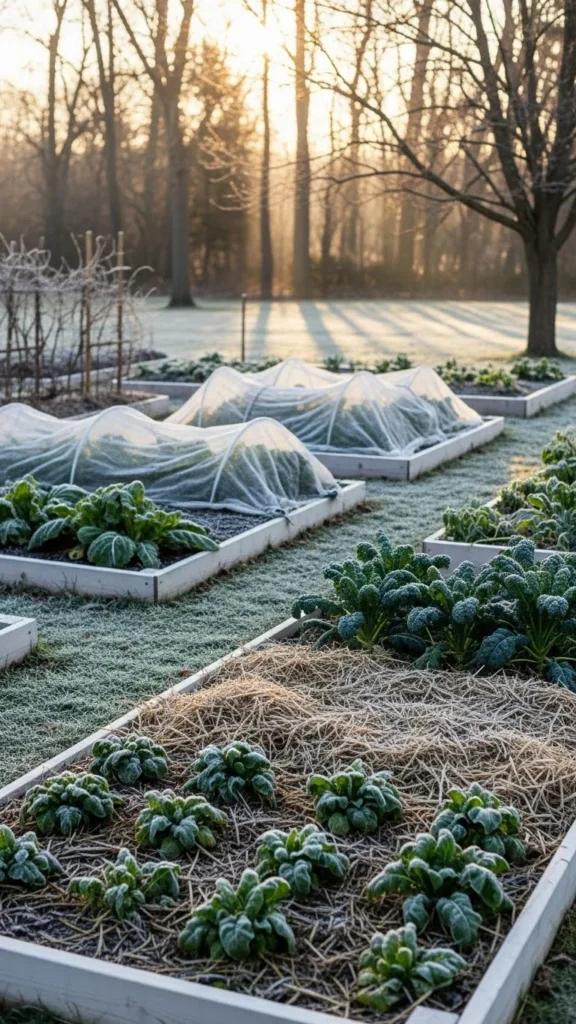
Cold mornings don’t have to signal the end of your garden. With the right frost-proof ideas, plants can survive chilly nights and keep growing longer than expected. Gardeners across cold regions rely on simple, affordable methods that protect roots, leaves, and soil without fancy tools. This guide shares practical ideas you can use right away. Each one focuses on real actions, common materials, and small changes that make a big difference when temperatures drop.
1. Mulch Beds Before the First Freeze
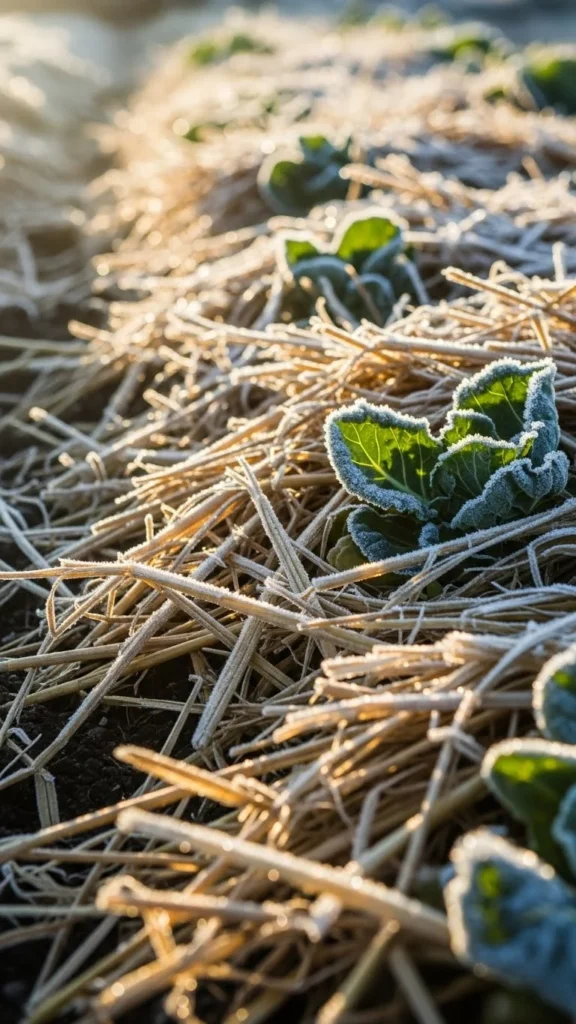
Mulching acts like a blanket for your soil. A thick layer keeps ground temperatures steady and shields roots from sudden cold snaps. Straw, shredded leaves, or wood chips work well and often cost nothing.
Spread mulch after the soil cools but before deep freezing sets in. Aim for two to four inches around plants. Keep mulch slightly away from stems to avoid moisture buildup.
This method helps protect root vegetables, herbs, and perennials. It also limits soil cracking caused by freeze and thaw cycles.
If you’re on a tight budget, rake fallen leaves from your yard. Chop them up with a mower first so they don’t mat together. Mulch also helps hold moisture, which reduces plant stress during winter dry spells.
2. Use Frost Cloth on Cold Nights

Frost cloth is lightweight and reusable. It traps heat from the soil while allowing air and moisture through. Unlike plastic, it won’t scorch plants when the sun comes out.
Lay cloth loosely over plants before sunset. Secure edges with stones or soil so cold air stays out. Remove it during warm days so plants get light.
Old sheets or thin blankets can work in a pinch. Just avoid heavy fabrics that press down on plants.
This approach works well for leafy greens, seedlings, and flowers. Many gardeners keep frost cloth folded nearby so it’s ready when temperatures dip unexpectedly.
3. Build Simple Hoop Tunnels
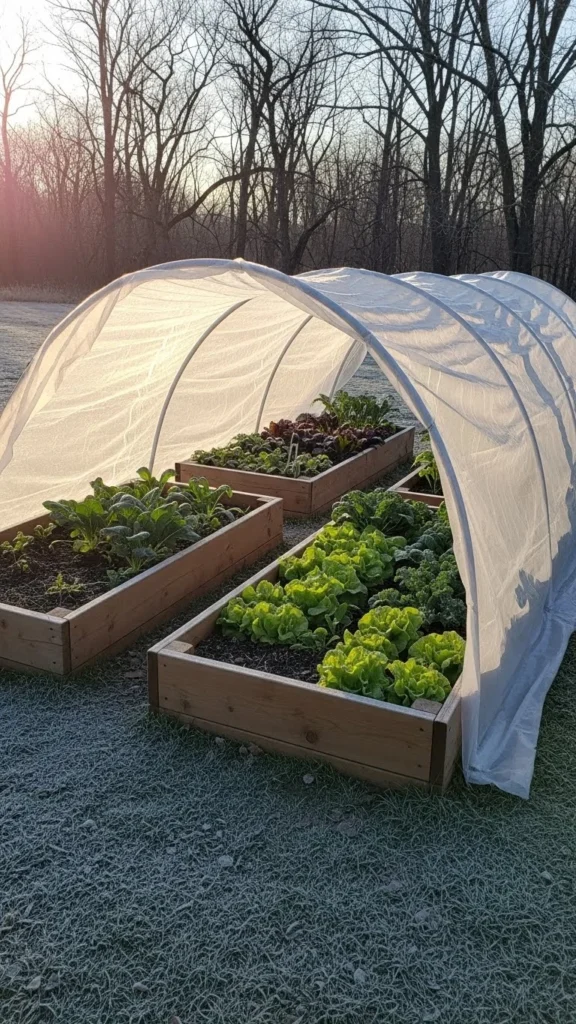
Hoop tunnels create a mini shelter over garden beds. PVC pipes or metal hoops form the frame. Cover with plastic or frost fabric.
These tunnels trap warmth and block icy winds. They also shed snow instead of letting it crush plants.
For a low-cost option, use flexible irrigation tubing and clear drop cloth plastic. Vent the tunnel on sunny days to prevent overheating.
Hoop tunnels extend harvest time for greens, carrots, and herbs. They’re easy to take down and store when winter ends.
4. Plant Cold-Hardy Varieties
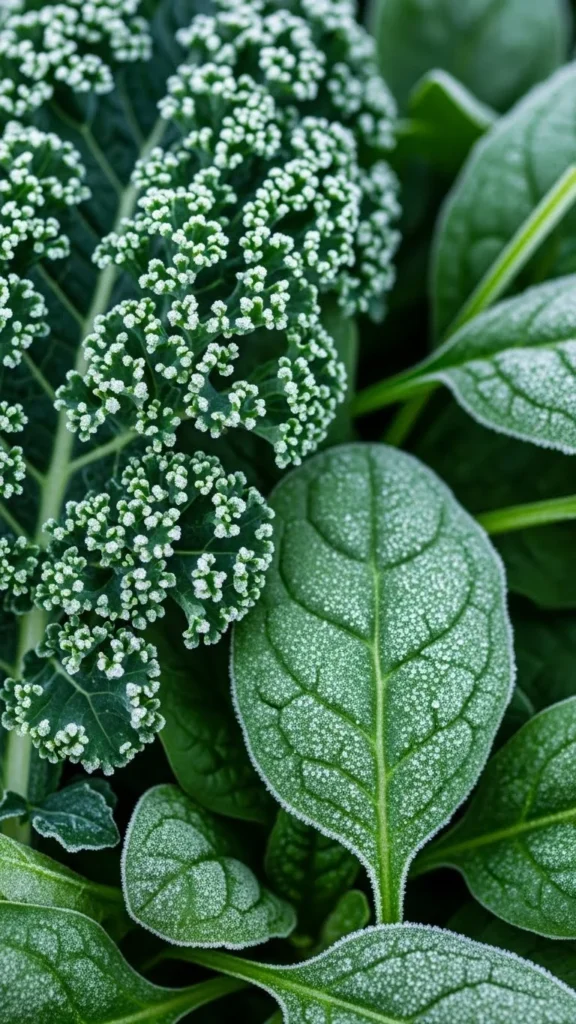
Some plants tolerate frost better than others. Kale, spinach, garlic, and carrots often improve in flavor after light frost.
Check seed packets for cold tolerance notes. Choose varieties bred for shorter seasons or cooler climates.
This choice saves time and effort later. Hardy plants require fewer covers and less worry when temperatures drop.
Many gardeners plan fall planting around these varieties so the garden stays productive longer with minimal work.
5. Water Soil Before a Freeze
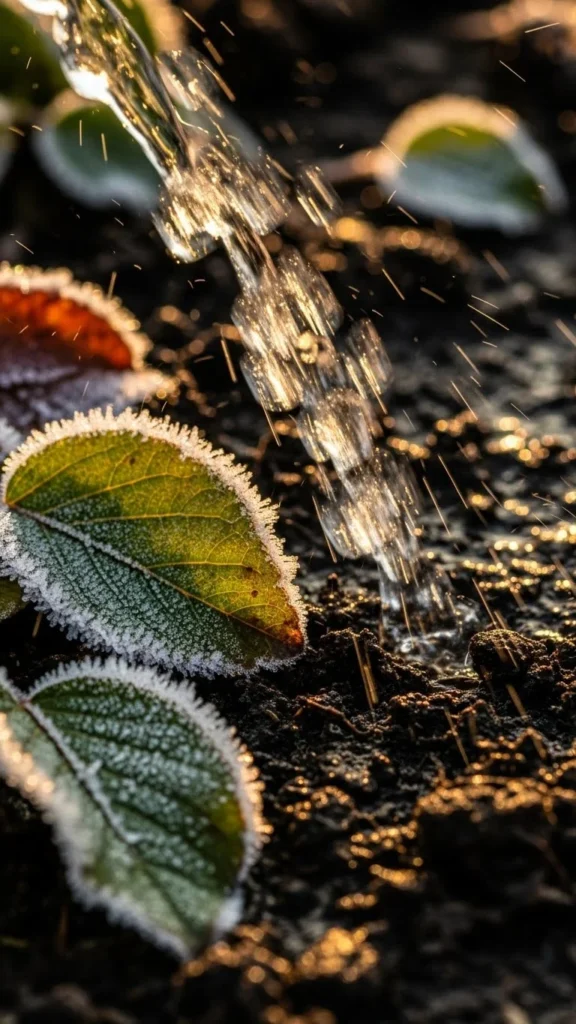
Moist soil holds heat better than dry soil. Watering before a freeze can help plants survive cold nights.
Water early in the day so moisture absorbs into the ground before temperatures fall. Avoid soaking leaves late in the evening.
This trick works best for in-ground beds and raised gardens. It’s simple, free, and surprisingly effective.
Gardeners often combine watering with mulch for added protection during sudden cold spells.
6. Use Raised Beds for Better Drainage
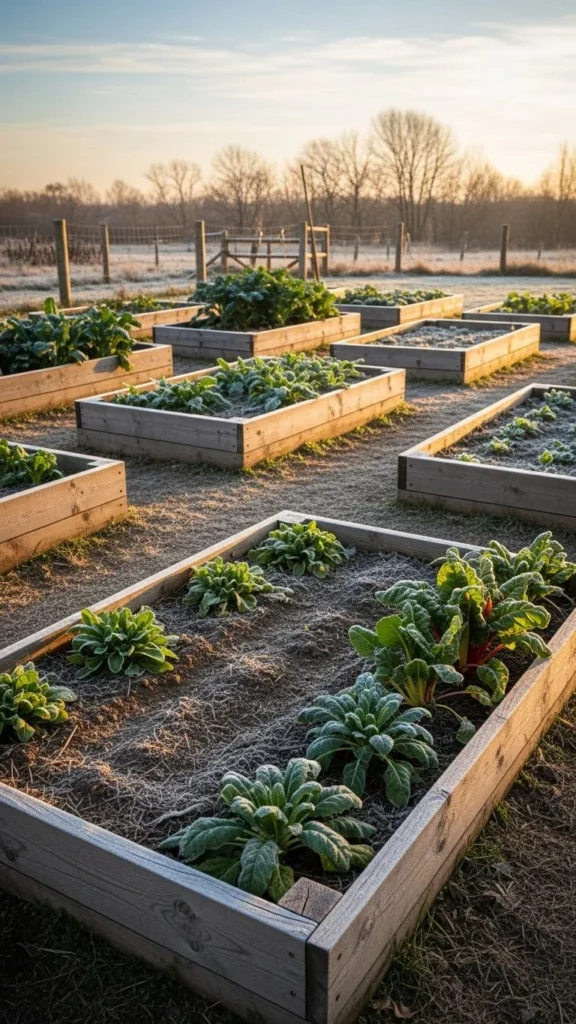
Raised beds warm faster and drain better than ground soil. This reduces root damage during freezing weather.
Even a small lift of six inches makes a difference. Use scrap wood, bricks, or blocks to build borders.
Better drainage limits ice buildup around roots. Plants stay healthier during freeze-thaw cycles.
Many gardeners find raised beds easier to protect with covers, making them a strong option for cold climates.
7. Cover Pots and Containers
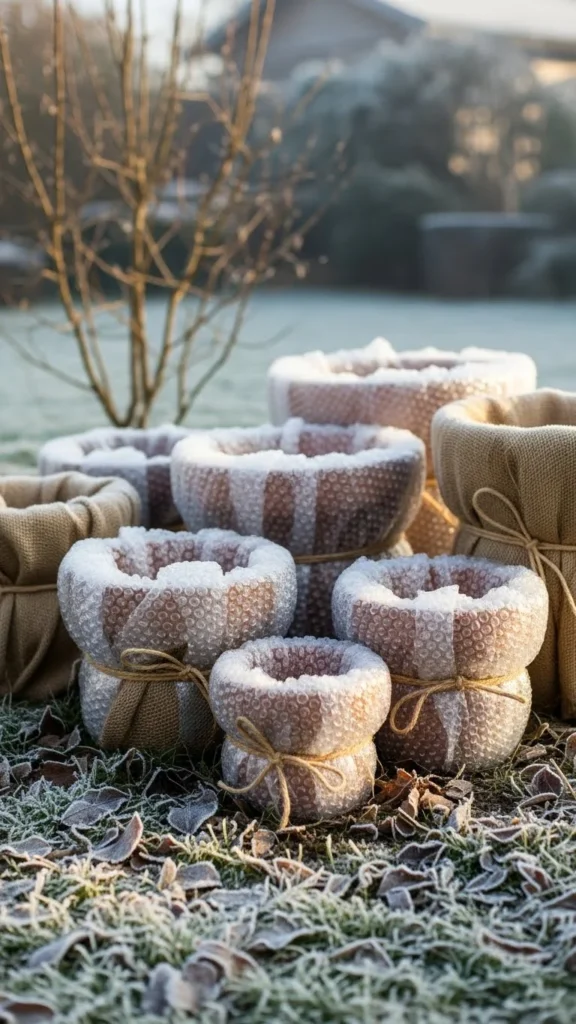
Container plants face colder conditions than ground plants. Roots freeze faster in pots.
Wrap containers with burlap, towels, or bubble wrap. Move them close to walls for added warmth.
Elevate pots slightly so water drains away. Soggy soil freezes harder and damages roots.
This method works well for herbs, flowers, and small shrubs kept outdoors during winter.
8. Bring Vulnerable Plants Indoors
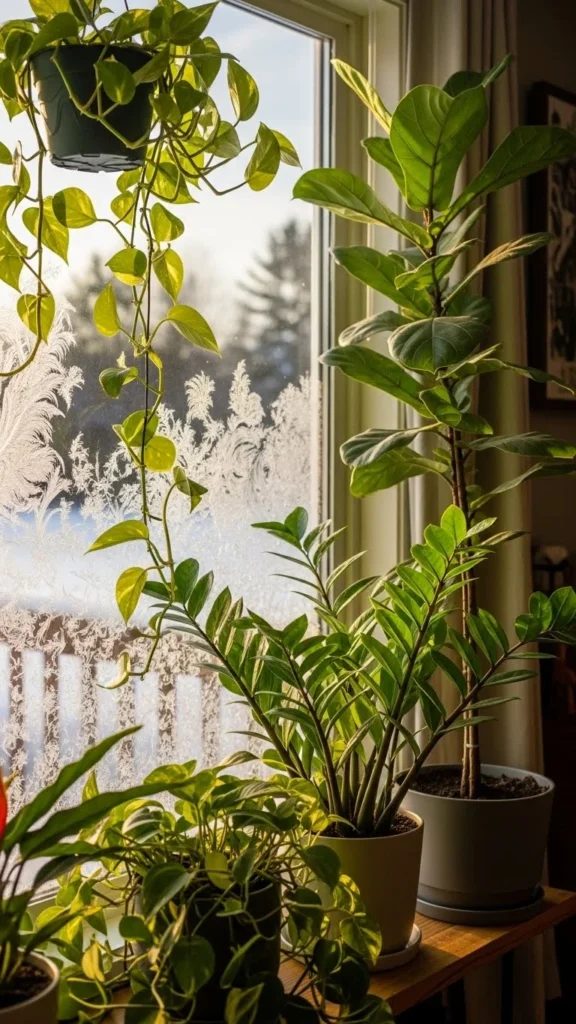
Some plants simply can’t handle frost. Bringing them inside saves them until spring.
Check for pests before moving plants indoors. Use bright windows or simple grow lights.
This option costs nothing and protects favorite plants from sudden cold nights.
Many gardeners rotate plants in and out depending on daily temperatures.
9. Use Cloches for Individual Plants
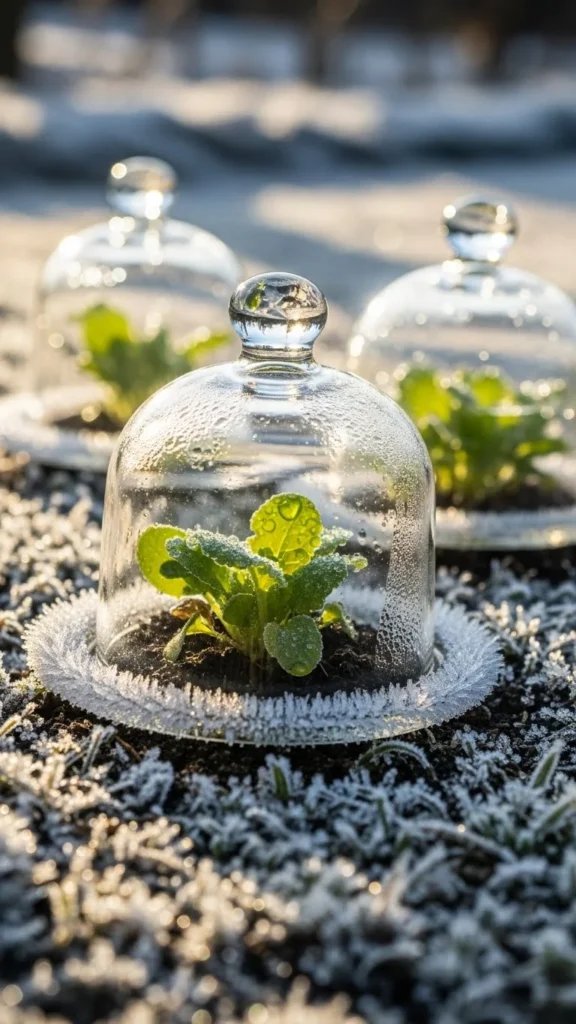
Cloches protect single plants. Glass, plastic bottles, or jars all work.
Place cloches before sunset and remove during warm days. This keeps airflow steady.
Cut plastic bottles make budget-friendly cloches. Just remove caps to avoid overheating.
Cloches are great for young seedlings and tender flowers.
10. Add Wind Barriers
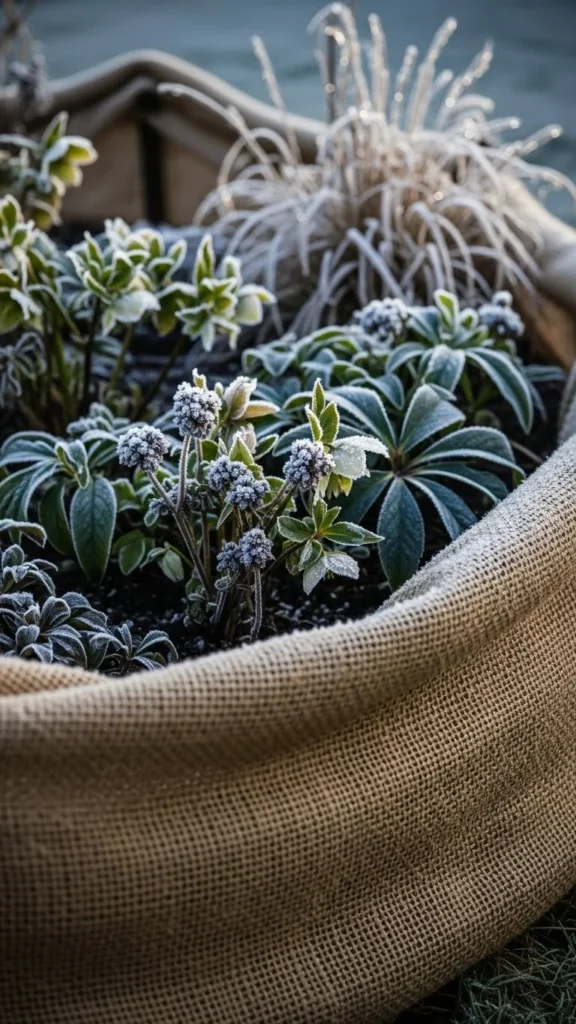
Cold wind increases frost damage. Blocking wind reduces plant stress.
Use burlap, fencing, or temporary panels. Position barriers on the windward side.
Even partial wind protection helps during cold snaps.
This works well for exposed gardens and open yards.
11. Use Compost as Insulation
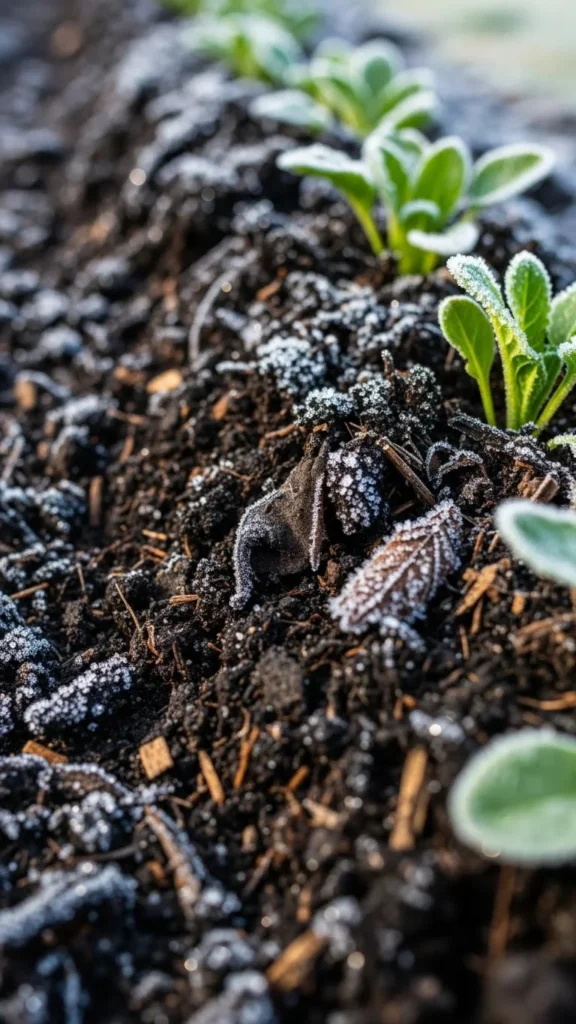
Compost generates mild warmth as it breaks down. Spread it around plants before winter.
It improves soil while offering insulation. A double benefit with no added cost.
Kitchen scraps and yard waste turn into protection instead of trash.
Gardeners often use compost beneath mulch layers for extra warmth.
12. Plant Close Together
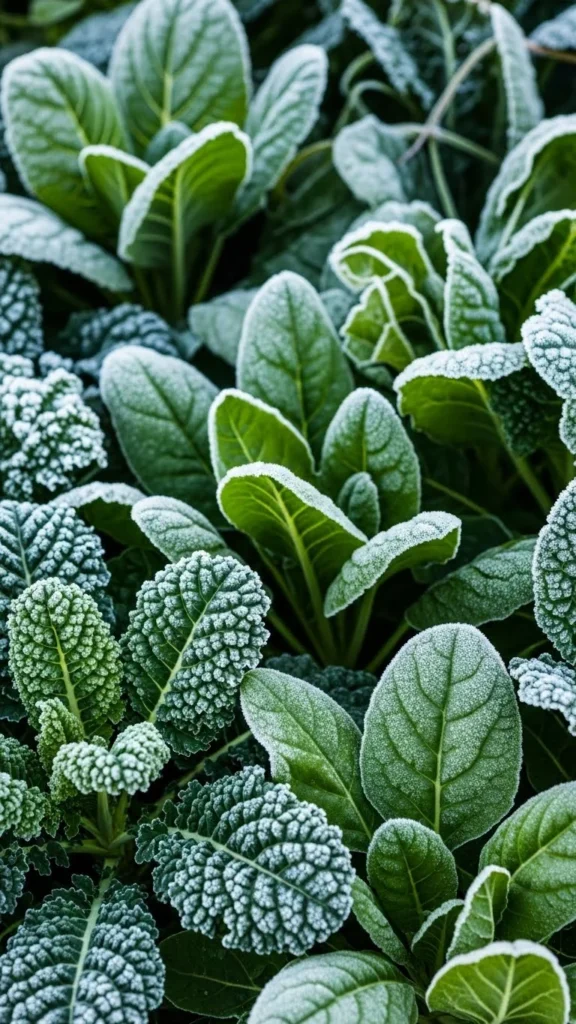
Plants grouped closely help shield each other from cold air.
This method works best for greens and herbs. It also reduces exposed soil.
Closer planting saves space and offers mild frost protection.
Many gardeners adjust spacing for fall planting with this in mind.
13. Use Cold Frames
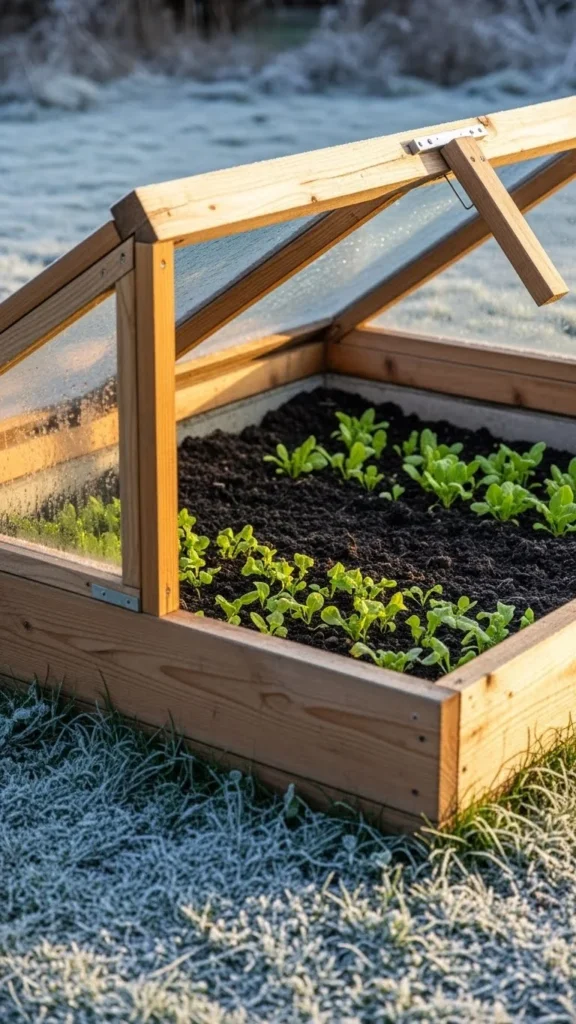
Cold frames act like mini greenhouses. They trap heat and block frost.
Build one using scrap wood and an old window. Tilt the lid for drainage.
Vent during warm days to prevent overheating.
Cold frames support winter growing with minimal effort.
14. Protect Roots with Cardboard
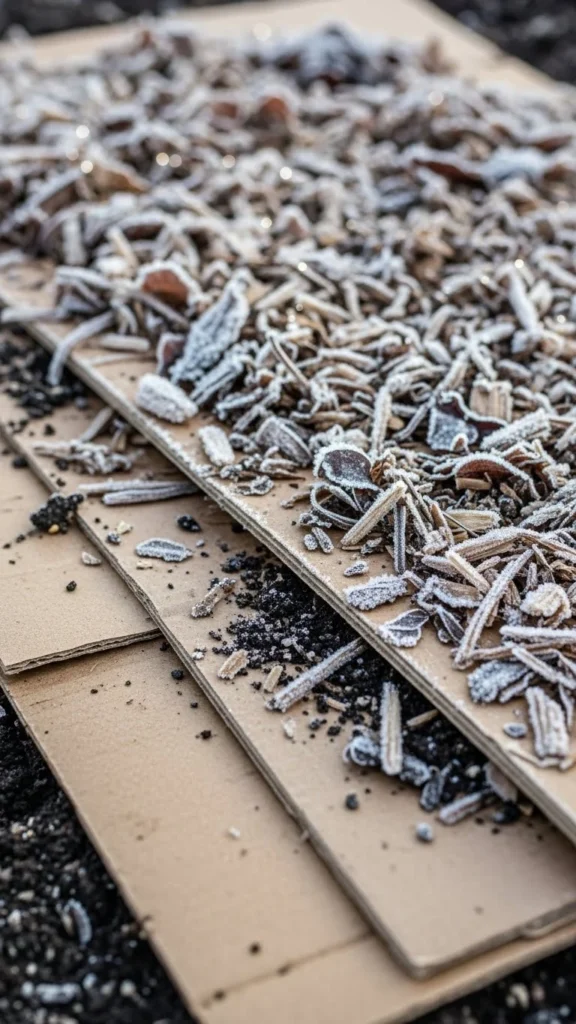
Cardboard adds insulation under mulch. It slows heat loss and blocks weeds.
Use plain cardboard without ink. Lay flat and cover with straw or leaves.
This option costs nothing and works well in raised beds.
Many gardeners use cardboard during fall bed prep.
15. Grow Near Heat-Reflecting Walls
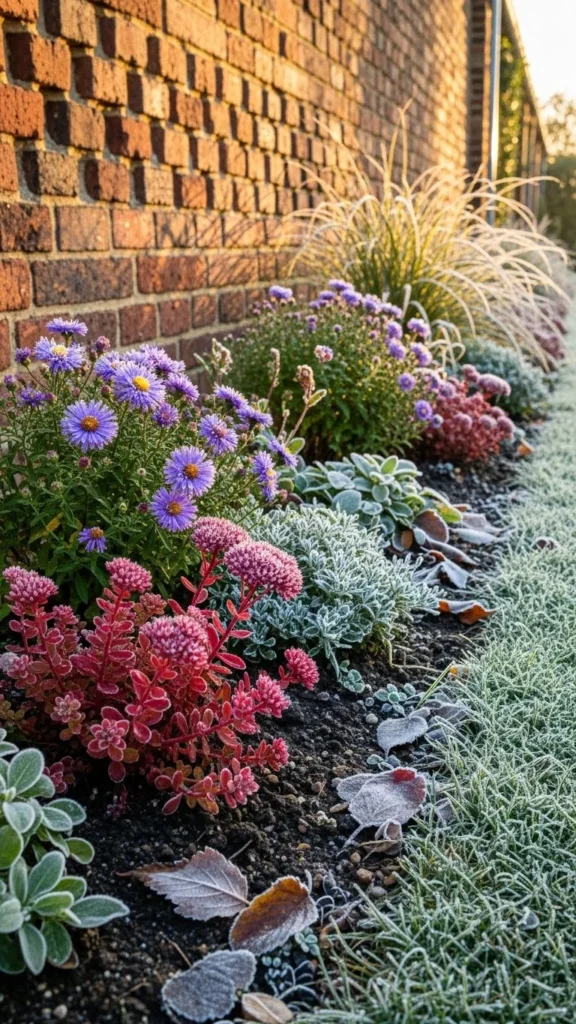
Walls absorb heat during the day and release it at night.
Plant cold-sensitive crops nearby. South-facing walls work best.
This trick adds warmth without tools or power.
Urban gardeners rely on this method often.
16. Use Straw Bales as Insulation
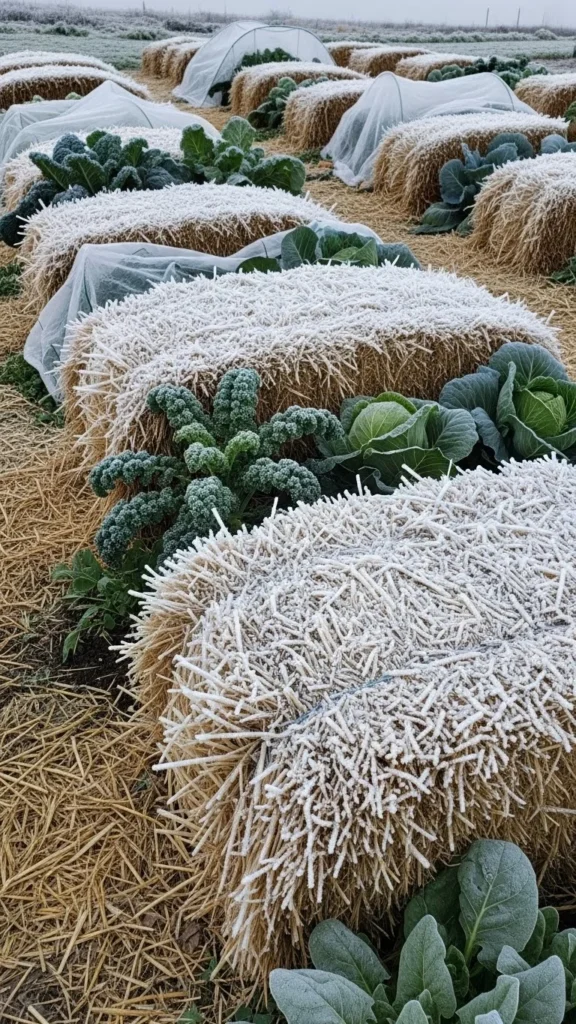
Straw bales block wind and hold warmth.
Stack them along bed edges or around plants.
They’re affordable and reusable each season.
Gardeners also compost straw later for soil improvement.
17. Harvest Before Deep Freeze
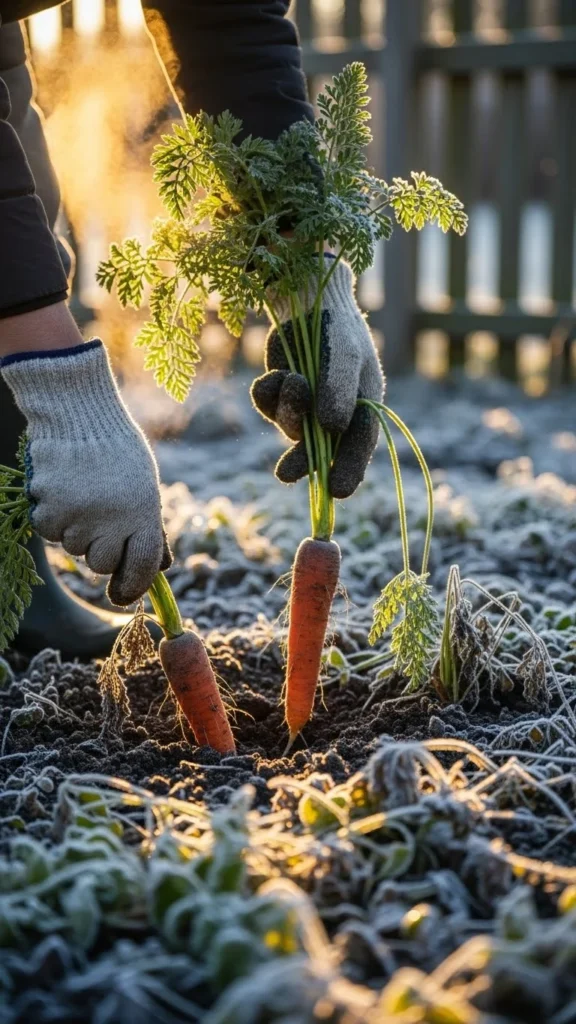
Some crops won’t survive hard freezes. Harvest them early.
Store indoors or preserve for later use.
This step prevents total loss and rewards your effort.
Planning harvest timing helps reduce waste.
18. Use Row Covers at Ground Level
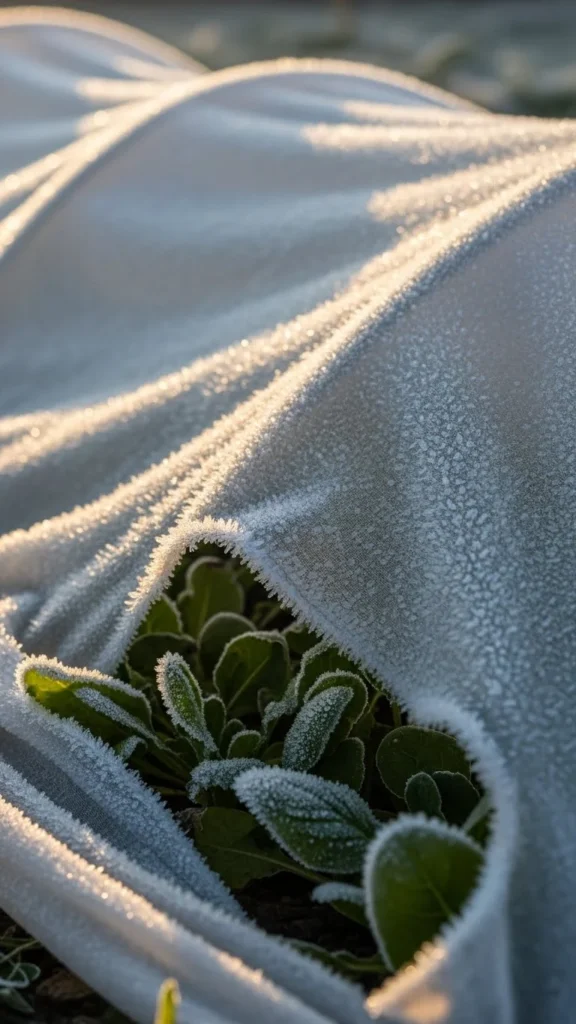
Floating row covers rest lightly on plants.
They trap heat close to the soil.
Secure edges well to block cold air.
This option suits wide beds and quick setup.
19. Add Extra Mulch Around Tree
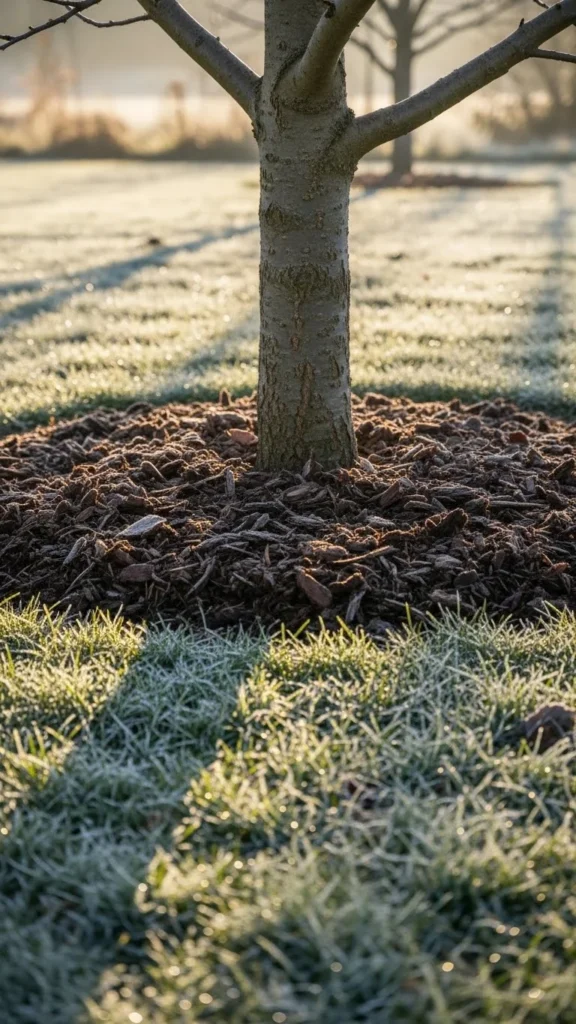
Tree roots benefit from extra insulation.
Create a wide mulch ring, keeping it away from the trunk.
This reduces root stress during cold periods.
Young trees benefit most from this method.
20. Avoid Late Pruning
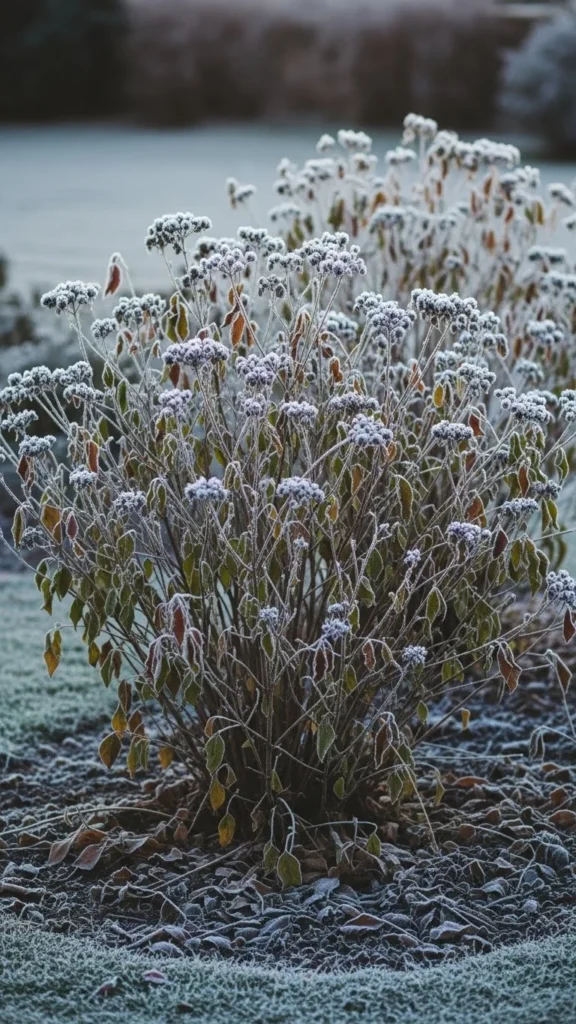
Pruning encourages new growth, which frost can damage.
Wait until late winter or early spring.
This simple delay protects plants naturally.
Many gardeners mark pruning dates on calendars.
21. Use Stone for Heat Storage
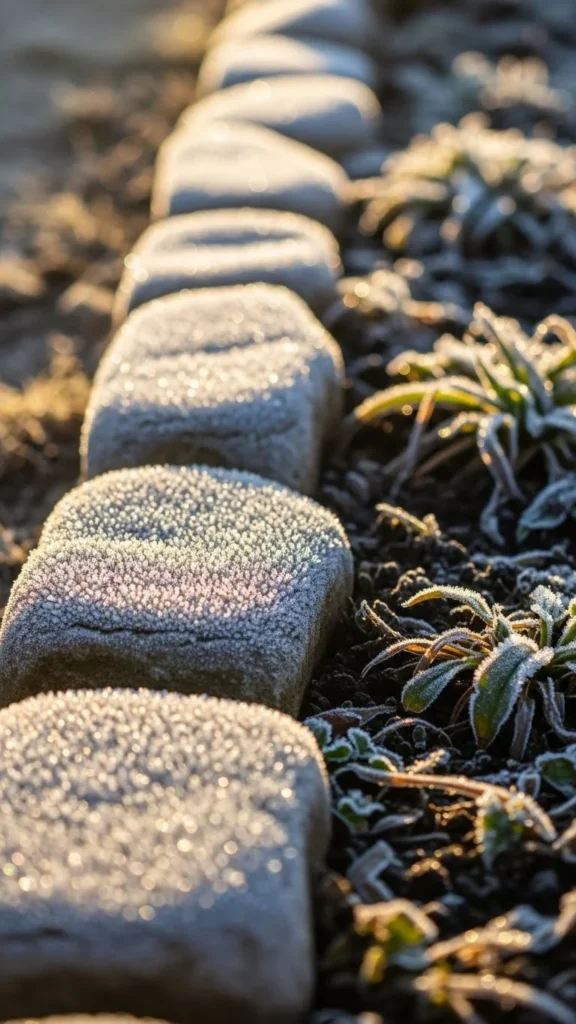
Stones absorb heat during daylight.
They release warmth at night near plants.
Use rocks as bed borders or pathways.
This method works best in sunny areas.
22. Keep Snow on Beds
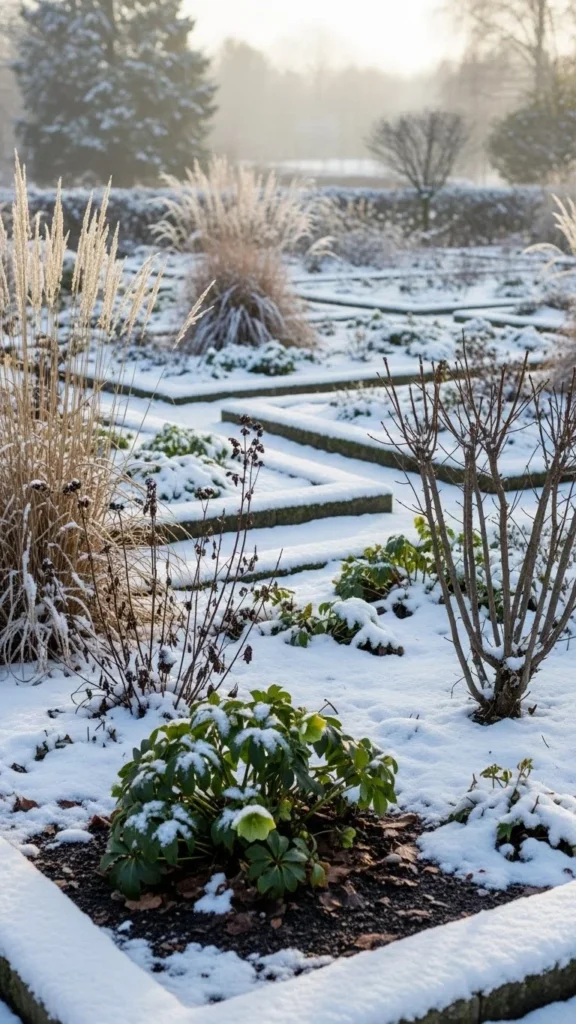
Snow insulates soil surprisingly well.
Avoid clearing snow from garden beds.
It shields plants from extreme cold.
Many gardeners welcome light snow coverage.
23. Choose Sheltered Planting Spots
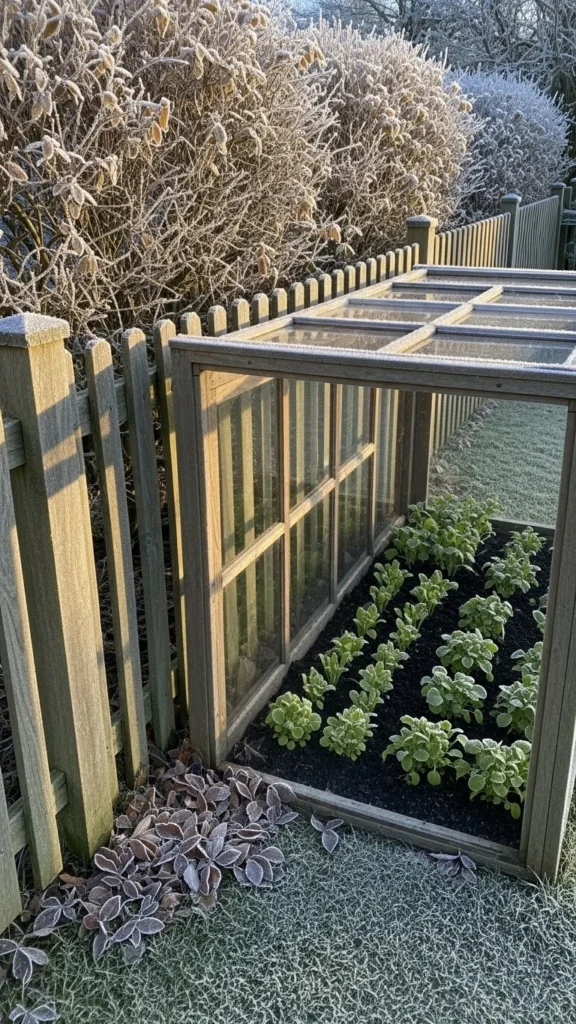
Sheltered spots reduce exposure to cold air.
Plant near fences, hedges, or structures.
This method costs nothing and lasts all season.
Planning layout helps long-term success.
24. Use Old Carpets Temporarily
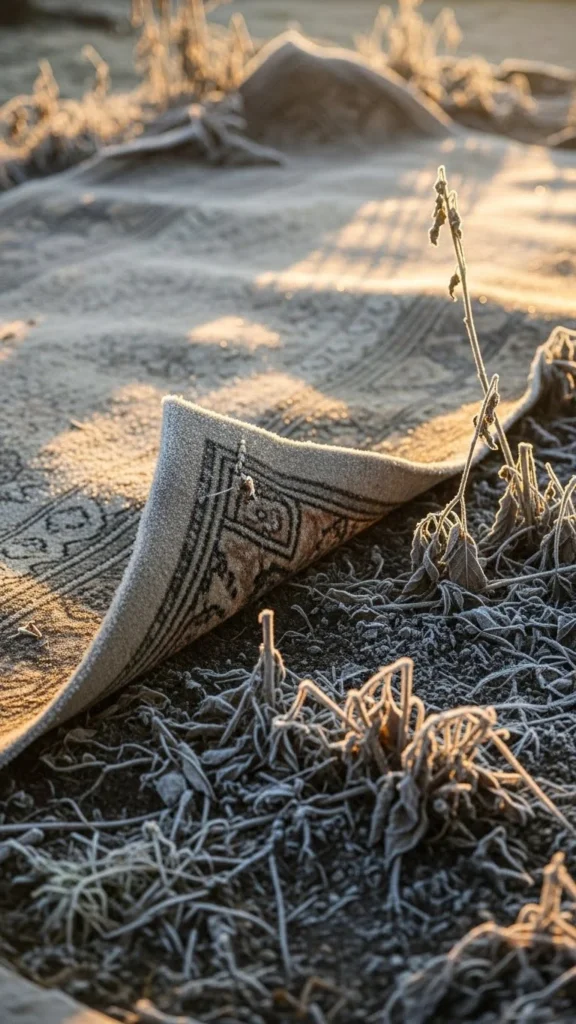
Carpets trap warmth overnight.
Remove them during the day for light.
This works well during sudden cold snaps.
Many gardeners keep spare materials handy.
25. Grow in South-Facing Beds
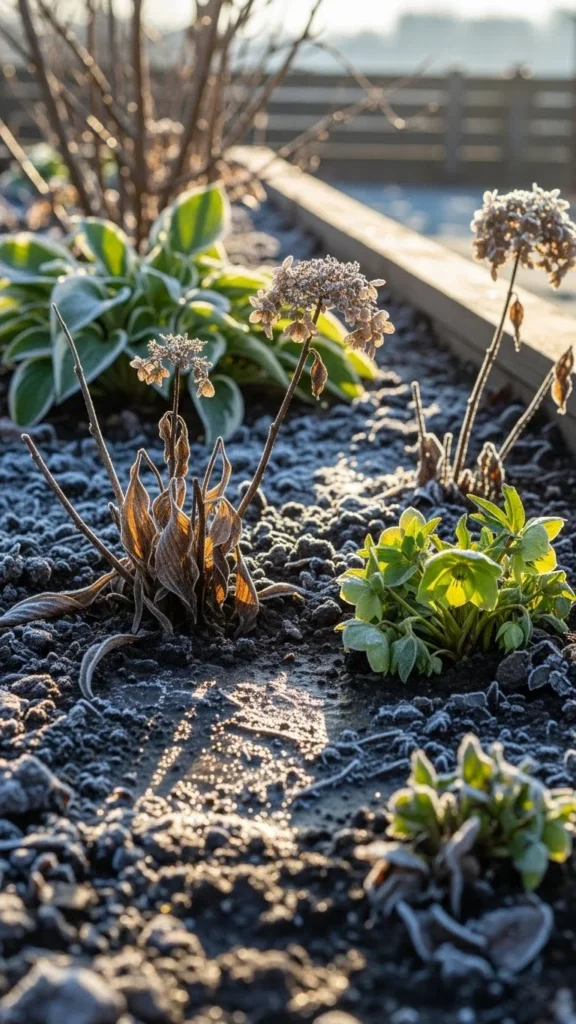
South-facing beds receive more sun.
They warm faster during the day.
This placement reduces frost damage.
Orientation planning pays off year after year.
26. Keep Emergency Covers Ready
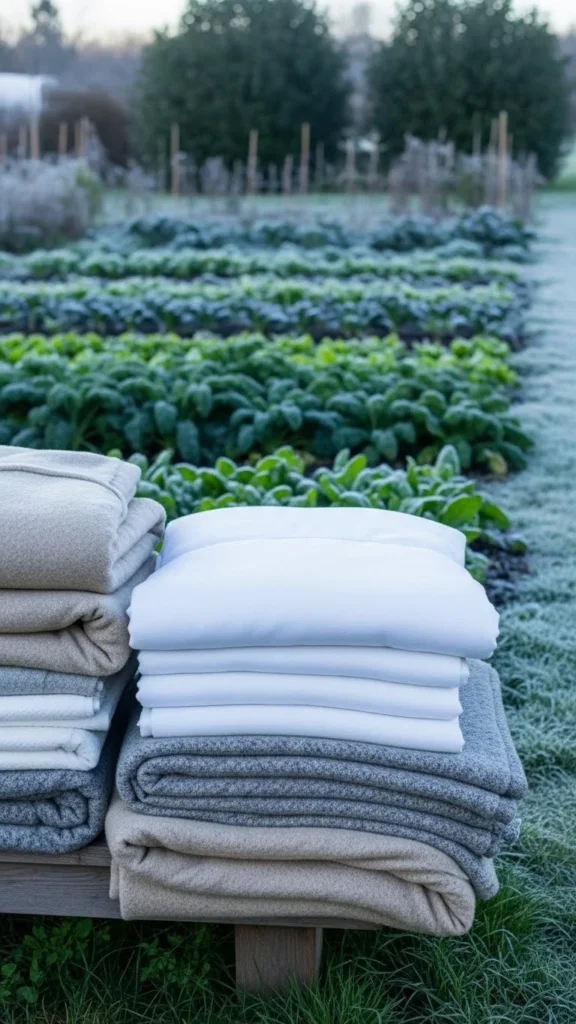
Unexpected frost happens fast.
Keep covers within reach.
Quick action saves plants overnight.
Preparation keeps stress low during cold spells.
Conclusion
Frost doesn’t have to end your growing season. With simple materials and thoughtful timing, you can protect plants and keep your garden active longer. These frost-proof ideas focus on real actions that fit any budget. Try a few this season and see what works best in your space. Your garden will thank you when cold mornings arrive.

Leave a Reply