

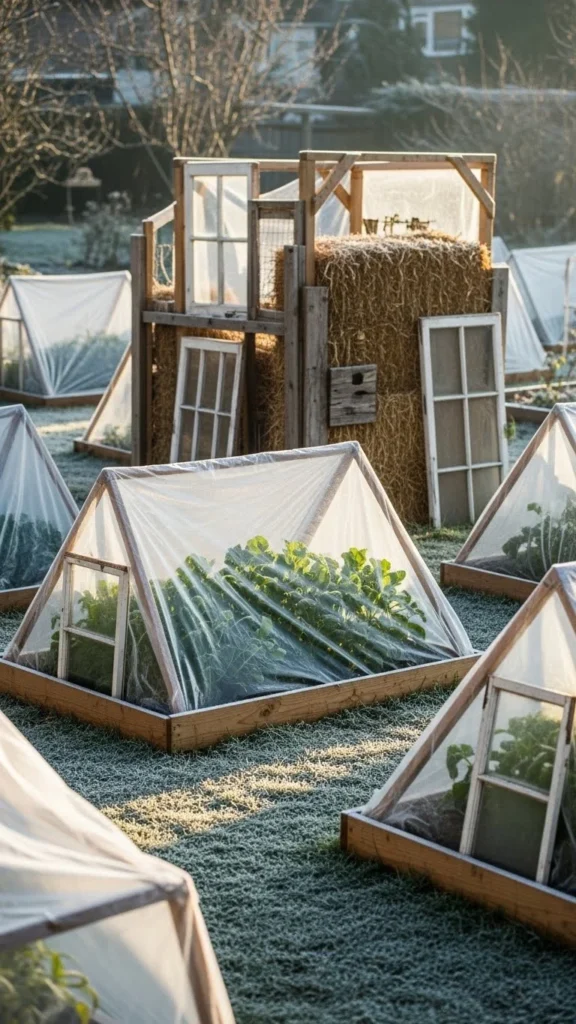
Cold snaps, heavy rain, and sudden wind can ruin weeks of garden work. DIY plant shelters give you control without expensive supplies. With simple tools and items you already have, you can guard tender plants, extend harvest time, and keep soil stable. These shelter ideas focus on low-cost builds that work in real home gardens. Each one is practical, easy to copy, and adjustable for different plant sizes.
1. Clear Storage Bin Cloche
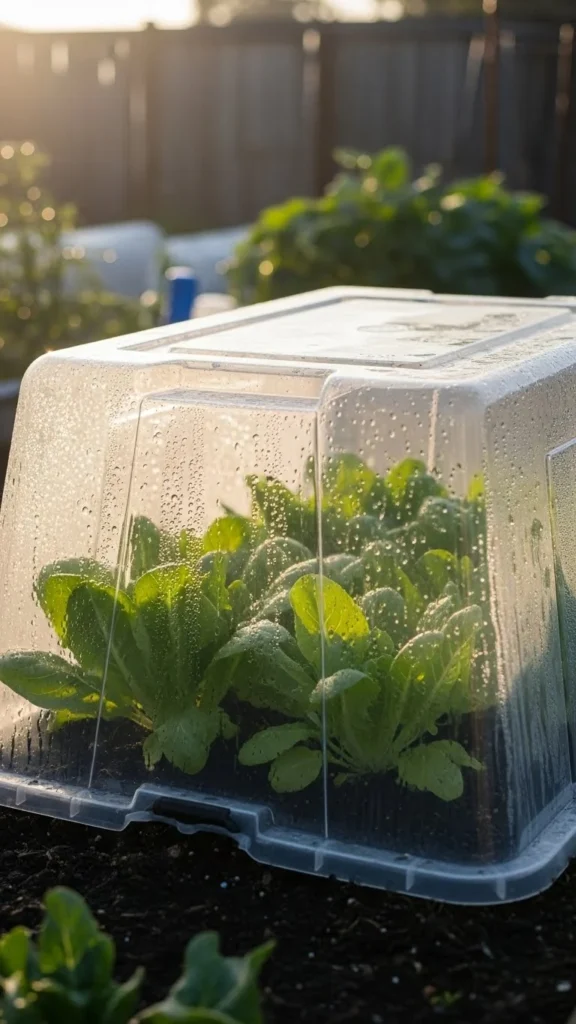
A clear storage bin works as a fast shelter for young plants. Flip it upside down and place it over seedlings before nightfall. Drill or poke a few small holes near the top to let heat escape during sunny hours. This keeps plants from overheating while still blocking frost.
Use bins from discount stores or reuse old ones with cracks along the rim. Weight the edges with bricks or stones so wind cannot lift it. During the day, tilt one side open for airflow. This simple setup fits lettuces, herbs, and early spring starts with almost no effort.
2. Plastic Bottle Mini Greenhouse
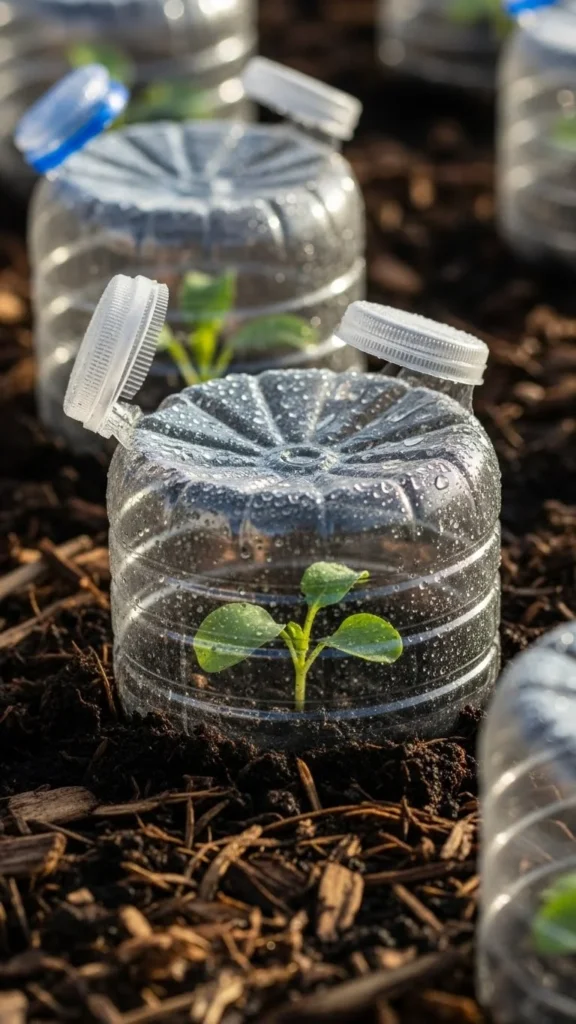
Large plastic bottles turn into quick shelters for single plants. Cut off the bottom and push the bottle into the soil. Remove the cap during the day for airflow, then close it at night if temperatures drop.
This works well for tomatoes, peppers, and flowers during early planting. Bottles store heat from the sun and release it slowly after sunset. If bottles tip over, anchor them with garden pins or a light soil mound around the base.
3. Straw Bale Wind Wall
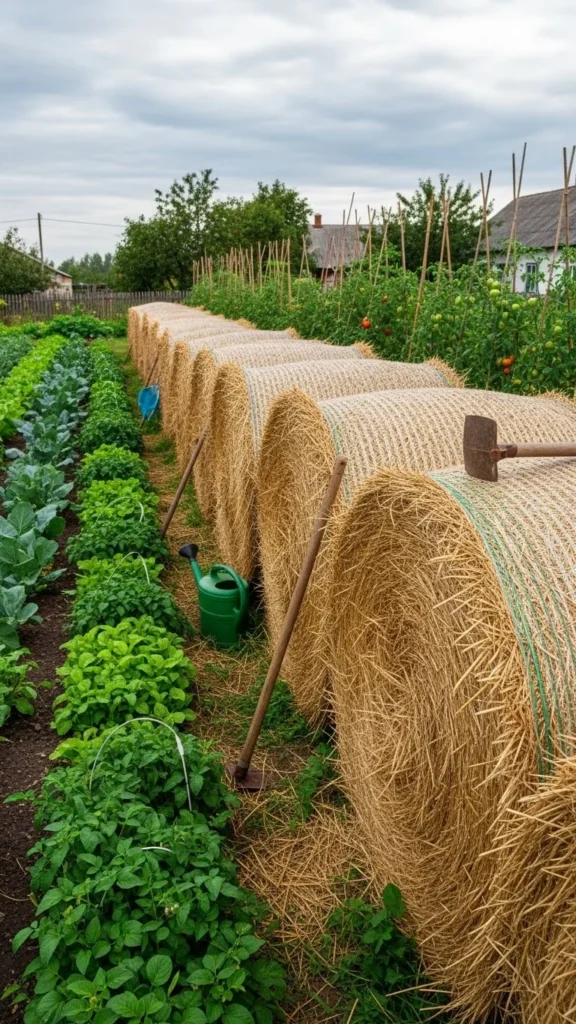
Straw bales stacked on the wind-facing side of a garden bed create a solid barrier. This reduces cold air movement and helps soil stay warmer. Place bales end to end and adjust height based on plant size.
After the season, break the bales apart and use the straw as mulch. This makes the shelter useful beyond one season. It suits raised beds and open plots that face strong wind.
4. PVC Hoop Tunnel
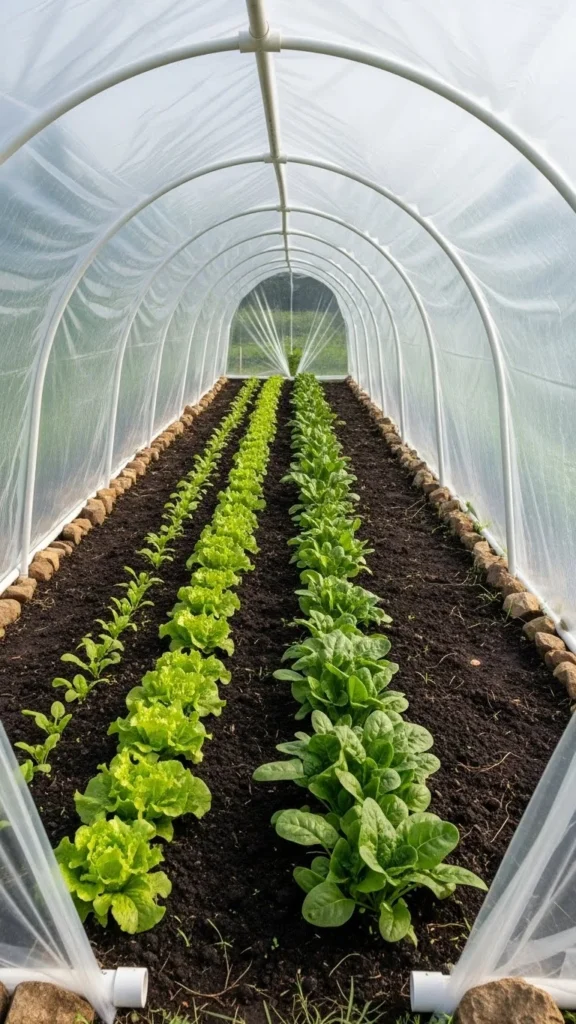
PVC hoops are simple to bend and insert into soil. Space them evenly along a bed and drape clear plastic or row cover over the frame. Secure edges with rocks or boards.
Lift one side during warm days to control heat. This tunnel works well for greens, carrots, and early root crops. PVC pieces store easily for reuse year after year.
5. Floating Row Cover Blanket
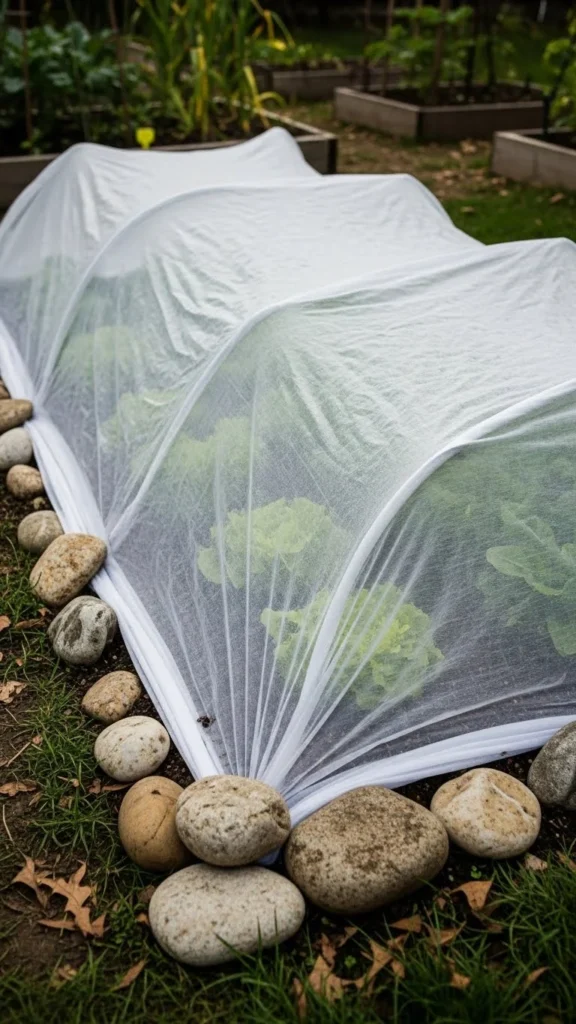
Row cover fabric rests lightly on plants while blocking cold air. It works best for low crops that do not mind gentle contact. Secure the edges well so wind cannot lift it.
Wash and store the fabric when not in use. This option works for sudden cold nights and quick protection during seasonal shifts.
6. Cardboard Box Night Shelter
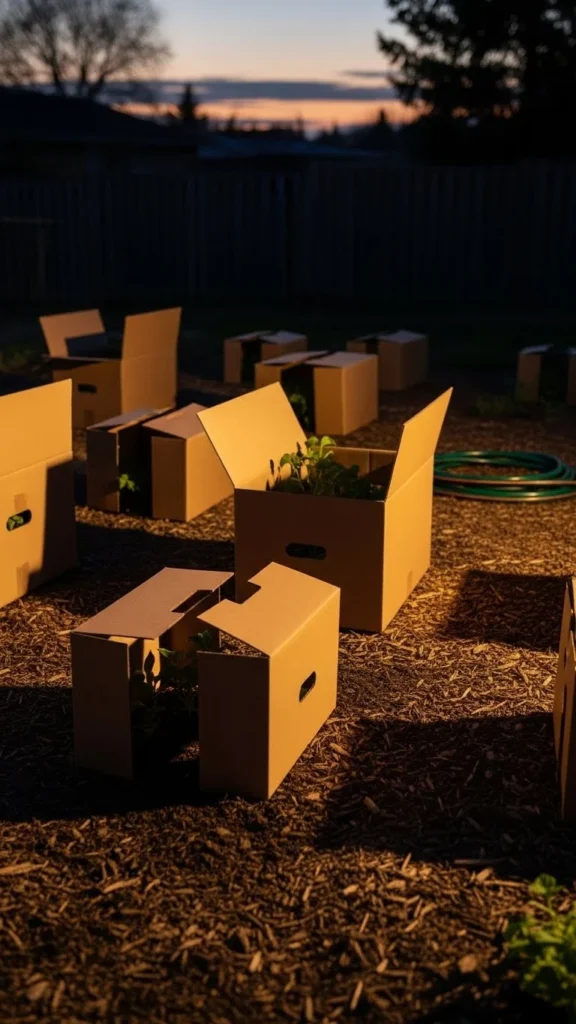
Cardboard boxes offer overnight protection during short cold spells. Place them over plants at dusk and remove them in the morning. Cut small side vents if daytime temperatures rise.
This is a short-term fix, perfect for surprise cold nights. Recycle the boxes once they soften from moisture.
7. Old Window Cold Frame
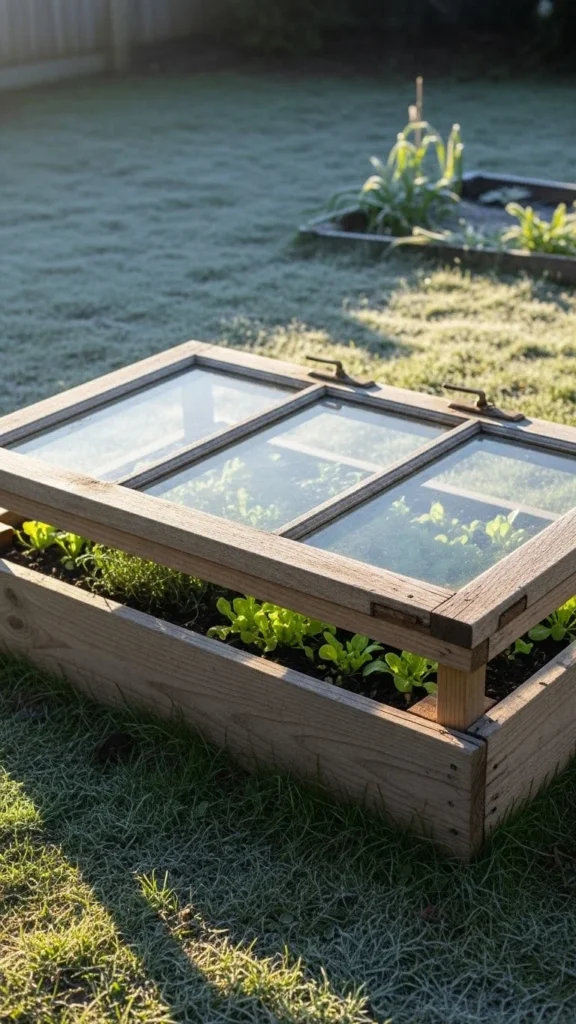
Old windows make solid cold frames. Build a simple wood base or place the window over stacked bricks. Tilt slightly for rain runoff.
Open it during warm afternoons. Close it before sunset. This shelter supports seedlings and herbs through long cool periods.
8. Milk Crate Plant Cage
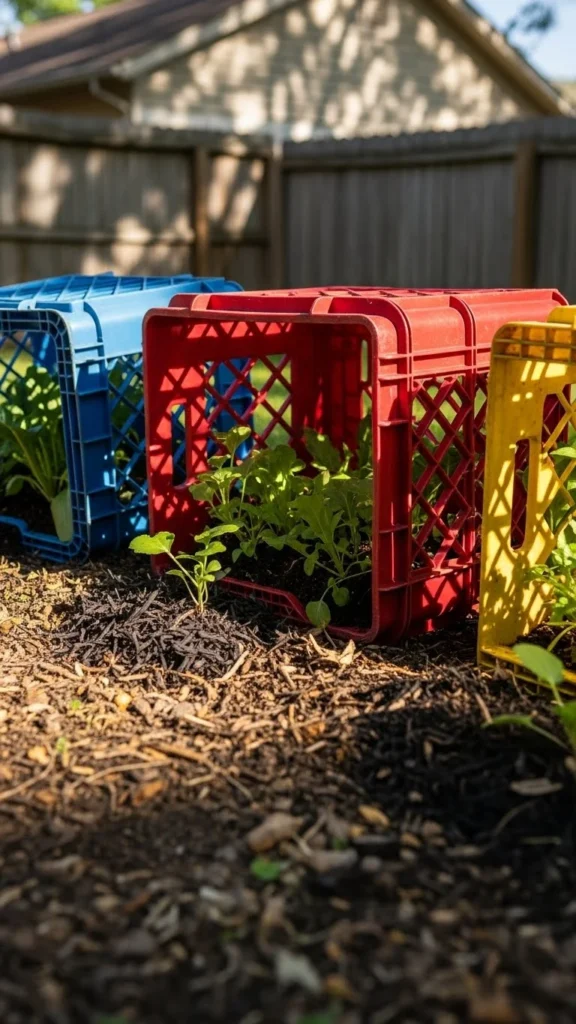
Milk crates work well for sturdy plants. Flip them upside down and anchor with stakes. Drape fabric or plastic over the crate for added warmth.
This setup allows airflow while blocking wind. Stack crates when not in use to save space.
9. Burlap Wrap Shelter
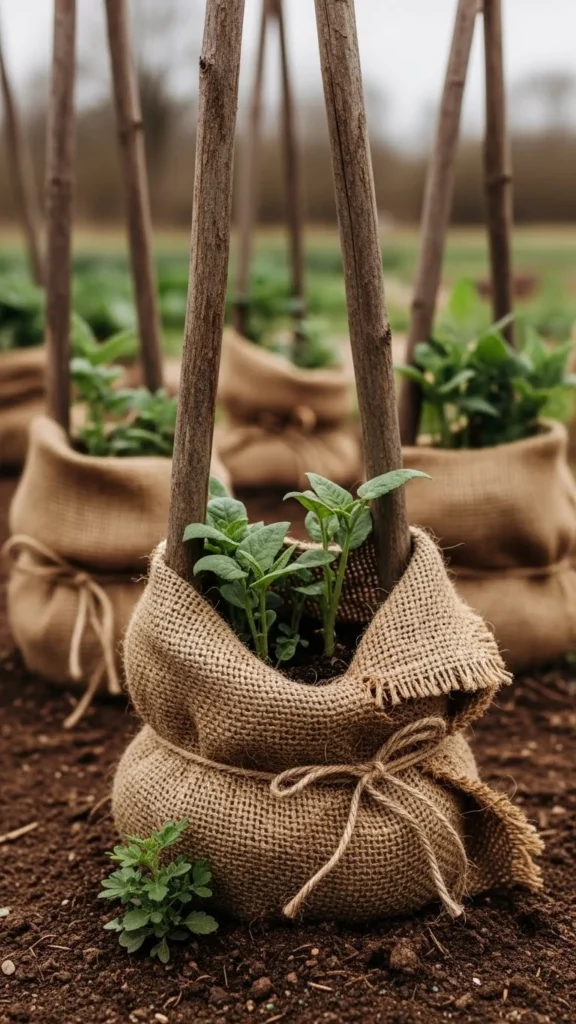
Wrap burlap around stakes placed in a circle around plants. This blocks wind and reduces temperature swings. Leave the top open to prevent trapped moisture.
Burlap stores easily and lasts multiple seasons. It suits shrubs and taller plants.
10. Upside-Down Laundry Basket
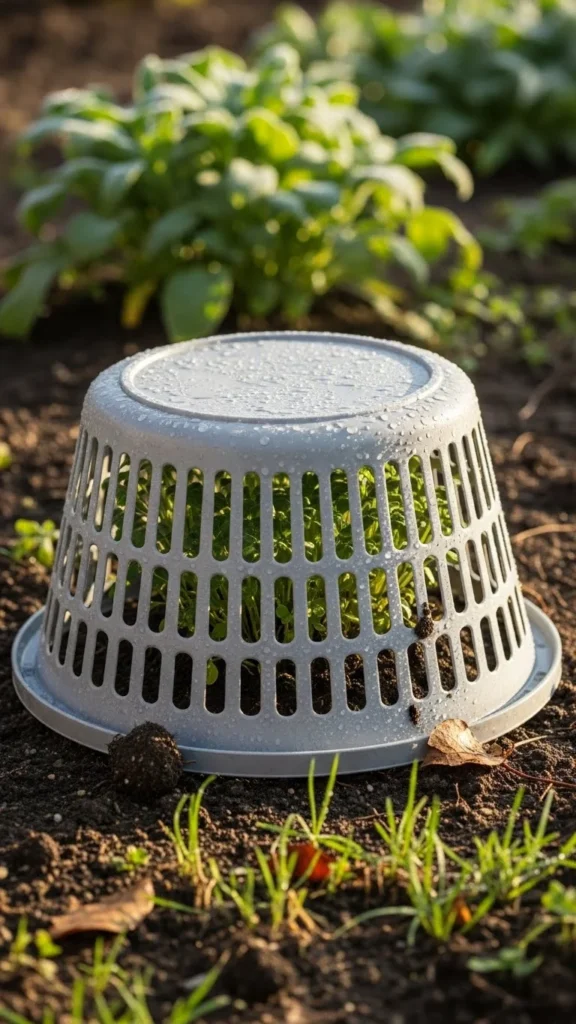
Laundry baskets with holes allow airflow while offering protection. Place a weight on top to stop movement. Cover with cloth if nights turn colder.
This option works well for quick setups and uneven plant shapes.
11. Bubble Wrap Plant Tent
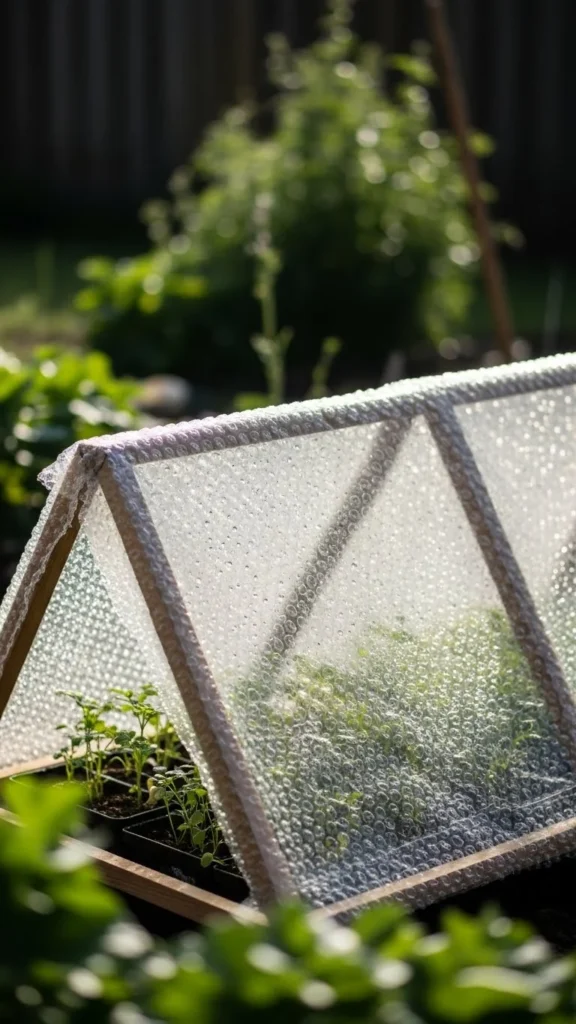
Bubble wrap traps warmth when wrapped around a simple frame. Leave gaps at the bottom for airflow. This helps during repeated cold nights.
Reuse the wrap year after year. Store it flat to avoid damage.
12. Wooden Pallet Shield
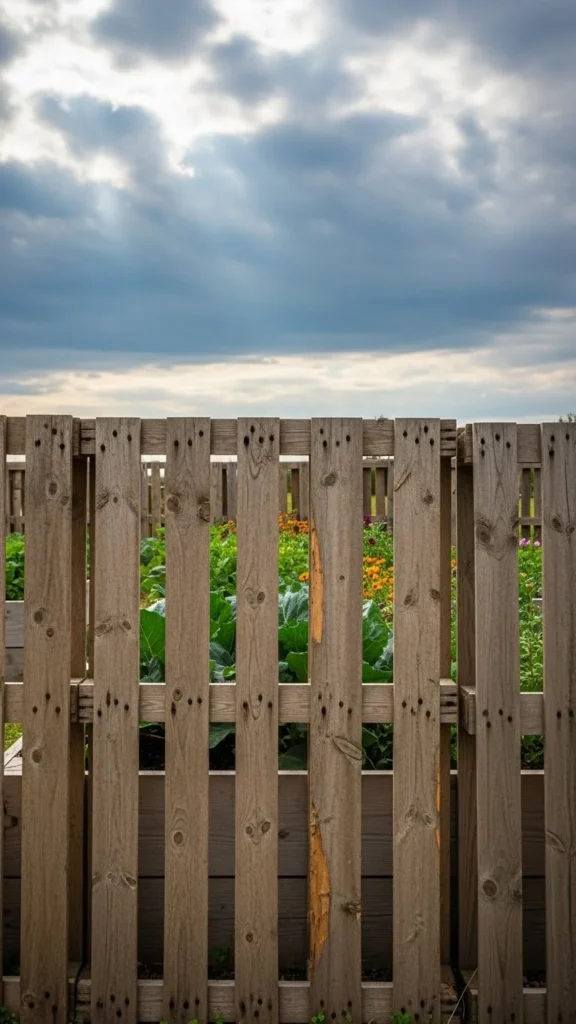
Stand pallets upright along the wind side of beds. Secure them with stakes. This blocks strong gusts without covering plants fully.
Use pallets again for compost bins or storage later.
13. Terracotta Pot Cover
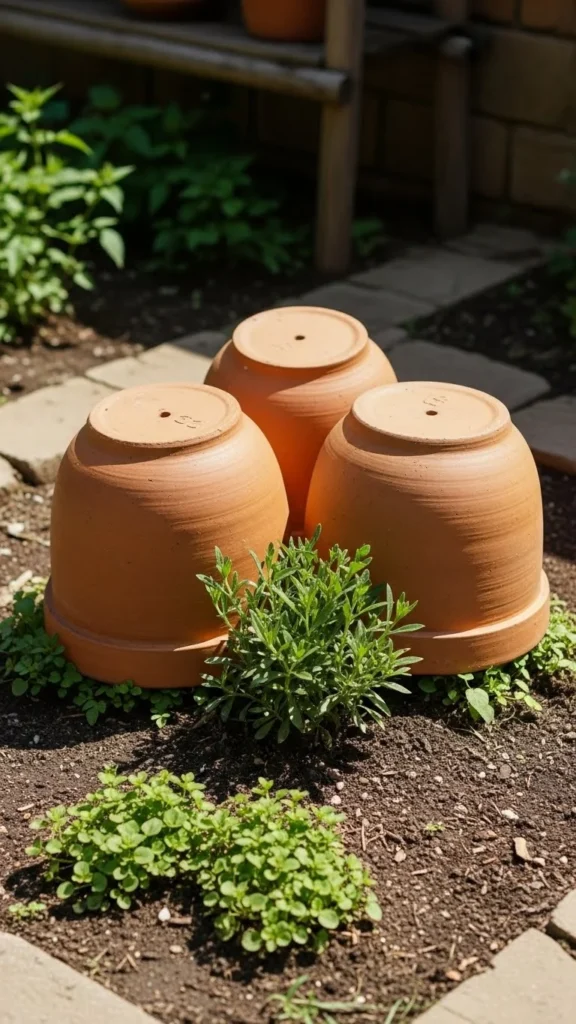
Turn large pots upside down over plants overnight. Add a small stone on top to keep them steady. Remove during the day.
This method suits small plants and short cold periods.
14. Garden Table Canopy
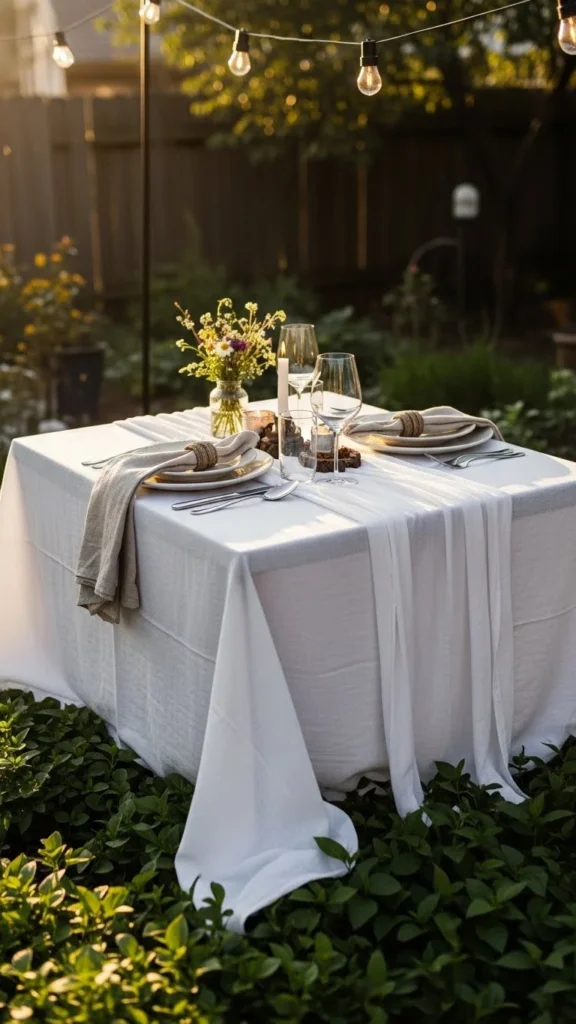
Use an outdoor table as a frame. Drape cloth or plastic around it, leaving gaps for air. This covers several plants at once.
It works well during unexpected weather shifts.
15. Reusable Fabric Plant Socks
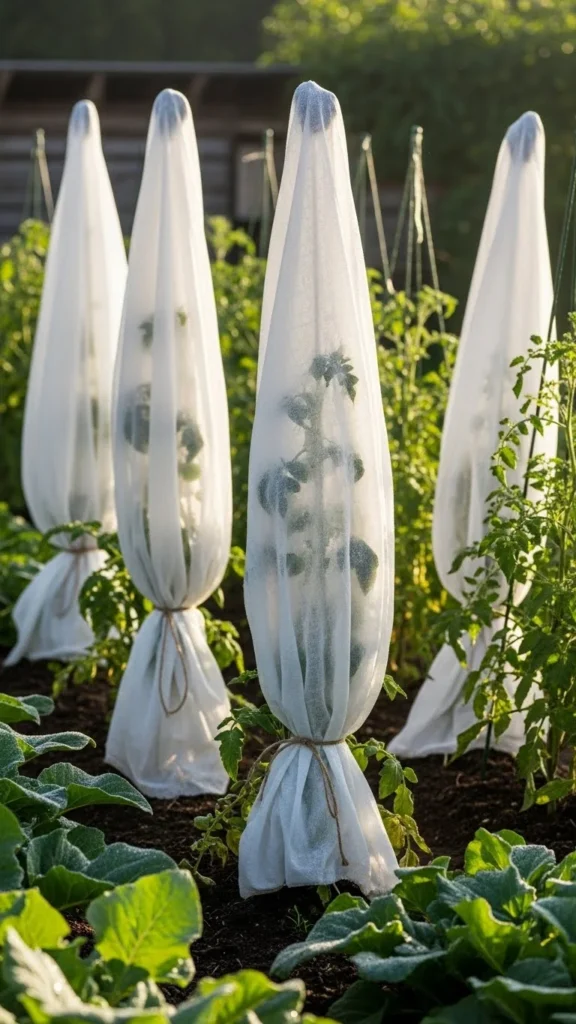
Fabric covers slide over plants like sleeves. Secure at the base. Remove during warm days.
They store easily and suit tall plants that need full coverage.
16. Lean-To Plastic Panel
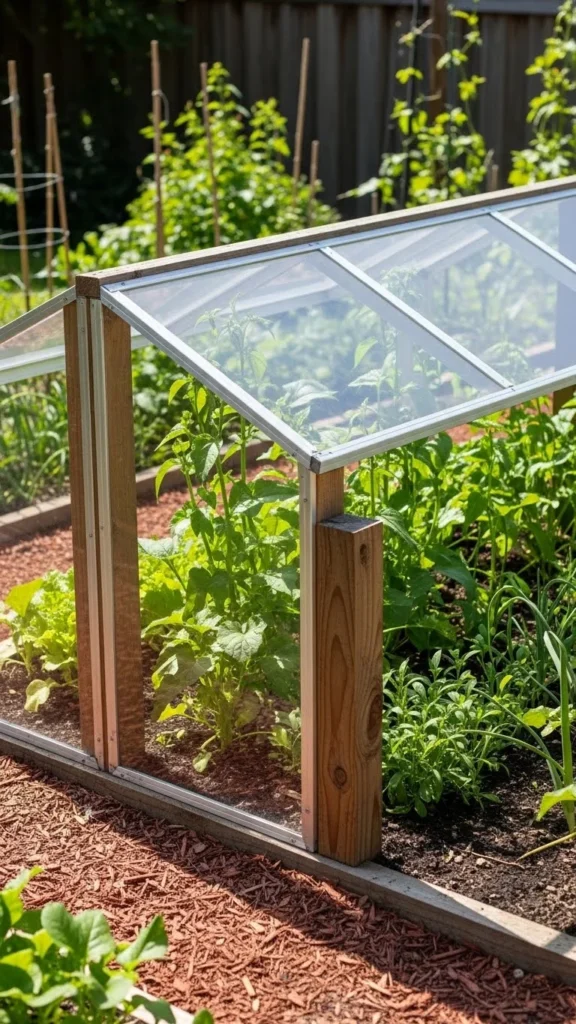
Lean a clear panel against stakes to block cold air. Angle it toward the sun for warmth.
This works for beds near walls or fences.
17. Hay-Filled Frame Shelter
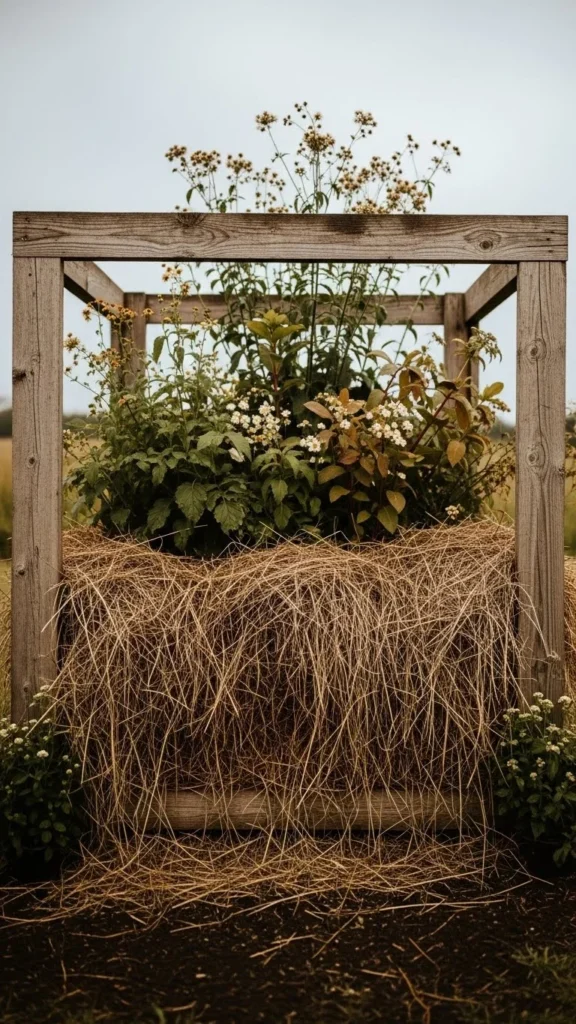
Build a simple frame and pack hay around the sides. Leave the top open. This keeps roots warmer.
Remove hay later for mulch use.
18. Raised Bed Lid Cover
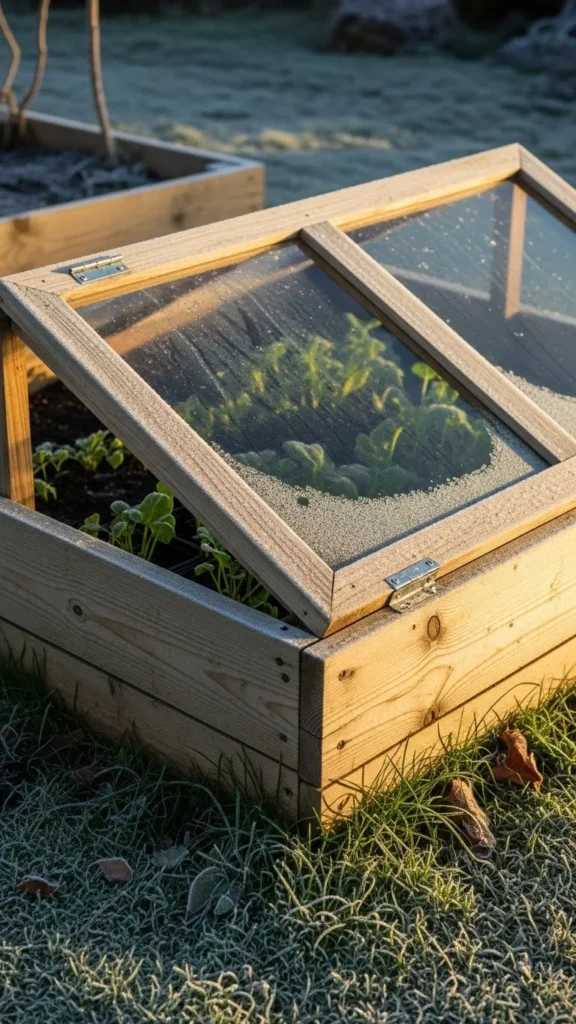
Add a hinged lid with clear plastic to raised beds. Open during the day. Close at night.
This setup works well for long cool seasons.
19. Recycled Shower Curtain Tent
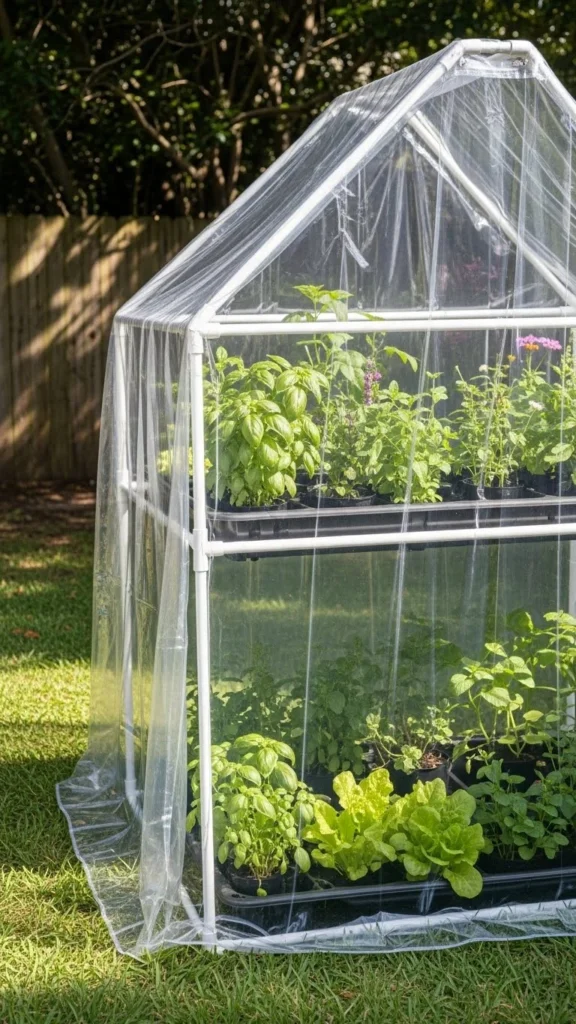
Drape a clean shower curtain over a frame. Secure edges well. Vent during sunny hours.
This is a low-cost way to reuse household items.
20. Wire Cage with Fabric Wrap
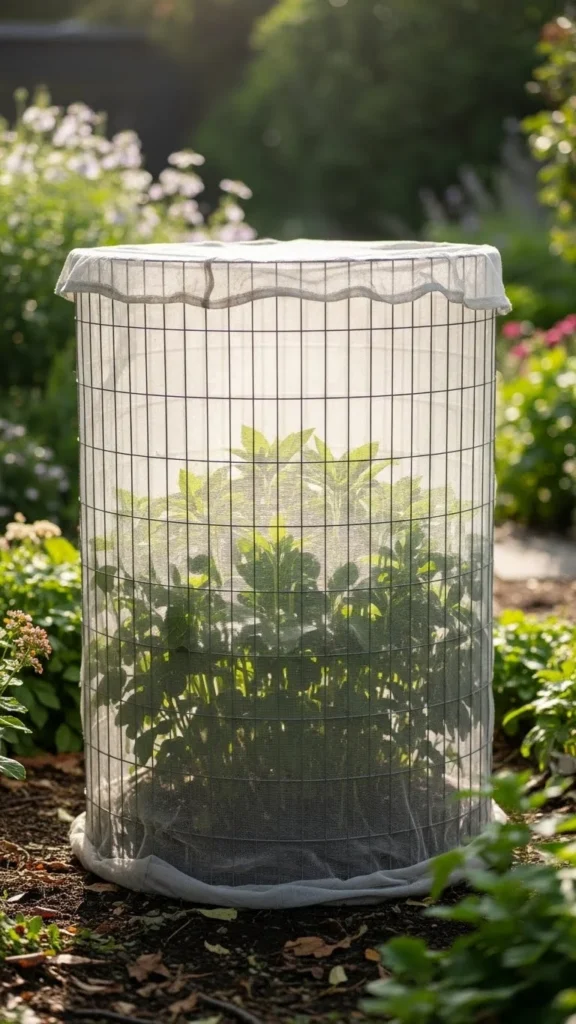
Wrap fabric around wire cages to block wind. Remove wrap when temperatures rise.
This suits climbing plants and vines.
21. Snow Fence Barrier
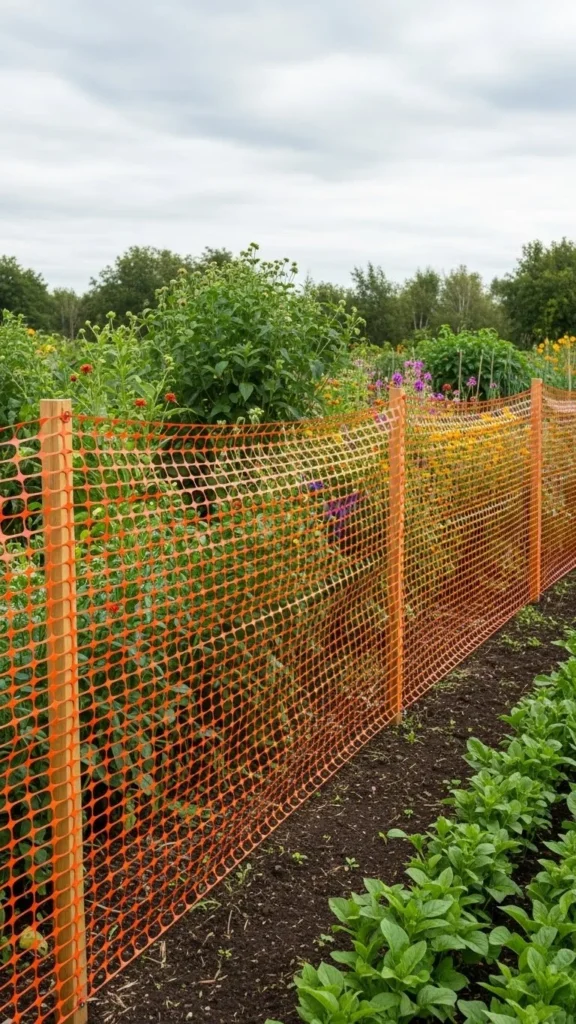
Snow fencing blocks wind while letting light through. Install along exposed sides.
Remove and roll up for storage later.
22. DIY Cold Frame Box
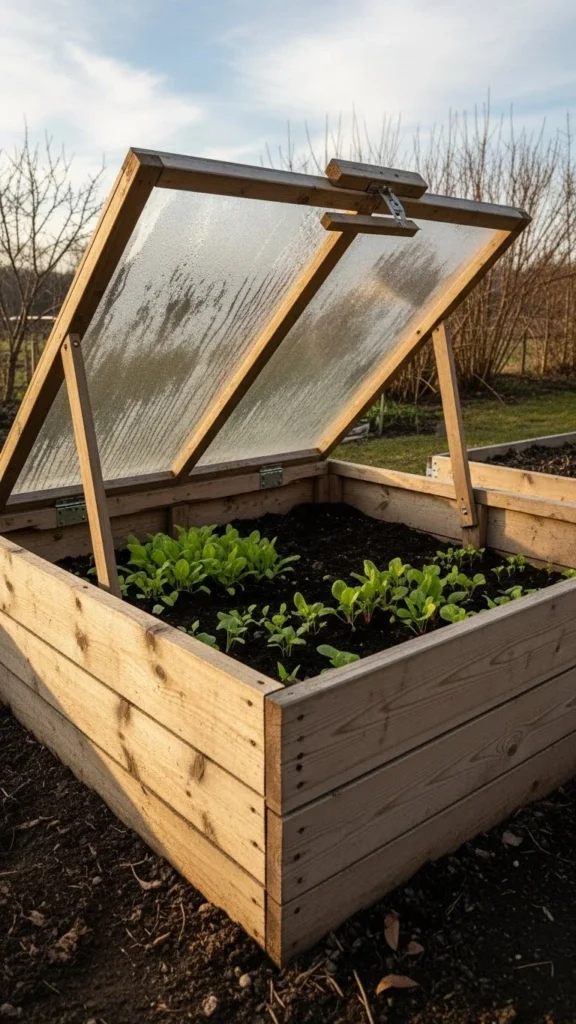
Build a low wooden box with a clear top. Open daily to prevent heat buildup.
This setup supports early planting.
23. Compost Pile Heat Wall
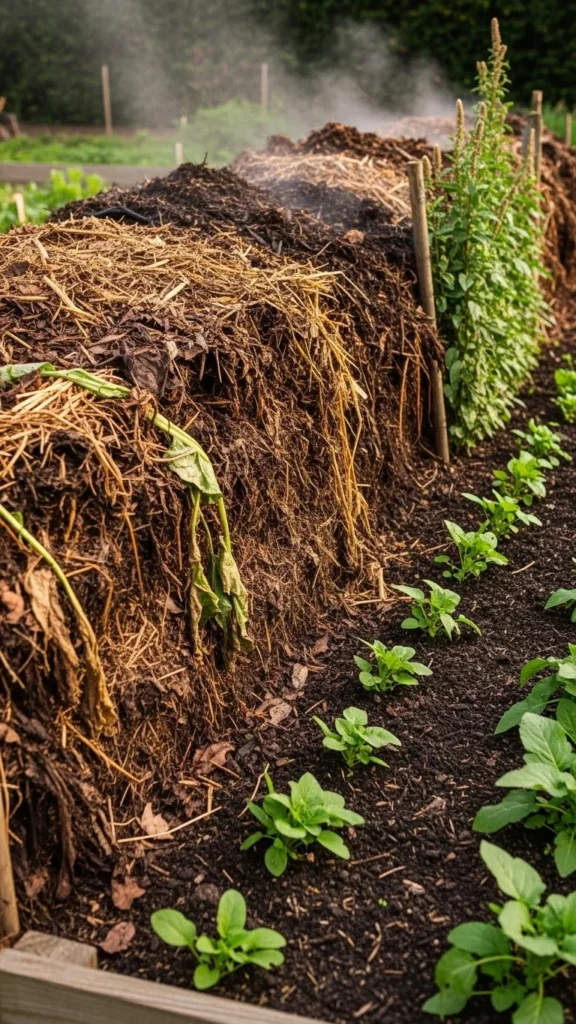
Place compost piles near beds to block wind and release warmth. This also improves soil access.
Turn the pile later for garden use.
24. Temporary Tarp Tunnel
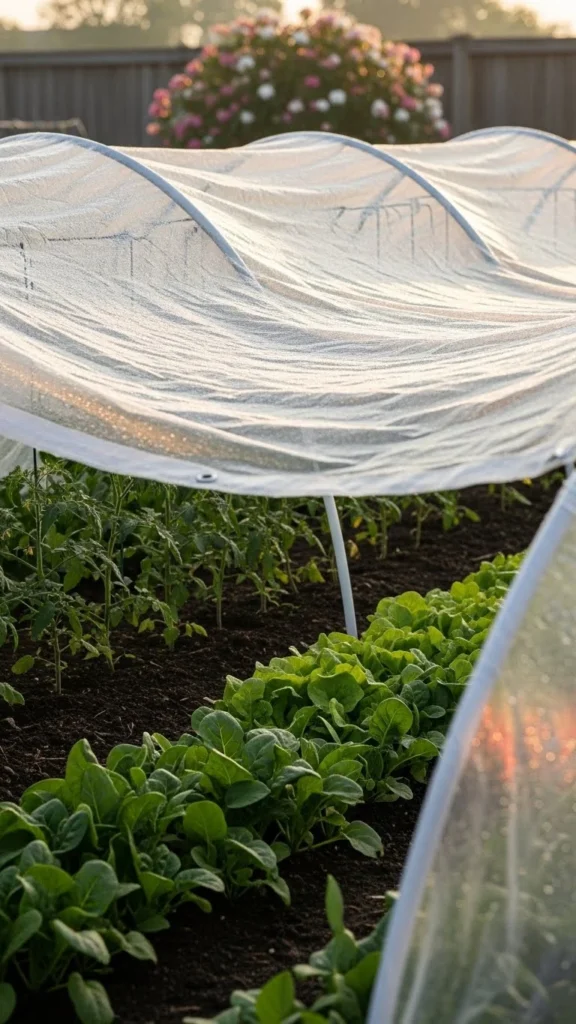
Stretch a tarp over hoops for short cold periods. Remove during sunny days.
This works well during sudden weather drops.
Conclusion
DIY plant shelters give you practical control over garden conditions without costly gear. With basic tools and reused materials, you can protect plants, stretch growing time, and reduce weather damage. Try one or two ideas first, adjust based on your space, and keep supplies ready for quick setup. Small actions taken at the right time can protect weeks of growth and keep your garden steady through changing weather.

Leave a Reply