

Nothing feels more heartbreaking than checking on your tiny seedlings in the morning and realizing a surprise frost hit overnight. One cold snap can undo weeks of careful planting—but the good news is, frost damage is often preventable with a little planning and a few simple tricks.
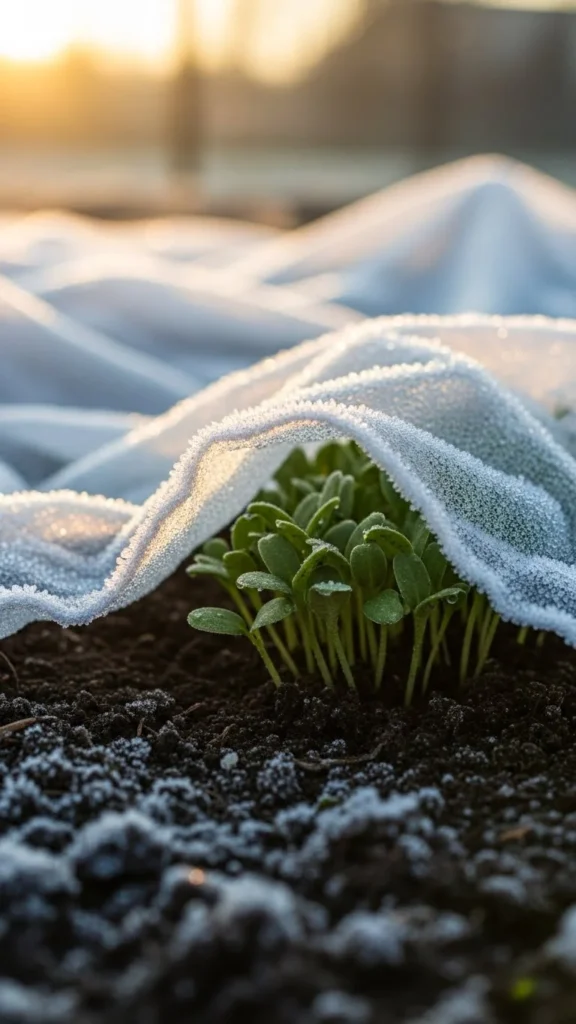
Whether you’re growing vegetables, herbs, or flowers, this guide will walk you through practical, beginner-friendly ways to keep seedlings safe when temperatures drop.
Why Seedlings Are So Vulnerable to Frost
Seedlings are delicate by nature. Unlike mature plants, they don’t have strong stems, deep roots, or stored energy to recover from freezing temperatures.
Here’s what frost does to young plants:
- Ice crystals form inside plant cells, causing them to burst
- Leaves wilt, darken, or turn mushy
- Growth stalls or stops completely
Even a light frost can be enough to damage tender seedlings, especially in early spring or late fall.
Know Your Frost Risk Before It Happens
The best protection starts before frost arrives.
Keep an eye on:
- Local overnight lows (especially anything near 32°F / 0°C)
- Clear skies and calm winds, which increase frost risk
- Low-lying garden areas, where cold air settles first
Quick tips:
- Check weather forecasts daily during early planting season
- Assume seedlings need protection anytime temperatures dip close to freezing
- Be extra cautious after warm days followed by sudden cold nights
Use Covers to Trap Warmth
Covering seedlings is one of the most effective frost-protection methods—and it’s surprisingly easy.
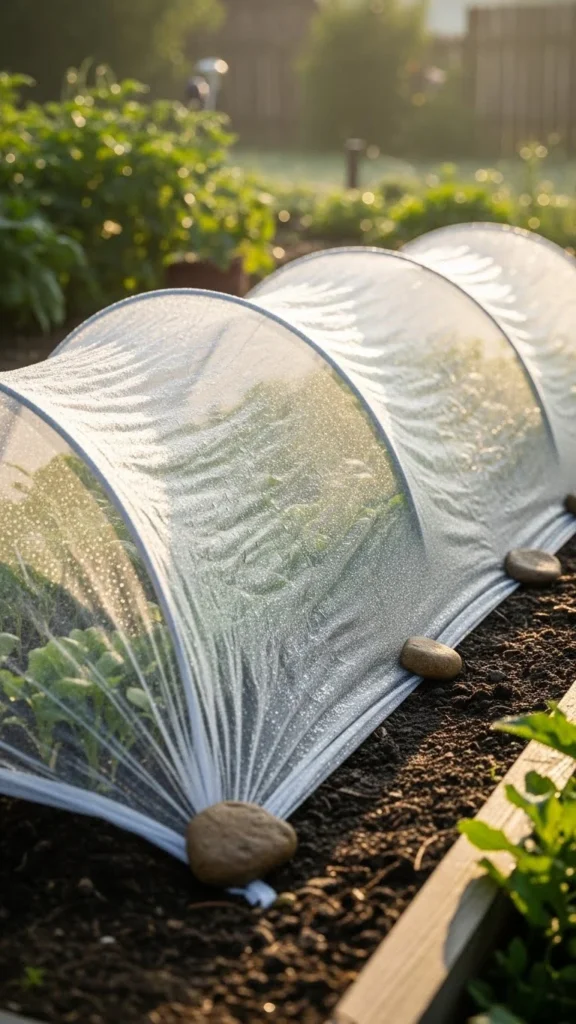
Good cover options include:
- Floating row covers or frost cloth
- Lightweight garden fabric
- Old bed sheets or cotton blankets
- Upside-down buckets or plastic containers (for individual plants)
How to do it right:
- Cover plants before sunset to trap heat
- Make sure covers reach the ground
- Remove covers in the morning once temperatures rise
Avoid letting fabric rest directly on fragile leaves if possible.
Mulch to Protect the Soil
Healthy soil holds warmth better than bare ground. Adding mulch helps stabilize soil temperatures and protects roots from sudden cold.
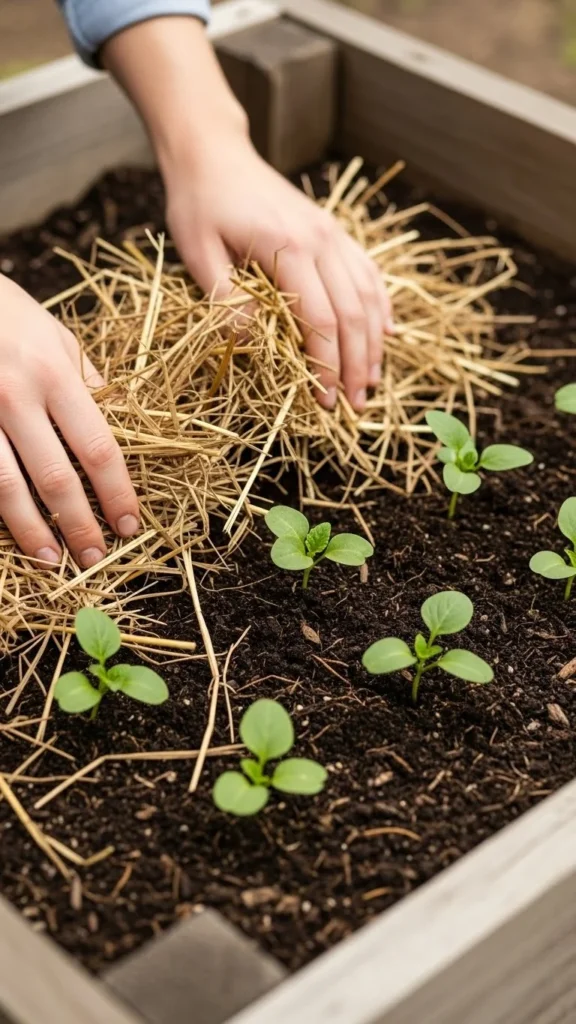
Best mulch choices:
- Straw or shredded leaves
- Pine needles
- Compost
Benefits of mulching:
- Insulates soil overnight
- Reduces temperature swings
- Helps retain moisture
Apply mulch around seedlings, leaving a little space around stems to prevent moisture buildup.
Water Before a Frosty Night
This tip surprises many gardeners—but it works.
Moist soil holds heat better than dry soil. Watering earlier in the day can help keep the ground warmer overnight.
Helpful guidelines:
- Water in the afternoon, not late evening
- Focus on the soil, not the leaves
- Avoid waterlogged conditions
This method works best when combined with covers or mulch.
Create Mini Greenhouses
Turning everyday items into mini greenhouses can make a big difference for young plants.
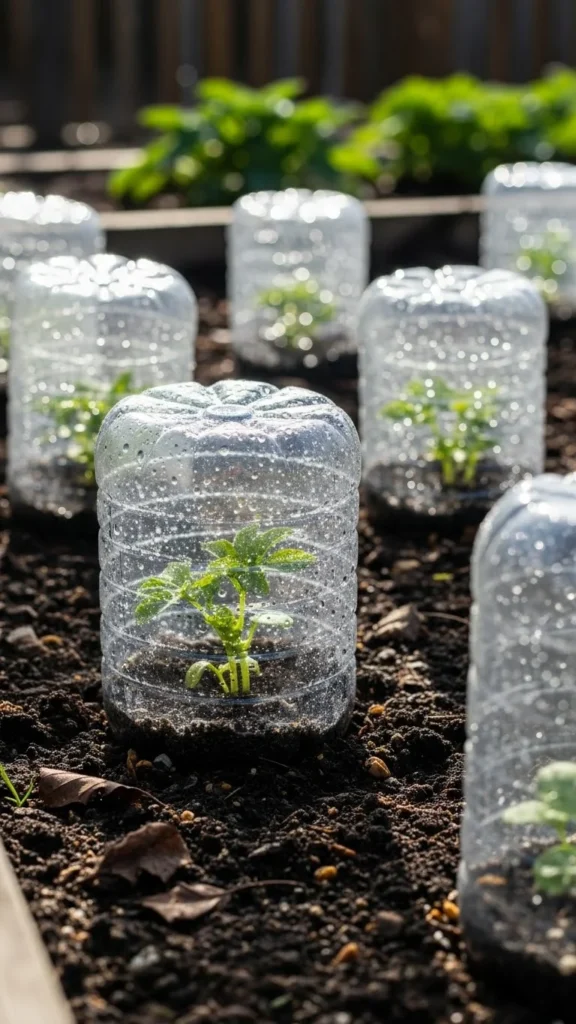
Simple DIY ideas:
- Cut plastic bottles placed over seedlings
- Clear storage bins flipped upside down
- Cold frames made from wood and clear panels
Important reminders:
- Vent during the day to prevent overheating
- Secure covers so wind doesn’t blow them away
- Remove once weather stabilizes
Move What You Can Indoors
If your seedlings are in containers, you have a major advantage: mobility.
Before frost:
- Move pots into a garage, shed, or porch
- Place them near a wall that retains warmth
- Group containers together to share heat
Even a few degrees of protection can save tender plants.
Harden Off Seedlings Gradually
Seedlings that go from warm indoor conditions straight into cold weather are more likely to suffer damage.
Hardening off helps plants adjust:
- Start with 1–2 hours outdoors
- Increase exposure over 7–10 days
- Avoid cold or windy days early on
Stronger seedlings handle temperature dips much better.
Watch for Frost Damage Signs
If frost does hit, don’t panic immediately.
Look for:
- Limp or darkened leaves
- Soft, watery plant tissue
What to do:
- Wait until temperatures rise
- Remove damaged growth after plants recover
- Keep plants watered and shaded temporarily
Some seedlings bounce back better than expected.
Final Thoughts: A Little Prep Goes a Long Way
Protecting seedlings from frost doesn’t require fancy tools or expensive supplies. With simple covers, smart timing, and a bit of weather awareness, you can give your young plants a fighting chance—even during unpredictable seasons.
Save this guide for later, and you’ll be ready the next time frost threatens your garden.

Leave a Reply