

Cold soil is one of the quiet reasons plants struggle. Even when the sun is out, chilly roots slow growth, limit nutrient uptake, and leave plants stressed. The good news? You can fix this right at ground level. Heat-retaining soil mixes help keep roots cozy, active, and resilient—especially during cool seasons or temperature swings.
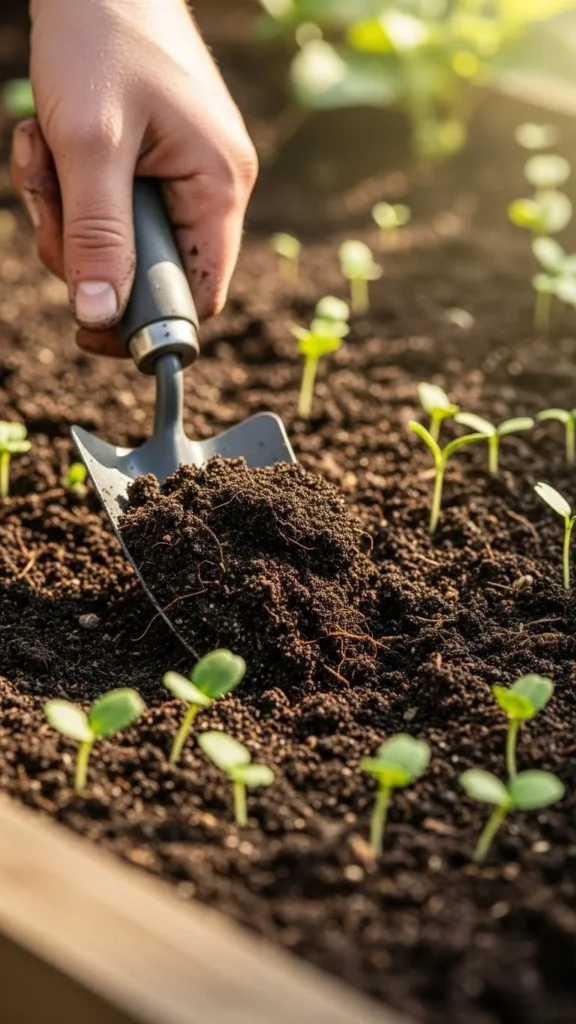
Whether you garden in raised beds, containers, or in-ground plots, learning how to build and use a soil mix that holds warmth can make a noticeable difference. Let’s break it down step by step.
Why Warm Roots Matter More Than You Think
Plants don’t just respond to air temperature. Roots are highly sensitive to soil warmth.
When soil stays too cold:
- Roots absorb nutrients more slowly
- Growth stalls even with proper watering
- Plants become vulnerable to disease
Heat-retaining soil creates a more stable underground environment. It reduces sudden temperature drops at night and warms faster during the day. That stability helps plants focus on growing instead of surviving.
This is especially helpful for:
- Early spring planting
- Fall gardens
- Raised beds and containers
- Warm-loving plants
Key Ingredients That Help Soil Hold Heat
Not all soil holds warmth equally. The structure, color, and organic content all matter.
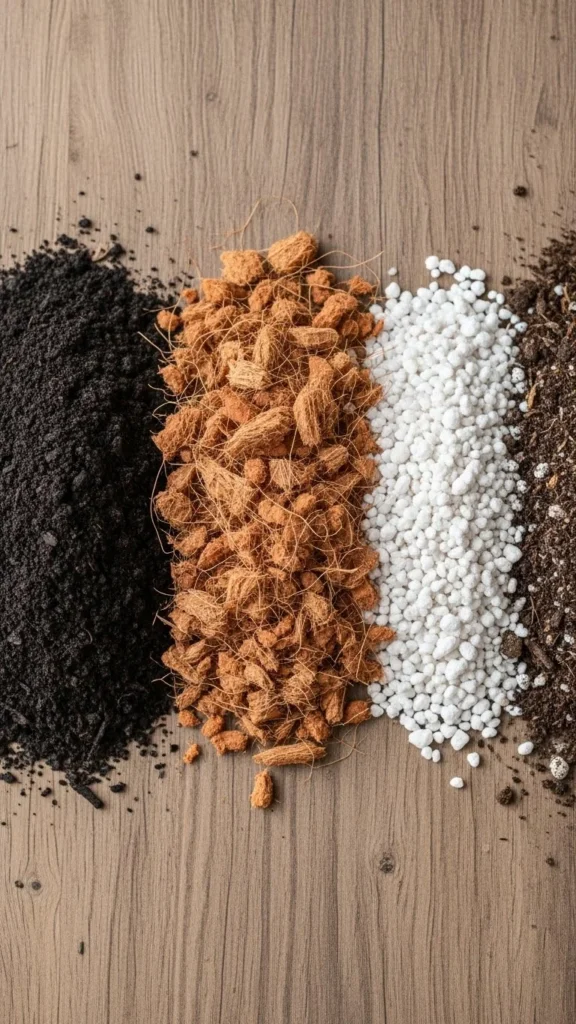
Here are the most effective components for heat-retaining mixes:
- Dark compost
Absorbs sunlight faster and stores warmth longer than light-colored soil. - Coco coir or peat alternatives
Improves insulation while maintaining moisture balance. - Aged leaf mold
Adds organic matter that traps warmth and air pockets. - Mineral soil (loam)
Provides weight and thermal mass that slows heat loss.
Avoid overly sandy mixes if warmth is your goal. Sand drains fast but also cools quickly.
How to Build a Heat-Retaining Soil Mix
You don’t need a complicated recipe. Balance is the key.
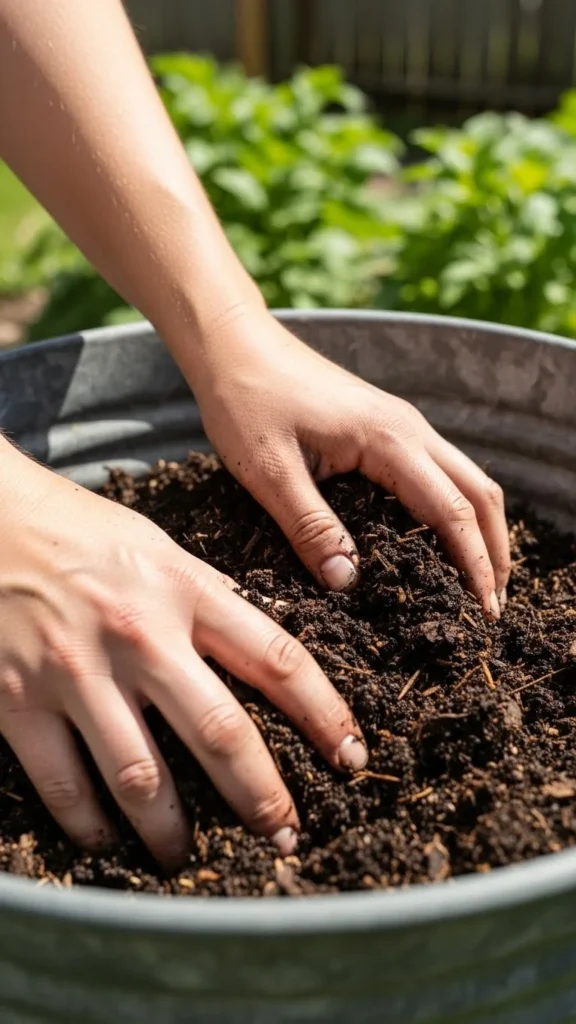
A simple base mix:
- 40% garden soil or loam
- 30% compost
- 20% coco coir or leaf mold
- 10% perlite or coarse material for airflow
Mix thoroughly so heat-retaining materials are evenly distributed. The result should feel slightly dense but still fluffy when squeezed.
Tip: Darker mixes absorb more solar warmth, so don’t be afraid of rich, deep color.
Where and How to Use Heat-Retaining Mixes
Placement matters just as much as the mix itself.
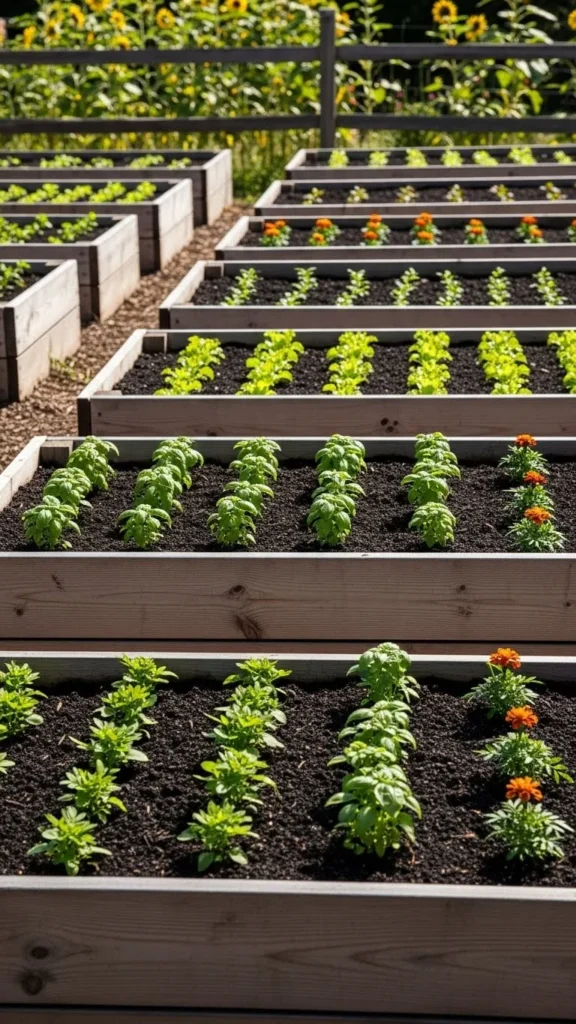
Best uses include:
- Raised beds – They cool faster than ground soil, so heat retention matters more.
- Containers – Especially clay or fabric pots that lose heat overnight.
- Cold-season planting zones – Early spring or late fall beds benefit the most.
For in-ground gardens, focus heat-retaining mixes around the root zone rather than replacing all soil. This keeps costs down and targets the area that matters.
Extra Tips to Maximize Soil Warmth
The soil mix is just one piece of the puzzle. Small adjustments can amplify results.
- Mulch lightly with dark organic material
Helps trap warmth while preventing moisture loss. - Water earlier in the day
Warm soil holds daytime heat better than cold, waterlogged soil at night. - Use natural sun exposure
South-facing beds and containers warm faster and stay warmer longer. - Avoid compacting soil
Compaction reduces air pockets that help retain heat.
These small habits work with your soil mix, not against it.
Signs Your Soil Is Doing Its Job
Wondering if your mix is working? Plants will tell you.
Look for:
- Faster early growth
- Stronger root development
- Less stress during cool nights
- Improved overall vigor
If plants perk up even when temperatures dip, your soil is supporting them well.
Common Mistakes to Avoid
Even good intentions can backfire if balance is off.
Avoid:
- Overloading with dense materials that block airflow
- Using only compost without structure
- Keeping soil constantly wet in cool weather
Warm roots need oxygen as much as warmth. Always aim for insulation and breathability.
Final Takeaway
Heat-retaining soil mixes are one of the simplest ways to support healthier plants—without extra tools or complex systems. By choosing the right ingredients, mixing thoughtfully, and placing soil where warmth matters most, you create a stable underground environment plants love.
If you garden through cool seasons or unpredictable weather, this approach can quietly transform your results.
Save this guide for later and try adjusting your soil mix this season—your plants will feel the difference.

Leave a Reply