

Winter doesn’t have to be a dull stretch of bare branches and empty pots. With the right ornamentals and a few smart strategies, your garden can stay colorful, textured, and inviting from early frost through the coldest weeks. Think glossy leaves, vibrant berries, sculptural stems, and evergreen layers that hold their shape when everything else fades. Ready to keep your outdoor space looking alive all season? Let’s get into it.
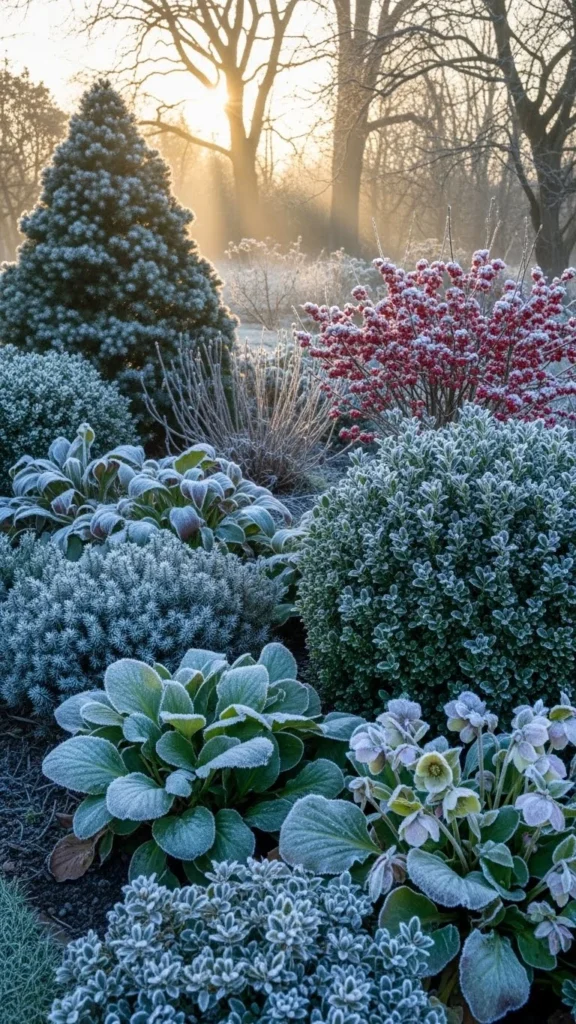
Choose Winter Ornamentals That Actually Last
Not all “winter” plants are built the same. Some look great in autumn but fade fast once temperatures dip. Focus on ornamentals known for holding their color, structure, or berries deep into winter.
Great choices include:
- Evergreens like boxwood, holly, and dwarf pine for steady green
- Berry-producing shrubs such as winterberry or beautyberry
- Plants with colorful stems, like red or yellow dogwood
- Ornamental grasses that keep their form even when dry
When shopping, check plant tags for cold hardiness and winter interest. If it looks good in January photos, that’s a good sign it will perform well in your space too.
Prep the Soil Before Cold Sets In
Healthy soil is the quiet hero of winter gardening. Before the ground freezes, give your ornamentals the best possible foundation.
Simple soil prep tips:
- Loosen compacted soil so roots can breathe
- Mix in compost to improve drainage and insulation
- Avoid heavy, waterlogged areas where roots can struggle
Good soil helps plants regulate moisture and temperature, which makes a big difference during freeze-thaw cycles.
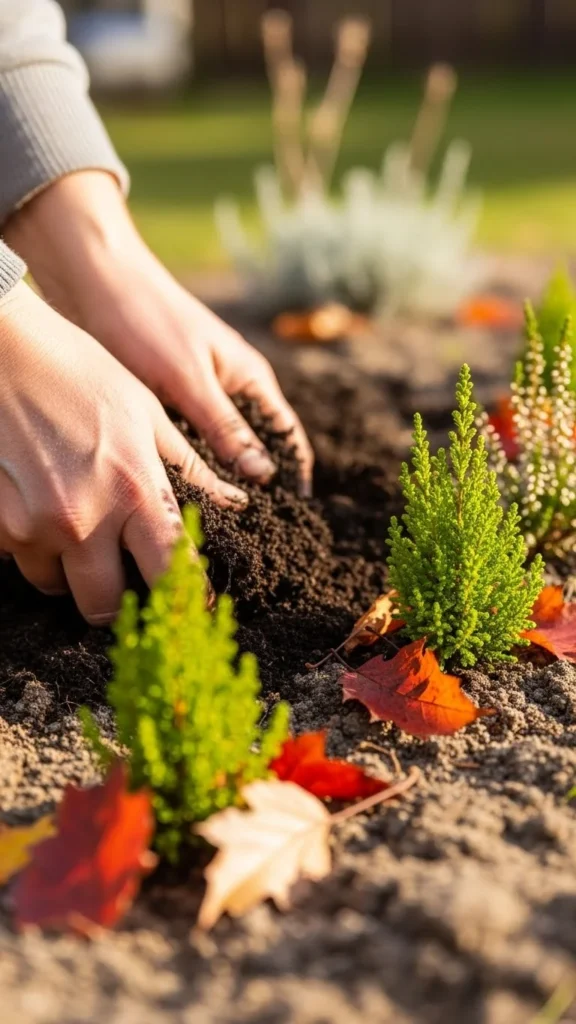
Master Mulching for Winter Protection
Mulch isn’t just about looks—it’s one of the most important tools for winter ornamentals. A proper mulch layer helps regulate soil temperature and protects roots from sudden cold snaps.
How to mulch the right way:
- Apply 2–3 inches around the base of plants
- Keep mulch a few inches away from stems
- Use natural materials like bark, pine needles, or shredded leaves
Mulch also keeps soil from drying out, which is especially helpful when winter rain or snow is inconsistent.
Water Smart Before and During Winter
It may sound strange, but winter ornamentals still need water. Dry soil combined with cold air can stress plants more than frost alone.
Keep this routine simple:
- Water deeply before the first hard freeze
- Check soil moisture during dry winter spells
- Focus on mornings so excess moisture doesn’t linger overnight
Well-hydrated plants handle cold much better and are less likely to show damage by late winter.
Use Containers for Flexible Winter Color
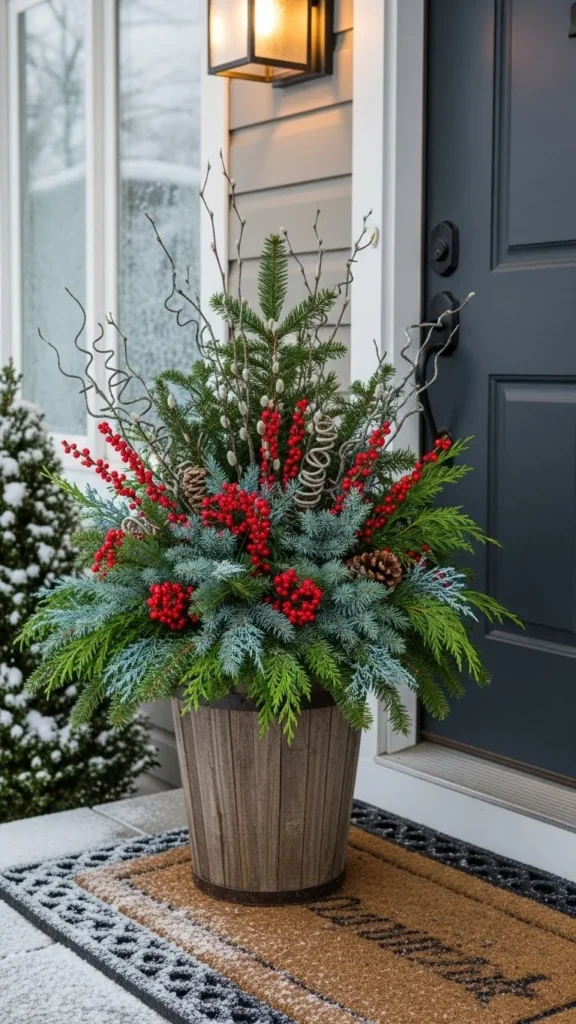
Containers are a secret weapon for winter ornamentals. They let you move plants to protected spots and refresh your look anytime.
Container-friendly winter ideas:
- Mix a small evergreen with trailing ivy
- Add berry branches or decorative twigs for contrast
- Use insulated or thick-walled pots to protect roots
If temperatures drop sharply, containers can be shifted closer to walls or covered temporarily for extra protection.
Protect Plants From Wind and Heavy Frost
Cold wind can be tougher on plants than low temperatures alone. Sheltering your ornamentals helps them keep moisture and avoid damage.
Easy protection methods:
- Place burlap screens on windy sides
- Group pots together to create warmth
- Use garden fabric during extreme cold spells
Think of it as adding a light winter jacket to your plants—just enough to help them through harsh days.
Keep Things Looking Fresh With Light Pruning
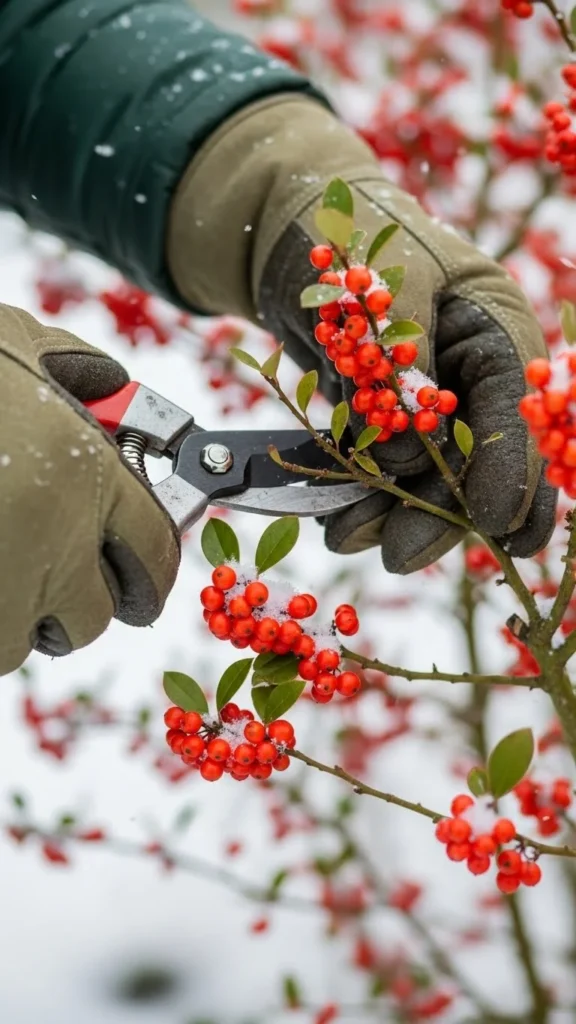
Winter ornamentals don’t need heavy pruning, but a little cleanup goes a long way. Remove broken branches or damaged leaves to keep plants looking tidy.
Focus on:
- Cutting back snapped stems after storms
- Removing faded foliage that drags down the look
- Leaving berries and seed heads for visual interest
Less is more here. The goal is to enhance structure, not force new growth.
Layer for Visual Interest All Season
The most beautiful winter gardens use layers. Combine heights, textures, and colors so something always catches the eye.
Try this approach:
- Tall shrubs or small trees in the back
- Medium evergreens and berry plants in the middle
- Ground-level plants, grasses, or containers in front
This layered look feels intentional and keeps your space visually rich even on gray days.
Final Thoughts: Enjoy the Quiet Beauty of Winter Gardening
Growing winter ornamentals all season long isn’t about fighting the cold—it’s about working with it. With the right plants, smart prep, and a little care, your garden can stay vibrant when most landscapes go quiet. Winter has its own kind of beauty, and your outdoor space deserves to show it.
Save this guide for later and start planning your winter garden now—you’ll thank yourself when everything else fades and your ornamentals keep shining

Leave a Reply