

Winter doesn’t have to mean bare gardens and store-bought bouquets. With a little planning, you can step outside on a chilly morning and cut fresh stems for arrangements that feel calm, seasonal, and special. Winter cut flowers bring texture, softness, and life indoors when you crave it most—and they’re surprisingly achievable, even for beginners.
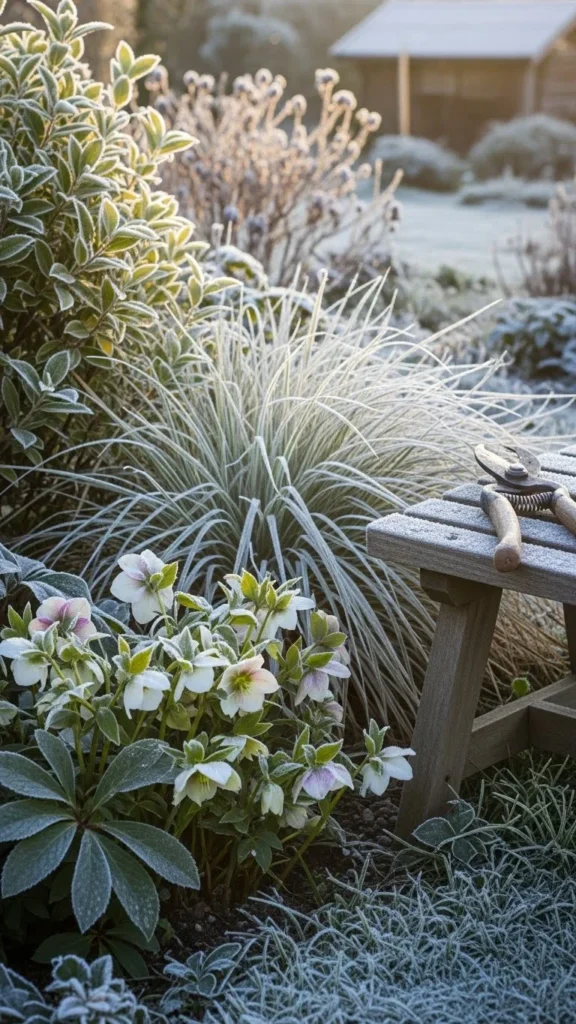
Why Grow Cut Flowers in Winter?
Winter bouquets feel different from summer ones—and that’s the charm. Instead of bright color overload, winter arrangements shine with:
- Soft whites, blush tones, and muted greens
- Interesting shapes like berries, seed heads, and branches
- Long-lasting stems that hold well indoors
Growing your own also means you can cut exactly what you need, when you need it, without relying on stores.
Choose the Right Winter-Friendly Flowers
Not all flowers love cold weather, but several thrive—or at least tolerate—it beautifully. Focus on hardy and cool-season bloomers.
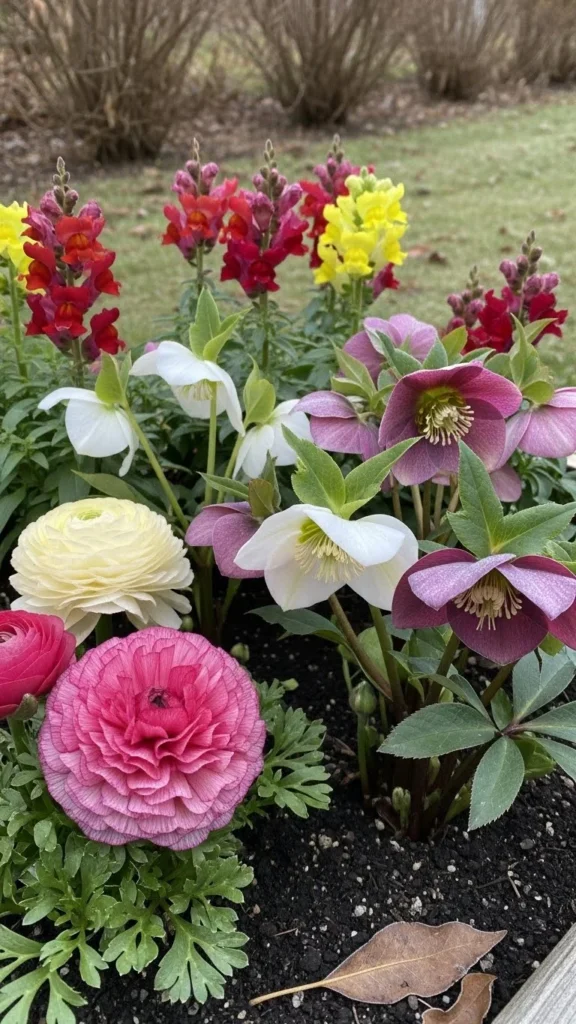
Good winter cut flower options include:
- Hellebores – Elegant blooms that last a long time in vases
- Sweet peas (under cover) – Fragrant and delicate
- Calendula – Cheerful color in mild winters
- Snapdragons – Tough stems with vertical interest
- Stock – Soft scent and pastel shades
- Ranunculus – Perfect for protected winter growing
Tip: If your winters are very cold, prioritize flowers that can be grown under protection.
Decide Where to Grow: Beds, Containers, or Cover
Location makes all the difference in winter success.
In-Ground Beds
Best for:
- Mild winter climates
- Hardy perennials and cold-tolerant annuals
Make sure soil drains well. Winter wetness causes more problems than cold.
Containers
Perfect for:
- Small spaces
- Moving plants out of harsh weather
Use deep pots and raise them slightly off the ground to improve drainage.
Protected Growing (Highly Recommended)
This includes:
- Cold frames
- Low tunnels
- Unheated greenhouses
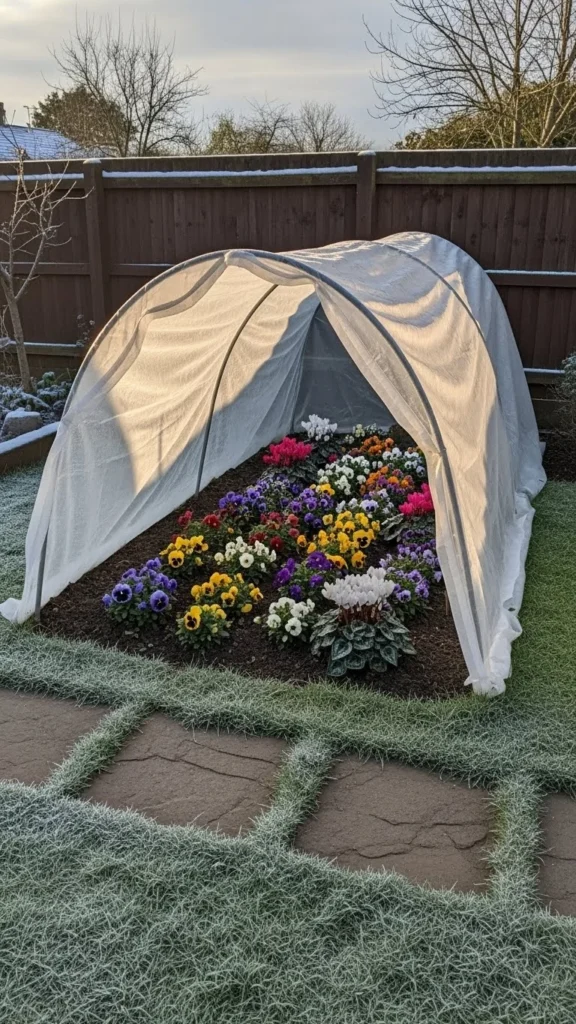
Even basic protection can boost growth and extend bloom time by weeks.
Planting Timing Matters More Than You Think
Most winter cut flowers are planted earlier than expected.
- Late summer to early fall: Ideal for hardy annuals
- Early fall: Best for perennials and biennials
- Late fall: Only for mild climates or protected setups
The goal is to let plants establish roots before deep cold hits. Strong roots mean better winter survival and stronger stems for cutting.
Winter Care Without the Fuss
Winter flower care is simple—but consistent.
Key tips:
- Water sparingly but don’t let soil fully dry
- Remove damaged leaves to prevent rot
- Vent covers on sunny days to avoid excess moisture
- Avoid heavy feeding—light compost is enough
Plants grow slower in winter, and that’s okay. Strong, steady growth equals sturdier stems.
How to Cut Flowers for Longer-Lasting Bouquets
Cutting correctly makes a big difference in vase life.
Follow these steps:
- Cut in the morning when stems are hydrated
- Use clean, sharp scissors or pruners
- Cut stems at an angle
- Remove lower leaves before arranging
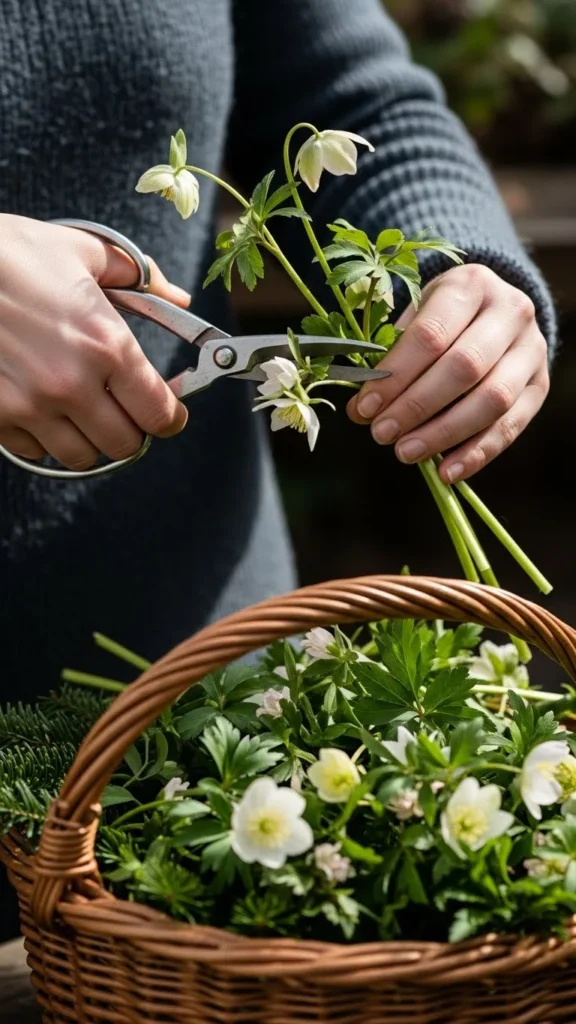
After cutting, place stems in cool water immediately and let them condition indoors for a few hours before arranging.
Styling Winter Bouquets Like a Pro
Winter bouquets shine when they feel natural and relaxed.
Easy styling ideas:
- Mix flowers with evergreen foliage
- Add berries or seed pods for texture
- Keep arrangements loose, not tightly packed
- Use neutral vases: ceramic, glass, or stoneware
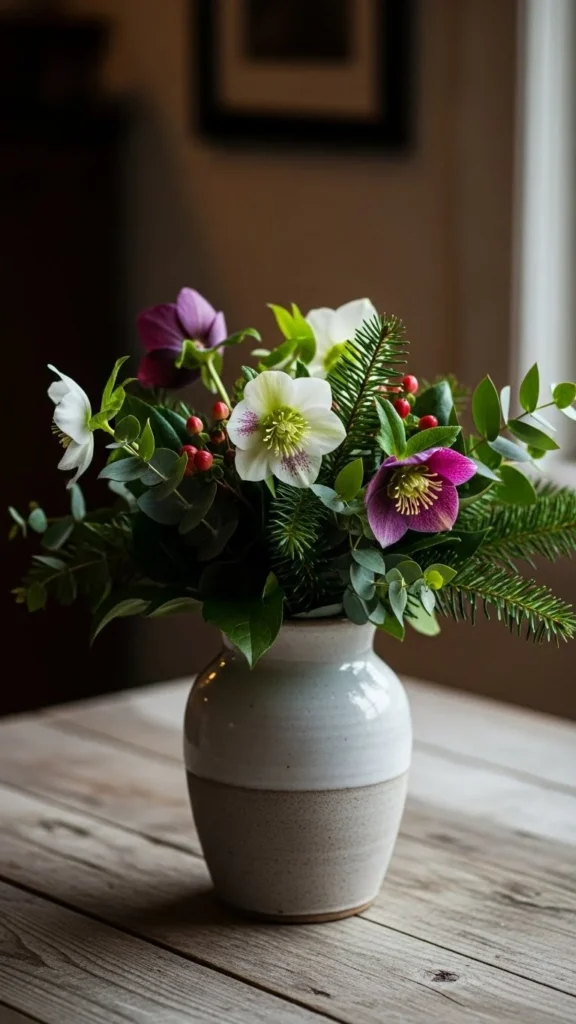
Smaller arrangements work especially well in winter—they feel intentional and calm.
Common Winter Growing Mistakes to Avoid
Even experienced gardeners slip up here.
Avoid:
- Overwatering in cold weather
- Crowding plants too closely
- Ignoring airflow under covers
- Expecting fast growth
Winter flowers reward patience. Slow growth often means stronger stems and longer-lasting blooms.
A Little Effort, A Lot of Beauty
Growing winter cut flowers is about working with the season, not fighting it. With hardy varieties, light protection, and simple care, you can enjoy fresh bouquets when the garden usually rests.
Save this guide, plan your winter planting, and give yourself the gift of home-grown beauty all season long.
Leave a Reply