

Winter doesn’t have to mean pressing pause on fresh fruit dreams. In fact, some mini fruit bushes are surprisingly tough and can thrive through cold months with the right care. Whether you garden in containers on a patio or have a small backyard plot, winter-growing hardy fruit bushes can reward you with healthy plants ready to burst into growth come spring.
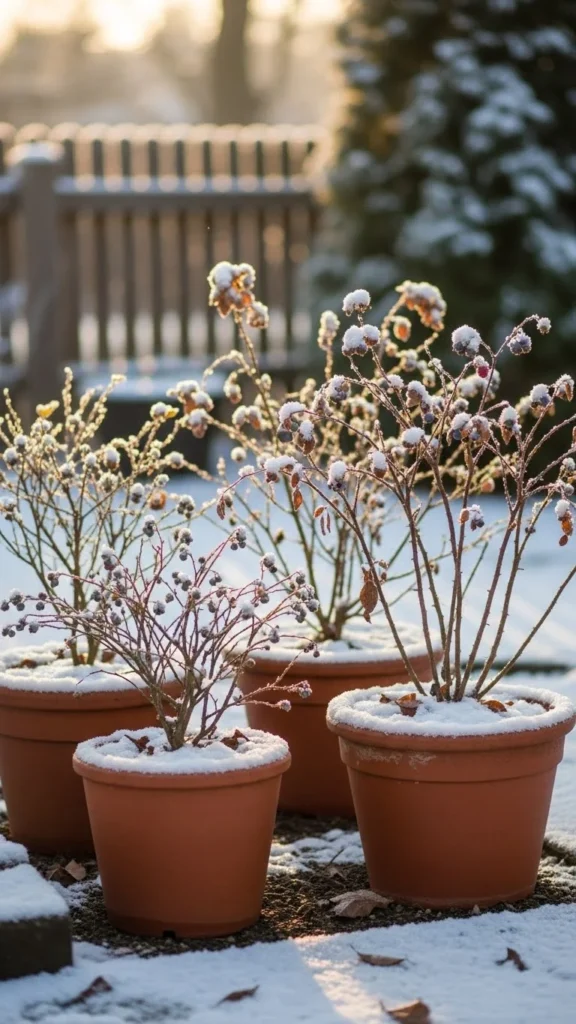
This guide walks you through simple, realistic steps to help your mini fruit bushes survive—and even strengthen—through winter.
Choose the Right Hardy Mini Fruit Bushes
Success starts with smart plant choices. Not all fruit bushes are winter-friendly, but many compact varieties are bred to handle cold temperatures.
Great options include:
- Dwarf blueberries – Cold-hardy and ideal for containers
- Mini raspberries – Especially alpine or compact types
- Currants and gooseberries – Naturally resilient in cold climates
- Lingonberries – Excellent for colder regions and small spaces
Look for plant labels that mention:
- Cold hardiness zones
- Container suitability
- Compact or dwarf growth habits
Choosing the right bush reduces winter stress and makes protection easier.
Prepare the Soil Before Deep Cold Sets In
Healthy soil acts like insulation for plant roots. Before winter fully arrives, give your mini bushes a strong foundation.
Key soil prep tips:
- Use well-draining soil to prevent root rot
- Mix in compost to improve structure and nutrients
- Avoid heavy clay that traps excess moisture
If your bushes are in containers:
- Choose pots with drainage holes
- Elevate pots slightly to prevent water buildup
- Use frost-resistant containers when possible
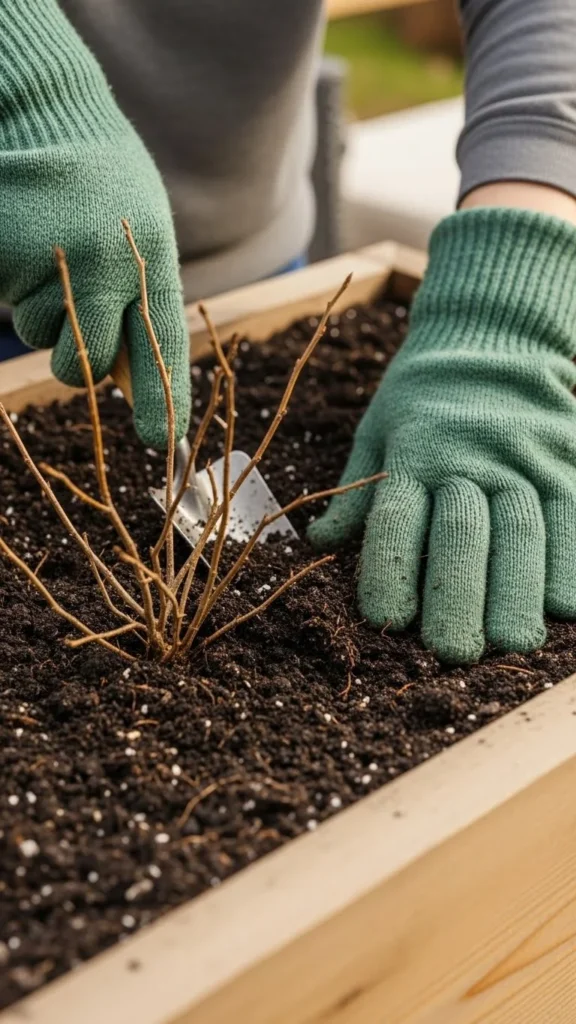
Strong soil now means less work later when the ground freezes.
Mulch Generously to Insulate Roots
Mulch is your winter MVP. It keeps soil temperatures stable and protects roots from freezing and thawing cycles.
Best mulching materials:
- Straw
- Shredded leaves
- Pine needles
- Bark chips
How to mulch correctly:
- Apply 2–4 inches around the base
- Keep mulch slightly away from the stem
- Replenish if it compresses during winter
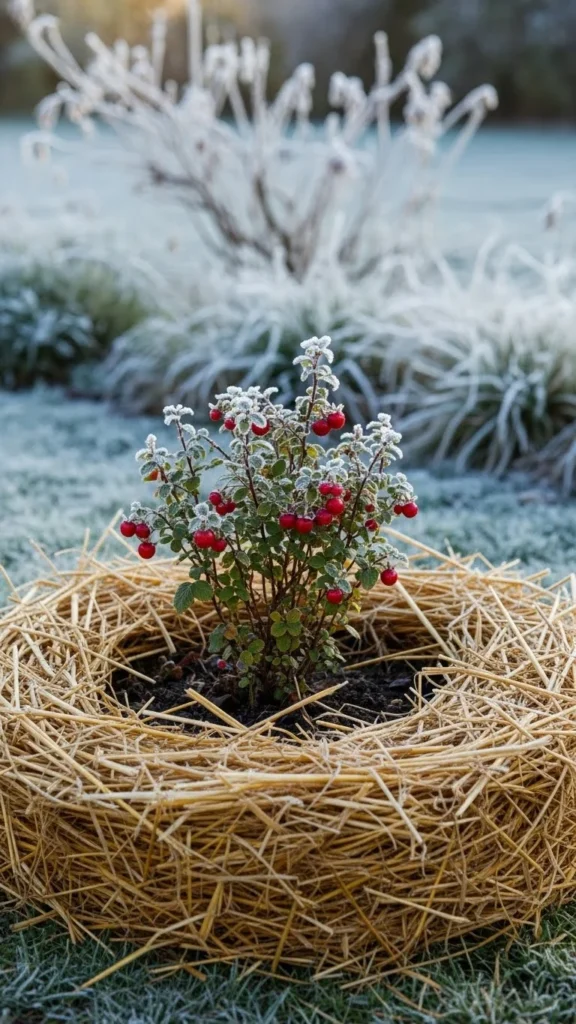
Mulching not only protects roots but also improves soil health over time.
Protect Bushes From Harsh Wind and Frost
Winter wind can be more damaging than cold itself. Shielding your plants makes a huge difference.
Simple protection ideas:
- Move containers close to walls or fences
- Use burlap wraps around exposed plants
- Group pots together to create warmth
For ground-planted bushes:
- Install temporary wind barriers
- Use breathable fabric covers during extreme cold
- Avoid plastic directly on plants
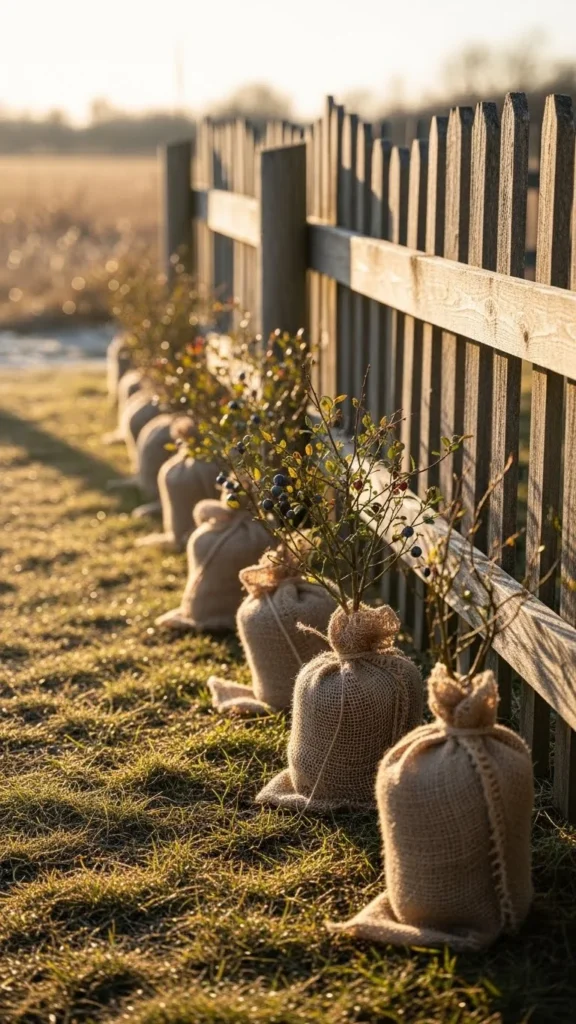
Protection doesn’t have to be fancy—just consistent.
Water Smartly During Winter
It’s a common myth that plants don’t need water in winter. Hardy fruit bushes still require moisture, just less often.
Winter watering tips:
- Water during dry spells when soil isn’t frozen
- Avoid overwatering
- Check container soil more frequently than ground soil
Always water earlier in the day so moisture doesn’t freeze overnight.
Prune Lightly and Avoid Overdoing It
Heavy pruning in winter can weaken mini fruit bushes. Instead, focus on light maintenance.
What to prune:
- Dead or broken branches
- Diseased stems
- Crossing growth that rubs
What to avoid:
- Major shape pruning
- Cutting back healthy growth
- Removing buds unnecessarily
Save bigger pruning jobs for early spring.
Monitor and Adjust as Winter Progresses
Winter care isn’t a one-time task. Keep an eye on your plants throughout the season.
Check regularly for:
- Mulch displacement
- Frost damage
- Signs of pests hiding in protected areas
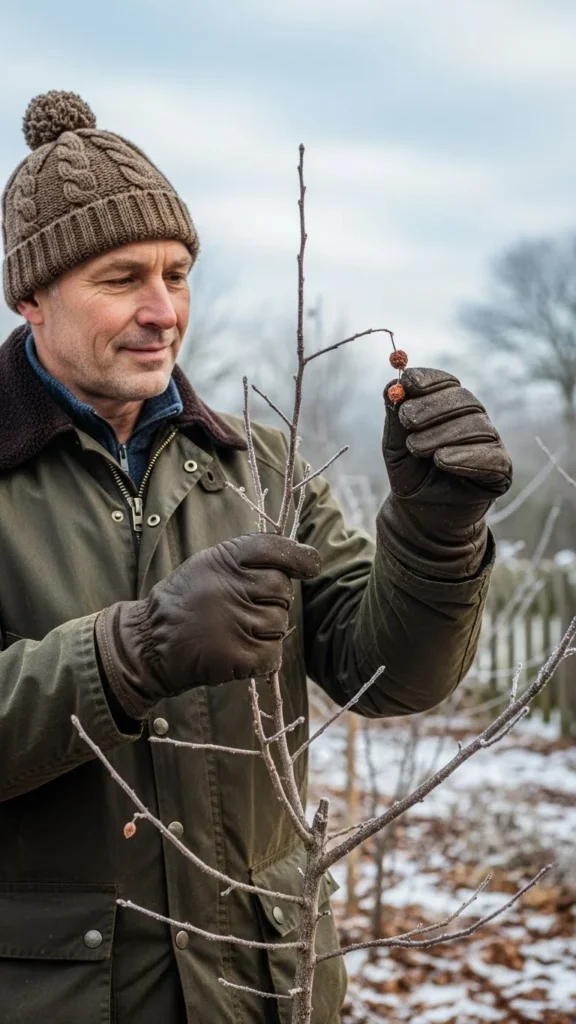
Small adjustments now can prevent bigger problems later.
Enjoy the Long-Term Rewards
Growing hardy mini fruit bushes in winter builds stronger plants with better yields later. You’re not just protecting greenery—you’re investing in future harvests.
By choosing the right varieties, insulating roots, and offering simple protection, your fruit bushes will rest safely through winter and wake up ready to grow.
Save this guide for later and give your winter garden a head start on a fruitful season!

Leave a Reply