

Winter doesn’t have to mean empty garden beds or store-bought greens that lack freshness. With the right approach, you can enjoy crisp, homegrown winter greens even when temperatures drop. Hardy greens are tougher than they look—and once you understand their needs, they’ll reward you with steady harvests all season long.
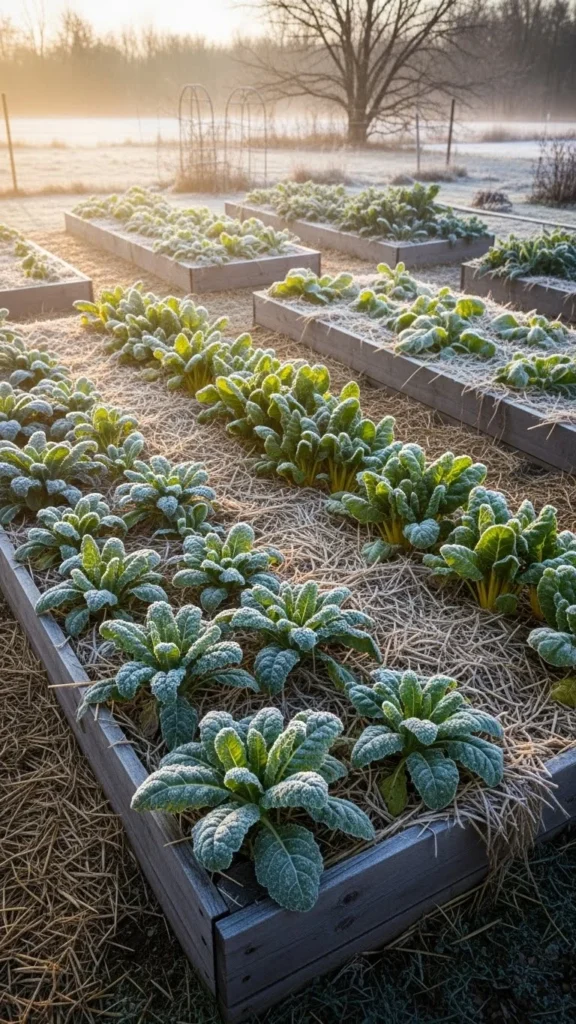
Why Winter Greens Are Worth Growing
Hardy winter greens are built for cooler weather. Many actually taste better after a light frost, becoming sweeter and more tender. Beyond flavor, they offer:
- Fresh harvests when most gardens are dormant
- Fewer pests compared to warm seasons
- Lower watering needs
- A productive use of garden space year-round
Popular choices include kale, spinach, Swiss chard, arugula, mustard greens, and mâche. These greens don’t just survive cold—they thrive in it.
Choose the Right Greens for Cold Weather
Not all greens handle winter the same way. Success starts with smart plant selection.
Look for varieties labeled as:
- Cold-hardy
- Frost-tolerant
- Winter types
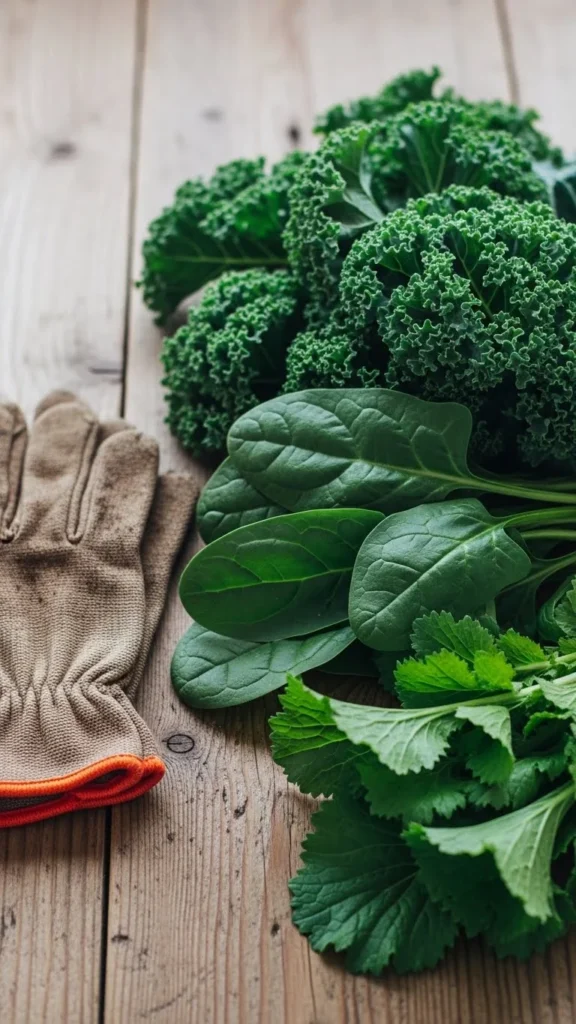
Reliable winter greens include:
- Kale (especially curly or Siberian types)
- Spinach (winter or savoy varieties)
- Mustard greens
- Collard greens
- Tatsoi and mâche
These plants slow their growth in cold weather but stay alive and harvestable.
Prepare Your Soil Before the Cold Sets In
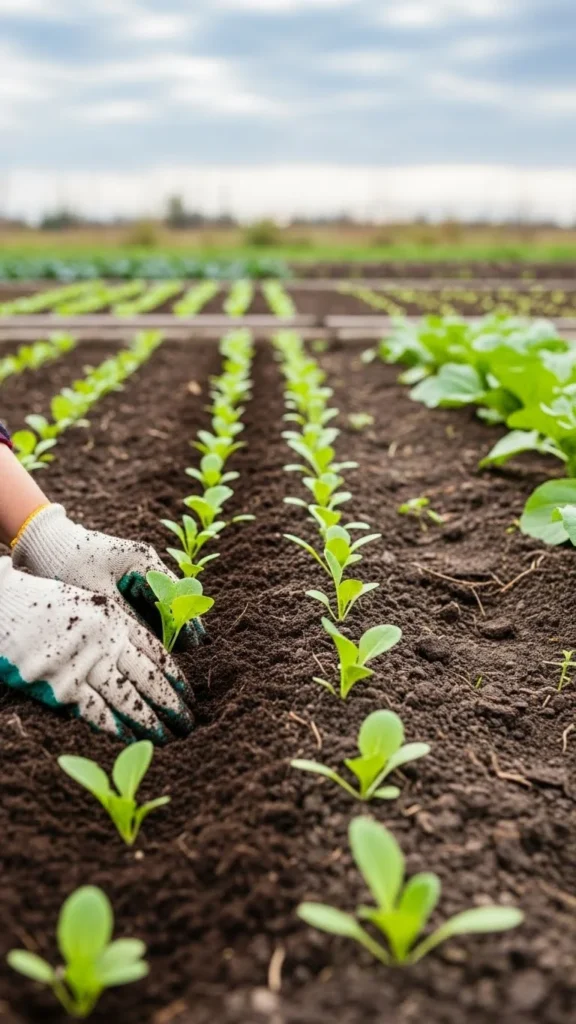
Healthy soil is your winter garden’s foundation. Cold soil doesn’t recover easily, so preparation matters.
Before planting:
- Loosen soil to improve drainage
- Mix in compost for nutrients
- Remove weeds that compete for space
- Level beds to avoid water pooling
Well-fed soil helps roots stay strong when temperatures fluctuate.
Plant at the Right Time
Timing makes all the difference. Winter greens should be established before deep cold arrives.
General planting tips:
- Sow seeds in late summer to early fall
- Aim for plants to reach half maturity before frost
- Cooler nights slow growth, so plan ahead
Once plants are established, they’ll hold steady through cold months, even if growth pauses.
Protect Greens From Harsh Winter Conditions
Even hardy greens appreciate extra protection. Simple coverings can extend your growing season by weeks or even months.
Effective protection options:
- Floating row covers
- Cold frames
- Low tunnels with hoops
- Thick mulch around plant bases
These shields trap warmth, reduce wind damage, and prevent heavy frost from stressing plants.
Water Smartly in Winter
Winter watering is different from summer routines. Overwatering is more harmful than dryness during cold months.
Follow these tips:
- Water during warmer parts of the day
- Check soil moisture before watering
- Avoid soaking frozen ground
- Ensure good drainage
Most winter greens need less water since evaporation is low.
Harvest the Right Way
Gentle harvesting encourages continued growth and keeps plants healthy.
Best harvesting practices:
- Pick outer leaves first
- Leave the center growing point intact
- Harvest during milder weather
- Use clean scissors or garden shears
Regular light harvesting helps plants focus energy on new leaves.
Watch for Common Winter Challenges
Winter gardens are quieter, but problems can still happen.
Keep an eye out for:
- Yellowing leaves (often nutrient-related)
- Slugs hiding under covers
- Rot caused by poor drainage
- Damage from sudden temperature drops
Quick adjustments—like better airflow or lighter watering—can solve most issues fast.
Enjoy the Flavor Payoff
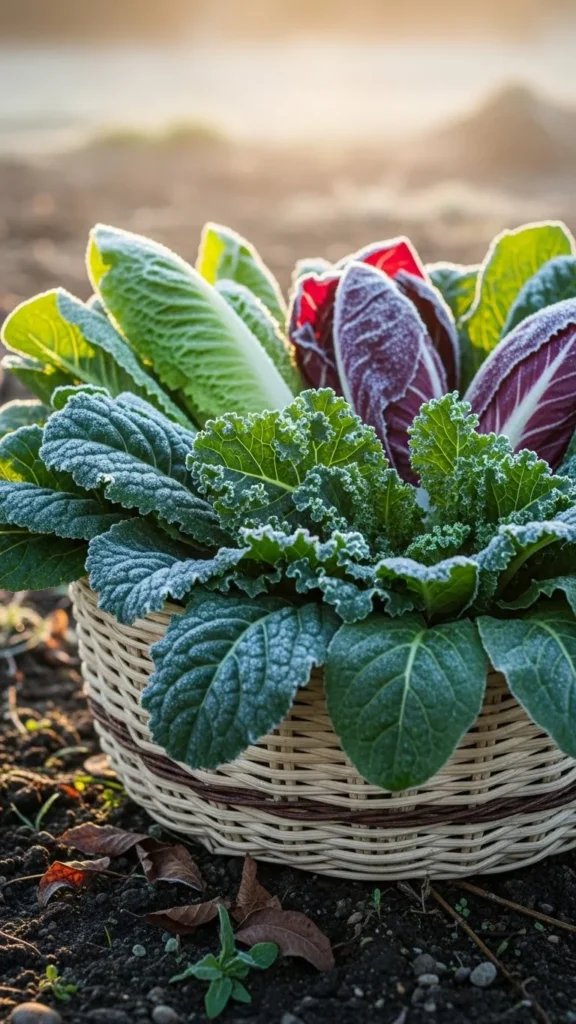
One of the best parts of growing winter greens is taste. Cold weather triggers natural sugars in the leaves, making them sweeter and more flavorful than summer harvests. A light frost often improves texture and depth of flavor.
Final Takeaway
Growing hardy winter greens is easier than it looks—and incredibly rewarding. With smart plant choices, good soil prep, and simple protection, you can enjoy fresh greens straight from your garden when others think growing season is over.
Save this guide for later, grab your gloves, and start planting your winter harvest today

Leave a Reply