

Winter landscapes don’t have to look bare or dull. An evergreen hedge can bring year-round color, privacy, and structure—especially when everything else goes dormant. Whether you’re hoping to block wind, define your property line, or simply enjoy greenery during the coldest months, planting an evergreen winter hedge is a smart, lasting upgrade.
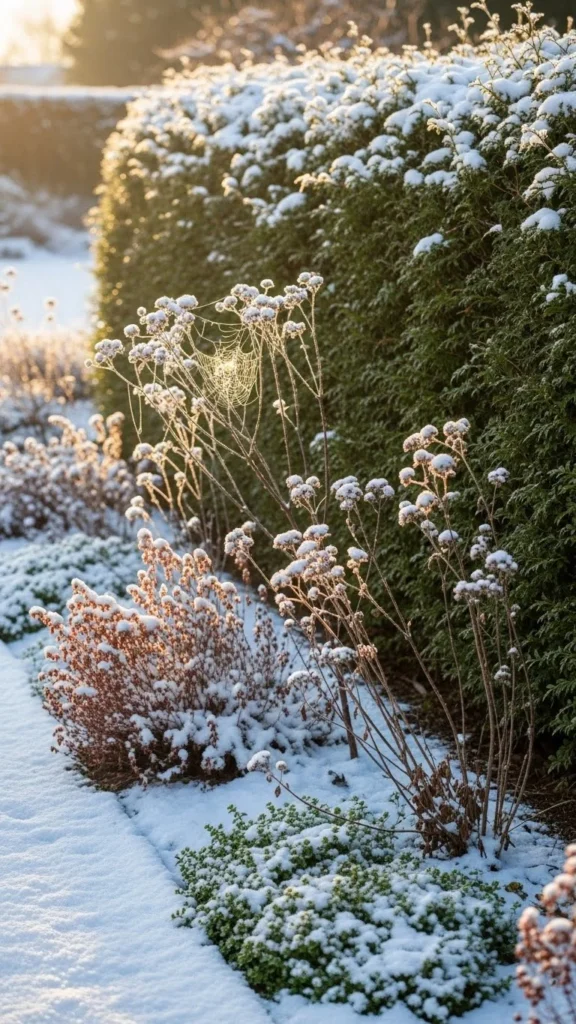
Below is a simple, beginner-friendly guide to help you plan, plant, and care for an evergreen hedge that thrives through winter and beyond.
Why Choose an Evergreen Hedge for Winter?
Evergreens keep their foliage all year, making them perfect for winter interest. Unlike deciduous shrubs, they don’t lose their leaves, so your garden stays full and protected even in cold weather.
Benefits of evergreen hedges:
- Year-round privacy and wind protection
- Visual structure when flowers fade
- Natural noise reduction
- Long-term, low-maintenance landscaping
Once established, an evergreen hedge becomes one of the hardest-working features in your yard.
Choosing the Right Evergreen Plants
Not all evergreens are equal, especially when winter temperatures drop. The key is selecting varieties suited to your climate and hedge goals.
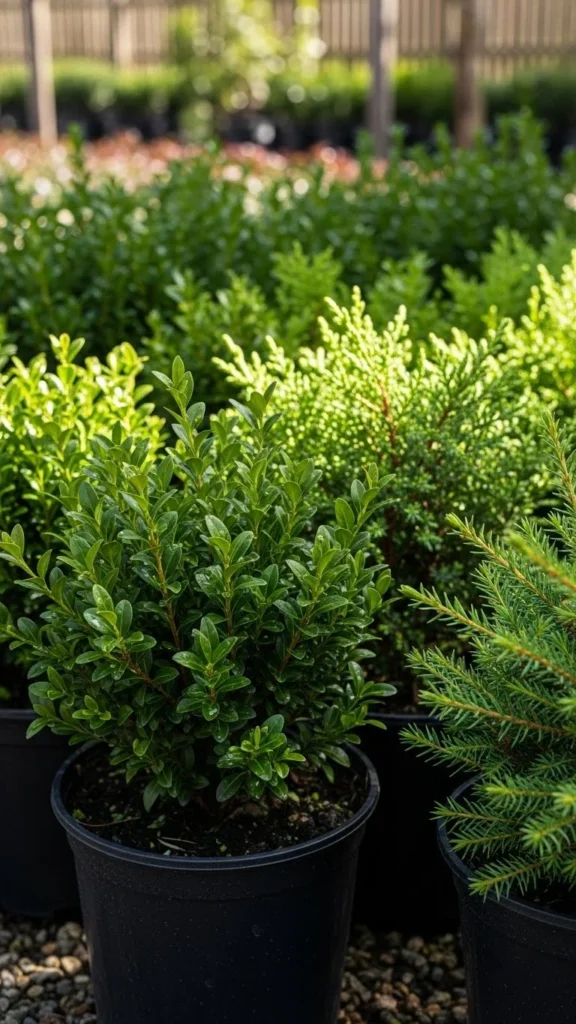
Popular hedge-friendly evergreens include:
- Compact conifers for neat, formal hedges
- Broadleaf evergreens for fuller coverage
- Narrow varieties for small or tight spaces
When choosing plants, consider:
- Mature height and width (avoid overcrowding)
- Sun exposure (full sun vs. partial shade)
- Cold hardiness for your region
A little research now prevents big pruning problems later.
Preparing the Soil for Winter Planting
Healthy roots start with well-prepared soil. Winter hedges struggle in compacted or poorly drained ground, so preparation is essential.
Before planting:
- Clear weeds, grass, and debris
- Loosen soil 12–18 inches deep
- Mix in compost or organic matter
- Check drainage (water should not pool)
If your soil stays soggy in winter, consider raising the planting area slightly to protect roots from excess moisture.
How to Space and Layout Your Hedge
Proper spacing determines whether your hedge looks lush or patchy years from now. Plants set too close compete for nutrients, while plants spaced too far apart leave gaps.
General spacing tips:
- Measure mature width, not current size
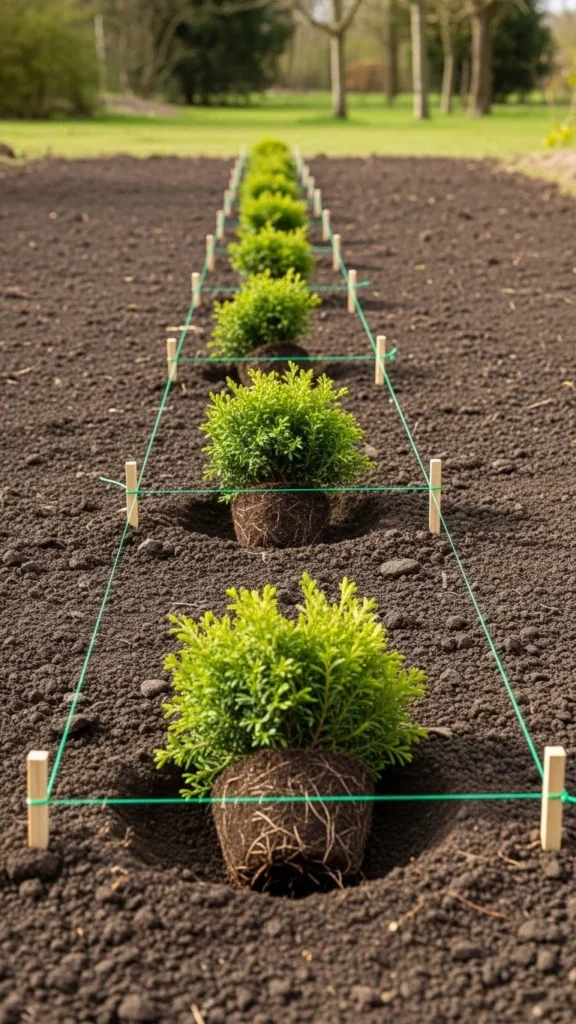
- Space plants evenly in a straight or gently curved line
- Use stakes and string for alignment
Take your time with layout—it’s much easier to adjust spacing before planting than after roots are in the ground.
Step-by-Step: Planting an Evergreen Winter Hedge
Planting during cool weather helps roots establish without stress from heat.
Follow these simple steps:
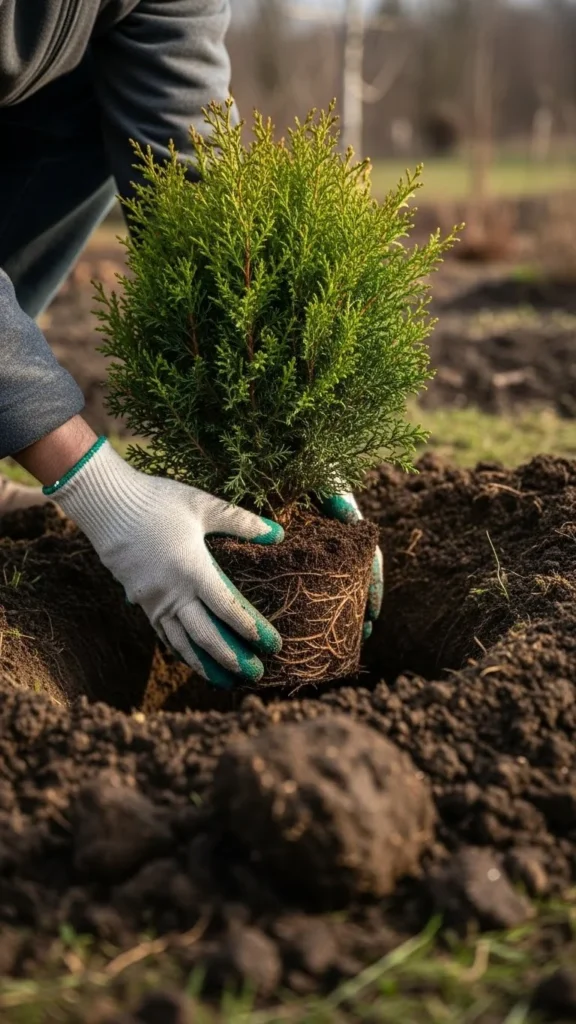
- Dig holes twice as wide as the root ball
- Keep the hole depth equal to root height
- Place plants so the root top sits level with soil
- Backfill gently, firming soil as you go
- Water deeply after planting
Avoid piling soil against stems—this can lead to rot over time.
Mulching and Watering for Winter Success
Mulch is your hedge’s winter blanket. It protects roots from temperature swings and helps retain moisture.
Best mulching practices:
- Apply 2–3 inches of mulch
- Keep mulch a few inches away from stems
- Use natural materials like wood chips or bark
Water thoroughly after planting and continue watering until the ground freezes. Moist soil insulates roots better than dry soil.
Caring for Your Hedge Through the Cold Months
Newly planted hedges need gentle care during their first winter.
Winter care tips:
- Water during dry spells when soil isn’t frozen
- Brush off heavy snow to prevent bending
- Avoid pruning until spring growth begins
Patience is key—most evergreens focus on root growth first before showing noticeable top growth.
[Image Prompt] Evergreen hedge lightly covered in snow, protected roots with mulch, calm winter garden scene, natural daylight, no text on image.
Common Mistakes to Avoid
Even hardy evergreens can struggle if planted incorrectly.
Watch out for:
- Planting too deep
- Skipping soil preparation
- Overcrowding plants
- Forgetting to water before freezing
Avoiding these mistakes gives your hedge the best possible start.
Final Takeaway
Planting an evergreen winter hedge is one of the most rewarding garden projects you can tackle. With the right plants, proper spacing, and thoughtful winter care, you’ll enjoy year-round greenery, privacy, and structure for many seasons to come.
Save this guide for later—and start planning your winter-ready hedge today!

Leave a Reply