

Winter might seem like an unlikely time to think about flowers—but it’s actually one of the best moments to start a wildflower patch. Cold weather helps many native seeds germinate naturally, giving you stronger plants and a more vibrant spring display with less effort.
If you love the idea of letting nature do most of the work, this guide is for you. Let’s walk through how to create a winter wildflower patch that blooms beautifully when warmer days return.
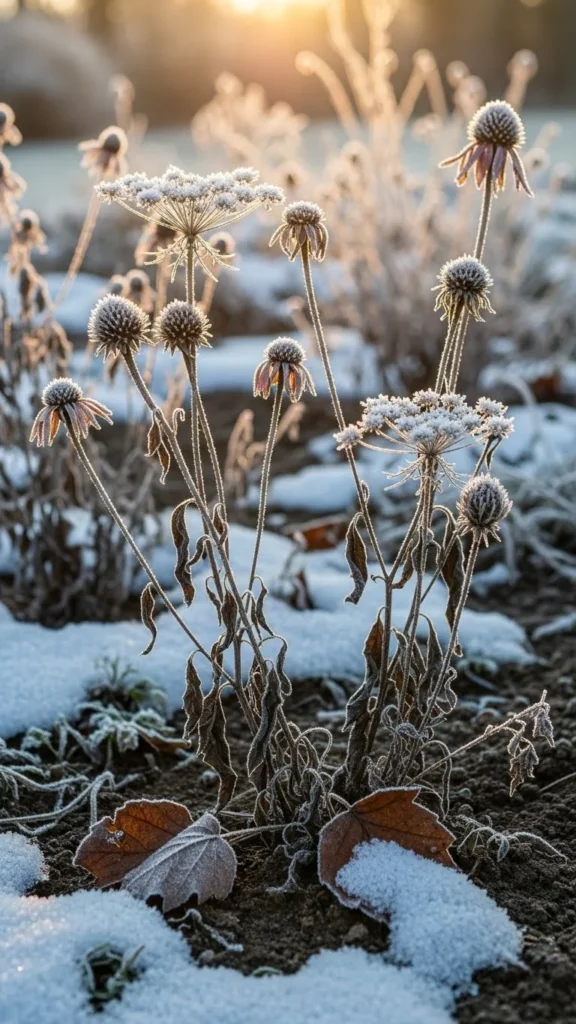
Why Winter Is Perfect for Wildflowers
Many wildflowers evolved to sprout after experiencing cold temperatures. This process—often called natural cold exposure—breaks seed dormancy and improves germination rates.
Starting in winter means:
- Less competition from weeds
- Natural moisture from rain or snow
- Stronger root systems by spring
- Earlier and more abundant blooms
Best of all, winter sowing requires minimal maintenance. You plant once, then let the season handle the rest.
Choosing the Right Wildflower Seeds
Not all flowers enjoy winter planting, so selecting the right mix is key.
Look for seeds labeled as:
- Native wildflowers for your region
- Cold-hardy annuals or perennials
- Fall or winter sowing friendly
Great winter-friendly wildflowers include:
- Black-eyed Susan
- Cornflower
- Poppies
- Lupine
- Coneflower
- Yarrow
Native plants are especially valuable because they support local pollinators and adapt better to your climate.
Finding the Perfect Spot
Wildflowers thrive when they’re planted in the right place from the start.
Choose a location with:
- Full sun (at least 6 hours daily)
- Good drainage (avoid soggy areas)
- Low foot traffic
Wildflower patches work well along fences, garden edges, unused lawn sections, or natural-looking corners of your yard.
Preparing the Ground (Keep It Simple)
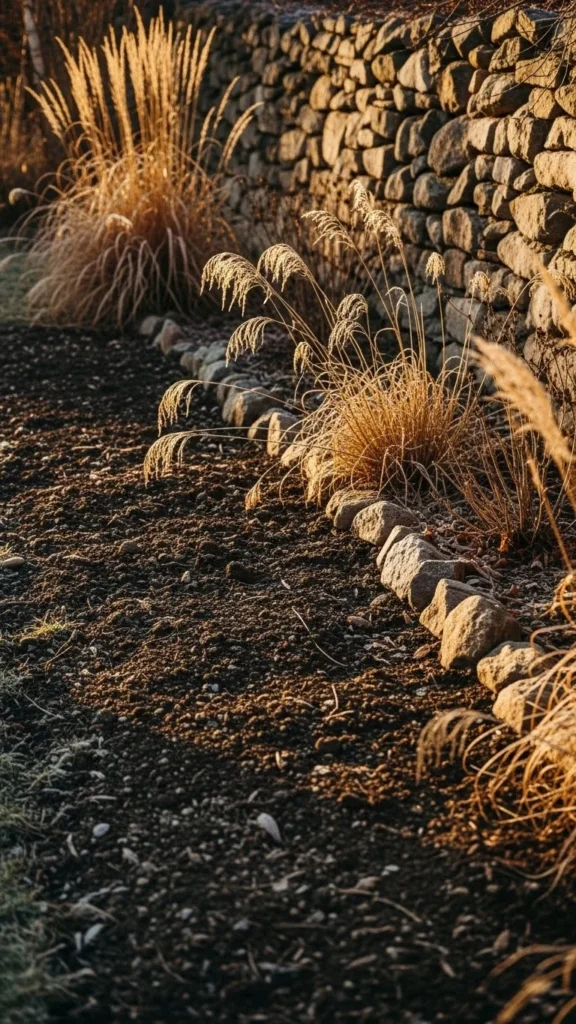
Wildflowers prefer lean soil—overly rich ground can actually lead to more leaves than blooms.
Follow these easy steps:
- Clear away grass and weeds
- Lightly rake the surface to loosen soil
- Remove large rocks or debris
- Avoid adding fertilizer
The goal is bare, lightly loosened soil so seeds can make direct contact with the ground.
How to Sow Wildflower Seeds in Winter
Once your space is ready, planting takes just minutes.
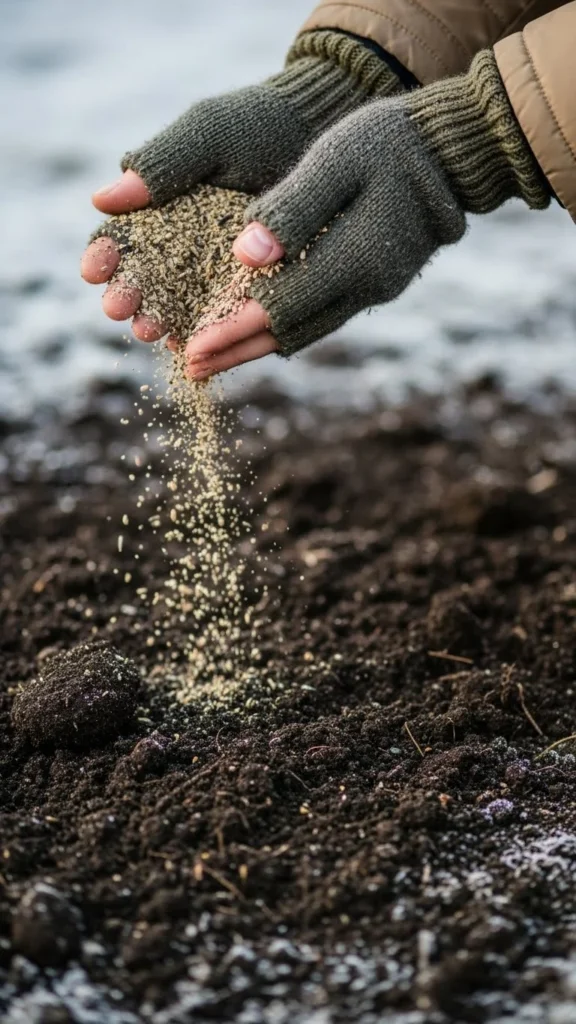
- Mix seeds with dry sand for even distribution
- Scatter seeds evenly over the soil surface
- Gently press seeds down—do not bury deeply
- Let rain and snow settle them naturally
No need to water heavily in winter. Natural moisture is enough.
Protecting Your Seeds Naturally
Winter weather does most of the work, but light protection can help.
Optional tips:
- Add a thin layer of straw or dried leaves
- Use branches to discourage birds
- Avoid thick mulch that blocks light
Seeds need exposure to cold and light, so keep coverings minimal.
What to Expect in Early Spring
Don’t panic if you don’t see immediate results. Wildflowers emerge gradually.
In early spring:
- Tiny sprouts will appear unevenly
- Some areas may fill in later than others
- Growth speeds up as days warm
Avoid overwatering or fertilizing—wildflowers prefer a hands-off approach.
[Image Prompt] Early spring wildflower seedlings emerging through soil, with fresh green sprouts and morning dew.
Maintaining Your Wildflower Patch
Once established, wildflower patches are wonderfully low-maintenance.
Keep it healthy by:
- Watering only during prolonged dry spells
- Pulling invasive weeds gently by hand
- Letting flowers go to seed at season’s end
Leaving spent blooms helps reseed the area naturally for next year.
Enjoying the Benefits Beyond Beauty
A winter-started wildflower patch offers more than just color.
You’ll also gain:
- Support for pollinators
- Improved soil health
- A natural, relaxed garden look
- Fewer weeds over time
It’s one of the easiest ways to bring life and movement into your landscape.
Final Thoughts
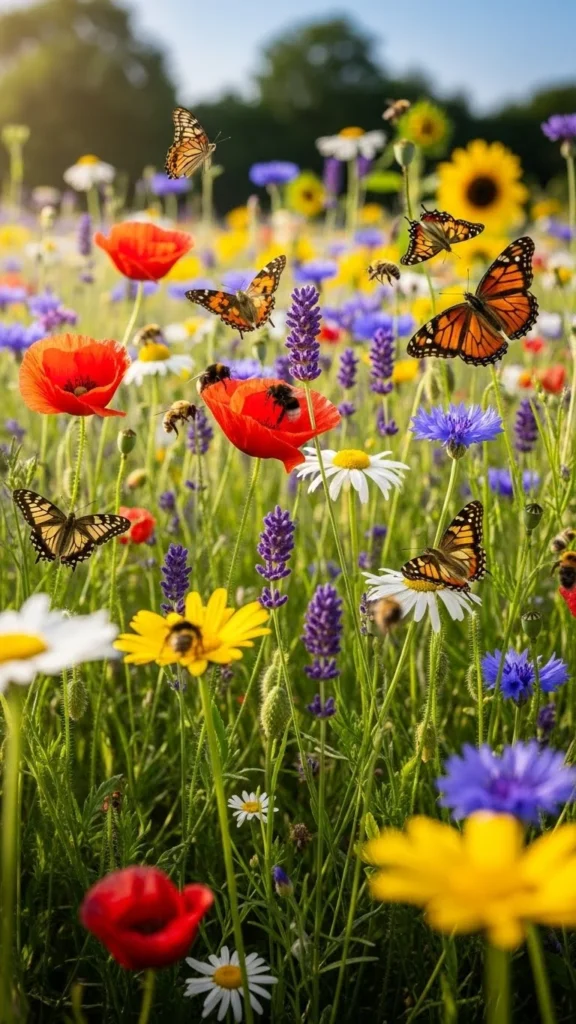
Starting a winter wildflower patch is a simple, rewarding project that pays off for months to come. With the right seeds, a sunny spot, and a little patience, you’ll be rewarded with a thriving, ever-changing display that feels effortlessly natural.
Save this guide for later and start your wildflower patch this winter—you’ll thank yourself in spring!

Leave a Reply