

Strong wind can undo weeks of careful planting in a single afternoon. Tender seedlings bend, tall plants snap, and soil dries out faster than you expect. The good news? You don’t need expensive structures to protect your garden. With a few smart materials and simple techniques, you can build wind-proof plant barriers that look natural and work hard behind the scenes.
Why Wind Protection Matters More Than You Think
Wind stress doesn’t just knock plants over—it slows growth and reduces yields. Constant air movement:
- Dries out soil and leaves
- Damages stems and roots
- Lowers temperatures around plants
- Makes pollination less reliable
Wind-proof barriers create a calmer microclimate, helping plants focus energy on growing instead of surviving.
Step 1: Observe Wind Direction in Your Garden
Before building anything, take a moment to notice how wind moves through your space.
- Watch on a breezy day to see where plants lean
- Look for gaps between fences or buildings that funnel air
- Notice which plants suffer most after windy weather
This helps you place barriers where they’ll do the most good—usually on the side facing the strongest, most frequent winds.
Step 2: Choose the Right Barrier Material
The best wind barriers slow wind rather than completely blocking it. Solid walls can create turbulence that causes more damage.
Popular, easy options include:
- Garden mesh or shade cloth – Lightweight and breathable
- Bamboo screens – Natural look with good airflow
- Reed fencing – Flexible and easy to cut to size
- Wooden slats with gaps – Sturdy and long-lasting

Tip: Aim for about 40–60% wind reduction instead of total blockage.
Step 3: Build a Simple Stake-and-Screen Barrier
This is one of the easiest and most versatile wind-proof setups.
How to do it:
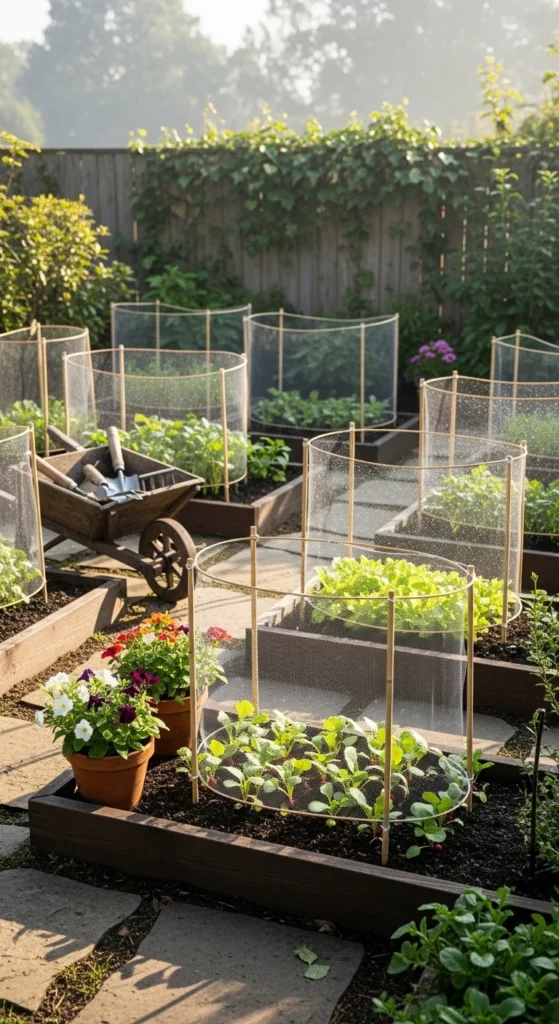
- Hammer stakes firmly into the ground along the wind-facing side
- Space them 2–3 feet apart for stability
- Attach mesh or screening using ties or twine
- Leave a small gap at the bottom for airflow

This method works especially well for raised beds and rows of young plants.
Step 4: Use Living Wind Barriers When Possible
Plants can protect other plants. Living barriers soften wind naturally and improve your garden’s look.
Good options include:
- Tall ornamental grasses
- Dense shrubs
- Sunflower rows
- Climbing plants on trellises
Place these on the windward side and allow some space so air slows gradually rather than hitting a hard stop.

Bonus: Living barriers attract beneficial insects and add seasonal interest.
Step 5: Protect Individual Plants in High-Risk Areas
For especially fragile plants, individual protection works best.
Try these ideas:
- Cloche covers for seedlings
- Circular mesh cages around tall plants
- Low hoops with fabric over garden rows
Keep coverings loose enough to allow movement—plants actually grow stronger with gentle motion.
Common Mistakes to Avoid
Even good intentions can backfire if barriers are built incorrectly.
Avoid these pitfalls:
- Using solid materials that block all airflow
- Building barriers too close, causing heat buildup
- Forgetting to secure stakes deeply in loose soil
- Leaving barriers up all season when winds calm
Adjust barriers as plants grow and conditions change.
Maintaining Your Wind-Proof Setup
A quick check every few weeks keeps everything effective:
- Tighten loose ties
- Replace torn mesh
- Remove barriers once plants are established
- Reposition as wind patterns shift
Seasonal maintenance ensures your garden stays protected without feeling boxed in.
Final Takeaway
Wind doesn’t have to win. With a little observation and simple materials, you can create wind-proof plant barriers that protect growth, boost yields, and keep your garden looking beautiful. Start small, adjust as needed, and let your plants thrive in calmer conditions.
Save this guide for later and come back to it the next time strong winds are in the forecast!

Leave a Reply