

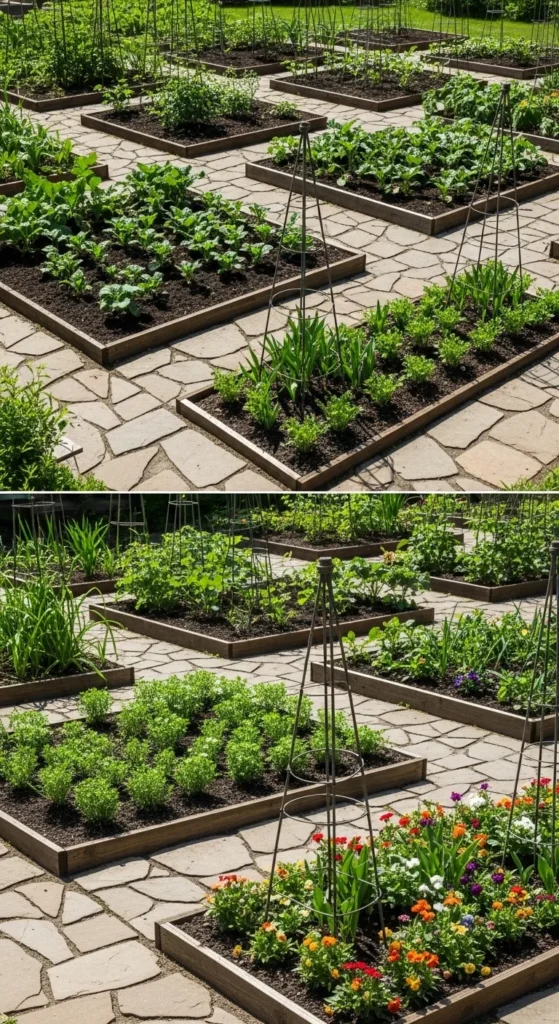
Spring gardens feel calmer when every space has a purpose. Zoning helps you separate growing areas, walking paths, storage spots, and rest zones so your garden feels clean, usable, and easy to manage. Instead of cluttered beds and scattered tools, smart zoning creates simple structure that saves time and reduces stress. These ideas focus on clear layout planning, low-cost materials, and DIY-friendly setups that make your garden easier to care for without expensive landscaping or complicated builds. Each zone works with the next, helping your outdoor space feel balanced, tidy, and simple to maintain all season long.
Raised Bed Planting Zones
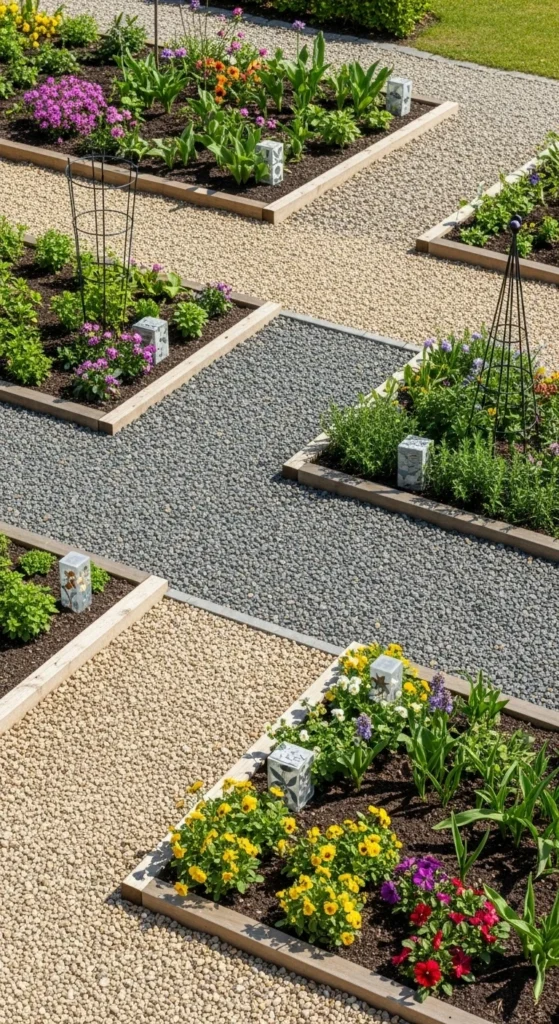
Raised beds make zoning simple and visual. Each bed becomes its own growing space. One for vegetables. One for herbs. One for flowers. Use wood planks, bricks, or concrete blocks to form borders. Keep sizes consistent for a clean look. Add gravel paths between beds to create walkways that stay dry and mud-free. Budget tip: use reclaimed wood or pallet boards for frames. Label each bed with small stakes or painted stones. This helps with planting rotation and care routines. Raised beds also control soil quality and drainage, making maintenance easier through the season.
Gravel Path Walkway Zones
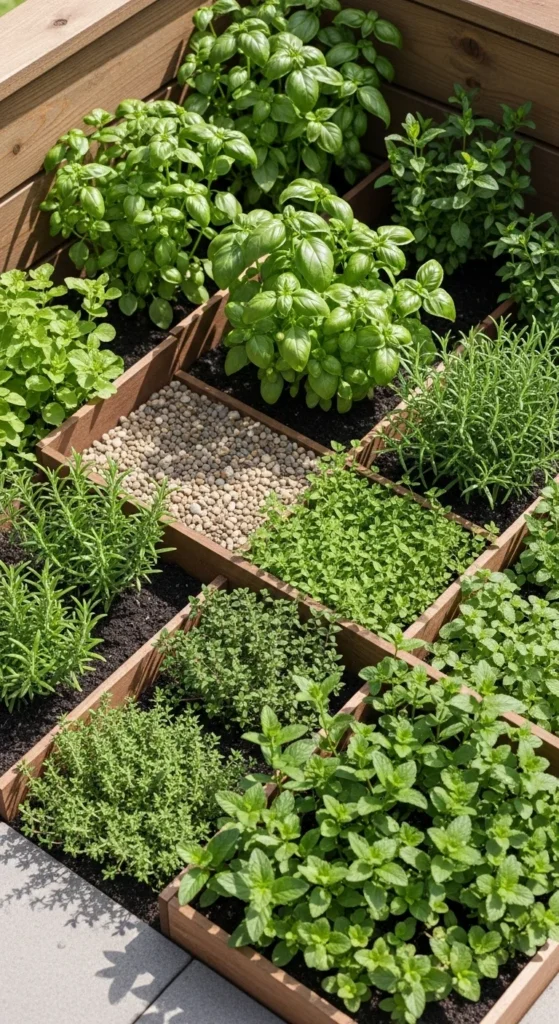
Gravel paths define movement and separate growing areas naturally. They prevent soil spread and keep shoes clean. Use landscape fabric underneath to stop weeds. Frame edges with bricks, wood strips, or stone. Keep paths wide enough for a wheelbarrow. Budget tip: crushed stone or recycled gravel costs less than decorative stone. These paths guide foot traffic and protect plants from trampling. Over time, they help your garden stay tidy with very little upkeep.
Herb Garden Corner Zones
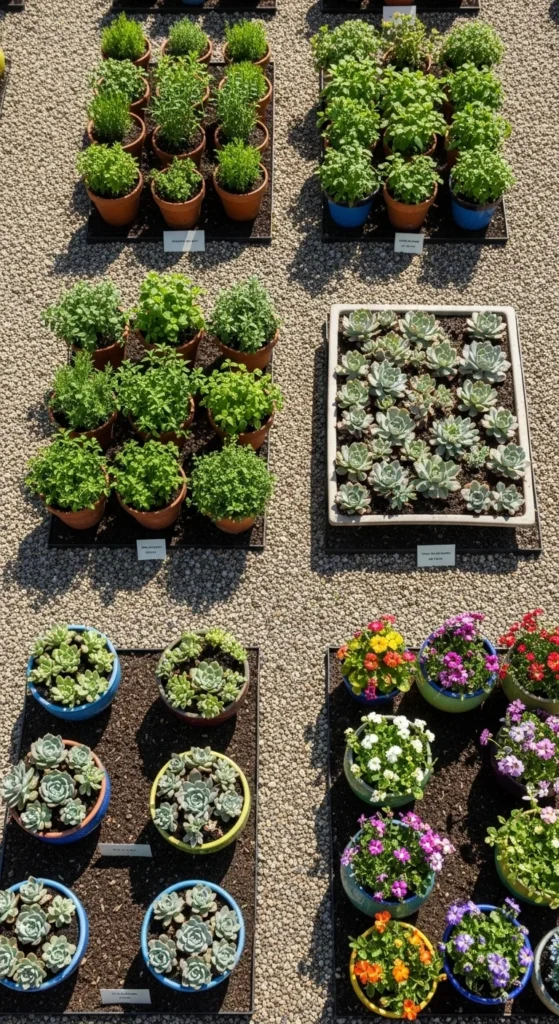
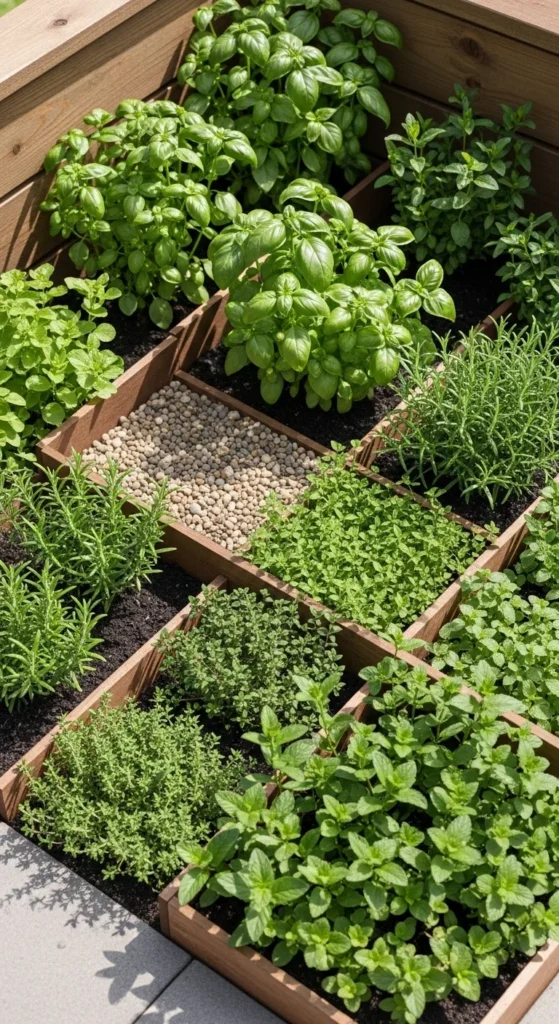
Group all herbs into one dedicated corner. Use raised planters, pots, or small ground beds. This keeps harvesting quick and organized. Add stepping stones for access. Use recycled containers like buckets or crates for budget setups. Keep watering tools nearby. A single herb zone avoids scattered plants and mixed care schedules. It also makes pruning and trimming easier.
Compost Station Zones
Create a small compost area away from main beds. Use bins, barrels, or wooden frames. Keep it close enough for easy access but separate from planting zones. Add a simple gravel base to stop mud. Store tools nearby in a small crate. Budget tip: build bins from pallets or scrap wood. This keeps waste organized and reduces mess.
Tool Storage Zones
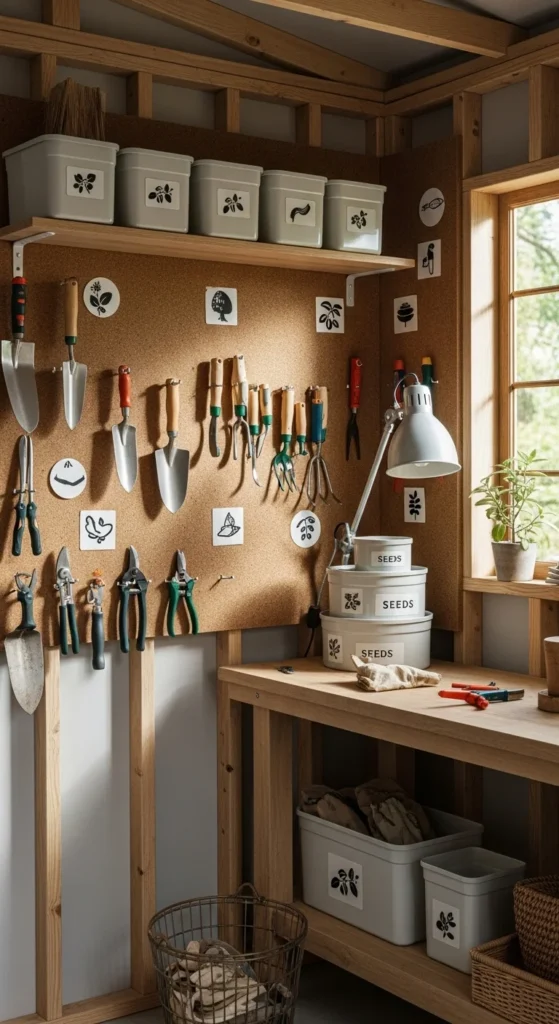
Designate one area for tools only. Use hooks on fences, pegboards, or wall racks. Add a weatherproof bin for gloves and small tools. Keep storage close to work zones. Budget tip: repurpose old shelves or cabinets. Clear storage areas save time and reduce clutter across the garden.
Potting Bench Zones
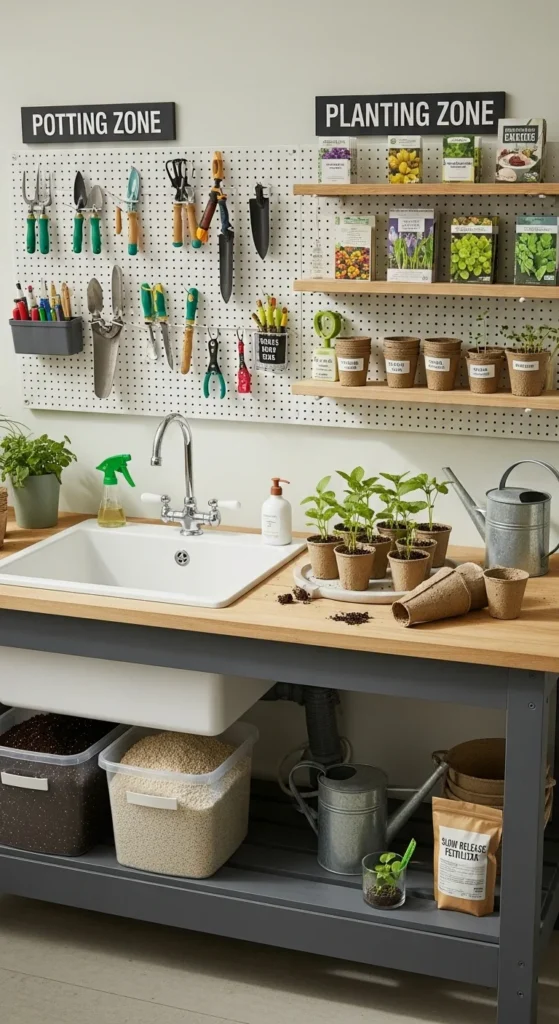
Set one space for potting and soil work. Use a simple table or DIY bench. Store soil, pots, and tools underneath. Add hooks for hand tools. Budget tip: build with pallets or scrap wood. This keeps mess away from planting beds and creates a clean working area.
Seed Starting Zones
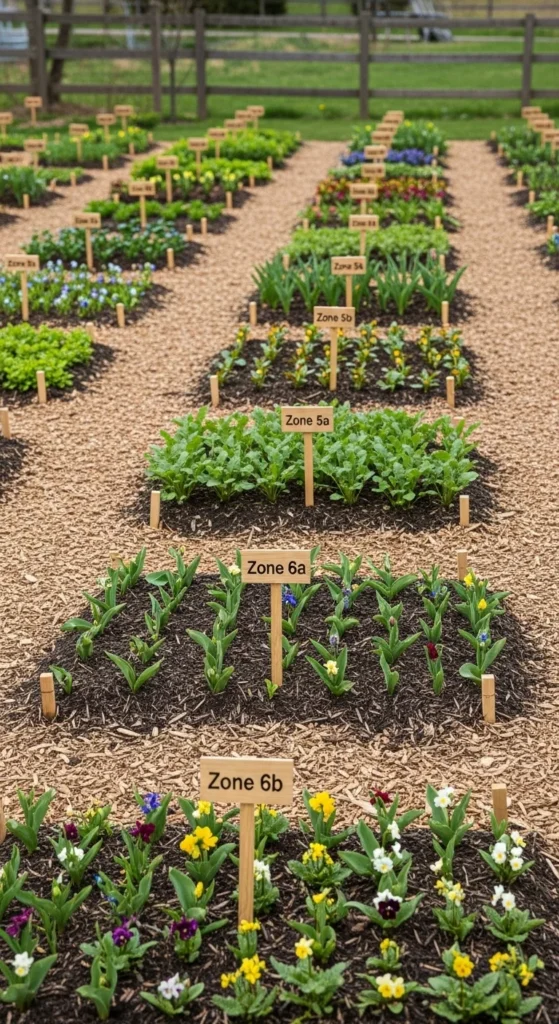
Create a small zone for trays and seedlings. Use shelves, tables, or greenhouse corners. Keep labels, spray bottles, and soil together. Budget tip: reuse plastic containers and food trays. This keeps young plants protected and organized during early growth stages.
Watering Station Zones
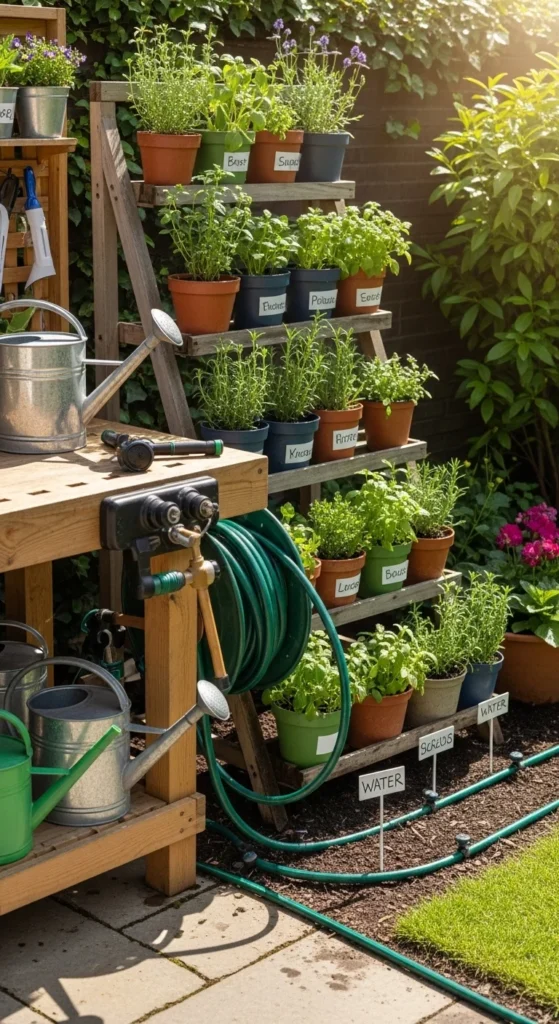
Set one watering area with hoses, cans, and buckets. Use wall hooks or bins. Keep it central to beds. Budget tip: use old buckets and wall-mounted hooks. This avoids scattered hoses and tangled tools.
Mulch Storage Zones
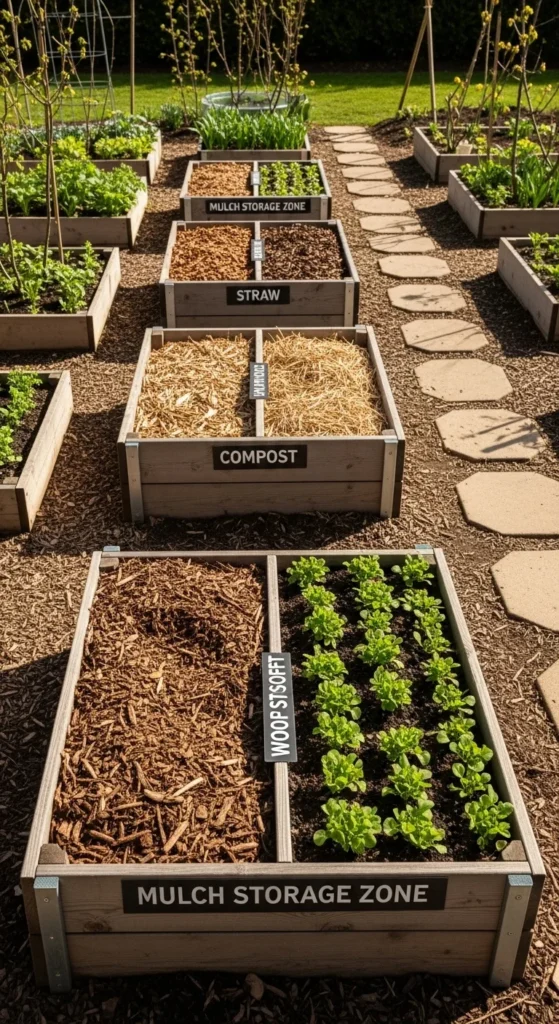
Store mulch in one defined spot. Use covered bins or tarps. Add a shovel stand nearby. Budget tip: use plastic barrels or old storage boxes. This keeps materials dry and easy to access.
Flower Bed Borders
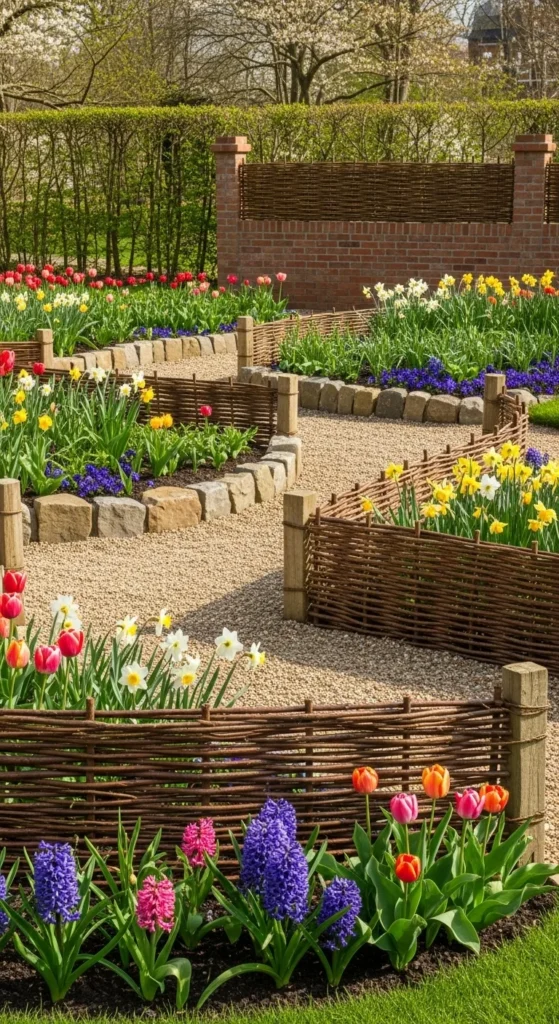
Define flower zones with stone, wood, or brick edges. This stops spread and keeps shapes clean. Budget tip: use reclaimed bricks or stones. Borders give structure and reduce maintenance.
Vegetable Row Zones
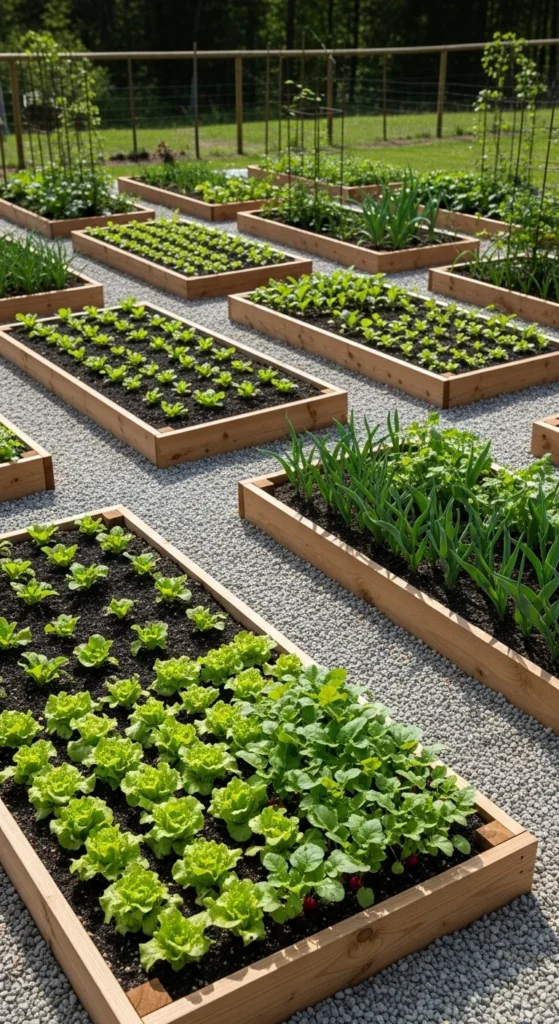
Plant vegetables in clear rows with spacing. Add markers at each row. Budget tip: use painted sticks or stones as labels. This keeps harvesting easy and care routines simple.
Garden Seating Zones
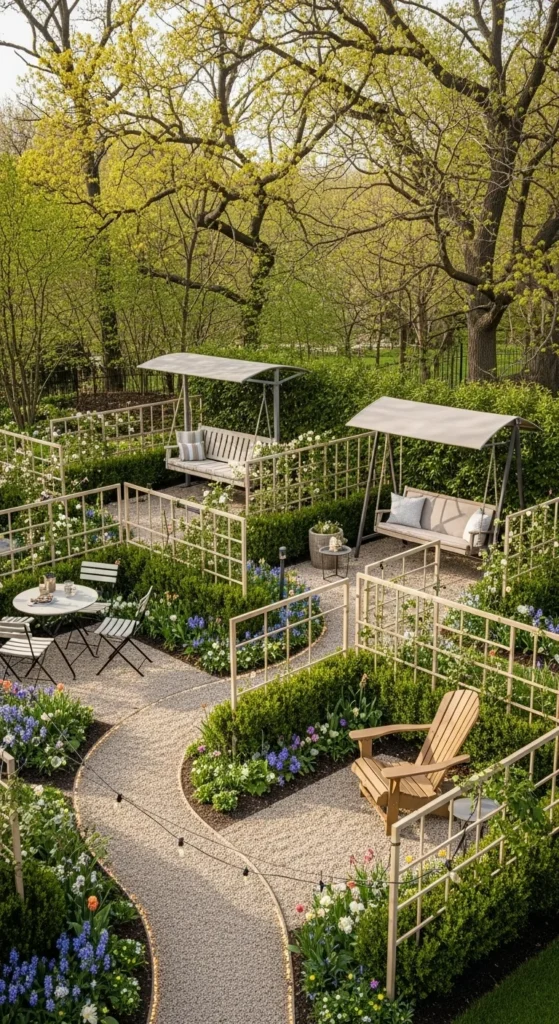
Create a rest zone with a bench or chairs. Place it away from work areas. Use gravel or pavers underneath. Budget tip: use thrifted chairs or DIY benches. This gives the garden a calm pause point.
Border Hedge Zones
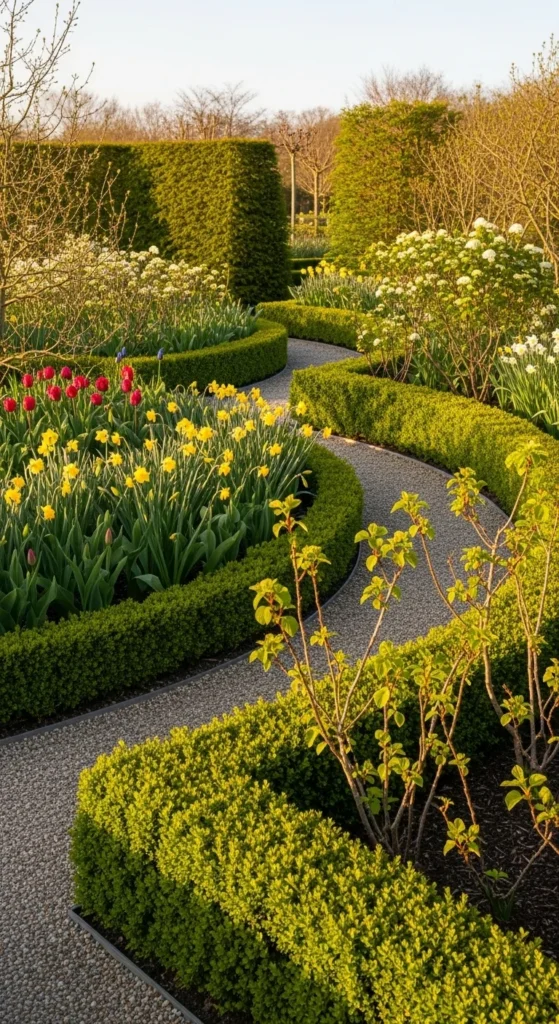
Use low hedges or shrubs to divide areas. This creates natural lines without hard borders. Budget tip: plant from cuttings or small starter plants. Living borders guide movement and layout.
Fence Line Zones
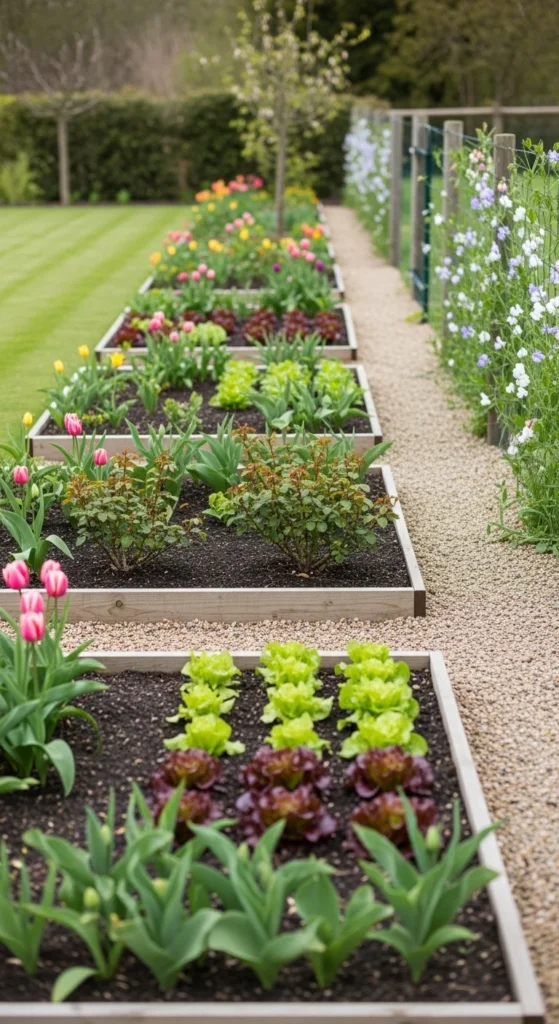
Turn fences into zones with planters and hooks. Add vertical storage. Budget tip: use hanging buckets or baskets. This uses unused space and keeps ground areas clear.
Storage Shed Zones
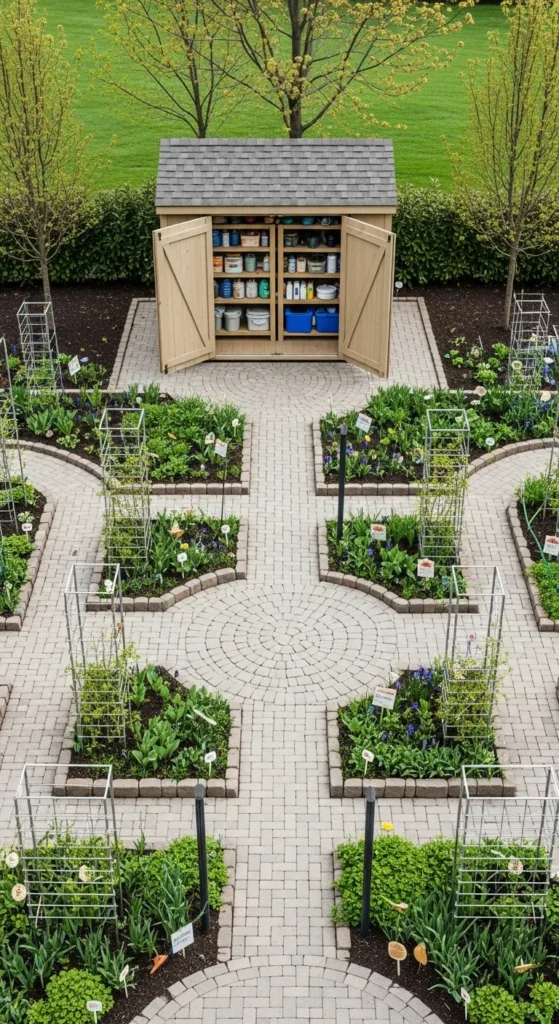
Place sheds in one corner area. Organize inside by function. Budget tip: use small plastic sheds or DIY wood frames. Central storage keeps clutter out of sight.
Recycling Zones
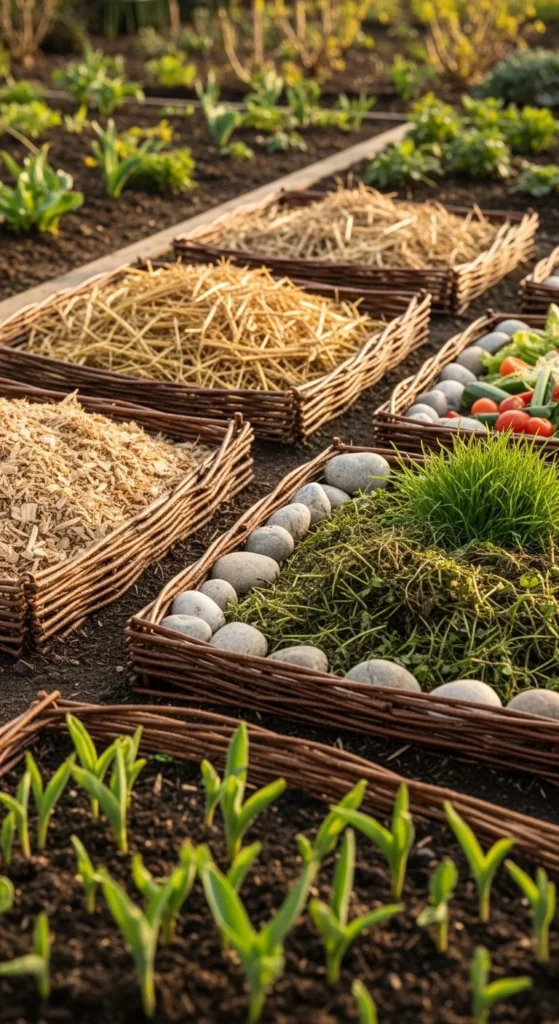
Create a bin area for plastic pots, trays, and containers. Keep it separate from compost. Budget tip: label crates or bins. This keeps waste sorted and tidy.
Garden Entry Zones
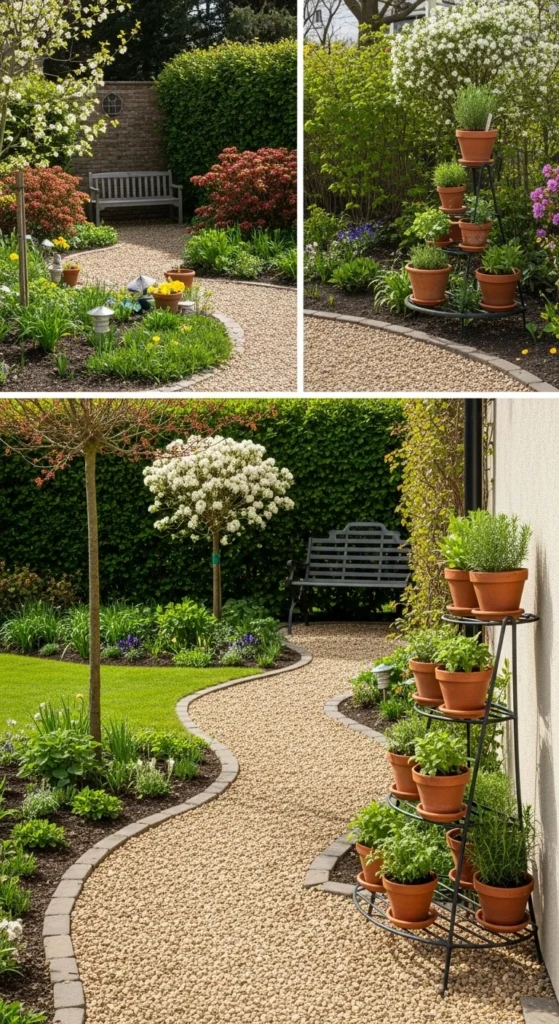
Designate a clear entry space with a mat, hooks, and bins. Budget tip: use old shelves or crates. This controls dirt and tools at the entrance.
Children’s Garden Zones
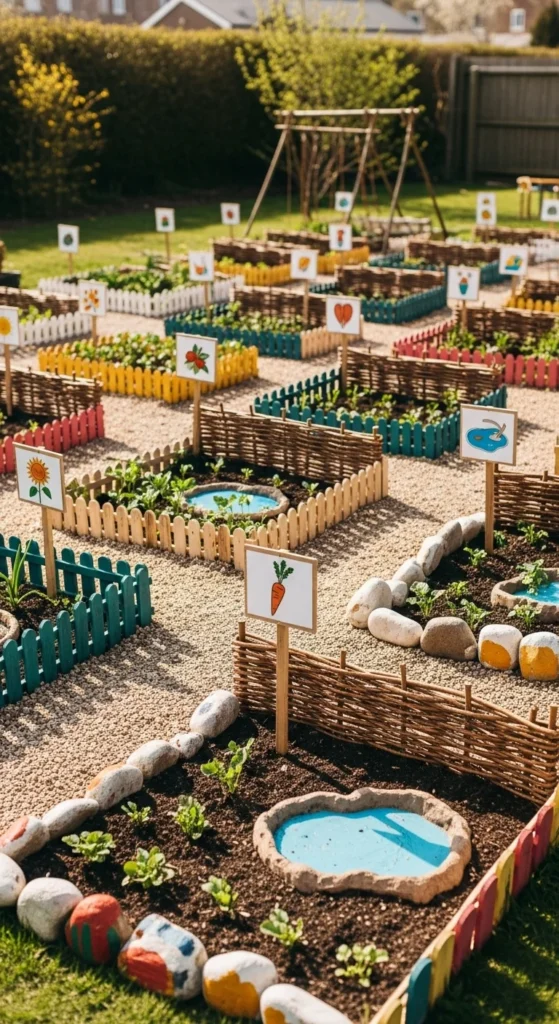
Create a small area for kid-friendly plants and tools. Use low beds and simple markers. Budget tip: reuse containers and buckets. This keeps play separate from work areas.
Wildlife Zones
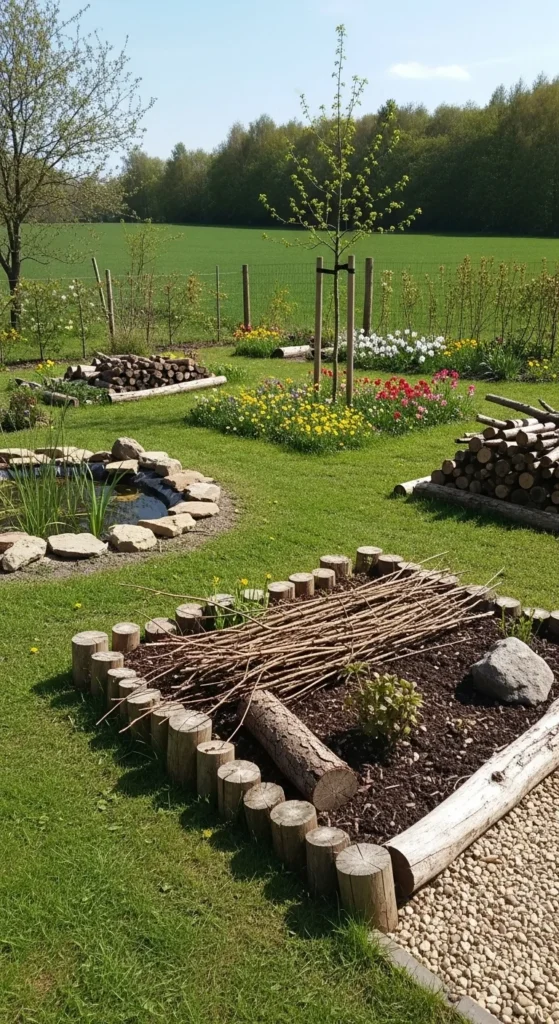
Designate one section for pollinator plants and habitats. Keep it away from main paths. Budget tip: use logs and stones. This supports nature without disrupting layout.
Border Container Zones
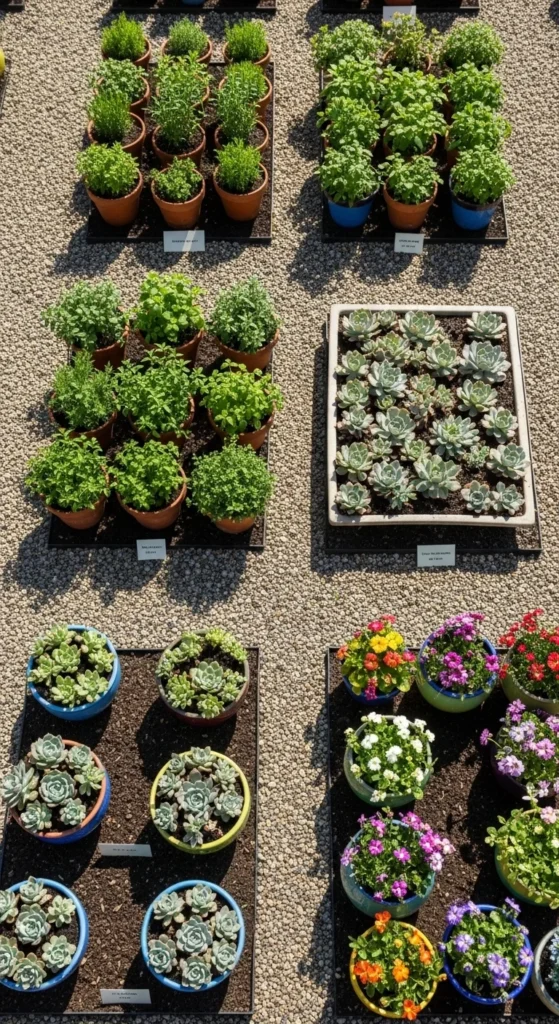
Line borders with pots instead of scattered containers. Budget tip: group recycled pots for visual order. This keeps walkways clear and layouts clean.
Greenhouse Zones
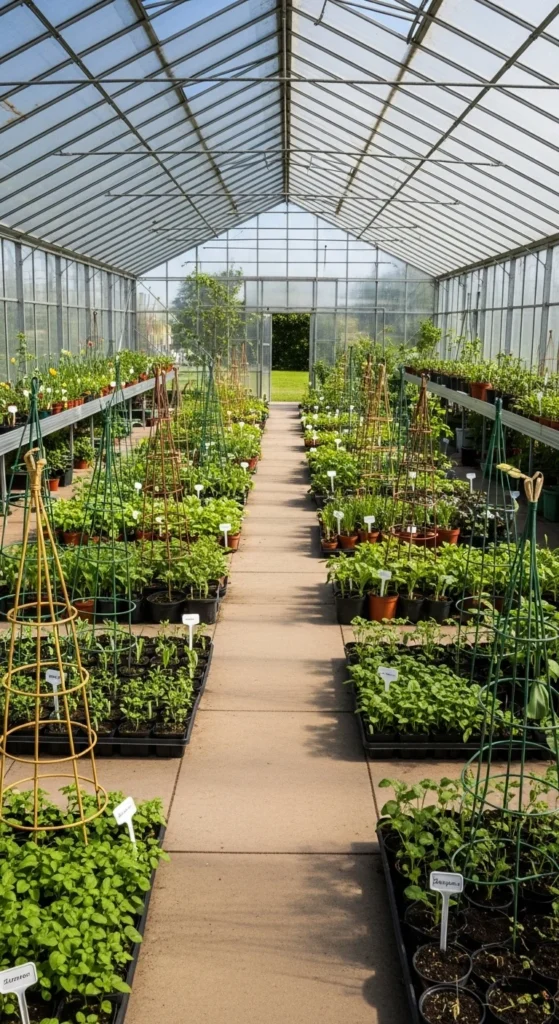
Divide greenhouse space by plant type and stage. Use shelves and labels. Budget tip: add DIY wood racks. This improves flow and care routines.
Soil Mixing Zones
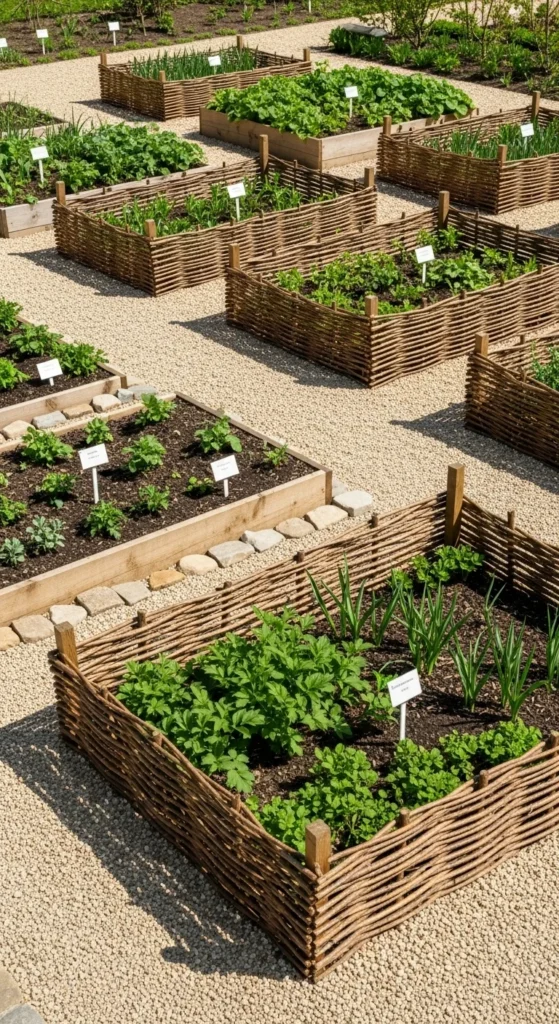
Set one corner for soil blending. Store tools and bins nearby. Budget tip: use plastic tubs. This keeps mess contained.
Plant Quarantine Zones
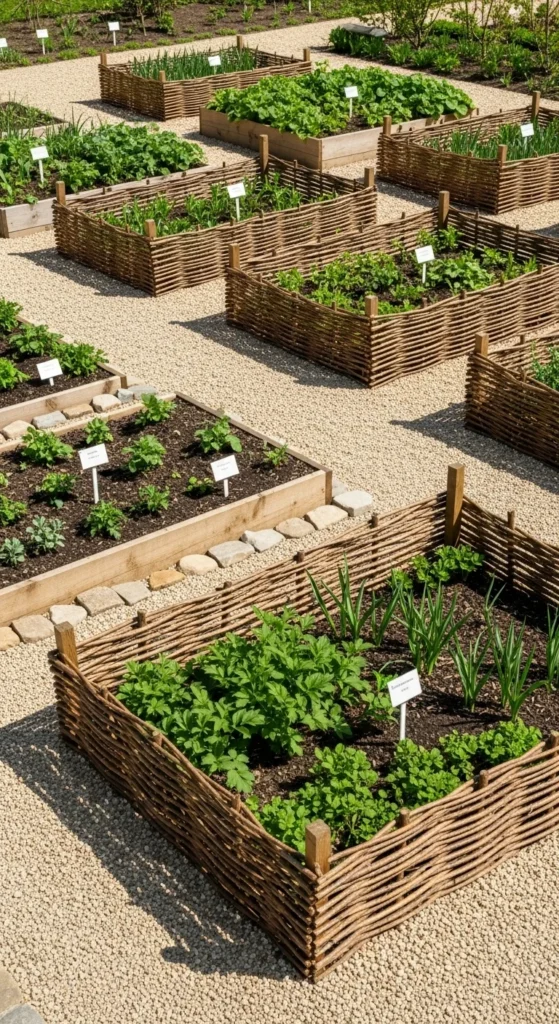
Create a small isolation area for new plants. Budget tip: use spare containers. This protects other zones.
Shade Plant Zones
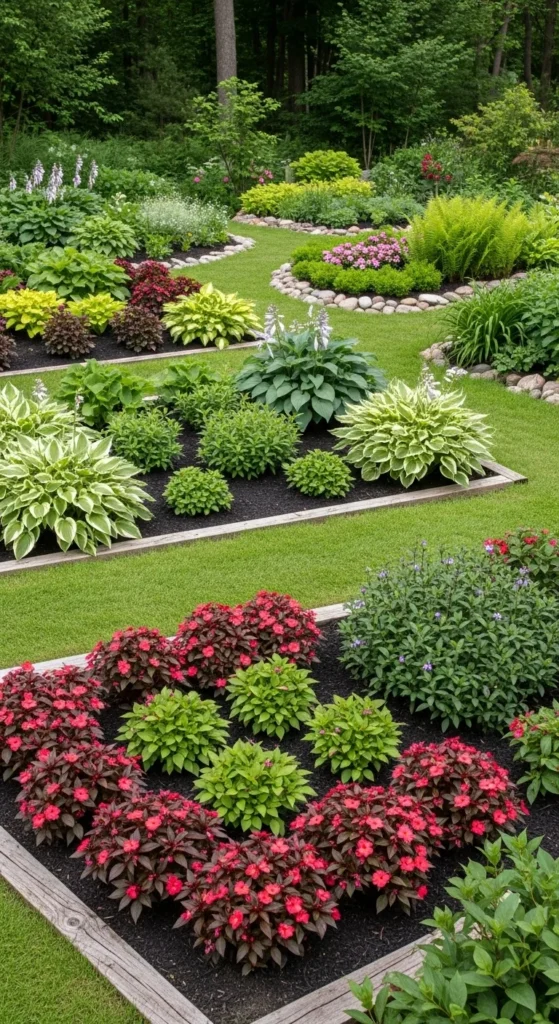
Group shade plants together. Budget tip: use tree areas and fences. This simplifies watering and care.
Sun Plant Zones
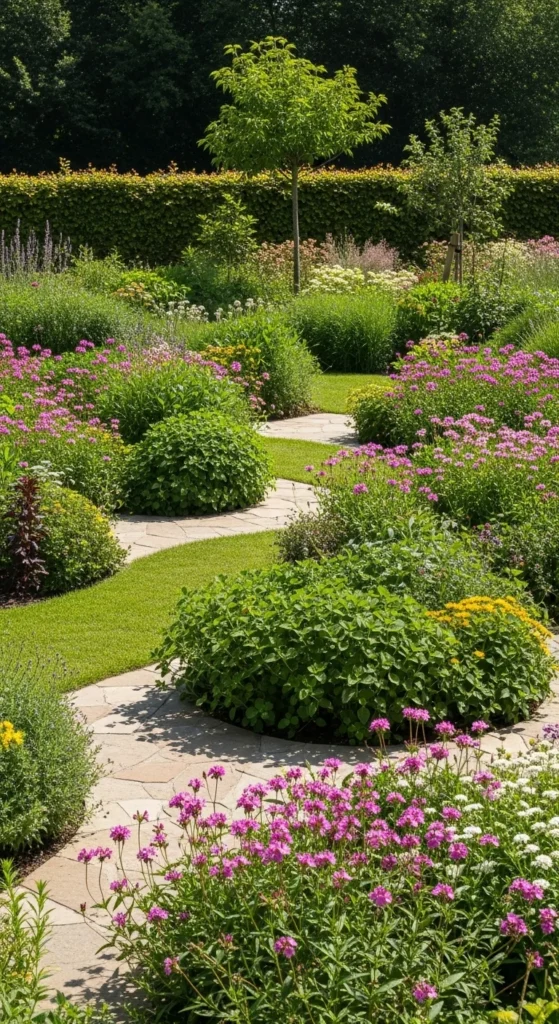
Group sun-loving plants in open spaces. Budget tip: simple row layouts work well. This improves growth and care flow.
Border Stone Zones
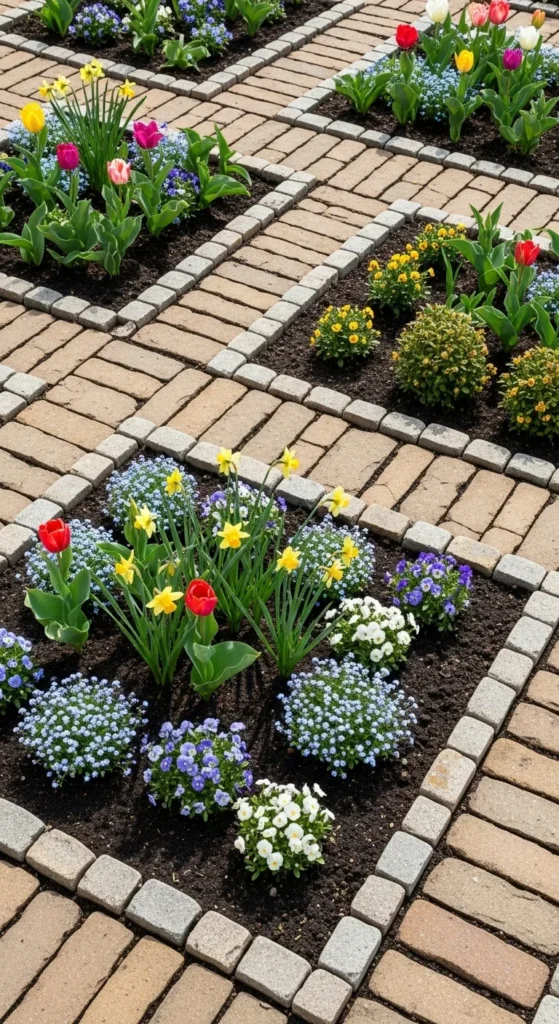
Use stones to divide spaces. Budget tip: collect natural stones. Clear borders reduce spread.
Path Lighting Zones
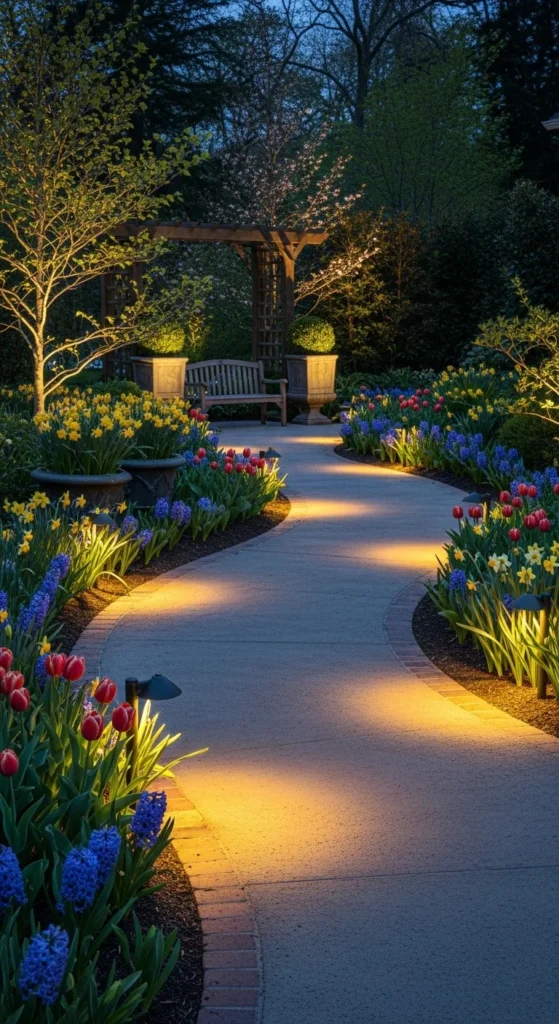
Install lights along paths only. Budget tip: solar lights cost less long-term. This defines walkways.
Border Edging Zones
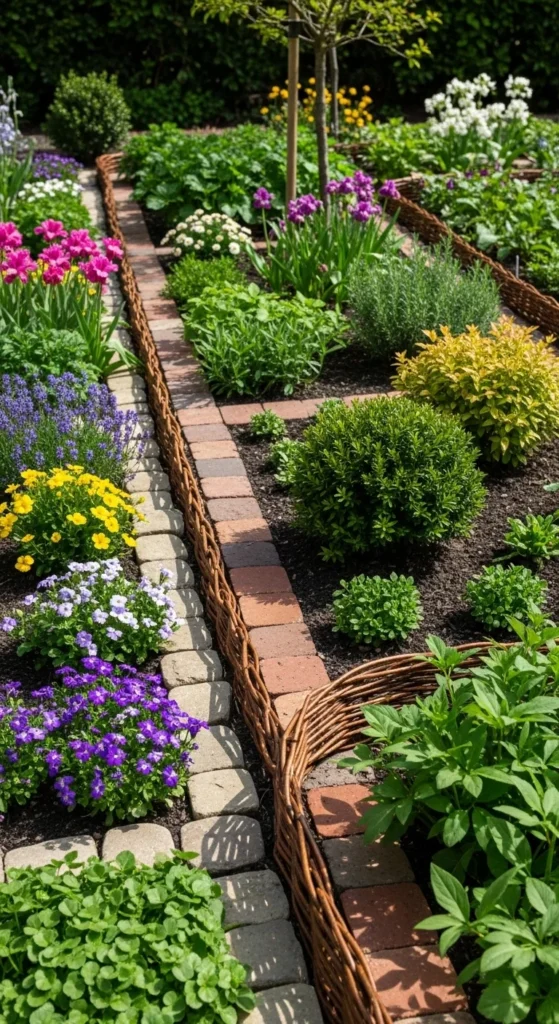
Use edging strips for layout lines. Budget tip: recycled plastic edging works well. Clean lines support structure.
Seasonal Rotation Zones
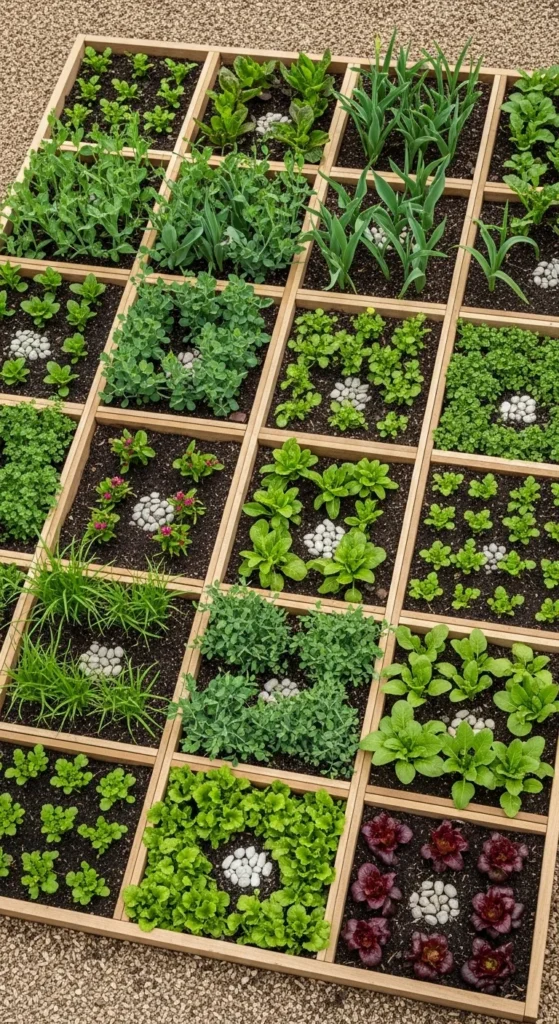
Assign zones for seasonal planting shifts. Budget tip: simple labels guide changes. This keeps layout stable year-round.
Conclusion
Garden zoning creates order without expensive projects or complicated builds. By dividing your space into clear sections for planting, storage, walking, and working, your garden becomes easier to manage and more enjoyable to use. These ideas focus on simple structure, low-cost materials, and DIY setups that keep everything in its place. Start with one or two zones, build slowly, and let your layout grow with your garden. Small changes lead to cleaner spaces, easier routines, and a garden that stays organized all season.
Leave a Reply