

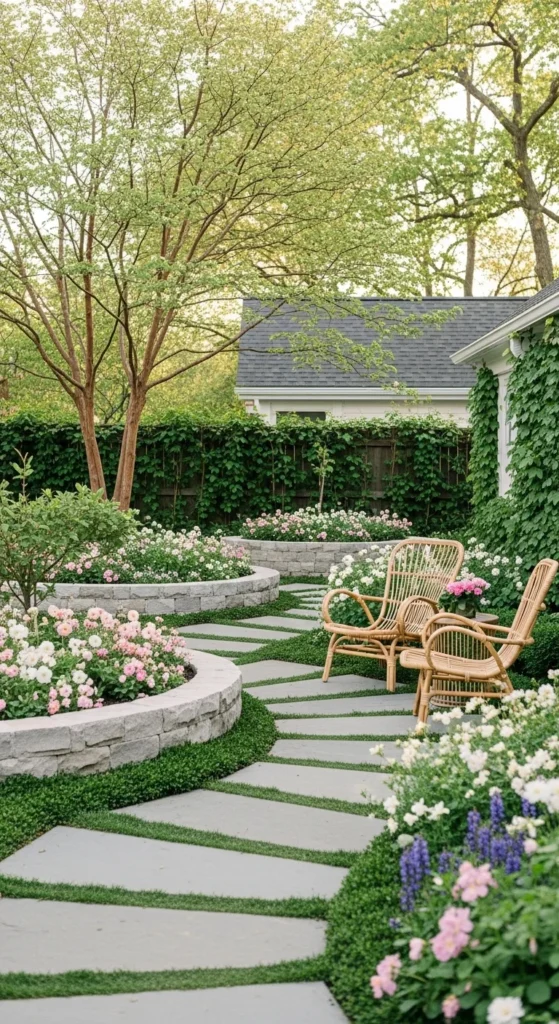
Spring gardens shine when they feel personal, calming, and easy to maintain. People searching for garden aesthetics want ideas that feel styled yet doable. This guide focuses on simple upgrades that work in small yards, patios, and larger spaces without heavy spending. Each idea blends visual charm with practical steps so your garden photographs well and feels good to use every day. You can mix and match styles, reuse what you own, and build a space that grows with the season.
Curved Stone Pathways
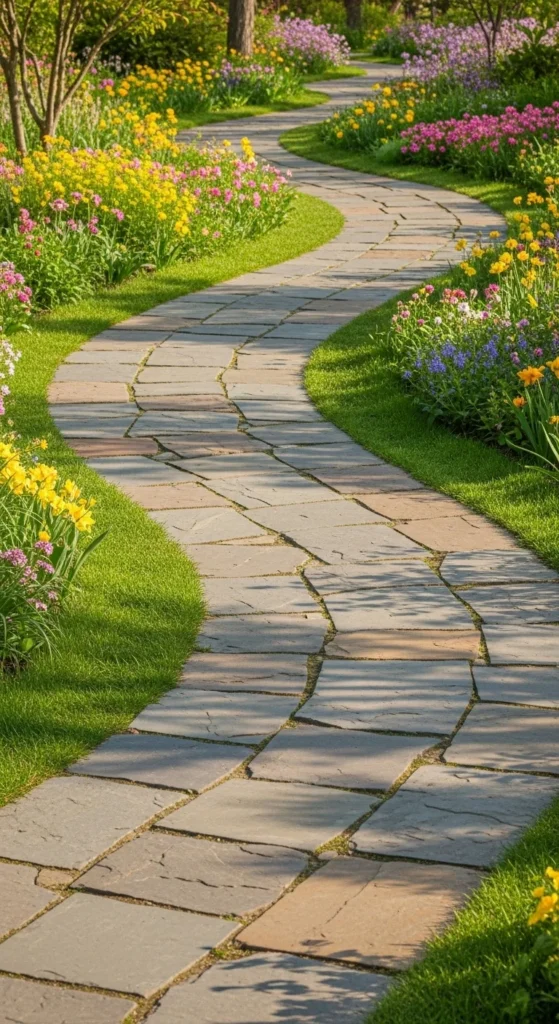
Curved paths soften a garden and guide the eye naturally. You do not need expensive stone. Concrete pavers or reclaimed bricks work well. Lay them in a loose curve rather than a straight line. This small change adds movement and looks great in photos. Leave small gaps between stones and let grass or ground cover grow through. It adds texture without extra work.
Start with a simple sketch. Mark the curve using a hose or rope. Remove only the grass needed. Place stones directly on leveled soil for a relaxed look. Perfection is not the goal here. Slight spacing adds charm.
Budget tip. Check local resale groups for leftover pavers. Many people give them away after projects. Even mixed shapes can look intentional when placed thoughtfully. This path idea works in tiny side yards or larger gardens and instantly adds structure.
Raised Wooden Garden Beds
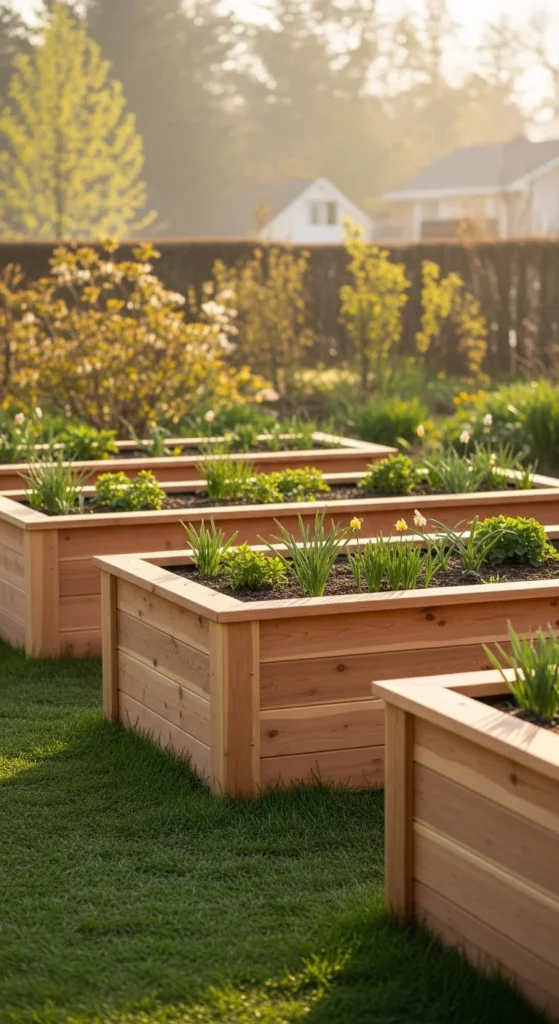
Raised beds feel organized and calm. They frame plants neatly and help with drainage. Cedar boards last longer, but pine works if sealed. Keep the design simple. Straight lines photograph better and are easier to build.
You can build a bed in one afternoon using basic tools. Stack boards two high for visual weight. Leave enough space between beds to walk comfortably. Fill with soil mixed with compost. The plants will do the rest.
Budget tip. Use untreated pallet wood for decorative beds that hold pots instead of soil. This gives the same look without long-term wear concerns. Raised beds help gardens feel intentional and clean while staying practical for everyday use.
Soft Pastel Flower Zones
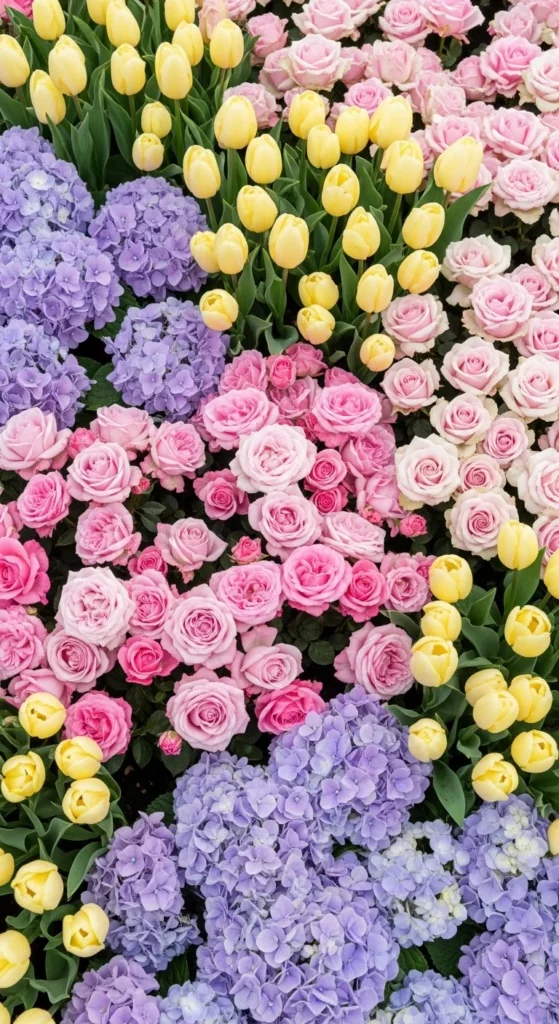
Grouping similar tones creates calm visuals. Pastel flowers work well in spring because they reflect light gently. Choose three shades and repeat them across beds or pots. This keeps the space cohesive.
You do not need rare plants. Petunias, pansies, and snapdragons come in many soft colors. Plant them in clusters instead of spreading them out. This creates stronger impact in photos and real life.
Budget tip. Buy smaller starter plants. They grow quickly in spring. Mixing heights adds depth without clutter. Stick to a limited palette to keep the garden looking styled instead of busy.
Vintage Watering Can Decor
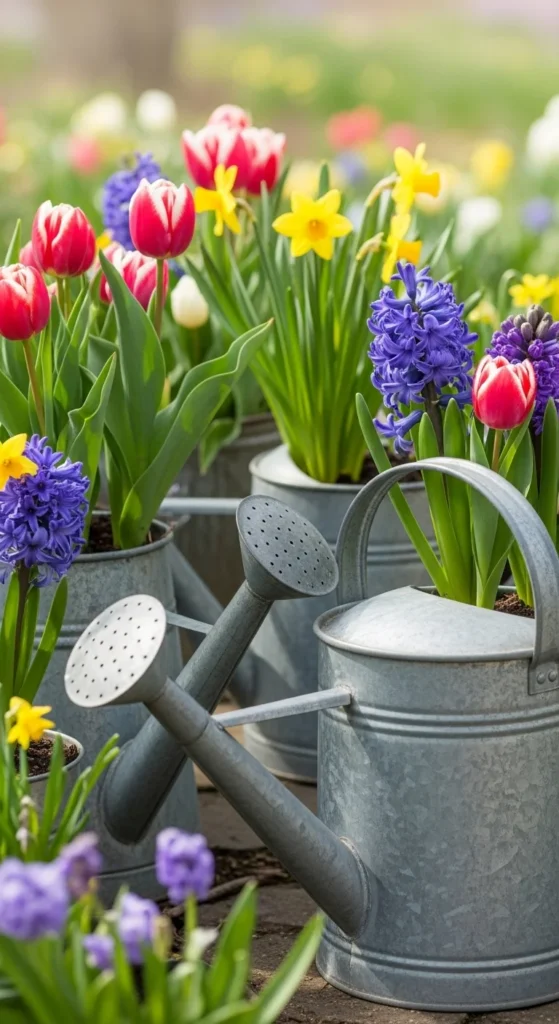
Old watering cans add character instantly. They work as planters or accents near beds. Look for metal ones with worn finishes. Minor rust adds charm.
Drill small holes in the bottom if using as planters. Fill with trailing flowers or herbs. Place them near steps or paths for visual interest. You can group two or three for balance.
Budget tip. Thrift stores and flea markets often have these cheap. Even mismatched styles look good together when kept in the same color family. This idea brings personality without changing the garden layout.
Woven Outdoor Seating Corners
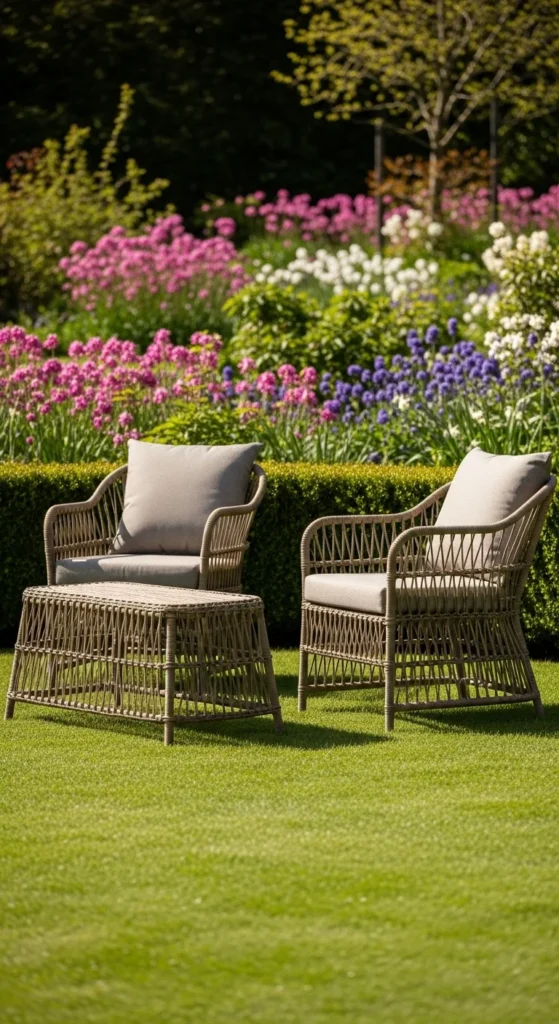
A small seating spot makes a garden feel usable. Woven chairs soften the space and pair well with plants. You only need two chairs and a small table.
Place seating near flowers or under a tree. Add neutral cushions for comfort. Keep colors simple so the greenery stands out. This corner becomes a natural photo spot.
Budget tip. Indoor wicker chairs work outdoors for short seasons. Just bring cushions inside when not in use. Seating adds purpose and helps the garden feel complete.
Climbing Plants on Simple Trellises
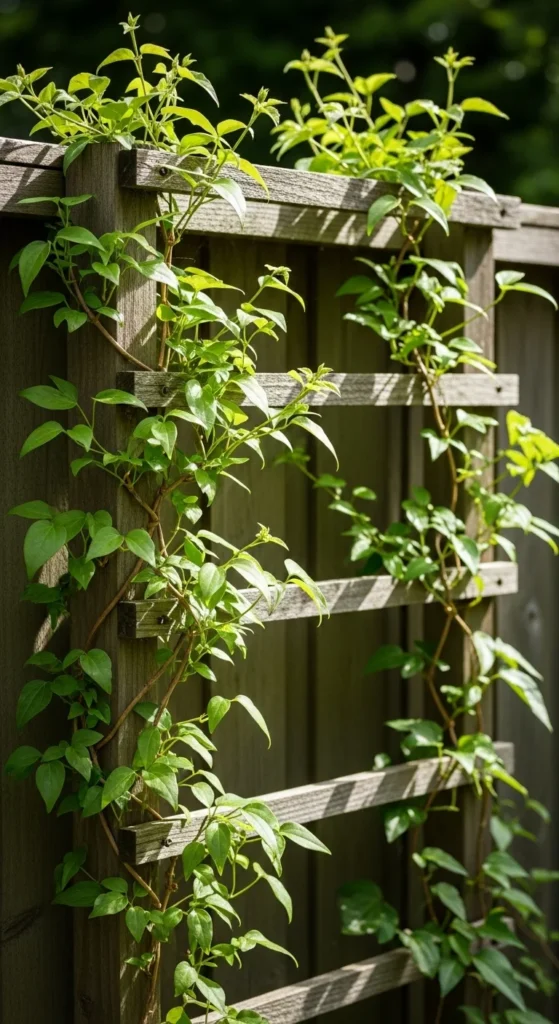
Vertical growth saves space and adds height. Simple wooden trellises work well and are easy to install. Use them against fences or walls.
Plants like sweet peas and clematis grow quickly. Train them early by gently tying stems. This keeps growth neat.
Budget tip. Make trellises from garden stakes and twine. Paint them white for a soft look. Vertical elements add depth and make small gardens feel larger.
Gravel Garden Borders
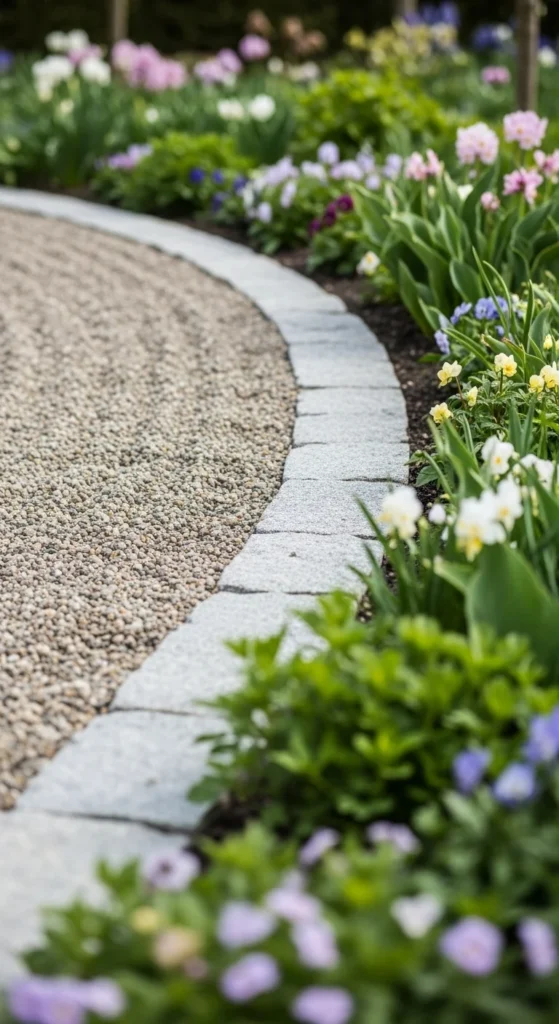
Gravel edges define spaces clearly. They also help with drainage and reduce mud. Choose light-colored gravel for a bright look.
Lay landscape fabric first to limit weeds. Pour gravel evenly and rake smooth. Keep the border narrow for a tidy appearance.
Budget tip. Buy gravel in bulk bags. It costs less and lasts years. Borders like this frame beds and make photos look clean.
Hanging Clay Pots
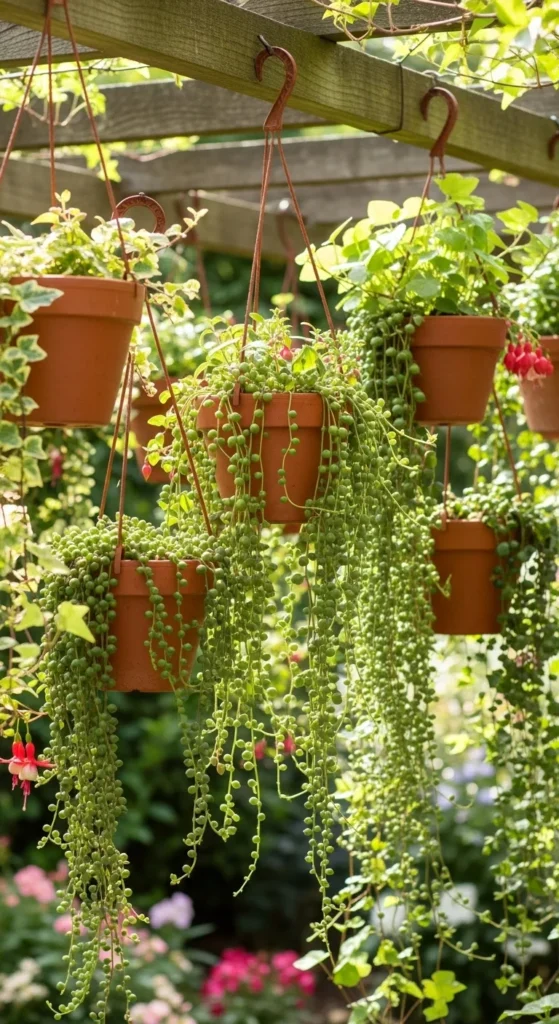
Hanging pots add layers without using ground space. Clay pots age well and match most gardens. Hang them at different heights for interest.
Use trailing plants or herbs. Keep watering simple by grouping pots close together.
Budget tip. Plain clay pots are inexpensive. Paint the rims lightly if you want contrast. Hanging elements draw the eye upward and add charm.
Repurposed Ladder Plant Displays
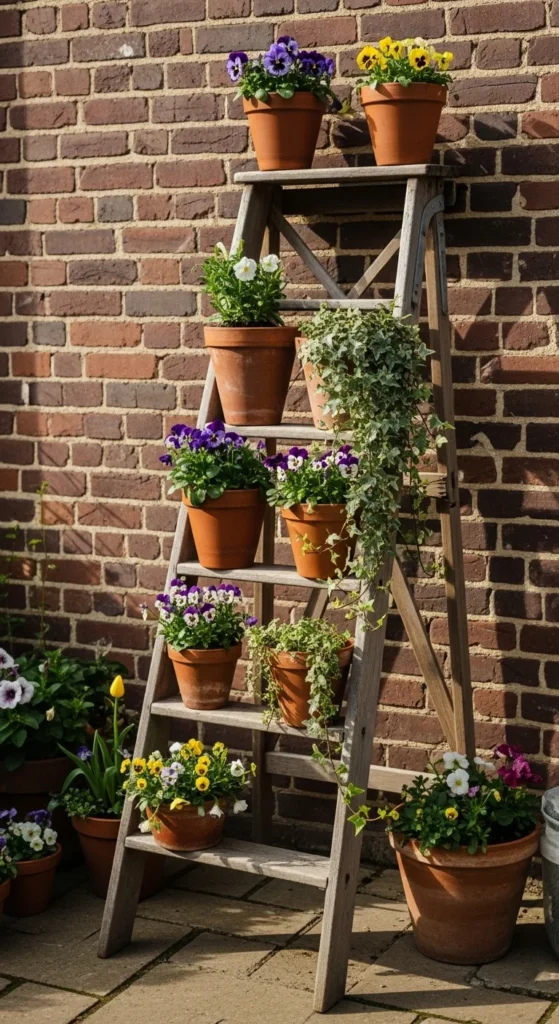
An old ladder becomes a vertical plant stand. Lean it securely against a wall or fence. Place pots on each step.
Keep colors consistent for balance. This works well for herbs or small flowers.
Budget tip. Old ladders often sit unused in garages. Sand lightly and seal for outdoor use. This display adds height and texture quickly.
Garden Stepping Circles
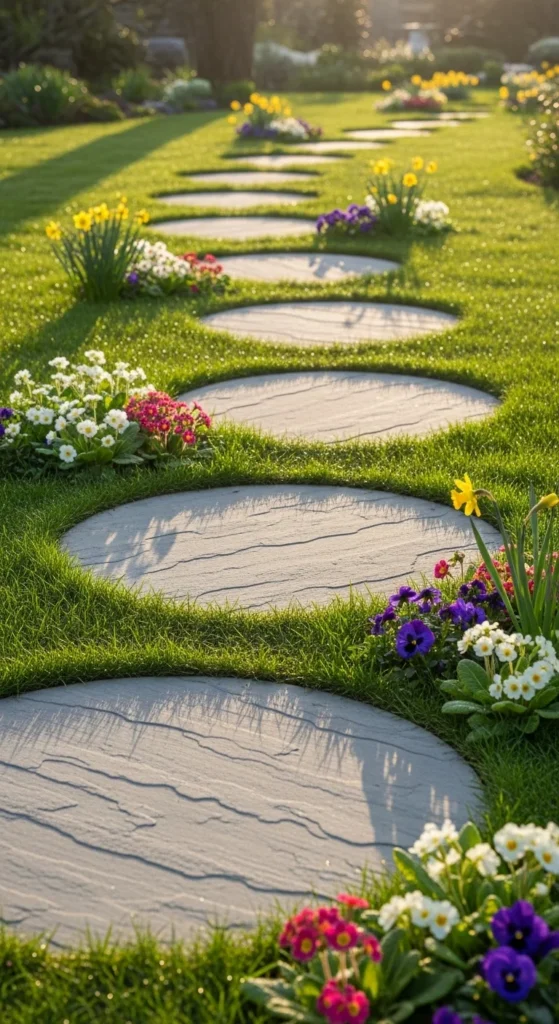
Round stepping stones feel playful and soft. Space them evenly across lawns or between beds. They guide movement without heavy construction.
Press stones slightly into soil for stability. Leave grass edges natural.
Budget tip. Concrete circles are affordable and long-lasting. This idea adds structure while staying simple.
Outdoor String Light Canopies
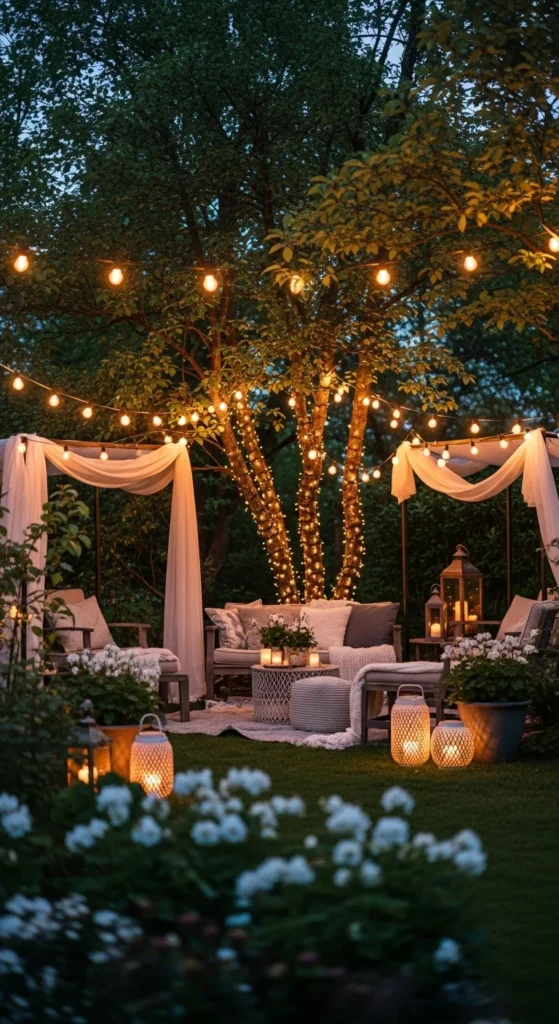
String lights add warmth at dusk. Hang them above seating or paths. Keep spacing even for a calm look.
Use solar options to avoid wiring.
Budget tip. One strand can cover a small area well. Lighting helps gardens feel inviting without major work.
Simple Herb Spiral Beds
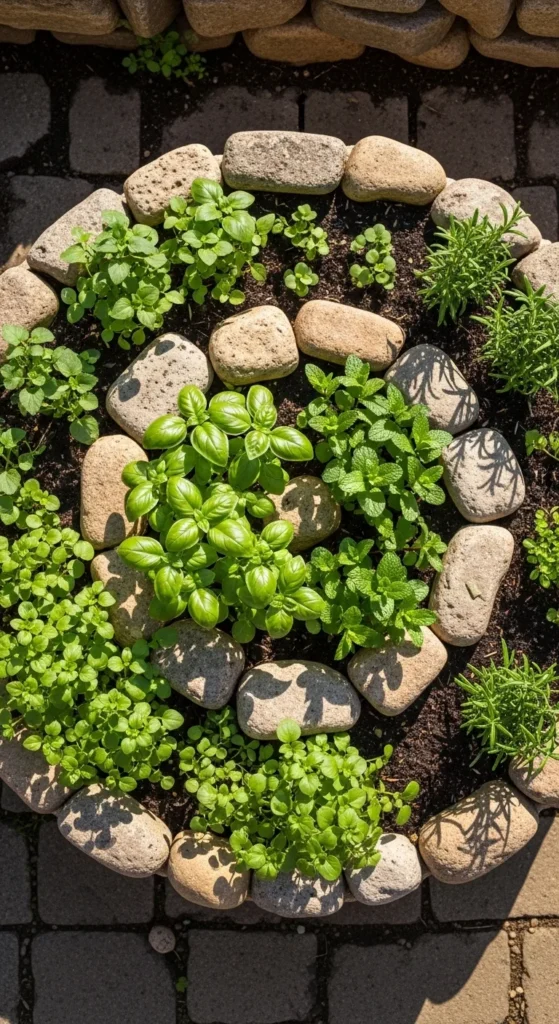
Herb spirals combine form and function. Build a low spiral using stones or bricks. Plant herbs based on sun and water preference.
This shape looks interesting and saves space.
Budget tip. Use leftover bricks or stones. Herb spirals add visual interest and practical value.
Neutral Outdoor Rugs on Grass
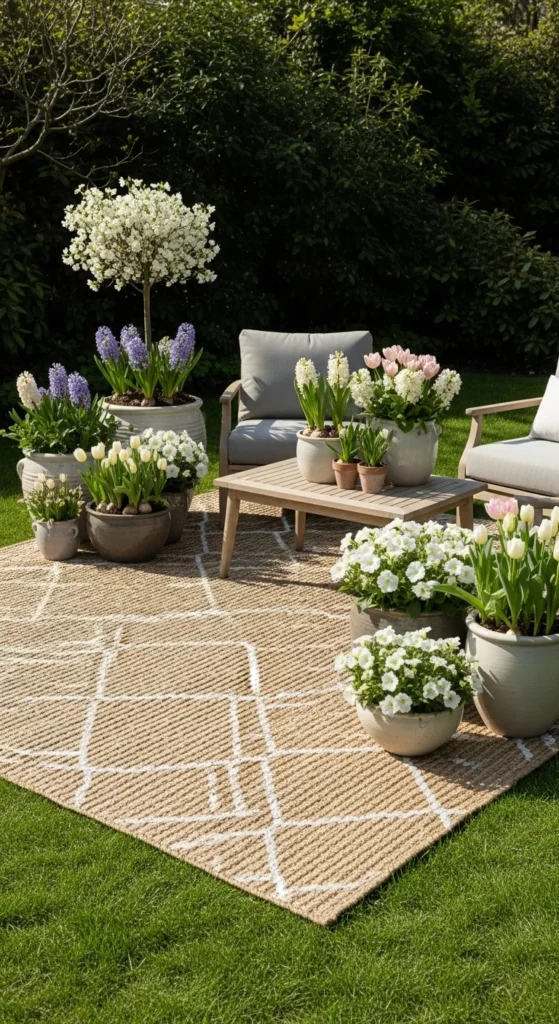
Outdoor rugs define seating zones. Neutral colors keep the look calm. Place rugs under chairs or tables.
Choose flat weaves for easy cleaning.
Budget tip. Indoor rugs can work short-term. Rugs help gardens feel styled and cozy.
Wooden Crate Plant Stands
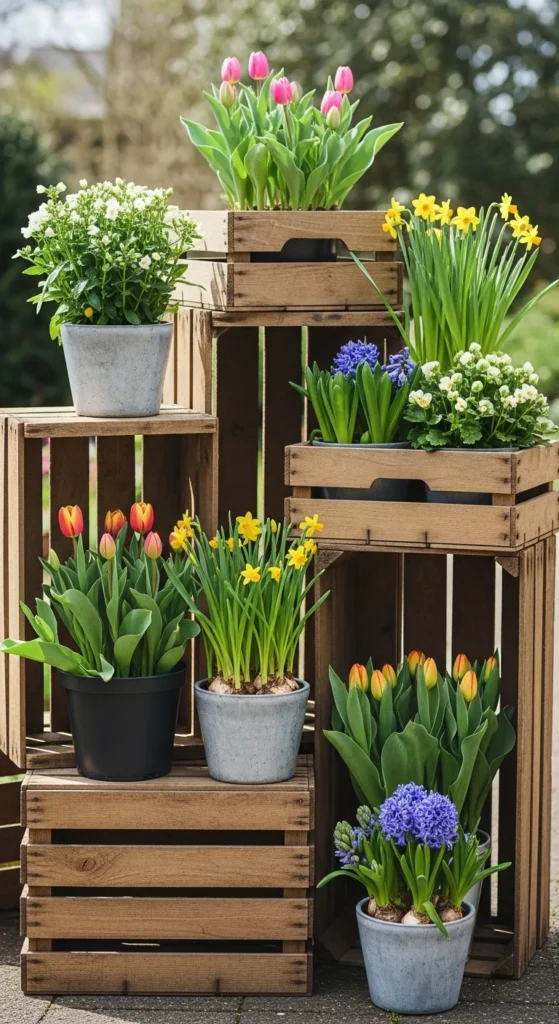
Crates add height and storage. Stack them in simple patterns. Use them for pots or tools.
Seal wood for outdoor use.
Budget tip. Ask local shops for spare crates. This setup looks casual and useful.
White Garden Fencing Accents
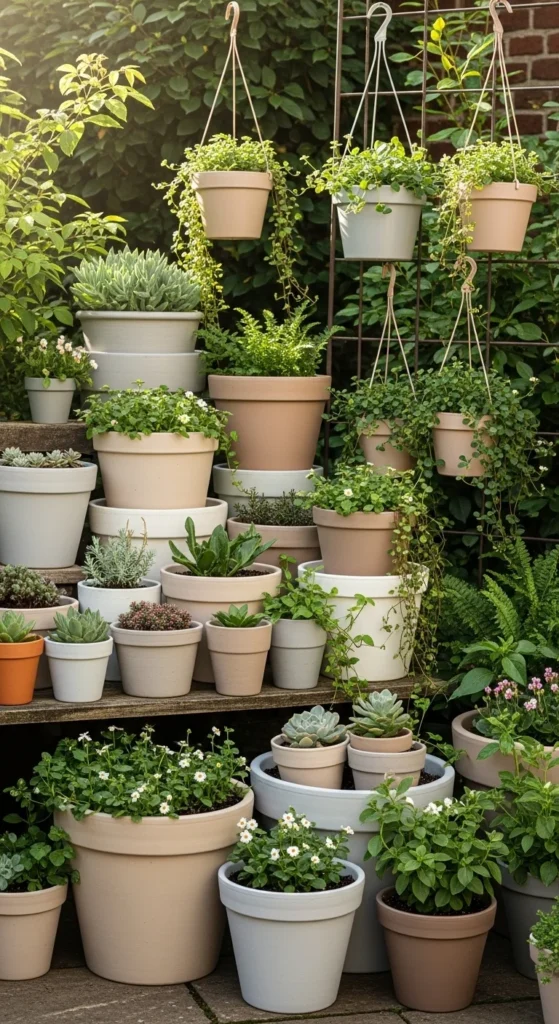
Short fences frame beds and paths. White reflects light and highlights greenery.
Use small sections rather than full enclosures.
Budget tip. Plastic or wood panels work fine. This adds structure without blocking views.
Stone Bird Bath Focal Points
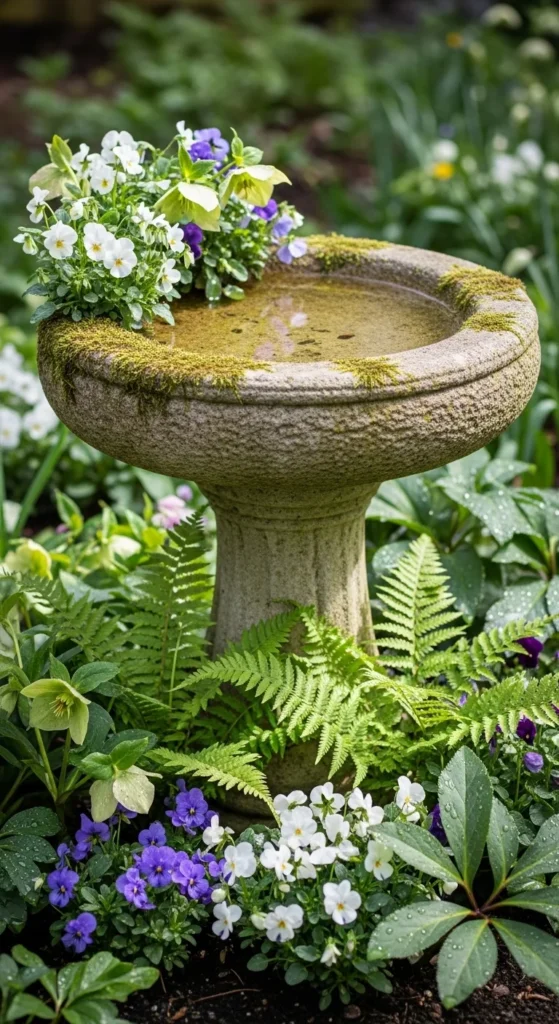
Bird baths act as calm focal points. Place them where plants surround the base.
Keep designs simple.
Budget tip. Concrete options cost less and last long. This feature adds life to the garden.
Layered Plant Heights
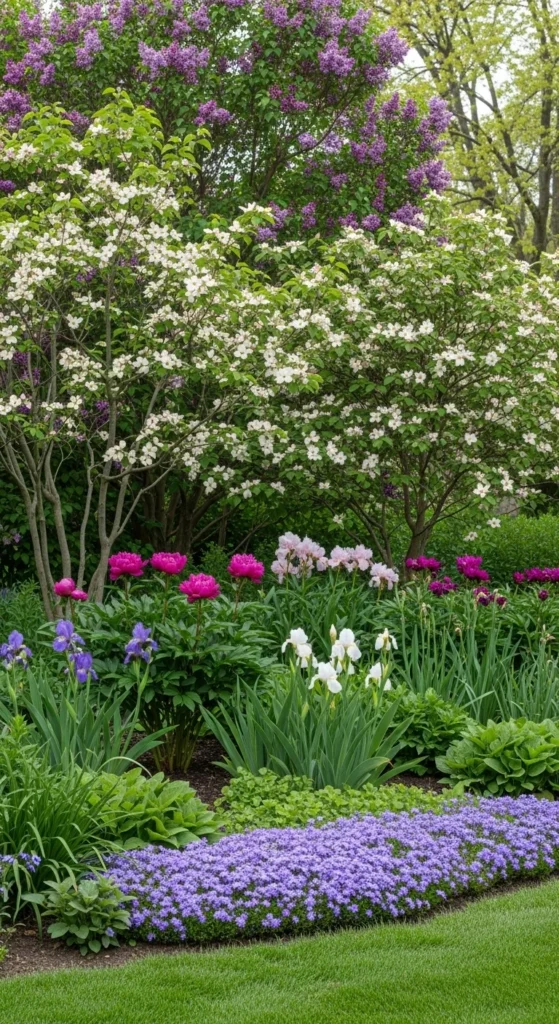
Layering adds depth. Place tall plants at the back, medium in the middle, low at the front.
This layout feels full without clutter.
Budget tip. Use seeds for tall plants. Layering makes small gardens feel rich.
Painted Garden Stones
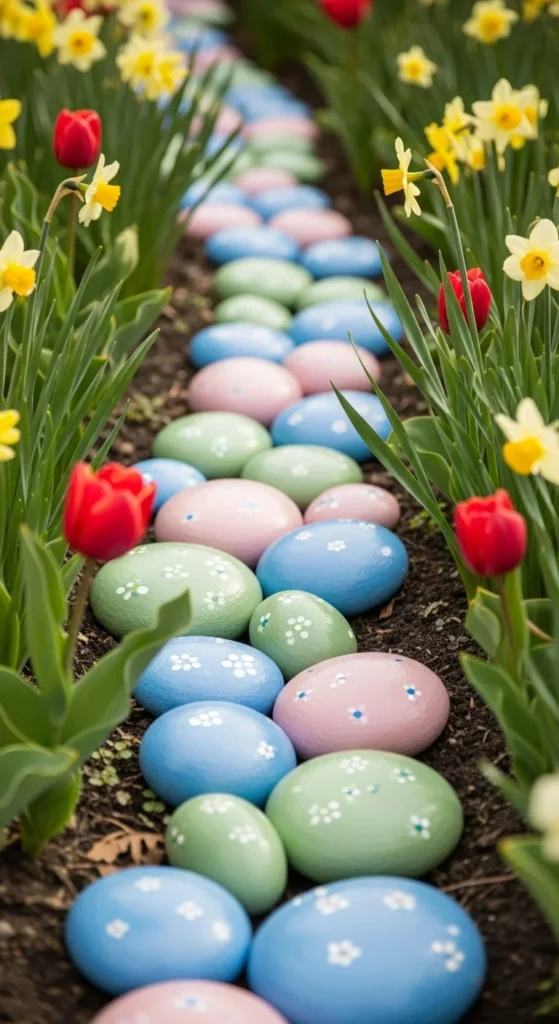
Painted stones add subtle color. Use muted tones. Place them along borders.
Seal paint for durability.
Budget tip. Collect stones locally. This is a simple weekend project.
Minimal Garden Sculptures
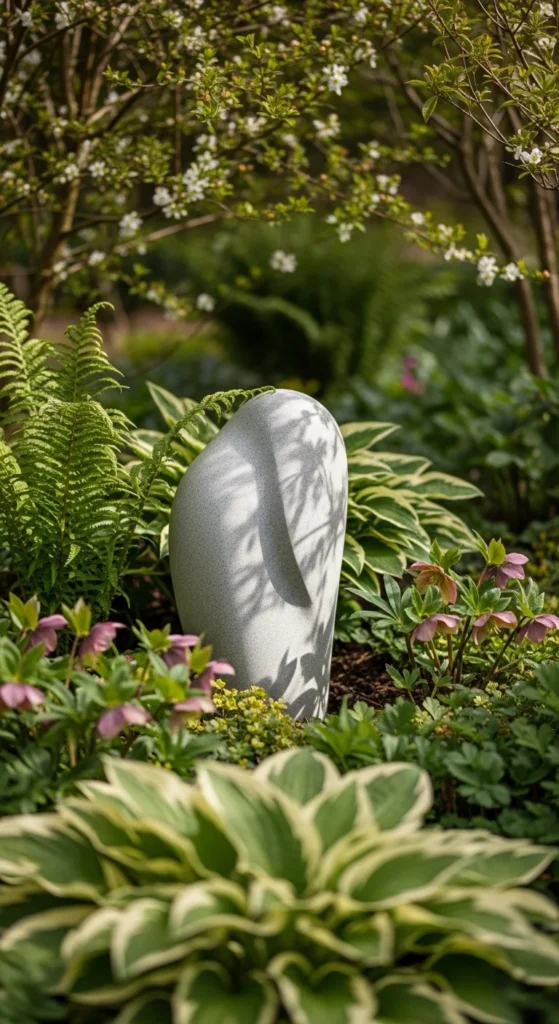
One small sculpture adds interest. Keep shapes simple. Place it where plants frame it naturally.
Avoid crowding with decor.
Budget tip. DIY concrete forms work well. This adds character without noise.
Potted Trees in Clay Planters
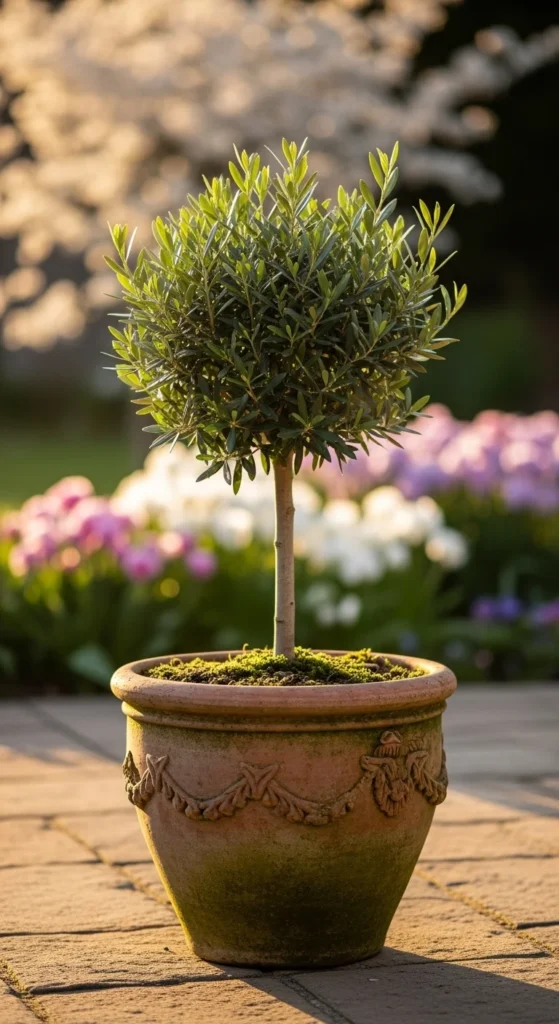
Small trees in pots add structure. Use citrus or olive types where climate allows.
Place them near entrances or seating.
Budget tip. Start with young trees. Pots can move as layouts change.
Garden Arches with Greenery
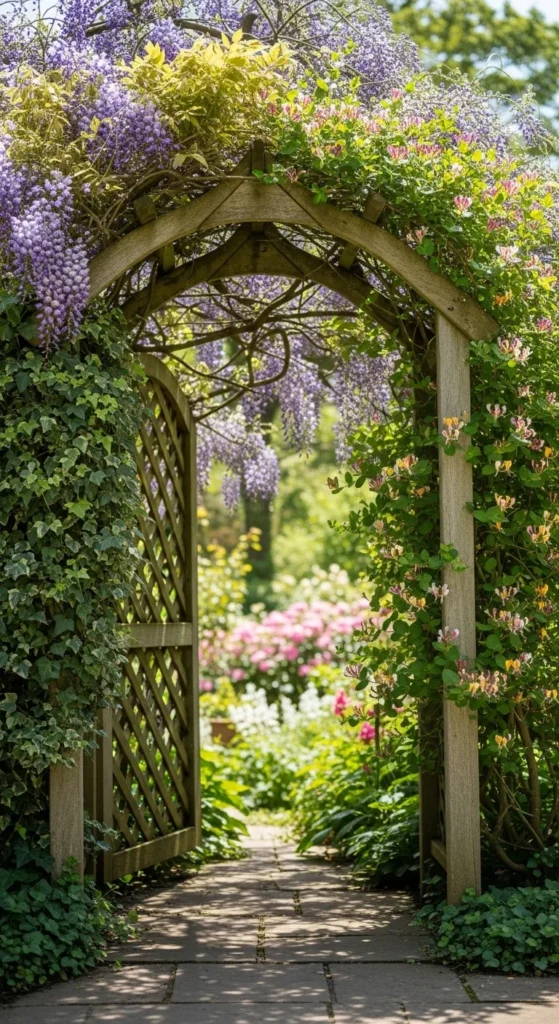
Arches frame paths beautifully. Simple wood designs work best. Train plants slowly for even coverage.
Budget tip. Build arches from lumber and screws. This adds a strong visual anchor.
Low Garden Benches
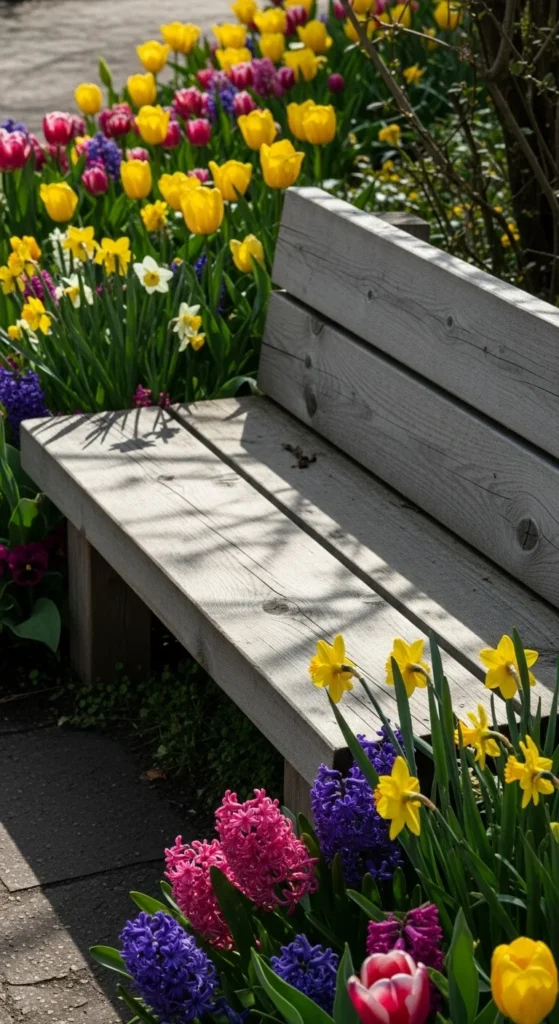
Low benches invite rest. Place them where views are pleasant.
Keep finishes natural.
Budget tip. Use leftover wood planks. Benches add function and charm.
Natural Mulch Textures
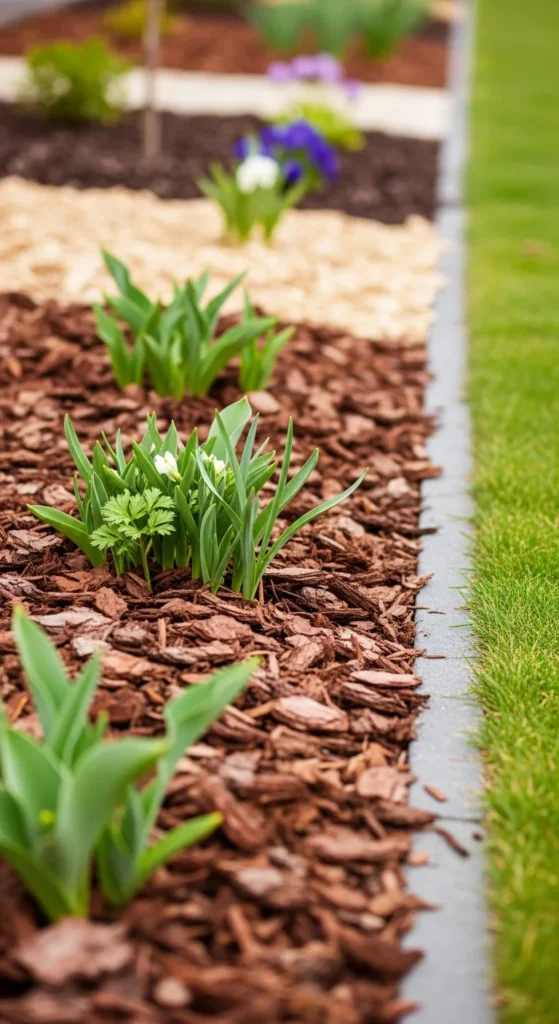
Mulch adds contrast and helps soil. Choose bark or wood chips. Keep edges neat.
Budget tip. Local suppliers offer low-cost mulch. This improves visuals quickly.
Garden Mirror Accents
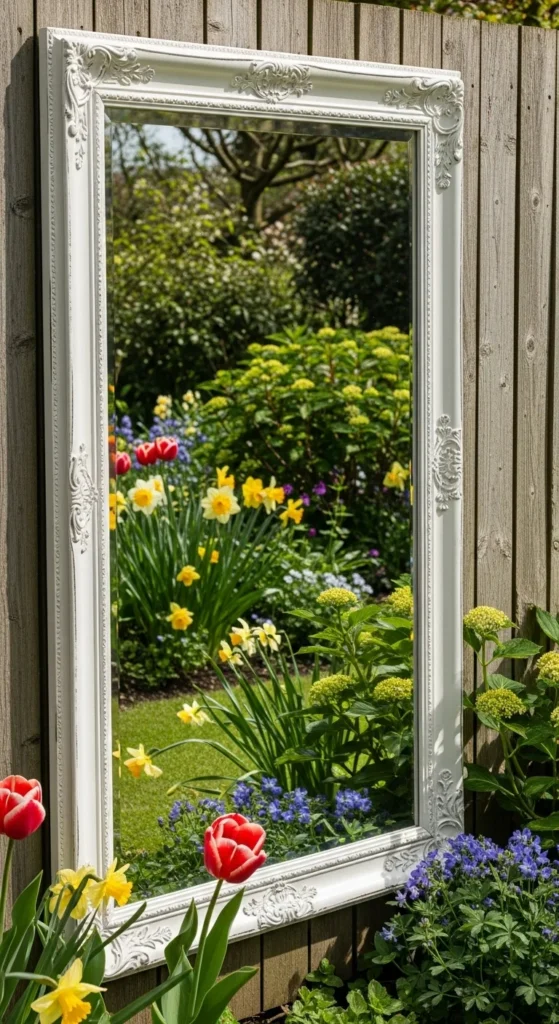
Mirrors reflect light and greenery. Use outdoor-safe frames. Place them where plants face them.
Budget tip. Repurpose old mirrors. This adds depth without space use.
Coordinated Plant Pots
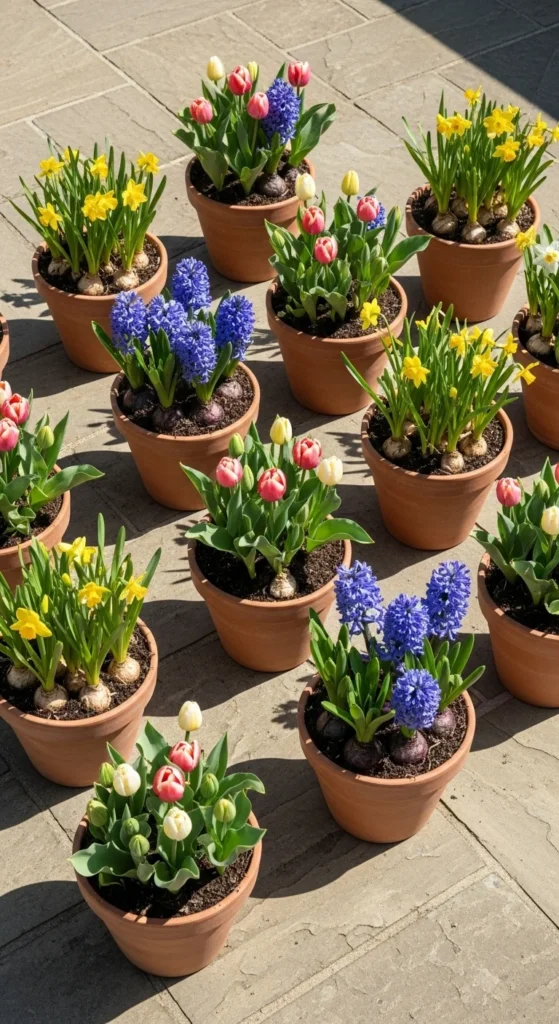
Matching pots create order. Stick to one color or material. Arrange in groups of three.
Budget tip. Spray paint old pots. Coordination makes gardens feel calm.
Edible Flower Borders
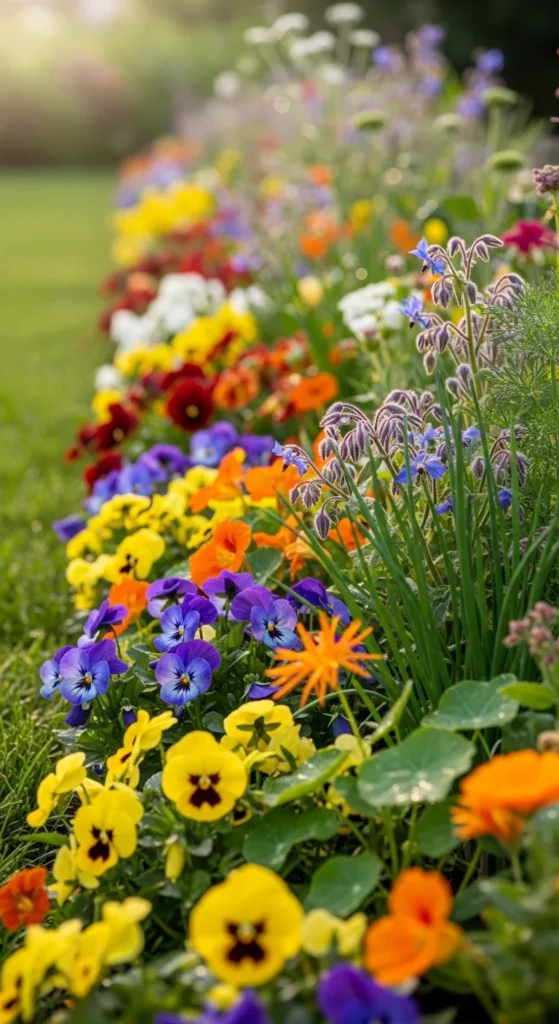
Edible flowers serve beauty and use. Plant them along edges.
They grow easily and add color.
Budget tip. Grow from seed. This border adds charm and purpose.
Simple Garden Signage
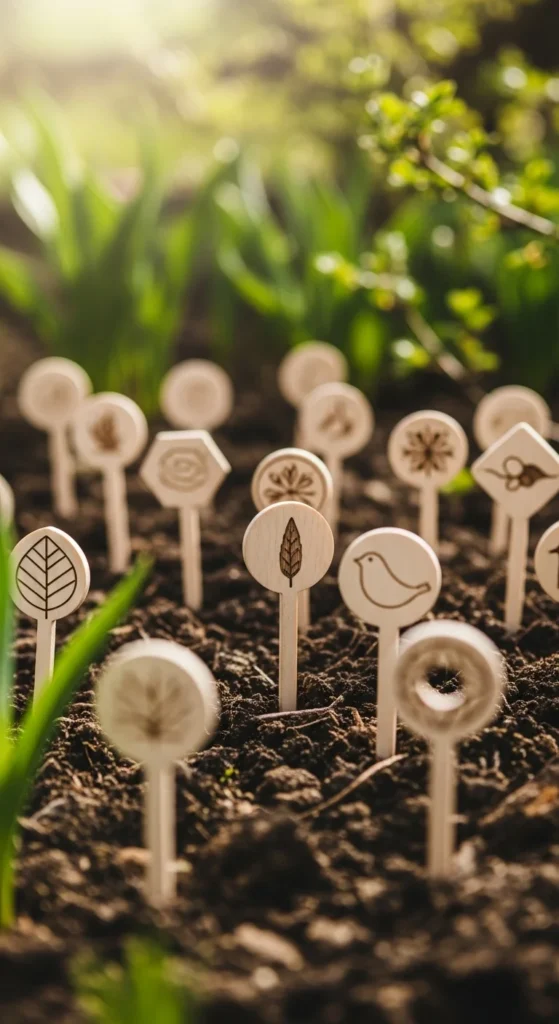
Plant markers keep things organized. Use wood or metal. Keep designs minimal.
Budget tip. Make your own from craft sticks. This keeps beds tidy.
Cozy Garden Corners with Pillows
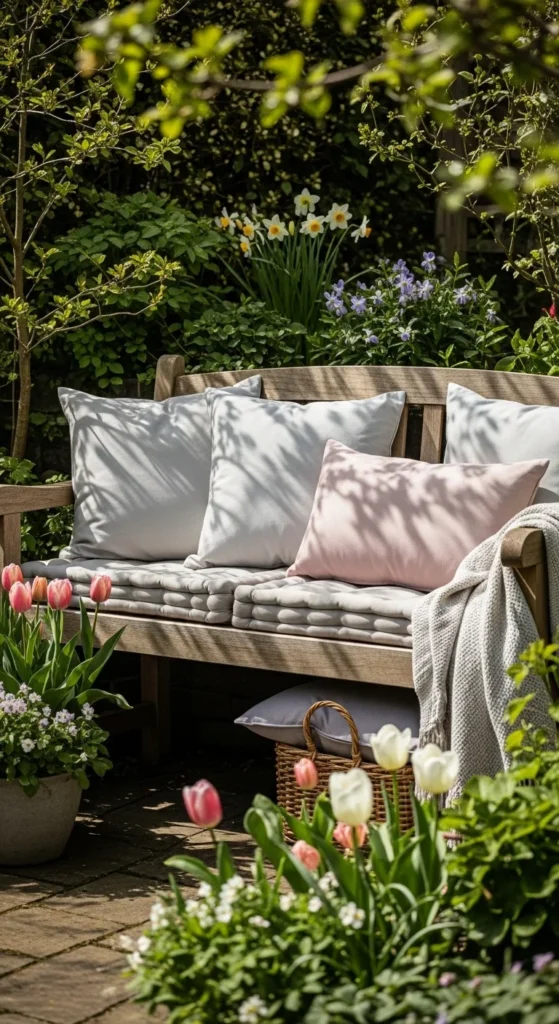
Outdoor pillows soften seating. Choose neutral covers. Store when not in use.
Budget tip. Use indoor pillows short-term. Comfort helps gardens feel lived in.
Conclusion
A spring garden does not need complex planning or big spending to feel styled. Small changes like defined paths, grouped colors, and simple seating make a strong difference. Choose ideas that fit your space and pace. Build slowly and reuse what you have. Over time, your garden becomes a place that looks great in photos and feels even better to enjoy every day.
Leave a Reply