

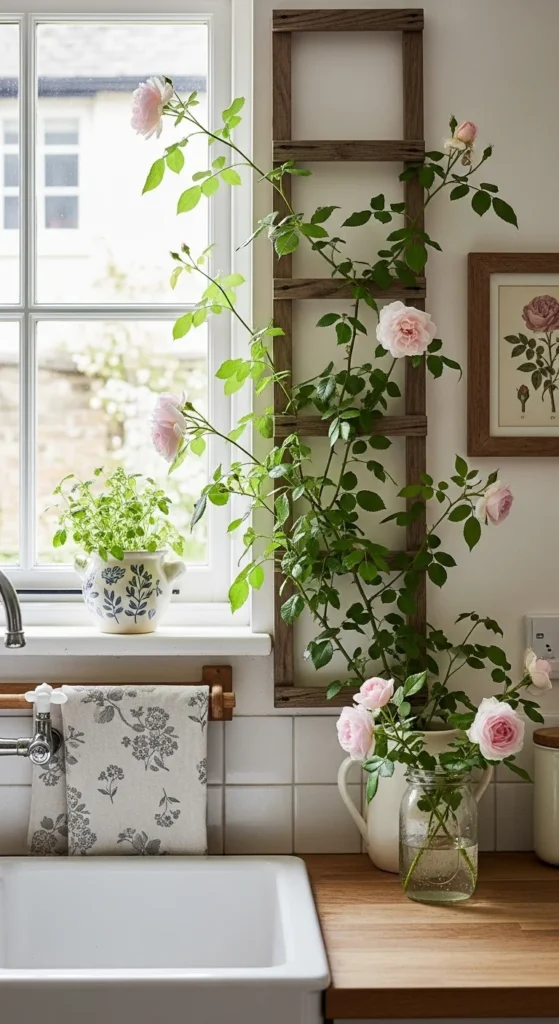
Modern spring gardens focus on clean shapes, calm colors, and intentional layouts that feel easy to maintain. This style works especially well for small yards, patios, and urban outdoor spaces where clutter can feel overwhelming. The goal is not filling every corner, but choosing details that feel organized and thoughtful. These ideas focus on simple upgrades, affordable materials, and DIY-friendly changes that make a garden feel polished without adding stress or extra work.
1. Concrete Stepping Stone Pathways
[Image Prompt: A modern spring garden pathway made of rectangular concrete stepping stones set in gravel, surrounded by low greenery. Clean spacing, neutral tones, and natural daylight. No text. High-end camera.]
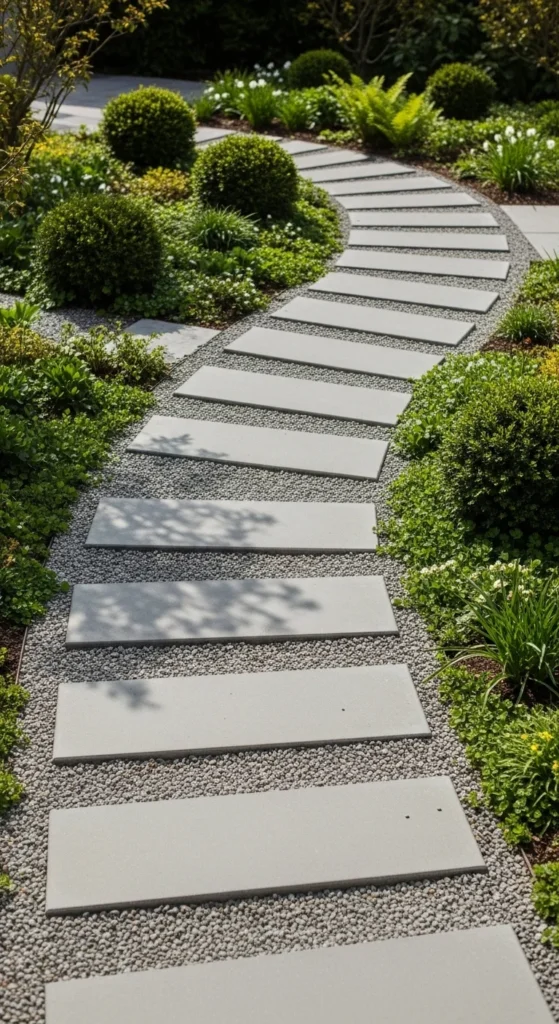
Concrete stepping stones create instant structure. They guide movement while keeping the layout simple. You can buy precast stones or pour your own using basic molds. Spacing them evenly makes the garden feel planned, even if the surrounding plants are relaxed.
Gravel between stones keeps weeds down and cuts maintenance. Choose light gray or soft beige tones for a calm look. Avoid irregular shapes. Straight edges feel more modern and help the space look tidy.
This works well for side yards or narrow spaces. It also helps protect grass during spring growth. If concrete feels too plain, lightly brushing the surface adds texture without adding visual noise.
DIY tip: Use leftover pavers from local resale groups. Many homeowners give away extras after projects.
2. Minimal Raised Garden Beds
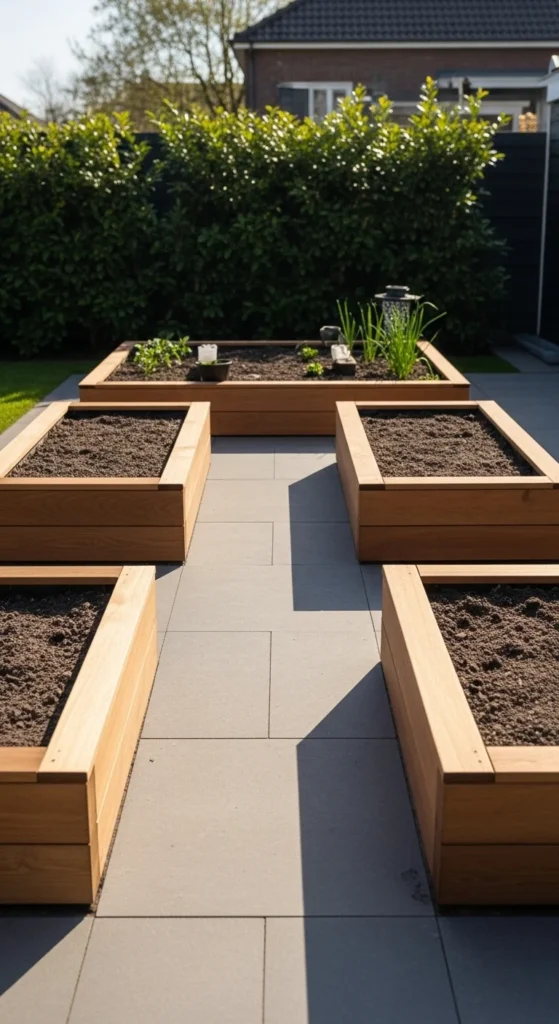
Raised beds with straight lines feel organized and intentional. Keep the height uniform and the spacing consistent. Wood stained in natural tones or painted matte black works well for a modern look.
Avoid mixing too many materials. Stick to one style throughout the garden. This keeps the space calm and easy on the eyes. Raised beds also improve drainage and make planting easier.
For budget builds, use untreated wood and line the interior. Reclaimed boards work well when cut evenly. Keep plants grouped instead of scattered.
This style works for vegetables or simple greenery. The structure does most of the visual work.
3. Black Metal Planters
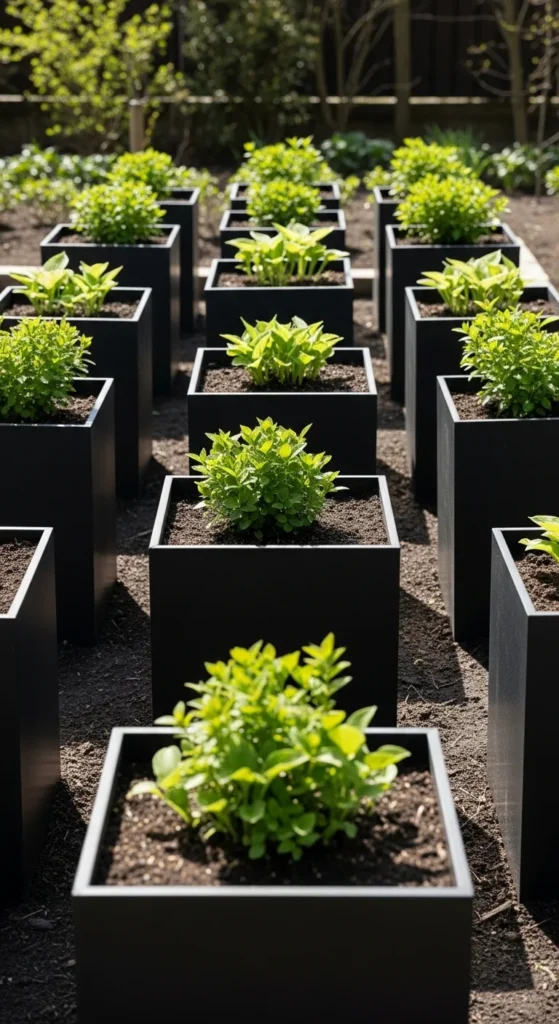
Black planters create contrast without feeling busy. They pair well with concrete, stone, and wood. Choose simple shapes like cylinders or rectangles.
Metal planters last longer than plastic and age well outdoors. You don’t need many. A few placed intentionally look better than many scattered around.
Budget option: Paint existing planters with outdoor spray paint. Use matte finishes for a softer look.
Stick with one size range to keep things consistent. Grouping planters in pairs or threes helps the layout feel balanced.
4. Linear Garden Borders
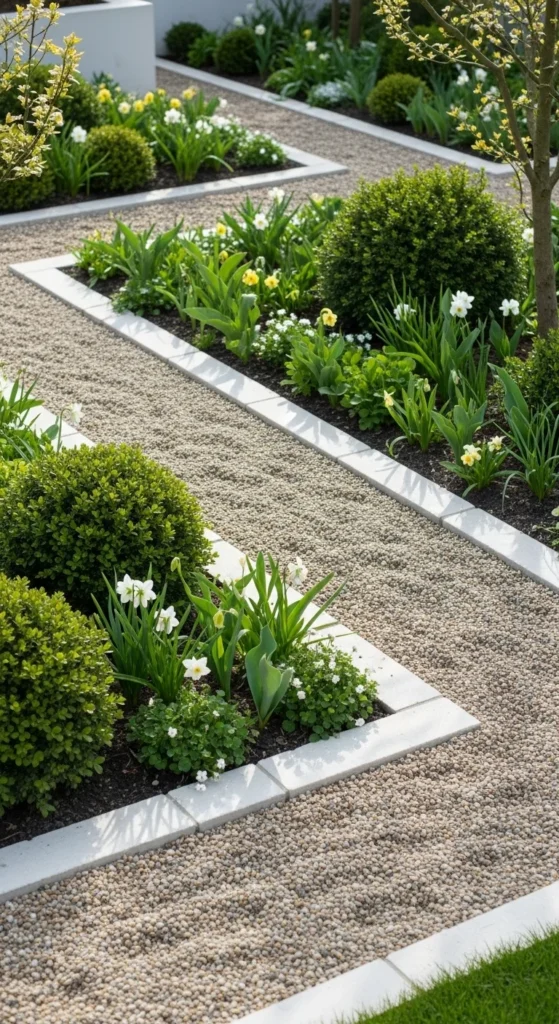
Straight borders make a garden feel controlled and calm. Stone, concrete, or metal edging keeps lines crisp and reduces spreading.
This is an easy weekend project. Measure carefully and keep everything level. Even small yards feel larger with defined edges.
Avoid curved borders if you want a modern feel. Straight lines read cleaner and help guide the eye.
Budget tip: Use concrete edging blocks or simple metal strips. They install quickly and hold their shape well.
5. Gravel Garden Zones
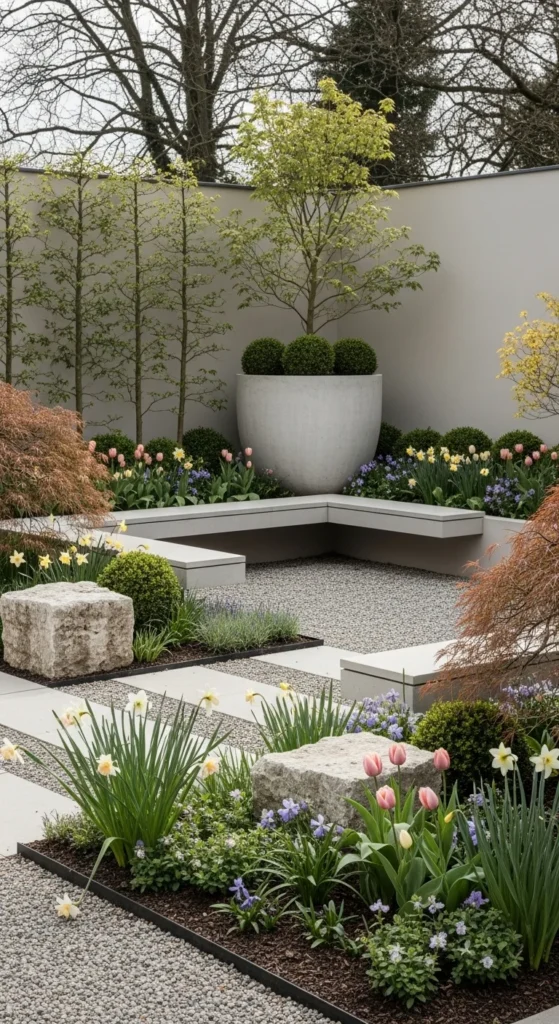
Gravel creates open space without bare soil. It also keeps weeds down and drains well after rain. Light gravel reflects sunlight and makes small gardens feel open.
Use gravel to separate seating areas or walkways. Keep plants grouped at the edges for a clean look.
DIY tip: Landscape fabric underneath reduces long-term upkeep. Choose one gravel color throughout.
This idea works well for patios and low-water gardens.
6. Simple Wood Pergola
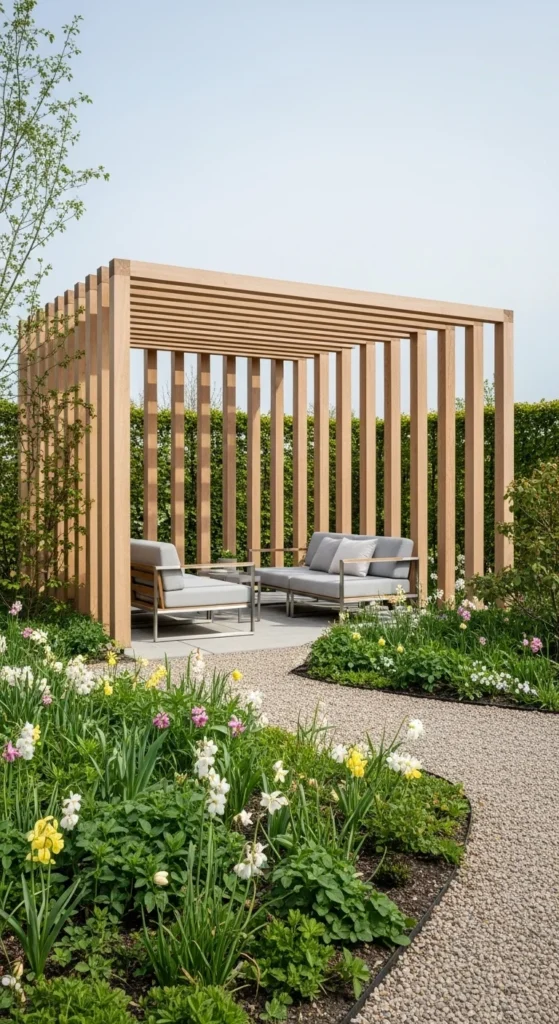
A pergola adds structure without closing in the space. Keep beams straight and evenly spaced. Natural wood tones work best.
Avoid decorative cuts or heavy detailing. The goal is simplicity. Even a small pergola over a bench creates a focal point.
Budget builds are possible using basic lumber and brackets. Seal the wood for durability.
7. Neutral Outdoor Seating
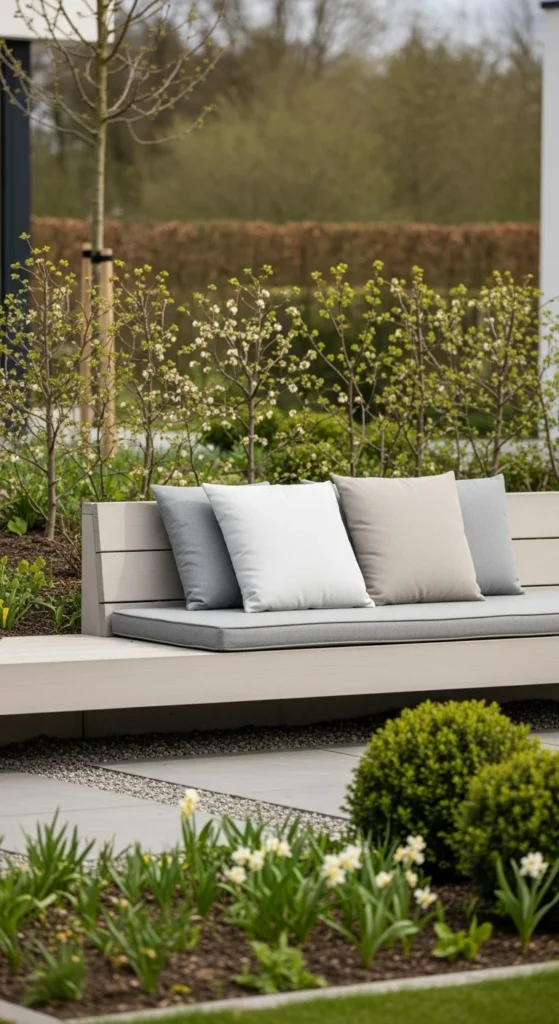
Choose seating with clean frames and solid colors. Avoid patterns. Neutral cushions feel calm and pair well with greenery.
You don’t need a full set. A bench or two chairs can anchor the space.
DIY option: Refresh old furniture with outdoor paint and simple cushions.
8. Symmetrical Plant Placement
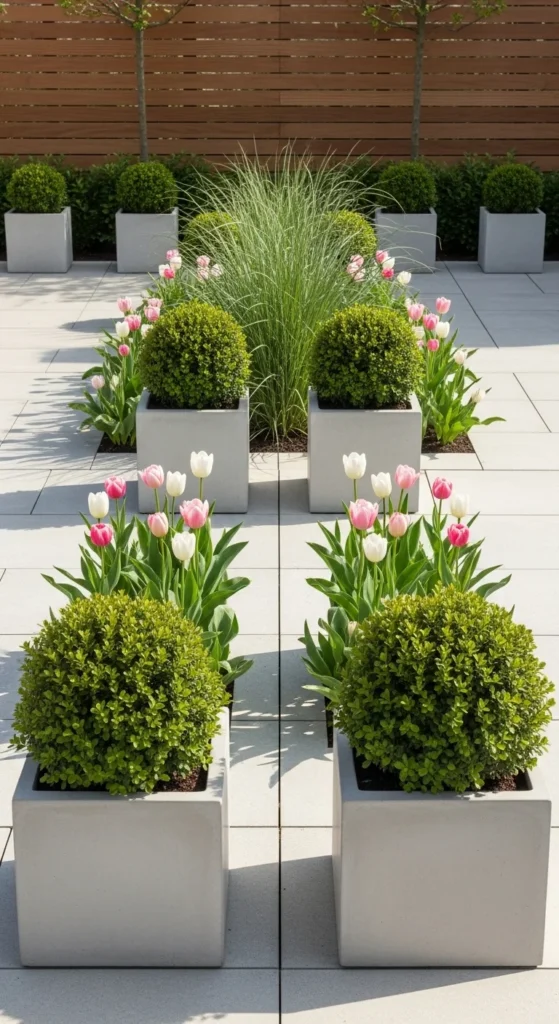
Symmetry brings order. Matching plants on each side of a path or entry make the garden feel balanced.
Stick to one or two plant types. Repetition is key for modern style.
This works especially well in small spaces where clutter shows quickly.
9. Smooth Stone Ground Cover
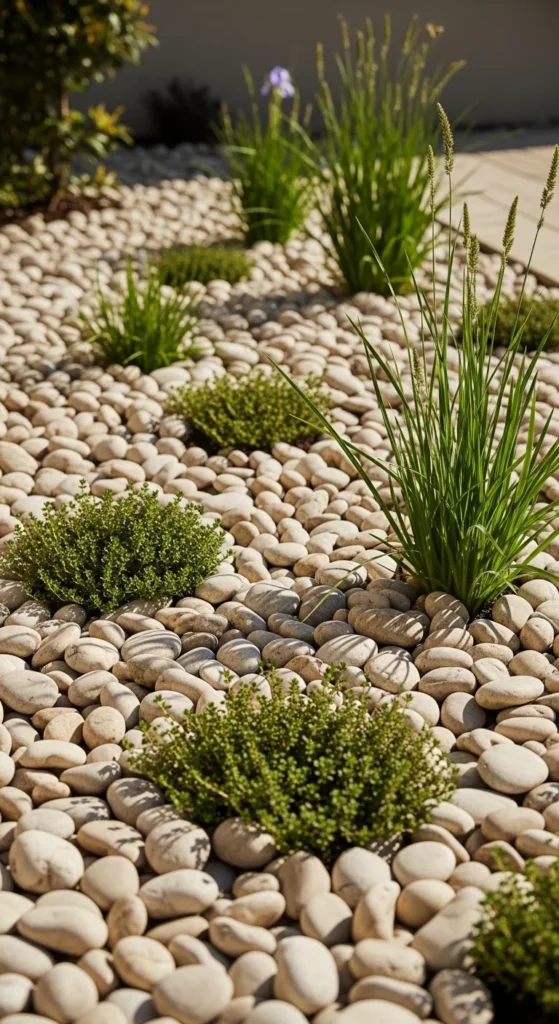
Small smooth stones create texture without mess. They pair well with raised beds and planters.
Use them around plant bases or seating areas. Keep the color consistent.
This reduces mud and helps with drainage during spring rain.
10. Wall-Mounted Planters
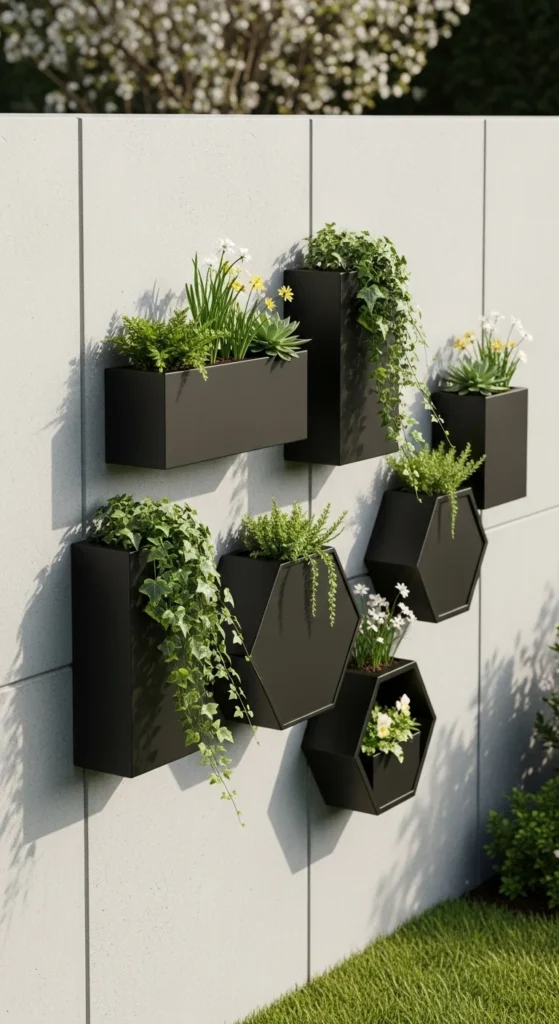
Wall planters save space and add greenery without crowding the ground. Choose simple frames and evenly spaced layouts.
DIY shelves with planters work just as well. Keep plants low maintenance.
This idea is great for patios and balconies.
11. Low Hedge Lines
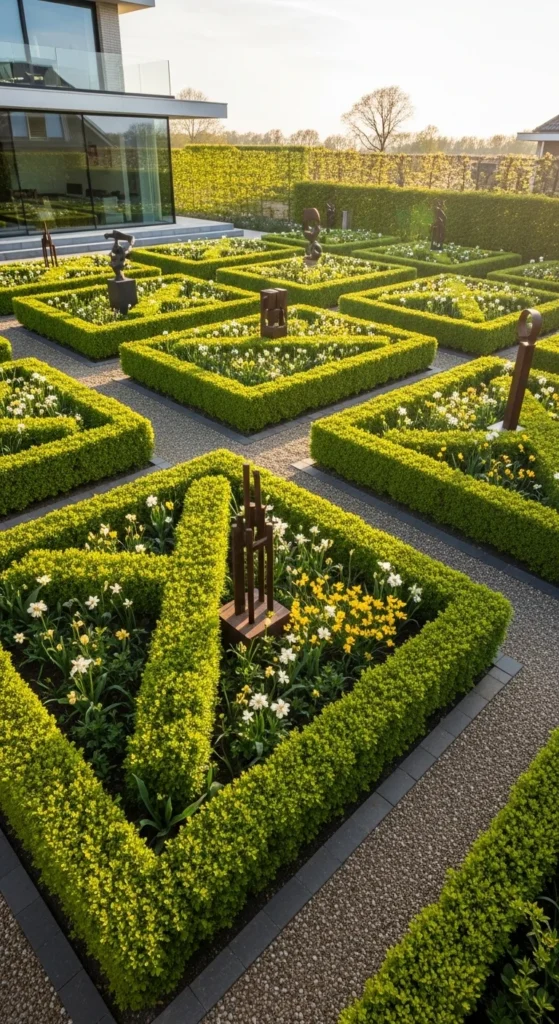
Short hedges create boundaries without blocking views. Keep them trimmed evenly.
Choose slow-growing varieties to reduce upkeep.
This adds structure while keeping the garden open.
12. Concrete Garden Benches
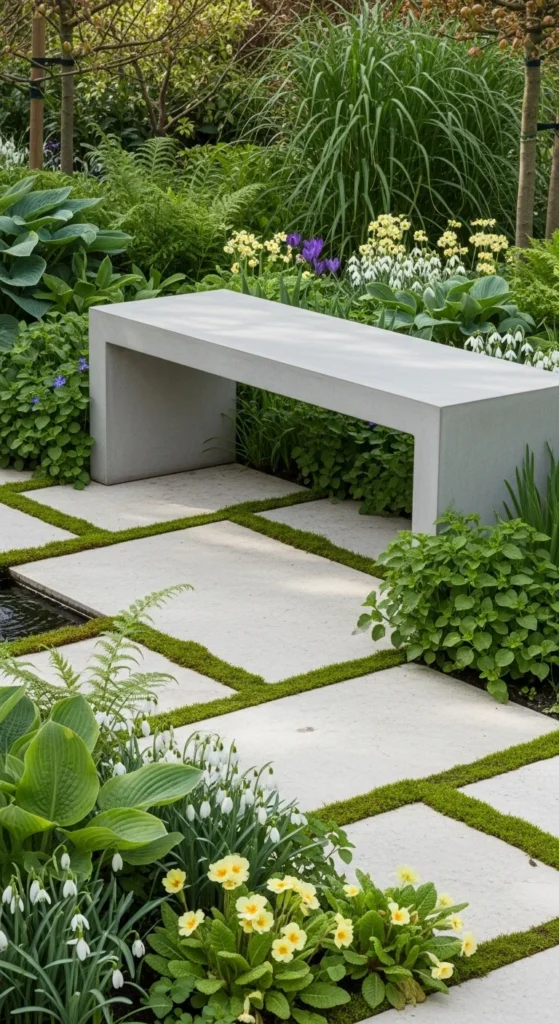
Concrete benches feel grounded and solid. They handle weather well and need little care.
DIY concrete molds make this affordable. Keep shapes simple.
Place benches along paths or near planters.
13. Single-Tone Plant Palette
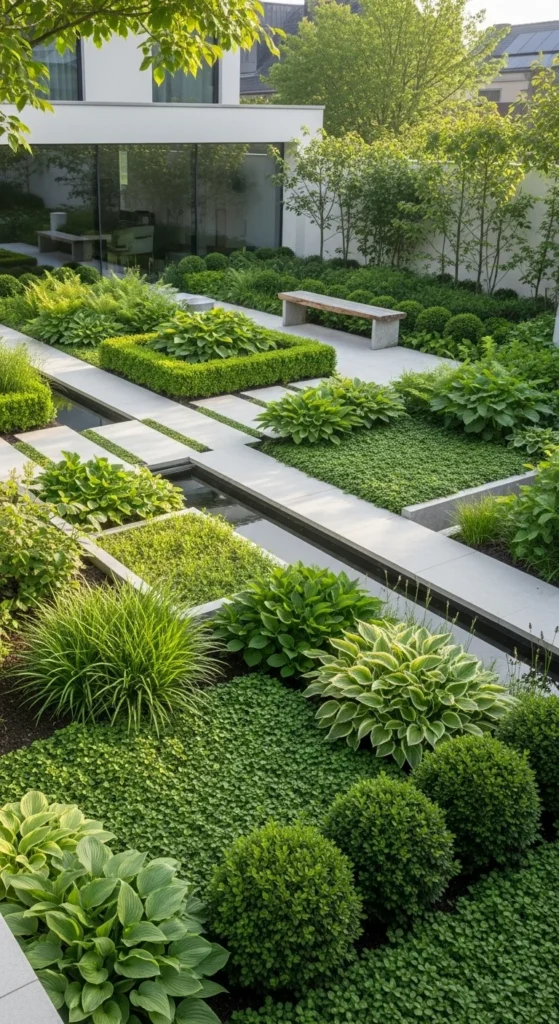
Limiting plant colors keeps the space calm. Greens with similar shades look cohesive.
Texture comes from leaf shape, not color variety.
This simplifies planting decisions and upkeep.
14. Minimal Water Feature Bowl
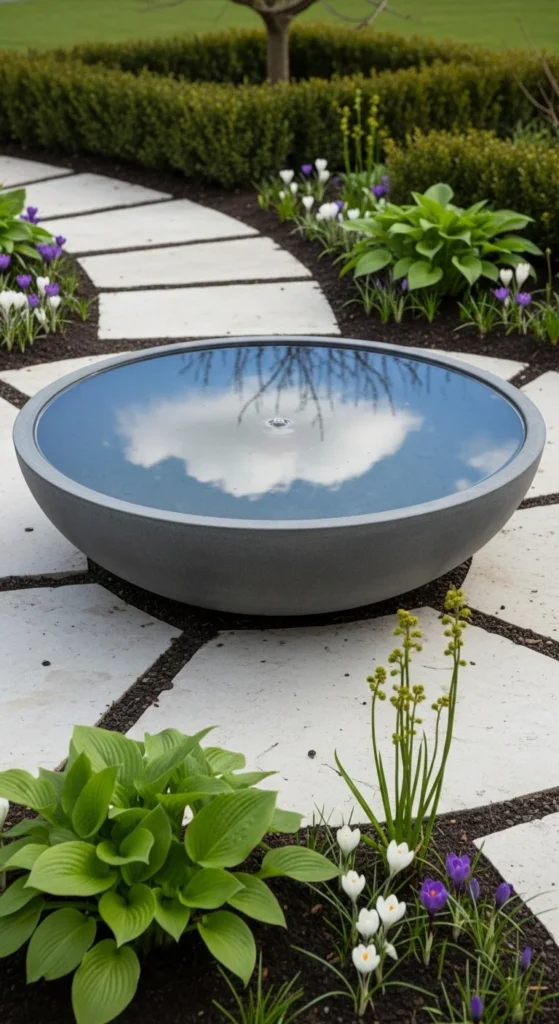
A shallow water bowl adds movement without noise. Choose stone or concrete.
Keep placement central and uncluttered.
Budget option: Large stone bowls work just as well.
15. Straight-Line Trellis Panels
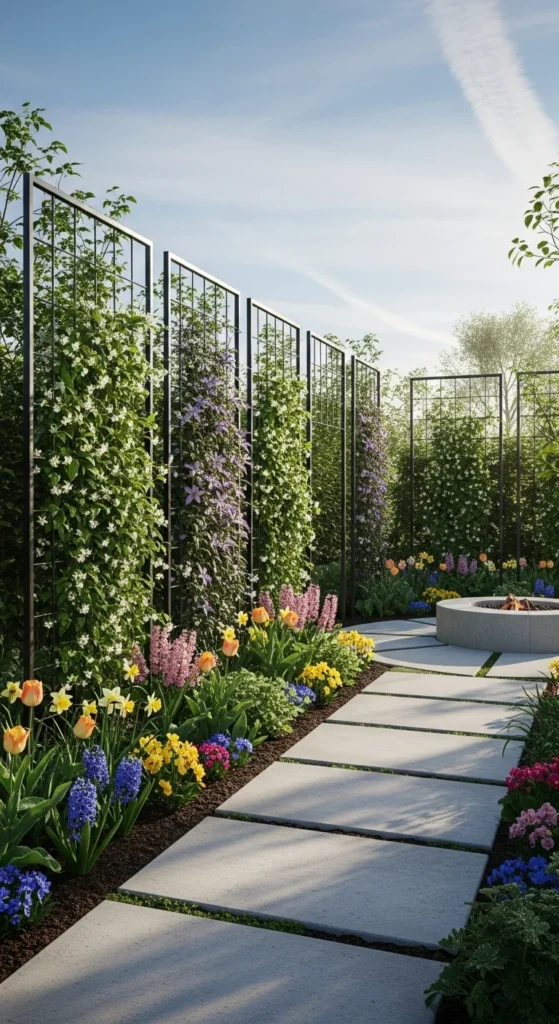
Simple trellises add height. Keep lines straight and spacing even.
They work well for vines without feeling busy.
DIY panels are easy using wood strips.
16. Compact Fire Pit Area
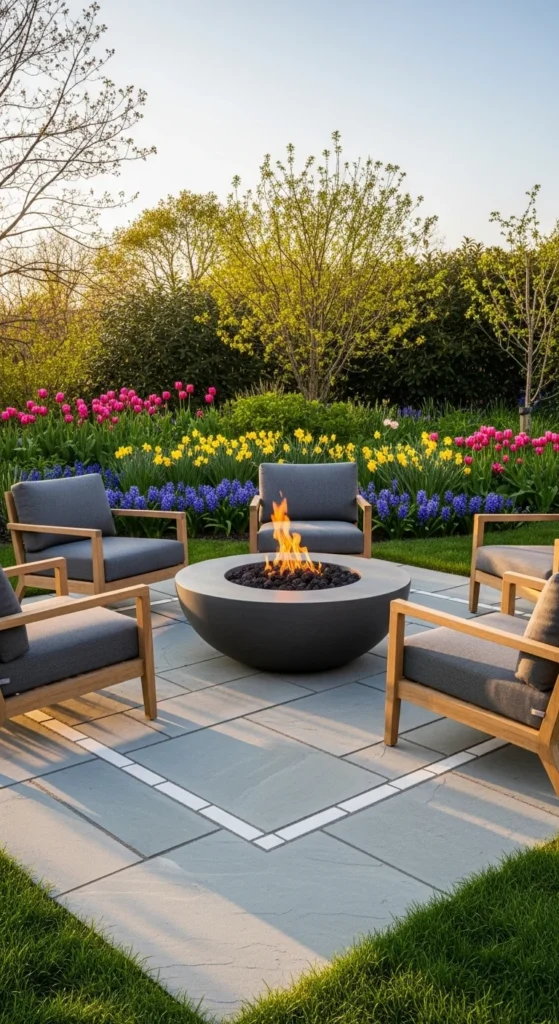
A small fire pit anchors seating areas. Keep the shape round or square.
Stone or concrete finishes fit modern spaces.
This adds function without crowding.
17. Stone Path Borders
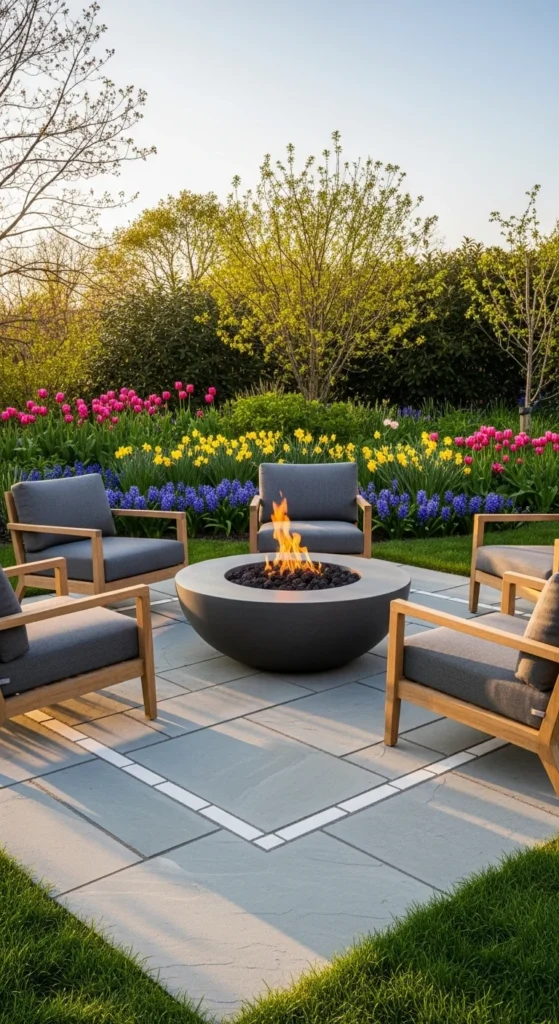
Stone borders keep paths clean and defined.
They also prevent gravel spreading.
This improves long-term maintenance.
18. Minimal Shade Sails
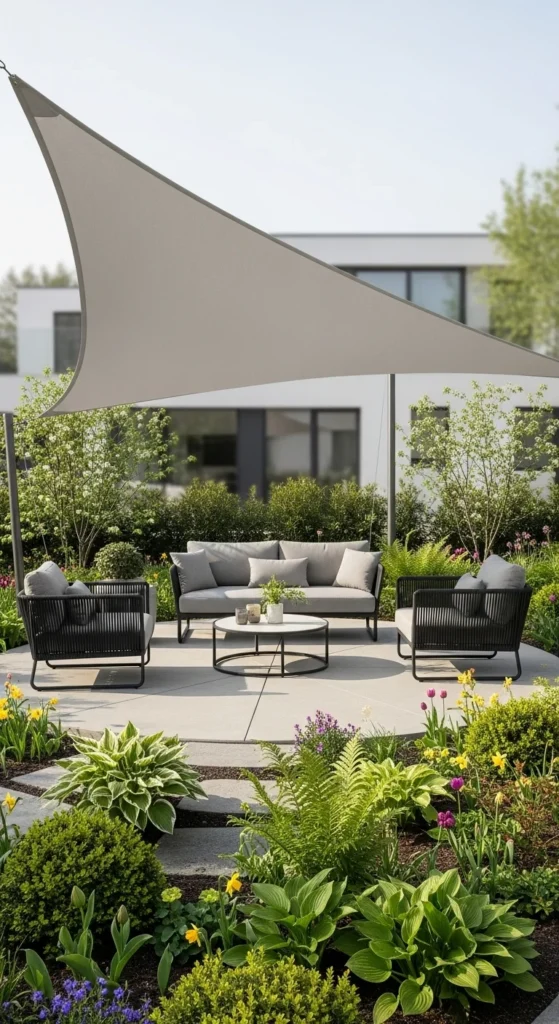
Shade sails add coverage with little visual weight.
Choose neutral colors and tight lines.
They install easily and remove seasonally.
19. Built-In Planter Walls
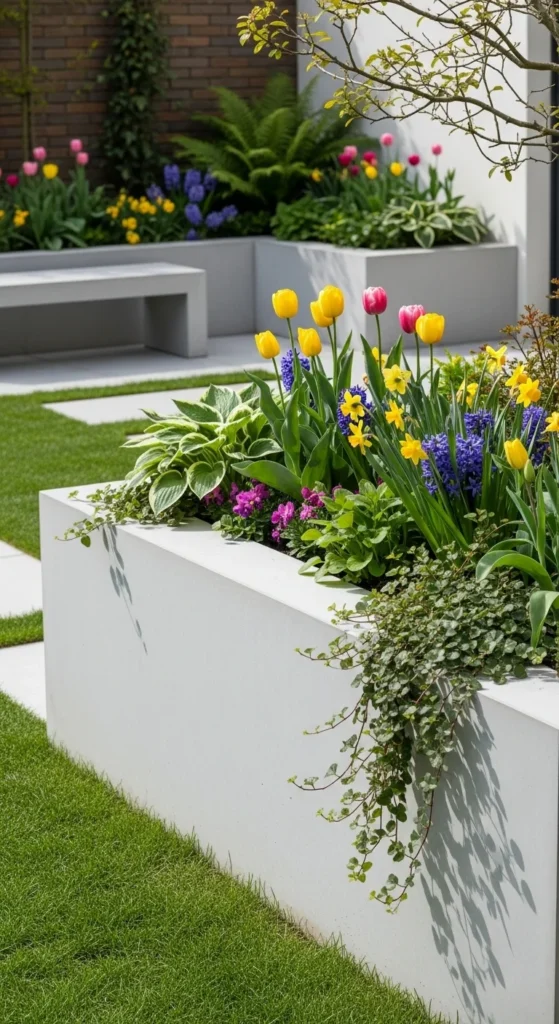
Planter walls combine seating and planting.
Concrete blocks make this budget-friendly.
Keep planting simple.
20. Narrow Reflective Pools
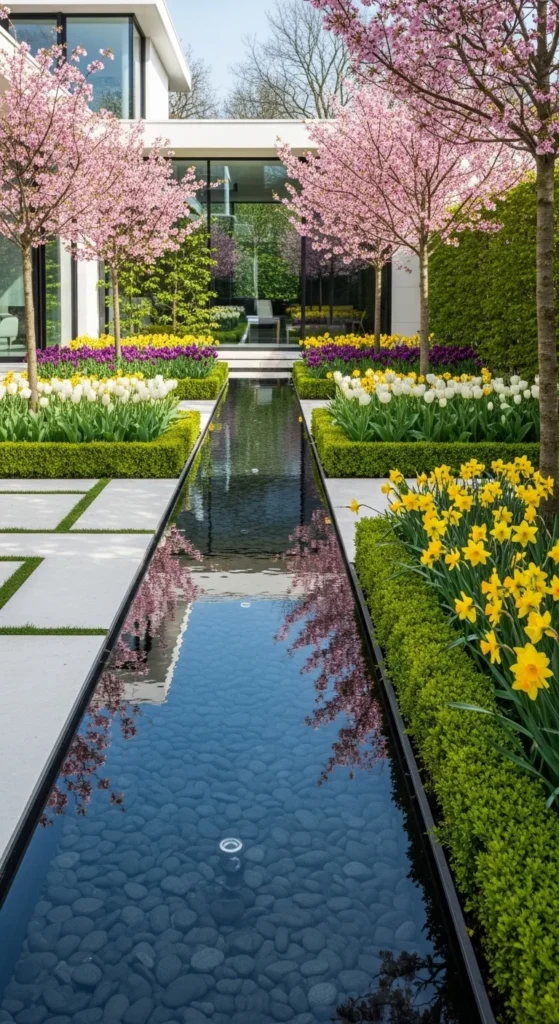
Slim water features reflect light and sky.
They add calm without clutter.
Simple liners work for DIY builds.
21. Uniform Pot Sizes
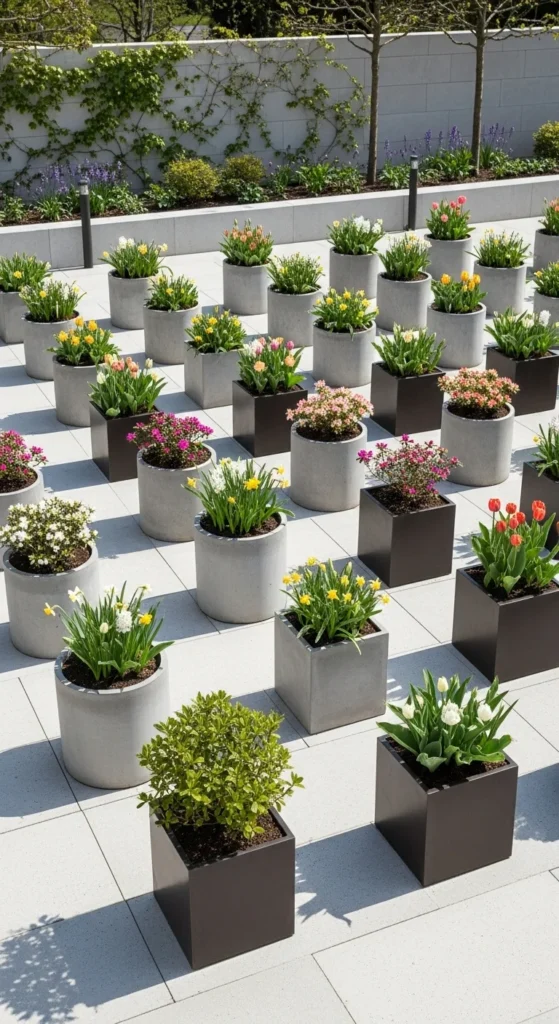
Matching pot sizes create order.
Even mixed plants look coordinated.
This is an easy visual fix.
22. Clean Fence Panels
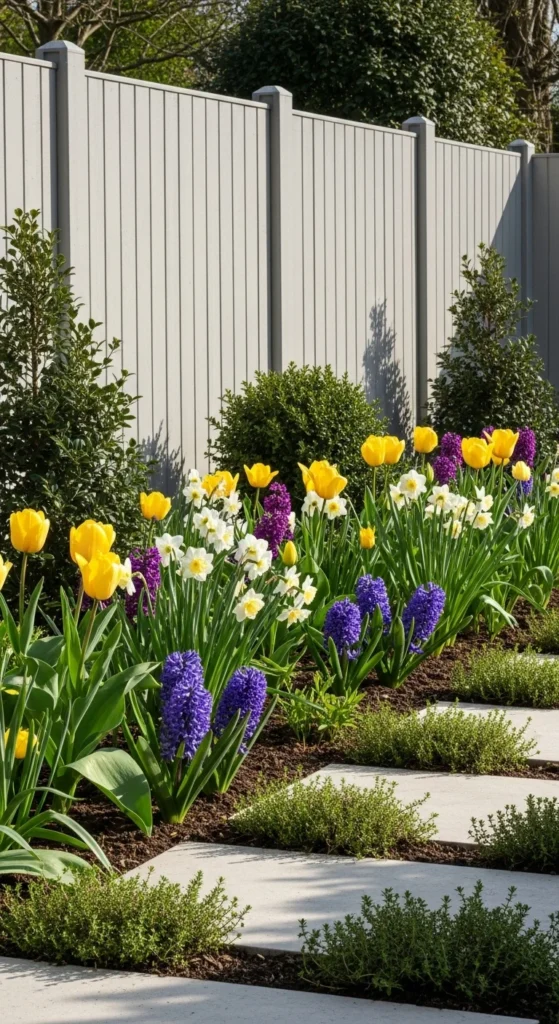
Simple fencing frames the space.
Neutral tones keep it subtle.
Paint refreshes old fences easily.
23. Gravel and Wood Mix
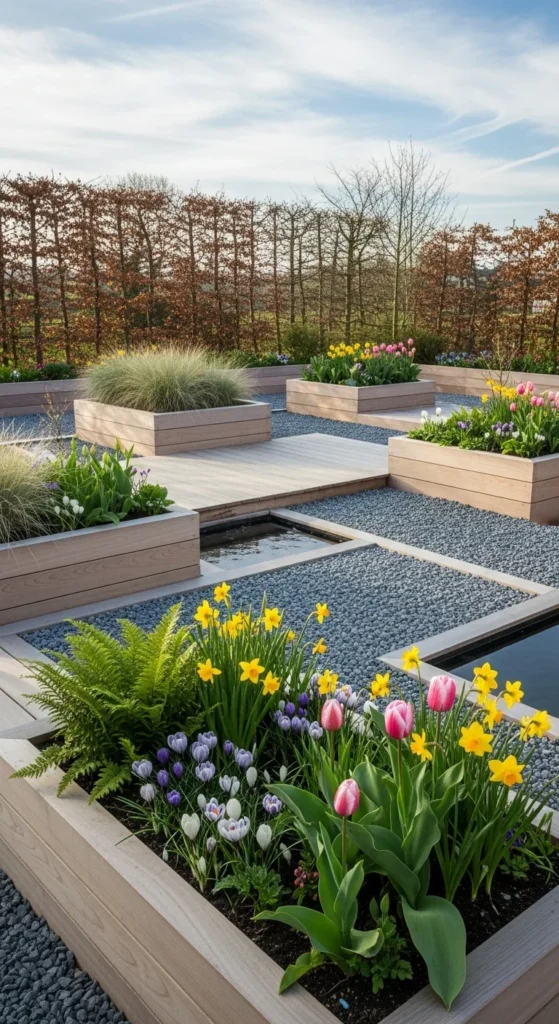
Wood softens gravel areas.
Keep lines straight and materials limited.
This balances warmth and structure.
24. Compact Herb Zones
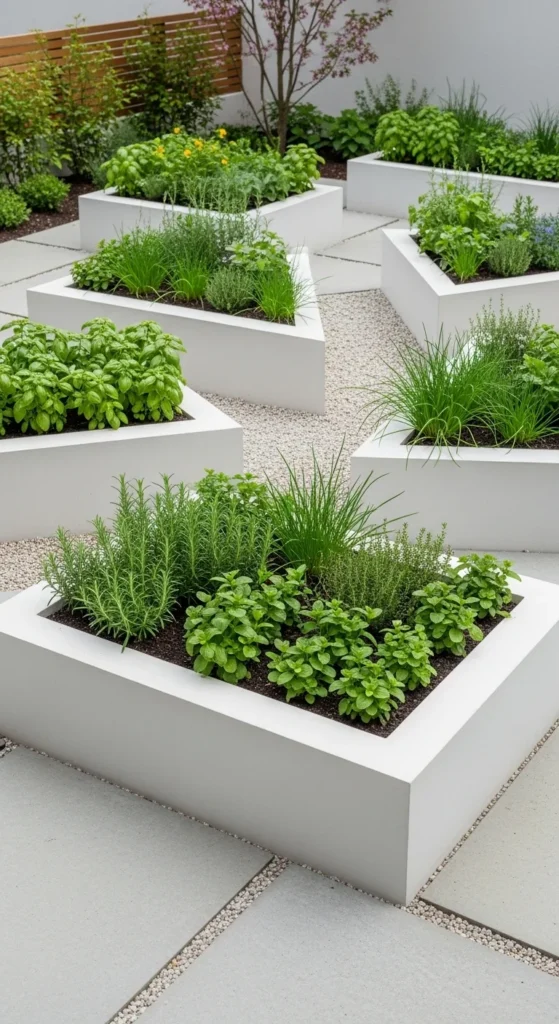
Herbs grouped neatly look tidy.
Use raised beds or planters.
This keeps function and style aligned.
25. Soft Night Lighting Lines
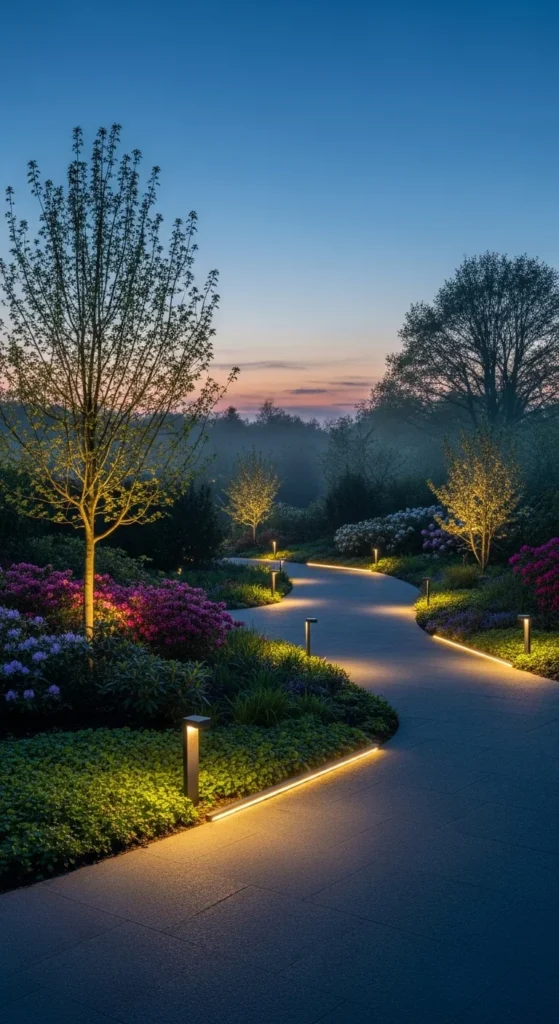
Low lights guide paths gently.
Solar options keep costs down.
Stick to warm tones and simple fixtures.
Conclusion
Modern spring gardens work best when every element has purpose. Clean lines, limited materials, and thoughtful spacing make even small outdoor areas feel calm and put together. These ideas focus on simple changes that don’t add work or expense. Start with one upgrade, keep the palette restrained, and let structure do the heavy lifting. The result is a garden that feels organized, welcoming, and easy to maintain all season long.
Leave a Reply