

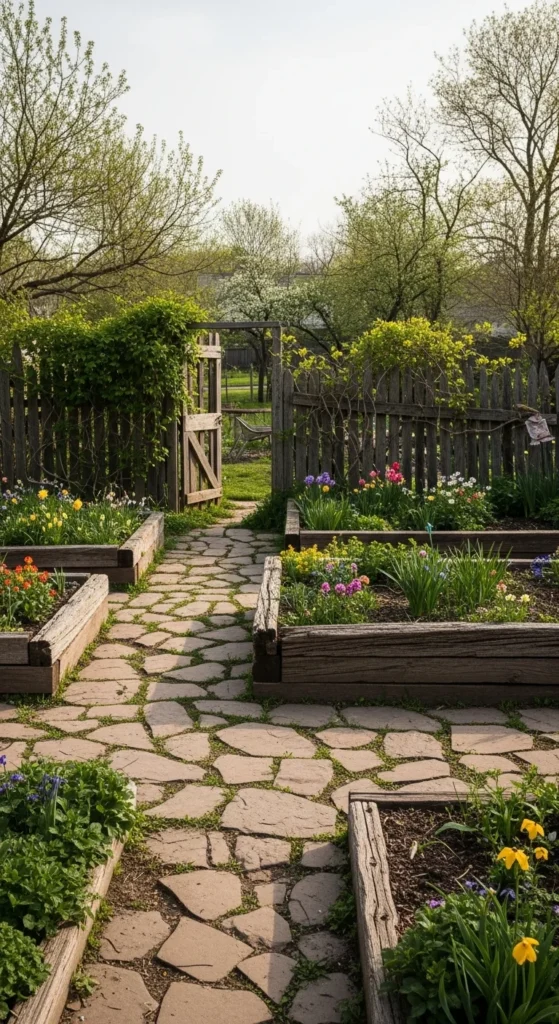
Rustic spring gardens are all about ease, texture, and a sense of time. They don’t feel styled or forced. They grow slowly and imperfectly. This type of garden works with what you already have instead of pushing against it. Old wood, uneven stone, reused containers, and plants that spread on their own all play a role. The goal is a space that feels calm, lived-in, and welcoming. These ideas focus on simple actions you can take without large spending or complex plans. Each one favors reuse, natural wear, and hands-on DIY touches that feel personal rather than polished.
1. Weathered Wood Raised Beds
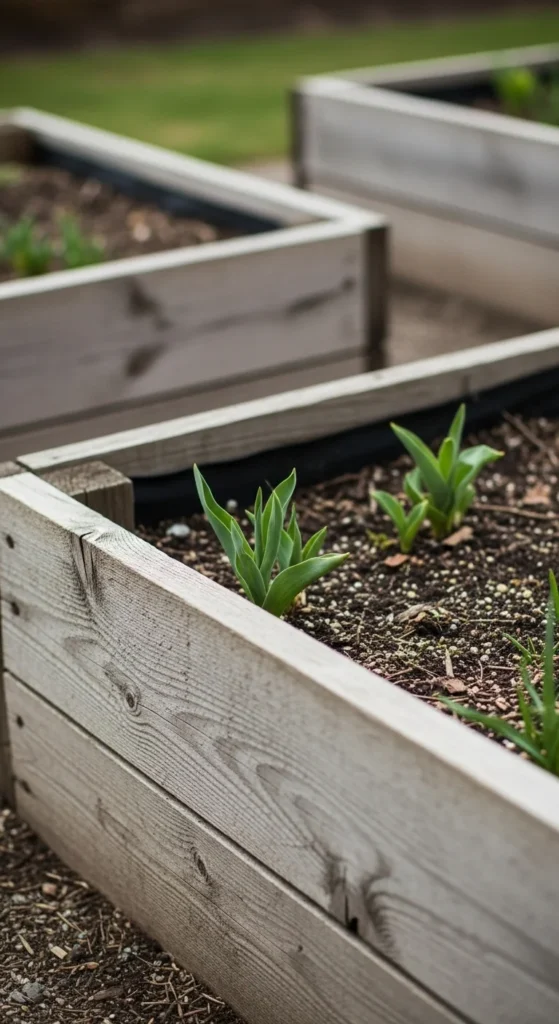
Weathered wood raised beds feel honest and grounded. They don’t hide knots, cracks, or fading. That’s the charm. You can build them using old fence boards, pallet wood, or leftover planks from past projects. No sanding required. Rough edges add character.
Keep the shape simple. Rectangles work well and are easy to build. Stack boards and secure them with basic corner brackets or screws. Place beds directly on soil to keep things low-effort.
These beds warm up quickly in spring. That helps early planting without extra tools. Fill them with soil mixed with compost you already have.
For a budget tip, ask local builders or farms for scrap wood. Many give it away. If the wood feels too dry, brush it lightly and leave it as-is. No sealers needed.
Let plants spill over the edges. That softens the lines and makes the bed feel part of the land instead of sitting on top of it.
2. Stone Paths with Uneven Spacing
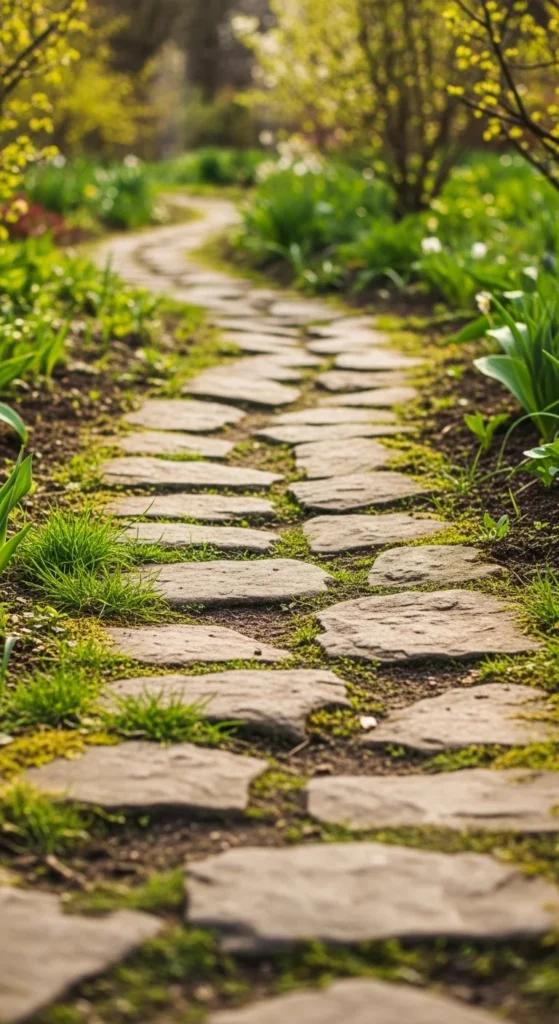
Perfectly straight paths can feel stiff. Uneven stone paths feel relaxed and natural. Use stones of different sizes and shapes. Lay them with space between each piece so grass or ground cover can grow through.
You don’t need a full base. Scrape the soil flat and press stones in by hand. Step on them to check stability. Adjust as you go.
Reclaimed stones work best. Old patio slabs, broken concrete pieces, or stones from your yard all work. Mismatched is good here.
This kind of path guides movement without looking planned. It encourages slow walking and wandering. That fits the rustic style well.
For savings, check local listings where people give away leftover stone. Even cracked pieces can be used.
Let nature fill the gaps over time. That soft growth helps the path settle into the garden instead of standing out.
3. Galvanized Metal Planters
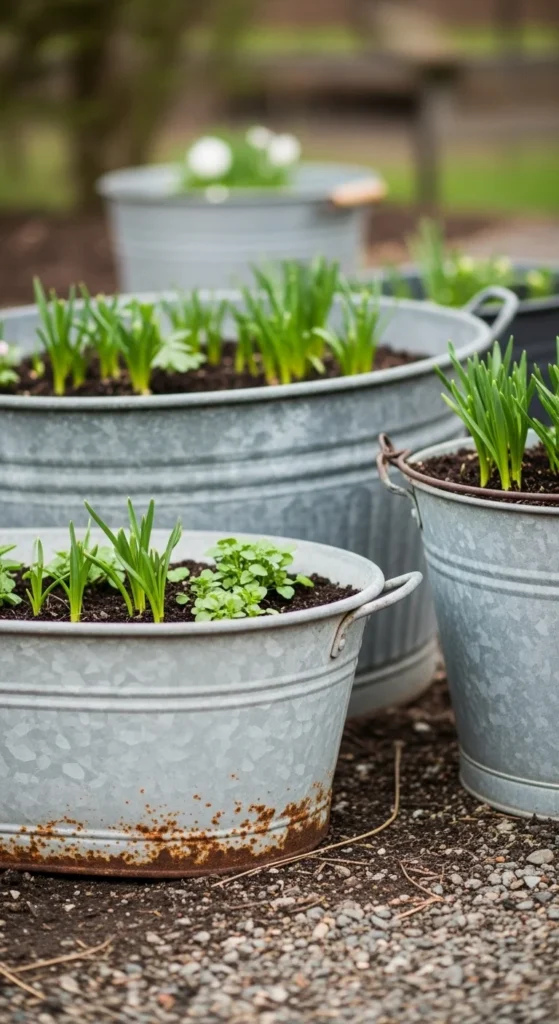
Galvanized metal adds a quiet farmhouse feel. Old tubs, buckets, and wash basins make great planters. Light rust and wear only add to the look.
Drill a few drainage holes if needed. That’s the only prep required. Set them directly on soil, gravel, or stone.
These planters work well near doors, along fences, or grouped in corners. Use different sizes for a collected look.
For budget finds, check flea markets, garage sales, or farm supply stores. Even dented pieces work fine.
Plant herbs, simple greens, or trailing plants that soften the metal edge. Let them grow freely instead of trimming too much.
Over time, the metal will age further and blend into the garden setting. That slow change adds to the rustic feel without extra work.
4. Reclaimed Brick Borders
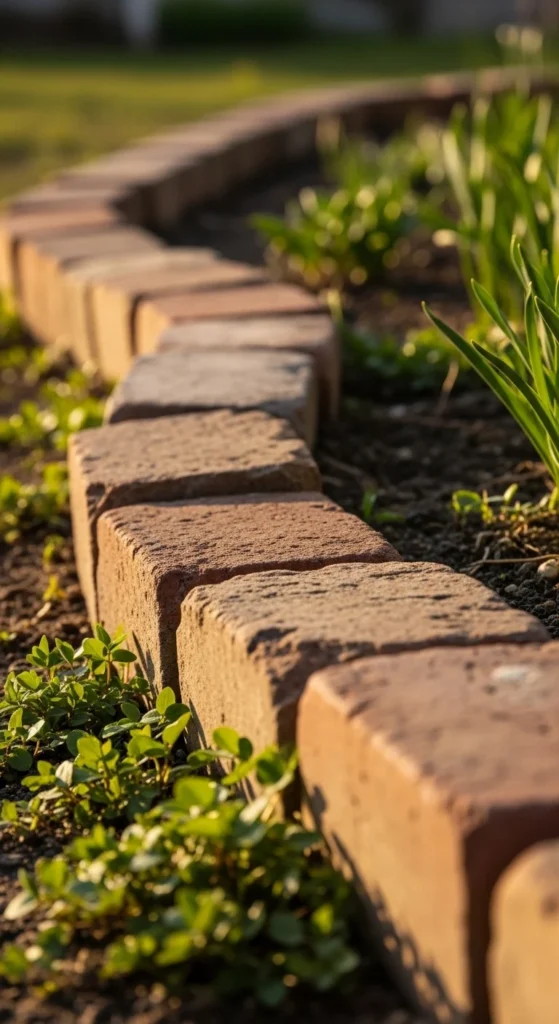
Old bricks create soft structure without looking rigid. Lay them loosely around garden beds. Don’t mortar them. Let them sit naturally.
Turn some bricks on edge and others flat. Variation keeps it casual. Small gaps are fine.
You can source bricks from demolition sites or local giveaways. Many people want them gone.
This border keeps soil in place while still allowing plants to cross the line. That mix of order and freedom feels right for rustic spaces.
If weeds pop up between bricks, leave a few. They add to the look. Pull only what blocks paths.
As seasons pass, bricks settle into the soil. That worn-in look is part of the charm and costs nothing.
5. Old Ladder Plant Stand
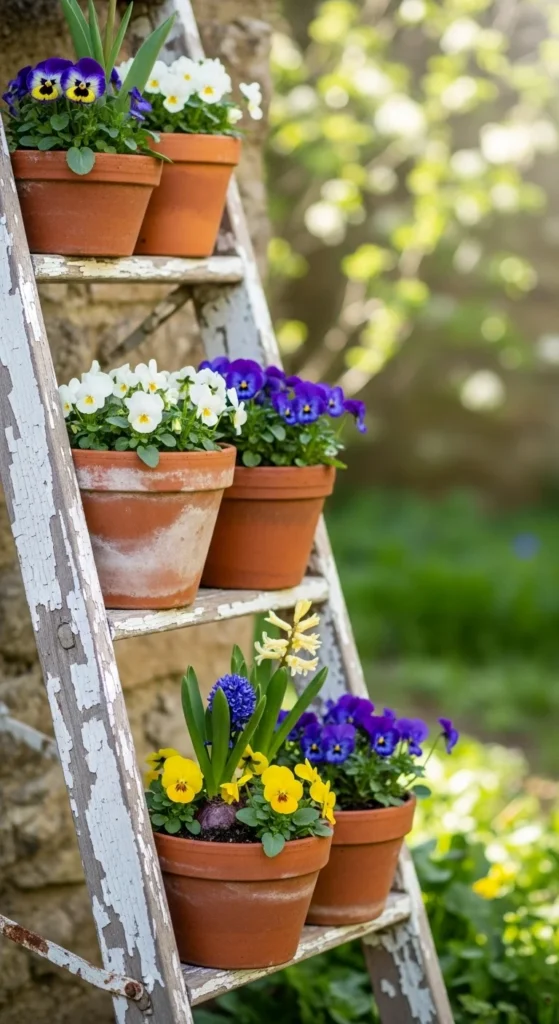
An old ladder makes an easy vertical plant stand. Lean it against a fence or wall. No fixing required.
Place pots on each step. Mix clay, metal, and reused containers. The mismatch adds warmth.
If the ladder feels weak, use it for lighter pots only. Herbs and small plants work well.
Check secondhand shops or sheds for unused ladders. Paint chips and worn wood add character, so don’t fix them.
This setup saves ground space and draws the eye upward. It works well in small gardens or patios.
As plants grow, they soften the ladder shape. Over time, it becomes part of the garden instead of a focal object.
6. Clay Pots with Natural Patina
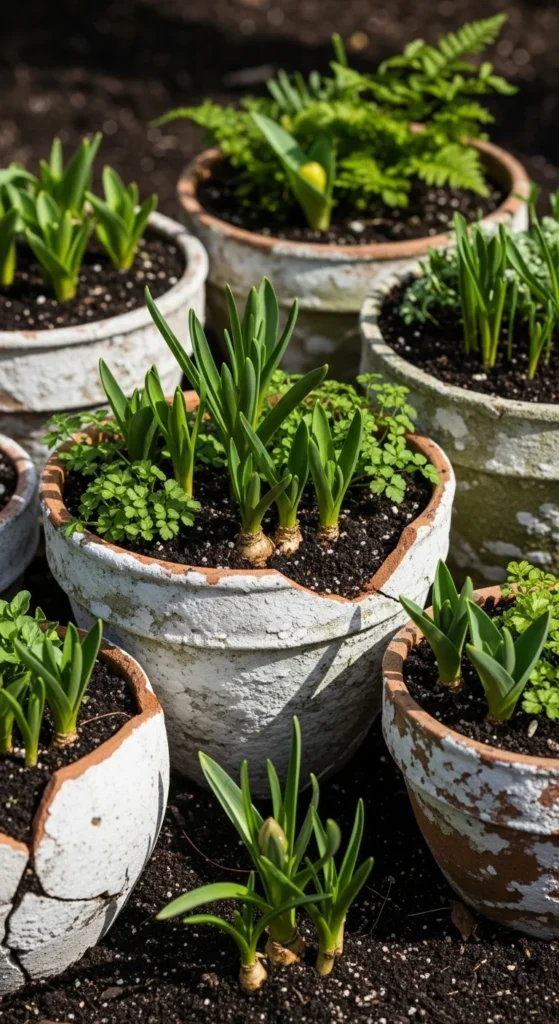
Clay pots age beautifully. White marks, chips, and stains tell a story. That’s what makes them right for rustic gardens.
Skip new matching sets. Mix sizes and shapes instead. Group them loosely rather than lining them up.
If pots look too new, leave them outside through rain and sun. Time will do the work.
You can often find clay pots cheaply at yard sales. Cracks are fine as long as they hold soil.
Use these pots near paths, steps, or seating areas. They add texture without taking over.
Let plants spill over the edges. That soft movement helps the pots feel settled into the space.
7. Wooden Crate Planters
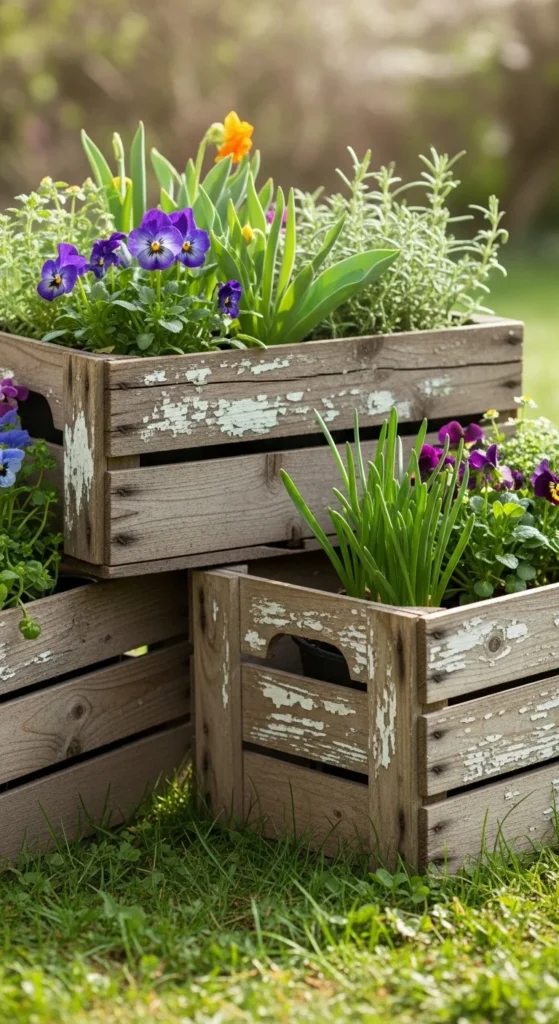
Wooden crates work well as low planters. Line them with fabric or burlap. Add drainage holes if needed.
These crates are easy to move and rearrange. That helps when sunlight changes through the season.
Look for fruit crates or storage boxes at markets. Many are free or low cost.
Don’t paint them. Let the wood age naturally. That wear adds warmth.
Use crates for shallow-root plants or herbs. Stack two for height if needed.
As wood breaks down over time, it blends into the garden style instead of feeling worn out.
8. Natural Branch Trellises
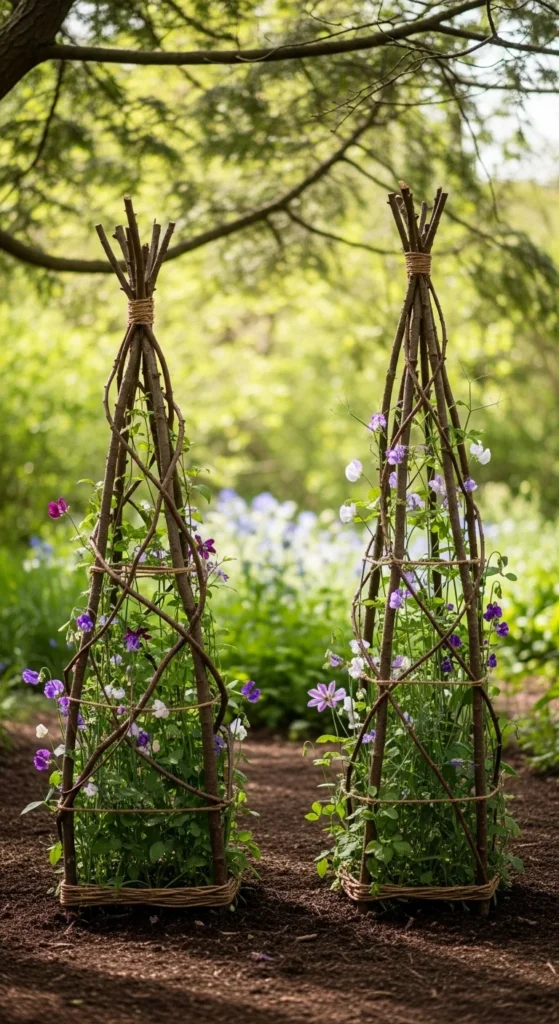
Branch trellises are simple and free. Gather straight branches from yard cleanup or walks.
Tie them together with twine or wire. Push them into soil near climbing plants.
No two trellises will look the same. That’s the point. Keep them uneven.
These supports break down over time. Replace them when needed.
They guide growth without drawing attention. Plants stay the focus.
This approach keeps materials local and costs nothing.
9. Worn Bench Seating
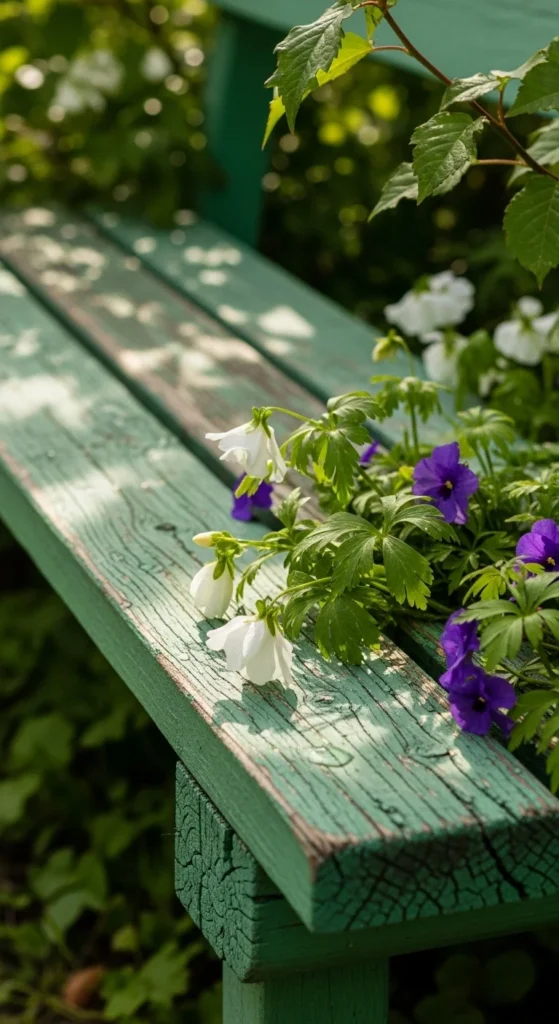
A worn bench invites pause. It doesn’t need perfect lines or matching sets.
Use an old wooden bench or build one from scrap boards. Keep it simple.
Place it where you naturally stop. Near paths or beds works well.
Leave the surface untreated. Weathering adds comfort over time.
This seating feels part of the garden rather than an add-on.
10. Tin Can Herb Garden
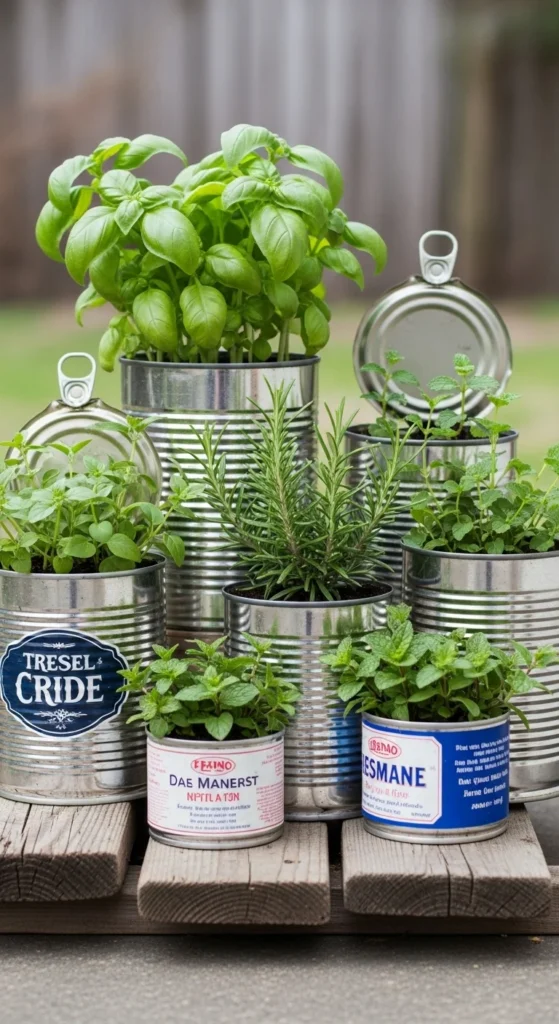
Tin cans make easy herb planters. Clean them and punch drainage holes.
Group them on steps or shelves. Variation looks best.
This is a low-cost way to grow small plants close to the house.
Let cans rust naturally. That adds texture.
Replace them when they wear out. The cycle fits rustic style.
11. Gravel and Soil Mix Zones
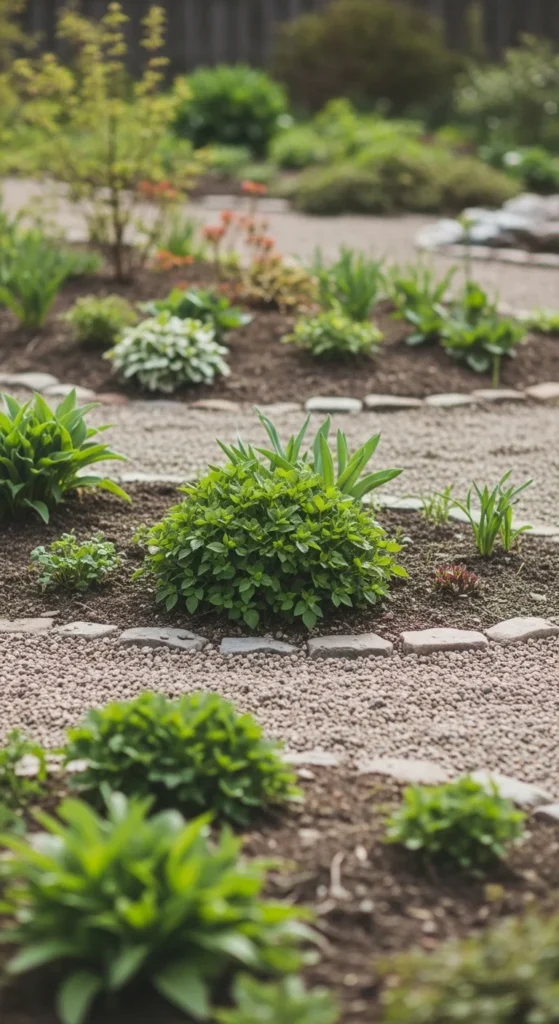
Mix gravel with soil for paths or seating areas. It drains well and looks relaxed.
No need for exact borders. Let plants edge into it.
Use leftover gravel from projects. Mix sizes freely.
This surface changes over time. That’s part of the look.
It works well around fire pits or benches.
12. Fence-Line Planting
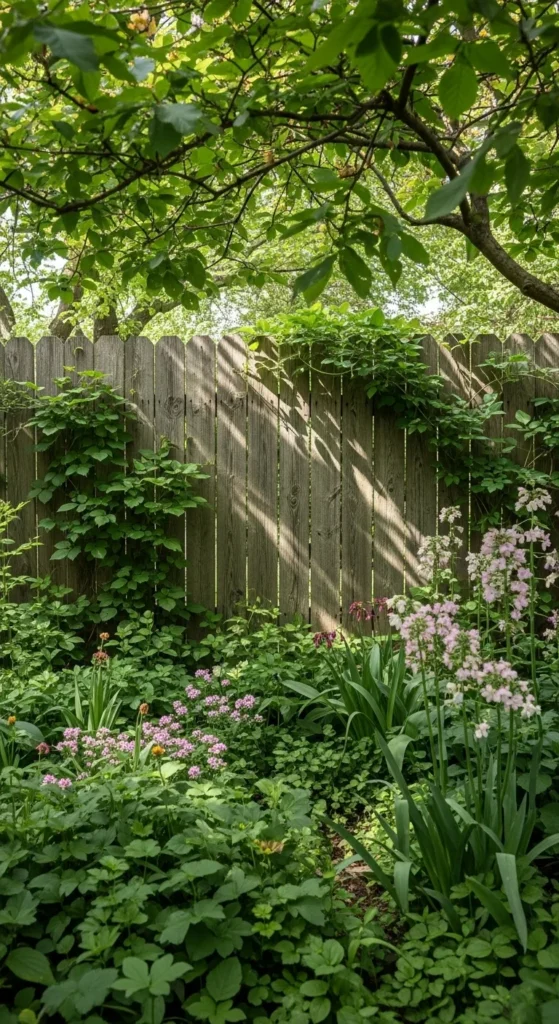
Plant along existing fences instead of hiding them. Old wood pairs well with growth.
Let plants climb or lean. No strict pruning needed.
Use what self-seeds easily. That saves money.
This softens hard lines without extra builds.
The fence becomes part of the garden story.
13. Old Wheelbarrow Display
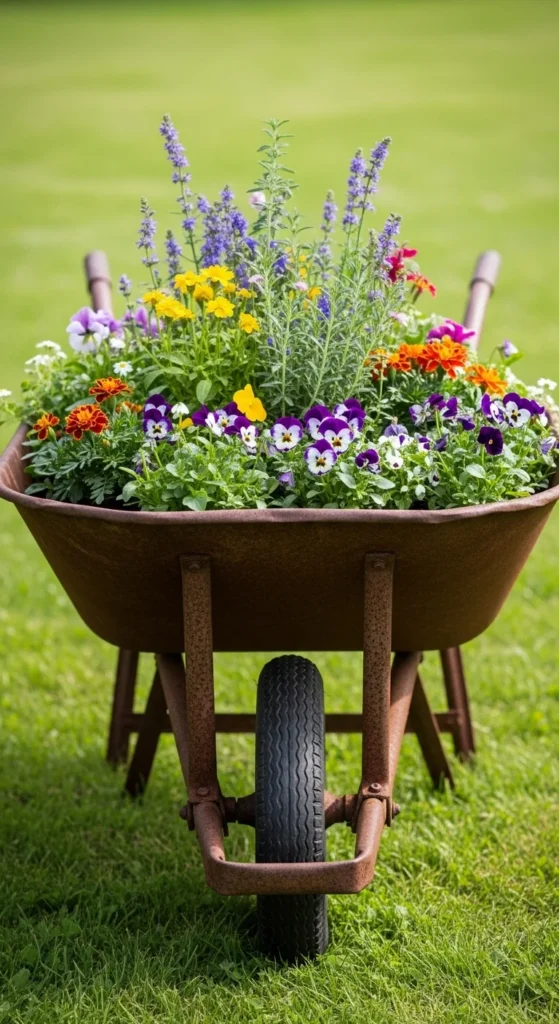
An old wheelbarrow makes a movable planter. Fill it with soil and plant freely.
Rust and dents add charm. Don’t repair them.
Move it to follow sunlight as needed.
This works well as a focal point near entrances.
When it wears out, compost the soil and reuse plants.
14. Stacked Stone Corners
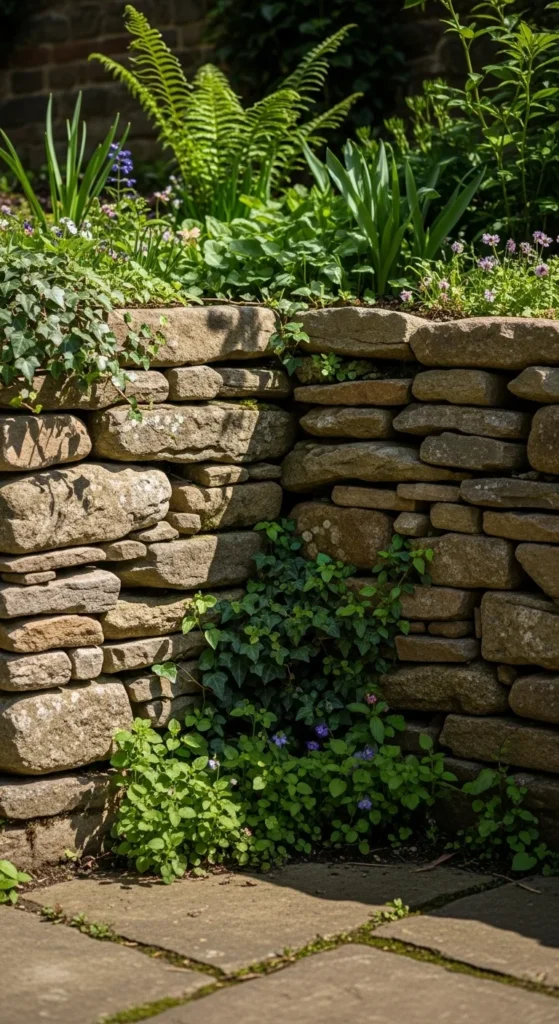
Stack stones loosely in corners or edges. No cement required.
Use local stones for a grounded look.
These stacks mark space without blocking it.
Plants can grow around and through them.
They age quietly over time.
15. Hanging Baskets from Tree Branches
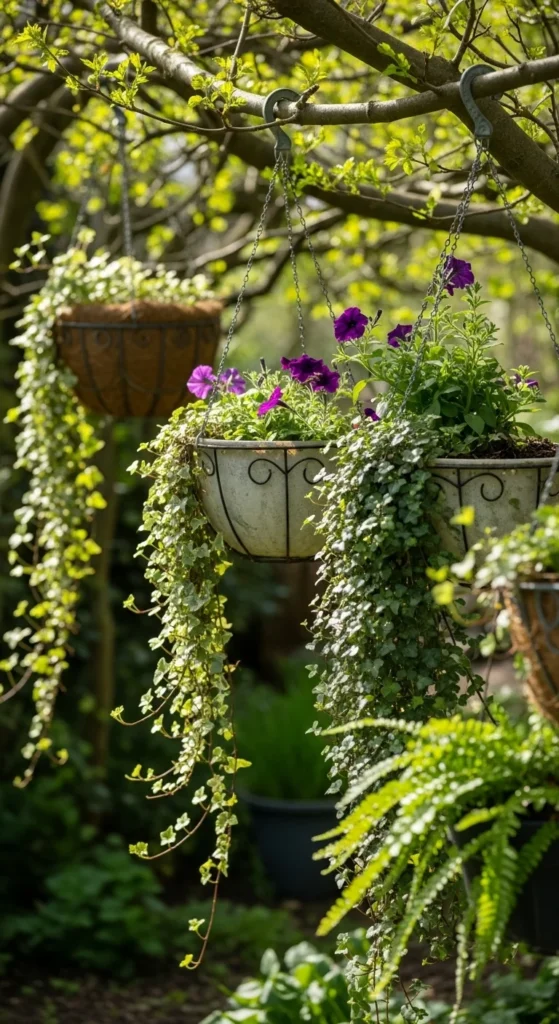
Hang baskets from low branches using rope or twine.
Keep them simple and lightweight.
This uses existing trees instead of adding hooks.
The movement adds life to the space.
Remove baskets easily when seasons change.
16. Mismatched Garden Tools Display
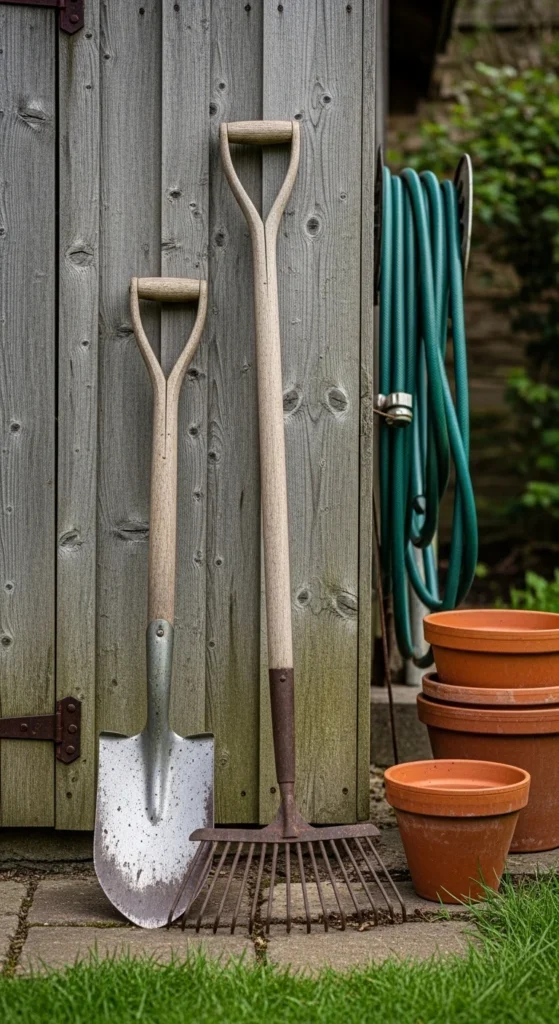
Lean old tools against sheds or fences.
They double as decor and storage.
Rust and wear add interest.
No need for racks or hooks.
It keeps tools handy and visible.
17. Ground-Level Flower Clusters
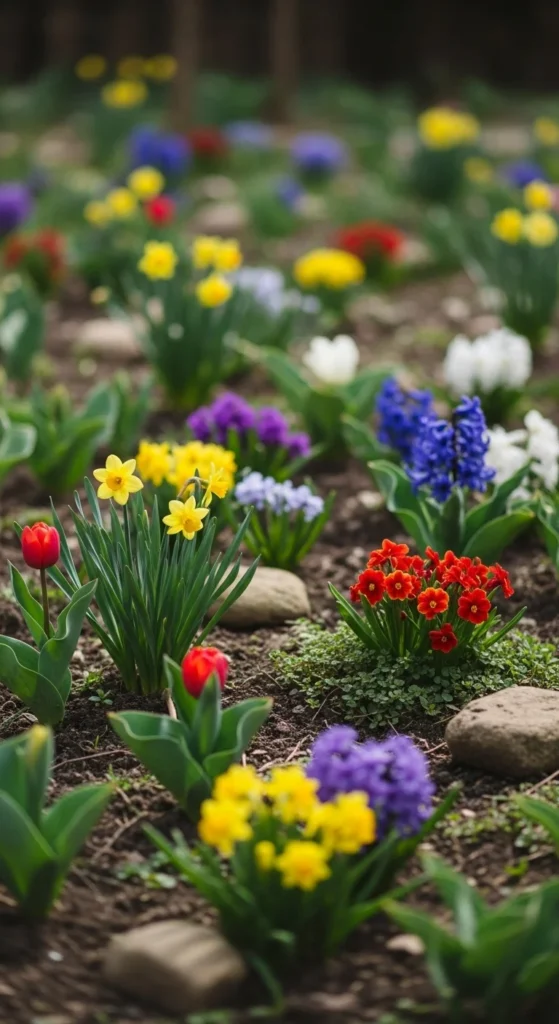
Plant in loose clusters instead of rows.
Vary spacing to avoid patterns.
This mimics natural growth.
Use plants that spread on their own.
It fills space without planning charts.
18. Old Window Frame Garden Accent
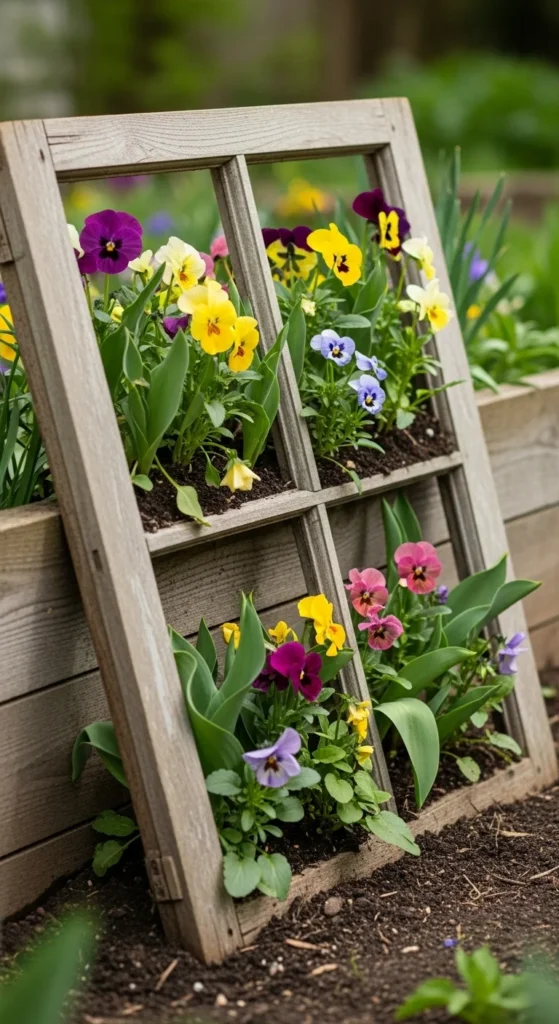
Lean an old window frame against a fence or wall.
No glass needed.
It adds shape without blocking views.
Weathering improves the look.
This works well in small spaces.
19. Natural Mulch Paths
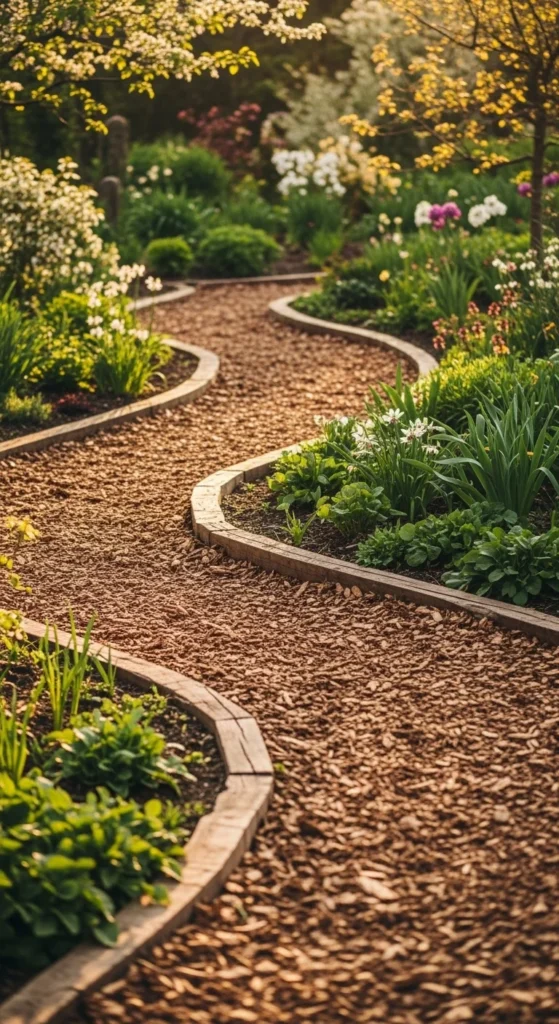
Use wood mulch for paths.
Spread it directly over soil.
Edges don’t need trimming.
Top up as it breaks down.
This keeps costs low and feel relaxed.
20. Corner Compost Area
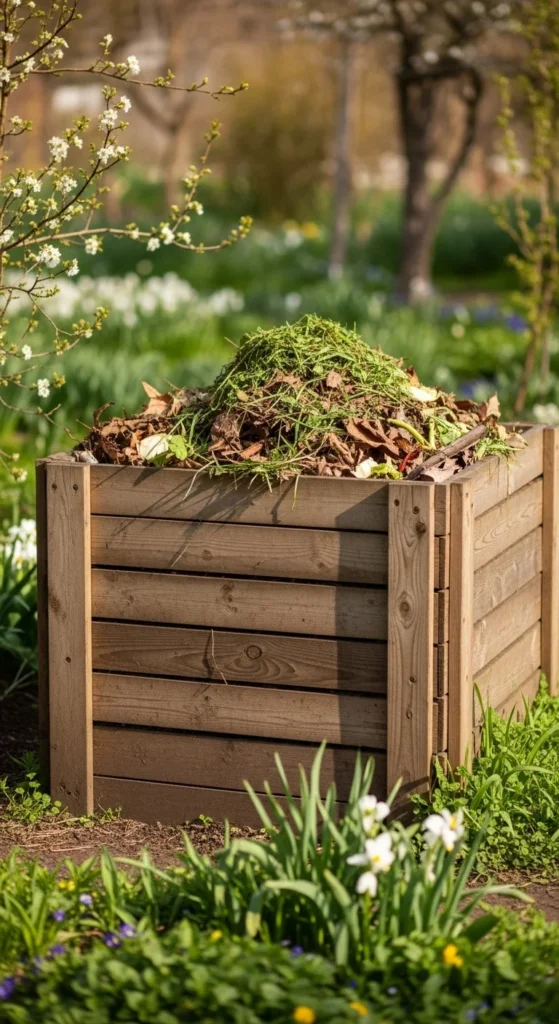
Create a compost spot in a quiet corner.
Use pallets or wire fencing.
No lid required.
This keeps waste useful.
Over time, it supports the whole garden.
21. Letting Plants Self-Seed
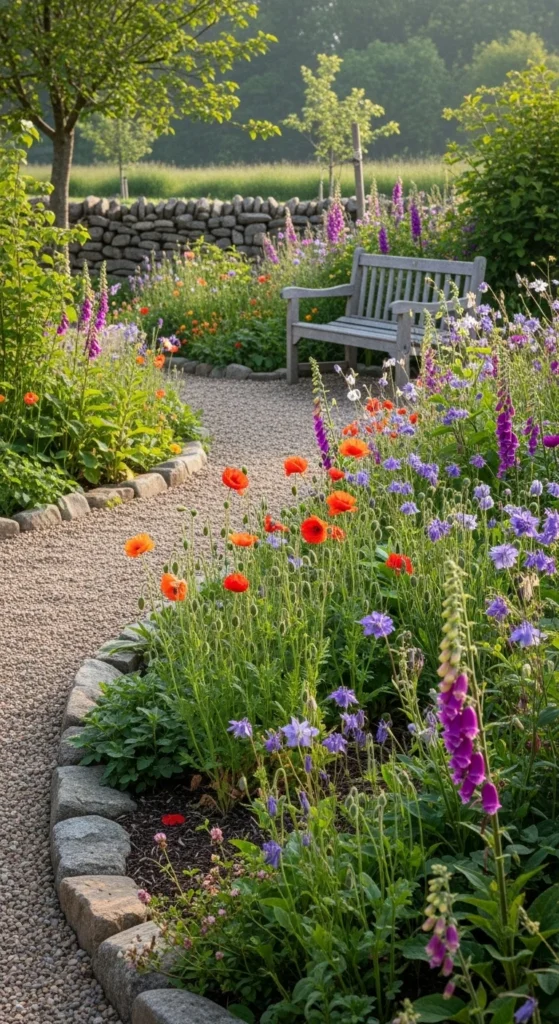
Allow plants to drop seeds where they grow.
Resist the urge to clear everything.
This saves money and effort.
Plants choose spots that suit them.
The garden shifts slightly each year.
Conclusion
Rustic spring gardens come together through patience, reuse, and small actions. They don’t rely on perfect layouts or costly materials. Instead, they grow through everyday choices that favor comfort and character. By working with aged surfaces, simple builds, and plants that spread naturally, you create a space that feels settled and welcoming. Start with one idea. Add another when it feels right. Over time, the garden shapes itself, and that quiet progress is what makes it special.
Leave a Reply