

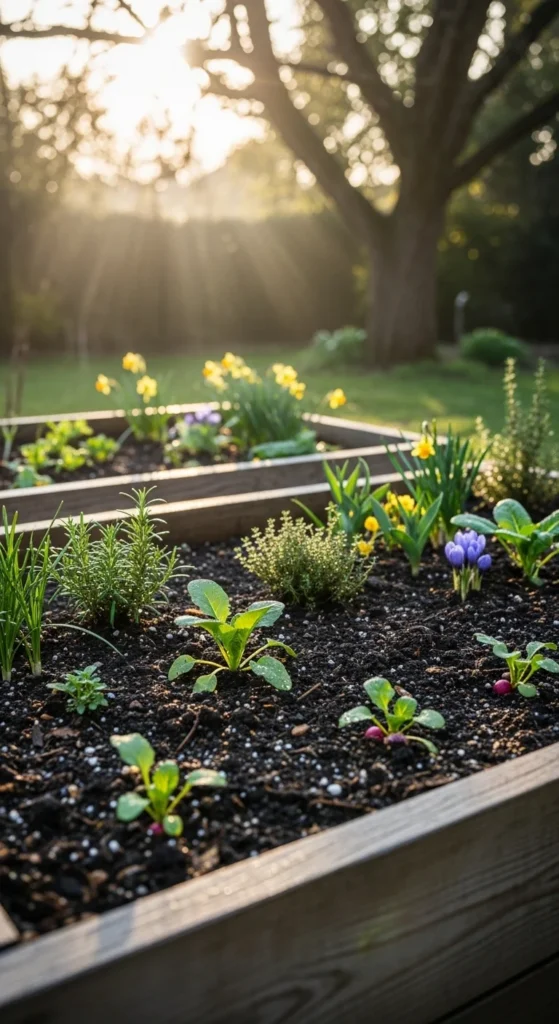
Spring is the season when small planting choices shape the rest of the year. Companion planting helps gardens grow fuller, healthier, and more productive without extra spending. By placing certain plants next to each other, you guide insects, shade soil, and make better use of space. These tips focus on simple pairings that work in real backyards. No complicated charts. No fancy tools. Just practical ways to help plants support one another using what you already have.
1. Tomatoes and Basil Side by Side
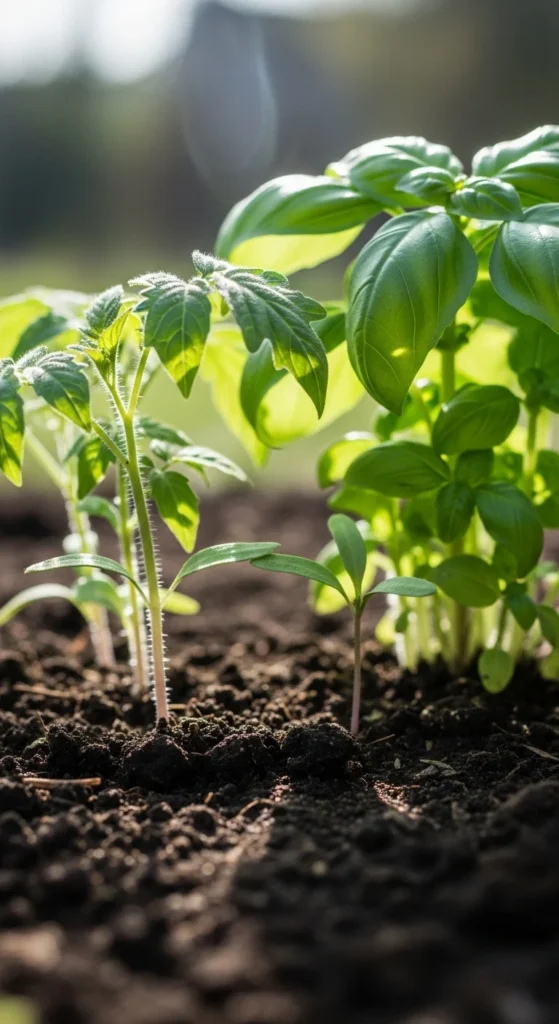
Tomatoes grow tall and thirsty. Basil stays low and leafy. Together, they share space without crowding. Basil helps confuse insects that often target tomato leaves. That means fewer holes and less stress on young plants.
Plant basil seedlings about six inches from each tomato stem. This spacing allows airflow while keeping roots close enough to interact. If you grow in containers, one tomato pot can handle two basil plants around the edge.
This pairing also helps with soil cover. Basil shades the ground, slowing water loss. That cuts down how often you water. Use kitchen scraps like crushed eggshells in the soil to save money and add texture.
If space is tight, trim basil often. Those cuttings go straight into meals. The tomato plant benefits from better air movement after pruning. Both plants grow stronger without extra products or sprays.
2. Carrots and Onions Sharing Rows
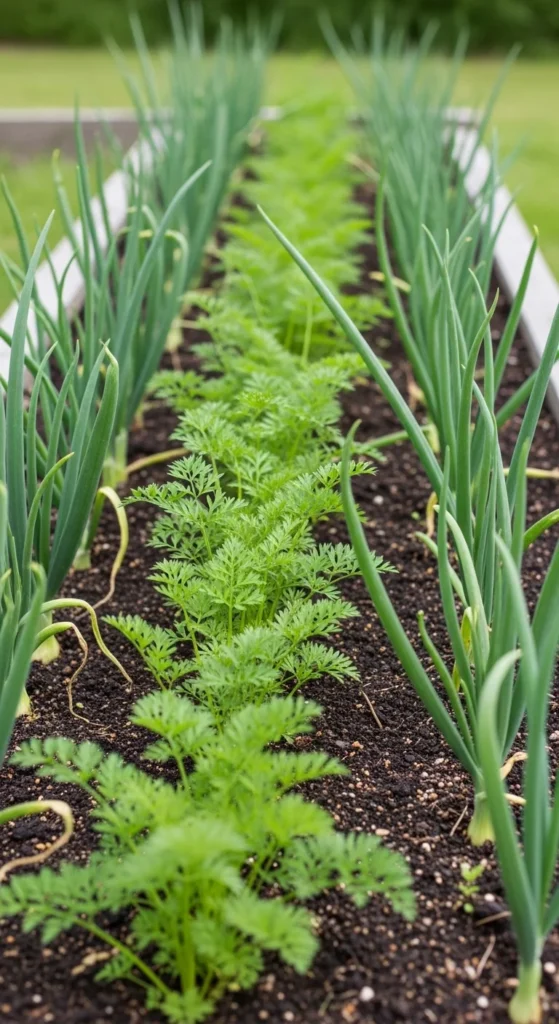
Carrots grow below ground. Onions grow mostly above it. That difference makes them easy partners. Their scents also confuse insects that usually target one crop at a time.
Plant onion sets first. Then sow carrot seeds between them. The onions mark the row so you do not disturb carrot seeds during watering. This trick saves time and avoids wasted seeds.
Both plants enjoy loose soil. Mix in sand or old potting mix to improve texture without buying anything new. Keep watering light and steady.
When onions mature early, pull them out. Carrots gain more space to thicken. Nothing feels wasted. One bed produces two harvests using the same soil and effort.
3. Lettuce Under Taller Peas
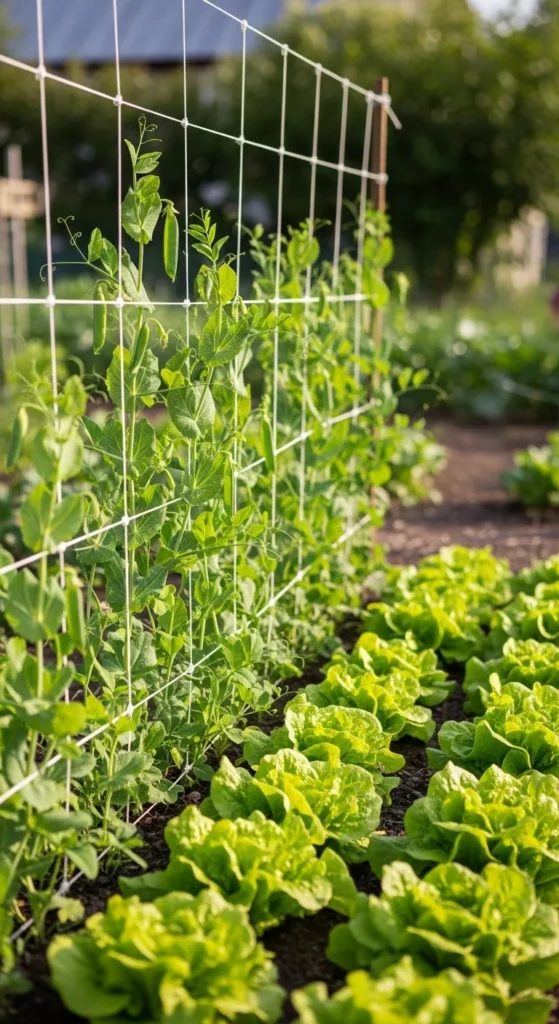
Peas climb upward. Lettuce spreads low. That height difference creates natural shade. Lettuce appreciates cooler soil, especially as spring warms up.
Set up a simple trellis using sticks or leftover fencing. Plant peas along the base. Add lettuce seedlings a few inches away. As peas climb, lettuce stays protected.
This setup helps soil hold moisture longer. That cuts back on watering. Use mulch made from dried leaves or shredded paper to stretch moisture even more.
When peas finish, cut vines at soil level instead of pulling them out. Roots break down and feed the soil. Lettuce keeps growing with little disturbance.
4. Radishes as Space Fillers
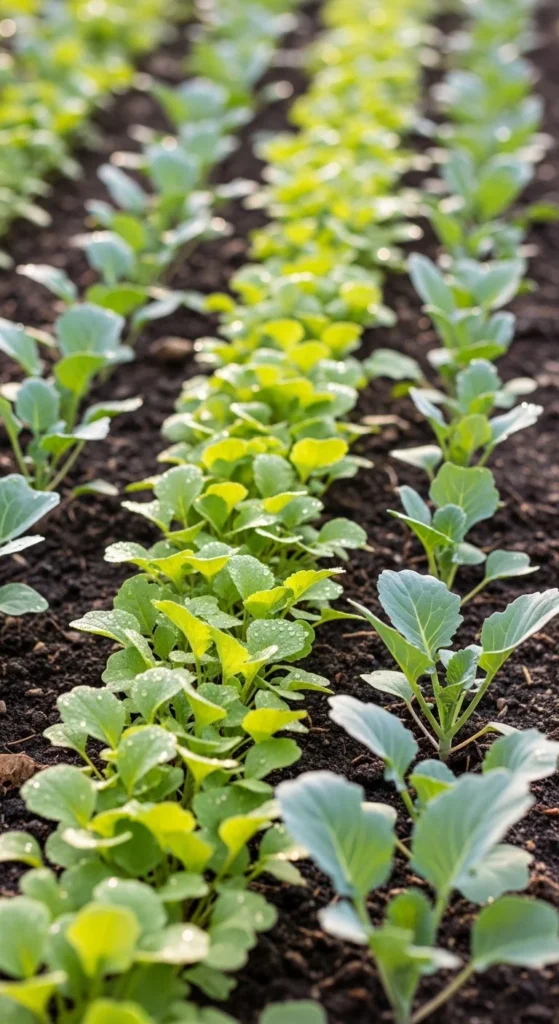
Radishes grow fast. Many spring crops take their time. That gap is wasted space unless you fill it.
Scatter radish seeds between cabbage, broccoli, or peppers. Radishes sprout quickly and loosen soil as they grow. Their roots create tiny channels that help water sink deeper.
Harvest radishes early. That frees space just as slower plants start spreading. You gain an extra crop without extra beds.
Use saved seed packets from past seasons. Even older radish seeds often sprout well. This makes radishes a low-cost way to keep soil active and productive.
5. Marigolds Near Almost Everything
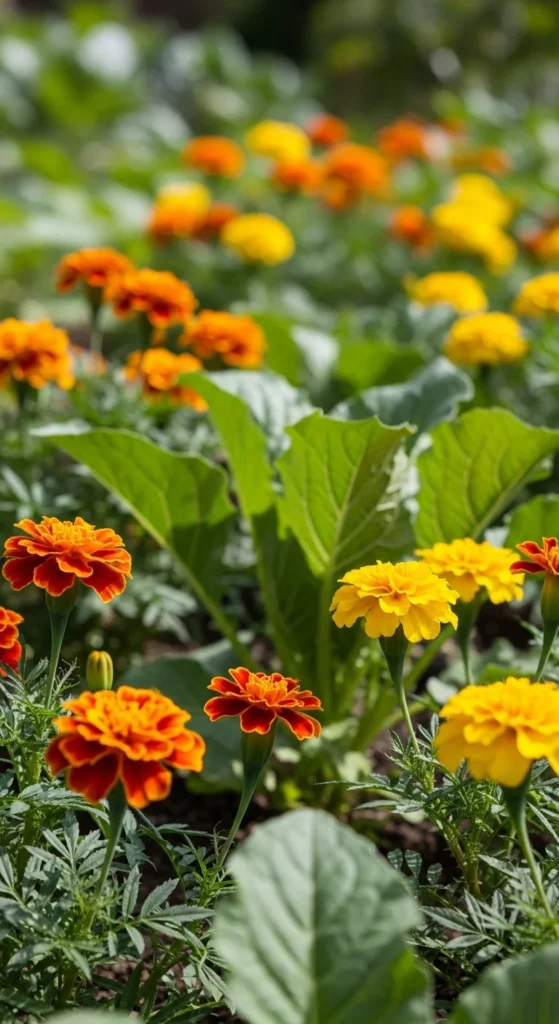
Marigolds earn their spot in many gardens. Their roots and scent discourage common pests that damage leaves and stems.
Plant marigolds along bed edges or between crops. Use seeds instead of starts to save money. They sprout easily in spring soil.
Short varieties work best near vegetables. Taller ones fit well at corners. Deadhead spent blooms to keep plants compact.
At season’s end, pull marigolds and compost them. Their leftover roots add organic matter back into the soil, closing the loop without extra cost.
6. Cucumbers and Sunflowers
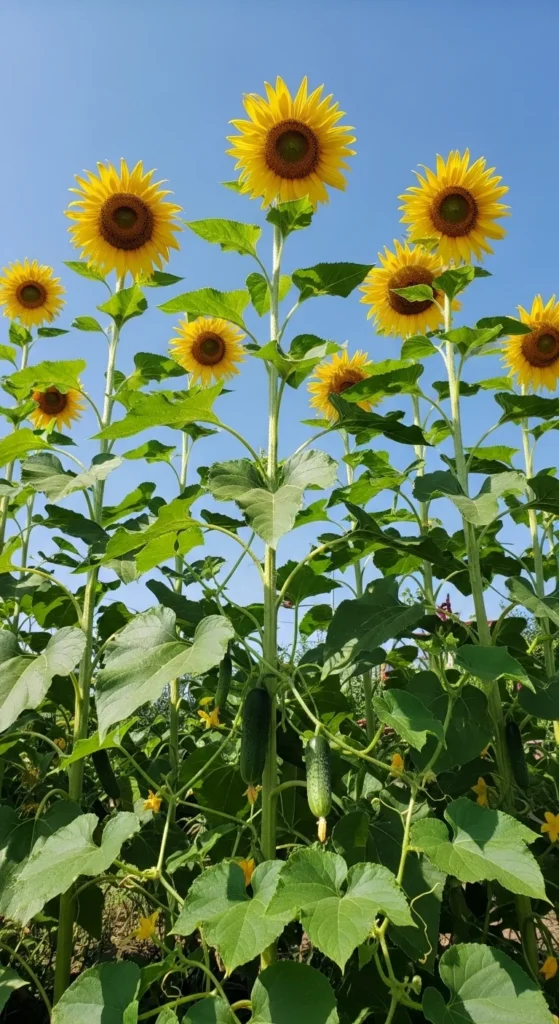
Sunflowers grow sturdy and tall. Cucumbers love to climb. Together, they save space and materials.
Plant sunflowers first. Once stems thicken, add cucumber seedlings nearby. Vines grab onto sunflower stalks without help.
This method replaces store-bought trellises. It also keeps cucumbers off damp soil. That lowers rot and mess.
Choose branching sunflower types for more support points. After harvest, chop sunflower stalks for mulch. Nothing goes to waste.
7. Spinach Between Strawberries
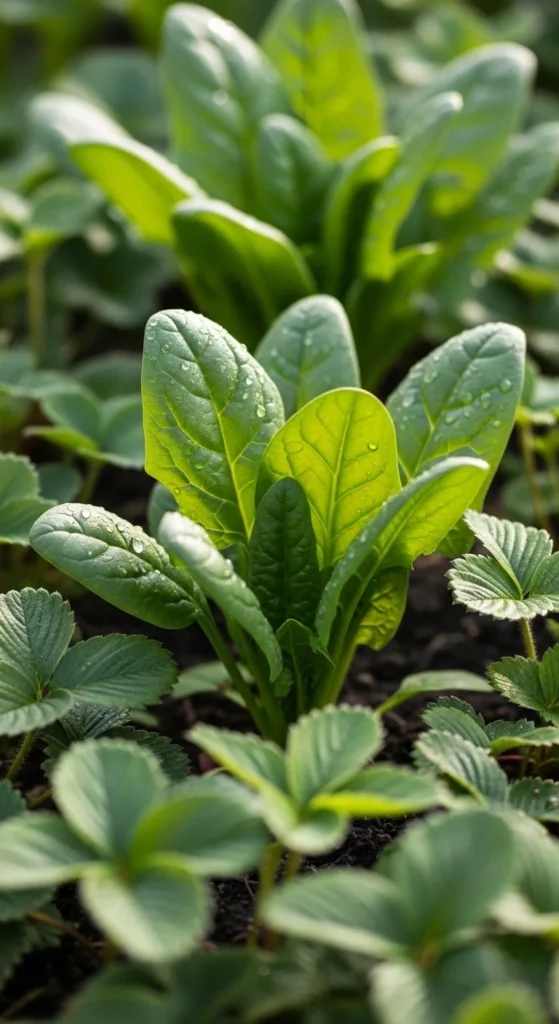
Strawberries spread slowly in spring. Spinach grows quickly. That timing makes them useful partners.
Plant spinach in the gaps between strawberry crowns. Spinach shades soil and keeps it cooler. That helps strawberry roots settle in.
Harvest spinach early and often. Once strawberry runners spread, spinach finishes. The bed shifts roles without replanting.
Use compost made from kitchen scraps to feed both. This pairing works well in small beds where space matters.
8. Corn, Beans, and Squash Trio
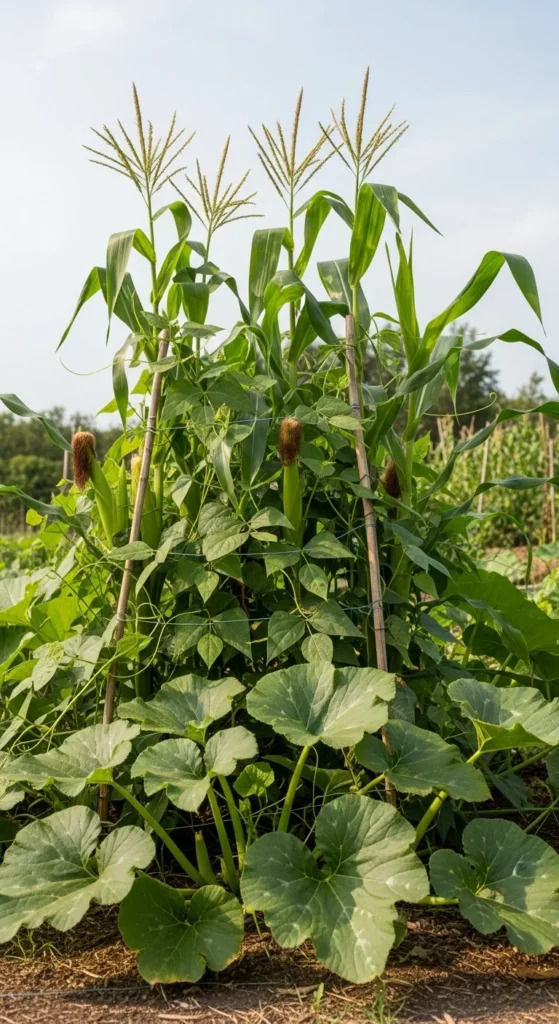
This classic trio uses height, soil cover, and climbing habits. Corn stands tall. Beans climb. Squash spreads wide.
Plant corn first. Once stalks reach knee height, add beans. Squash goes in last. Large leaves shade soil and slow weeds.
This setup reduces watering and weeding. It also skips store-bought supports.
Use saved seeds if possible. Even small plots can handle one mound. The system works because each plant supports the others naturally.
9. Garlic Around Roses and Greens
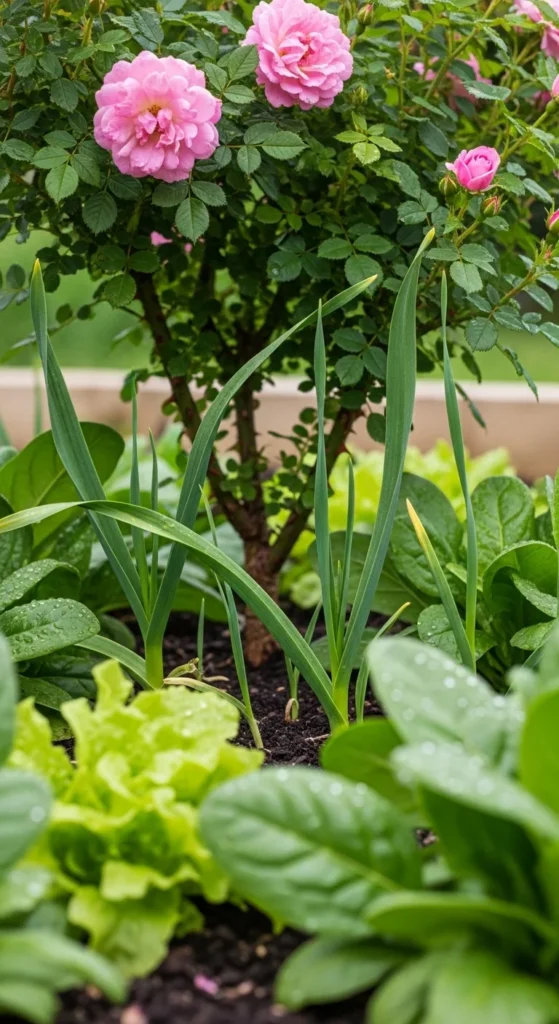
Garlic gives off a strong scent. Many insects dislike it. That helps protect nearby plants.
Plant garlic cloves around roses, lettuce, or kale. Space them evenly. They do not take much room.
Garlic grows slowly, so it rarely competes. When harvested, nearby plants already fill the gap.
Use cloves from store garlic if sprouting. This avoids buying seed garlic and still works well.
10. Beans With Potatoes
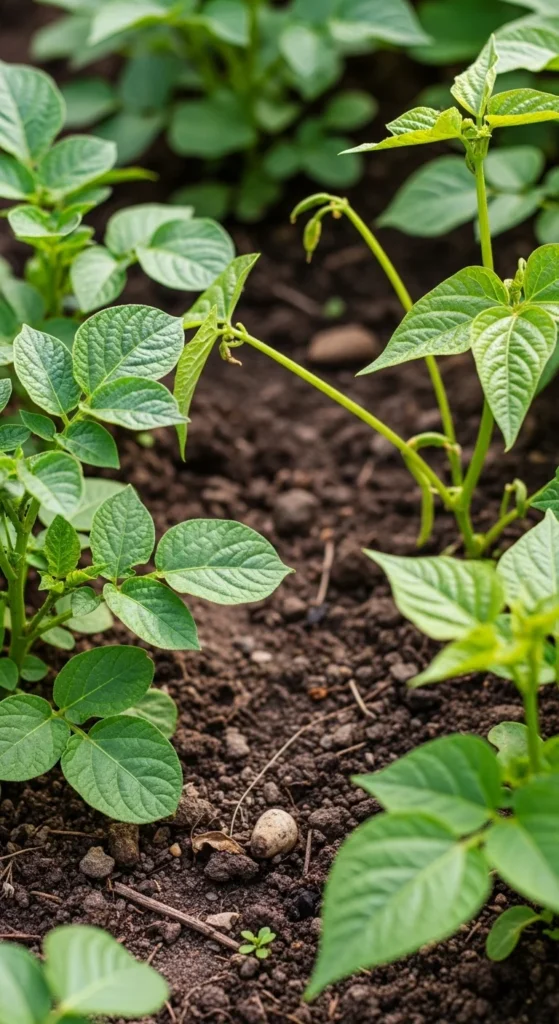
Beans and potatoes share soil well. Beans help add nutrients back as they grow.
Plant beans a short distance from potato rows. Avoid crowding. Keep soil loose for potato tubers.
When bean plants finish, cut them at the base. Leave roots in place. They break down slowly and feed the soil.
This method supports the next planting without extra fertilizer.
11. Nasturtiums as Ground Cover
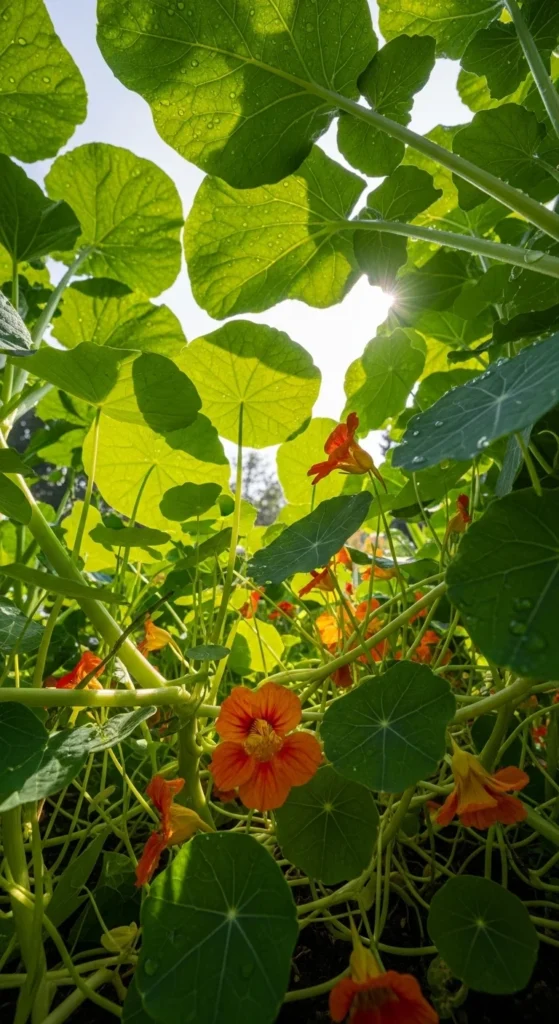
Nasturtiums spread wide and low. They shade soil and draw insects away from vegetables.
Plant them near squash, tomatoes, or brassicas. Let them trail freely.
They grow easily from seed. That saves money and fills empty spots.
Pull plants at season’s end and compost them. Soil stays covered and active most of the year.
12. Chives Near Carrots
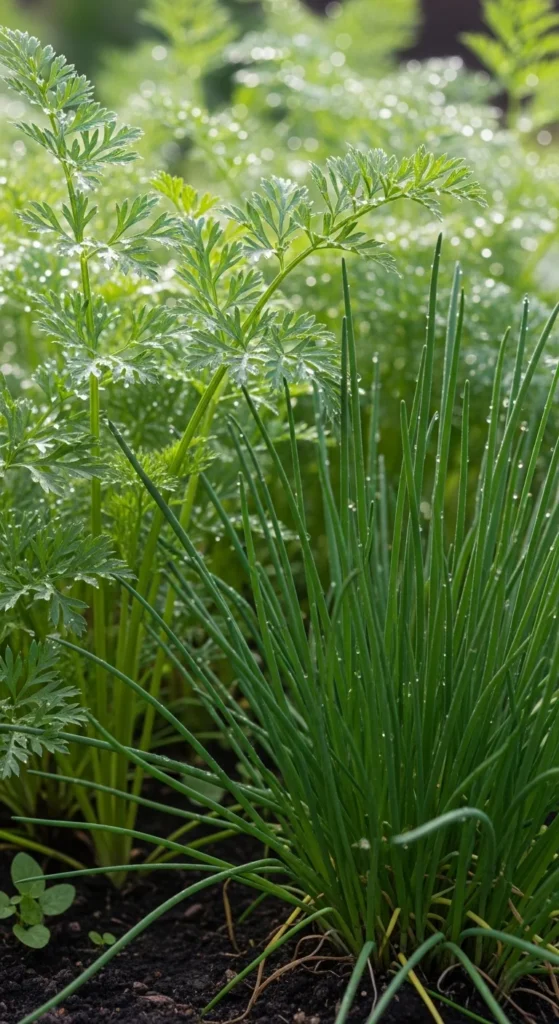
Chives release a mild scent that deters insects. Carrots benefit from that nearby presence.
Plant chives along carrot bed edges. They come back year after year.
Trim chives often. Use clippings as mulch. This keeps soil covered and reduces waste.
One small clump can protect an entire row when spaced well.
13. Cabbage With Dill
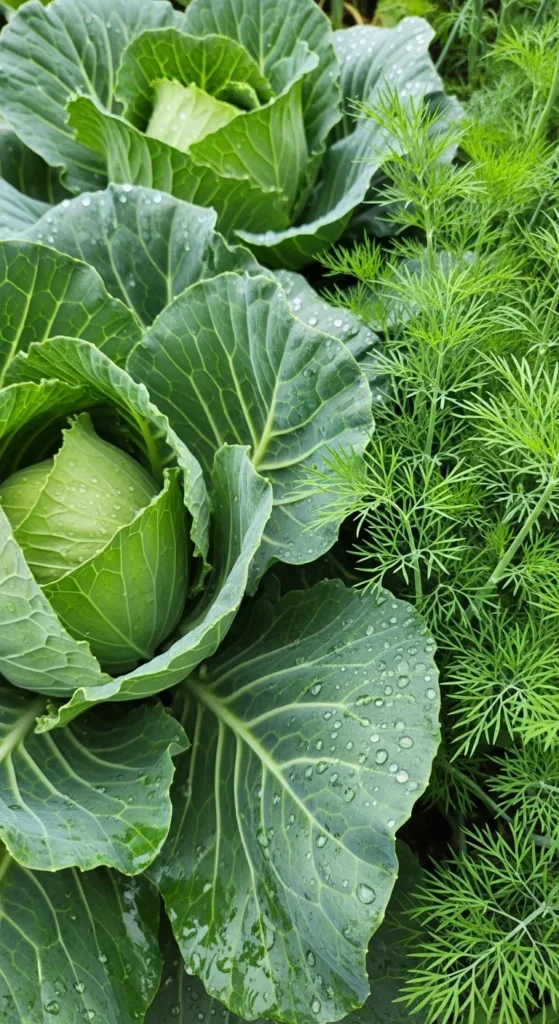
Cabbage attracts pests early. Dill brings helpful insects that prey on them.
Plant dill near cabbage starts. Allow some plants to flower.
Use dill trimmings in meals. Let one plant go to seed for next year.
This pairing reduces damage without sprays or store-bought products.
14. Peppers With Low Herbs
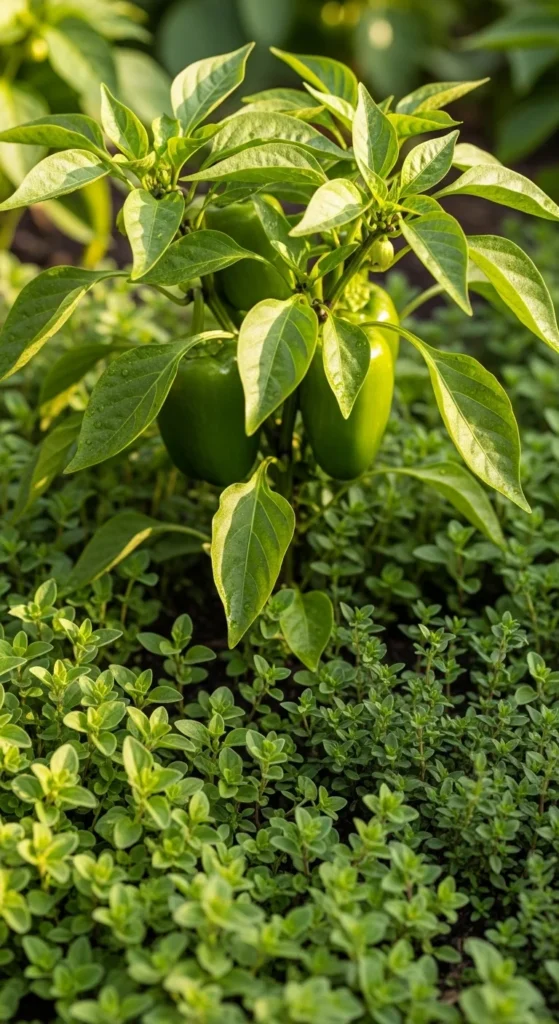
Peppers grow upright. Herbs like oregano and thyme stay low.
Plant herbs around pepper bases. They shade soil and limit weeds.
Herbs also attract helpful insects. That supports peppers during early growth.
Use cut herbs often to keep them compact and useful.
15. Beets With Lettuce
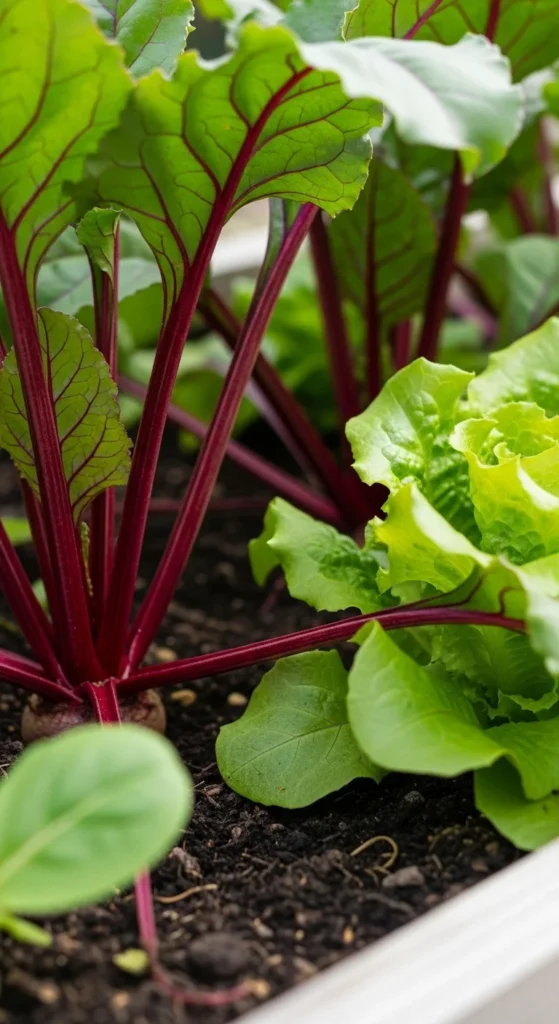
Beets grow deeper roots. Lettuce spreads shallow.
Plant lettuce between beet rows. Harvest lettuce first.
This method uses space efficiently. Soil stays active and covered.
Add compost lightly between rows to feed both crops.
16. Squash With Radishes
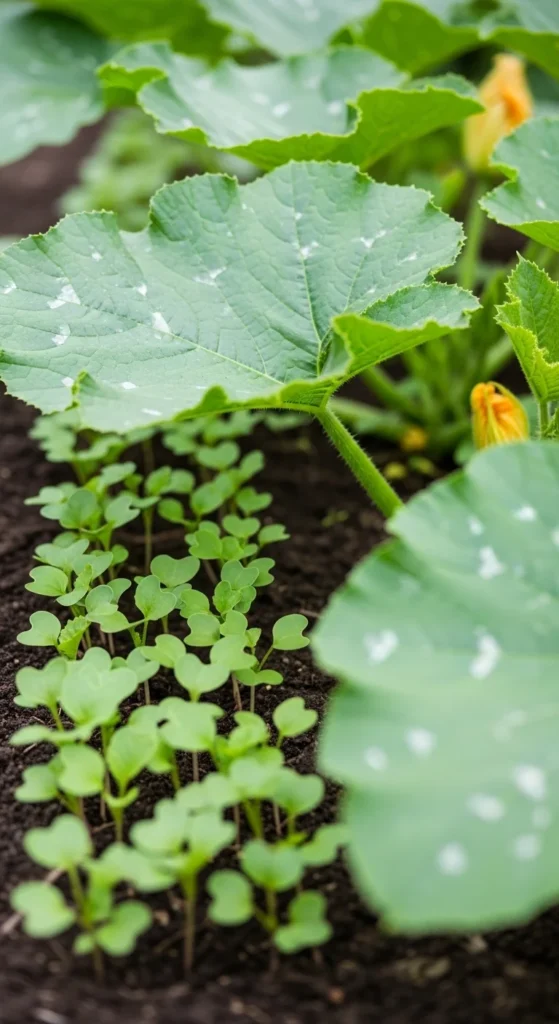
Radishes mature before squash spreads. They help mark planting spots and loosen soil.
Sow radishes around squash hills. Pull them before leaves expand.
This pairing helps manage early pests without extra effort.
Use leftover radish seed to fill gaps cheaply.
17. Kale With Onions
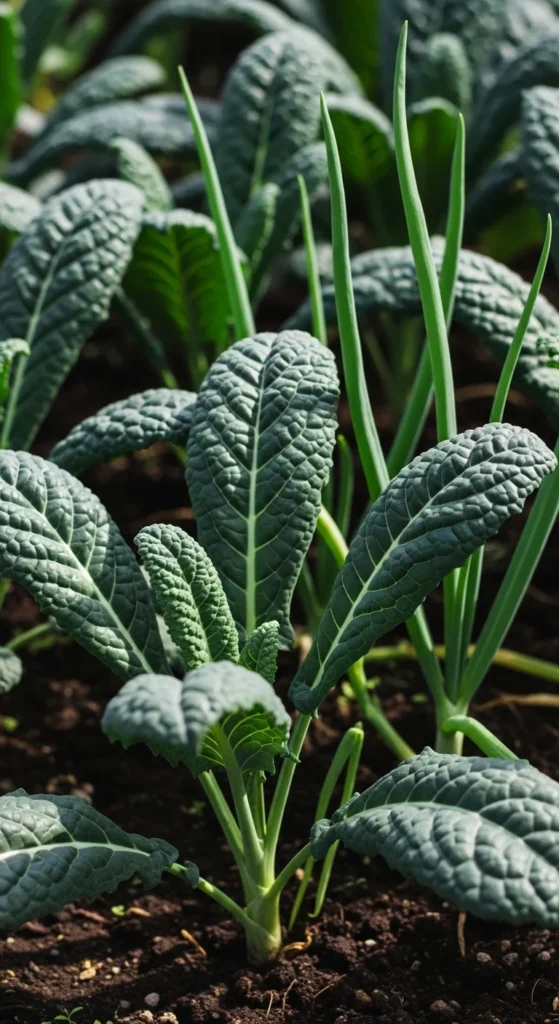
Onions help mask kale scent from insects. Kale grows taller while onions stay slim.
Alternate plants in rows. Keep spacing even.
Harvest onions early if needed. Kale fills the space later.
This pairing works well in raised beds with limited width.
18. Zucchini Near Beans
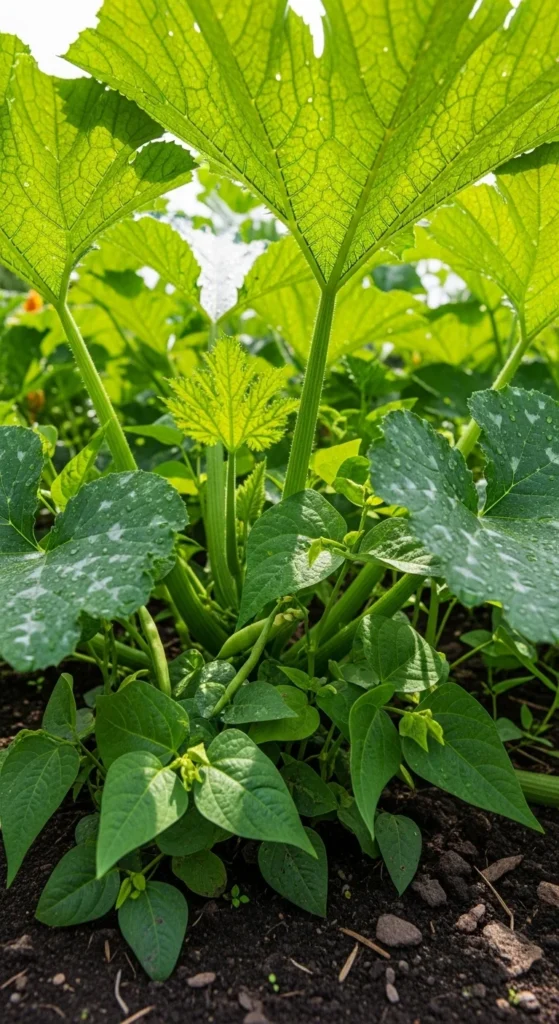
Bush beans stay compact. Zucchini spreads wide.
Plant beans on the outer edge of zucchini beds. They add nutrients back to soil.
Once beans finish, zucchini takes over the space.
This timing avoids crowding and stretches harvests.
19. Turnips With Peas
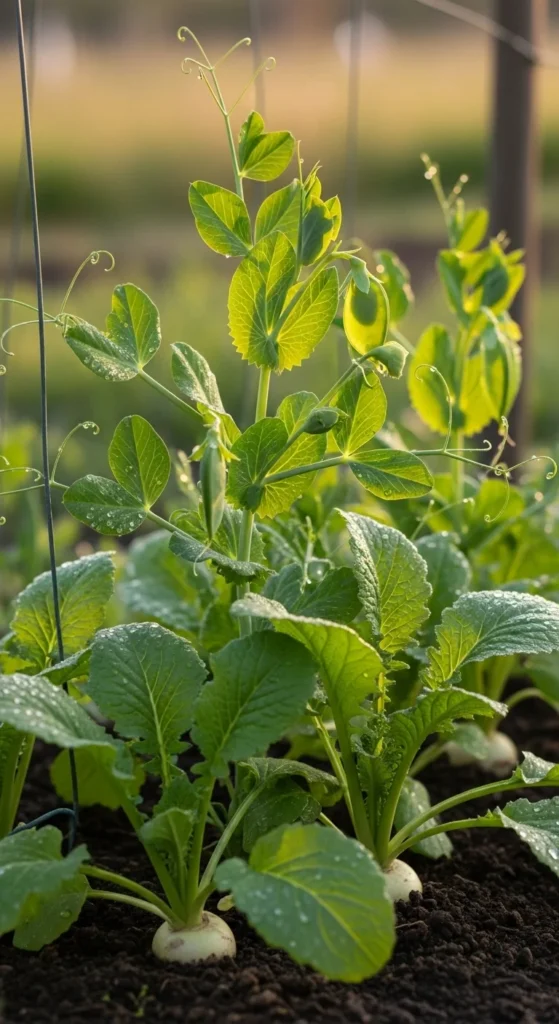
Turnips grow fast. Peas climb and shade.
Plant turnips near pea trellises. Harvest roots early.
Leaves provide soil cover during pea growth.
This pairing keeps beds productive without extra planning.
20. Mint in Containers Nearby
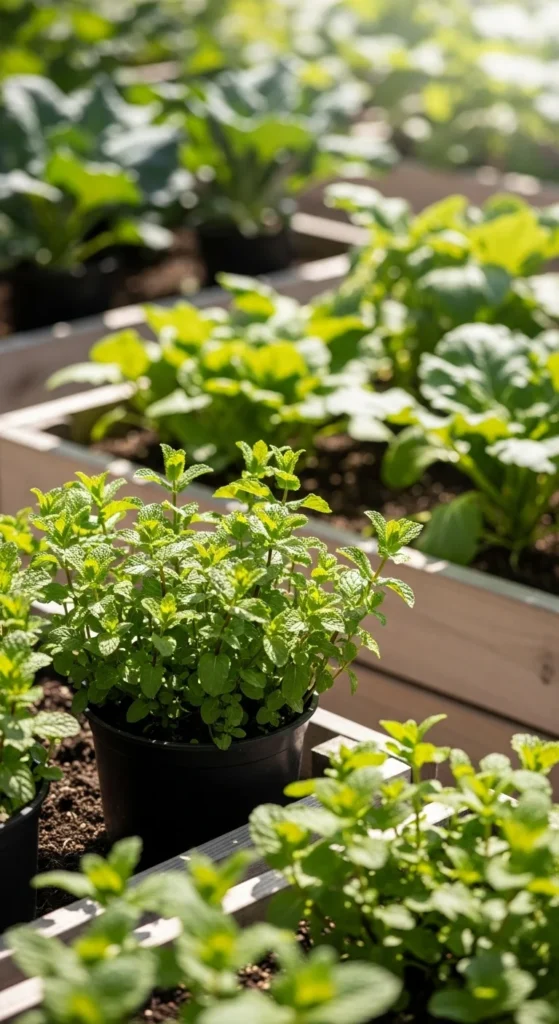
Mint spreads aggressively. Containers keep it controlled.
Place pots near beds to help deter insects.
Trim often and use leaves. This keeps plants compact.
Old buckets or cans work well as planters.
21. Broccoli With Chamomile
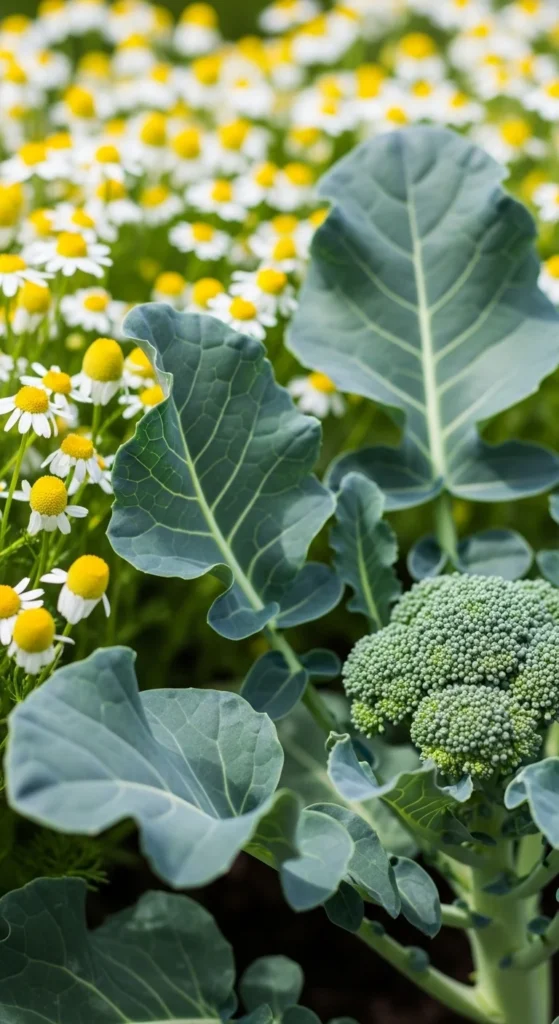
Chamomile attracts helpful insects. Broccoli benefits from that activity.
Plant chamomile at bed corners. It does not crowd crops.
Dry chamomile flowers for later use. Nothing goes unused.
This pairing adds function and beauty.
22. Parsley Near Tomatoes
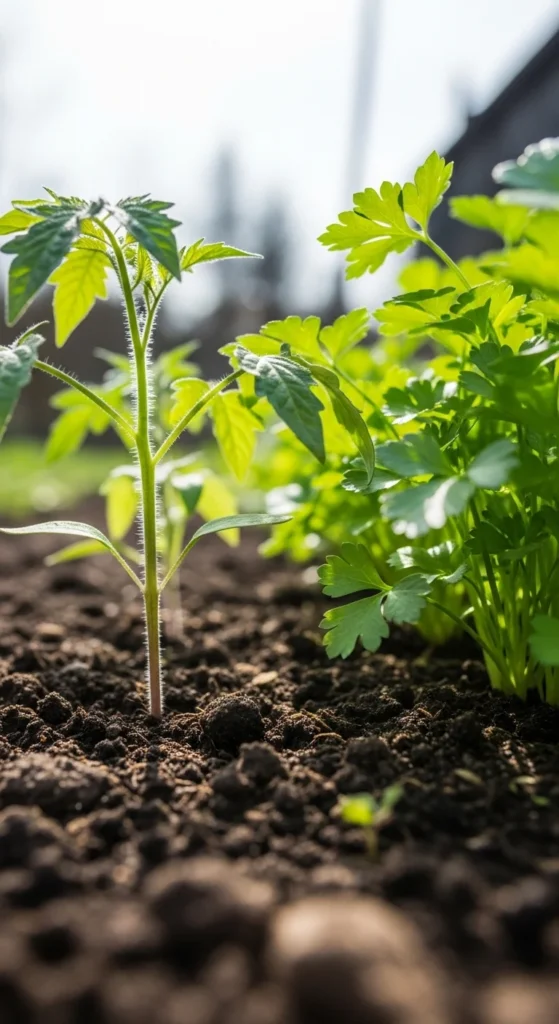
Parsley stays low and neat. Tomatoes grow tall.
Plant parsley around tomato bases. It fills empty soil.
Harvest parsley regularly to keep airflow open.
This setup works well in containers and beds.
23. Celery With Leeks
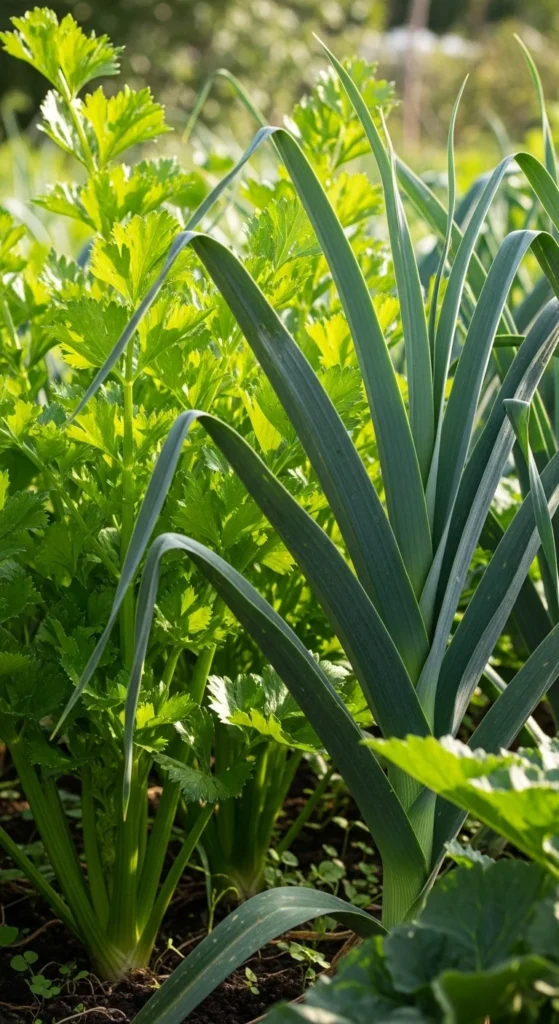
Celery enjoys moisture. Leeks grow upright and narrow.
Plant them together in rich soil.
Mulch heavily using garden waste.
This keeps soil damp and productive longer.
24. Swiss Chard With Garlic
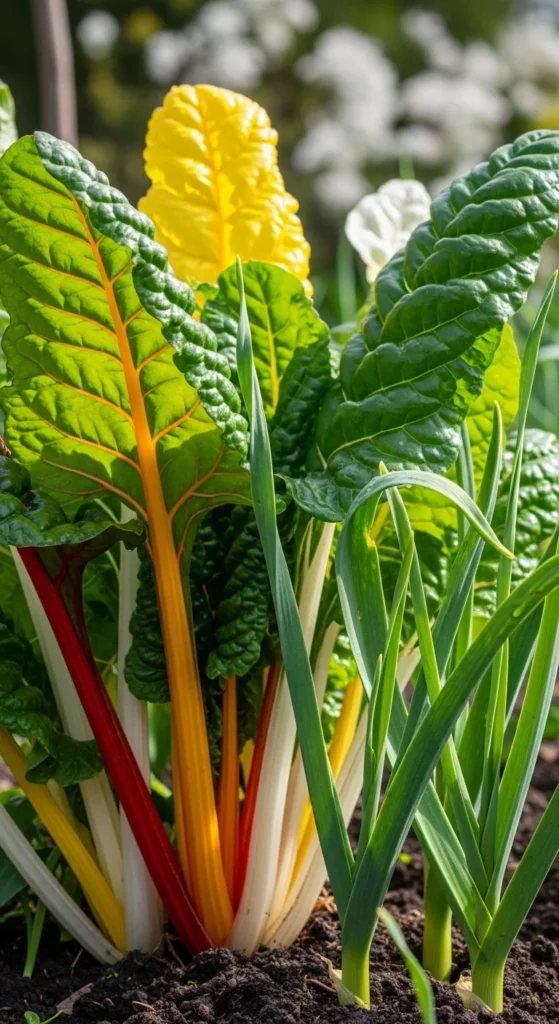
Swiss chard spreads wide. Garlic stays slim.
Garlic scent discourages pests.
Harvest garlic early if space tightens.
Both crops grow well without special care.
25. Flowers Mixed Into Vegetable Beds
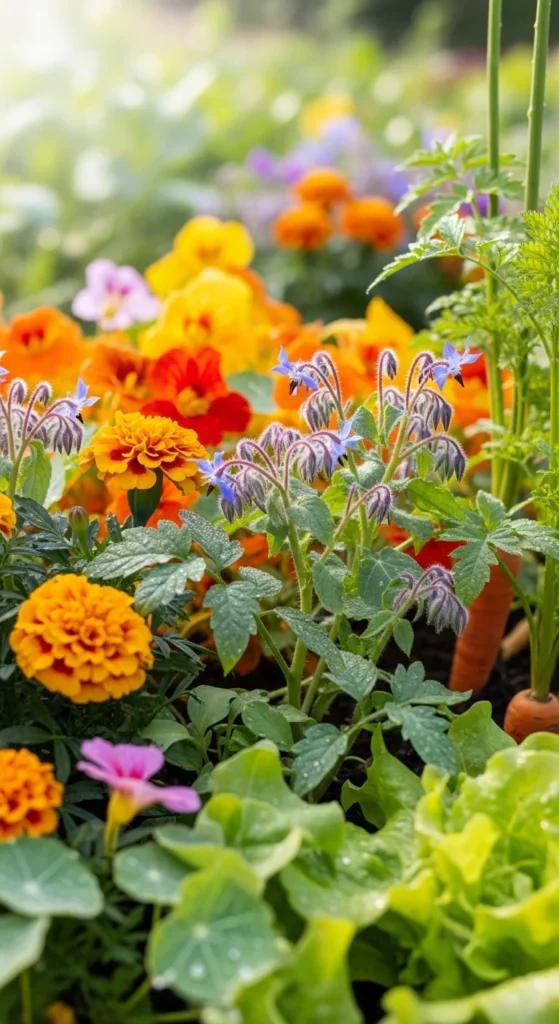
Mixing flowers with vegetables adds balance. Different shapes and scents support insects that help gardens thrive.
Use seeds from last year. Scatter them through beds.
This approach fills gaps and reduces bare soil.
Gardens feel fuller and work harder with little effort.
Conclusion
Companion planting turns simple choices into long-term garden habits that save money and space. By pairing plants that support each other, spring beds stay active and productive with less work. These tips rely on timing, spacing, and observation rather than products or complex systems. Try one or two ideas this season and watch how small changes shape stronger growth across the garden.

Leave a Reply