

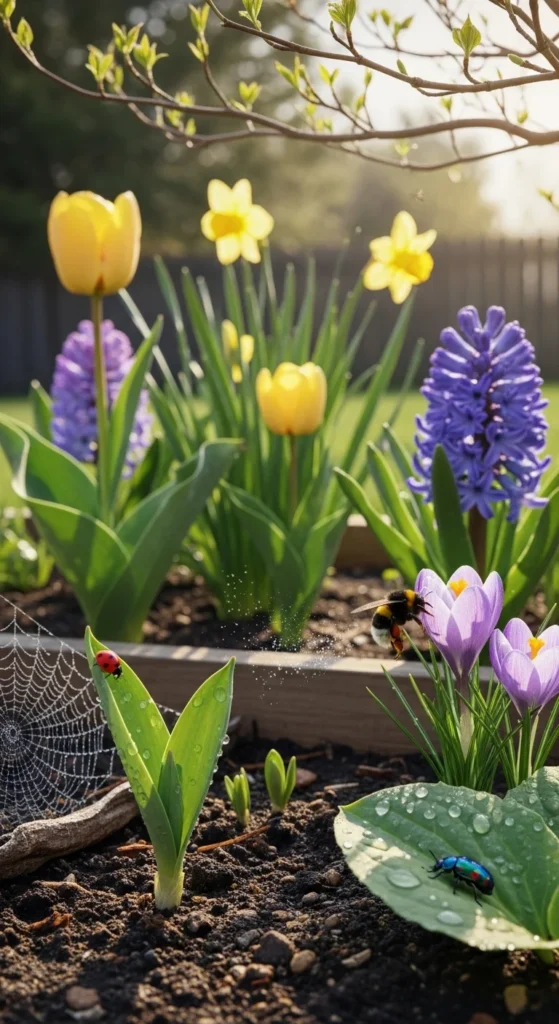
Spring brings warmth, blooming flowers, and, unfortunately, pests. From ants marching across your kitchen counter to aphids feasting on tender leaves, unwanted guests can quickly take over. Natural pest control doesn’t have to be complicated or expensive. With simple DIY methods and everyday ingredients, you can keep your home and garden pest-free while staying eco-friendly. Here are 21 practical tips that actually work and are easy to implement this spring.
1. Encourage Beneficial Insects
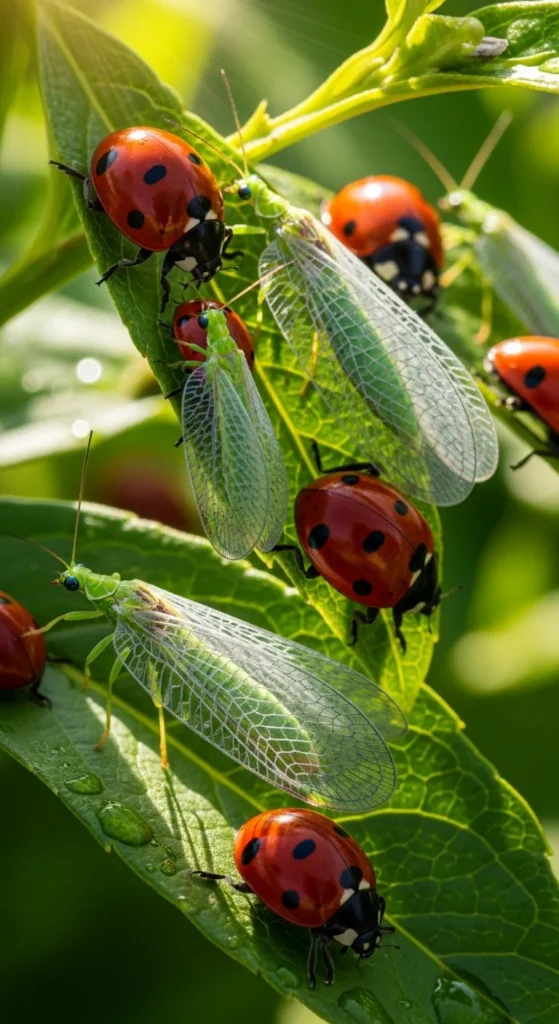
Invite nature’s helpers into your garden. Ladybugs, lacewings, and predatory beetles eat aphids, mites, and other common pests. Plant dill, fennel, and marigolds to attract them. Avoid chemical sprays—they kill helpful insects too. Keep small water dishes nearby and let some weeds grow in safe areas as shelter. Even a few beneficial bugs can dramatically reduce pest populations without harsh chemicals.
2. Use Neem Oil Spray
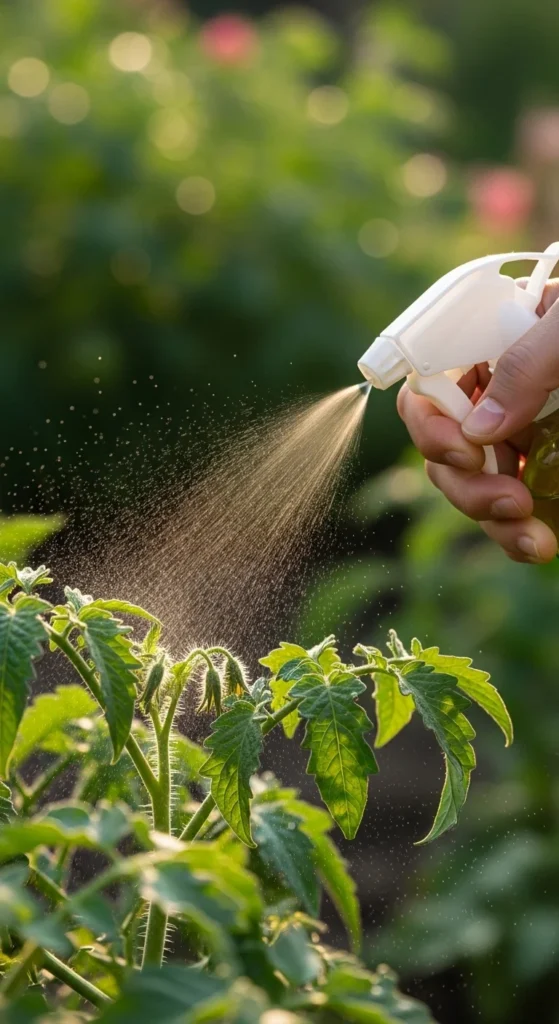
Neem oil is a natural pesticide that works on soft-bodied insects like aphids and whiteflies. Mix 2 tablespoons with a quart of water and a few drops of mild soap. Spray on affected plants early in the morning or evening. Repeat weekly. It disrupts insects’ life cycles, keeping infestations under control while being safe for bees and humans.
3. Plant Garlic Around Vulnerable Areas
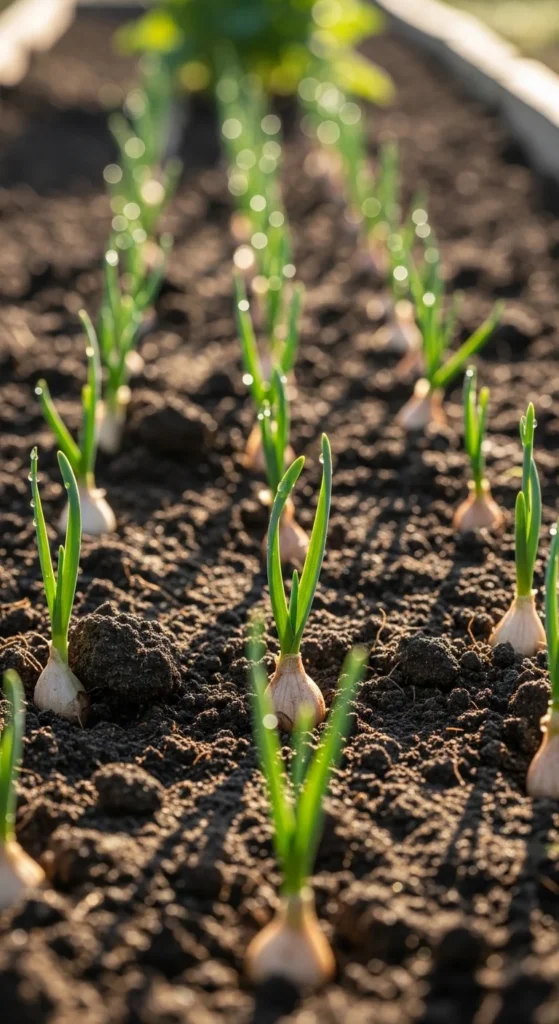
Garlic has strong natural compounds that repel many pests. Plant garlic cloves near roses, tomatoes, and peppers to discourage aphids, Japanese beetles, and spider mites. For indoor protection, crush a few cloves and place them near windows or entry points. It’s inexpensive, natural, and adds flavor if you grow extra for cooking.
4. Make a Homemade Soap Spray
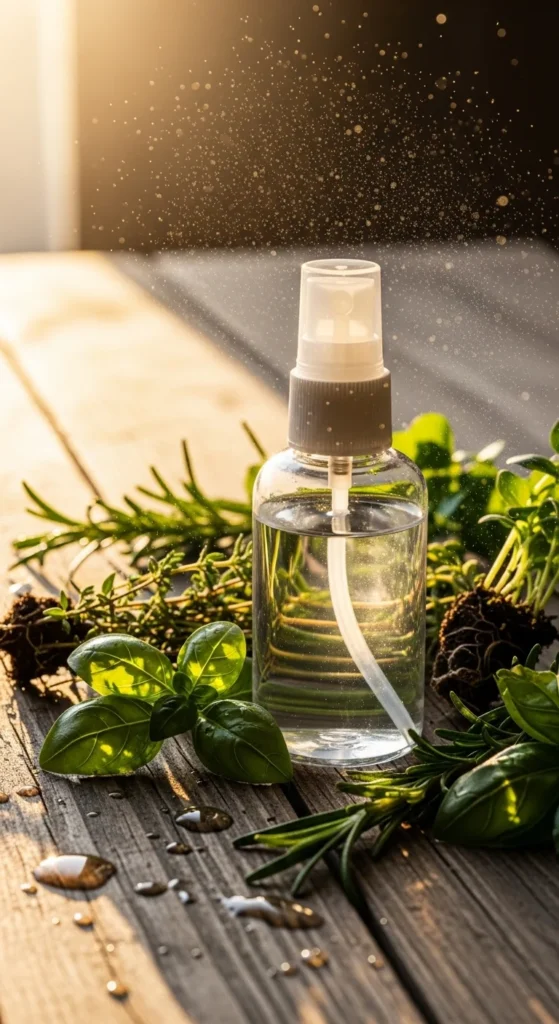
Mix liquid dish soap and water to make a gentle insecticide. Spray on plants infested with aphids, whiteflies, or mealybugs. The soap suffocates insects without harming leaves. Test on one plant first to ensure no damage. Spray early in the day to allow foliage to dry. It’s cheap, safe, and easy to whip up in minutes.
5. Keep Soil Healthy
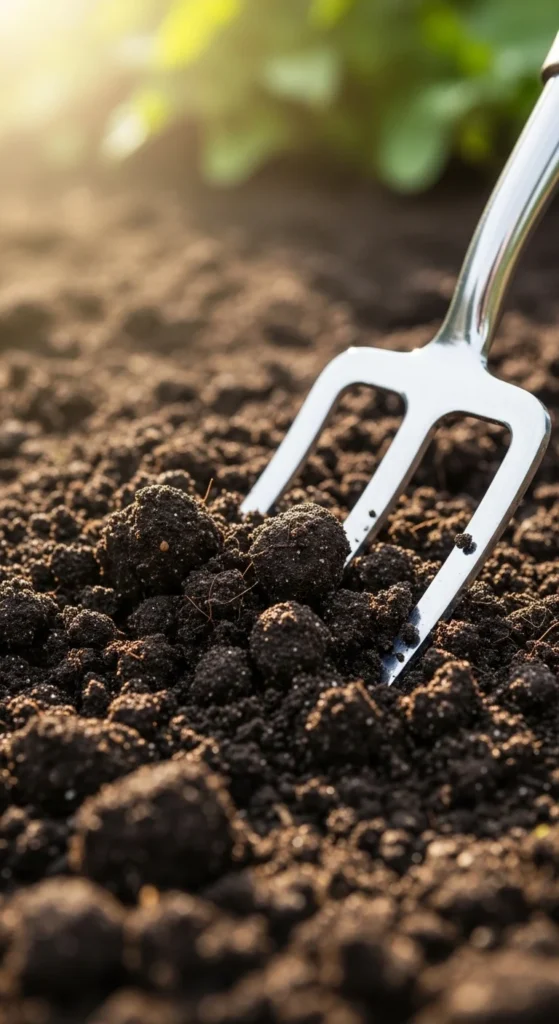
Healthy soil grows strong plants that resist pests naturally. Add compost or aged manure to boost soil health. Rotate crops to avoid pest buildup. Healthy roots mean plants can fend off insects better, reducing the need for sprays. Simple care like mulching keeps soil moist and insects like fungus gnats in check.
6. Set Up Diatomaceous Earth Barriers
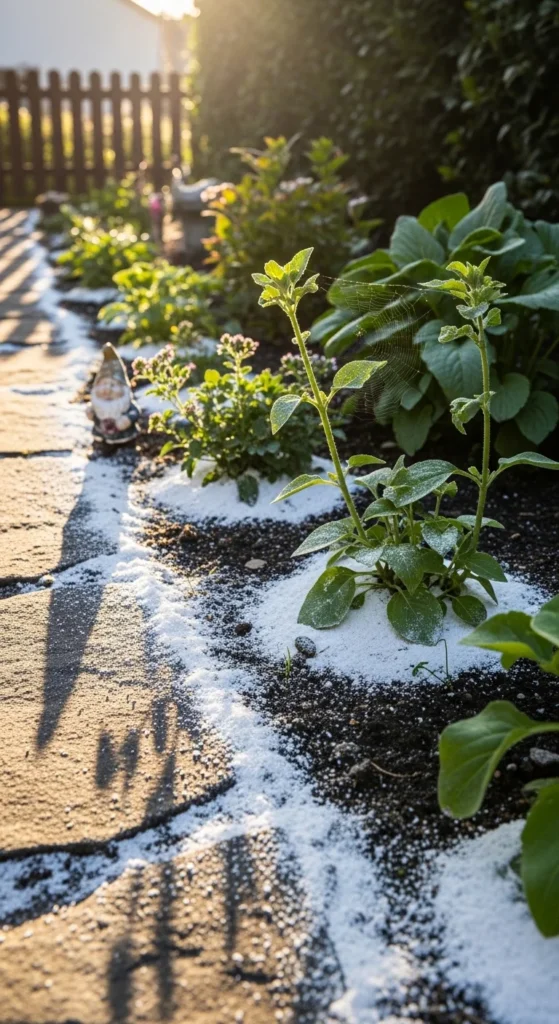
Diatomaceous earth is a natural powder that pierces insects’ exoskeletons. Sprinkle it around garden beds, doorways, or ant trails. It’s safe for pets and humans but deadly for crawling pests. Reapply after rain or heavy watering for continued protection. This method is especially effective against slugs, ants, and beetles.
7. Use Companion Planting
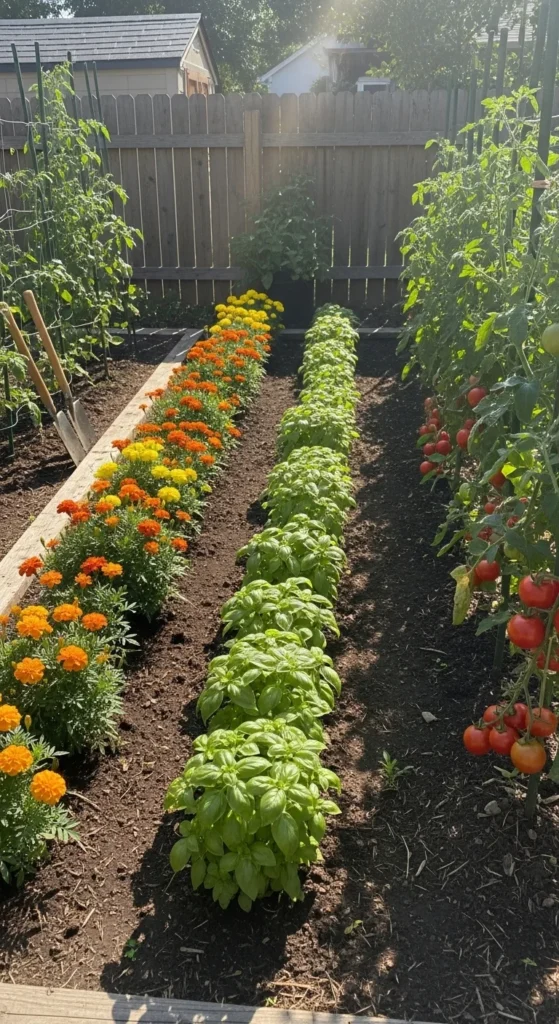
Planting certain crops together confuses or repels pests. Marigolds deter nematodes, basil wards off flies, and onions repel carrot flies. This natural strategy reduces pest pressure without chemicals. Even small container gardens can benefit. Mix and match plants for both beauty and protection.
8. Trap Fruit Flies with Vinegar
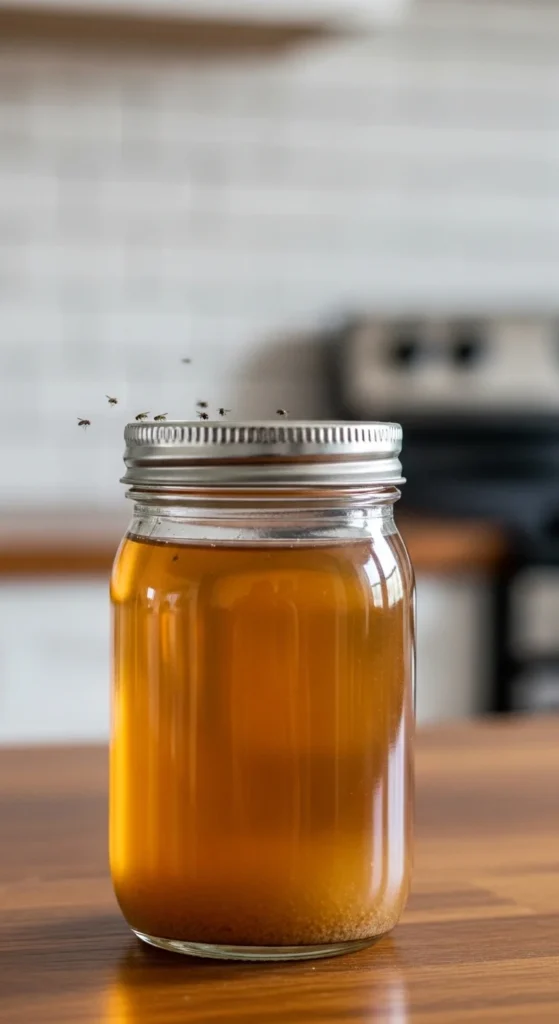
Apple cider vinegar attracts fruit flies. Pour vinegar into a jar, cover with plastic wrap, and poke tiny holes. Flies enter and can’t escape. Place near ripening fruit or compost bins. Simple, affordable, and non-toxic, this trap helps prevent infestations before they spread.
9. Keep Your Yard Clean
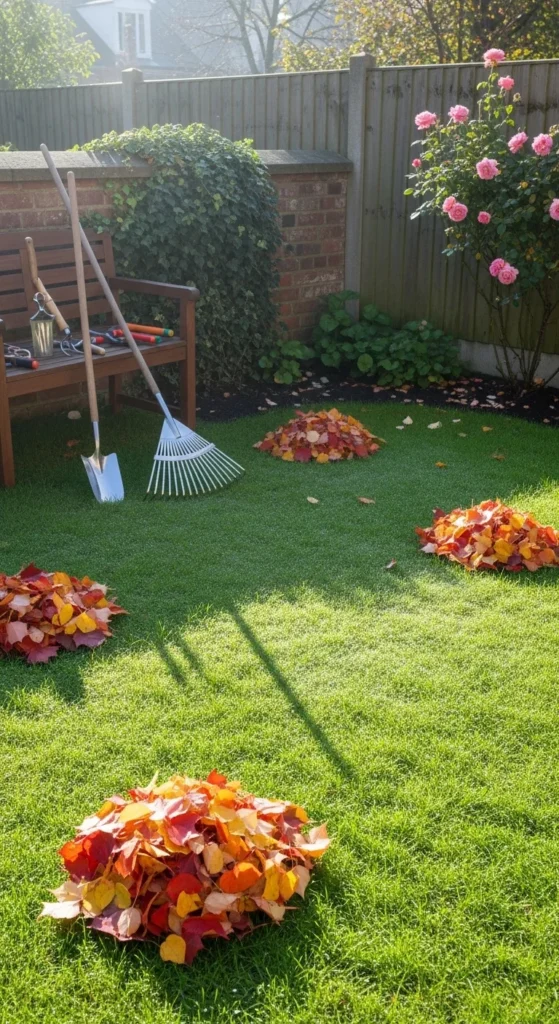
Pests love clutter. Remove fallen leaves, debris, and standing water. Clean up grass clippings and fallen fruit. A tidy yard reduces hiding spots for insects and rodents. Regular cleanup makes your natural pest control efforts more effective and prevents small problems from becoming big infestations.
10. Use Sticky Traps
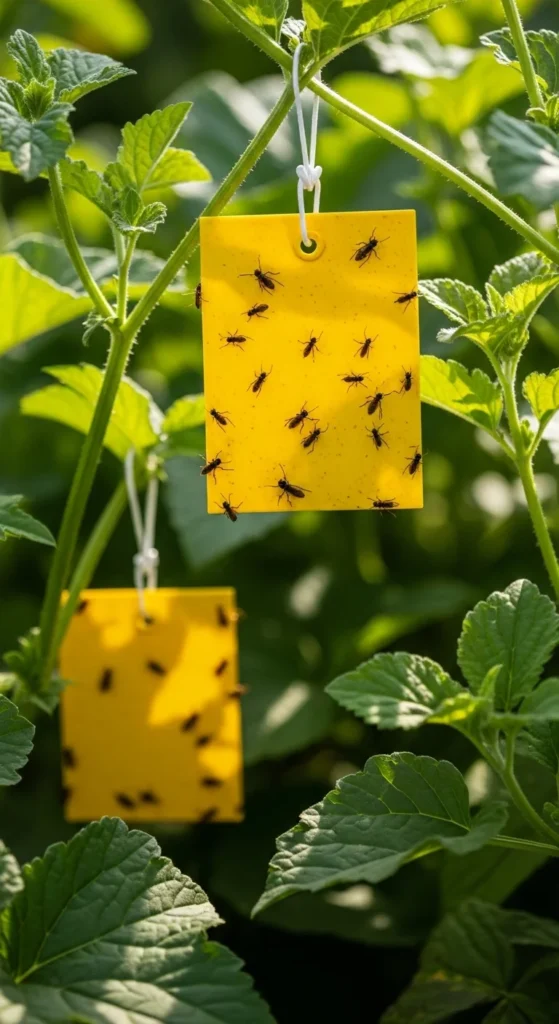
Sticky traps catch flying insects like whiteflies and fungus gnats. Place near greenhouse windows or plant leaves. They work continuously without chemicals. Check and replace traps weekly. They’re a visual alert too, showing when pest numbers rise, so you can act quickly with other natural methods.
11. Sprinkle Coffee Grounds
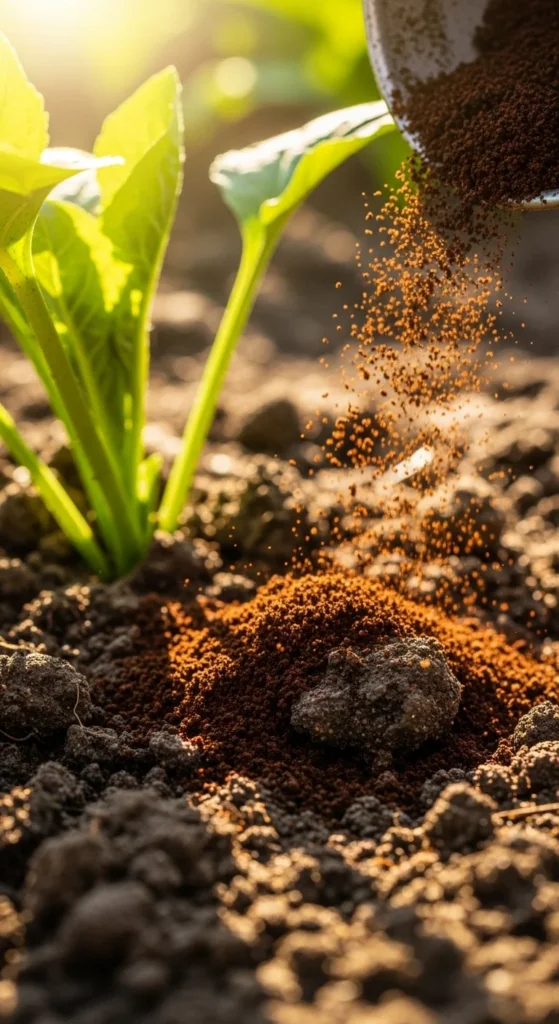
Used coffee grounds deter slugs, snails, and ants. Sprinkle a thin layer around susceptible plants. The texture irritates soft bodies, and the smell masks plant scents that attract pests. Bonus: grounds enrich soil slowly as they decompose. Affordable and practical for gardeners who drink coffee daily.
12. Plant Mint Strategically
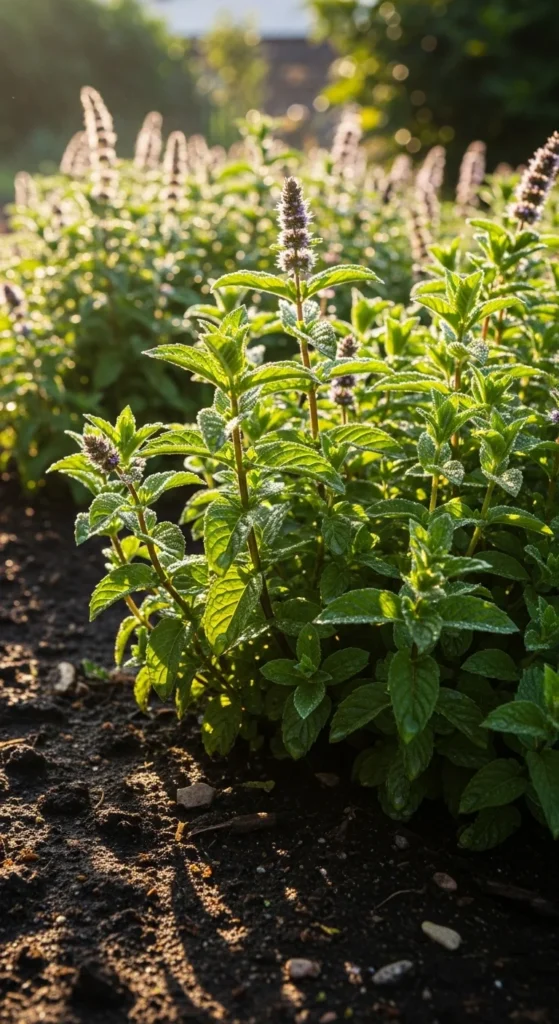
Mint repels ants, fleas, and mice. Plant it in pots or along borders, because it spreads aggressively. Crushing leaves releases strong oils for extra protection. Pairing mint with roses or vegetables can reduce pests without synthetic sprays. It’s easy to maintain and smells fresh too.
13. Create a Beer Trap for Slugs
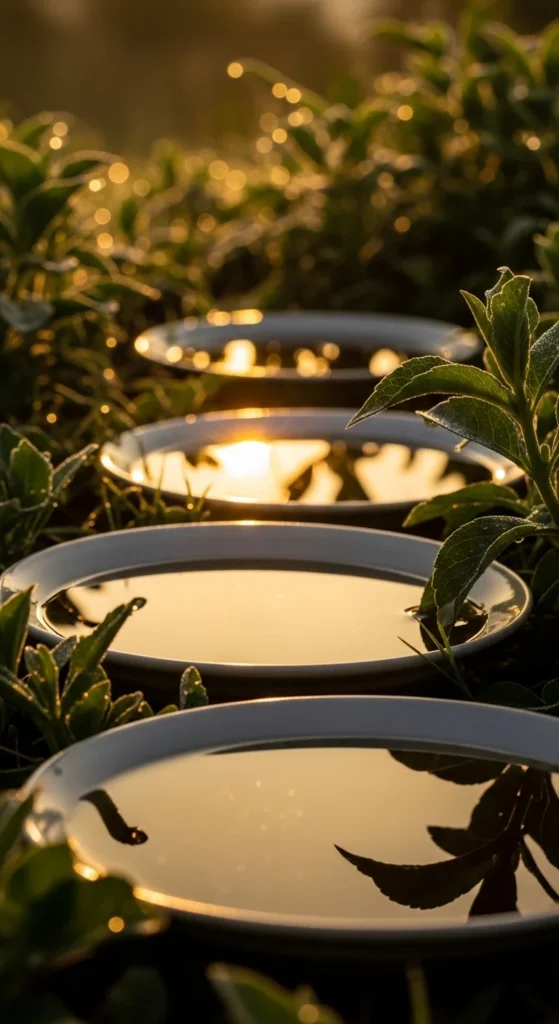
Slugs are drawn to fermenting beer. Fill shallow containers with a little beer and bury them at soil level. Slugs crawl in and drown. This old-fashioned, safe method targets slugs without harming pets or birds. Simple to set up in small or large gardens alike.
14. Use Row Covers
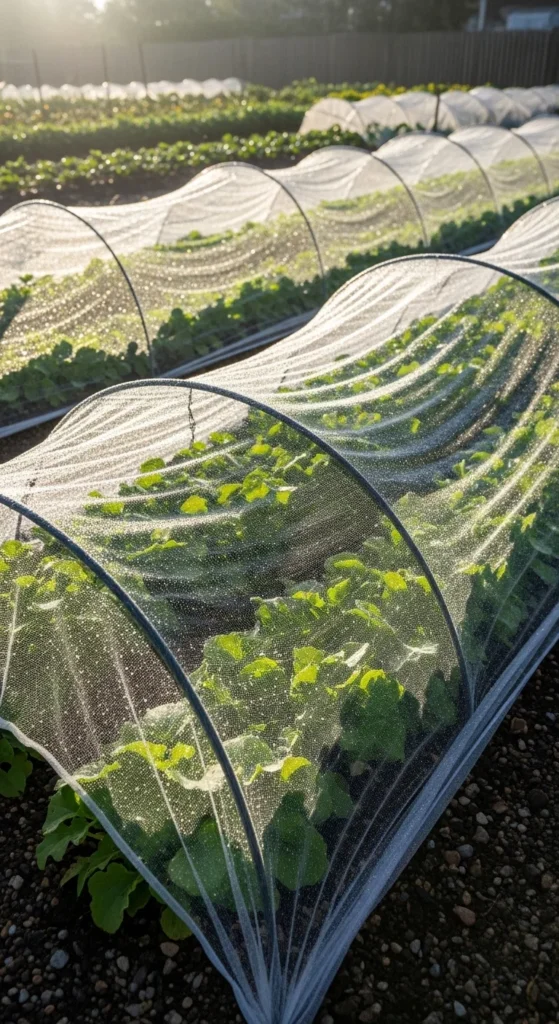
Row covers physically block pests from reaching plants. Lightweight fabrics let sunlight and rain through but prevent insects like cabbage worms or flea beetles. Secure edges with soil or pins. They’re reusable, easy to install, and avoid sprays while letting plants thrive.
15. Make a Chili Pepper Spray
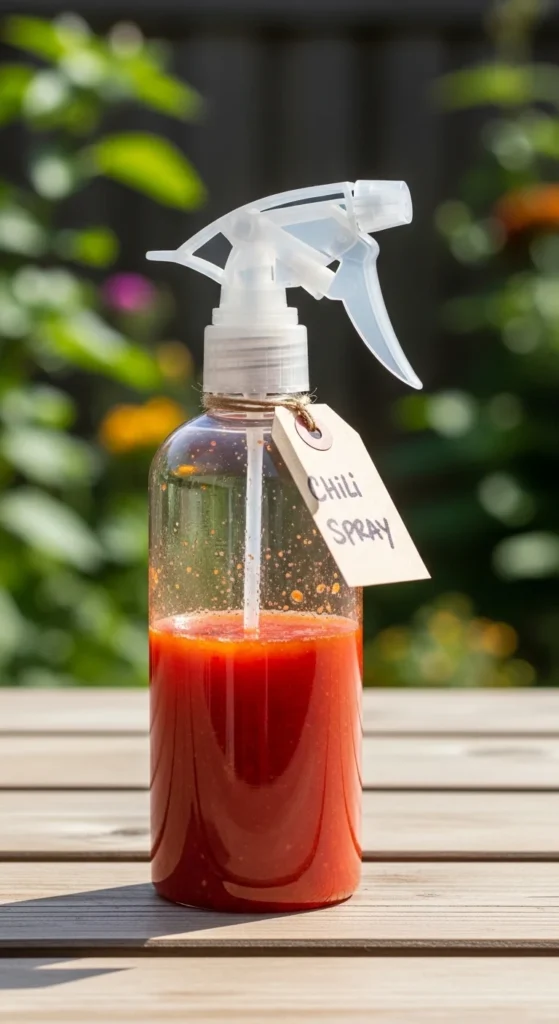
Blend hot peppers with water, strain, and spray on plants. The heat repels aphids, ants, and rabbits. Spray carefully to avoid contact with skin and eyes. Repeat after rain. It’s cheap, effective, and uses ingredients you might already have in the kitchen.
16. Keep Compost Covered
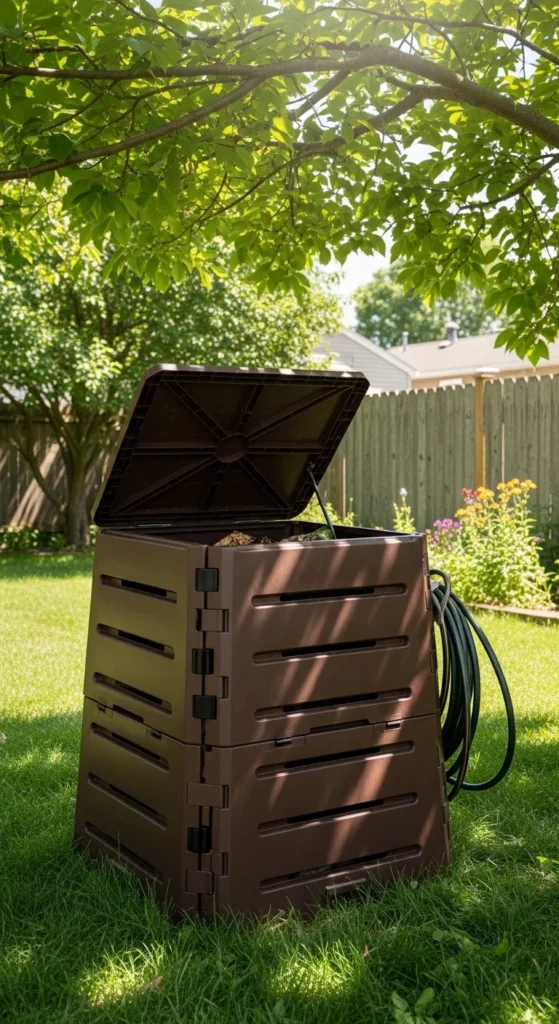
Open compost piles attract flies, rodents, and raccoons. Cover bins with a tight lid or fabric. Turn compost regularly to speed decomposition and reduce odors. This simple step keeps pests away while maintaining a rich, nutrient-filled compost for your garden.
17. Use Citrus Peels
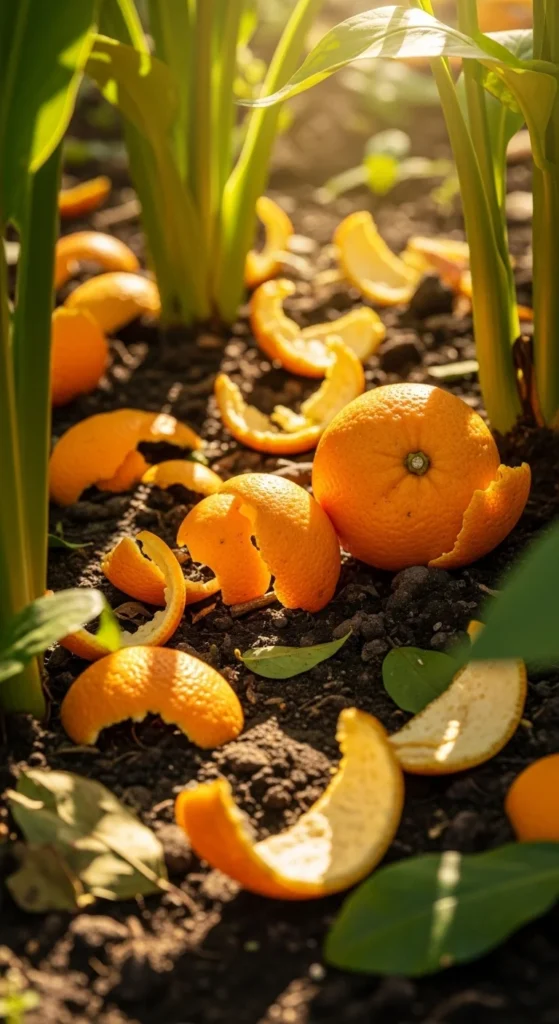
Citrus peels repel cats, ants, and aphids. Chop peels and scatter around garden beds or houseplants. As they decompose, they add nutrients to soil. It’s a zero-cost method if you save kitchen scraps. The fresh scent also keeps your garden smelling pleasant.
18. Keep Food in Sealed Containers
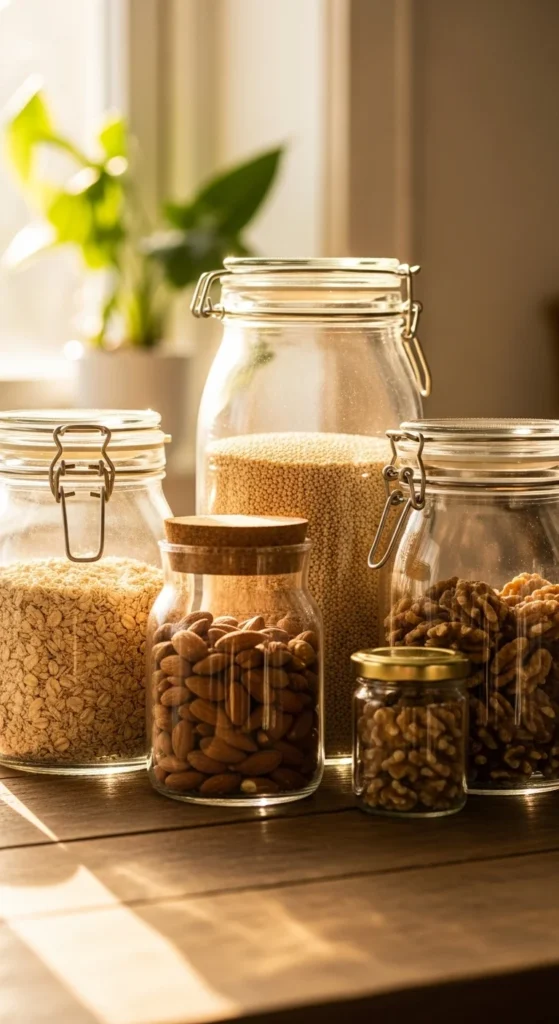
Indoors, pests like ants, weevils, and pantry moths are drawn to exposed food. Store grains, nuts, and dried fruit in airtight containers. Clean shelves frequently. A small habit like this prevents infestations without sprays, saving time and money in the long run.
19. Encourage Birds
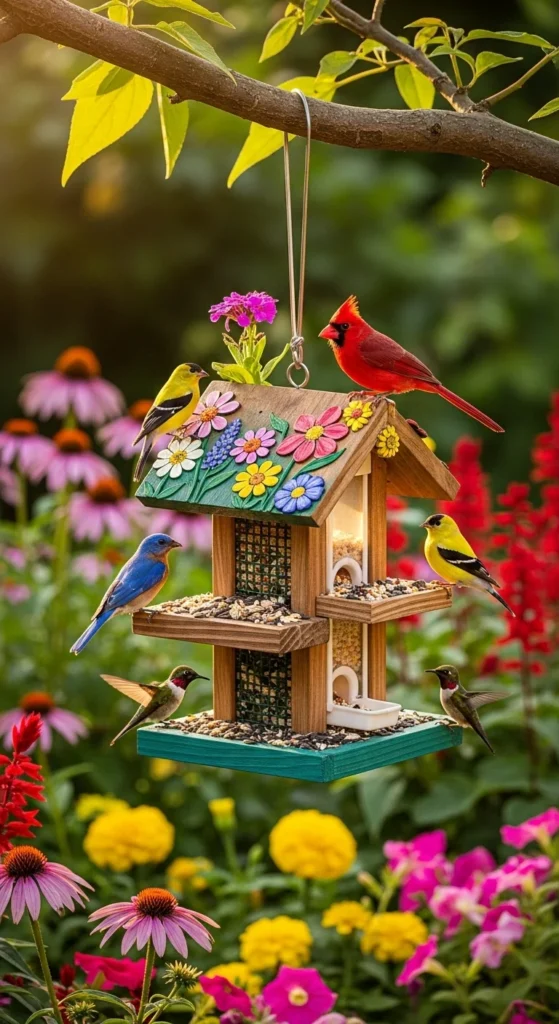
Birds eat caterpillars, beetles, and other insects. Hang feeders or birdhouses nearby to attract them. Avoid bird food near delicate plants to reduce droppings. Birds naturally patrol your garden, keeping insect numbers lower while adding life and beauty to outdoor spaces.
20. Water Early in the Day

Watering in the morning allows foliage to dry quickly, preventing fungal growth and reducing environments where pests thrive. Avoid evening watering, which can leave damp leaves overnight, attracting slugs and other moisture-loving insects. Morning water also nourishes plants for the heat of the day.
21. Inspect New Plants Before Planting
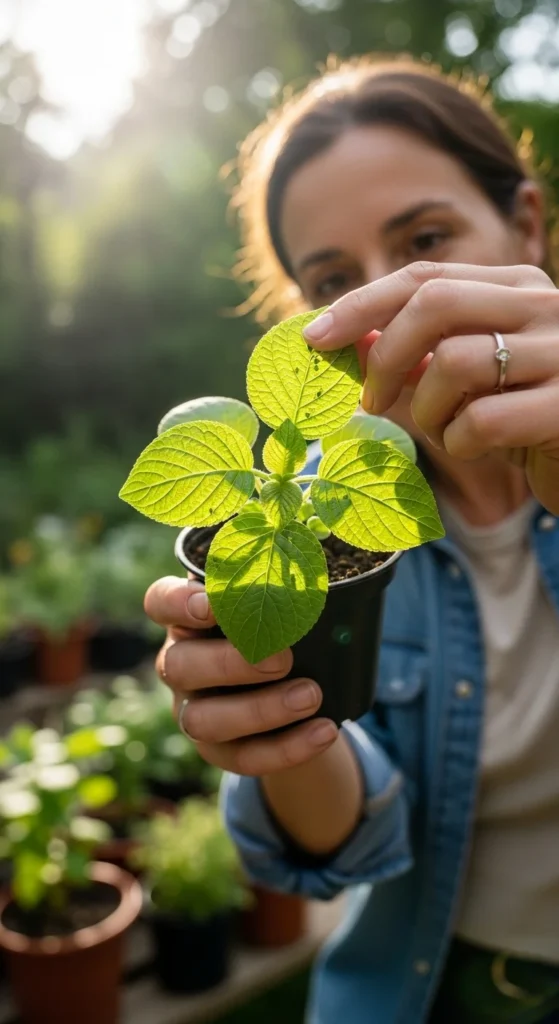
New plants can carry pests into your garden. Inspect leaves, stems, and soil before planting. Quarantine new additions for a few days if possible. Removing even a few insects early prevents infestations from spreading. This habit protects your plants naturally without chemical intervention.
Conclusion
Spring pest control can be simple, affordable, and safe for your garden and home. By combining these 21 natural methods, from attracting beneficial insects to using homemade sprays, you can enjoy a healthy, thriving space without harsh chemicals. Start small—pick a few tips today and see the difference. With consistent care, pests stay in check, and your spring garden flourishes beautifully.

Leave a Reply