

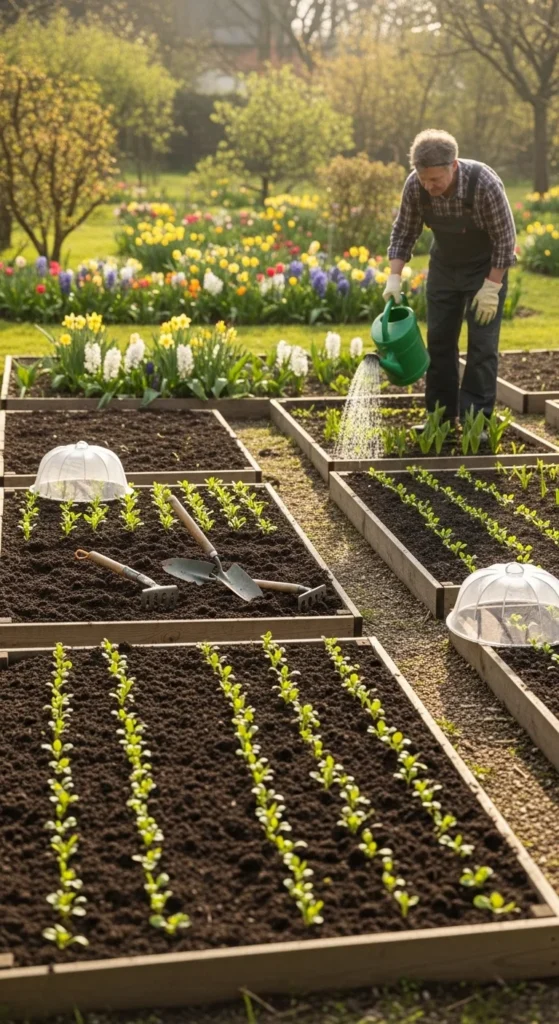
Spring is when gardens wake up and possibilities feel endless. Many gardeners start with excitement but lose momentum when plants struggle or time runs short. The good news? Successful gardens rarely depend on expensive supplies or complicated methods. Small habits make the biggest difference. This guide shares practical, expert-backed tips that help you grow healthier plants while saving money and effort. Whether you garden in a backyard, balcony, or small corner, these ideas focus on simple actions that work in real homes and real schedules.
1. Start With Healthy Soil, Not Fancy Plants
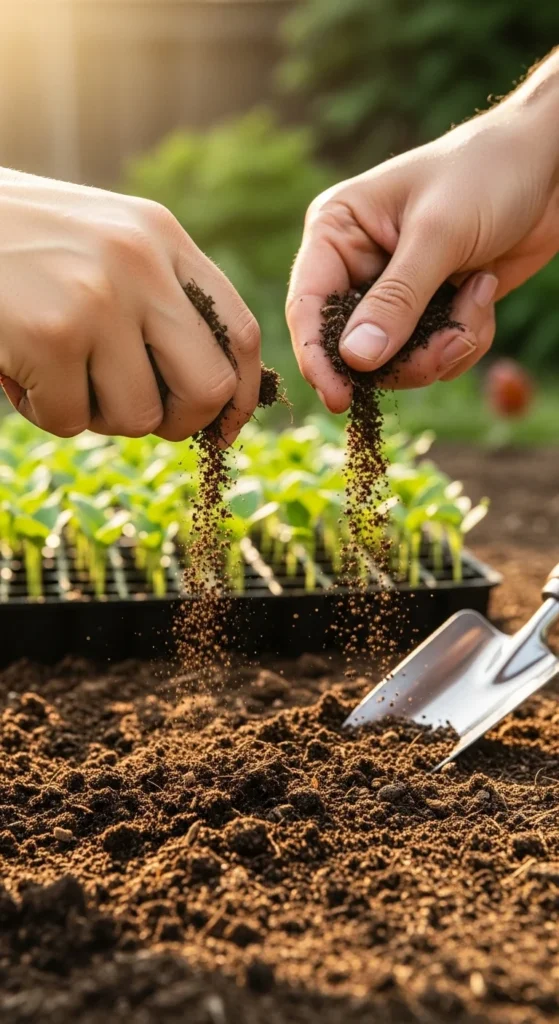
Many beginners spend money on plants but ignore soil quality. Experts always begin with the ground itself. Good soil holds moisture while still allowing air to reach roots.
You can improve soil without buying costly mixes. Add kitchen compost, dried leaves, or grass clippings. Even shredded newspaper works when mixed well. These materials slowly break down and make soil softer.
Test texture using your hands. If soil forms a hard lump, mix in sand or compost. If it falls apart instantly, add organic matter to help hold moisture.
Raised beds are helpful but not required. A simple loosen-and-mix routine works just as well.
Try this budget trick: collect vegetable scraps and bury them in empty garden areas weeks before planting. They enrich the ground naturally.
Healthy soil reduces watering and plant problems later. That means less work and fewer replacements. Think of soil as the foundation of everything that grows above it.
2. Choose Plants That Match Your Climate
Garden success often depends on planting what grows well locally. Instead of copying online trends, observe what neighbors grow successfully.
Visit local markets or talk with nearby gardeners. Plants already thriving in your area adapt better to temperature swings.
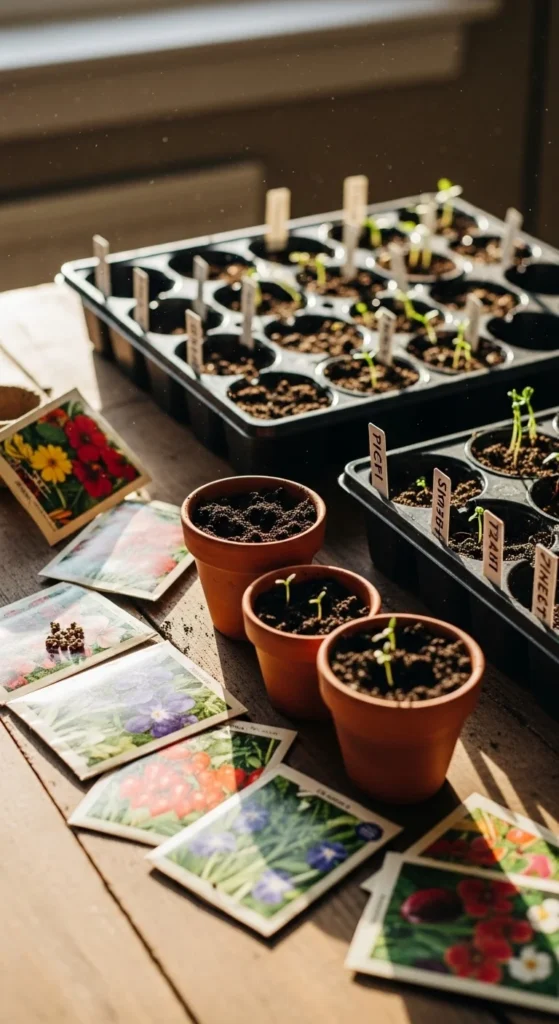
Seed packets usually list planting seasons. Follow those guides closely. Planting too early often leads to weak growth.
If you live in a warm region, focus on heat-tolerant vegetables and flowers. Cooler areas benefit from leafy greens and herbs early in the season.
Budget tip: swap seeds with friends instead of buying many packets. You gain variety without extra cost.
Start small. A few strong plants perform better than crowded beds filled with struggling ones.
Matching plants to climate saves water, reduces pest problems, and makes gardening feel easier from the start.
3. Start Seeds Indoors for a Head Start
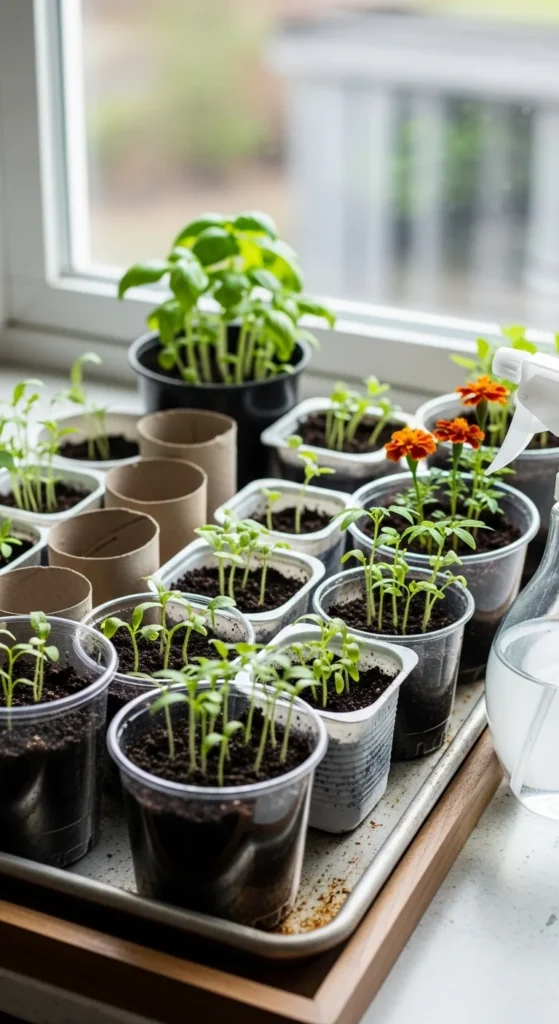
Starting seeds indoors gives plants extra growing time before outdoor conditions stabilize. You don’t need special trays.
Use yogurt cups, egg cartons, or food containers. Just add drainage holes at the bottom.
Place containers near a bright window. Rotate them every few days so seedlings grow straight.
Water lightly. Overwatering is a common mistake. Soil should feel slightly damp, not soaked.
Label everything. Many seedlings look alike during early growth.
This method saves money because seed packets cost far less than mature plants.
Once temperatures rise, move seedlings outside gradually. A few hours daily helps them adjust.
Growing from seed builds confidence. Watching tiny sprouts grow into strong plants feels rewarding and teaches patience.
4. Use Mulch to Save Time and Water
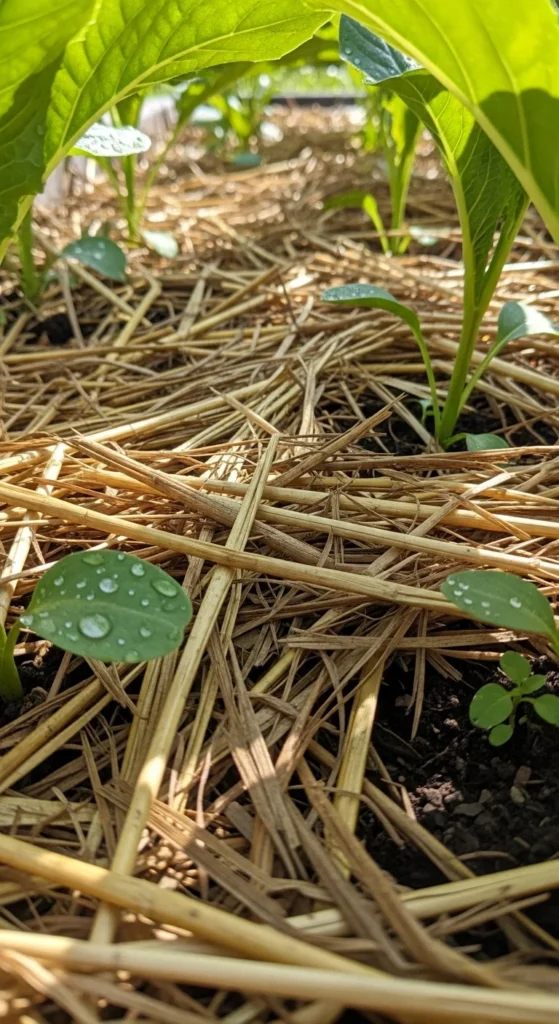
Mulch acts like a protective blanket over soil. It reduces evaporation and slows weed growth.
You don’t need store-bought mulch. Dry leaves, straw, or shredded cardboard work well.
Spread a thin layer around plants, leaving space near stems. This prevents rot.
Mulch also keeps soil temperature stable during unpredictable spring weather.
Less watering means lower effort and smaller water bills.
Weeds struggle to grow under covered soil. That saves hours of pulling unwanted plants later.
As mulch breaks down, it feeds the soil naturally.
Many gardeners notice stronger plant growth simply by adding this one habit.
5. Give Plants Enough Space to Grow
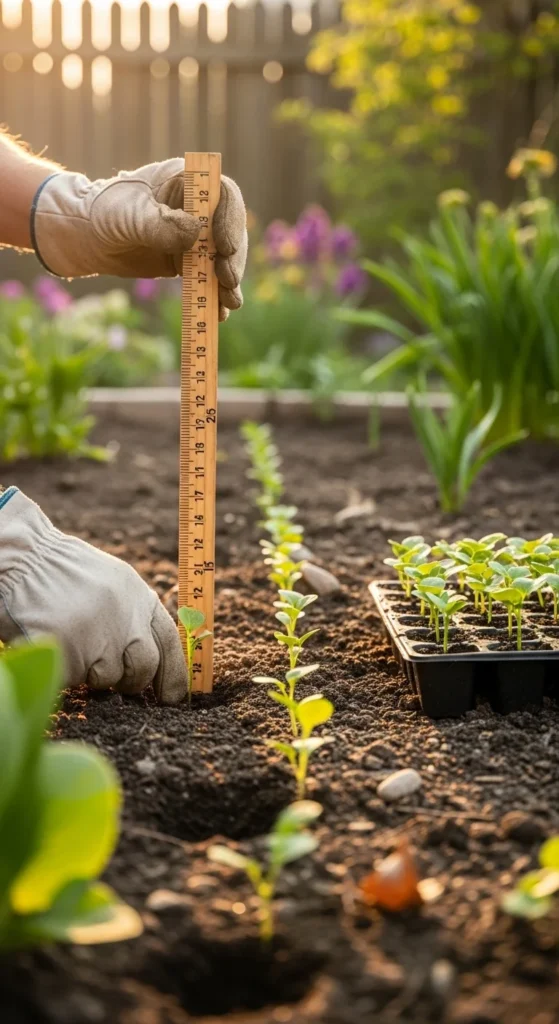
Crowded plants compete for sunlight, nutrients, and water. Spacing may feel wasteful early on, but plants fill gaps quickly.
Follow spacing guides on seed packets. When unsure, leave extra room.
Air circulation reduces disease problems. Leaves dry faster after watering or rain.
If space feels limited, grow upward using stakes or trellises.
Budget idea: use sticks or branches as supports instead of buying frames.
Proper spacing leads to stronger stems and larger harvests without added work.
6. Turn Kitchen Scraps Into Compost
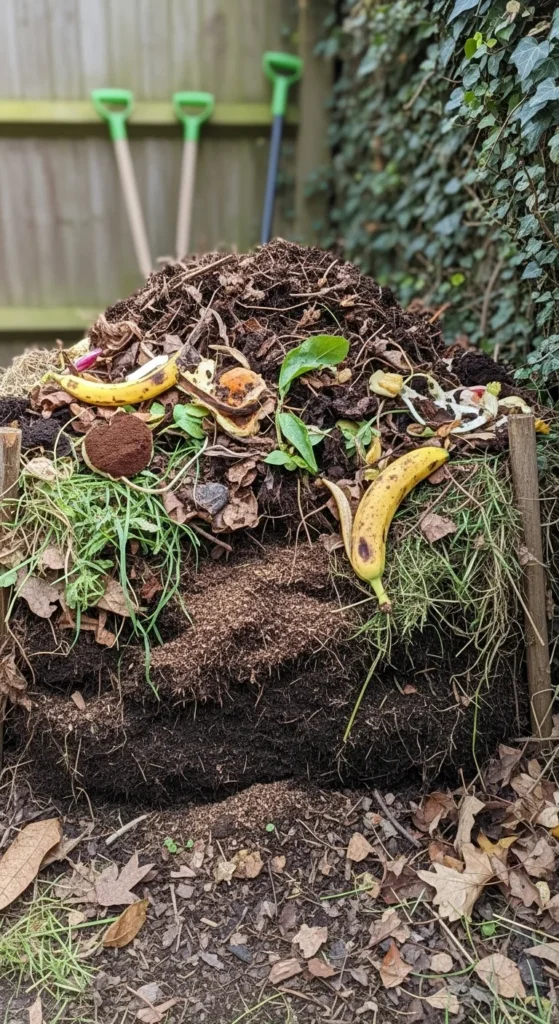
Composting transforms everyday waste into rich plant food. Vegetable peels, coffee grounds, and eggshells work well.
Avoid adding oily or heavily processed leftovers.
Layer green materials with dry leaves or paper. This balances moisture.
Turn the pile occasionally using a shovel. Air speeds decomposition.
Even a small bucket compost system works for apartment gardeners.
Homemade compost reduces fertilizer costs and improves soil structure.
It’s an easy habit that pays off all season.
7. Water Early in the Day
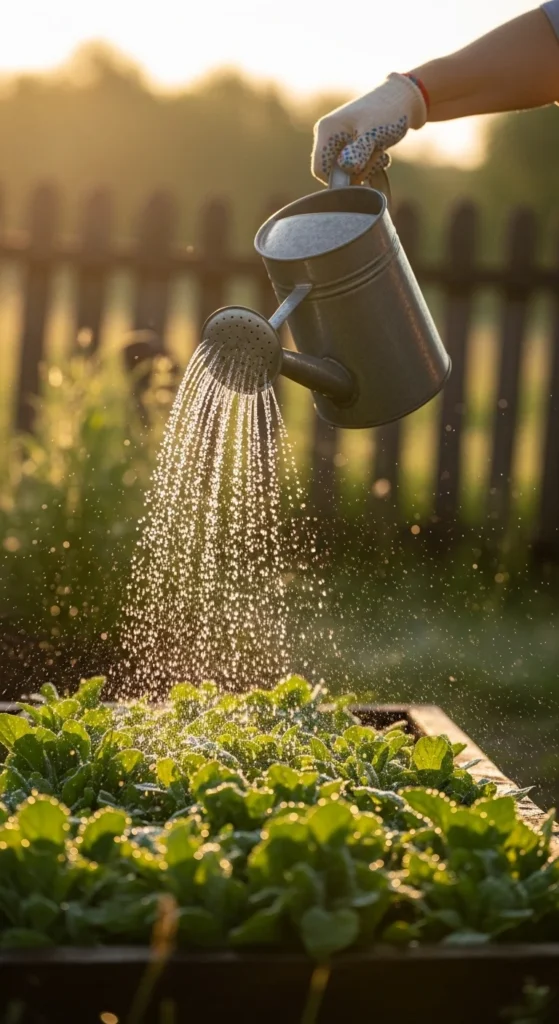
Morning watering helps plants absorb moisture before heat rises.
Watering late at night can leave leaves damp for long periods, encouraging disease.
Aim water at soil instead of leaves.
A reused plastic bottle with small holes can act as a slow dripper.
Deep watering less often encourages stronger roots compared to frequent light watering.
This habit saves water and keeps plants more resilient.
8. Plant Companions That Help Each Other
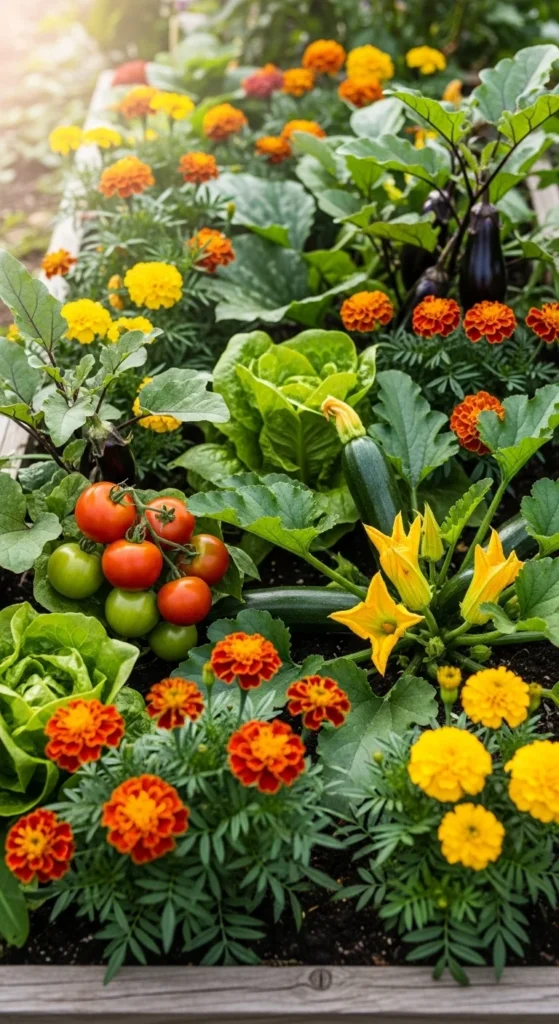
Some plants grow better together. Flowers like marigolds help discourage pests naturally.
Herbs near vegetables attract helpful insects.
Mixing crops also makes gardens look lively and balanced.
You don’t need strict rules. Experiment with small groupings.
Companion planting reduces reliance on store products while improving growth naturally.
9. Weed Small and Often
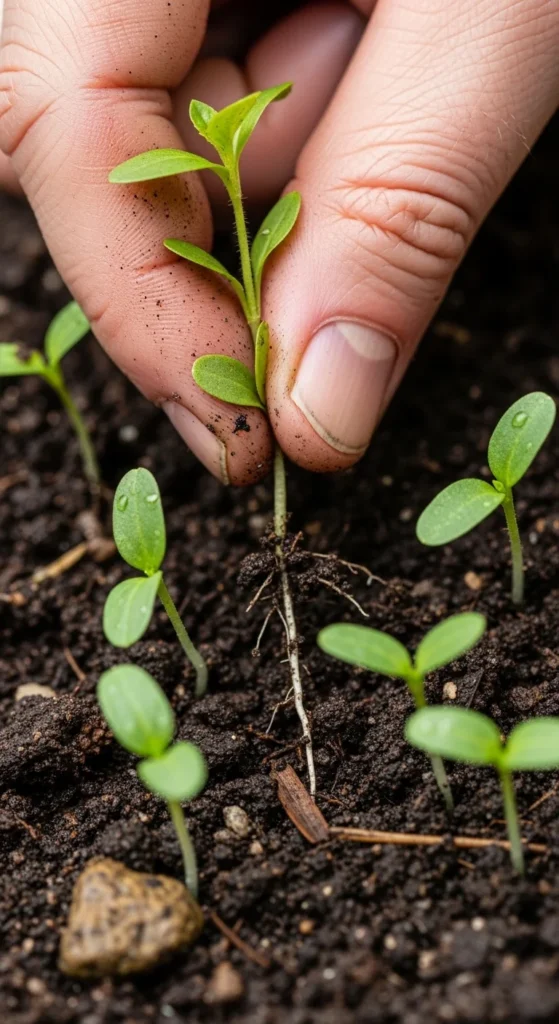
Tiny weeds are easy to remove. Large weeds steal nutrients quickly.
Spend five minutes every few days instead of long cleanup sessions.
Pull weeds after watering when soil is soft.
A simple hand tool works fine. No expensive equipment required.
Regular attention keeps gardens manageable and calm.
10. Label Everything Clearly
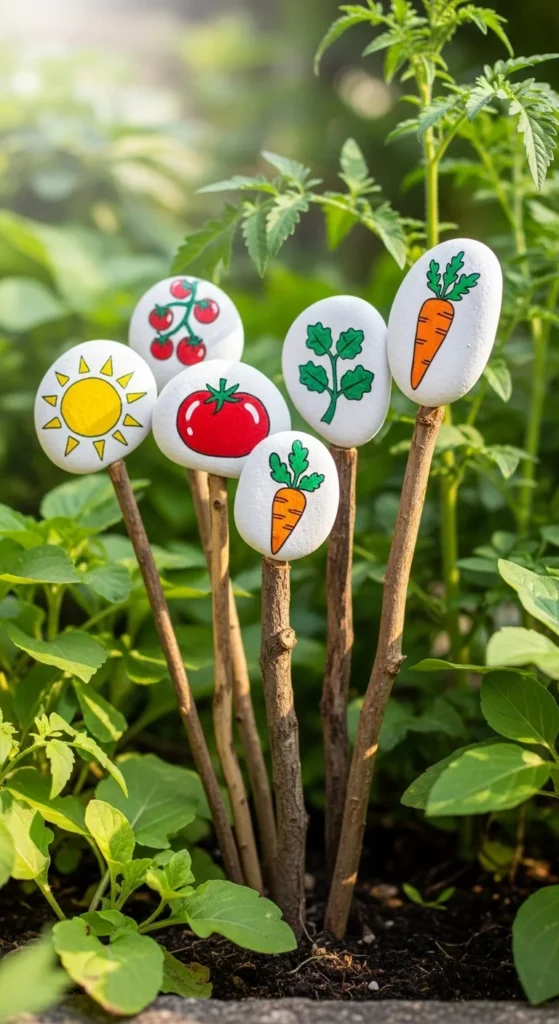
Plants look similar during early stages. Labels prevent confusion later.
Use popsicle sticks, stones, or recycled plastic pieces.
Permanent marker works well outdoors.
Clear labeling helps track what grows best each season.
This simple habit improves planning year after year.
11. Keep a Simple Garden Journal
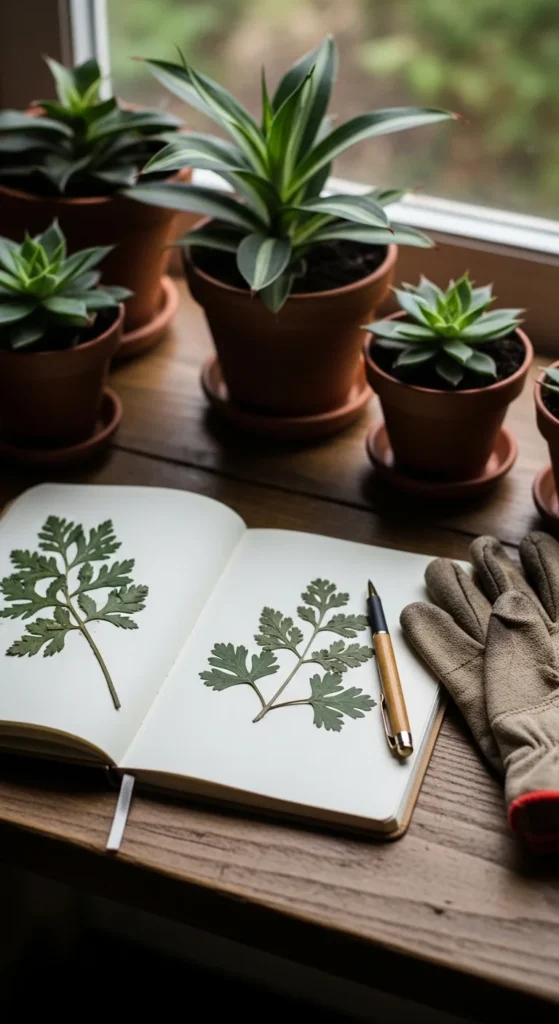
Write planting dates, weather changes, and results.
You don’t need long notes. Short observations help.
Record which plants grow well and which struggle.
Next season becomes easier because you already know what works.
A basic notebook is enough.
12. Build Beds From Recycled Materials
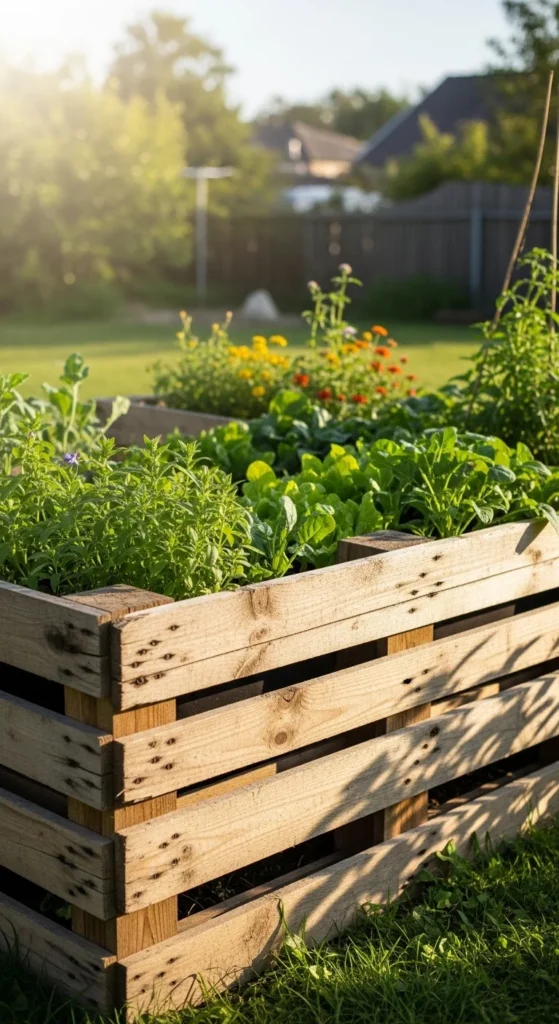
Wood pallets, bricks, or old containers can become planting spaces.
Raised beds improve drainage and reduce bending.
Check materials for safety before using them.
DIY beds cost far less than store versions and add character to your garden.
13. Prune Early for Strong Growth
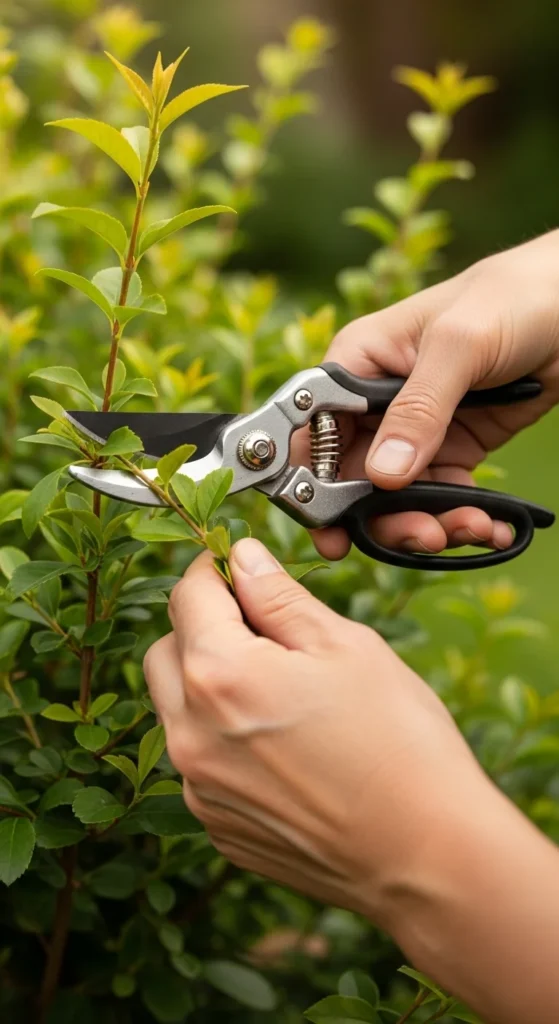
Remove damaged or weak stems early in the season.
Plants direct energy toward healthier growth afterward.
Use clean scissors or shears.
Light trimming works better than heavy cutting.
Pruning encourages fuller plants without extra products.
14. Collect Rainwater When Possible
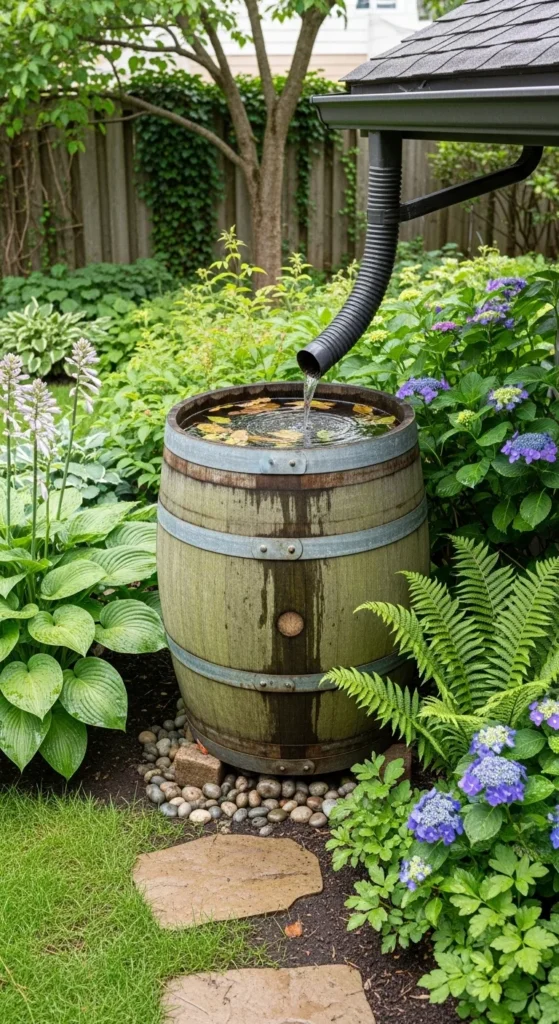
Rainwater is free and gentle on plants.
Place buckets under roof edges during showers.
Cover containers to keep debris out.
Stored water helps during dry weeks and reduces utility costs.
15. Grow Herbs in Containers
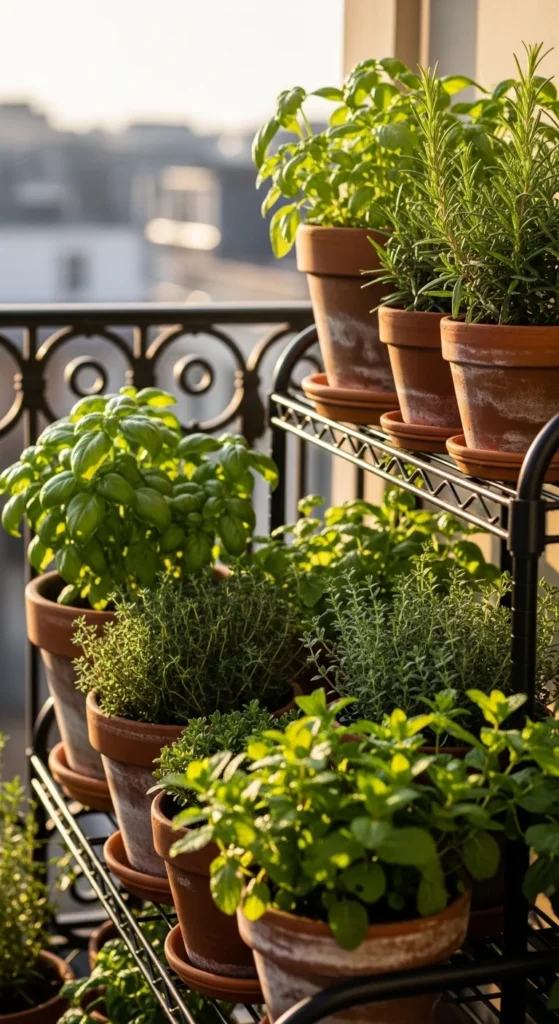
Herbs thrive in small pots and require little space.
Containers allow easy movement to follow sunlight.
Reuse food cans or buckets with drainage holes.
Homegrown herbs reduce grocery spending and add flavor to meals.
16. Try Simple Homemade Pest Solutions
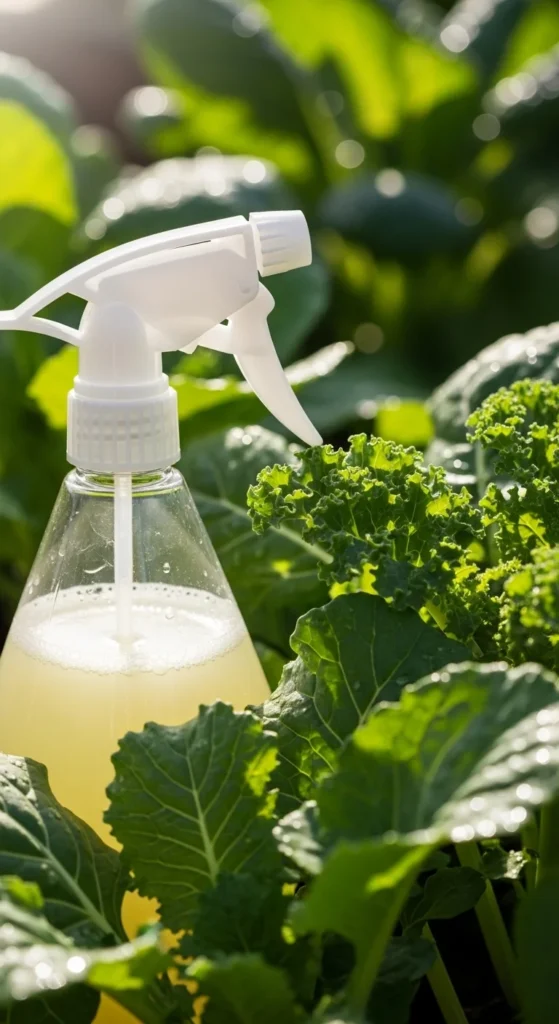
Mix mild soap with water to spray common pests.
Check plants weekly for early signs of damage.
Hand removal works surprisingly well.
Natural methods keep costs low and protect helpful insects.
17. Grow Upward to Save Space
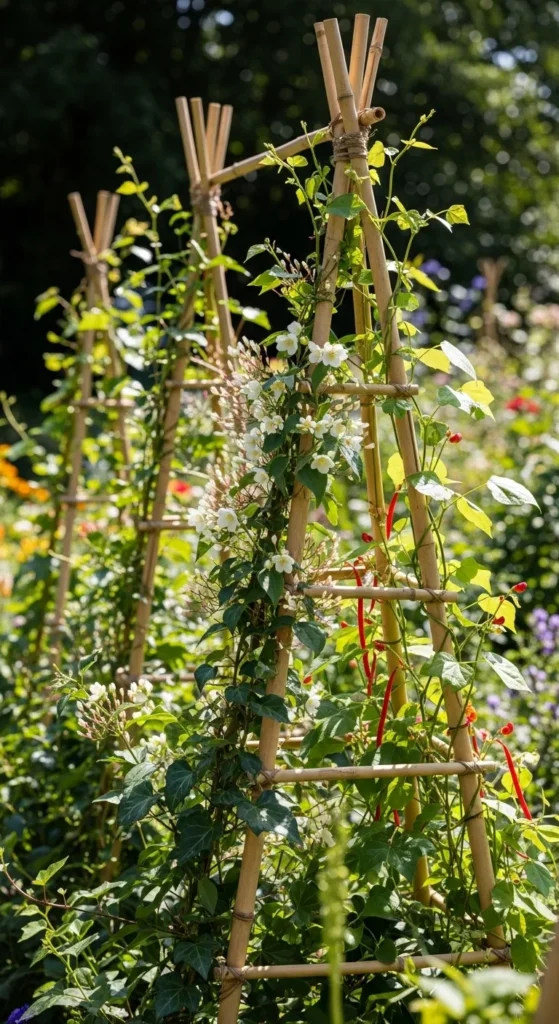
Vertical gardening increases planting area without expanding beds.
Use bamboo sticks, string, or reused wire.
Climbing vegetables receive better airflow and sunlight.
Harvesting also becomes easier.
18. Create Easy Walking Paths
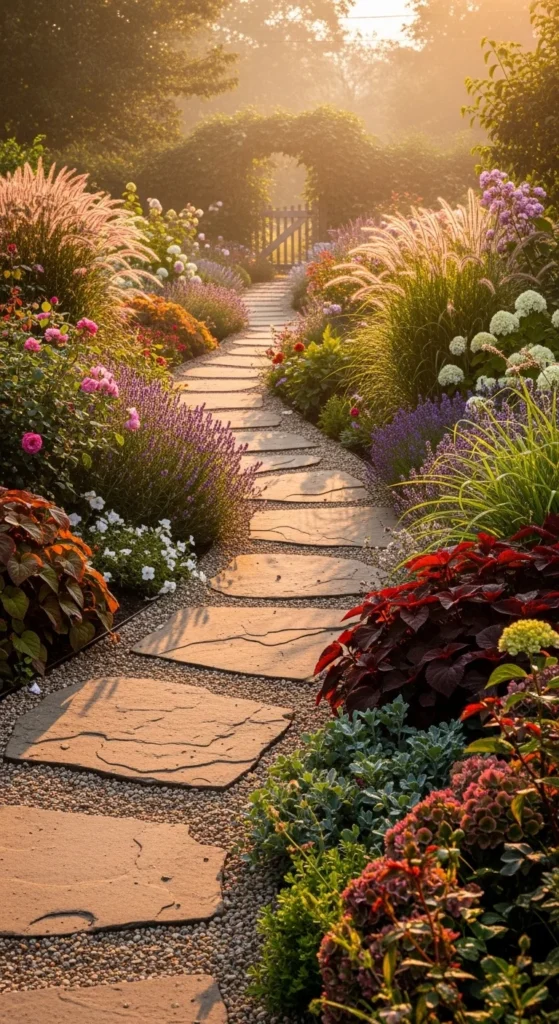
Paths prevent soil compaction around roots.
Use gravel, stones, or wood pieces.
Defined walkways keep gardens tidy and comfortable to maintain.
Simple planning saves effort later.
19. Harden Off Seedlings Slowly
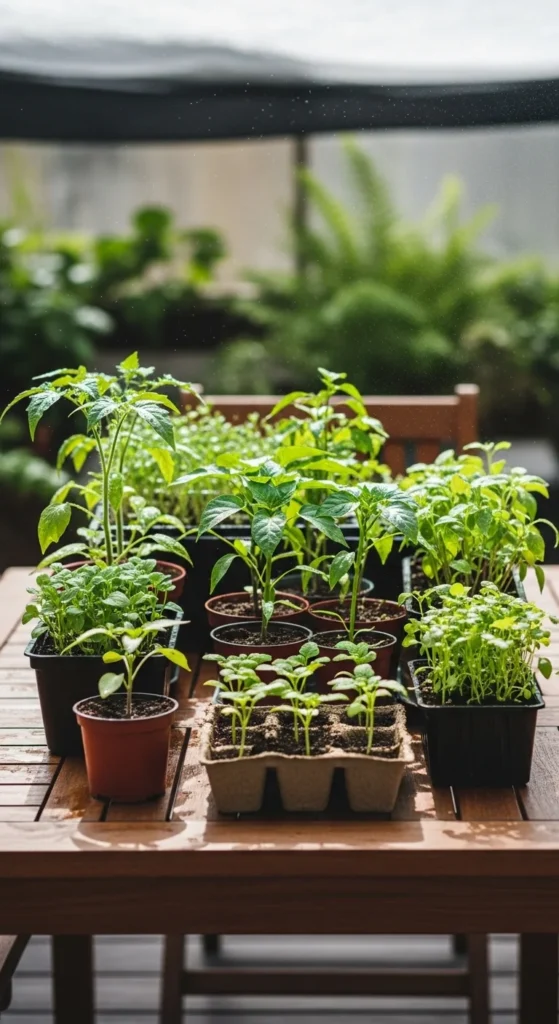
Indoor plants require gradual exposure to outdoor conditions.
Start with short outdoor periods each day.
Increase time daily for about a week.
This reduces shock and helps plants adapt smoothly.
20. Welcome Pollinators With Flowers
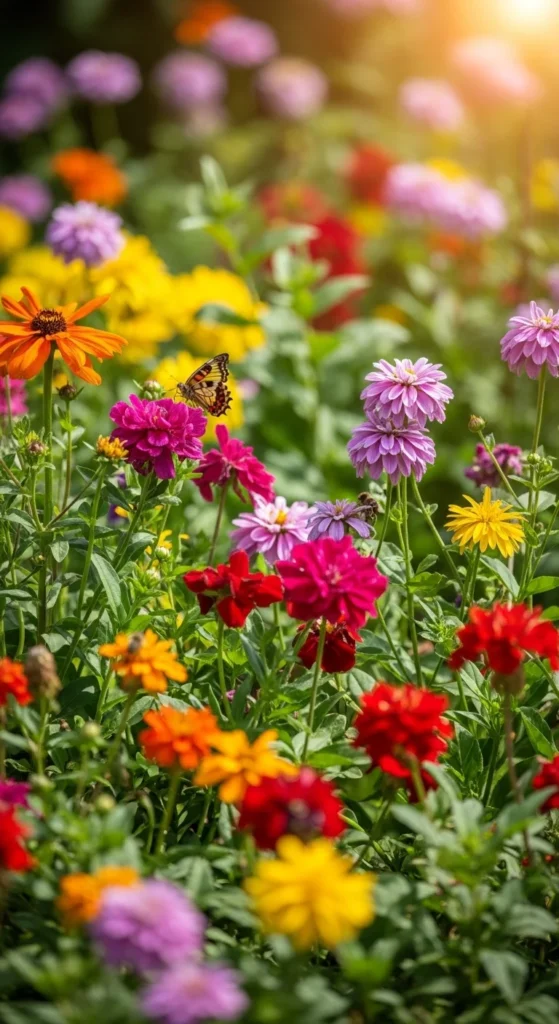
Bees and butterflies help plants produce more fruit.
Plant simple flowering varieties near vegetables.
Even small flower patches make a difference.
Natural pollination supports stronger harvests.
21. Keep Tools Clean and Ready
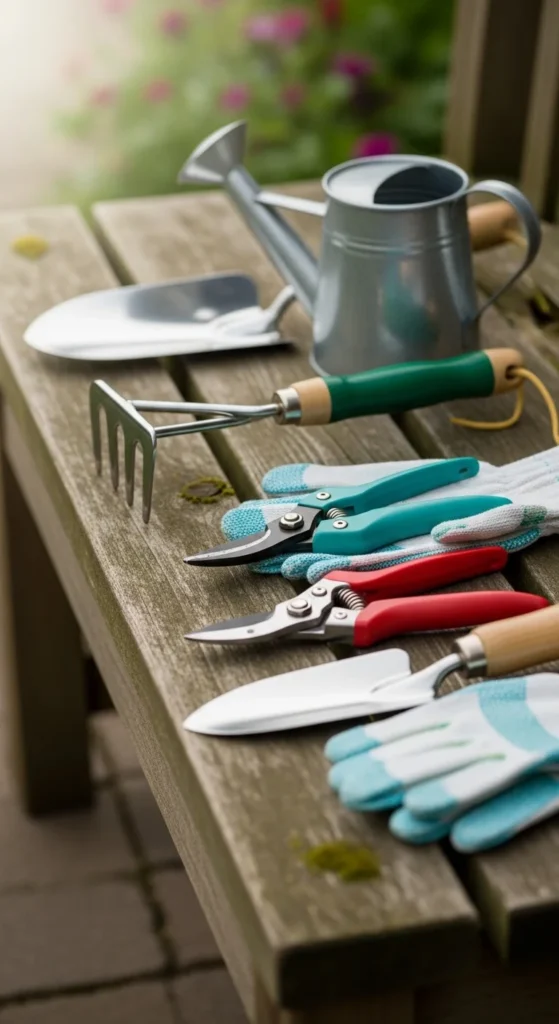
Dirty tools spread plant problems.
Rinse tools after use and dry them.
Sharpen blades occasionally for easier cutting.
Well-maintained tools last longer and work better.
22. Plant in Stages for Continuous Harvests
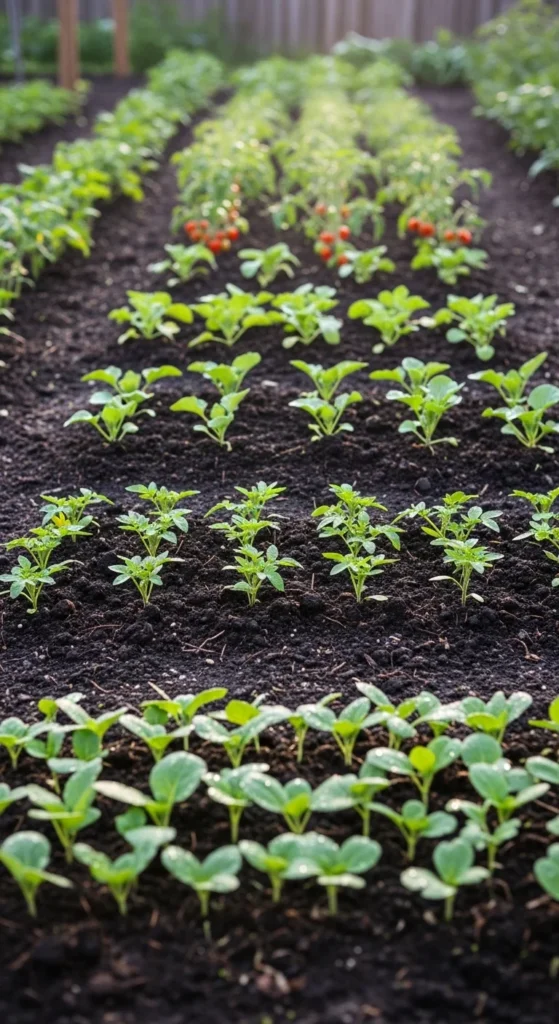
Instead of planting everything at once, sow small batches every few weeks.
This spreads harvest time and avoids waste.
Leafy greens and herbs work especially well with this method.
You always have something growing.
23. Observe Your Garden Daily
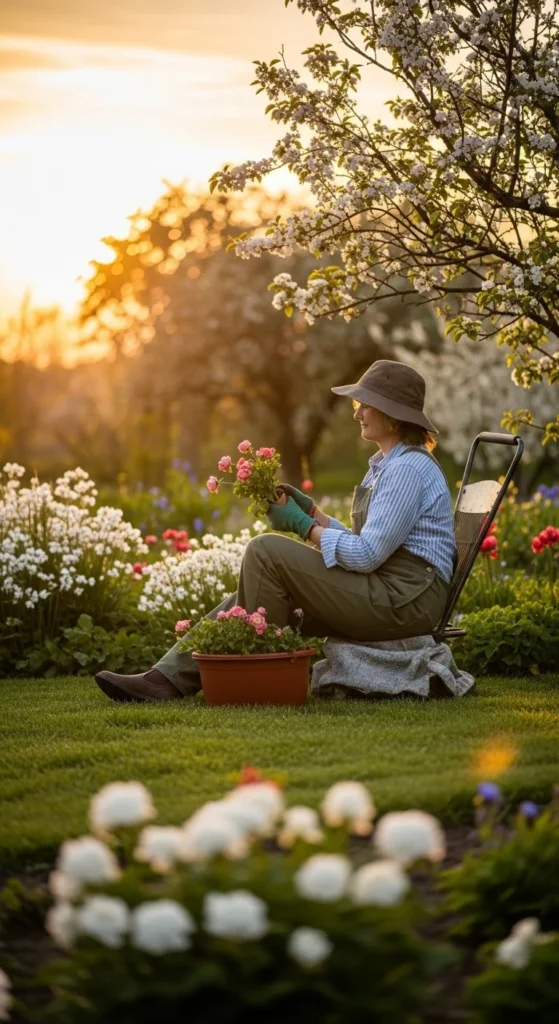
Spend a few minutes walking through your garden.
Look for color changes, pests, or dry soil.
Early observation prevents larger problems.
Gardening becomes relaxing rather than overwhelming.
24. Celebrate Small Wins Each Week
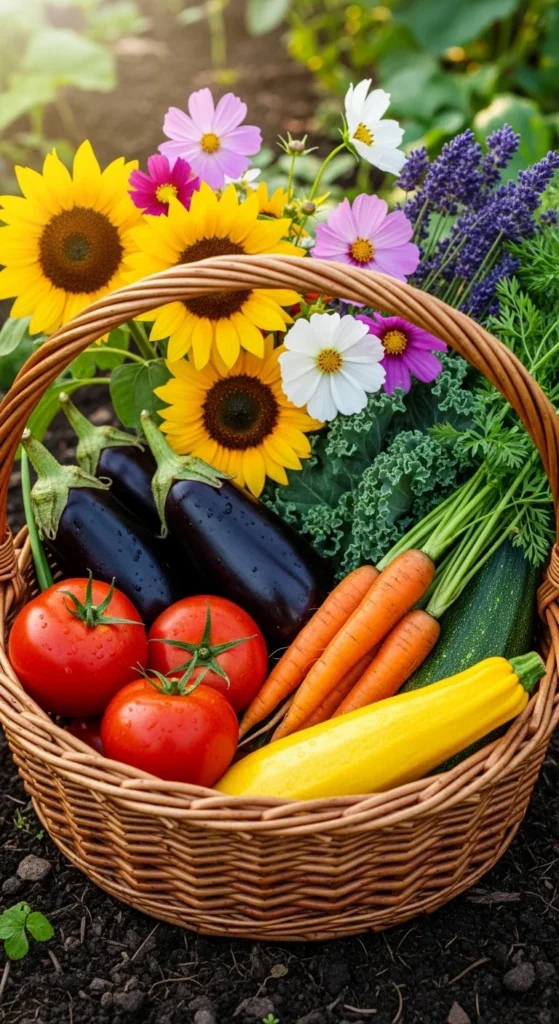
Not every plant grows perfectly, and that’s normal.
Focus on progress rather than perfection.
Harvest small amounts regularly and enjoy them.
Sharing produce with family or neighbors builds motivation.
Gardening success grows from consistent care, not perfection.
Conclusion
A thriving spring garden comes from simple habits repeated often. Healthy soil, smart planting choices, and small daily actions create steady progress without high spending. Each tip here focuses on realistic steps you can start today using materials already around you. Pick a few ideas, try them this season, and watch your garden grow stronger week by week. The joy comes from learning, experimenting, and seeing life grow through your own effort.

Leave a Reply