

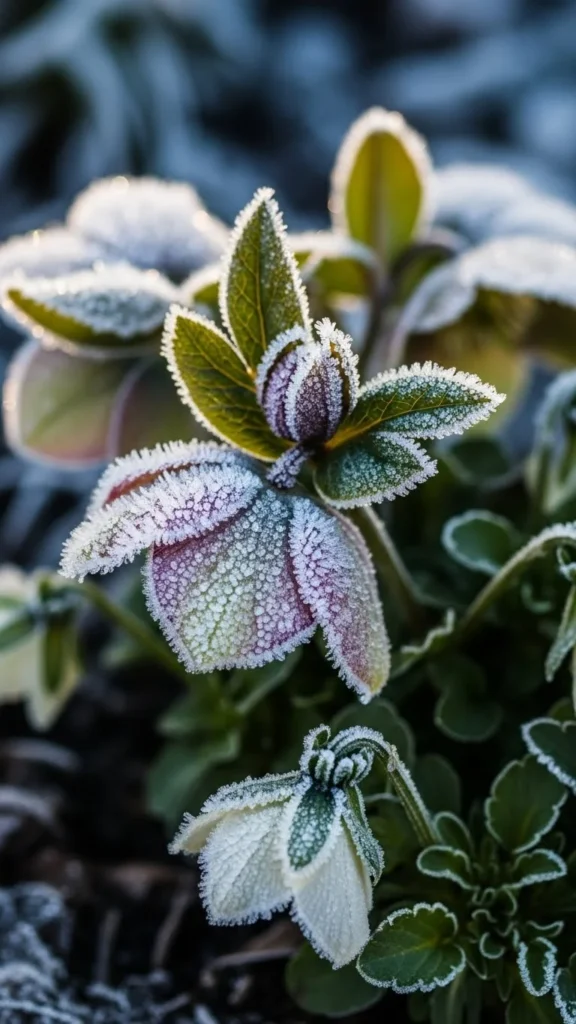
Winter doesn’t have to leave your garden looking dull. Many flowers stay bold even when temperatures fall, giving your yard color when everything else fades. These frost-tolerant blooms handle cold mornings, light freezes, and icy soil far better than most plants. Below, you’ll find practical ways to use them, simple DIY ideas, and budget-friendly planting tips to help you create a winter garden that feels bright and full of life.
1. Winter Pansies
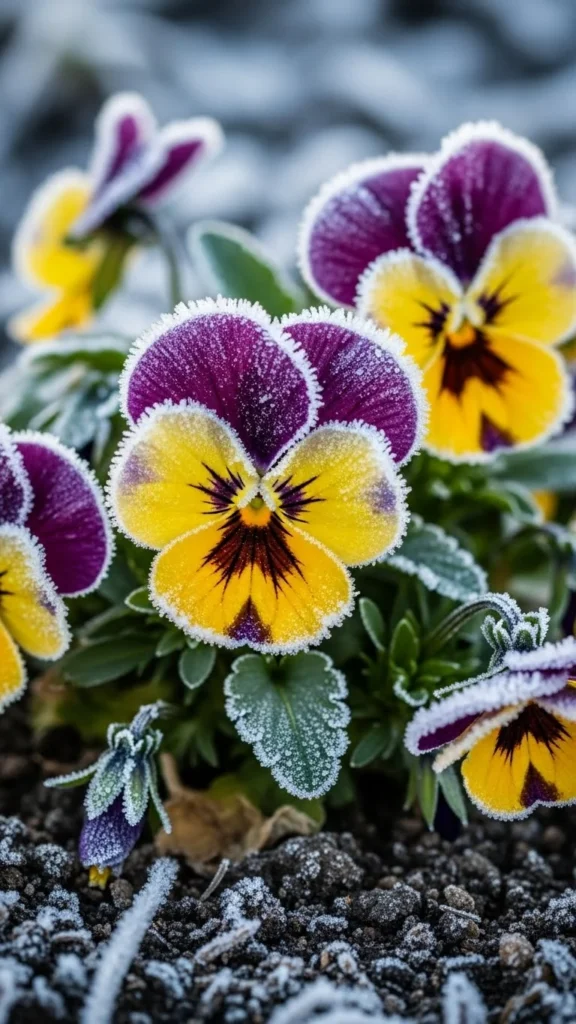
Winter pansies bring cheerful color when most plants shut down. They push through cold snaps and still hold their shape. You can plant them in small groups for a stronger presence or mix them with greens for a softer look. Many gardeners like to tuck them near paths so the bright petals stand out on gray days.
Try buying multipacks from your local nursery to save money. These often come at a lower price and let you fill a space quickly.
If your soil feels dense, add a little compost before planting. This helps roots settle even in cold weather.
For small yards, try a window box filled with yellow and purple pansies. Add a layer of mulch to keep moisture steady.
Keep deadheading old blooms to spark more growth. This simple step keeps them producing flowers week after week.
If frost hits, don’t panic. Winter pansies usually bounce back by midday once the sun warms the soil.
For the best look, mix shades that contrast each other. This simple trick makes your winter beds brighter without any extra work.
2. Snowdrops
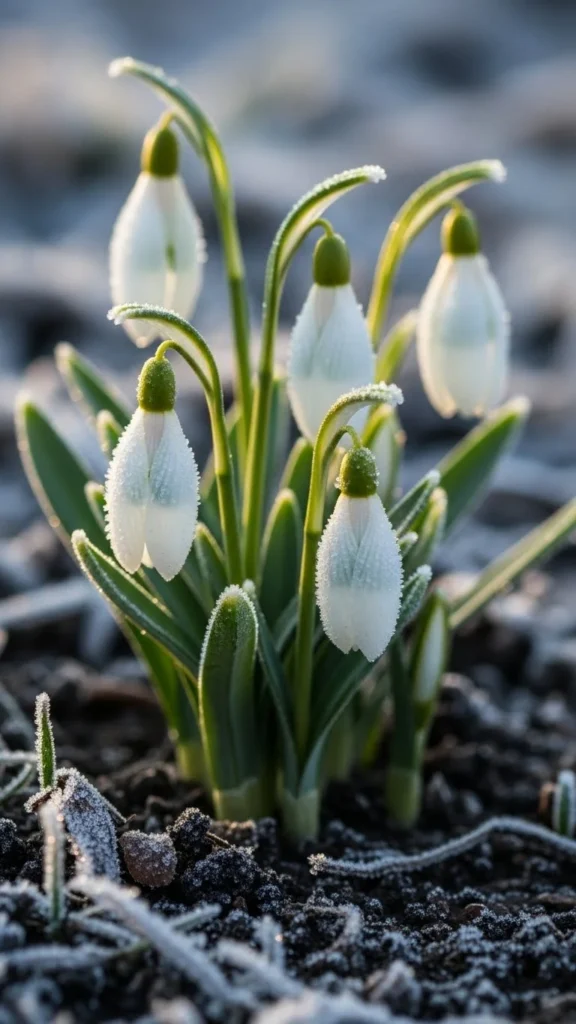
Snowdrops are one of the earliest flowers to appear when temperatures fall. Their white petals hang gently, giving your garden a peaceful winter look. They grow well under trees, around shrubs, or near walkways.
If you want a natural look, scatter bulbs across a patch of soil instead of planting them in straight rows. This creates soft clusters that feel more organic.
Snowdrops are low-cost and easy to maintain. Once planted, they return every year with little effort.
They prefer areas with partial shade, especially spots that don’t dry out completely. A thin layer of mulch will help keep moisture steady through icy nights.
When planting the bulbs, place them pointed side up. It’s a tiny detail, but it helps them settle faster.
If you want early color near your porch, fill a small ceramic pot with several bulbs. Snowdrops handle containers well and bloom beautifully in cold months.
3. Hellebores
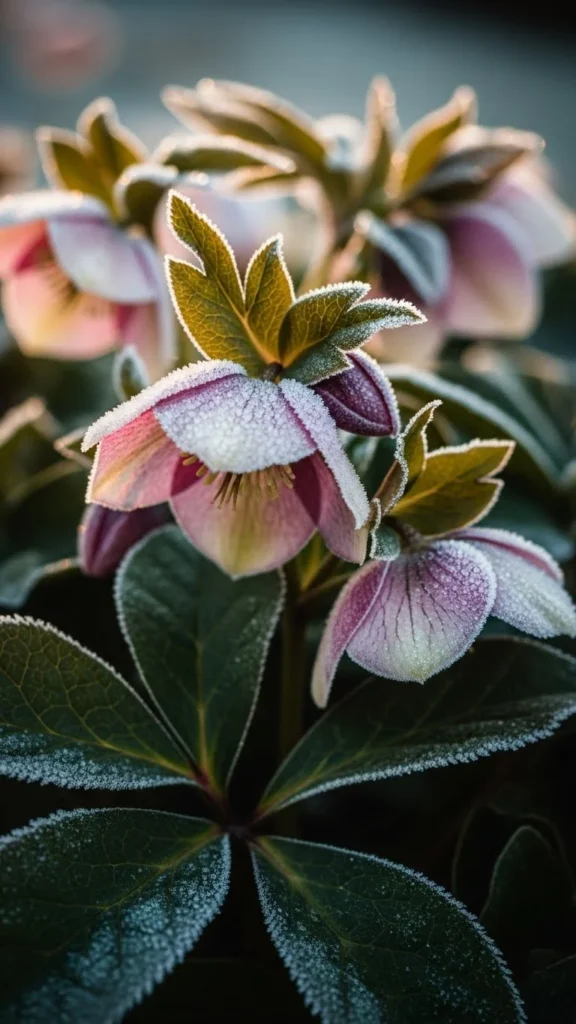
Hellebores stay strong through freezing temperatures and even push blooms during snowfall. Their petals range from pale cream to rich burgundy, giving your winter beds warm tones.
They thrive in partly shaded beds, especially near evergreen shrubs. This pairing creates a layered, textured look without needing many plants.
A simple tip is to cut back old leaves before winter. This allows new stems to show better against cold soil.
Hellebores can live for years with little attention. Once established, they spread slowly, giving you more flowers over time.
For a budget-savvy option, buy young plants instead of mature ones. They cost less and fill in nicely as seasons pass.
Mix hellebores with ferns for a soft woodland feel. Even in winter, the contrast looks striking.
4. Violas
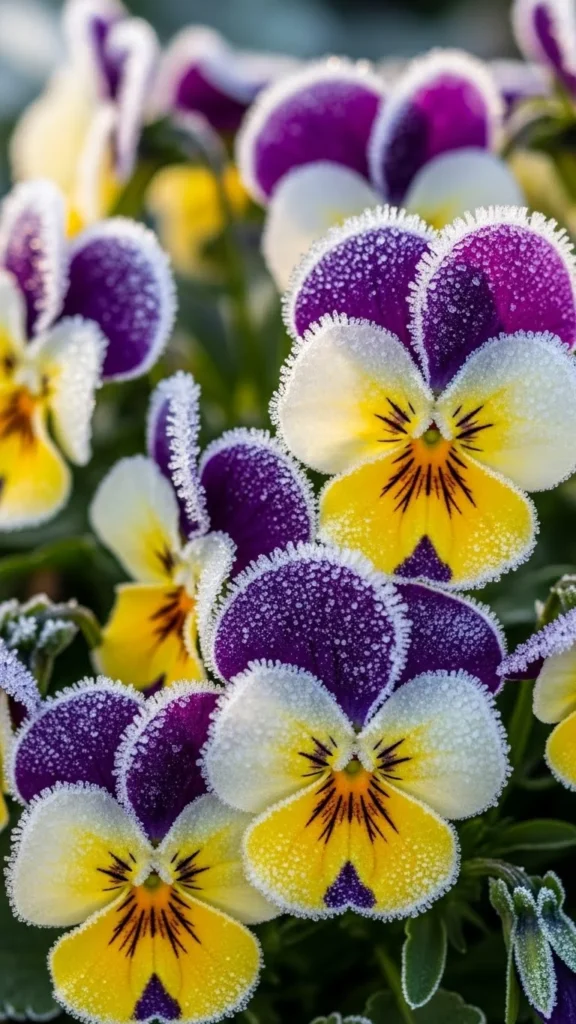
Violas offer small, delicate blooms that handle cold weather impressively well. They are perfect for borders, pots, and hanging baskets.
Their petite size makes them ideal for filling small gaps between larger plants.
If you want quick color on a tight budget, buy violas in 6-packs instead of individual containers.
You can also mix them with winter greens like ornamental kale for a richer texture.
To help them last through winter, pinch off faded blooms regularly. This encourages more flowers without extra cost.
If frost hits hard, violas often perk back up once the sun appears.
They love moist soil, so add a thin mulch layer after planting.
5. Primroses
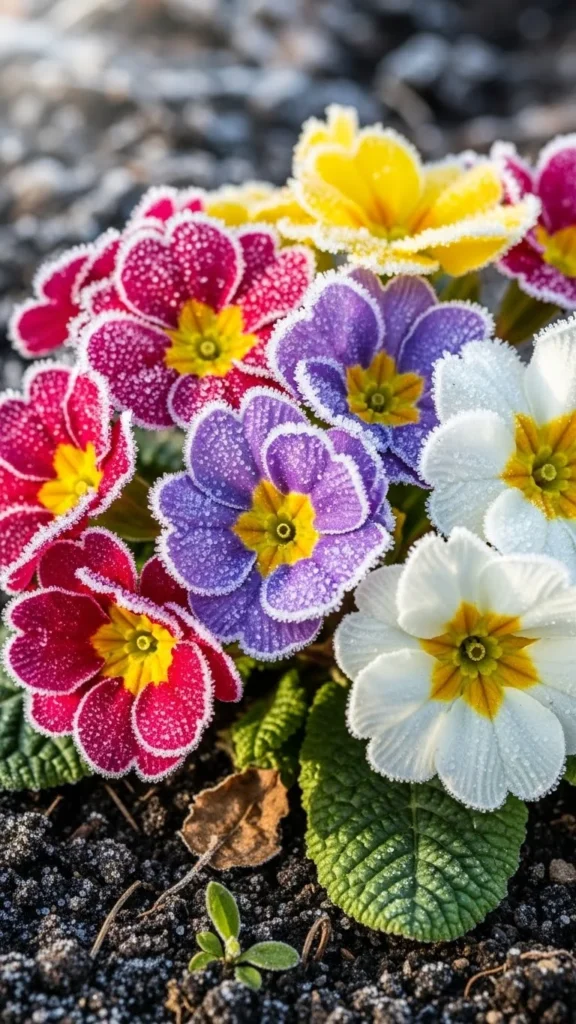
Primroses are famous for their intense colors, making them perfect for gray winter days.
They perform well in garden beds and indoor containers near bright windows.
Plant them in lightly shaded areas to help the blooms last longer.
For a thrifty strategy, mix discounted end-of-season primroses with fresh ones for fuller displays.
Keep soil slightly moist, especially right after planting.
Primroses pair beautifully with pansies when planted in tight clusters.
Their low height makes them great for edging paths or lining raised beds.
6. Cyclamen
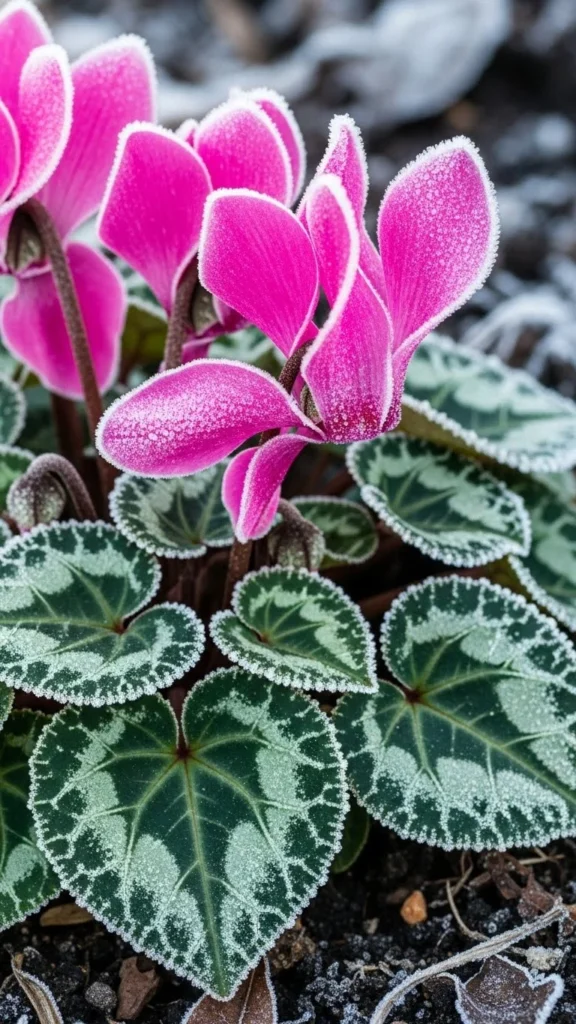
Cyclamen add striking shape and deep color to winter spaces. Their curled petals stand out even from far away.
They work especially well near entryways or container arrangements.
For a simple DIY project, place cyclamen in terracotta pots with small stones on top. This keeps moisture steady and looks clean.
Cyclamen like cooler temperatures but avoid direct freezing, so tuck pots closer to walls for warmth.
You can plant them under bare trees, where filtered light creates a soft backdrop.
Water lightly and avoid soaking the crown to prevent rot.
7. Winter Jasmine
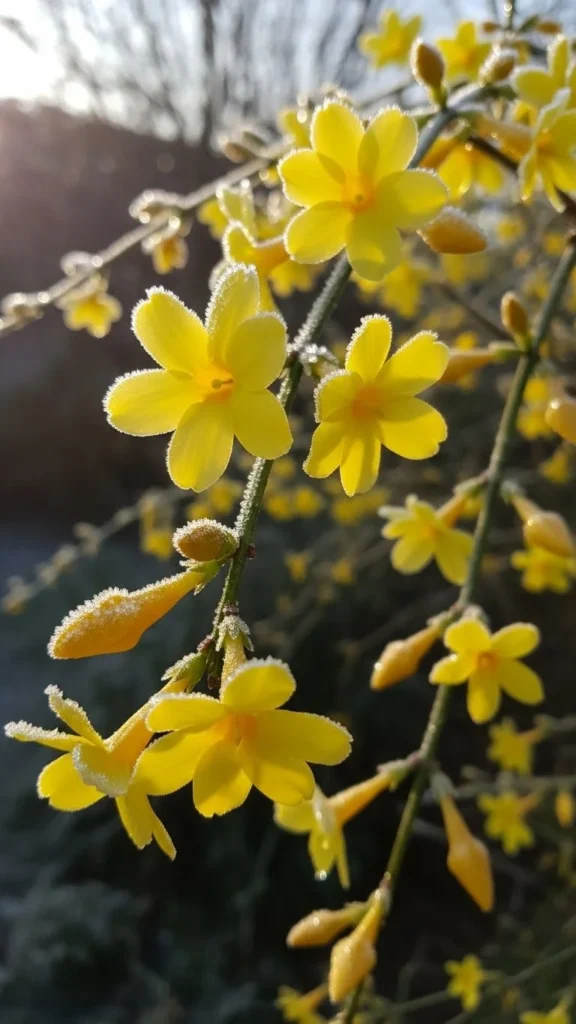
Winter jasmine adds pops of yellow when most plants lie dormant.
It spreads easily, making it useful for covering bare walls or fences.
Prune it lightly after flowering to keep it tidy.
Winter jasmine grows well in large containers if your garden space is limited.
For a charming look, let stems drape over stone walls.
It handles frosty mornings without losing its shine.
8. Sweet Alyssum
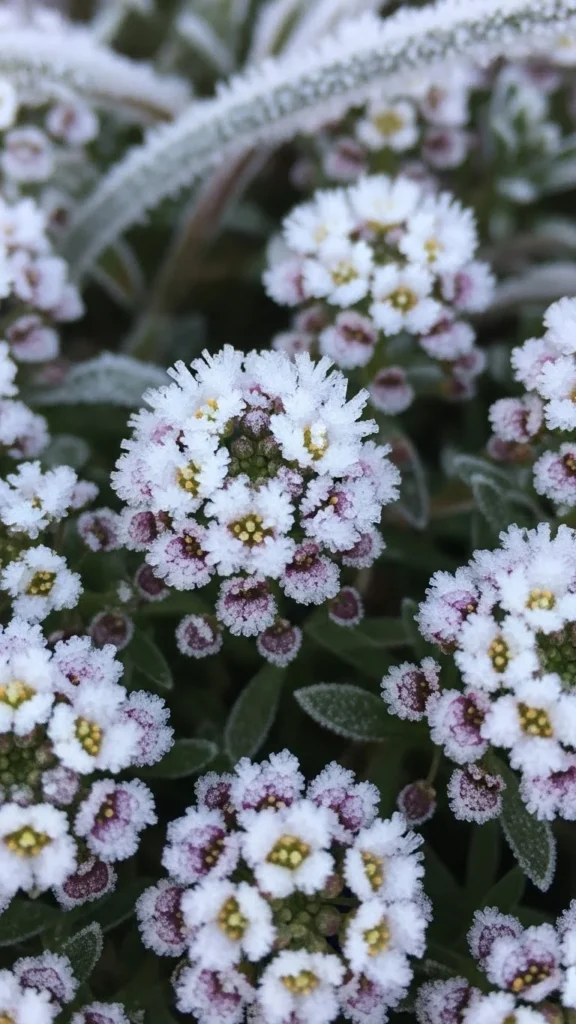
Sweet alyssum creates a low-growing carpet of tiny blooms.
Its gentle scent adds charm on cold days.
Use alyssum to fill bare spots between stepping-stones or the edges of beds.
It pairs nicely with violas for a layered look.
To save money, grow alyssum from seed—it’s one of the easiest cold-tolerant flowers to start.
Thin seedlings as they grow to prevent crowding.
9. Calendula
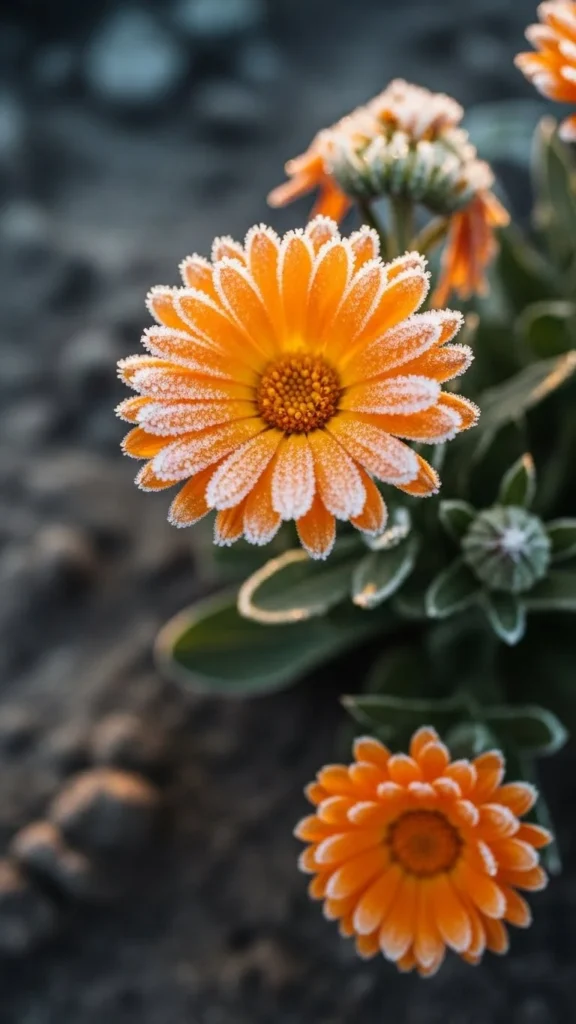
Calendula shines in winter with its bright orange petals.
It grows well in pots, raised beds, and borders.
Sow seeds directly in fall for winter growth.
Calendula loves sunlight, so pick the brightest spot available.
Cut blooms often to encourage new ones.
Use a mix of orange and yellow shades for more contrast.
10. Ornamental Kale
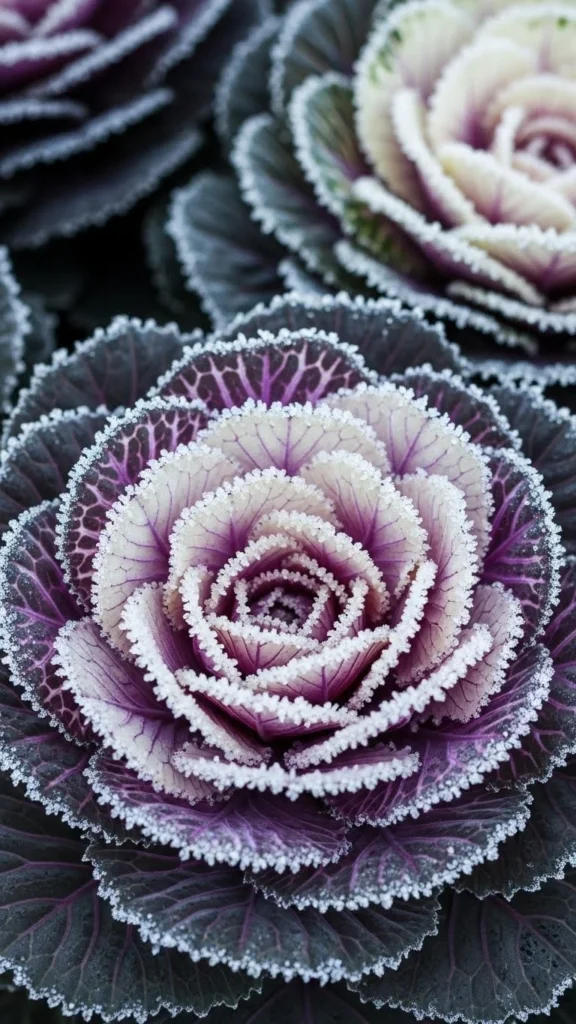
Ornamental kale adds texture more than flowers, but its leafy rosettes bring bold color to winter beds.
It holds shape even in freezing temperatures.
Use it as a focal point in large planters.
Pair it with violas or pansies for beautiful combinations.
Choose smaller starter plants to stay on budget—they grow quickly.
Keep soil moist but not soggy.
11. Heather
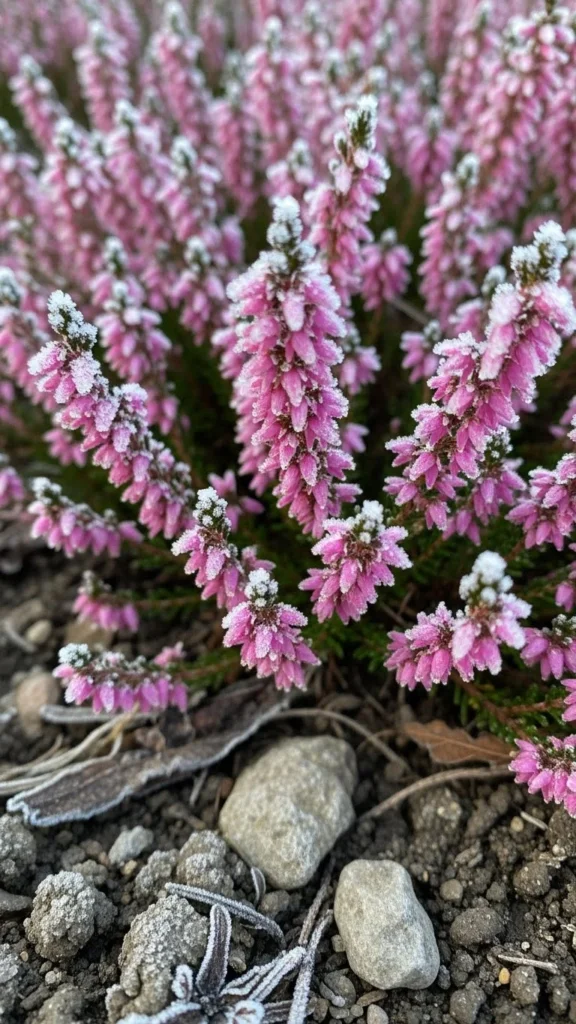
Heather offers rich color and grows well in cold climates.
It’s perfect for slopes, borders, or rock gardens.
Mix different heather varieties for longer bloom periods.
Heather thrives in well-drained soil, so amend heavy soil with sand if needed.
For added texture, plant it beside evergreens.
Trim lightly after flowering to maintain shape.
12. Winter Honeysuckle
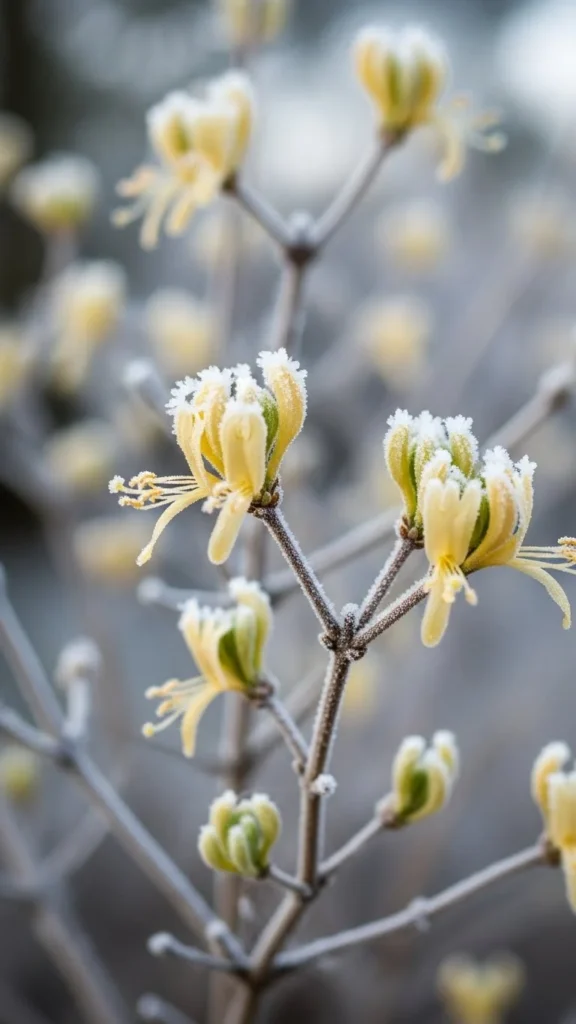
Winter honeysuckle flowers early, filling cold days with soft white blooms.
Plant it near walkways so you can enjoy its fragrant scent.
Winter honeysuckle works well as a background shrub in borders.
It tolerates light freezes easily.
Water regularly after planting to help roots settle.
Prune lightly once flowering finishes.
13. English Primrose
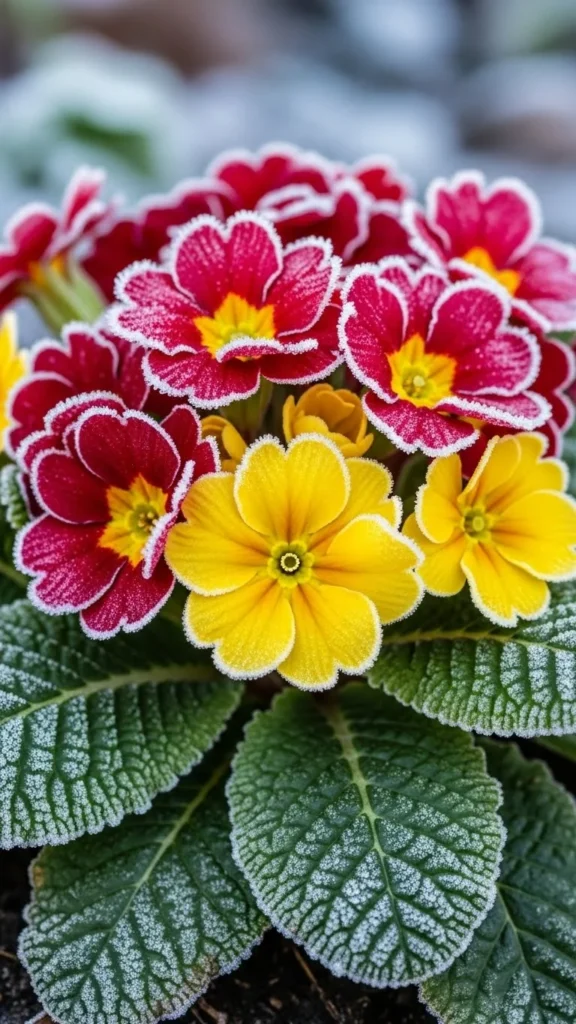
English primroses offer a wide range of shades, making them great for color mixing.
Use them in containers or garden beds.
They appreciate cool temperatures and handle frost well.
Add mulch to keep moisture steady.
Group multiple plants for a fuller look.
Pinch off fading blooms to keep new ones coming.
14. Cornflower
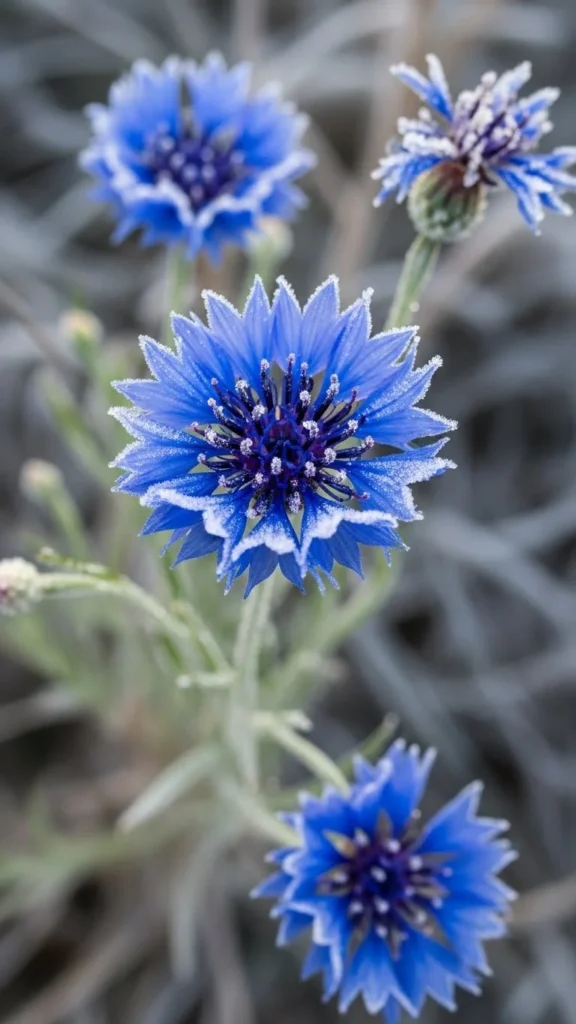
Cornflowers provide crisp blue petals that brighten winter gardens.
They grow well from seed, making them budget-friendly.
You can sprinkle seeds across wide beds for a relaxed, natural look.
Cornflowers prefer sunny areas, even in winter.
Cut stems for small indoor arrangements.
Water lightly to avoid soggy roots.
15. Dusty Miller
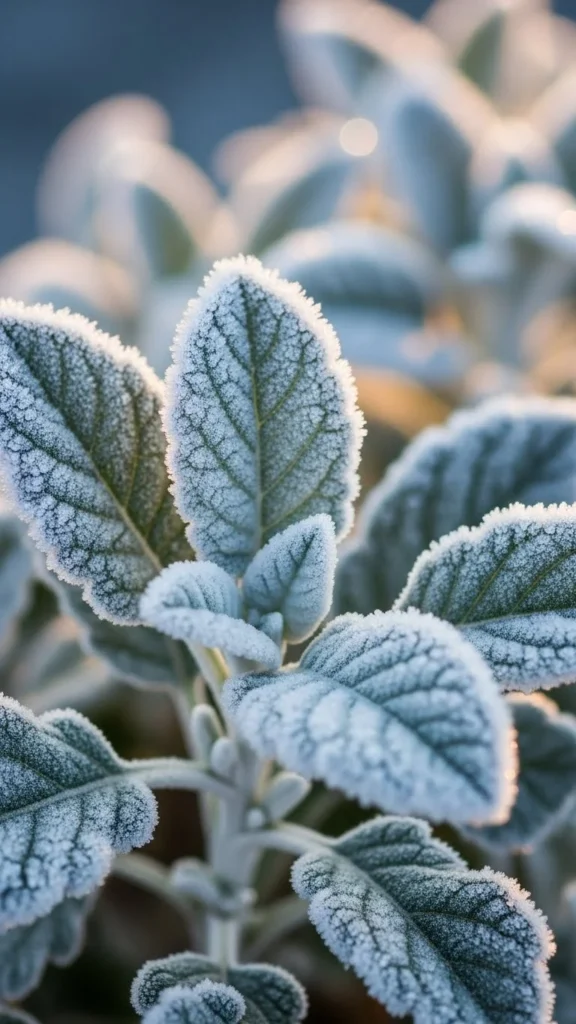
Dusty miller stands out with its silver leaves.
It works well as a border plant or accent piece.
Pair it with winter pansies for striking contrast.
Dusty miller thrives in full sun and cold air.
Trim it lightly to maintain shape.
It performs well in pots, especially near entryways.
16. Winter Aconite
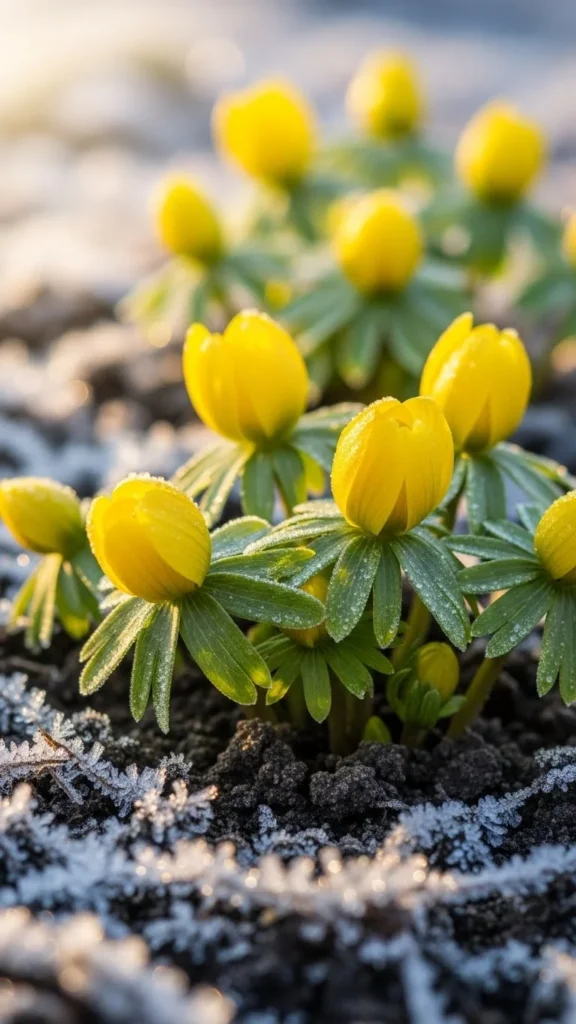
Winter aconite brings warm yellow tones during chilly months.
It prefers partial shade and rich soil.
Plant bulbs in fall for late-winter blooms.
Use winter aconite around shrubs or under bare trees.
It spreads naturally, creating soft blankets of yellow over time.
Water gently after planting.
17. Camellias
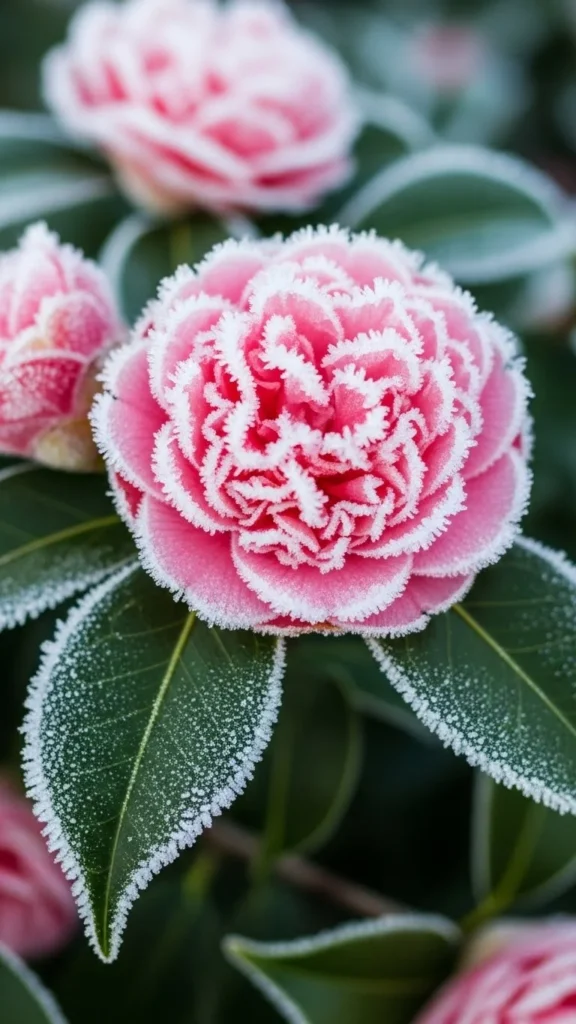
Camellias produce large flowers even in cold weather.
They shine in shaded garden corners.
Camellias thrive in slightly acidic soil, so mix in peat moss if needed.
For budget planting, choose smaller shrubs—they grow steadily.
Add mulch around the base to protect roots.
Prune after flowering to shape the plant.
18. Lenten Rose
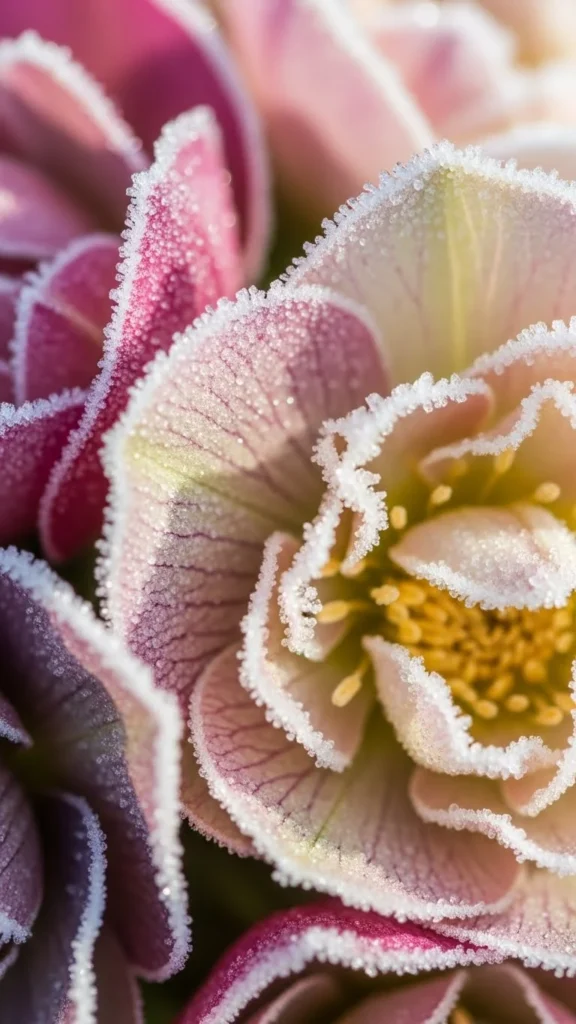
The Lenten rose offers long-lasting flowers through colder months.
Its blooms tilt downward, giving beds a graceful look.
Plant it near walkways for easier viewing.
Once established, Lenten roses spread slowly, giving you more plants.
They enjoy partial shade but still handle chill well.
Remove older leaves so new ones show clearly.
19. Shasta Daisy
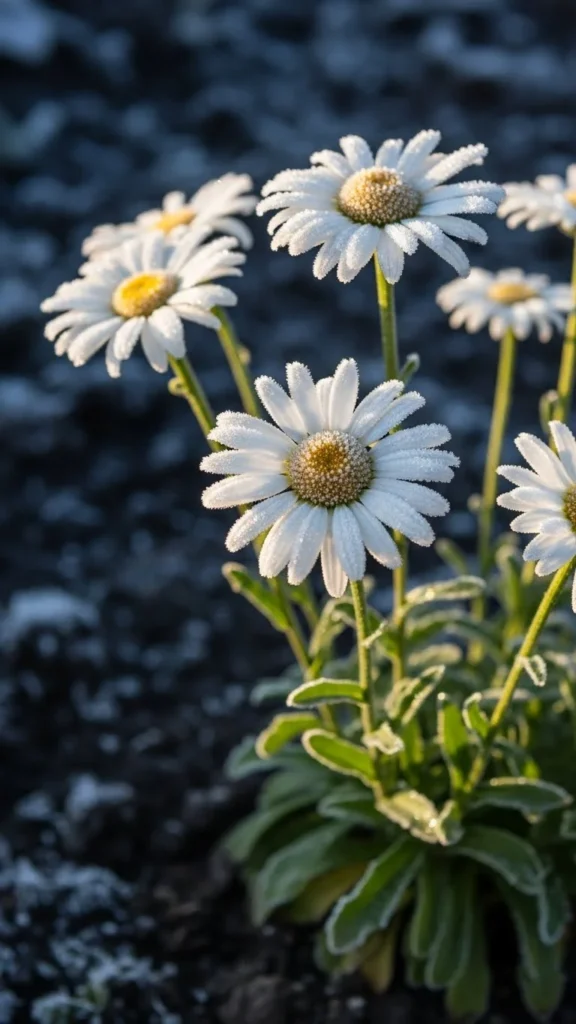
Shasta daisies bring crisp white petals to winter landscapes.
They prefer sunny locations and well-drained soil.
Grow them from seed or buy starter plants.
Shasta daisies look great along fences or in long borders.
Cut back stems after blooming to keep them tidy.
Add mulch around the base to trap warmth.
20. Siberian Iris
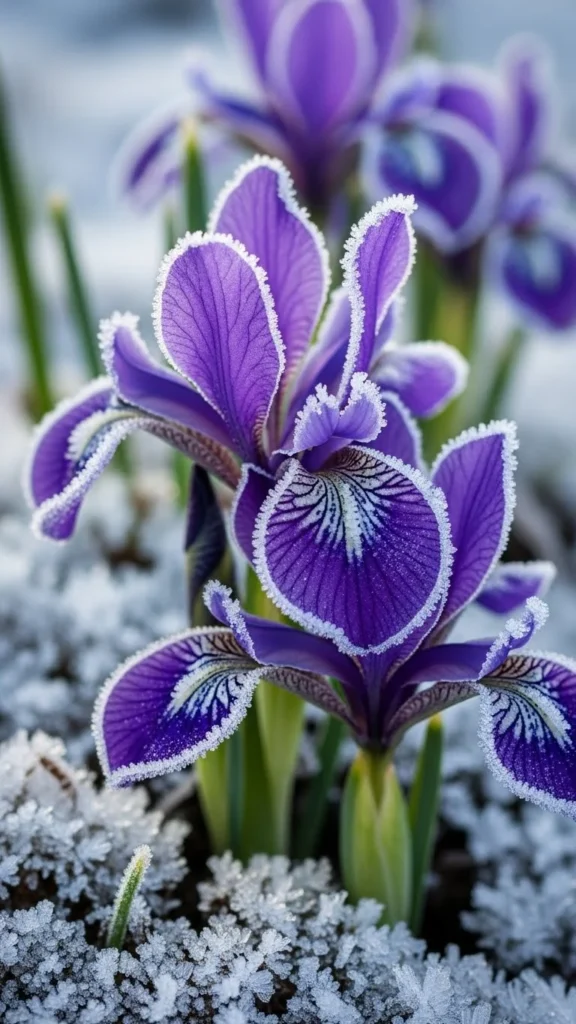
Siberian iris blooms stand strong in winter.
Their tall stems and vivid color add movement to quiet winter beds.
Plant them near ponds or damp soil areas.
Divide clumps every few years to encourage fresh growth.
Pair them with low-growing winter greens.
Water lightly during dry spells.
21. Winterberry Holly
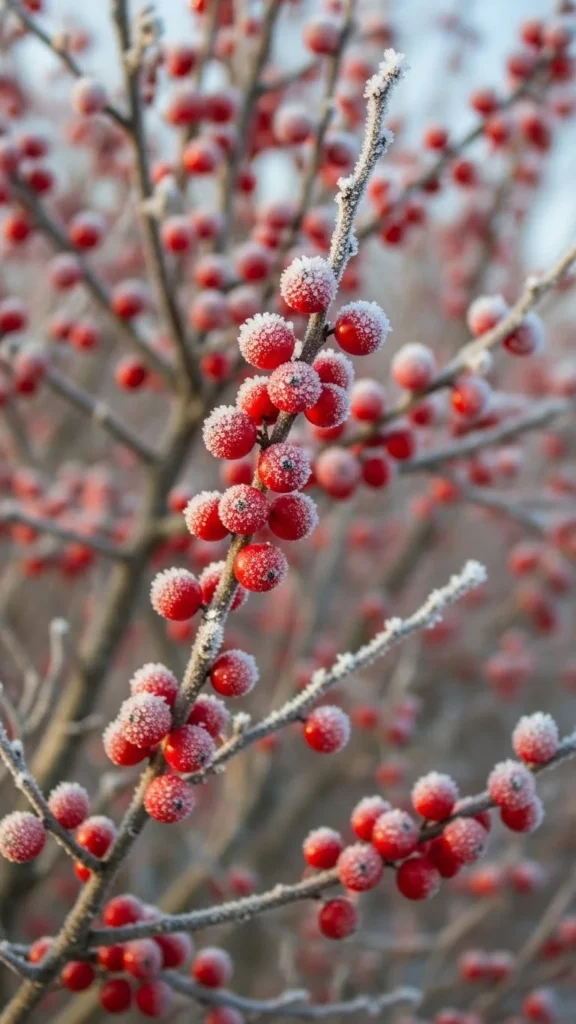
Winterberry holly isn’t a flower, but its red berries brighten cold landscapes.
It’s perfect for hedges or foundation planting.
Birds love winterberry, so it adds wildlife interest too.
Plant a male and female shrub to get berries.
Water regularly during the first season.
Prune in late winter to shape.
22. Dianthus
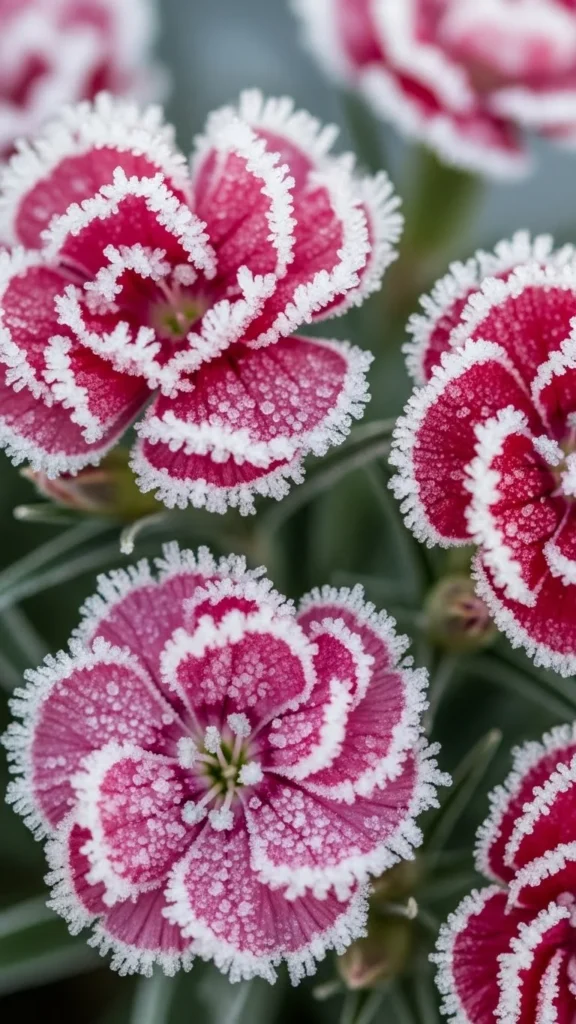
Dianthus handles cold temperatures well.
Its spicy scent adds charm on crisp mornings.
Use it along borders for a tidy look.
Dianthus prefers sunny areas and light soil.
Deadhead blooms to keep flowers coming.
Plant in groups for stronger color.
23. Nemesia
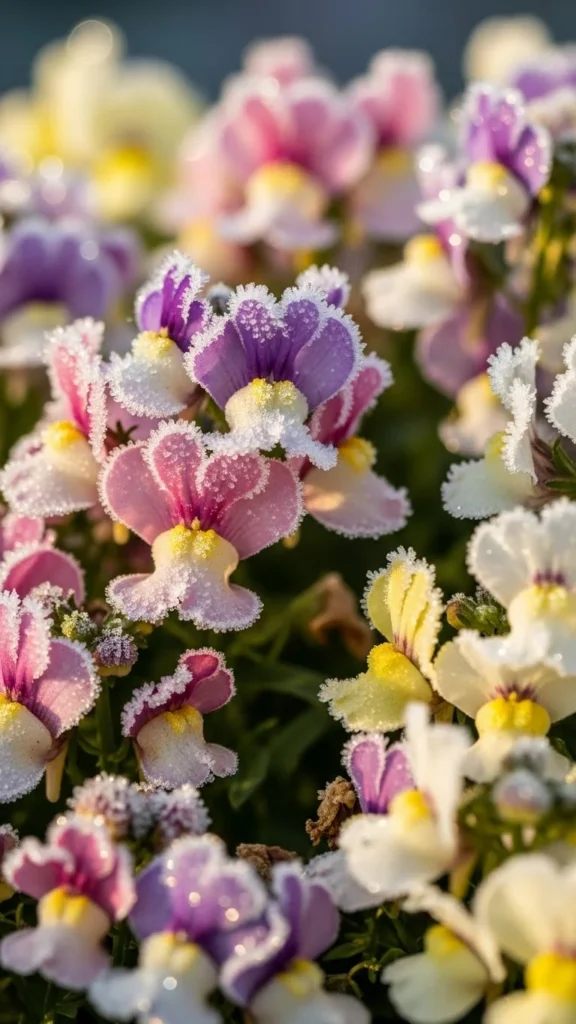
Nemesia thrives in cooler months and offers soft pastel shades.
Perfect for containers or raised beds.
Pinch growing tips for bushier plants.
Use inexpensive multipacks to fill large areas.
Keep soil lightly moist.
Mix pastel colors for a soft winter palette.
24. Wallflowers
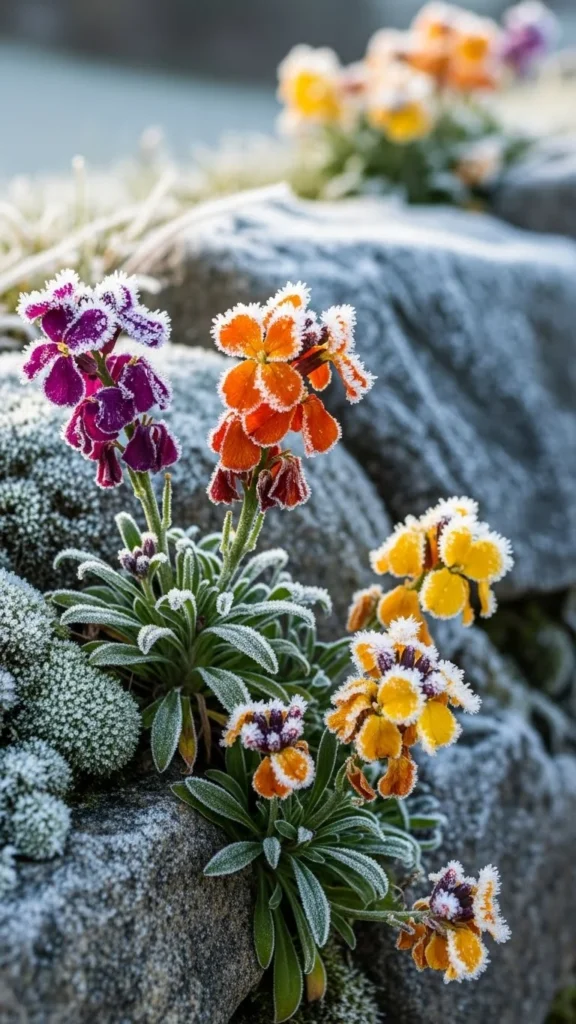
Wallflowers bring rich color even after frost.
They tolerate tough conditions and bloom for long periods.
Plant them near stone walls for warmth.
Wallflowers pair nicely with tall grasses.
Choose mixed seed packets to save money.
Cut back stems after flowering.
25. Iceland Poppies
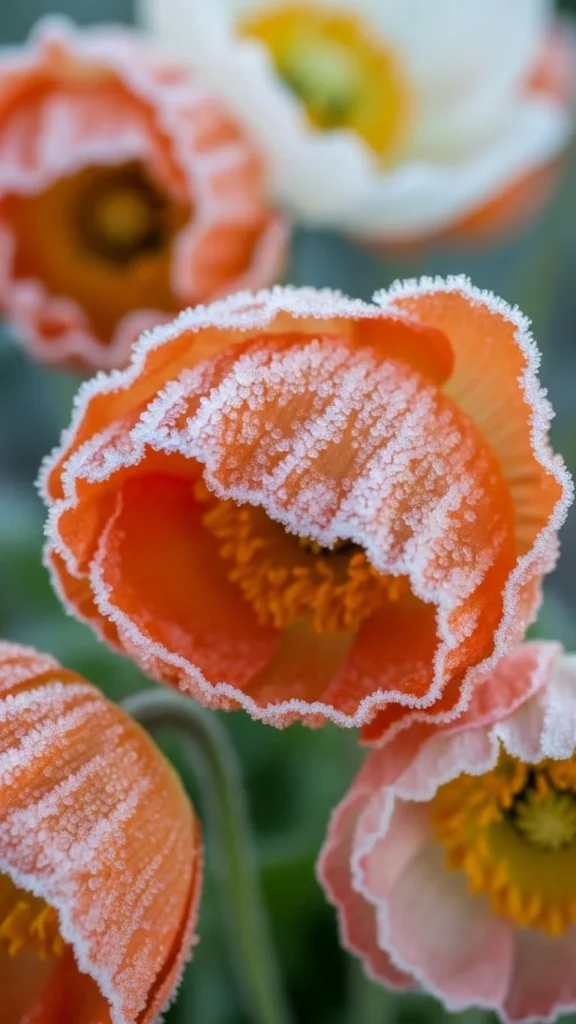
Iceland poppies offer delicate petals that hold surprisingly well in cold weather.
Grow them in sunny areas for best results.
They look beautiful in clusters across open beds.
Choose seed packets for an affordable start.
Water lightly to avoid root issues.
Cut flowers for indoor arrangements.
26. Japanese Anemone
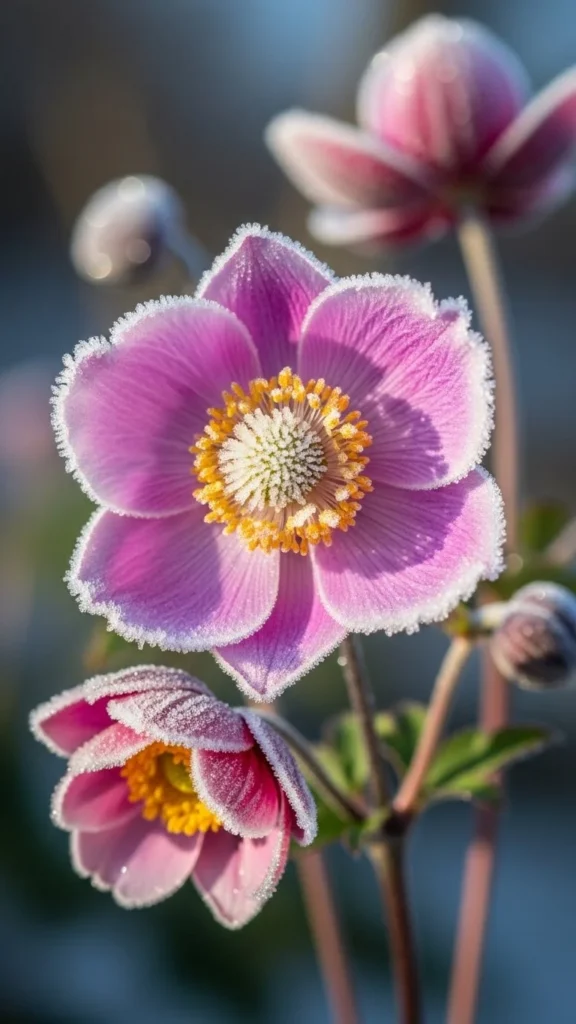
Japanese anemones bloom late and tolerate cold weather well.
Plant them behind shorter flowers for layered height.
Use compost-rich soil for best results.
Divide clumps every few years.
Mix pink and white varieties for contrast.
Water regularly after planting.
27. Hardy Geraniums
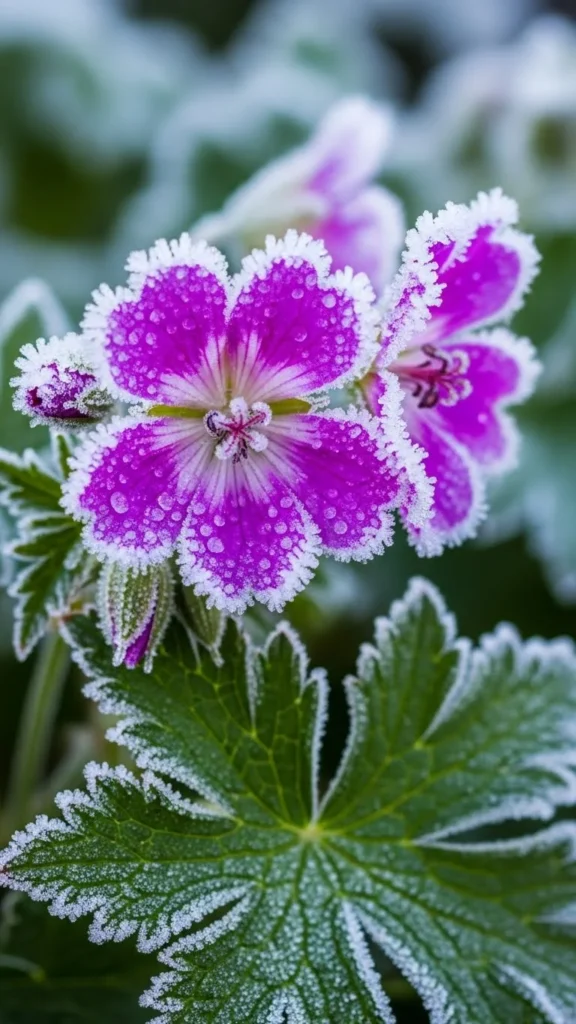
Hardy geraniums last through cold nights and return reliably each year.
They spread gently, filling beds without overwhelming other plants.
Use them along borders or under shrubs.
Trim back old stems in winter.
Choose affordable starter pots to save money.
Pair with winter greens for texture.
Conclusion
Winter gardens don’t have to feel dull or empty. These frost-tolerant flowers bring color, shape, and personality to your outdoor space even on the coldest days. Mix different heights and shades, pair flowers with textured greens, and use simple DIY planting tricks to create a yard that stays lively all season long. Save this list to plan your next winter planting session—your garden will look brighter than ever.
Leave a Reply