

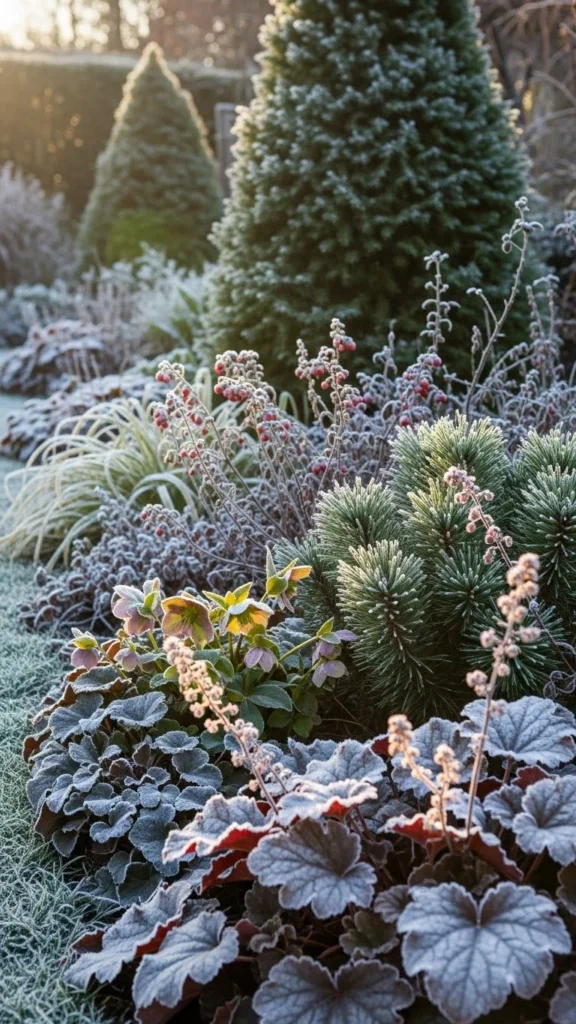
Winter doesn’t have to leave your garden looking empty. Many plants stay colorful and strong even when temperatures drop and snow settles in. These snow-friendly plants add shape, texture, and life to cold-season landscapes without constant attention. Most varieties are easy to grow, affordable, and perfect for both small yards and larger beds. Below, you’ll find simple ideas you can use to build a winter garden that looks bright, structured, and full of interest from the first frost through early spring.
1. Winterberry Holly
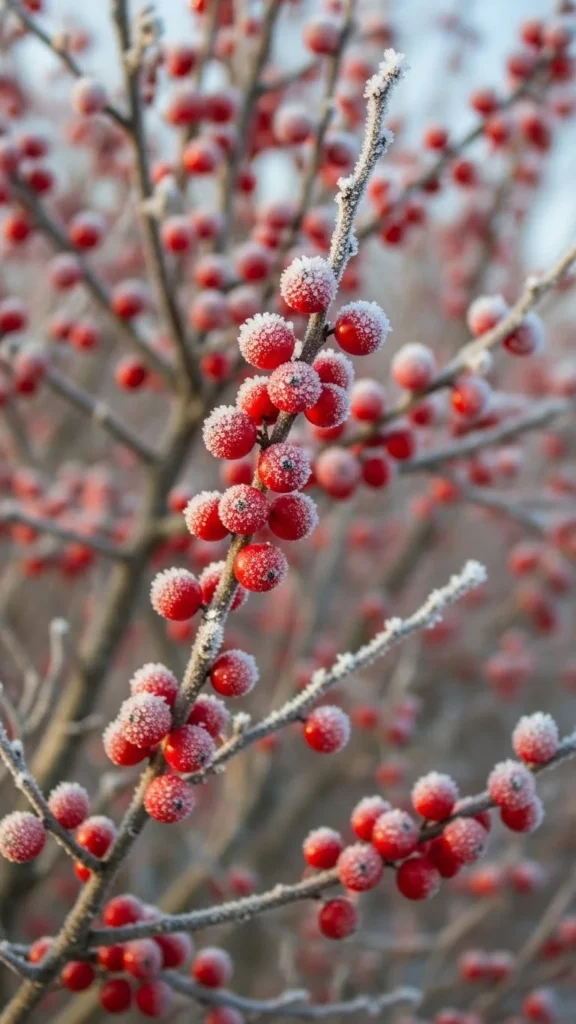
Winterberry Holly brings bold color when everything else feels dull. Those bright red berries hold well through snow and cold days. You can plant one shrub along a walkway or add a few in a row for a fuller display. They do well in wet soil, so soggy winter spots in your yard are perfect. Keep the area mulched with a budget-friendly layer of shredded leaves. This helps maintain soil moisture and gives the base a tidy look. For more berries, place a male pollinator nearby. You only need one, so it won’t increase your plant budget by much. Many gardeners use pruned branches indoors during the holidays. They last a long time in simple vases. The shrub grows slowly, so trimming is light and easy. If you want reliable winter color without constant care, this is a smart place to start.
2. Snowdrops
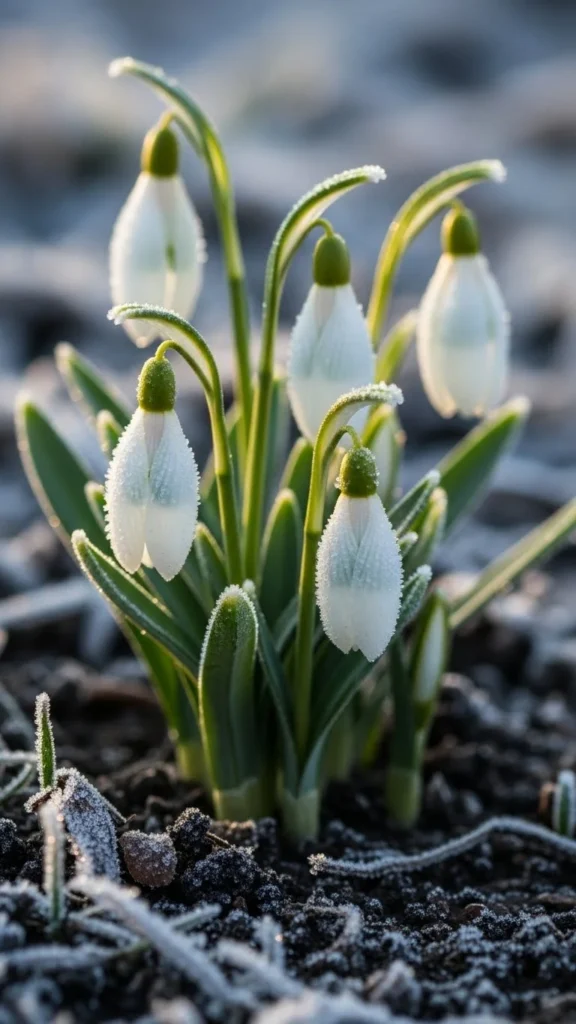
Snowdrops are some of the earliest bloomers of the year. They pop up even when patches of snow remain on the ground. Each plant produces simple white blooms that hang downward like tiny bells. You can plant clusters under trees or along shady borders. These bulbs are inexpensive and spread slowly on their own. For small gardens, place them near stone edges or paths. Their early appearance makes the area feel alive long before other plants wake up. To create a fuller display, tuck extra bulbs around shrubs during fall planting. They like well-drained soil, so a thin layer of gravel mixed with compost works well and doesn’t cost much. Once planted, they ask for very little.
3. Hellebores
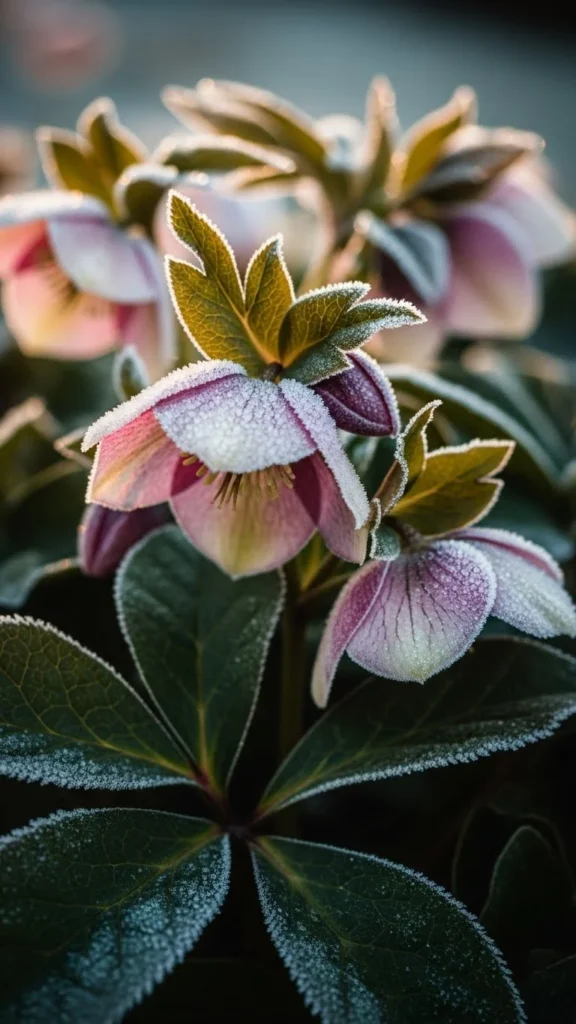
Hellebores bring soft color during the coldest weeks. Their blooms appear in shades of cream, pink, purple, and green. They stay low to the ground and look pretty beneath trees or shrubs. These plants enjoy rich soil, but you can improve yours with a low-cost compost mix. They handle deep cold well and stay evergreen in many regions. If you’re working with a shaded yard, these are a smart option. Plant them in groups for bigger impact. You can divide mature clumps every few years to create more plants at no extra cost. Once established, they return reliably each winter with little fuss.
4. Evergreen Ferns
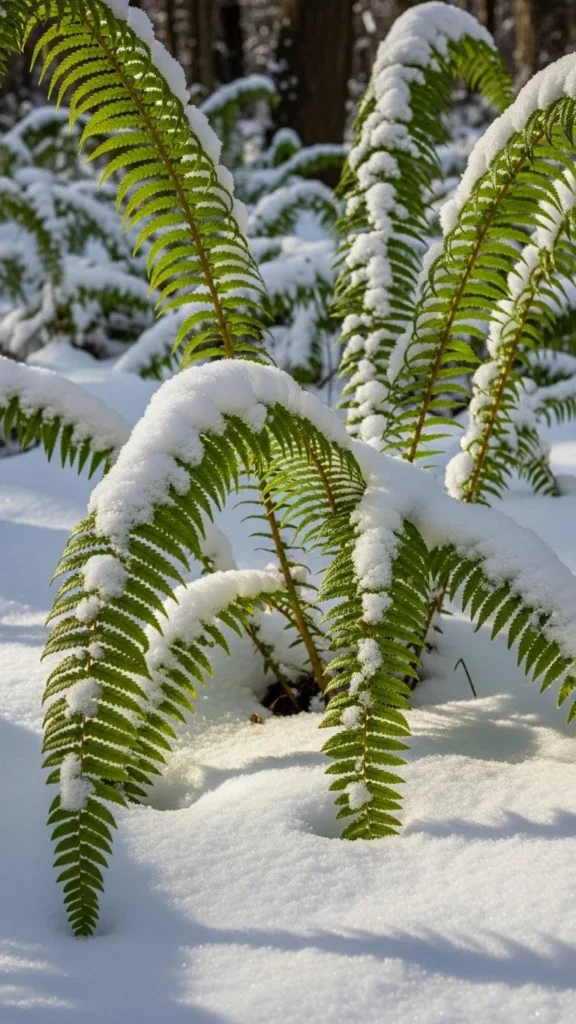
Evergreen ferns keep their shape through long winters. Their fronds add structure when most plants die back. You can plant them near stone walls, under tall trees, or along a walkway. They love shade and don’t need rich soil. If the ground is dry, add a simple layer of leaf mulch. Ferns spread slowly, so start with a few and let them fill in over time. They pair well with snowdrops or hellebores for a soft woodland look. These plants are easygoing and perfect for gardeners who want green color without heavy upkeep.
5. Siberian Iris
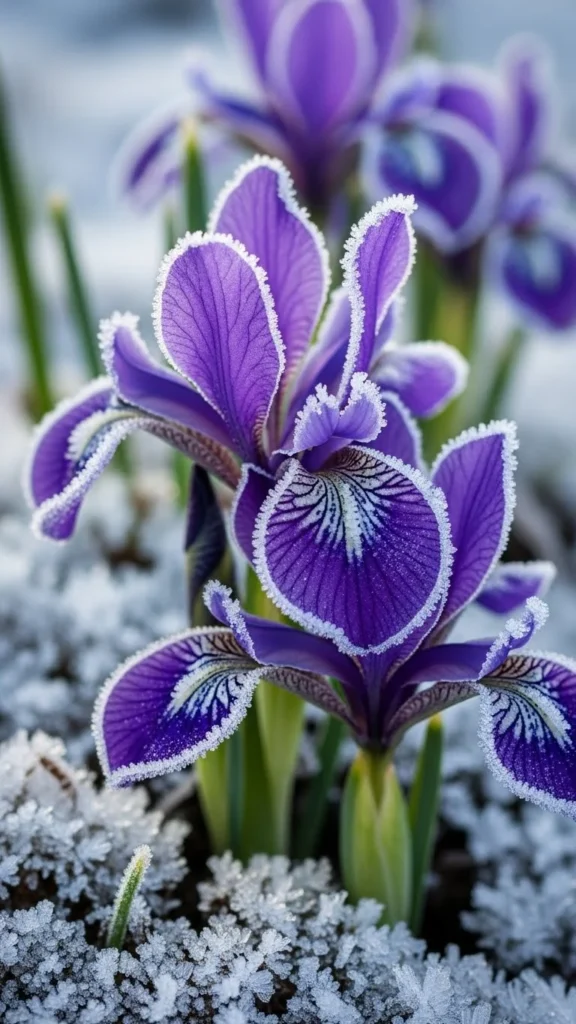
Siberian Iris adds clean, upright lines to winter beds. Even when not blooming, the foliage holds its shape. They do well in moist soil and full sun. You can add them around ponds, low spots, or next to rain runoff areas. For budget-friendly planting, divide mature clumps to make more plants. Their roots are strong enough to push through tough winters. Pair them with other snow-friendly perennials for year-round interest. They require very little water once they settle in.
6. Boxwood
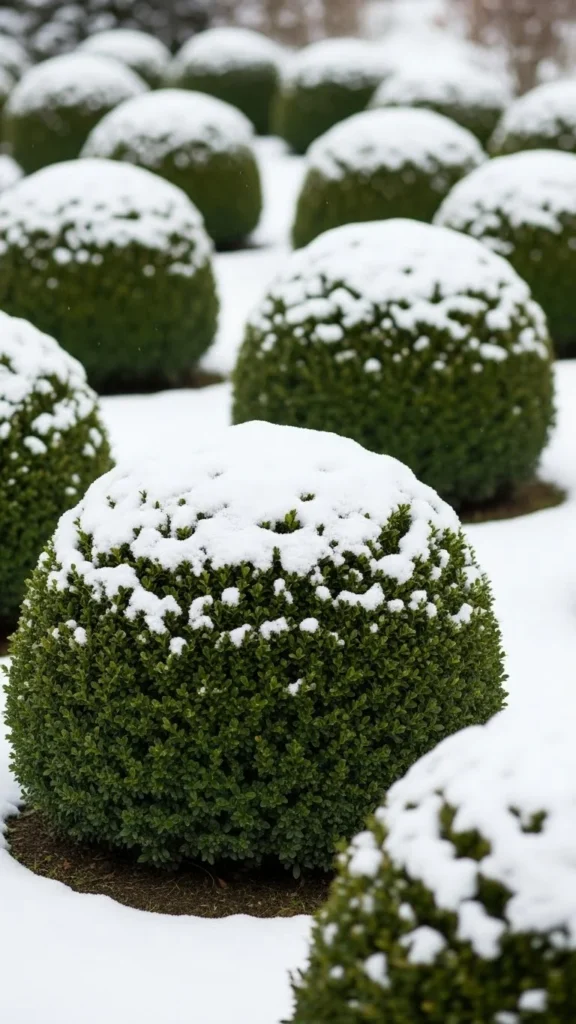
Boxwood stays green all winter and gives your yard a neat, classic look. You can shape it into balls, squares, or simple hedges. These shrubs handle cold weather well and keep their color even in heavy snow. They do best in well-drained soil. You can improve poor soil with a small bag of compost mixed in at planting time. If you’re working on a budget, start with smaller plants; they grow slowly but fill out nicely over time. A little pruning once or twice a year is enough.
7. Heather
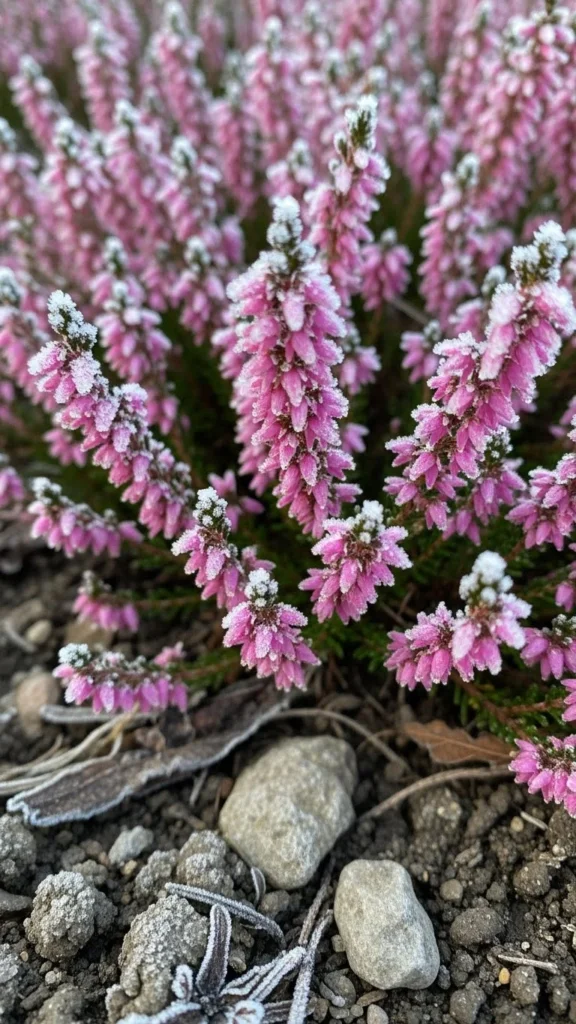
Heather gives winter gardens pops of color when flowers are scarce. Many varieties bloom during colder months, creating a soft carpet of purple, pink, or white. These plants like acidic soil, but you can amend yours with affordable soil mix made for azaleas. Heather spreads slowly, so plant several small pots together for a fuller look. They also handle wind very well, making them great for open yards. Once planted, they need very little attention.
8. Red Twig Dogwood
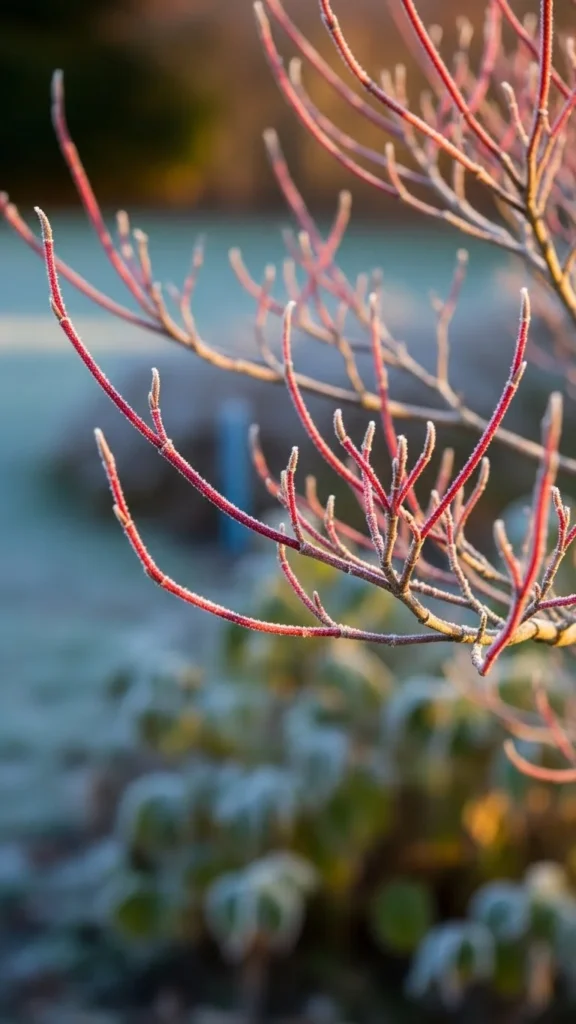
Red Twig Dogwood brightens winter landscapes with its striking red branches. When leaves drop, the stems become the star. Plant them where the winter sun can backlight the color. They thrive in wet soil, so low-lying areas work well. You can trim older stems in early spring to encourage new, brighter growth. This shrub grows fast, so buying one plant can quickly fill space. It pairs nicely with evergreens for contrast.
9. Juniper
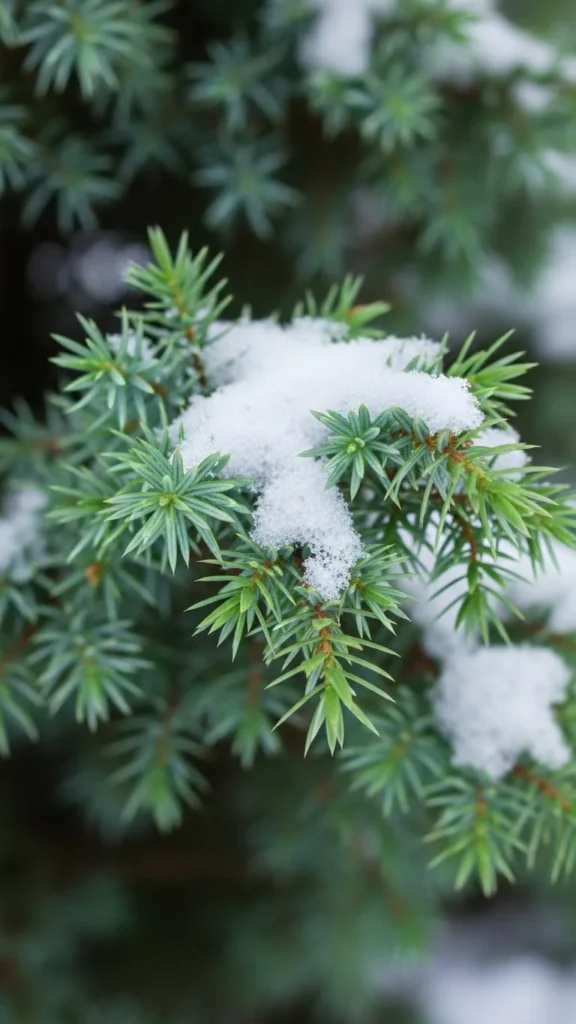
Juniper is durable, simple to manage, and ideal for tough climates. Its needle-like foliage keeps its color through snow and frost. Many varieties stay low, while others grow tall for privacy. For small budgets, look for young plants; they establish well even when tiny. They prefer dry, sandy soil, so you won’t need fancy amendments. A thin layer of gravel helps drainage and gives the base a clean look. Juniper also works well in containers that stay outdoors year-round.
10. Creeping Thyme
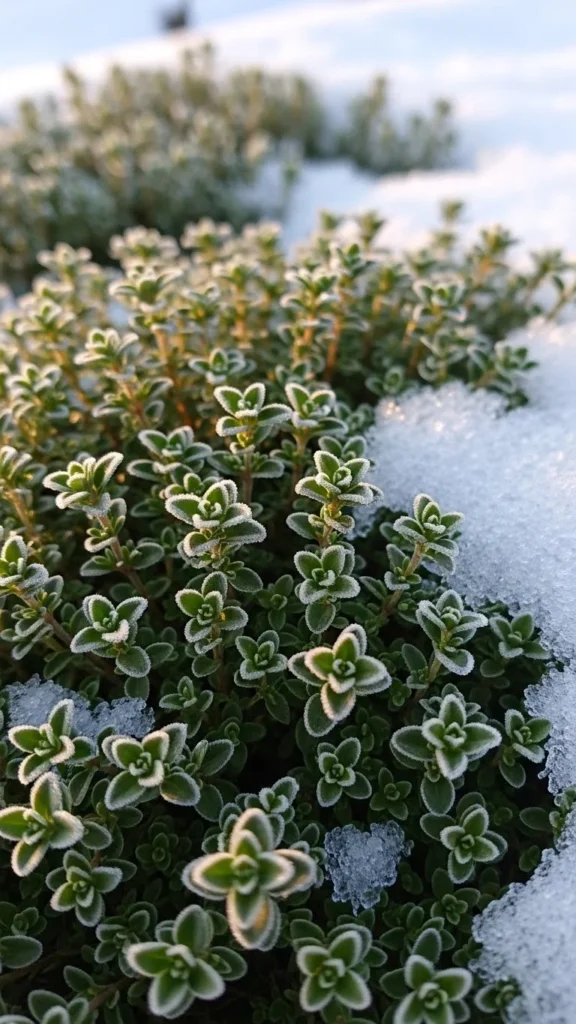
Creeping Thyme might be small, but it handles cold weather with ease. It spreads across the ground and fits perfectly between stepping stones. Snow melts quickly on its surface, revealing tiny leaves that hold their color. This plant is affordable, especially when purchased in multipacks. It thrives in dry, rocky soil. You can plant cuttings around pathways for a natural, low-maintenance border. Once established, it returns year after year without much water.
11. Sedum
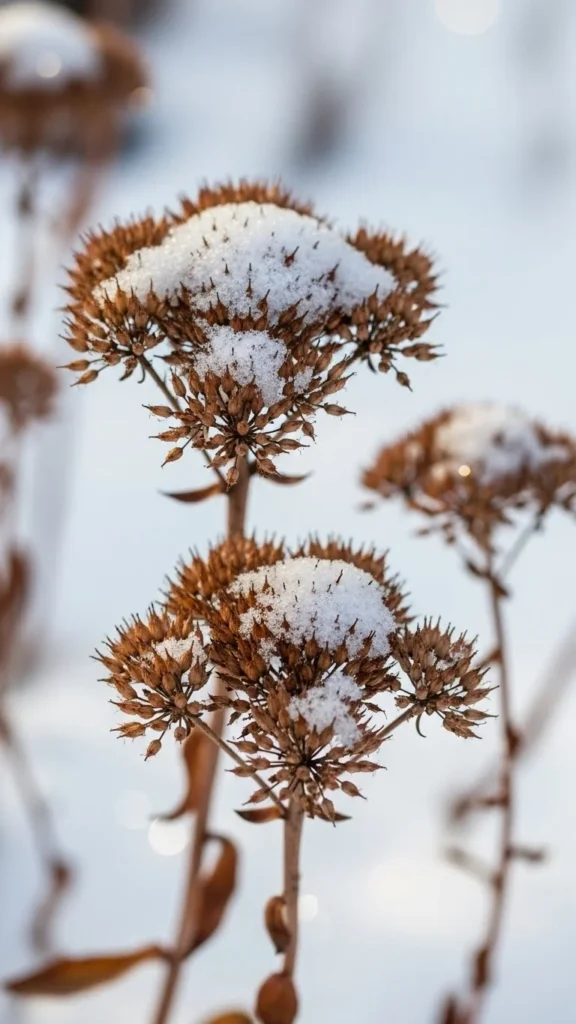
Sedum provides structure even after blooming. The dried flower heads look pretty when capped with snow. These plants grow easily in poor soil and dry areas, so they’re perfect for low-effort spaces. If you want more plants without extra cost, break off pieces in spring and root them in a small pot. They spread slowly and hold their shape through winter. Plant them near rocks or along sunny borders for best results.
12. Ornamental Grasses
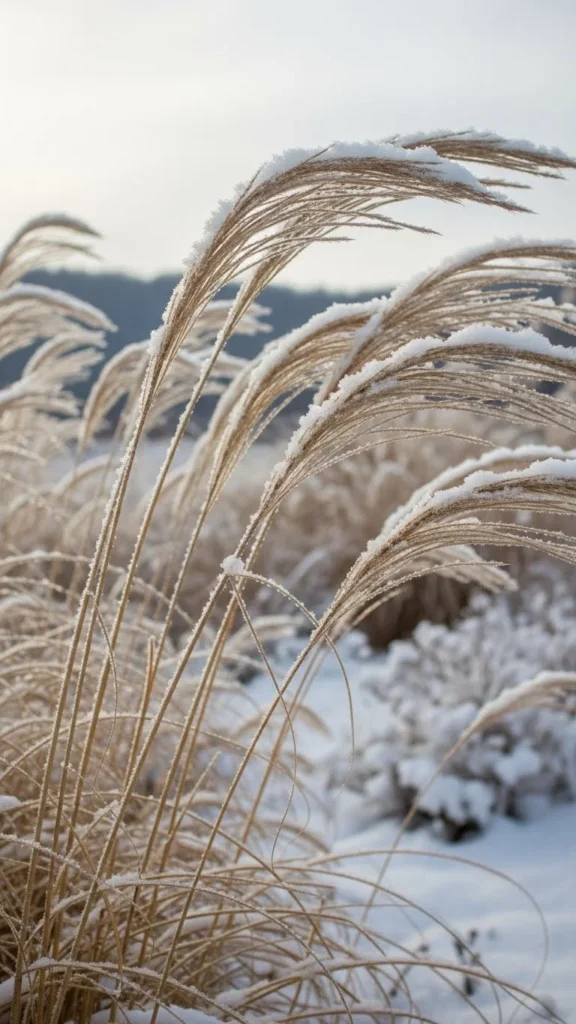
Ornamental grasses bring movement to cold-season gardens. Their plumes turn golden and stand firm through snow and wind. You can plant them in large pots, along fences, or in clusters. Many varieties are inexpensive and grow quickly from small starts. Leave the stalks standing in winter instead of cutting them back; they help protect the crown from cold. Use dried leaves as a simple mulch around the base. This protects the roots and keeps planting costs low.
13. Coneflower
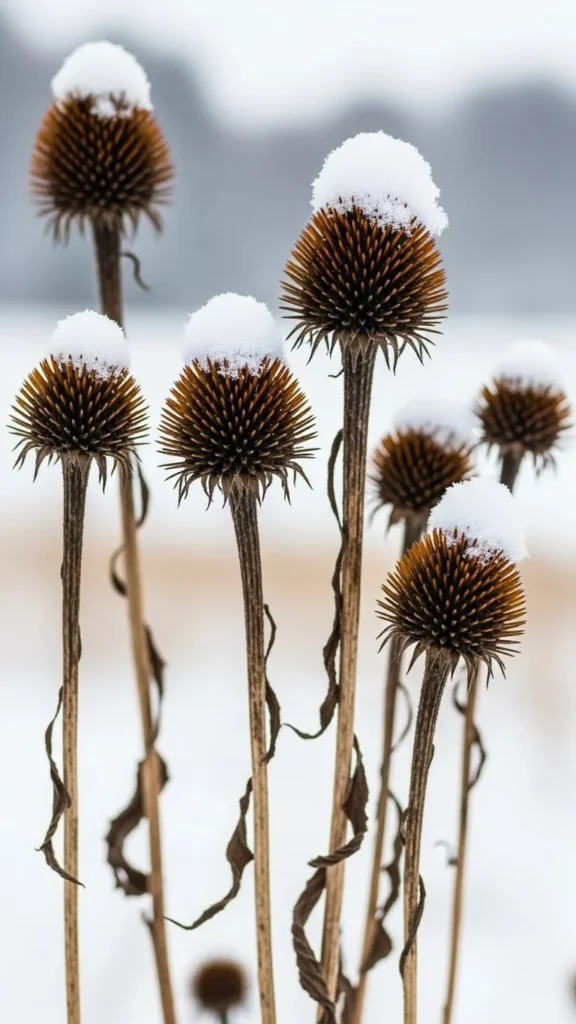
Coneflowers remain attractive long after blooming. Their seed heads stand tall and create interest in winter beds. Birds love feeding on them, so you’ll bring wildlife into your yard. Coneflowers grow easily in poor soil and sunny locations. You can plant them from affordable seedlings or even start them from seed. Their roots handle winter cold well. Leave the stems standing until early spring. This keeps the garden looking lively through snowy months.
14. Arctic Willow
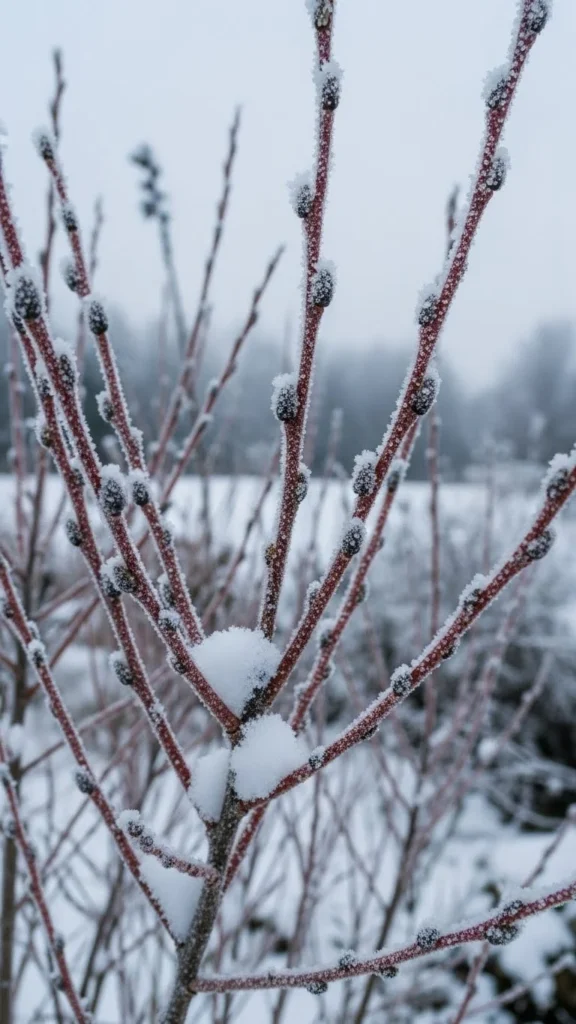
Arctic Willow adds fine texture to winter spaces. Its narrow branches form soft mounds that stay attractive through cold months. The plant tolerates freezing temperatures and high winds. Plant it in full sun for best color. It grows well in clay, sand, or loamy soil, so you won’t need expensive amendments. Trim lightly in early spring to shape the plant. If you want a natural, textured winter shrub, this one fits easily into most yards.
15. Blue Spruce
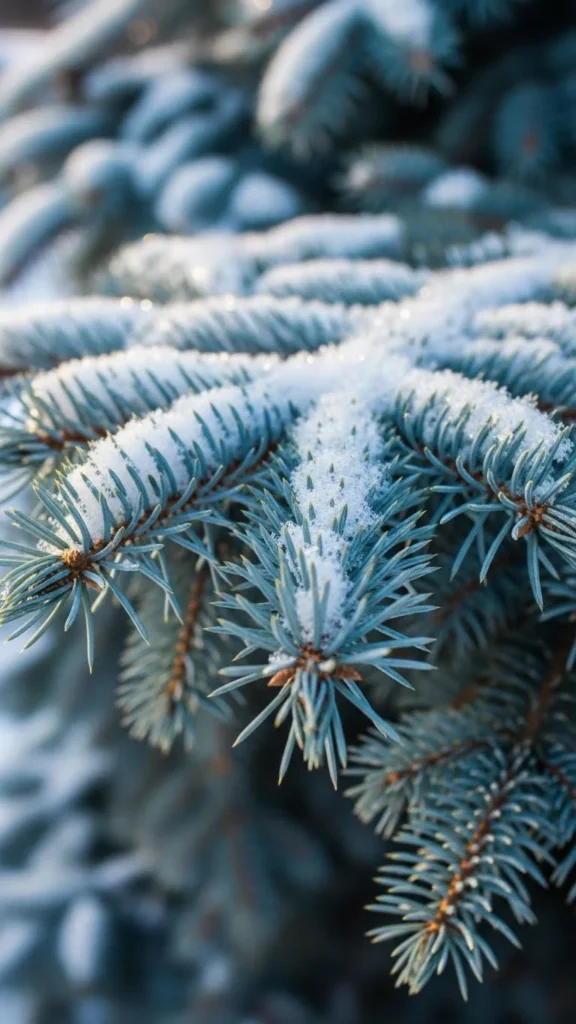
Blue Spruce stands strong through heavy snow. Its blue-toned needles bring color when everything else fades. The tree grows slowly but steadily. It works well as a focal point or privacy screen. Young plants cost much less and adapt quickly once planted. If your garden gets strong winter winds, Blue Spruce handles them easily. Place mulch at the base to help maintain moisture. This tree asks for little and gives year-round shape.
16. Lamb’s Ear
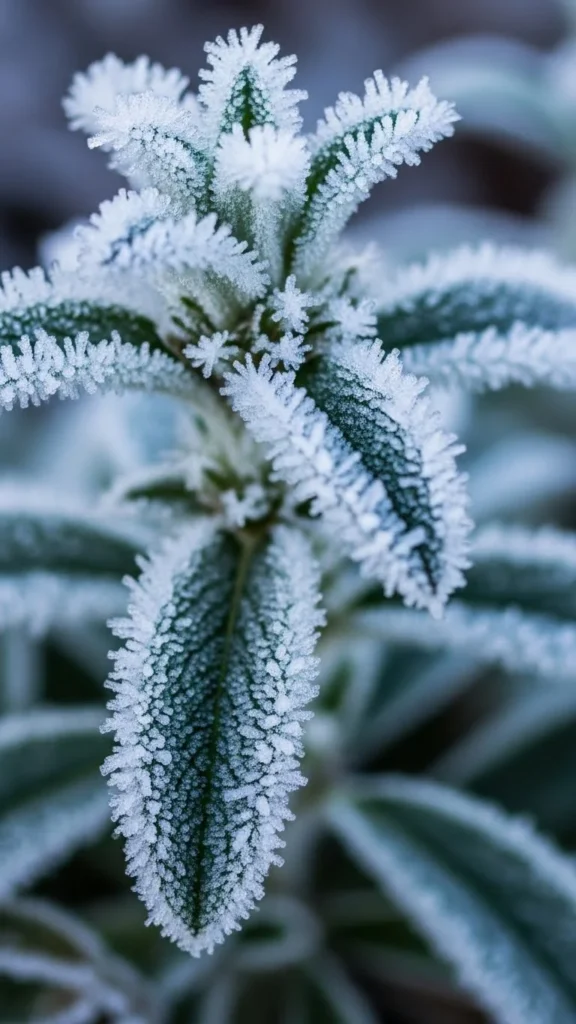
Lamb’s Ear has soft silver leaves that look pretty even in frost. The plant forms low mounds that fill gaps in borders or garden beds. Snow brushes off easily, and the leaves hold their shape. It grows well in dry soil, so you don’t need rich amendments. For budget-friendly planting, divide one clump into smaller sections. It spreads slowly and returns year after year. Place it near stones or pathways to highlight its color.
17. Coral Bells
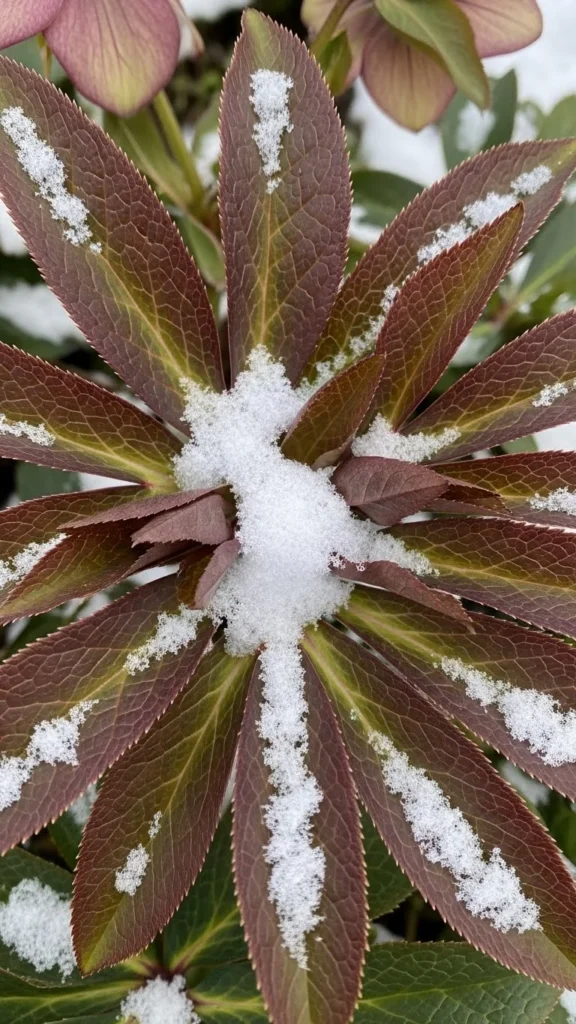
Coral Bells keep vibrant color even in winter. Their foliage comes in shades of red, purple, bronze, and green. These plants look great in containers or borders. They like partial shade and moist soil. You can mix compost into the planting hole for better growth without spending much. Coral Bells stay low, so pair them with taller shrubs for contrast. They also handle snow well and keep their leaves through most cold spells.
18. Yew
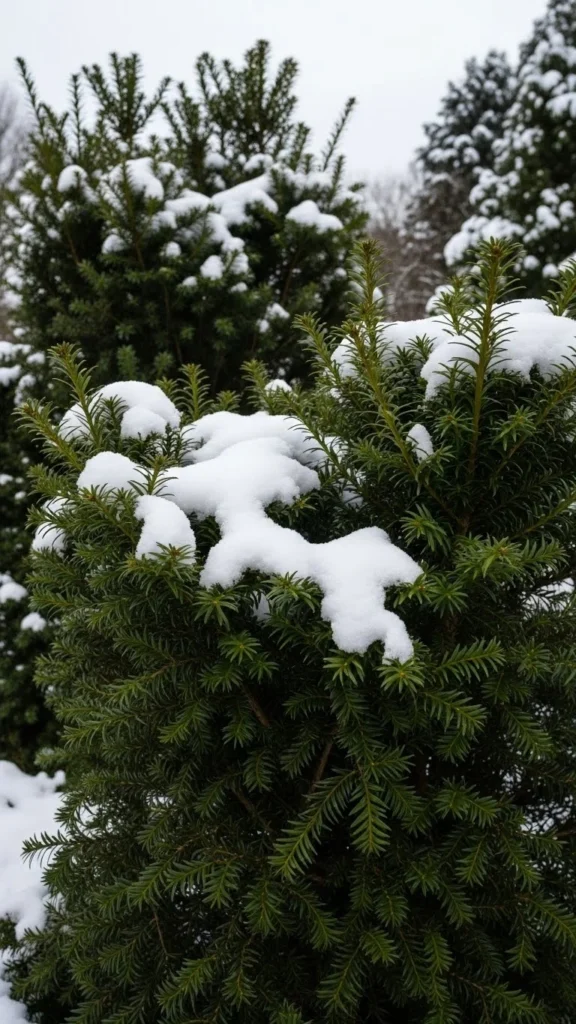
Yew shrubs are strong winter performers. Their deep green needles stay full and healthy even during long cold spells. These shrubs shape easily into hedges or simple rounded forms. They grow well in shade and sun. If the soil is compact, add a small bag of compost to loosen it. Yew is long-lived, so it’s a smart investment for structure and color. Place a few along a walkway or near your entry to frame the space.
19. Bergenia
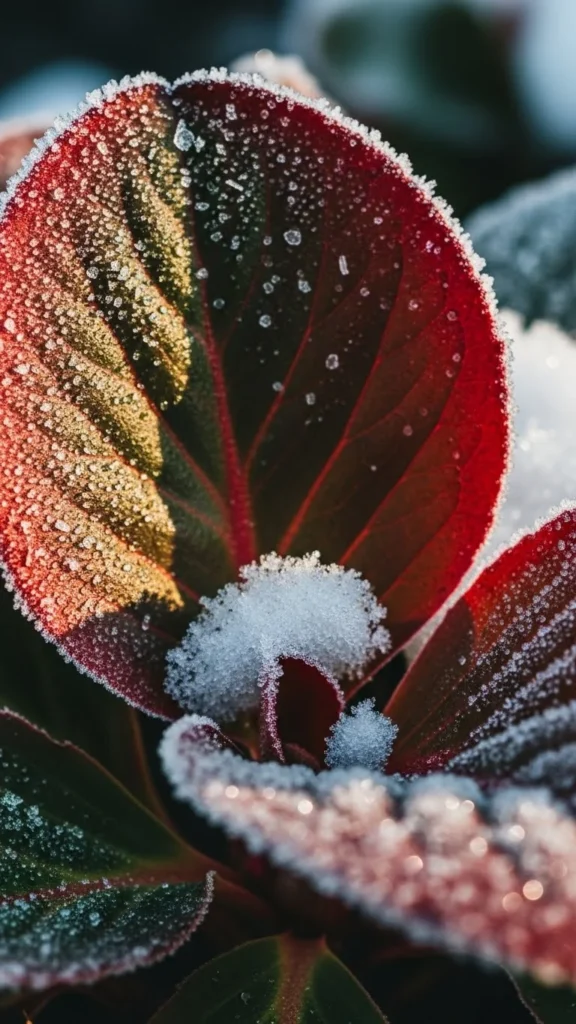
Bergenia stands out in winter because its large leaves often turn red or bronze. This adds warmth to snowy beds. The plant grows well in shade and stays compact. It doesn’t need rich soil or frequent watering. You can add a thin mulch layer to help protect the roots. Bergenia spreads slowly, so one or two plants can fill a small area over time. It’s perfect for under trees or near stone paths.
20. Austrian Pine
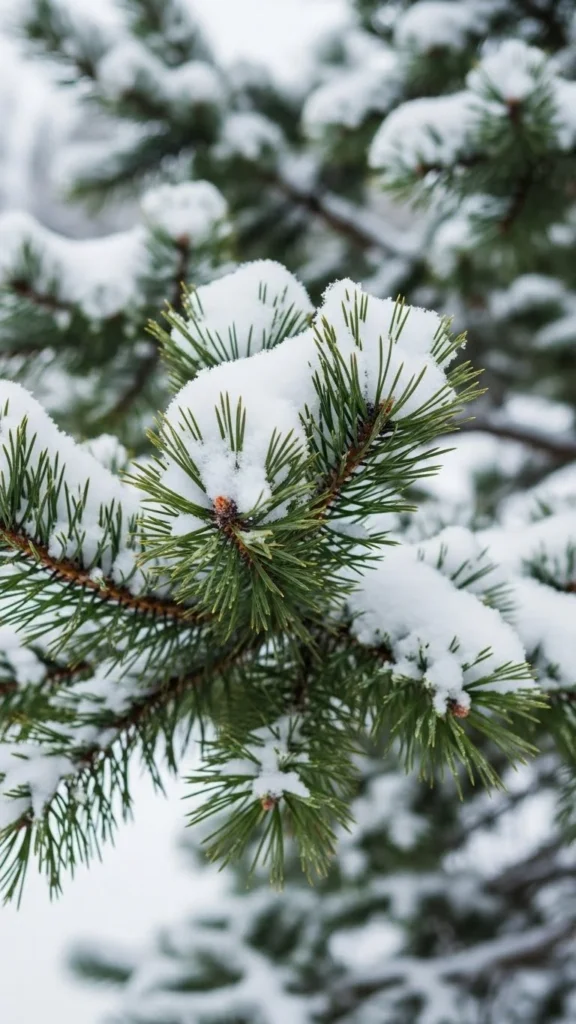
Austrian Pine holds its deep green needles through harsh winters. The tree is hardy, strong, and easy to maintain. It grows tall and makes a great privacy screen. Plant young trees to save on cost; they establish well and adapt quickly. Use wood chips as a low-cost mulch to protect the base during cold months. If you want wind protection or a bold evergreen anchor, this tree works well.
21. Cotoneaster
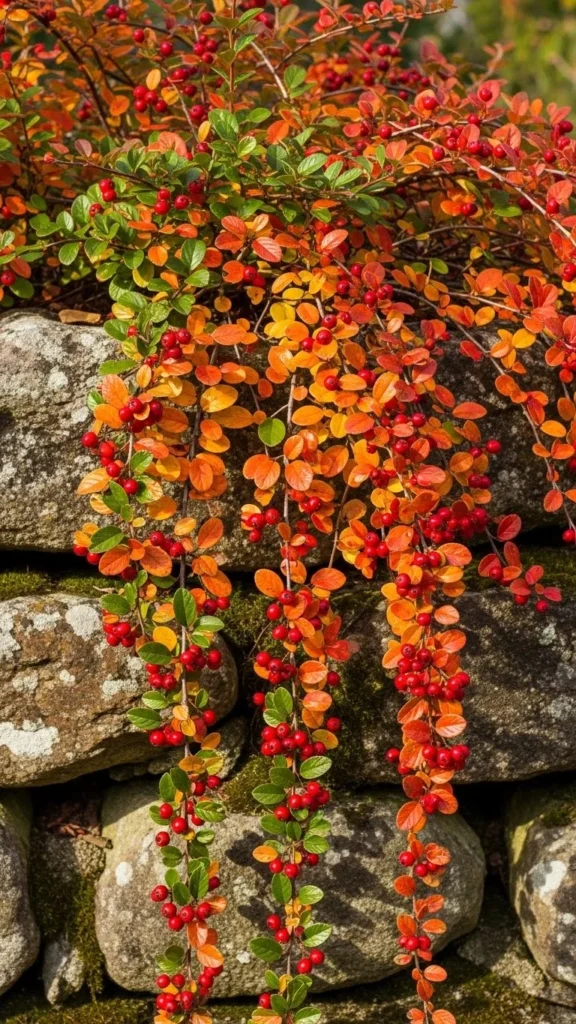
Cotoneaster creates graceful arching stems that hold red berries through winter. These berries brighten snowy yards and attract birds. The shrub spreads along the ground or forms low mounds, depending on the variety. It thrives in sunny spots with well-drained soil. You can prune lightly to control size. Plant a few near stone edges for a natural look. The shrub is low-cost and low-maintenance, making it friendly for beginners.
22. Dwarf Alberta Spruce
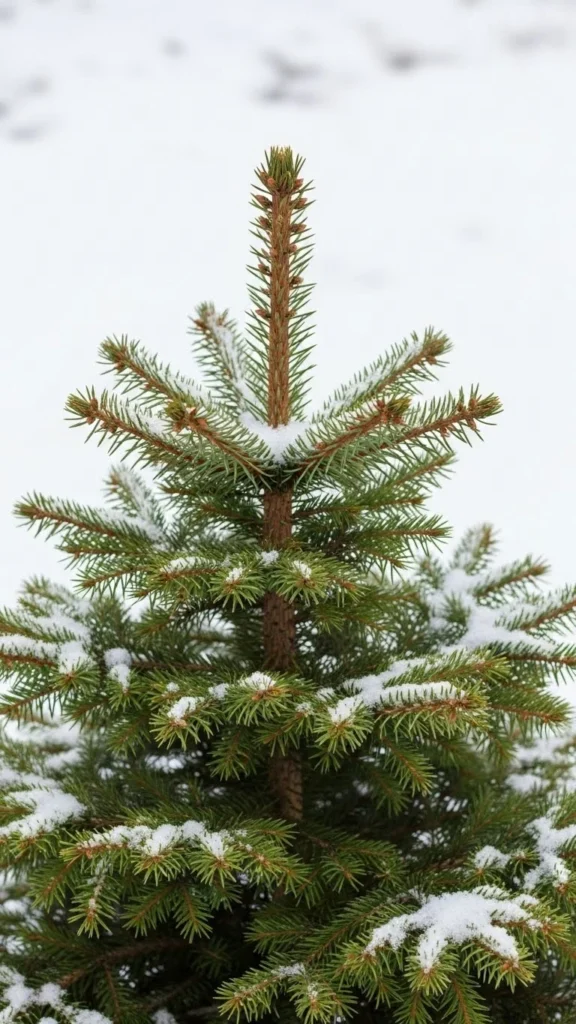
Dwarf Alberta Spruce stays compact, tidy, and bright green through winter. This makes it great for entryways, patios, and foundation beds. It grows slowly, so small plants remain manageable for years. The tree enjoys full sun and well-drained soil. Use gravel or pine mulch to keep the base neat. This plant is popular for winter containers because it holds its shape and color even during freezing temperatures.
23. Mountain Laurel
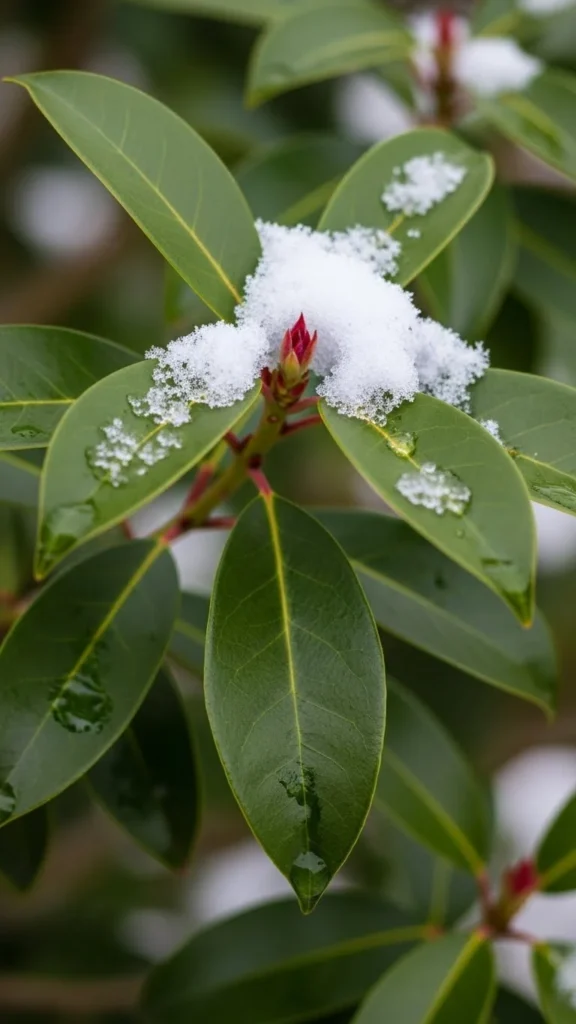
Mountain Laurel keeps glossy green leaves all year. It handles snow and cold well, especially in shaded yards. The plant grows slowly, forming neat mounds that work in borders or around patios. You can amend soil with low-cost acidic mix if your soil is alkaline. Mountain Laurel also pairs well with ferns and heathers for layered winter interest. It requires little pruning and stays attractive long after the holidays.
Conclusion
Winter gardens don’t have to feel empty or dull. These snow-friendly plants add shape, color, and structure even during the coldest weeks. By choosing hardy varieties that stay strong through frost and snow, you create a landscape that looks lively year-round without heavy maintenance. Start with a few favorites, mix textures and colors, and enjoy a garden that stays beautiful long after temperatures drop.

Leave a Reply