

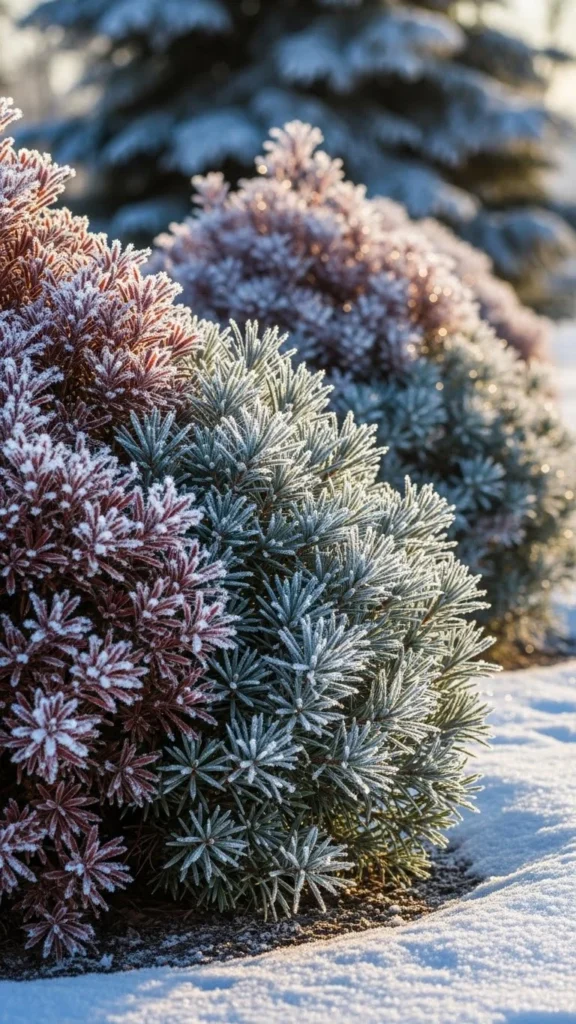
Winter doesn’t have to leave your garden dull. Many shrubs hold their color, shape, and strength even when temperatures drop. These frost-resistant choices bring structure and charm long after other plants fade. Whether you want low-maintenance greenery, pops of seasonal color, or shrubs that handle cold winds without collapsing, this list gives you practical ideas you can apply right away. Each option includes simple, budget-friendly tips to help you create a vibrant winter garden without complicated work.
1. Wintergreen Boxwood
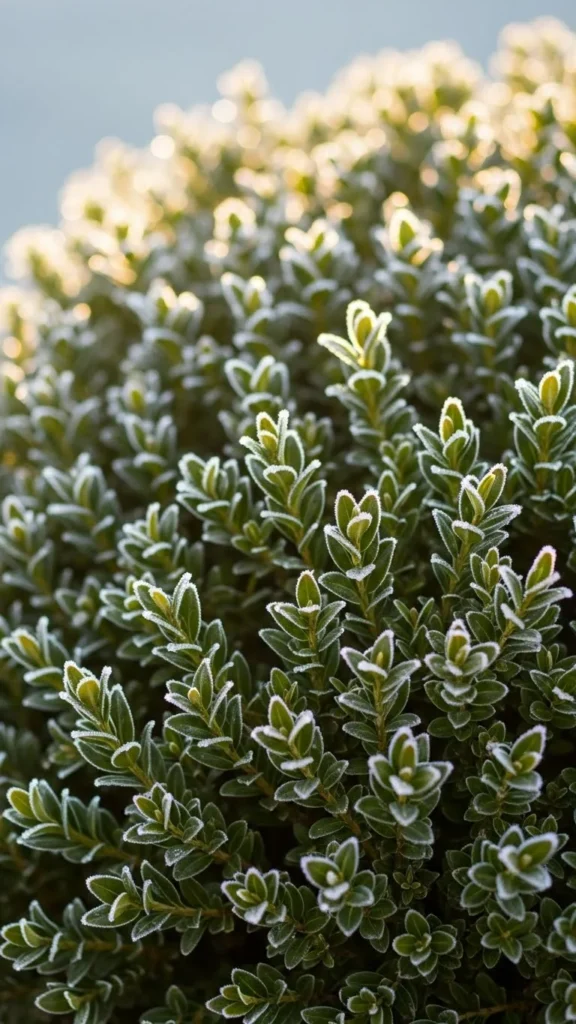
Wintergreen boxwood stays full and colorful in cold weather. It handles temperature swings well, and its compact shape works in nearly any yard. You can use it for borders, hedges, or accents near walkways. Keep the soil slightly moist before the ground freezes. Add mulch to help protect the roots. If you’re on a tight budget, start with smaller nursery pots. They fill in slowly but still look tidy from day one. Clip lightly in late fall to shape it, but avoid heavy pruning. Boxwood also does well in containers, making it perfect for porches or patios. Choose sturdy pots so freezing temperatures don’t crack the material. Rotate the container occasionally so all sides get equal light.
2. Red Twig Dogwood
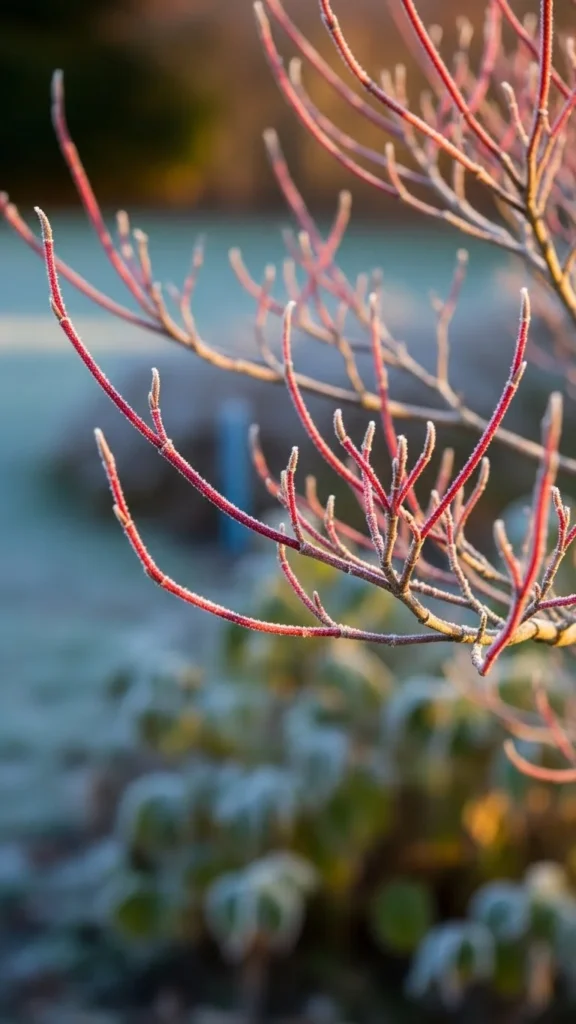
Red twig dogwood shines in winter because of its bold red stems. Even if the foliage drops, the color stays bright. Plant it where you can see it from inside your home, especially near windows or patios. It thrives in cold zones and doesn’t demand much care. Keep the soil evenly moist during fall to help it settle before frost arrives. Mulch around the base to give the roots better insulation. For a wallet-friendly planting, buy bare-root plants instead of large shrubs. They catch up fast once spring arrives. Prune older stems in early spring to encourage fresh, bright growth. Pair it with evergreens to make the color stand out even more.
3. Japanese Skimmia
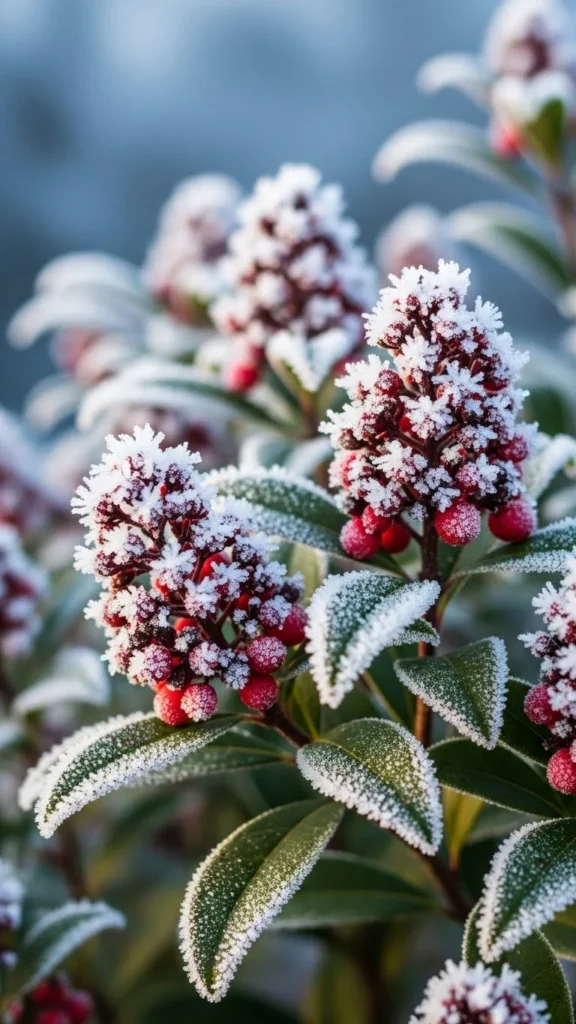
Japanese skimmia keeps its charm all season with evergreen leaves and bright berries. It stays low and rounded, making it perfect for front-yard beds. Plant it in partial shade to prevent leaf scorch. It likes well-drained soil and steady moisture. Add compost before planting to help it settle. If you want berries, include both male and female plants. To save money, check small local nurseries that sell younger shrubs at lower prices. Skimmia grows slowly, which means less pruning and trimming for you. It looks stunning near entryways and walkways, especially in winter when the red berries catch the eye.
4. Mountain Laurel
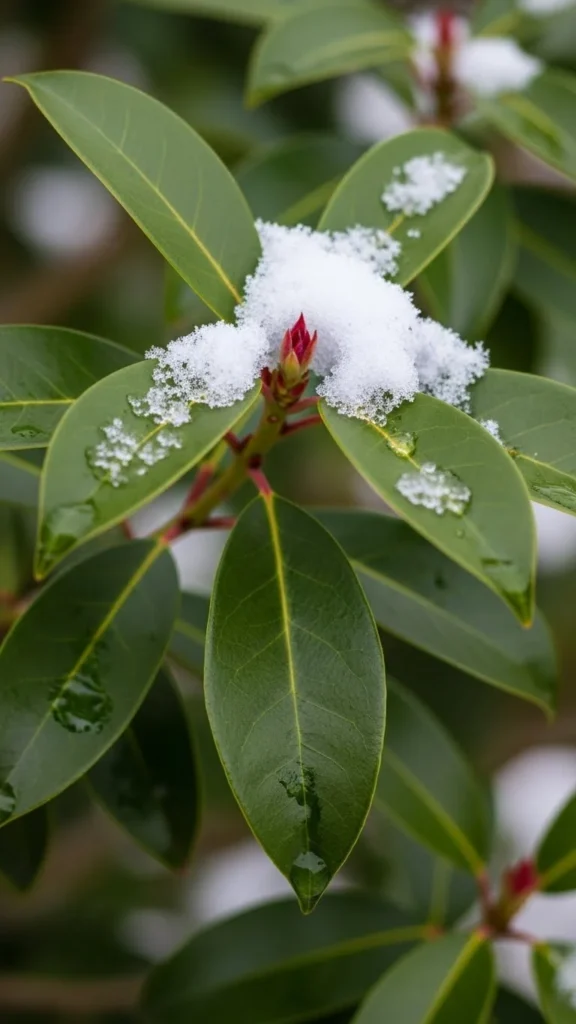
Mountain laurel holds its leaves throughout winter, giving your garden a strong evergreen look. It prefers partial shade and acidic soil. If your soil is neutral, mix in pine needles or peat moss. Keep it watered until the ground freezes, especially if fall has been dry. You can plant smaller, affordable laurel shrubs and still enjoy their winter beauty. Mulch heavily around the base for root protection. This shrub works well along woodland borders or near pines. It also adds structure to shady areas that often feel empty in winter. Avoid moving it once planted, as it likes to stay in one spot.
5. Firethorn (Pyracantha)
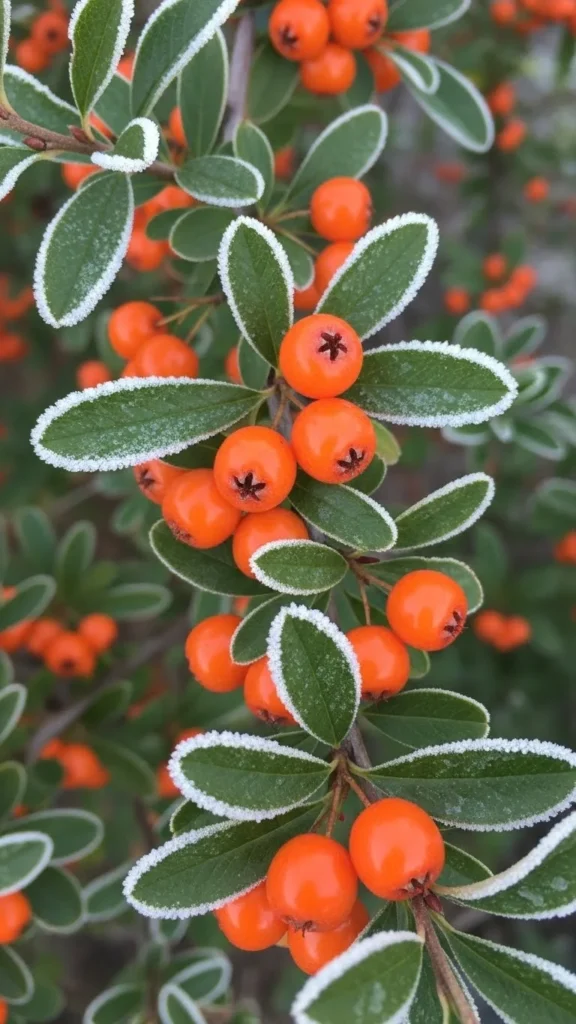
Firethorn brings color to winter with bright berries that stay vibrant even in cold weather. It’s a tough shrub that handles frost with ease. Plant it along fences or walls to help support its shape. Water well during late fall to help it settle before freezing weather. You can purchase smaller pots to save money, as firethorn grows quickly. Wear gloves while trimming because it has thorns. Use it to create a bold hedge or to brighten dull corners of the yard. The berries also bring birds, which adds life to the garden during colder months.
6. Oregon Grape Holly
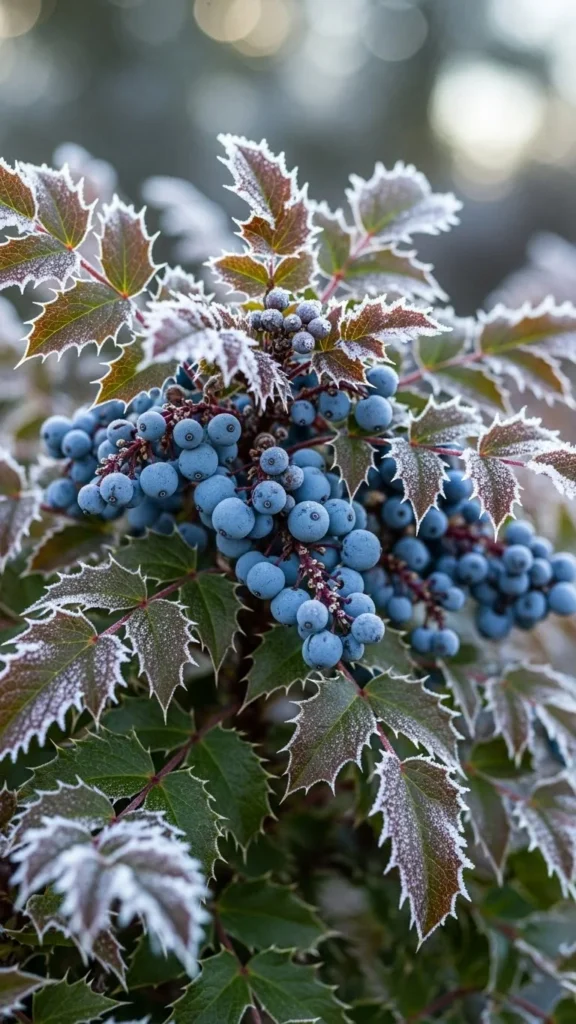
This evergreen shrub thrives in cold climates and keeps its rich green color all winter. The leaves develop a purple tint in chilly weather, giving it extra appeal. Plant it in partial shade or full sun. It’s adaptable and doesn’t demand much upkeep. For an inexpensive option, divide older shrubs if your neighbor or friend has one. Add mulch around the base for extra warmth in winter. Oregon grape holly works well in mass plantings or as a low-maintenance privacy screen. The blue berries stay visible even through frost.
7. Dwarf Alberta Spruce
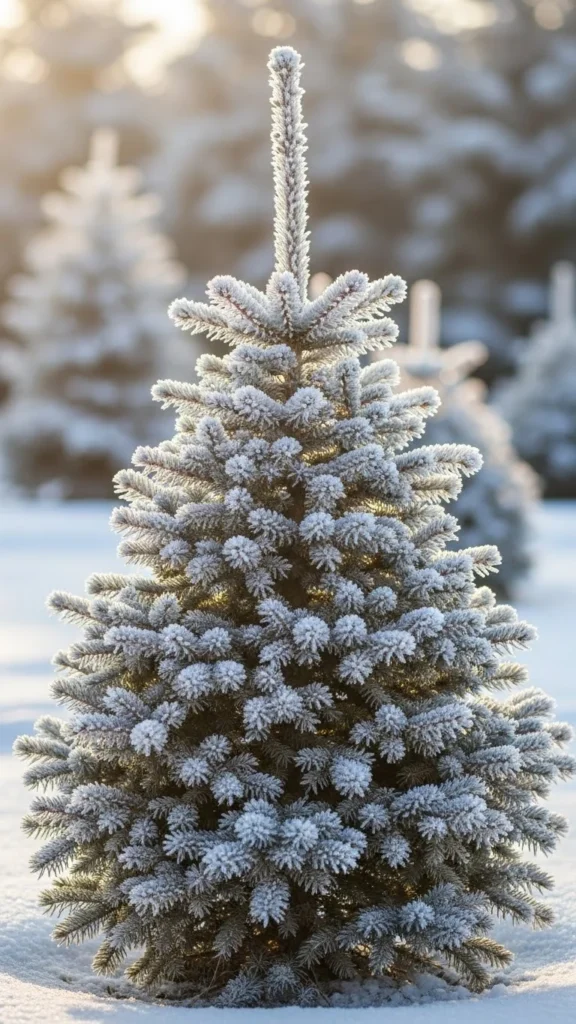
Dwarf Alberta spruce stays vibrant in winter, holding its perfect cone shape even in freezing weather. It grows slowly, so it’s great for small spaces. Plant it where it gets full sun. Keep the soil moist through fall. Add a thick mulch ring for protection. For budget planting, select smaller sizes—they still look polished right away. Use it near front doors, walkways, or patio corners to add structure. Avoid heavy pruning; a light seasonal trim is enough to keep it neat. It also performs well in large pots with sturdy sides.
8. Holly (Inkberry)
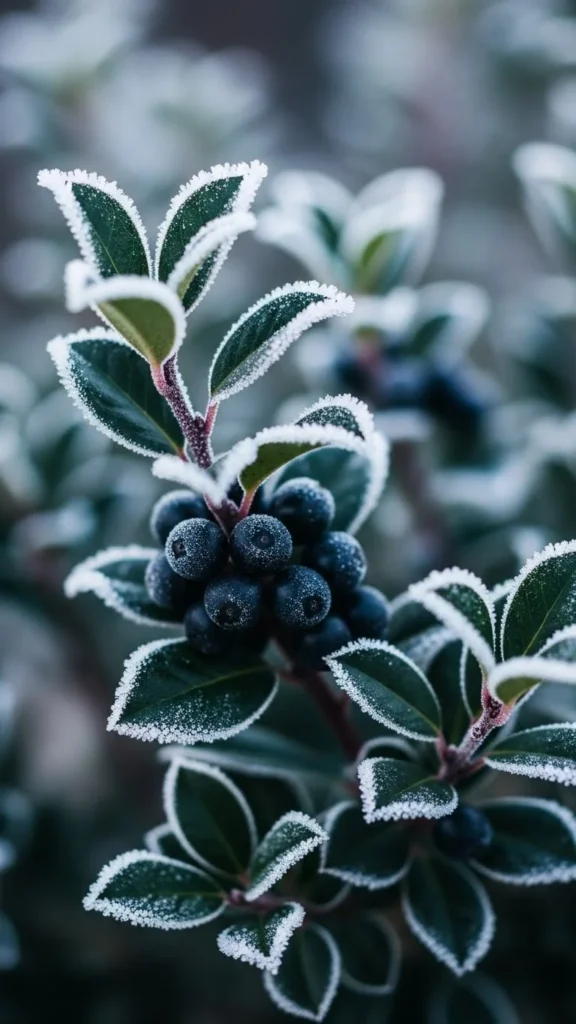
Inkberry holly stays green all winter, keeping your landscape looking full. It’s more compact than traditional holly and has smooth leaves without sharp points. Plant it in moist, well-drained soil. Water thoroughly during fall before the freeze. For a low-cost start, choose smaller nursery containers since inkberry fills in steadily. Use it for hedges or foundation plantings. Prune lightly to maintain its round shape. The berries attract winter birds, adding movement to the yard when everything else is still.
9. Viburnum Tinus
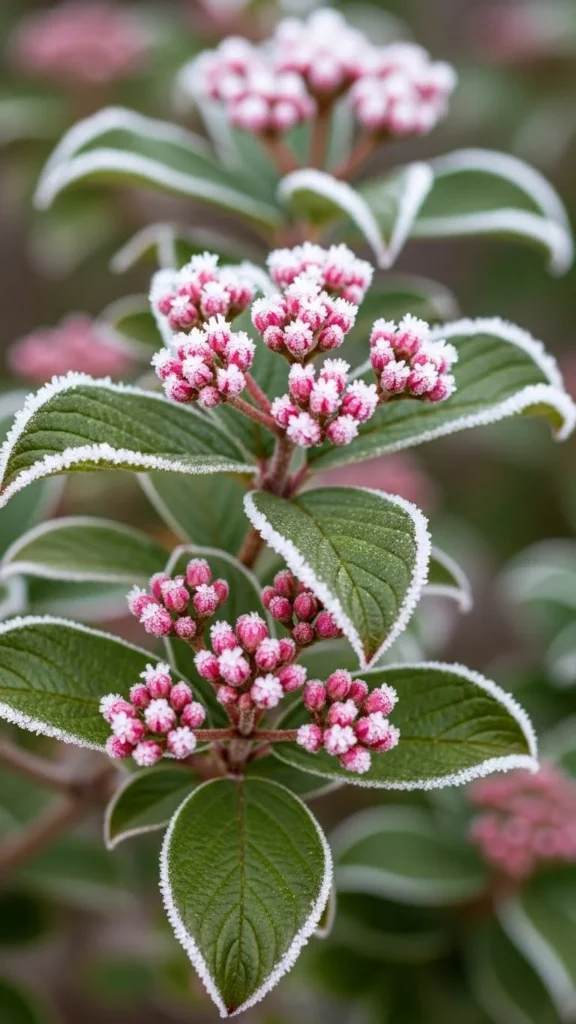
Viburnum tinus stays leafy in winter and even produces buds during the colder months. It handles frost well and stays lush year-round. Plant it in a sunny spot for the best color. Keep the soil slightly moist. Mulch around the root zone for winter protection. You can buy smaller shrubs if you want to reduce costs—viburnum grows quickly and fills in gaps fast. Use it near patios or seating areas so you can enjoy the winter buds up close. Trim lightly only when needed.
10. Juniper (Blue Star)
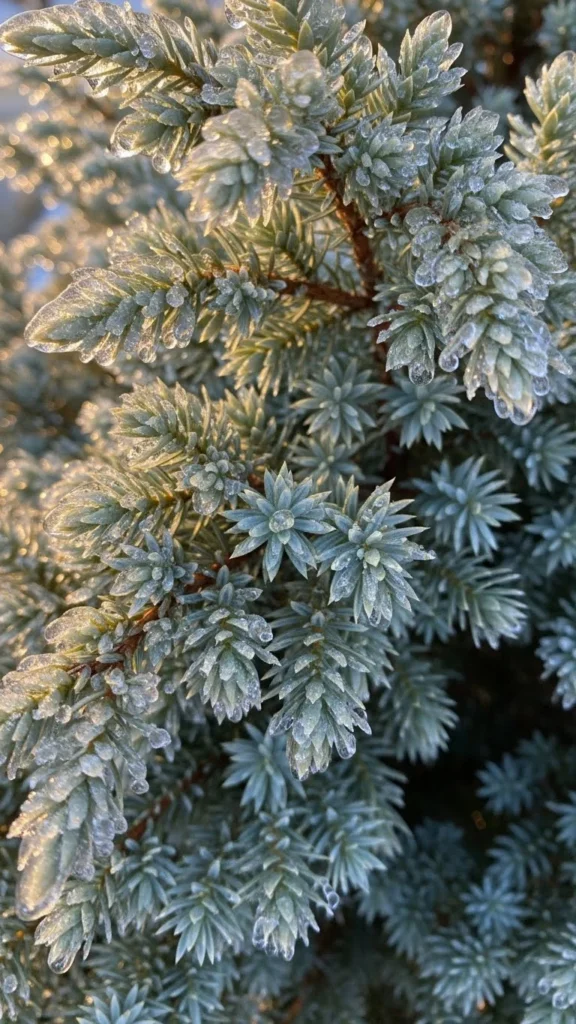
Blue star juniper keeps its silver-blue color all winter. It doesn’t mind frost or wind. Plant it in full sun and well-drained soil. Water before the soil freezes. Add gravel or sand to improve drainage if needed. For an inexpensive start, pick smaller juniper pots—they spread out nicely over time. This shrub works well in rock gardens, borders, or as a low accent plant. It’s simple to maintain since it doesn’t require pruning.
11. Barberry (Golden or Red)
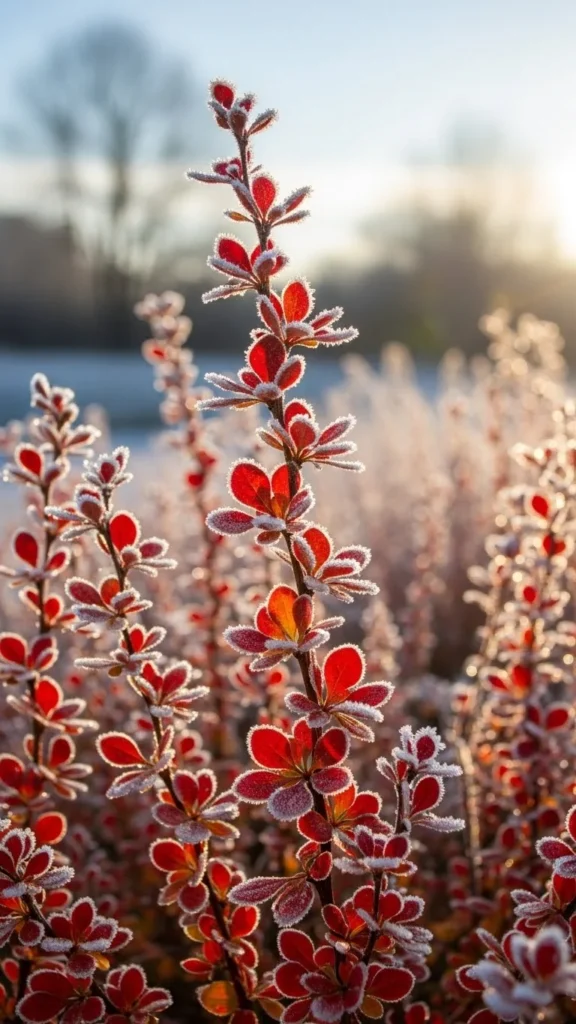
Barberry holds its color well through winter. Choose red or golden varieties for strong visual contrast. Plant in full sun for the best foliage. Water through fall, then add a thick layer of mulch. Smaller pots are usually affordable and grow well once planted. Use barberry for borders, slopes, or accents. Trim lightly if branches begin to spread too wide. The bright winter color makes even small spaces look lively.
12. Cotoneaster
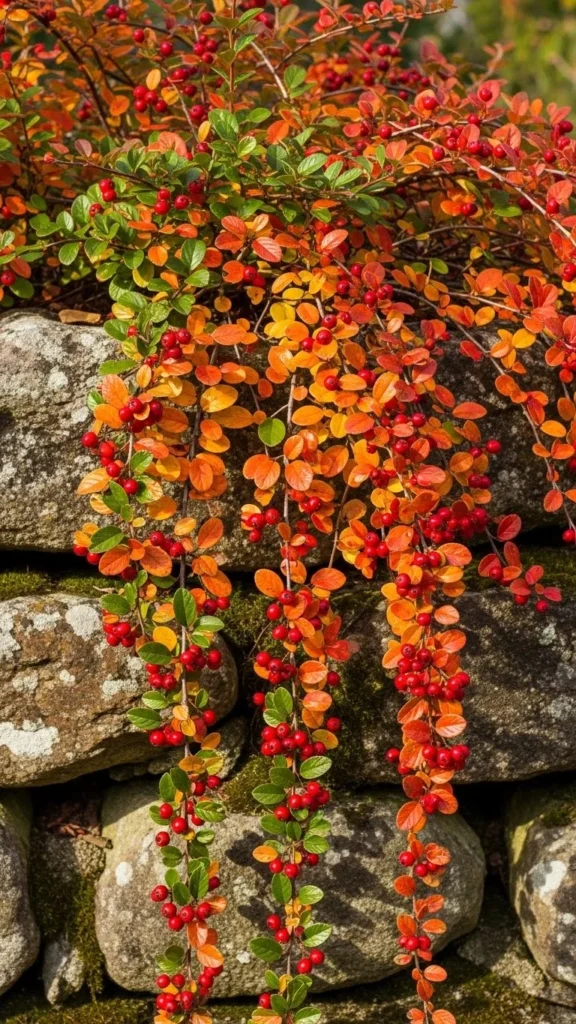
Cotoneaster shines in winter thanks to its berries and hardy structure. It spreads low and wide, making it great for slopes or open beds. Plant in sunny or lightly shaded spots. Keep soil moderately moist in fall. Mulch thickly to protect roots. Choose bare-root options for a budget-friendly approach. Cotoneaster also pairs well with taller evergreens. A quick trim in spring keeps it tidy.
13. Euonymus (Wintercreeper)
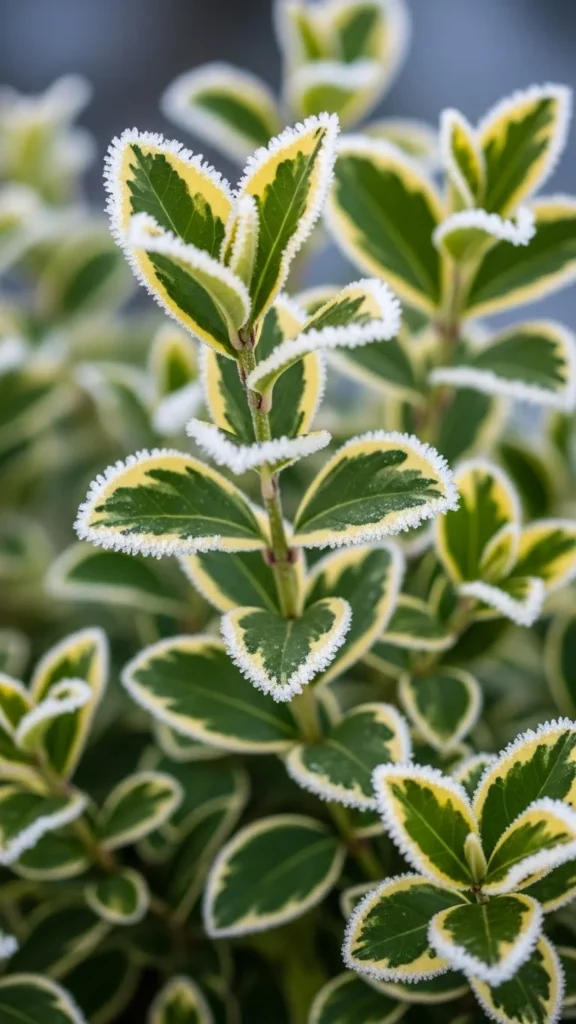
Wintercreeper adds bright color even during freezing weather. The variegated leaves stay bold and crisp all winter. Plant in sunny or partly shaded areas. Water through fall so the roots settle. Mulch to help retain soil warmth. You can buy cuttings or smaller pots to save money. Use wintercreeper as ground cover or to brighten dull foundation walls. It spreads steadily but is easy to control with light pruning.
14. Heather (Winter Blooming)
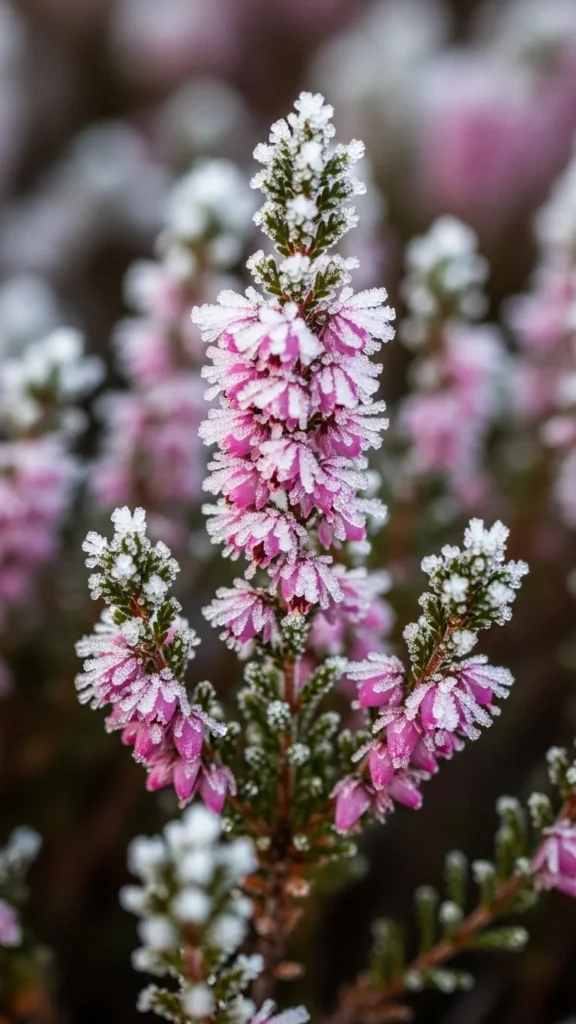
Winter heather blooms in the cold season, giving your garden pops of color. Plant in sunny areas with well-drained soil. Add sand if your soil feels too heavy. Keep the soil moist through fall. Affordable multi-packs make it easy to plant several for a bigger visual impact. Heather looks striking in rock gardens and along pathways. Light trimming after blooming keeps it neat.
15. Rhododendron
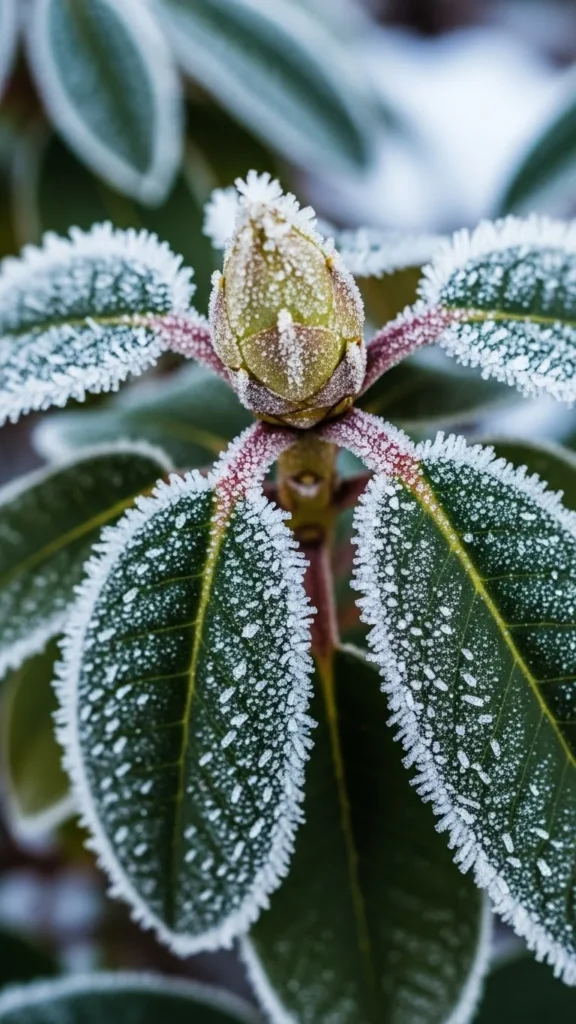
Rhododendrons keep their bold evergreen leaves all winter. They prefer partial shade and acidic soil. Water thoroughly before frost. Add pine mulch for insulation. Small nursery plants are often cheaper and establish well. Use them along woodland borders or shady spots. Their wide leaves create structure even when everything else has gone bare.
16. Winter Daphne
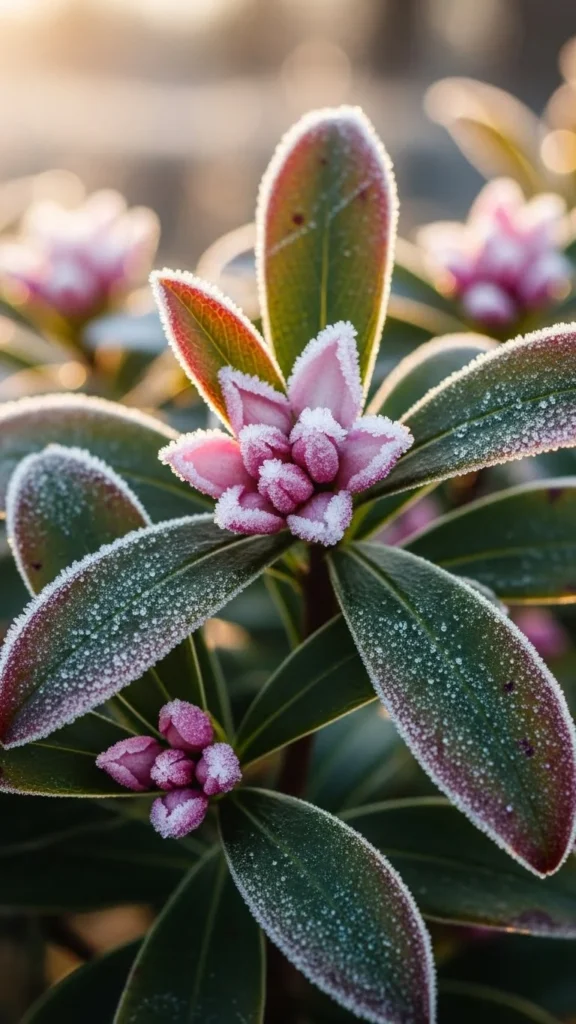
Winter daphne brings structure and subtle winter color. It holds its leaves even in frosty weather and forms a tidy rounded shape. Plant it in partial shade and well-drained soil. Keep it watered during fall until the ground starts to freeze. Add mulch to protect the roots from severe temperature swings. If you want to save money, choose smaller nursery pots. Daphne doesn’t grow fast, but even young plants look polished. Place it near entryways or paths because the buds add gentle color during the cold season. Avoid moving it once planted, as daphne prefers staying in one spot.
17. Nandina (Heavenly Bamboo)
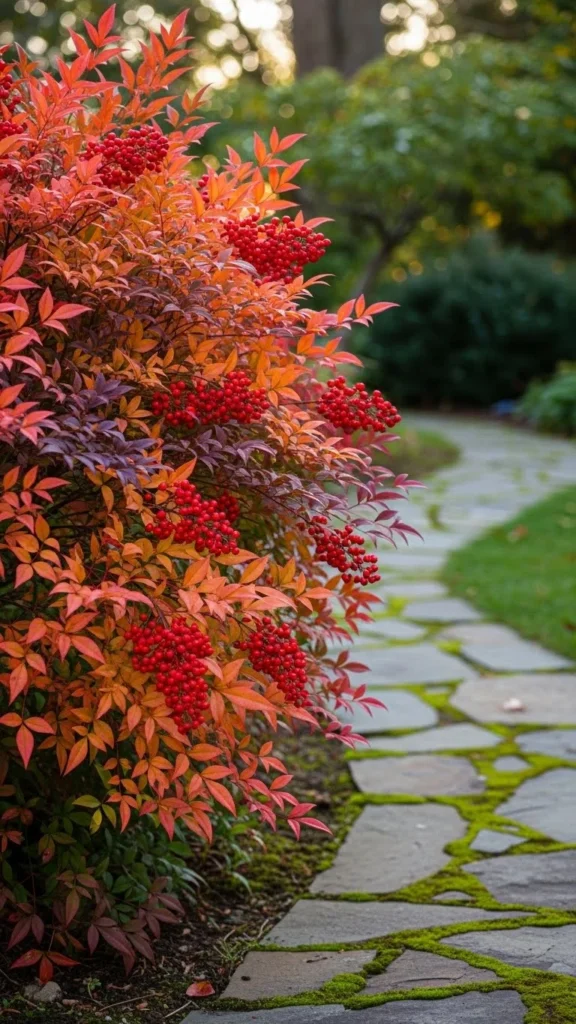
Nandina handles frost well and turns rich shades of red in winter. It keeps its shape and color even when snow settles around it. Plant in full sun or partial shade. Keep the soil slightly moist through fall. Use mulch to support the roots during freezing nights. Smaller starts are usually very affordable and grow steadily. Nandina also works well in containers for porches or patios. A light trim in spring keeps it controlled. The winter berry clusters stand out beautifully when the rest of the garden is quiet.
18. Yew Shrub
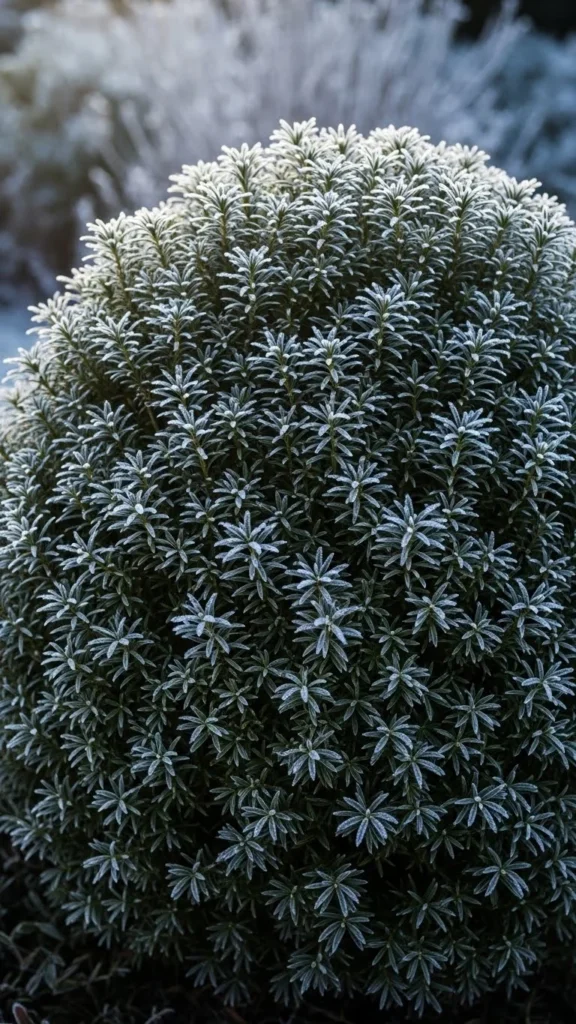
Yew shrubs stay green through winter and handle harsh cold easily. They form a sturdy, full structure that looks tidy all season. Plant them in full sun or partial shade. Keep the soil moist in fall and mulch the base to protect the root system. Choose smaller nursery sizes to save money, as yews adapt and grow steadily. Use them for hedges, foundation plantings, or as a backdrop for other winter shrubs. A simple light trim once a year is enough to maintain their shape.
19. Beautyberry
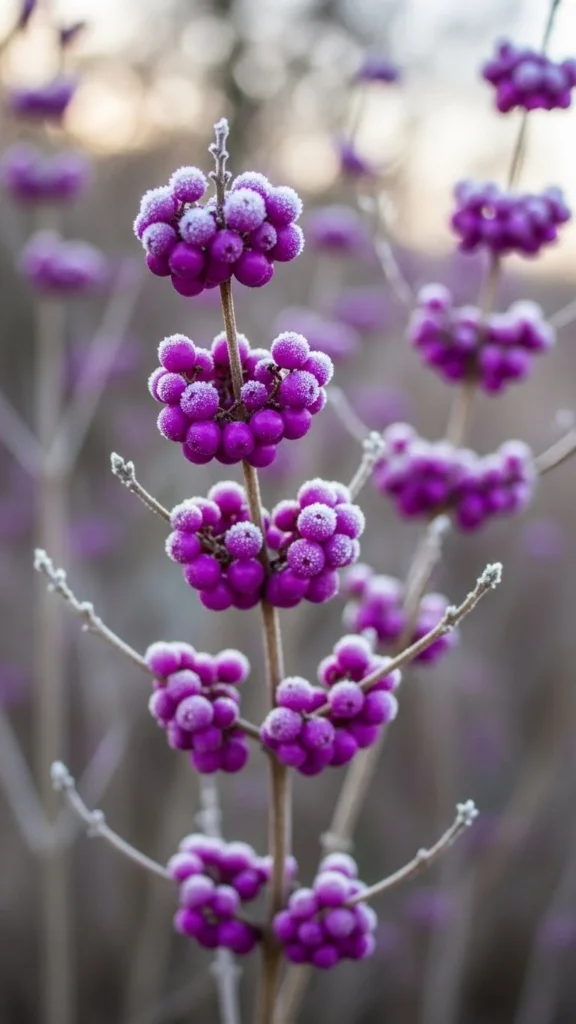
Beautyberry puts on a show in winter with vivid purple berries that hold even in frost. Plant in full sun or partial shade. It grows in many soil types as long as drainage is decent. Water thoroughly during fall. Mulch helps keep the roots warmer. Smaller shrubs are budget-friendly and catch up quickly. Beautyberry looks great mixed with evergreens because the purple berries stand out against dark foliage. Prune lightly in late winter to encourage fresh growth.
20. Siberian Peashrub
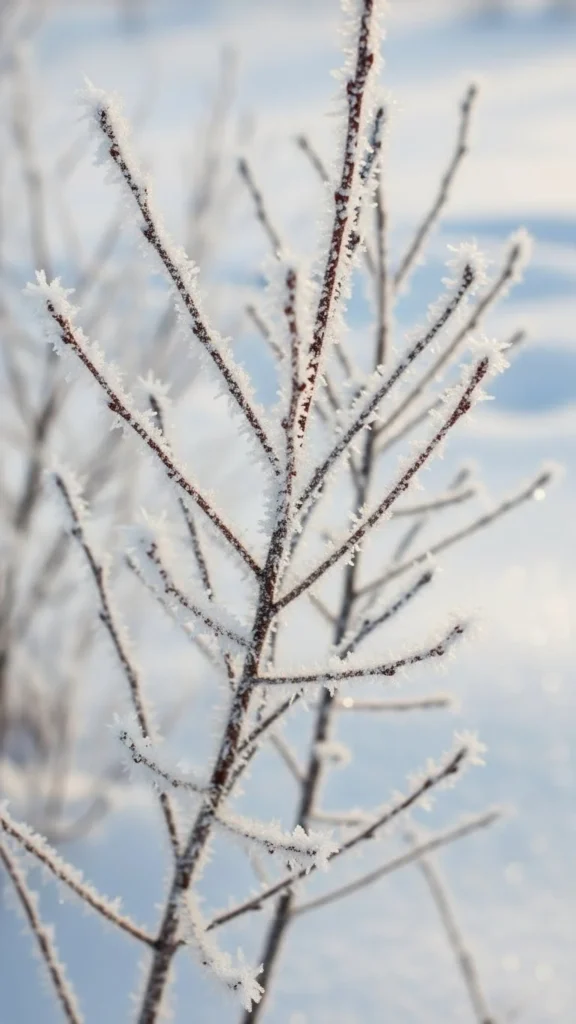
This tough shrub handles extreme cold with ease. It holds its structure through winter even when temperatures dip far below freezing. Plant it in full sun. It adapts to many soil types and doesn’t ask for much care. Water well during fall and add mulch before frost. Smaller plants are typically inexpensive. Use Siberian peashrub as a windbreak or boundary shrub. It grows tall enough to create height but stays narrow enough for compact yards.
21. Dwarf Mugo Pine
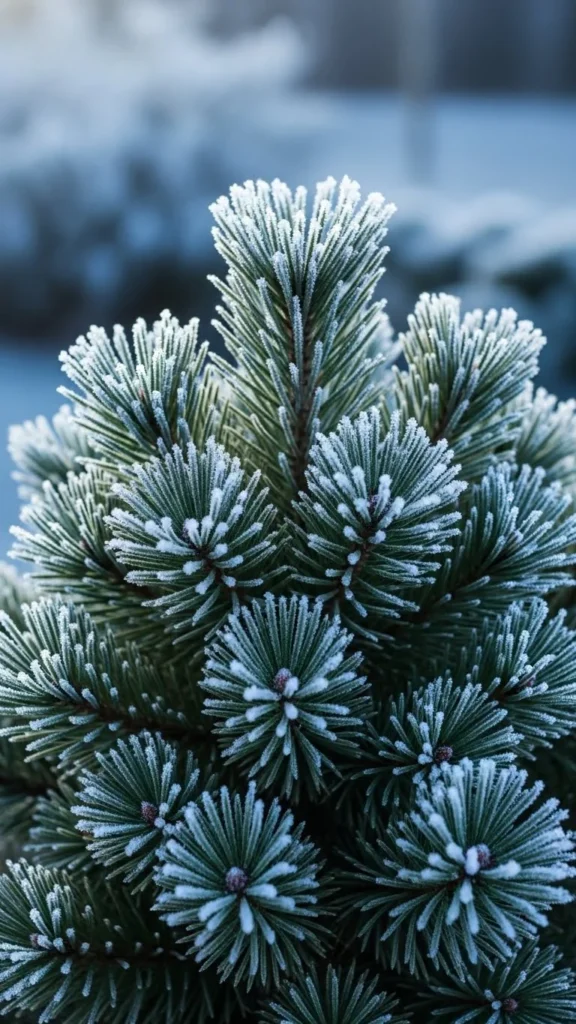
Dwarf mugo pine keeps its dark green needles through the coldest months. It forms a compact shape that requires very little trimming. Plant in full sun and well-drained soil. Add gravel or sand if drainage feels slow. Water during fall and apply mulch. Affordable small pots are easy to find. Mugo pine fits nicely into rock gardens, foundation beds, and small landscapes. Its sturdy winter look adds calmness and structure to any space.
22. Summersweet (Clethra)
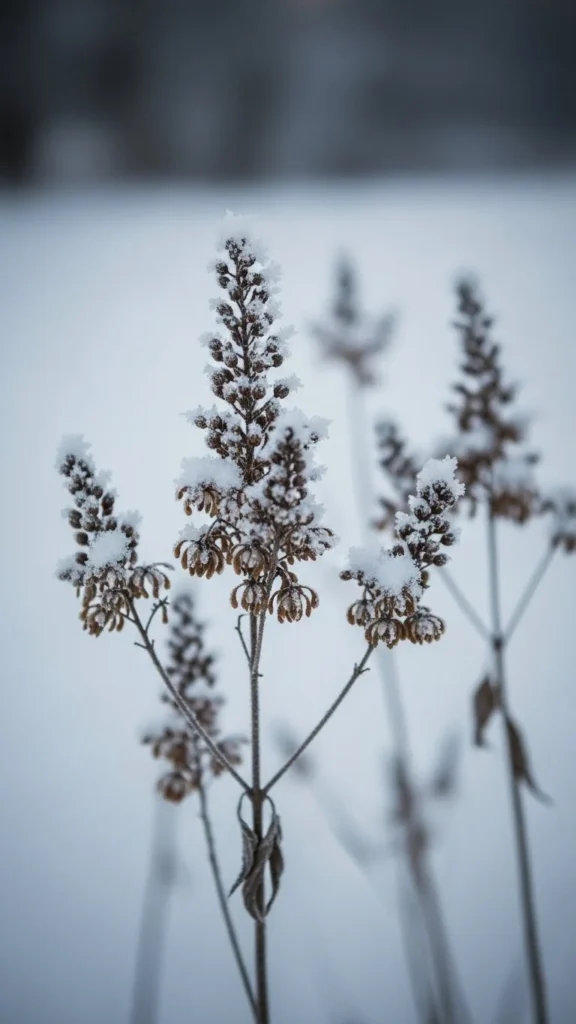
Summersweet keeps its framework through winter even after its leaves drop. The slender stems stay upright, adding texture. Plant in partial shade or full sun. It enjoys moist soil, so water deeply during fall. Mulch helps protect its roots. Smaller shrubs are affordable and establish easily. Place summersweet near walkways where the winter stems catch soft seasonal light. Light pruning in late winter helps shape it for spring.
23. Spirea (Winter Hardy Varieties)
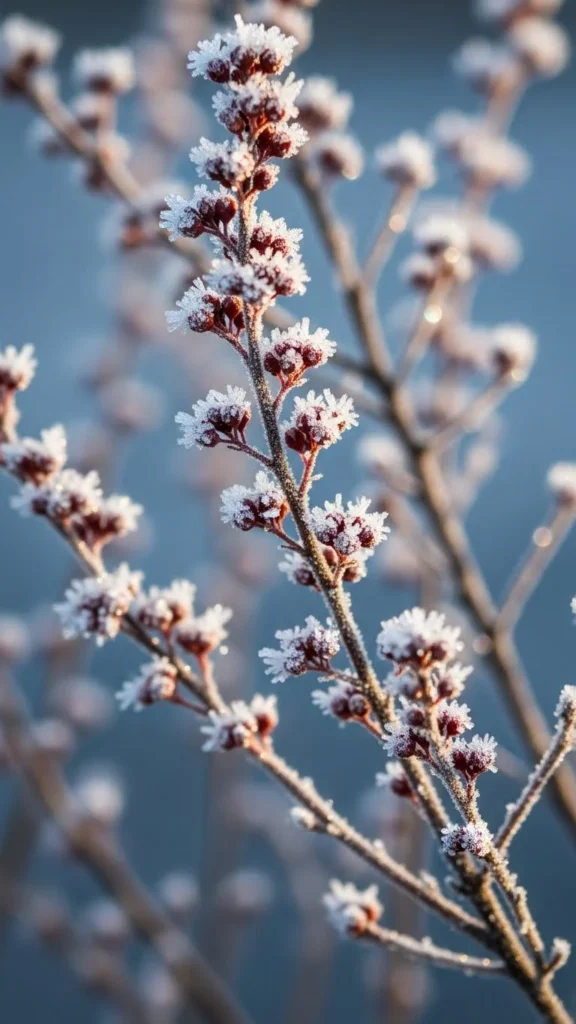
Spirea stands strong during winter, and its reddish stems add subtle color. Plant in full sun for best structure. Keep the soil moisturized during fall and add mulch afterward. Bare-root plants are budget-friendly and grow well once spring arrives. Spirea works beautifully in borders or mass plantings. A quick trim in spring helps maintain its rounded shape. Even without leaves, the winter silhouette looks clean and tidy.
24. Kerria Japonica
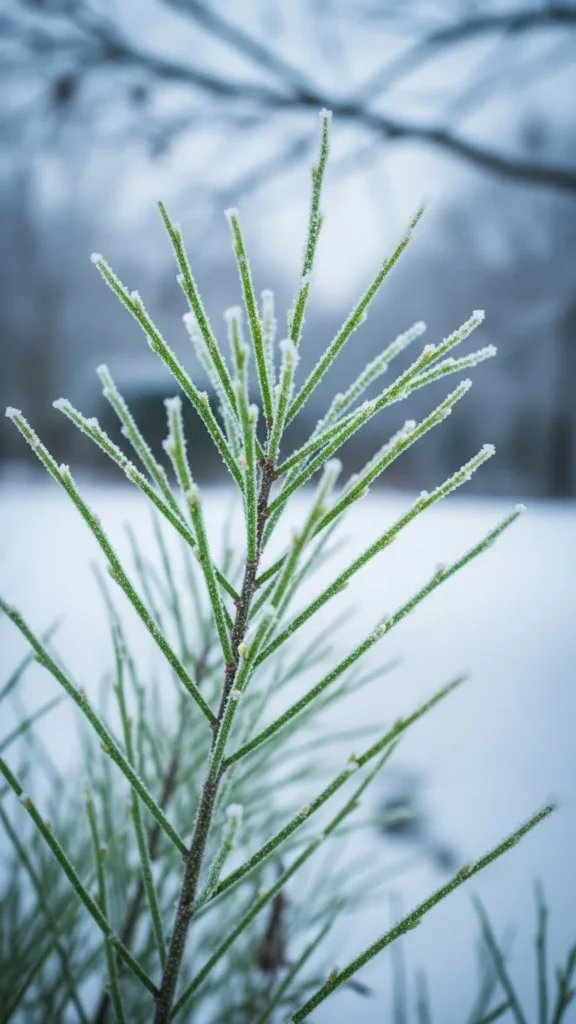
This shrub keeps its bright green stems visible all winter. Even when the leaves drop, the stems stay colorful. Plant in partial shade or sun. Water during fall so the roots settle well. Mulch thickly once temperatures cool. Smaller starter shrubs are affordable and fill in quickly. Kerria adds interest to winter beds, especially near darker evergreens. Light pruning in early spring keeps it healthy.
25. Mahonia Soft Caress
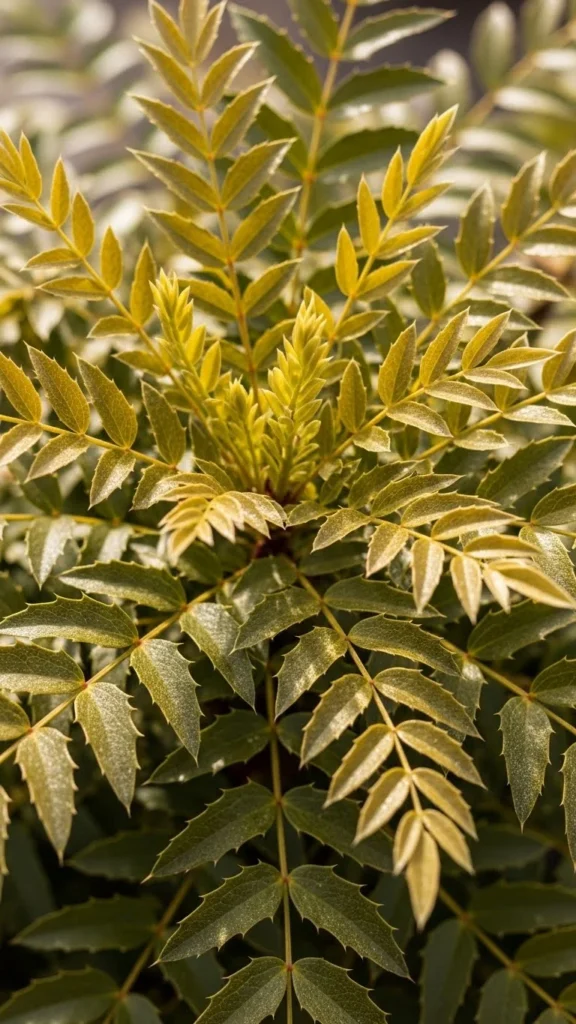
Mahonia Soft Caress shines during winter with its feathery evergreen leaves. It handles frost without losing color. Plant in partial shade. Give it well-drained soil and water through fall. Mulch supports the roots during cold spells. Smaller pots are usually priced well and still make an impact. Use this shrub near entryways or shaded seating areas. It adds soft texture where other winter plants feel rigid.
26. Rosemary (Cold-Hardy Varieties)
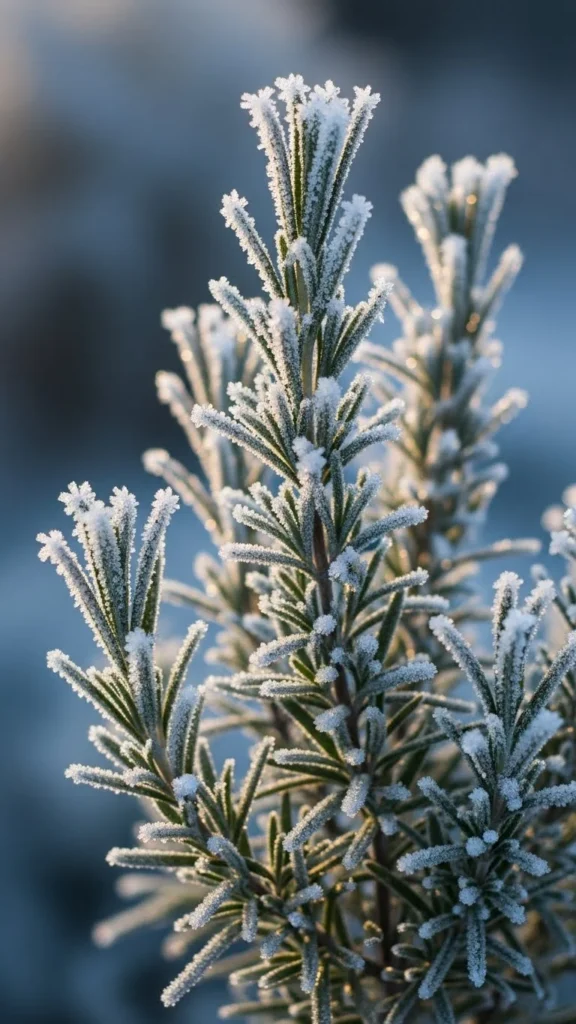
Cold-hardy rosemary holds its green needles through winter. Plant it in full sun and well-drained soil. Add sand if needed to improve drainage. Water before freeze and mulch around the base. Choose small, inexpensive pots—they grow surprisingly fast. Use rosemary along pathways or near raised beds. Light pruning helps maintain shape. The sturdy winter foliage looks clean and stands out beautifully against snow.
27. Burning Bush (Dwarf)
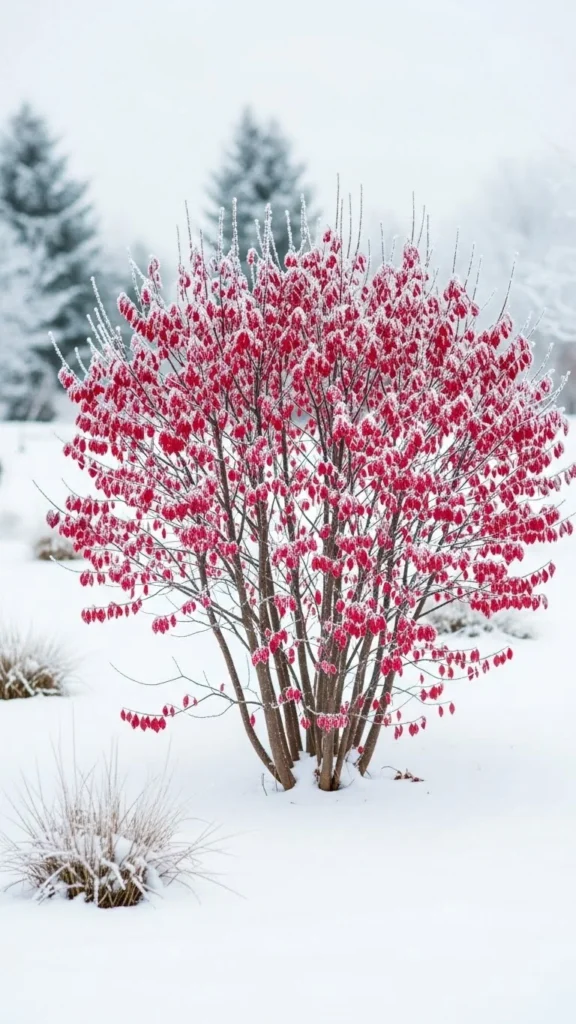
The dwarf burning bush holds color longer into winter than many shrubs. Even after the leaves drop, the red-tinted stems stand out. Plant in full sun for deeper coloring. Water well during fall and mulch early in the season. Smaller shrubs cost less and fill in steadily. Use burning bush in borders or as a winter accent. Light pruning shapes it easily without much work.
28. Snowberry
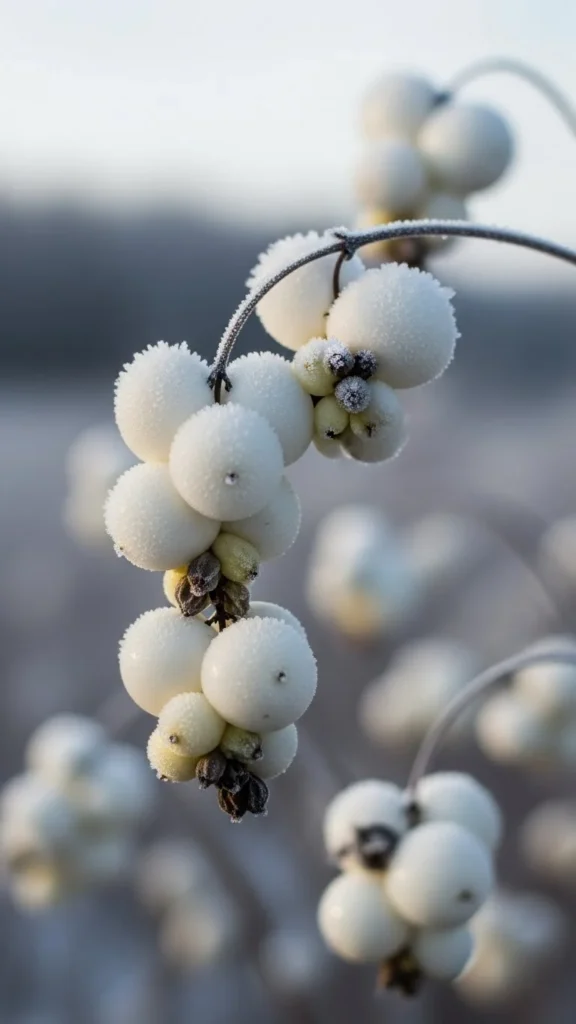
Snowberry carries bright white berries that hold even in freezing weather. Plant it in full sun or partial shade. It grows well in many soil types. Water during fall and add mulch to protect the roots. Smaller bare-root options are easy on the budget. Snowberry looks great along fences, near woodland edges, or beside evergreens. Light pruning in late winter helps guide its shape.
Conclusion
Cold weather doesn’t mean your garden has to fade. These hardy shrubs keep their structure, color, and presence even when frost settles in. With simple care, budget-friendly planting, and smart placement, you can build a winter landscape that feels lively all season. Pick a few favorites, mix textures and colors, and enjoy a yard that stays vibrant even in the chilliest months.
Leave a Reply