

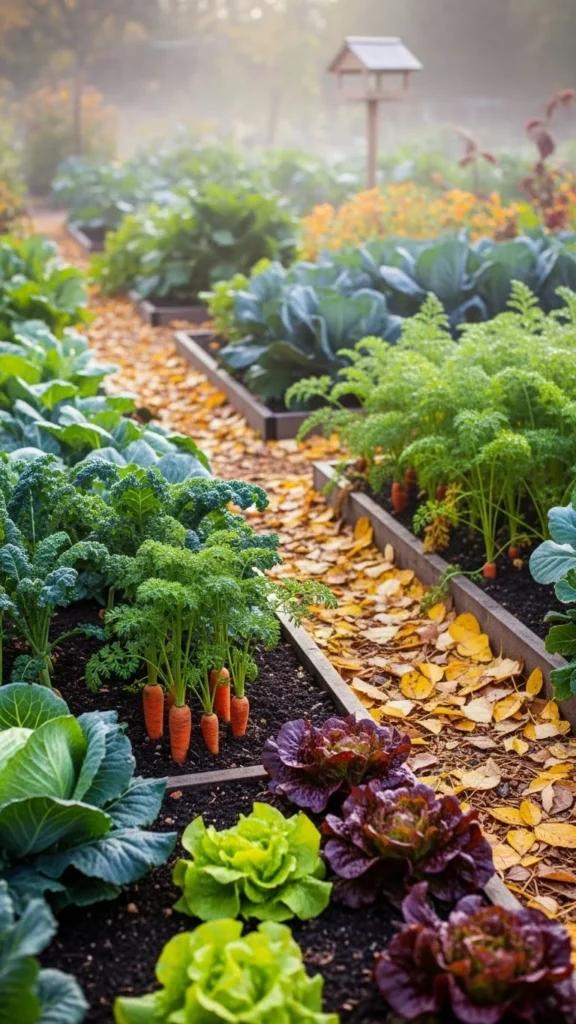
Fall isn’t just about harvesting—it’s a wonderful time to plant, too. Cooler temperatures, gentle rains, and fewer pests make autumn one of the easiest seasons for home gardeners. Whether you have a small raised bed, a few pots on the porch, or a full backyard plot, you can still grow plenty of vegetables before winter sets in. Here are 25 fall veggies you can plant right now to keep your garden thriving and your table full.
1. Kale
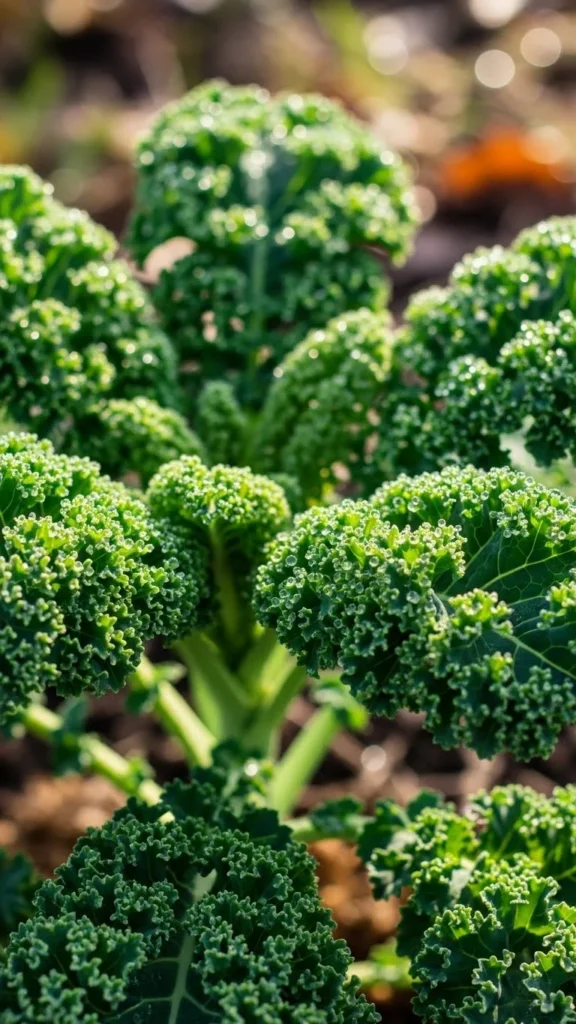
Kale thrives in cooler weather and becomes sweeter after a light frost. Sow seeds directly into well-draining soil and water regularly. Pick the outer leaves as they mature to keep the plant producing. For smaller spaces, use containers or fabric grow bags. Kale pairs beautifully with soups, salads, and even smoothies, making it a practical fall choice.
2. Spinach
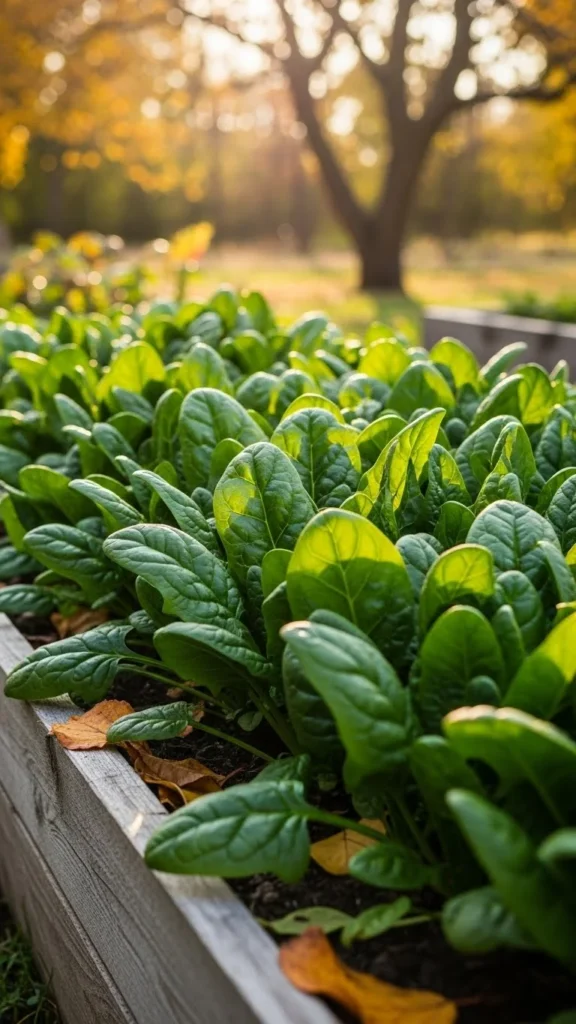
Spinach grows quickly and handles cold very well. Choose a sunny or partially shaded area and plant seeds about half an inch deep. You’ll have tender leaves in just a few weeks. Harvest by trimming outer leaves and letting the center continue growing. To save money, use kitchen scraps like composted eggshells to enrich the soil naturally.
3. Carrots
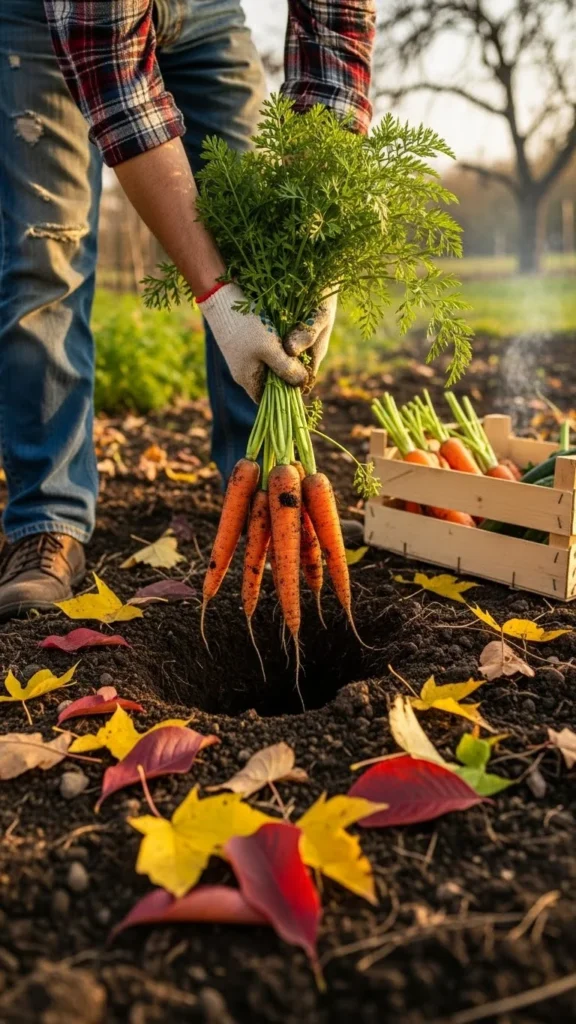
Carrots love the cool weather of fall. Plant them in loose, rock-free soil for smooth roots. Water evenly to prevent cracking, and mulch with straw to keep soil moist. The cold makes carrots sweeter, so leave some in the ground until after the first frost. Try short varieties if your soil is heavy or shallow.
4. Radishes
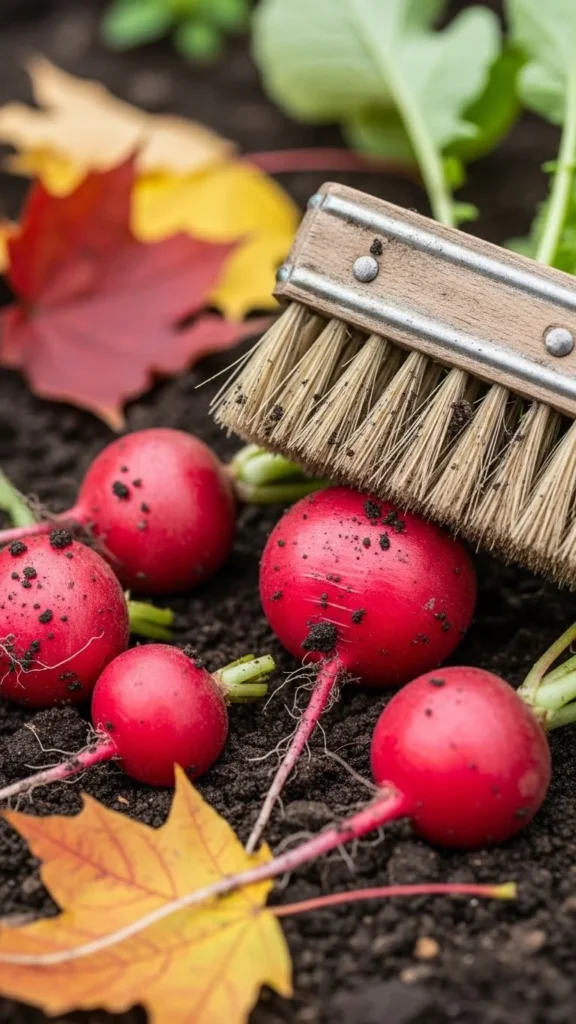
Radishes grow fast—ready in as little as 25 days. Sow them in small batches every two weeks for continuous harvests. They don’t require much care, just consistent moisture and a bit of sunlight. Great for beginners, radishes are also perfect for filling in gaps between slower-growing crops like carrots or kale.
5. Lettuce
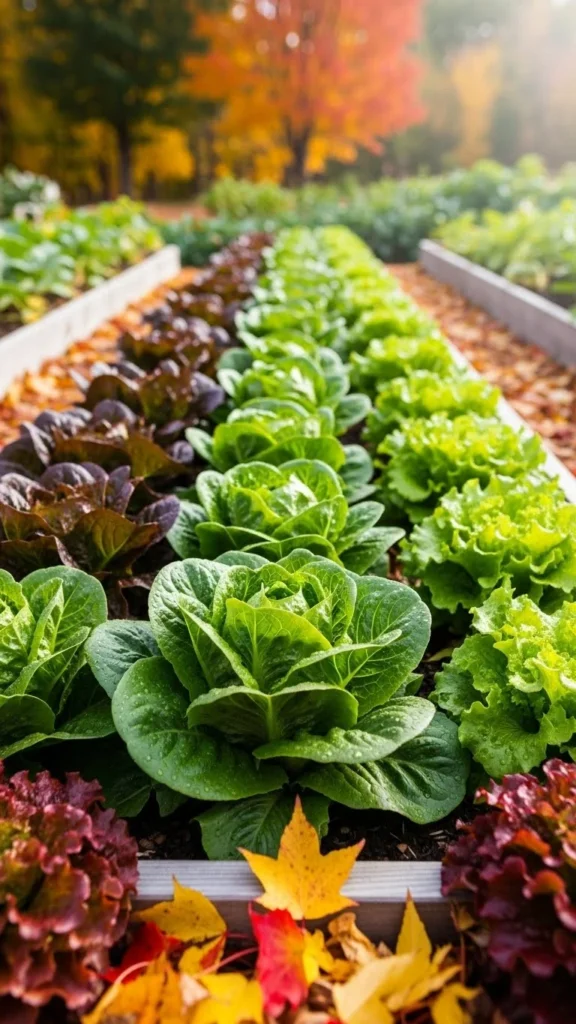
Lettuce loves cooler temperatures and can even handle light frost. Mix varieties—romaine, butterhead, and leaf lettuce—for color and texture. Use floating row covers to extend the growing season. Keep the soil moist, and harvest leaves from the outside for continual growth. Lettuce in fall tastes milder and less bitter.
6. Beets
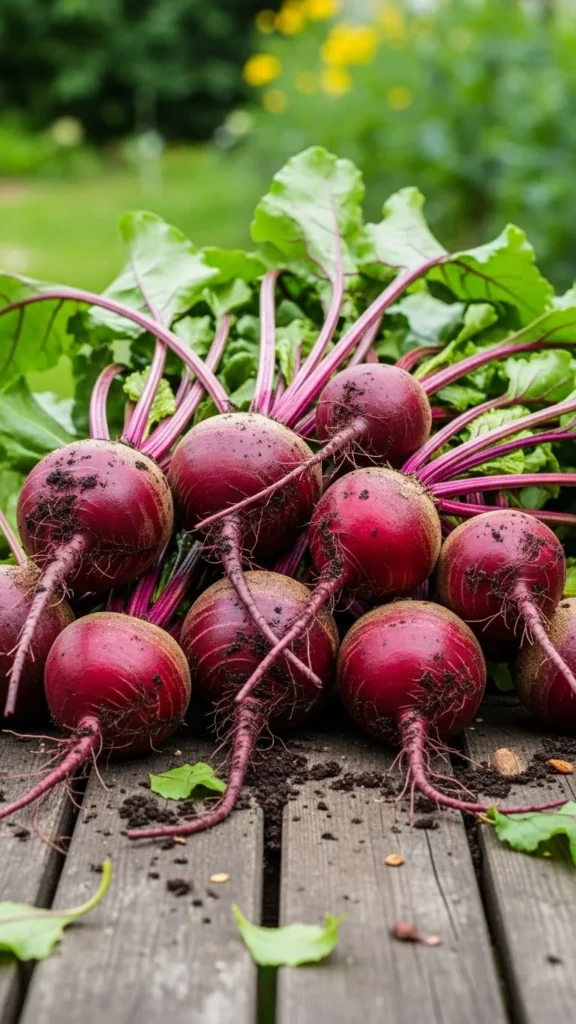
Beets are a double win—you get both edible roots and greens. Sow seeds directly and thin seedlings for proper spacing. Water evenly and add compost for healthy growth. The roots store well through winter, while the leaves are perfect for sautéing. Pick smaller beets for tenderness and quicker harvests.
7. Arugula
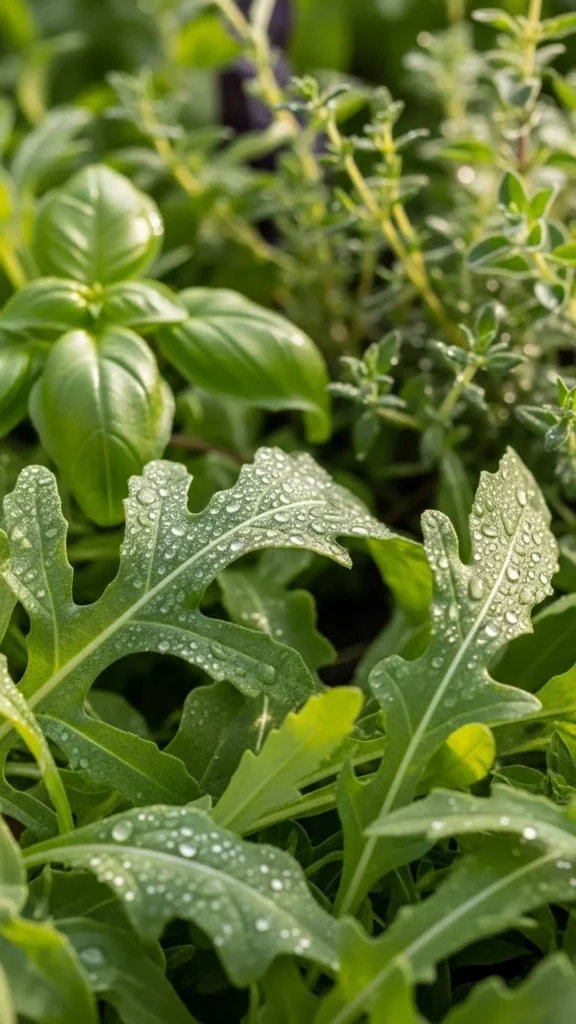
Arugula adds a peppery kick to your fall salads. It grows fast in cool temperatures and can even survive a mild frost. Sprinkle seeds thickly, then harvest young leaves for the best flavor. Protect from pests with lightweight mesh. You can grow arugula easily in containers on patios or windowsills.
8. Broccoli
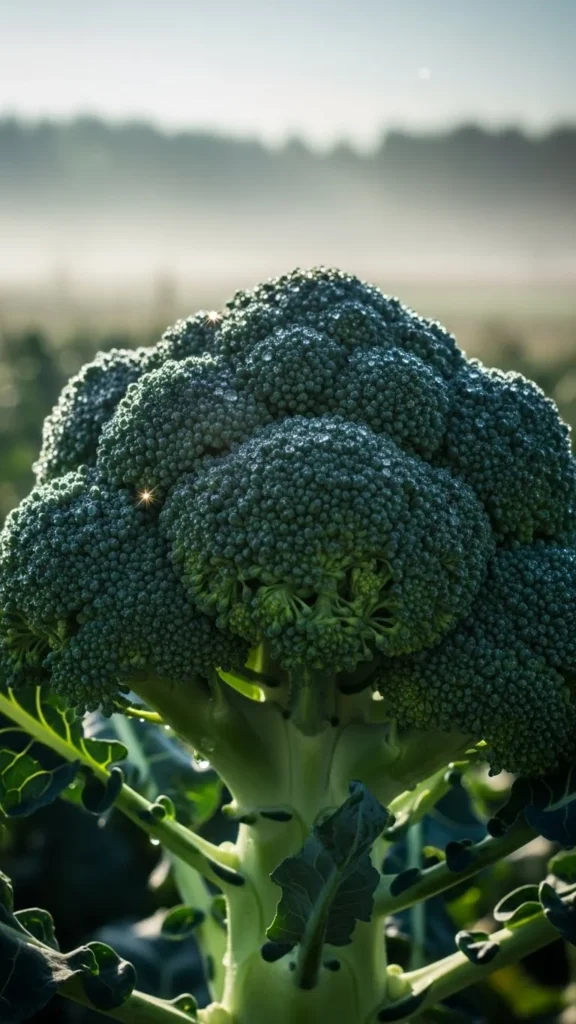
Broccoli loves the chill. Start seedlings indoors in late summer, then transplant outdoors. Space them well for big heads. Keep the soil rich with compost and water consistently. After harvesting the main head, smaller side shoots will keep growing for weeks. A light frost can make the taste even sweeter.
9. Cabbage
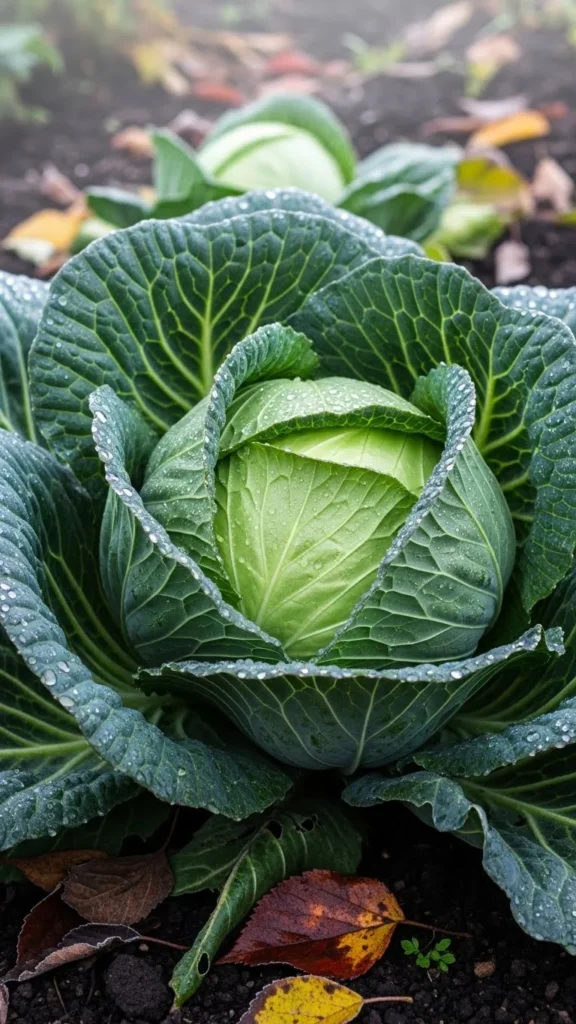
Cabbage is one of the most dependable fall crops. Plant transplants or start from seed about 8 weeks before the first frost. Water deeply and mulch to keep roots cool. The firm heads are perfect for soups, coleslaw, or fermenting into sauerkraut. They store for months in a cool, dry space.
10. Swiss Chard
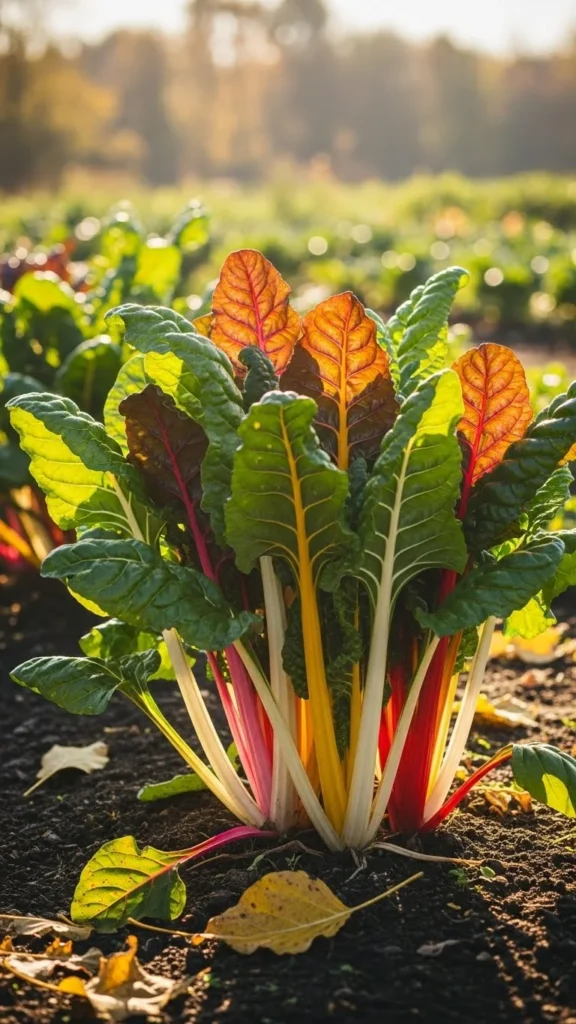
Swiss chard is colorful, nutritious, and simple to grow. Plant seeds about half an inch deep, and you’ll have harvestable leaves in just 30 days. Pick outer leaves regularly to keep it producing. It tolerates frost well and looks beautiful in garden beds or containers. Add it to stir-fries or omelets for a quick meal.
11. Turnips
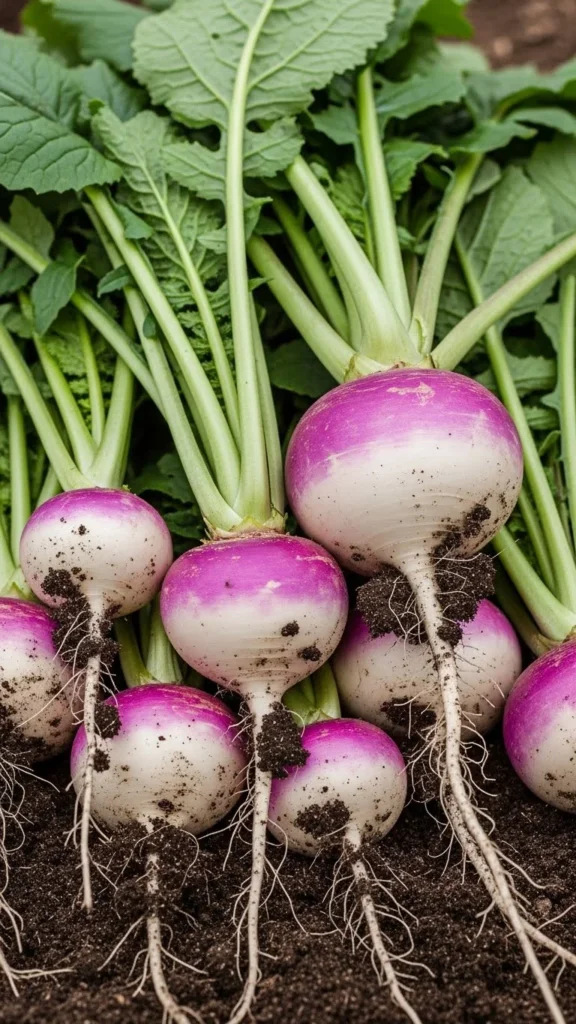
Turnips grow both tasty roots and greens. They’re ready to harvest in about 40 days. Plant them in rows and thin seedlings to allow room for the roots to expand. The greens can be sautéed, while the roots are delicious roasted. A cold snap improves their flavor dramatically.
12. Garlic
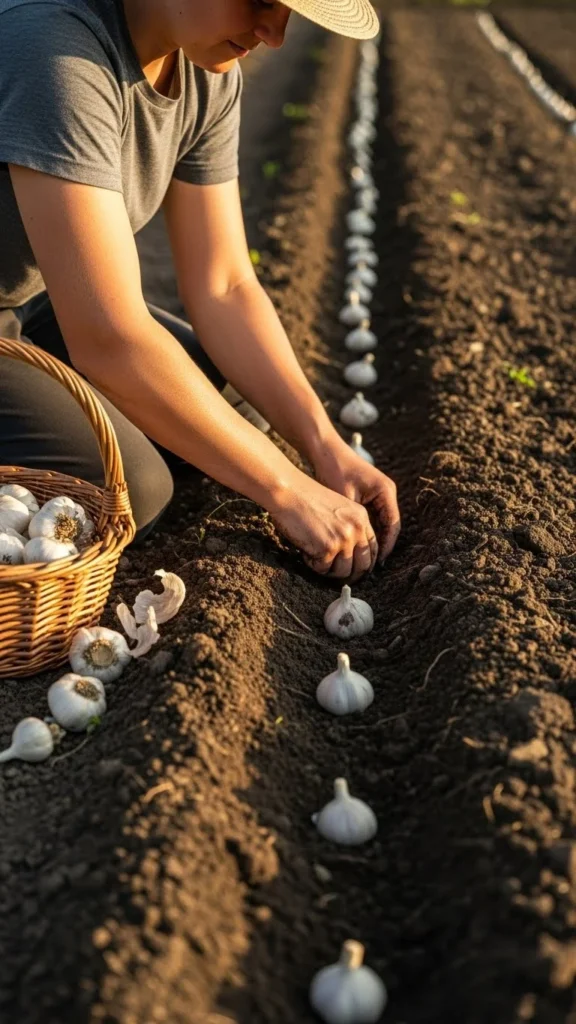
Garlic is planted in the fall for harvest next summer. Break bulbs into cloves and plant them pointy-side up, about 2 inches deep. Cover with mulch to protect from freezing. It’s a low-maintenance crop that rewards patience. By spring, you’ll see bright green shoots pushing through the soil.
13. Green Onions
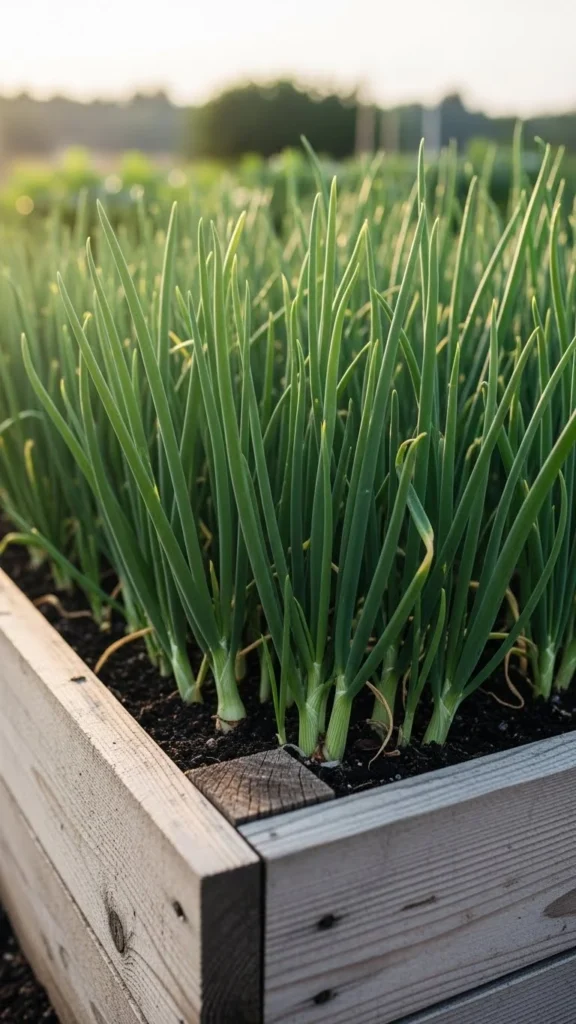
Green onions grow quickly and don’t mind cool weather. You can plant seeds or sets, and they’ll be ready in about 30 days. Snip leaves as needed to keep them regrowing. These onions are great for small gardens and pots. They add a fresh flavor to soups, salads, and omelets.
14. Peas
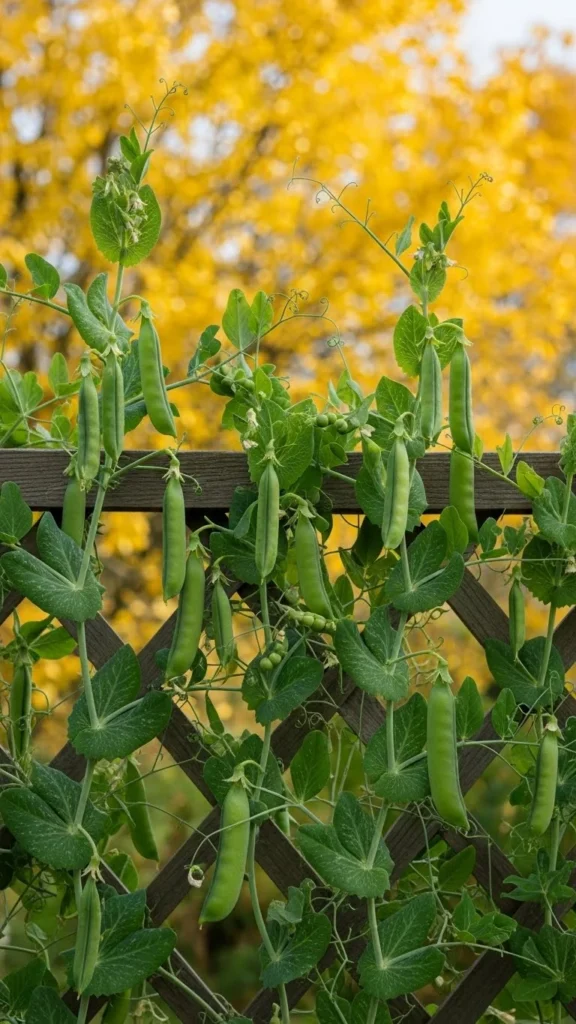
Cool weather brings out the best in peas. Choose bush or climbing varieties depending on your space. Support them with stakes or netting. Keep the soil moist but not soggy. You’ll enjoy sweet pods for weeks, and the plants will help enrich your soil with nitrogen.
15. Cauliflower
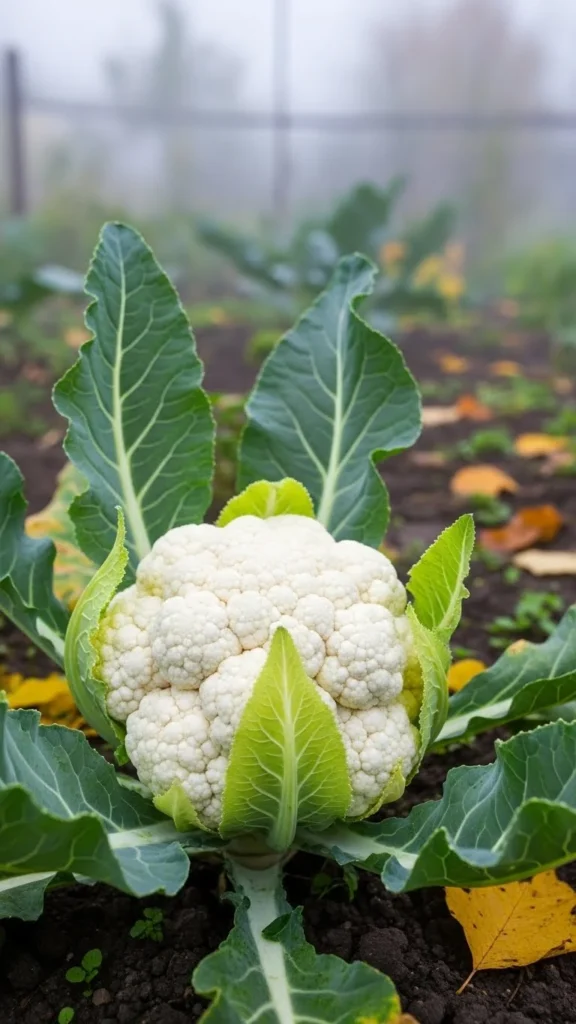
Cauliflower thrives when days are cool and nights are chilly. Start with young plants to save time. Keep soil consistently moist and add mulch to regulate temperature. For whiter heads, tie outer leaves over the developing curds. Harvest when heads are compact and firm for the best texture.
16. Collard Greens
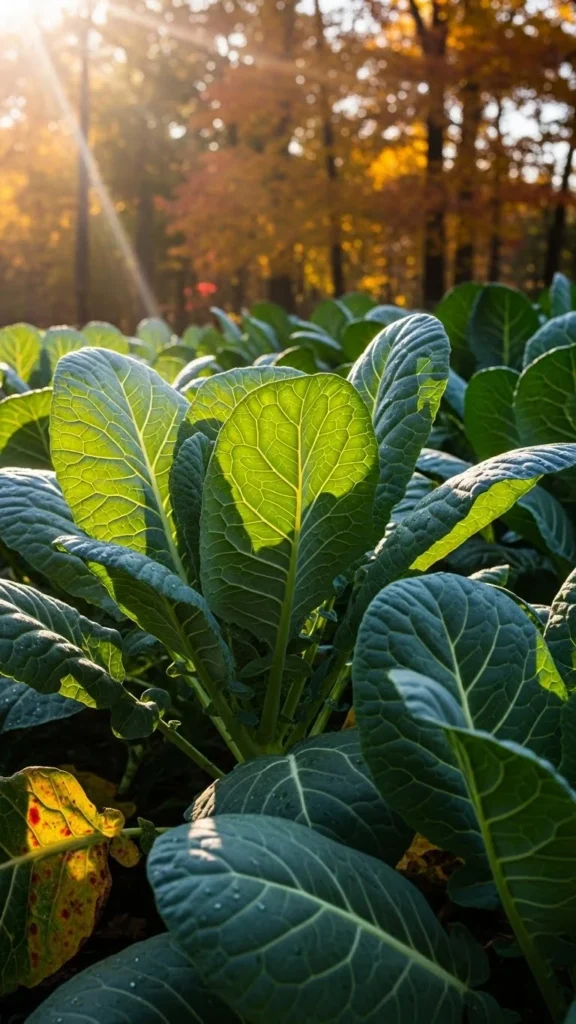
Collard greens handle frost better than most vegetables. Sow seeds directly or transplant young plants. Harvest leaves as they reach full size for tender texture. Add compost tea to the soil for steady nutrients. These greens are excellent for stews or quick sautés with garlic and lemon.
17. Mustard Greens
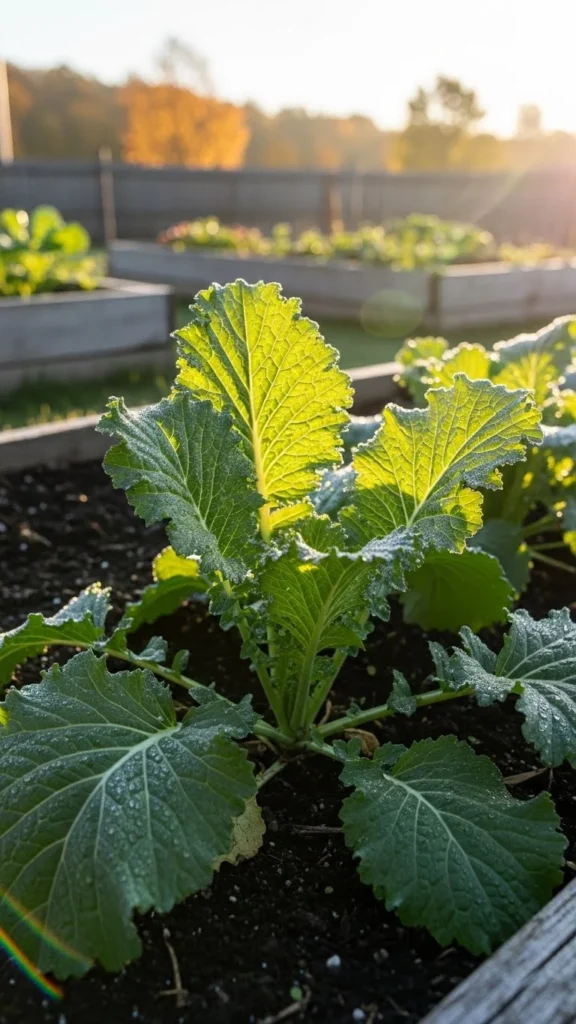
Mustard greens grow fast and offer a spicy flavor. Sow thickly and thin later to enjoy young, tender leaves. They grow well in pots or directly in the ground. Add compost and water consistently. For milder taste, pick leaves early. They’re excellent for salads or stir-frying.
18. Leeks
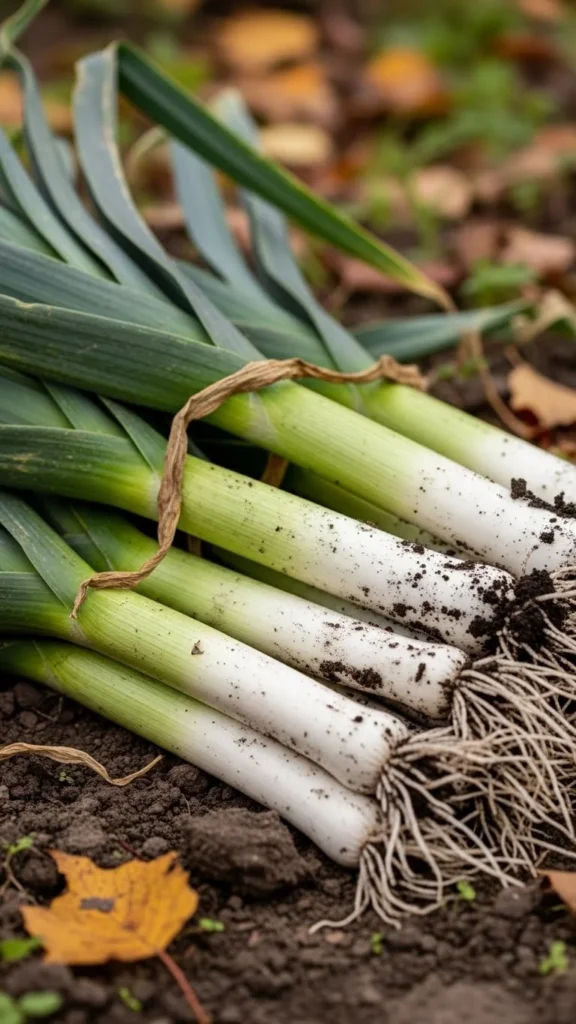
Leeks take a bit longer to mature but are worth it. Start with seedlings or transplants, and plant them deeply for long white stalks. Keep soil moist and add mulch for insulation. They can stay in the ground well into winter. Perfect for soups and creamy casseroles.
19. Parsnips
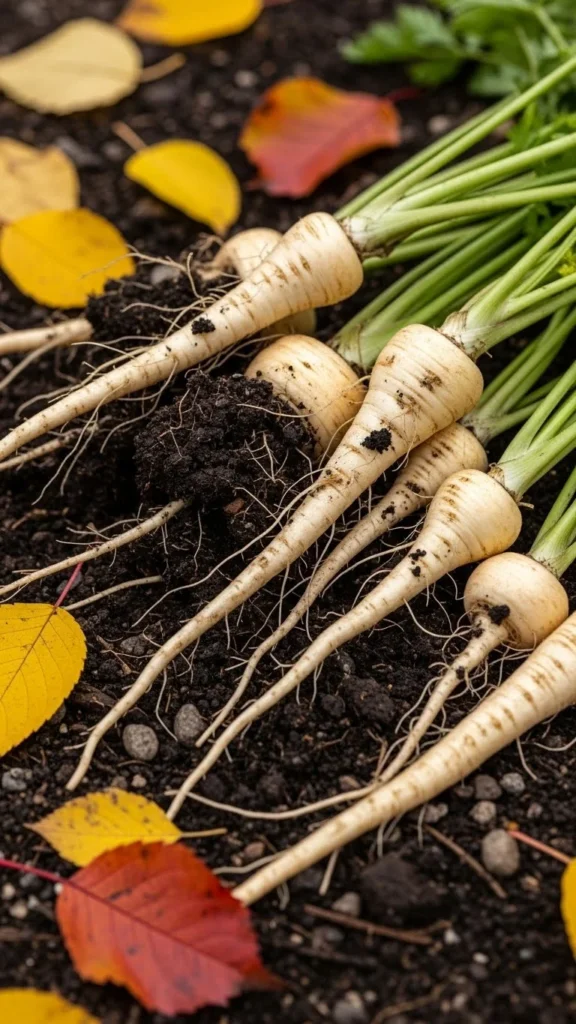
Parsnips resemble carrots but have a nutty flavor that improves with frost. Sow seeds early in fall and let them overwinter in the ground. Just make sure soil stays loose for straight roots. Harvest when tops die back. They’re delicious roasted or mashed with butter.
20. Bok Choy
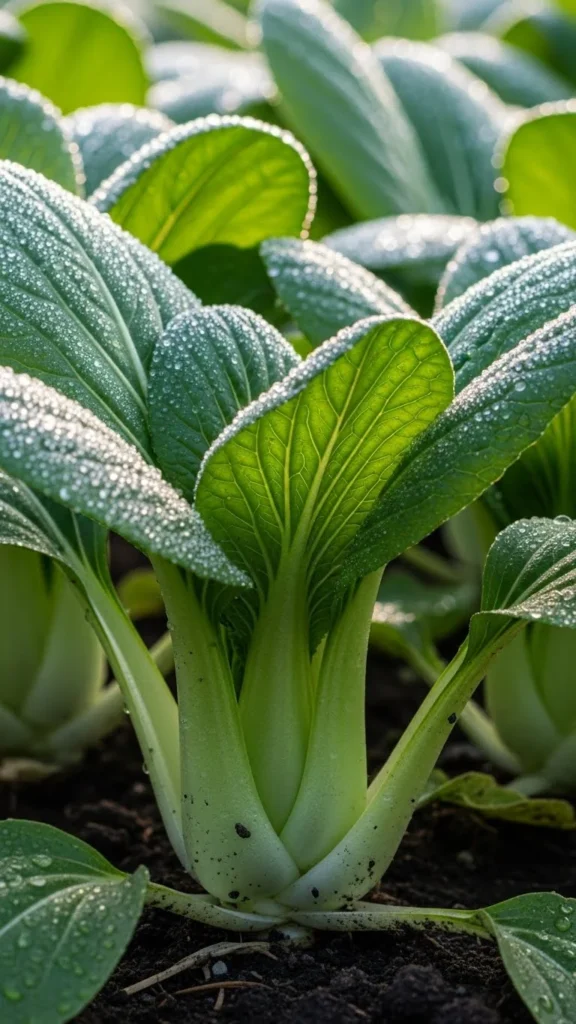
Bok choy grows beautifully in fall’s cooler temperatures. It’s ready in about 45 days. Plant seeds or transplants in rich, moist soil. Keep them shaded during heat spikes and water regularly. Pick young leaves for tender stir-fry greens or let heads mature fully for hearty soups.
21. Endive
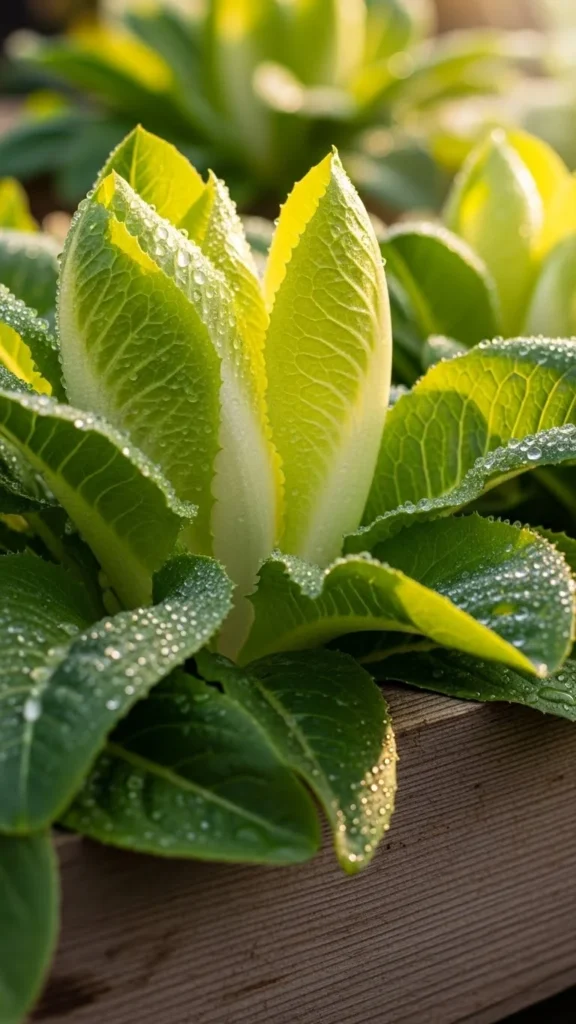
Endive adds texture and mild bitterness to salads. It grows best in cooler weather and can handle light frost. Sow directly into well-draining soil and keep moist. Harvest when leaves form a tight rosette. To reduce bitterness, cover the heads for a week before picking.
22. Kohlrabi
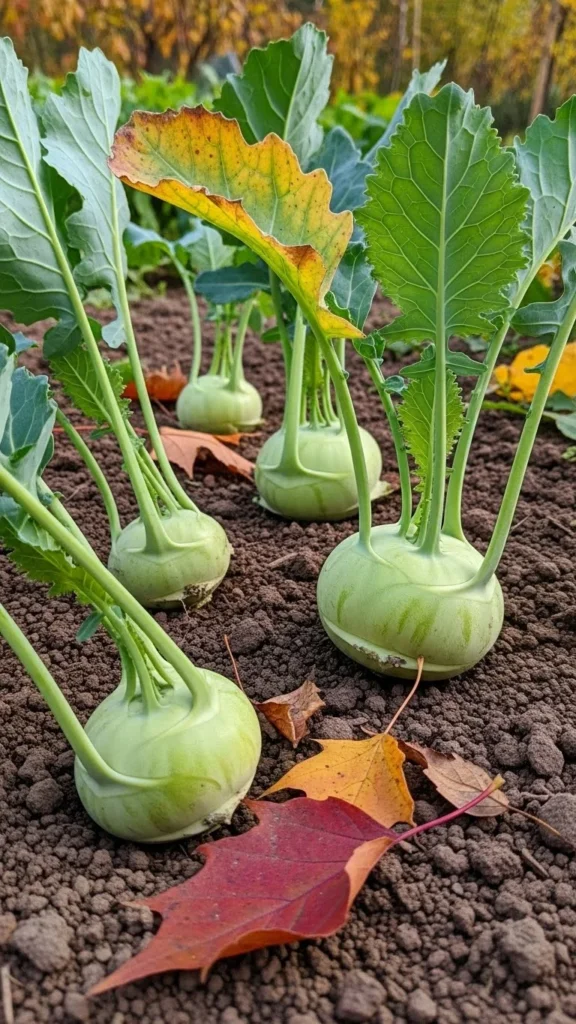
Kohlrabi might look unusual, but it’s easy to grow. Plant seeds directly into soil about ¼ inch deep. The bulbs form above ground and mature quickly. Harvest when they’re about the size of a tennis ball. Peel and enjoy raw or cooked—they taste like mild cabbage.
23. Rutabaga
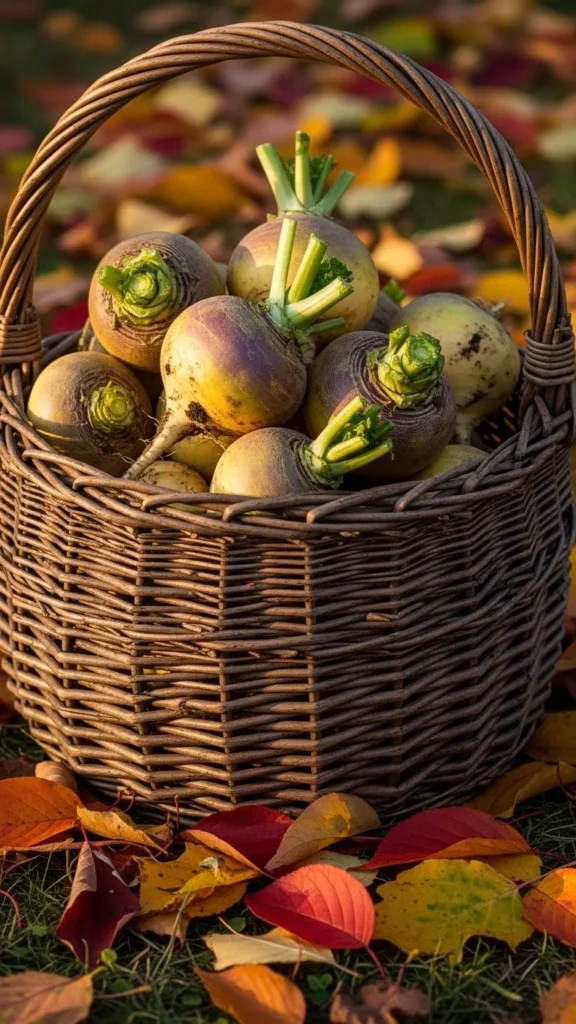
Rutabagas are cold-loving root crops perfect for fall. Plant seeds ½ inch deep in rich soil and keep evenly watered. They take about 90 days to mature. The roots store well, and the greens can be cooked too. Frost makes them taste sweeter, so harvest late in the season.
24. Celery
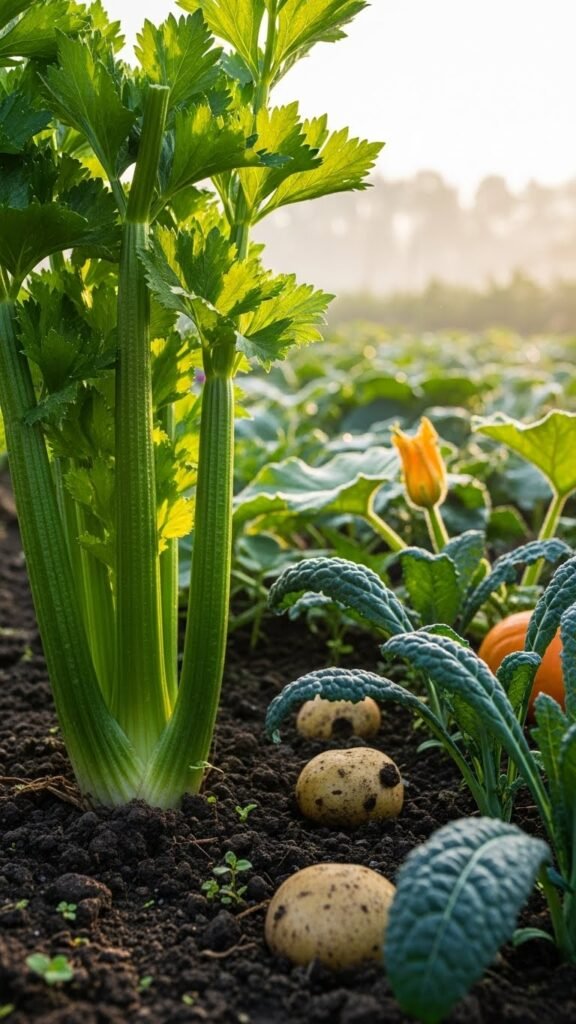
Celery takes patience but grows beautifully in cool weather. Start with transplants and keep soil evenly moist. Add compost for healthy stalks. Mulch heavily to retain water. You can harvest stalks individually or cut the whole bunch at once. Homegrown celery has richer flavor than store-bought.
25. Mâche (Corn Salad)
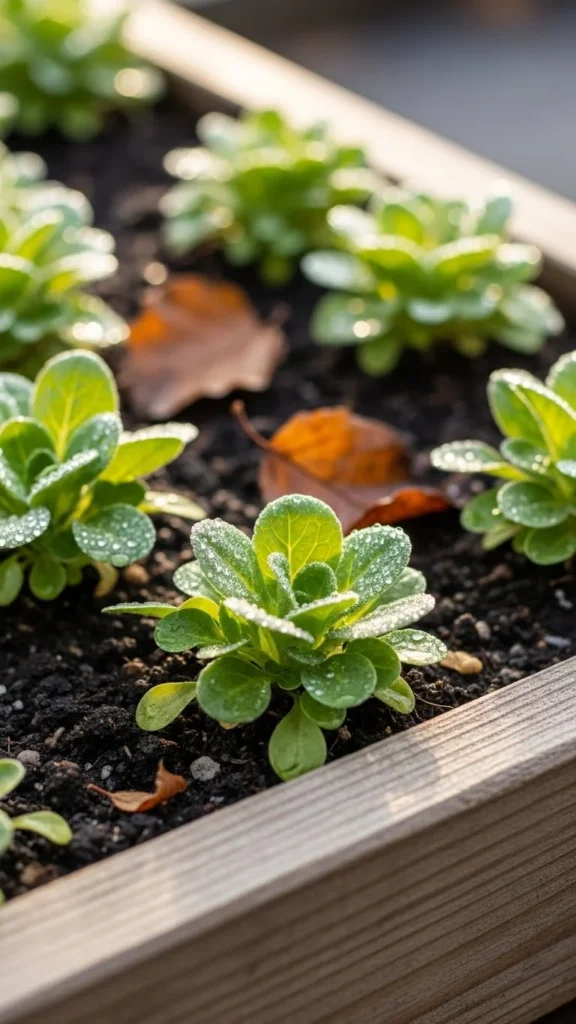
Mâche, also known as corn salad, thrives in chilly conditions. Sow seeds directly and water lightly. It grows fast and resists frost well. The small, tender leaves are perfect for salads. Because it’s compact, it fits easily into small pots or garden borders.
Conclusion
Fall gardening doesn’t have to end with the summer harvest. These 25 vegetables will fill your beds with color, flavor, and life even as the temperatures drop. Plant a mix of leafy greens, root crops, and hardy favorites to enjoy homegrown produce all season long. Grab your gloves, sow a few seeds, and keep your garden thriving well into the cooler months.

Leave a Reply