


As the growing season slows down, fall pruning becomes one of the most valuable tasks you can do to prepare your plants for the next year. Proper pruning in autumn helps prevent disease, shapes your plants, and encourages vigorous new growth once spring arrives. With the right timing and techniques, you’ll help your garden bounce back stronger and more vibrant than ever.
1. Prune Only When Plants Are Dormant
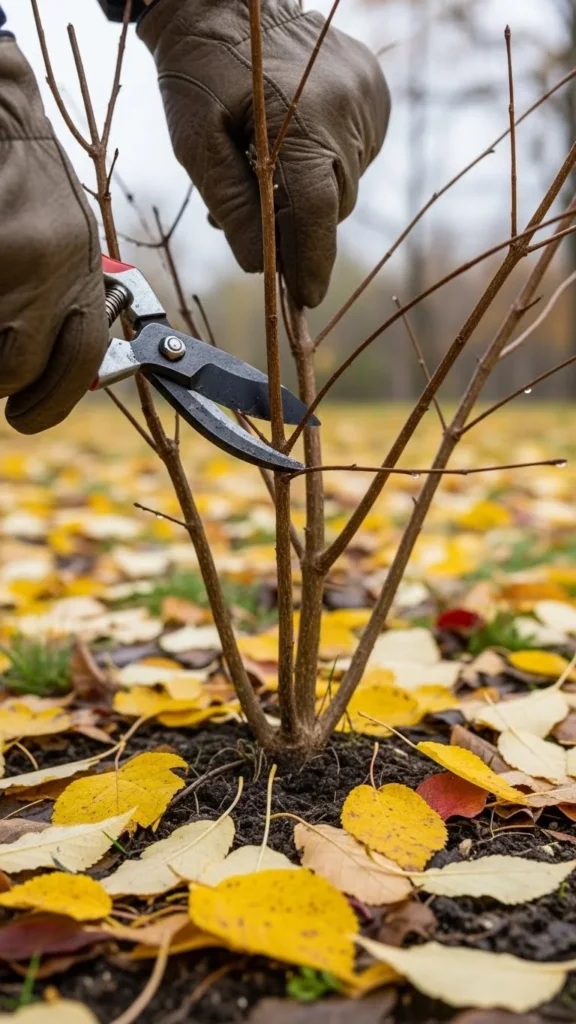
Wait until your plants start showing signs of dormancy—usually after the first frost. At this stage, the sap flow slows down, reducing stress on the plant. Pruning too early can cause new growth that gets damaged by frost. Observe the leaves: when most have dropped, it’s safe to start. For best results, prune mid-to-late fall, when temperatures are consistently cool.
2. Use Clean, Sharp Tools
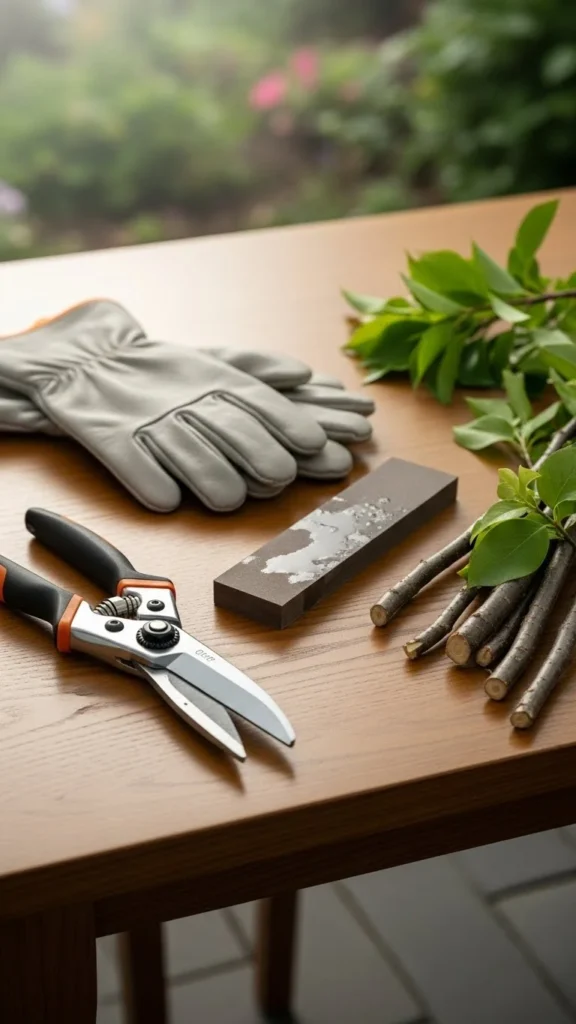
Always use sharp pruning shears or loppers. Dull tools crush stems instead of slicing them, leaving open wounds that attract diseases. Wipe your blades with rubbing alcohol between plants to prevent spreading fungi. You can sharpen blades at home with a whetstone or inexpensive sharpener—a five-minute step that makes a big difference.
3. Cut at a 45-Degree Angle
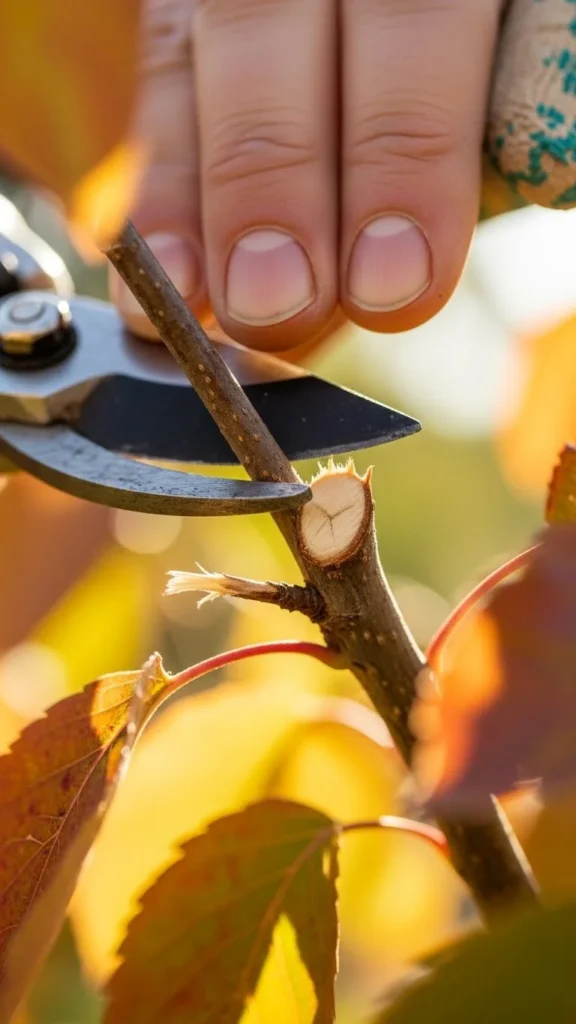
When cutting stems, make your cuts at a 45-degree angle facing away from the plant’s center. This encourages water to run off instead of pooling, helping the wound heal faster. Aim to cut just above a healthy bud or node so new growth can emerge cleanly in spring.
4. Remove Dead or Diseased Wood First
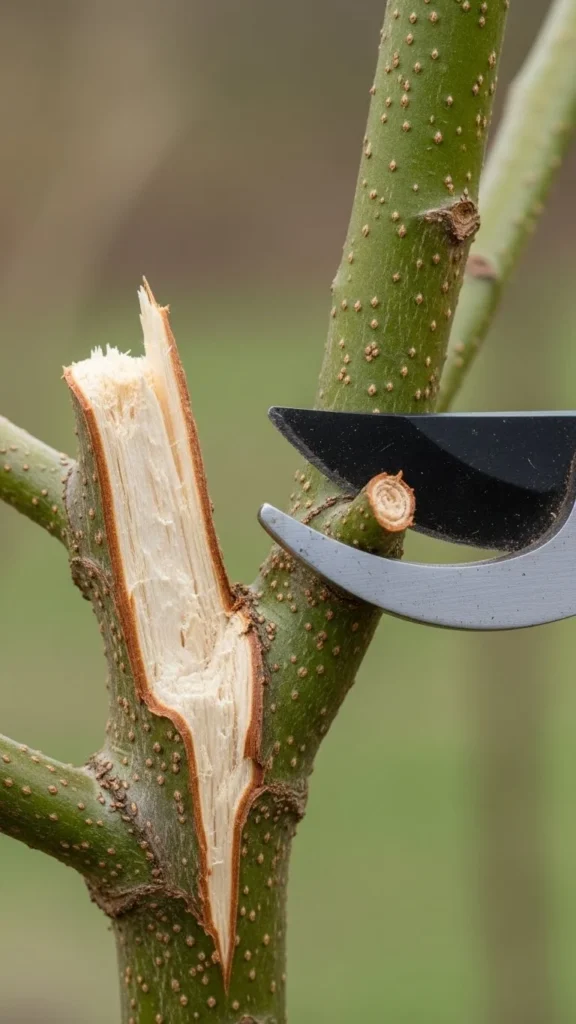
Start every pruning session by clearing away dead, diseased, or damaged wood. This improves airflow and prevents disease from spreading over winter. Dispose of infected branches—don’t compost them. If you’re unsure whether a branch is alive, gently scratch the bark; green means healthy.
5. Thin Out Crowded Branches
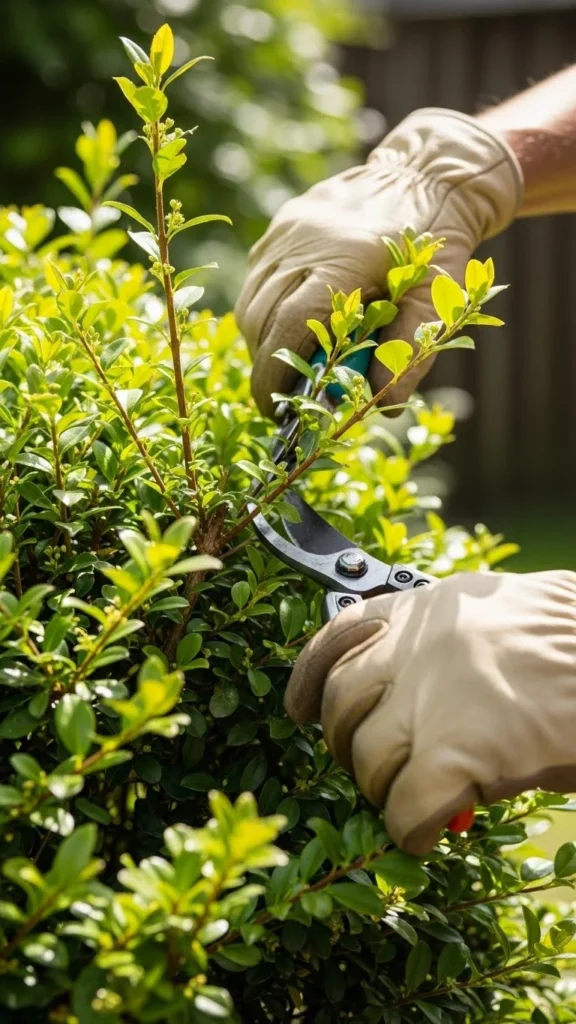
Crowded branches can trap moisture and block sunlight. In fall, thin them out so air can circulate freely. Focus on branches that cross or rub each other. This simple task reduces pest problems and gives your plant a cleaner, balanced shape.
6. Shape Shrubs Lightly
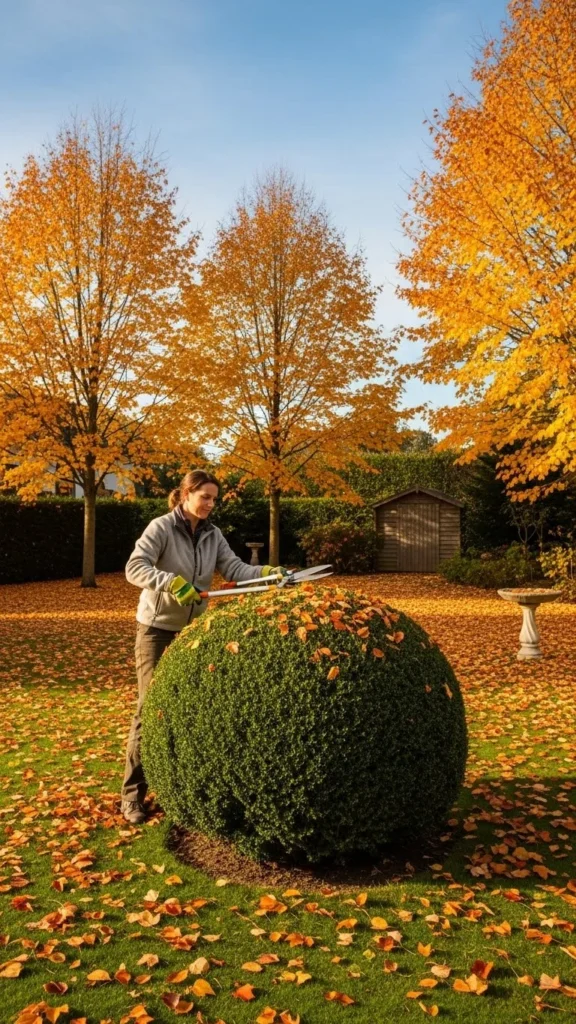
Give your shrubs a light trim to maintain their shape, but avoid heavy cutting. Removing too much growth can expose stems to frost damage. Stick to snipping stray or leggy shoots. You’ll get fuller, healthier growth when spring arrives.
7. Skip Pruning Spring-Flowering Plants
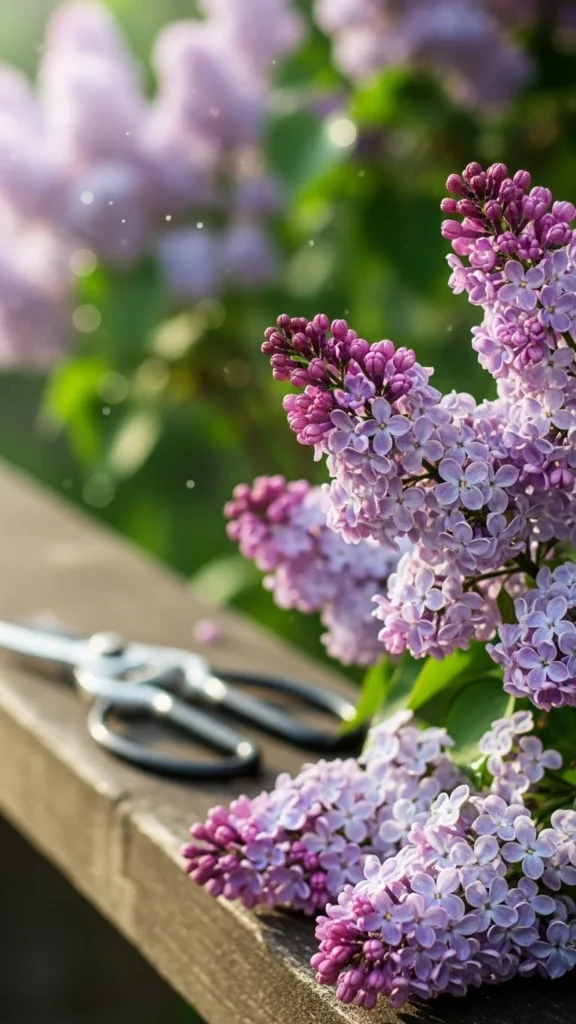
Plants like lilacs, forsythia, and azaleas set buds for next year during summer. If you prune them now, you’ll cut off their future blooms. Mark them to prune after they flower in spring instead. Focus on non-flowering shrubs or trees this season.
8. Tackle Perennials Gently
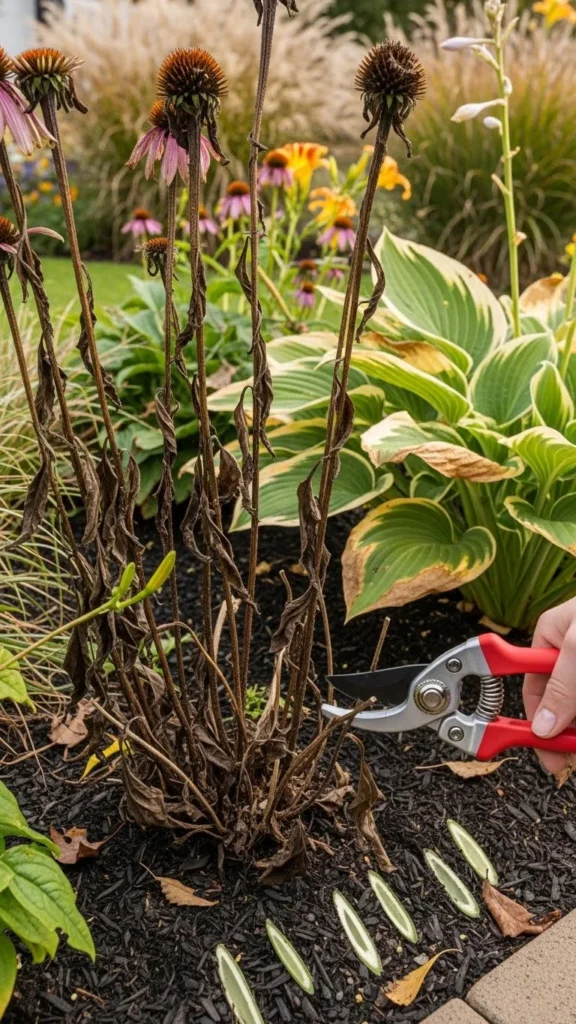
Cut back perennials that have finished blooming, leaving 2–3 inches above the soil. This keeps the garden tidy and helps control pests. Some perennials—like echinacea and black-eyed Susans—can be left standing for winter interest and seed for birds.
9. Leave Ornamental Grasses Until Late Winter
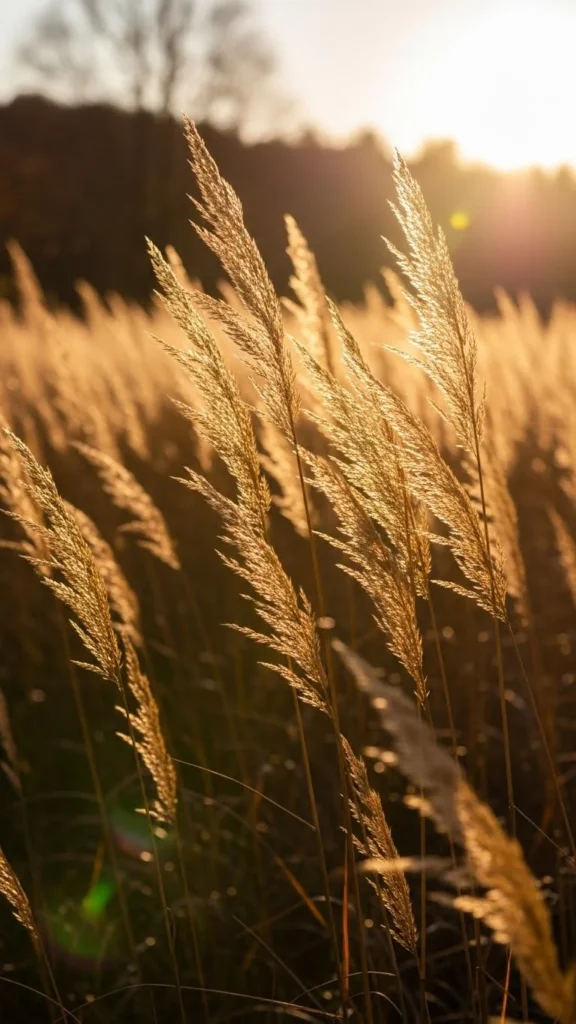
Ornamental grasses look beautiful all winter and protect the roots from freezing. Wait until late winter or early spring to cut them back to a few inches above the ground. Their tall stalks add texture and movement to your fall garden.
10. Trim Hedges Lightly
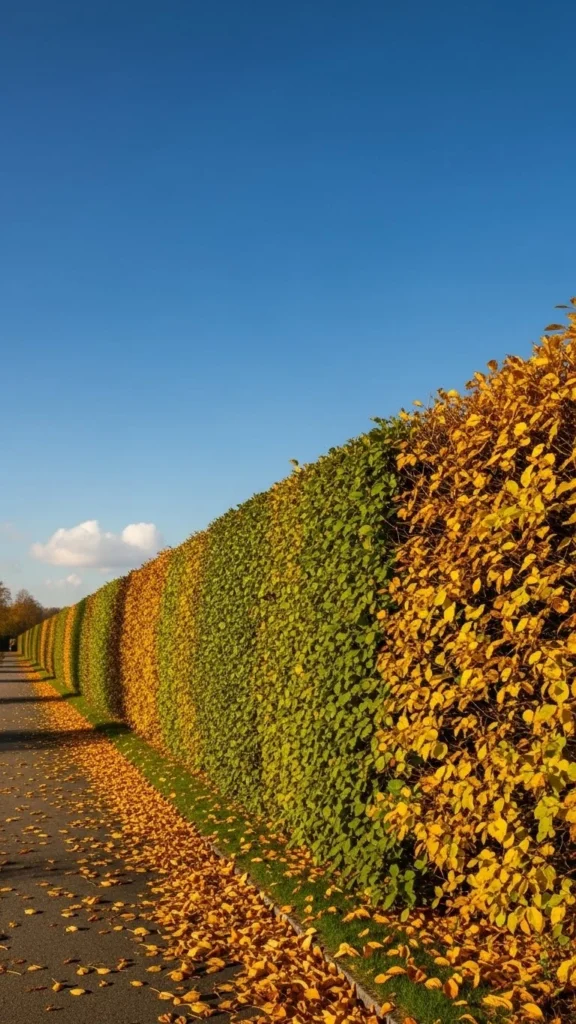
Hedges don’t need a heavy cut before winter. Just neaten them up by removing wayward branches. This light maintenance keeps their shape intact without encouraging tender new growth that could be damaged by cold weather.
11. Cut Back Herbs Wisely
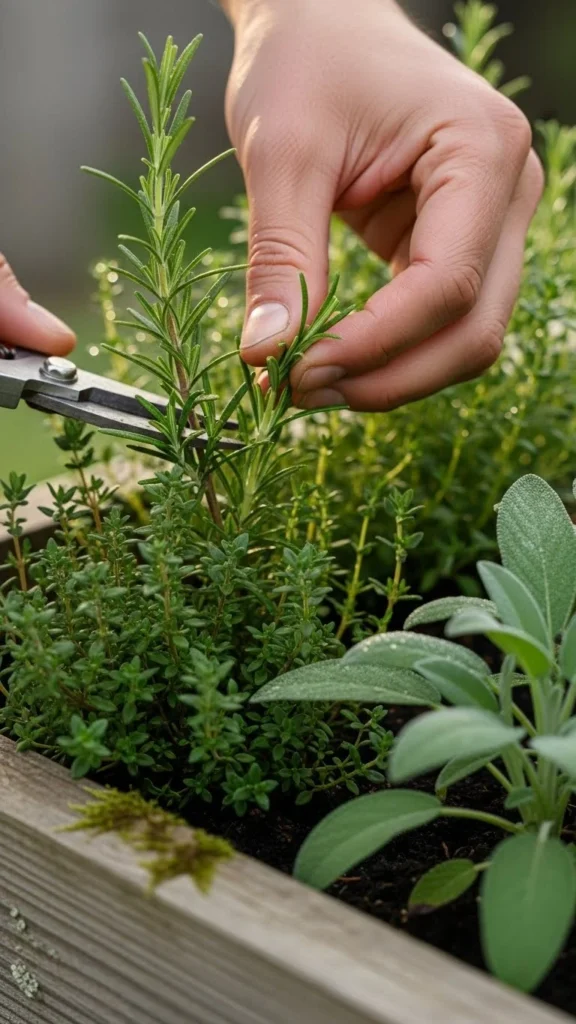
Woody herbs like rosemary and thyme prefer minimal fall pruning. Trim lightly to remove spent flowers and tidy up the plant. For tender herbs such as basil or mint, harvest the last of the leaves before frost, then compost the rest.
12. Protect Pruned Areas from Frost
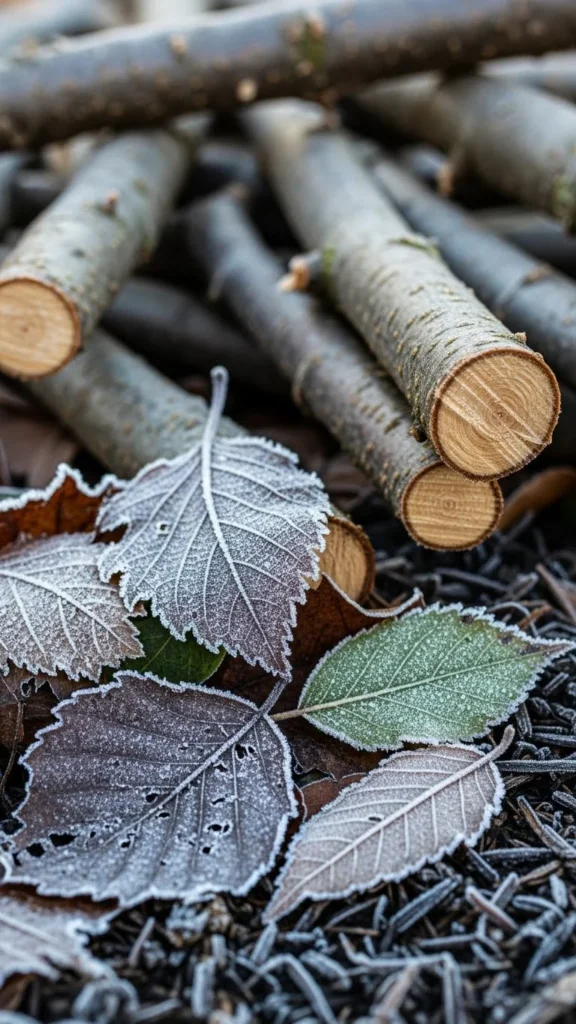
After pruning, add mulch around the plant’s base to insulate the roots. This helps protect pruned areas and retains soil warmth. Avoid wrapping branches directly, as trapped moisture can cause rot. Natural mulch like shredded leaves works best.
13. Prune Fruit Trees After Leaf Drop
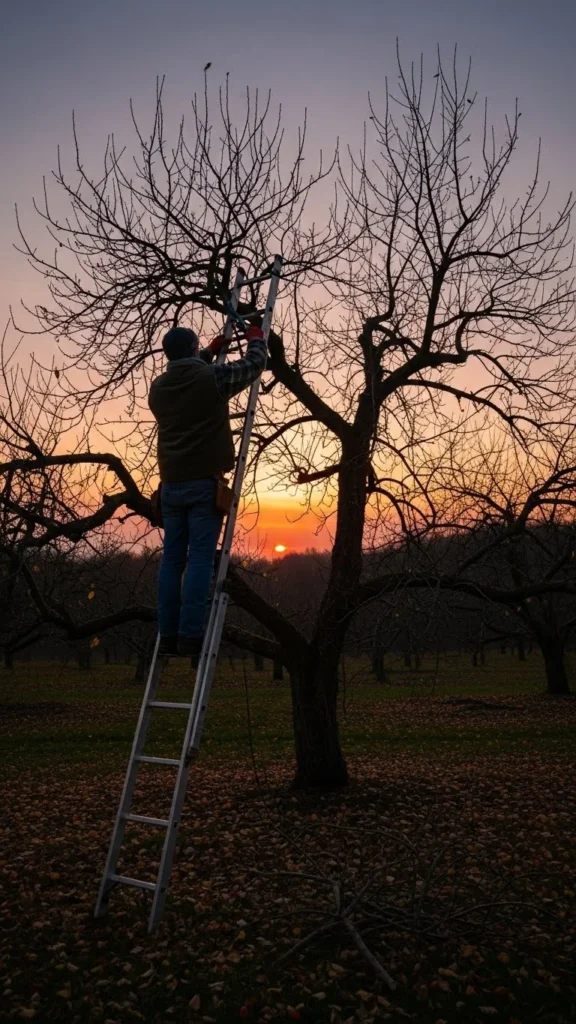
Once fruit trees have dropped their leaves, prune to remove weak or crossing branches. This encourages better airflow and sun exposure next season. Make sure cuts are clean and minimal—fruit trees respond better to light trimming.
14. Leave Evergreens Alone
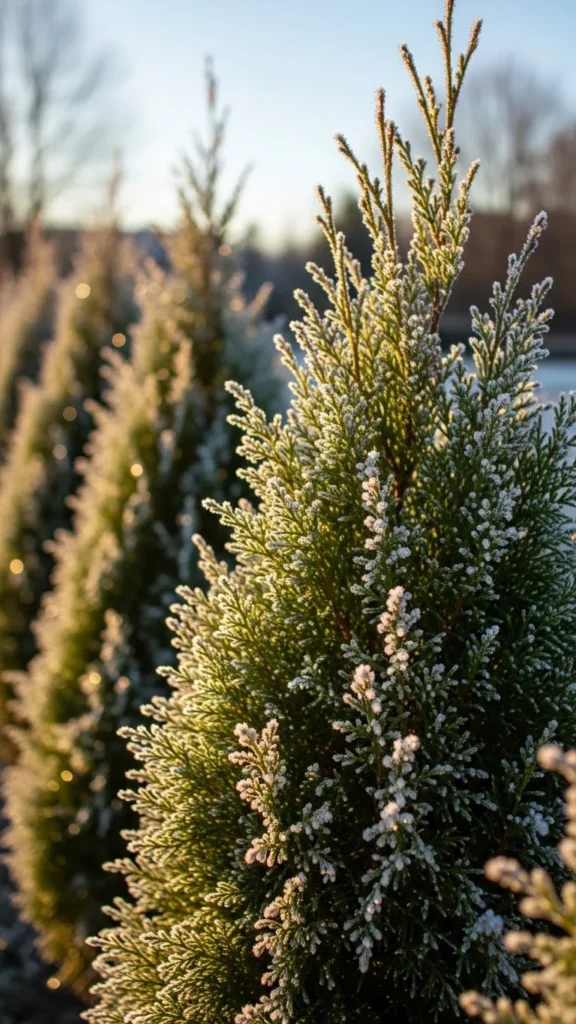
Avoid pruning evergreens in fall. Their growth slows down, and cuts may not heal before winter. Wait until late winter or early spring instead. For now, remove only dead or diseased branches if absolutely necessary.
15. Clean Up Around Plants
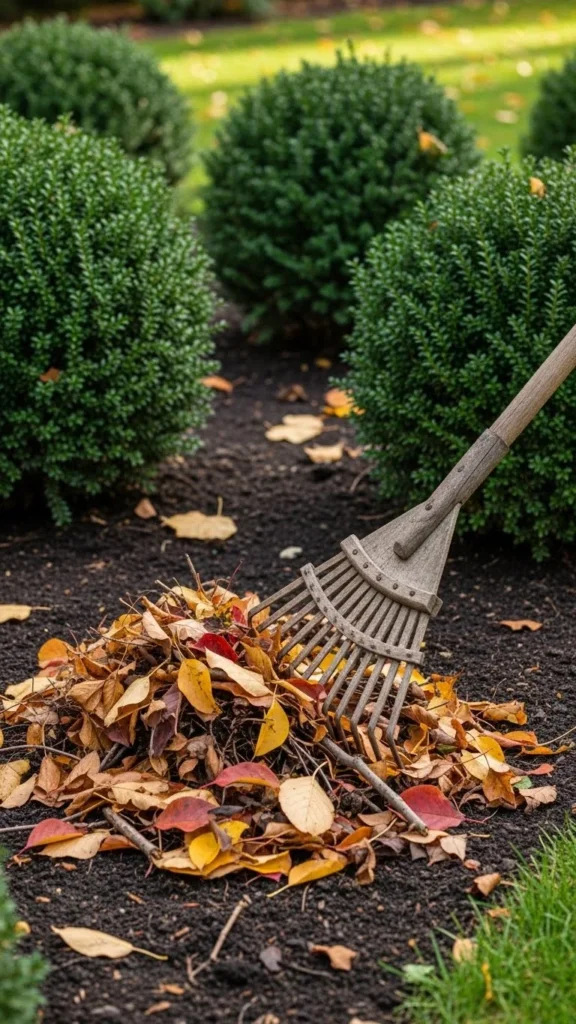
After pruning, rake up fallen leaves and twigs. This prevents fungal spores and insects from overwintering in your garden. Compost healthy debris and dispose of diseased material separately. A clean base sets the stage for healthy spring growth.
16. Disinfect Tools After Use
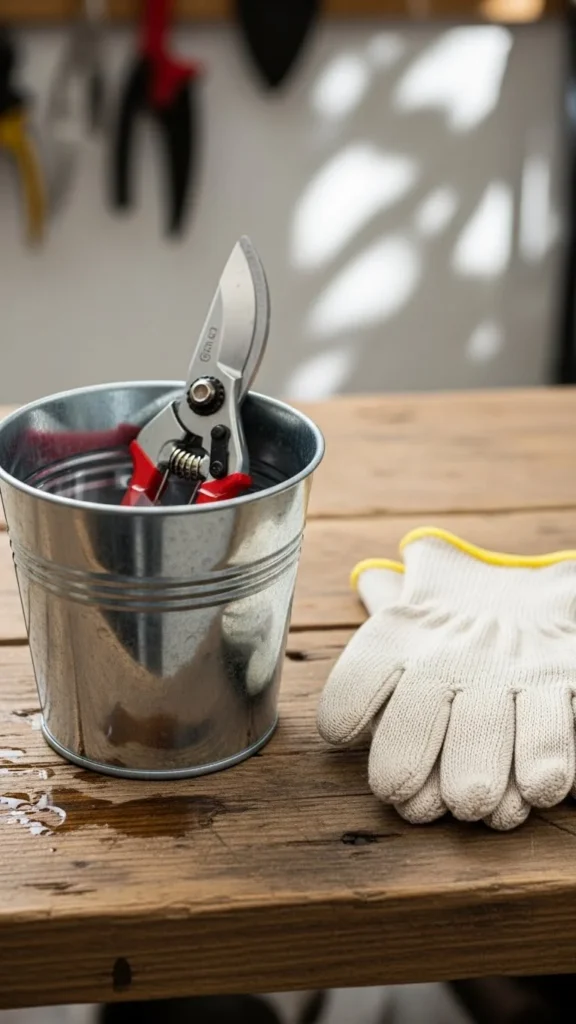
Always disinfect your tools after each pruning session. Mix one part bleach to nine parts water and dip blades for a minute. Dry them completely before storing to prevent rust. This simple habit stops diseases from spreading between plants.
17. Label Pruned Plants
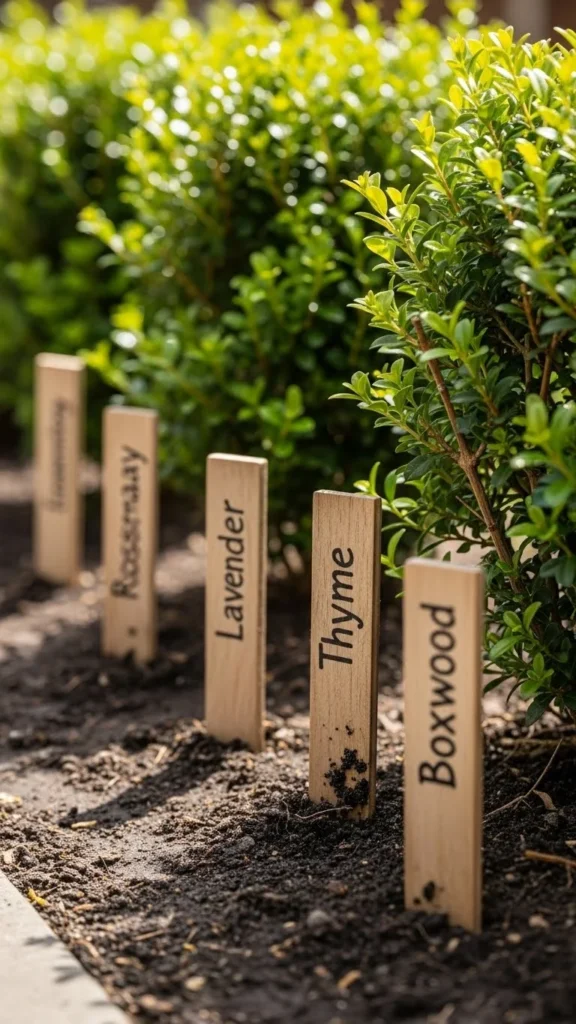
Label your pruned plants so you remember what’s been trimmed and when. This helps track which ones are due for spring maintenance. Use weatherproof tags or wooden markers. It’s a small touch that keeps your garden organized year-round.
18. Compost Healthy Clippings
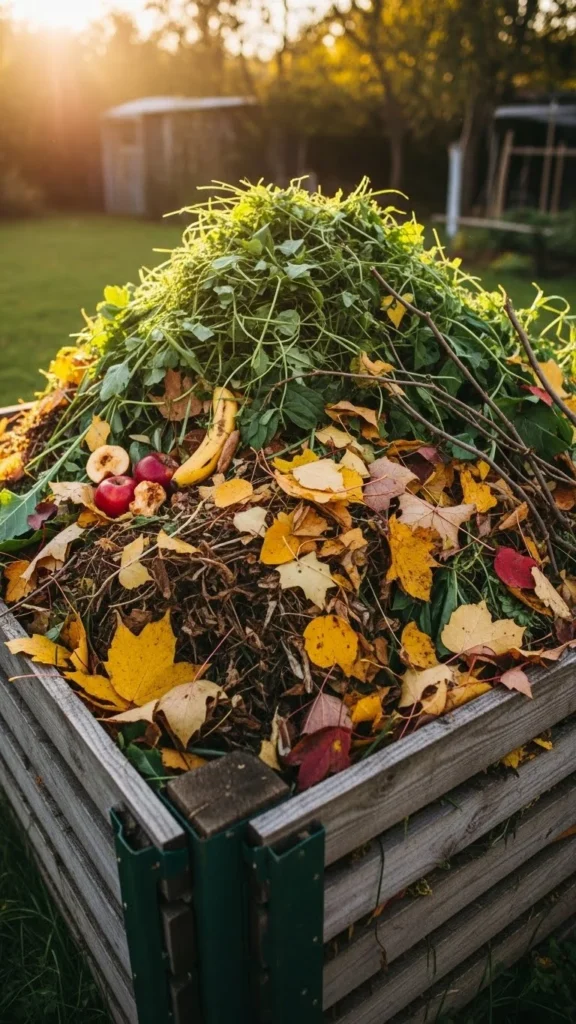
Turn your healthy pruning debris into compost. Shredded leaves, stems, and small branches break down into rich soil amendment. Avoid composting diseased material. Mixing green and brown matter keeps the pile balanced and breaks down faster.
19. Prune Climbing Vines
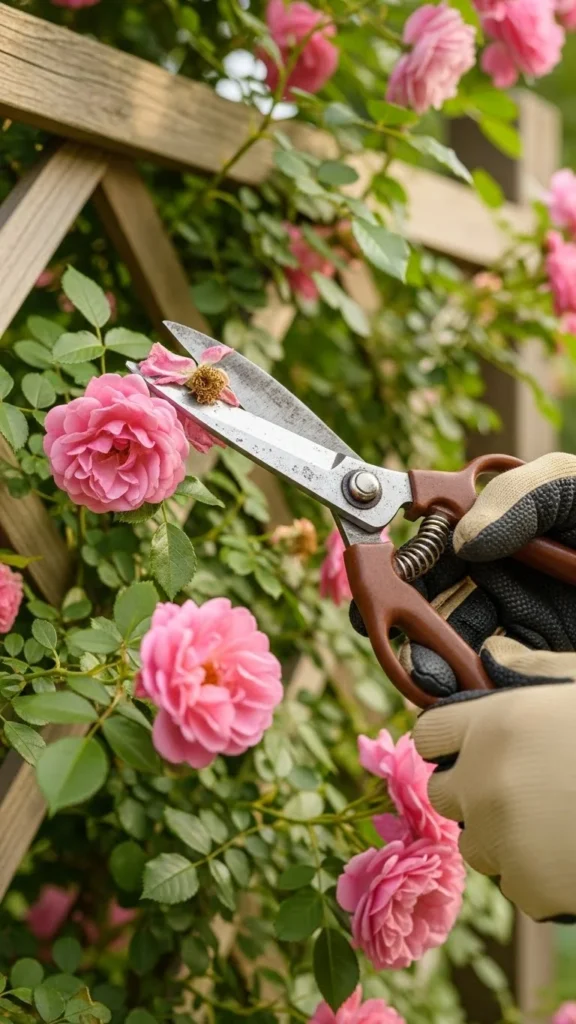
Cut back climbing plants like clematis or honeysuckle after they finish flowering. Remove tangled or old stems to encourage new shoots. Secure remaining vines neatly on the trellis with soft ties to prevent winter wind damage.
20. Observe Plant Reactions Over Time
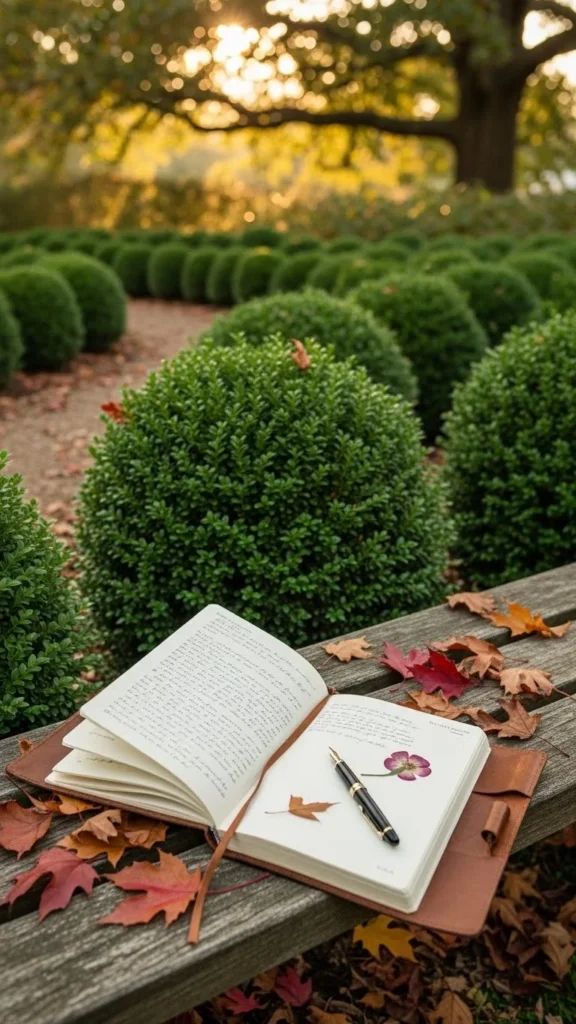
Keep notes on how your plants respond to fall pruning. Some may prefer less trimming than others. Observing regrowth each spring helps refine your pruning habits. Over time, your garden becomes healthier and easier to manage.
21. End with a Mulch Blanket
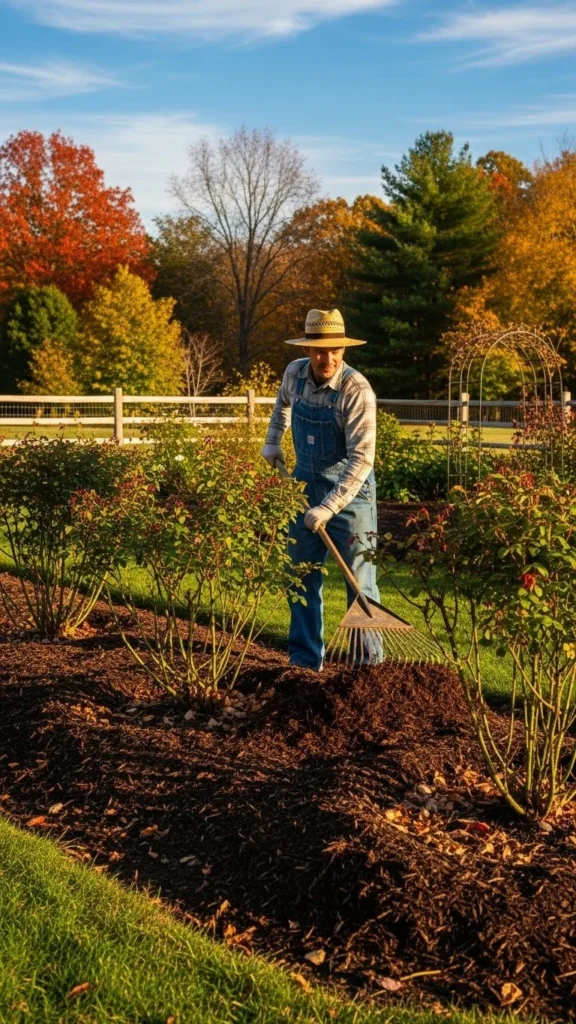
Finish the season by adding a thick layer of mulch around your pruned plants. It protects roots, prevents weeds, and keeps soil temperature steady. Use shredded bark, compost, or leaves for a natural look that also nourishes the soil.
Conclusion
Fall pruning sets the stage for a healthier, stronger garden in the coming year. By working with the natural rhythm of dormancy, using clean tools, and cutting smartly, you help your plants rest well through winter. Come spring, you’ll be rewarded with thriving blooms, fuller foliage, and a garden that’s ready to grow without setbacks. A little care now leads to stunning growth later—so grab your shears and start trimming smart this season.

Leave a Reply