

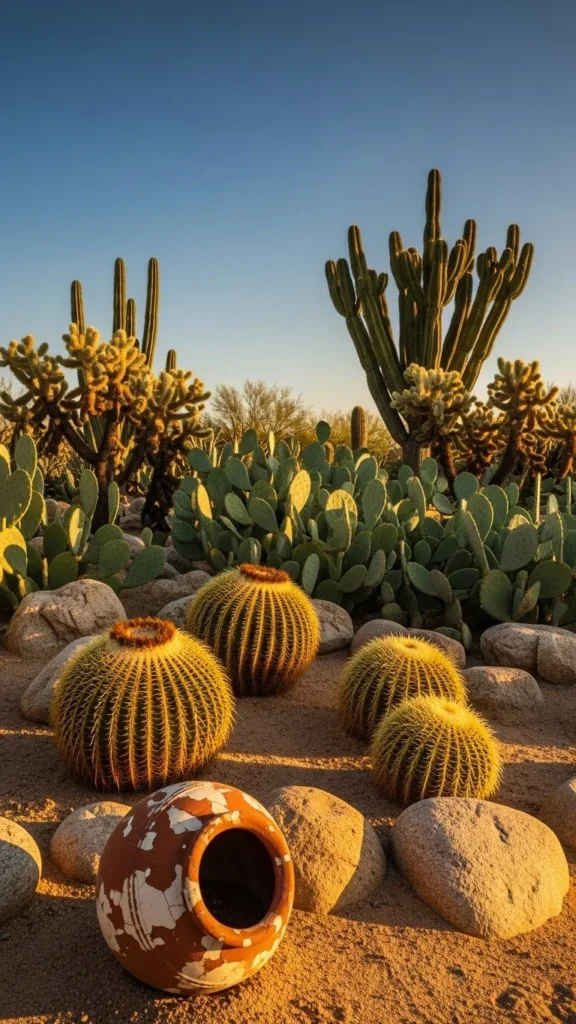
Cactus gardening is one of the easiest and most rewarding ways to create a low-maintenance, water-smart landscape. These hardy plants thrive where others wilt, turning arid spaces into stunning displays of texture, shape, and color. Whether you live in the desert or just want drought-tolerant beauty, learning how to care for cacti properly will make a big difference. Here are 20 cactus gardening tips to help you grow healthy, resilient plants that thrive year-round.
1. Choose the Right Varieties for Your Region
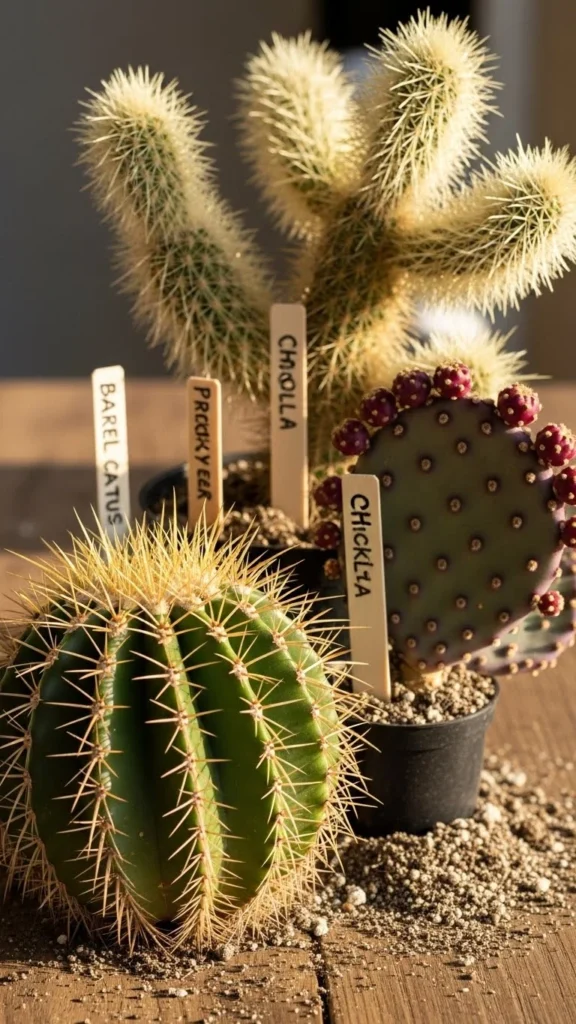
Not all cacti handle the same level of heat or cold. Before planting, research which varieties naturally thrive in your climate. Desert regions do best with species like saguaro or barrel cactus, while coastal or humid zones may prefer Christmas cactus or epiphyllum.
Visit local nurseries that specialize in succulents—they often stock species adapted to your area. If you’re on a budget, trade cuttings with neighbors or join local gardening groups. Choosing the right type from the start keeps your garden healthy and reduces the chance of rot or stress later on.
2. Use Well-Draining Soil
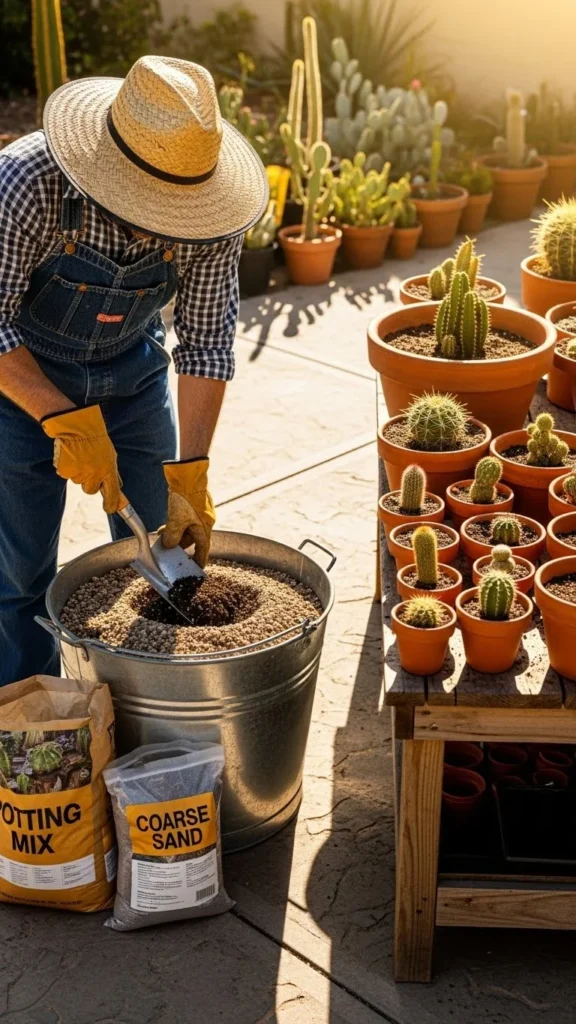
Cacti hate soggy roots. Regular garden soil holds too much moisture, which can lead to rot. Mix sand, pumice, and coarse gravel with potting soil to create a fast-draining blend. You can also buy commercial cactus mixes—they’re worth it if you’re short on time.
For DIY enthusiasts, combine two parts sand with one part soil and one part perlite. Always test drainage by watering and watching how quickly it flows through. The goal is to let water escape freely while retaining slight moisture for root access.
3. Pick Terracotta or Clay Pots
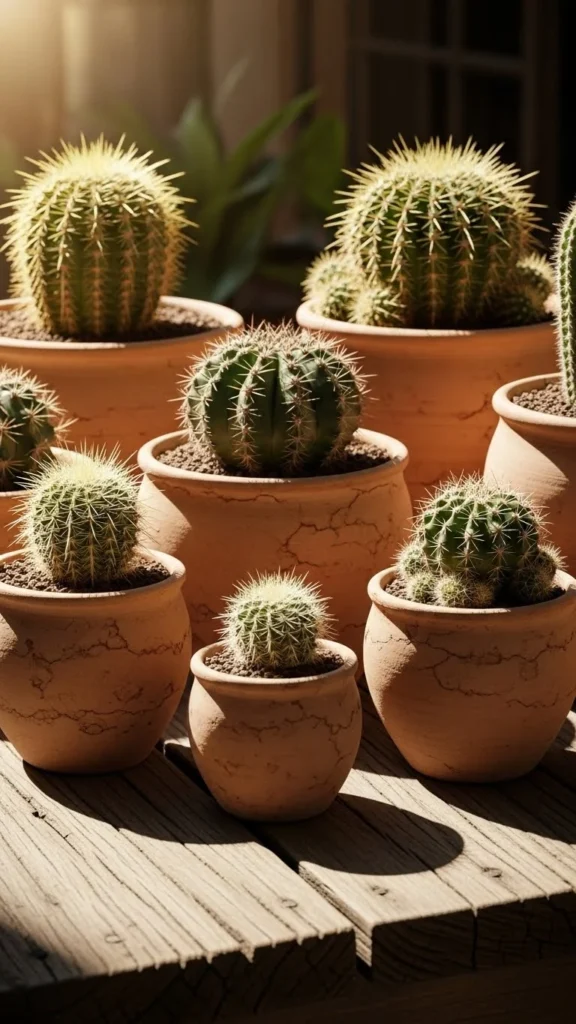
Terracotta pots are breathable and wick away extra moisture, which helps prevent overwatering. Plastic or ceramic containers trap water longer, which can stress cactus roots.
If you’re planting indoors, make sure every pot has a drainage hole. For large outdoor cacti, use unglazed clay containers—they balance temperature swings better. You can even paint the outer surface for a decorative touch without sealing the inside.
4. Give Them Plenty of Light
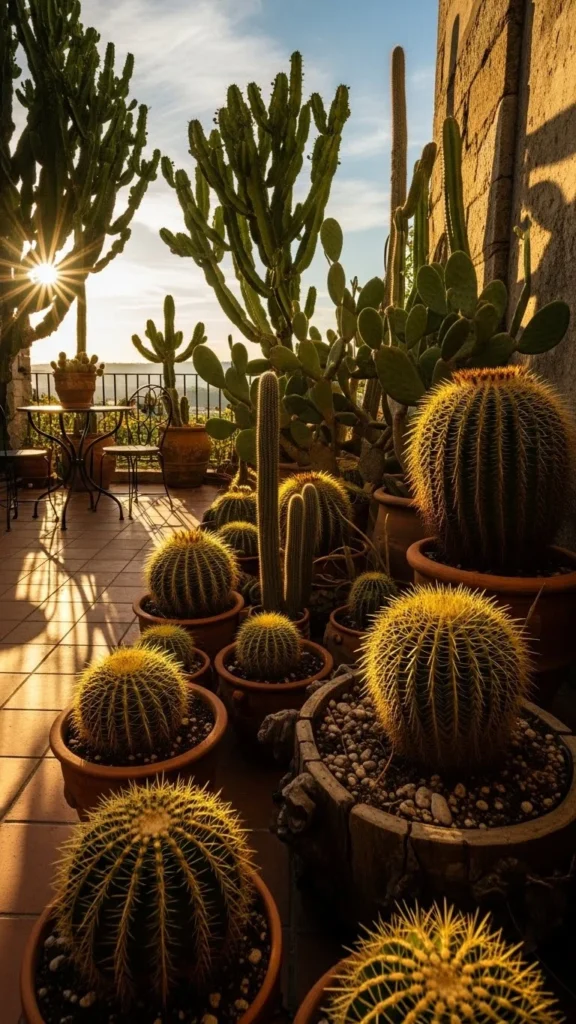
Cacti crave sunlight—at least six hours a day. Place them in bright spots such as south-facing windows or sun-drenched patios. Gradually expose young plants to full sun so they don’t scorch.
For indoor setups, use a grow light during cloudy months. It’s affordable and mimics desert sun intensity. Rotate pots every few weeks so all sides receive equal exposure. Balanced light means even growth and stronger stems.
5. Water Sparingly but Deeply
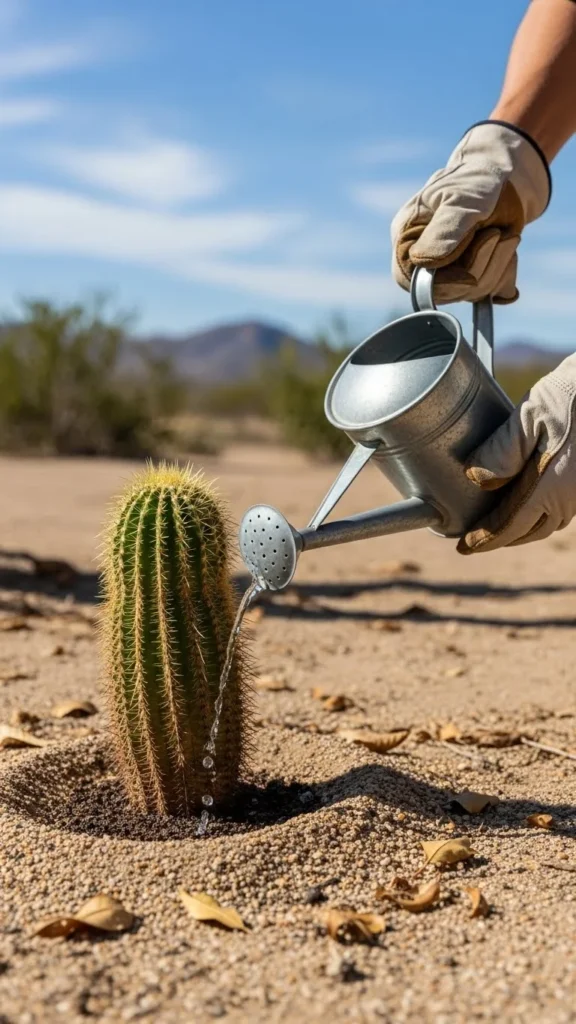
Cacti prefer deep but infrequent watering. Let the soil dry completely between sessions. When watering, soak thoroughly until water drains out of the pot’s bottom—this encourages deep root growth.
In hot months, once every 10–14 days is usually enough. In cooler weather, reduce watering to once a month or less. Avoid misting or shallow sprinkling; it only dampens the surface without reaching roots.
6. Protect from Frost

Cold snaps can damage desert cacti fast. When frost is forecasted, cover your plants with burlap, frost cloth, or old sheets overnight. Avoid plastic—it traps moisture and causes freezing damage.
If you live in a region with harsh winters, grow cacti in pots so you can move them indoors temporarily. A bright window or sunroom keeps them safe until temperatures rise again.
7. Avoid Overcrowding
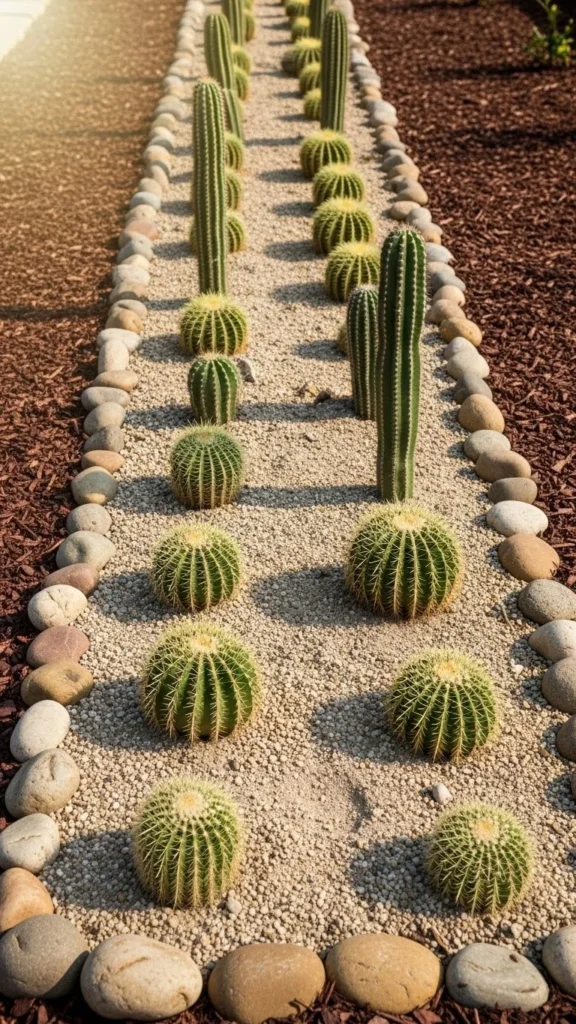
Cacti need airflow to stay healthy. Planting them too close traps humidity, which encourages mold and pests. Leave at least one foot of space between medium-sized cacti and even more for larger species.
This spacing also makes your garden visually appealing. Mix in rocks or driftwood for natural accents that break up the layout without crowding your plants.
8. Use Gravel Mulch
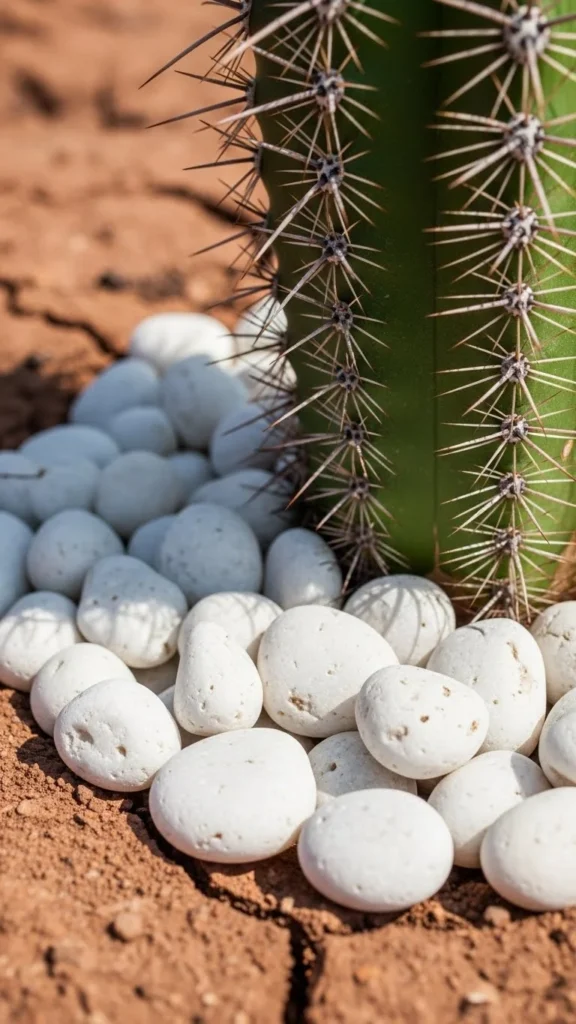
Instead of bark mulch, use crushed rock or gravel. It keeps soil from eroding, reflects sunlight, and prevents weeds from taking over. Gravel also reduces evaporation—perfect for dry climates.
Choose light-colored stones to brighten your garden and keep roots cooler. A one-inch layer is usually enough. It’s decorative and functional—one of the easiest upgrades for cactus gardens.
9. Propagate from Cuttings
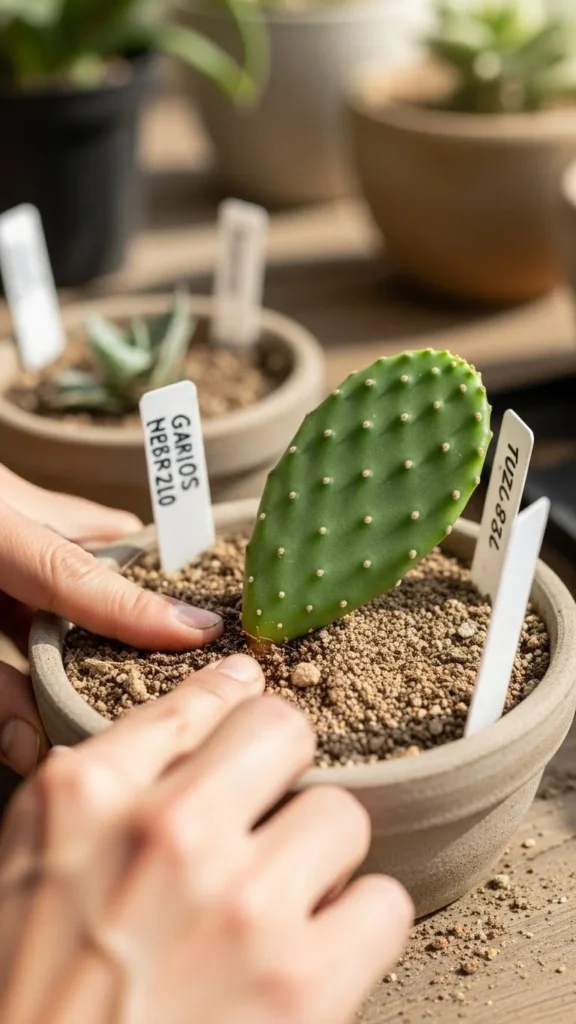
Cacti multiply easily through cuttings. Slice a pad or stem using a clean knife and let it dry for a few days until the cut end forms a callus. Then, place it in dry soil and water lightly after a week.
You can grow dozens of new plants this way without buying more. It’s also a great way to share your garden with friends. Keep propagation trays in a warm, shaded spot until roots form.
10. Fertilize Sparingly
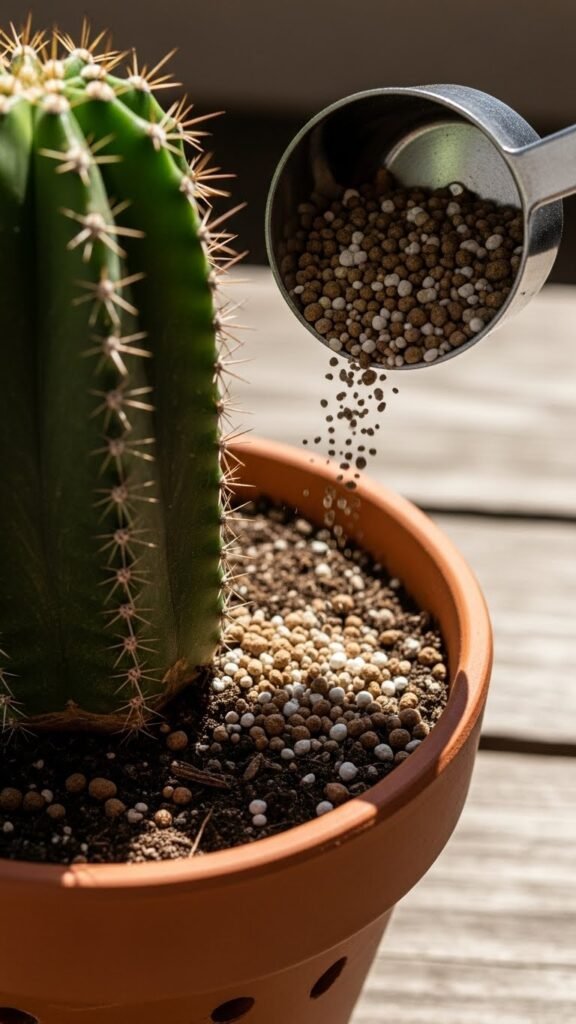
Cacti don’t need much feeding. Use a low-nitrogen fertilizer once in spring and again in summer. Overdoing it causes weak, soft growth that’s prone to damage.
If you prefer natural methods, mix compost tea or diluted fish emulsion in small amounts. Always water before fertilizing to prevent root burn. Consistent but light feeding keeps them vibrant without forcing rapid growth.
11. Rotate for Balanced Growth
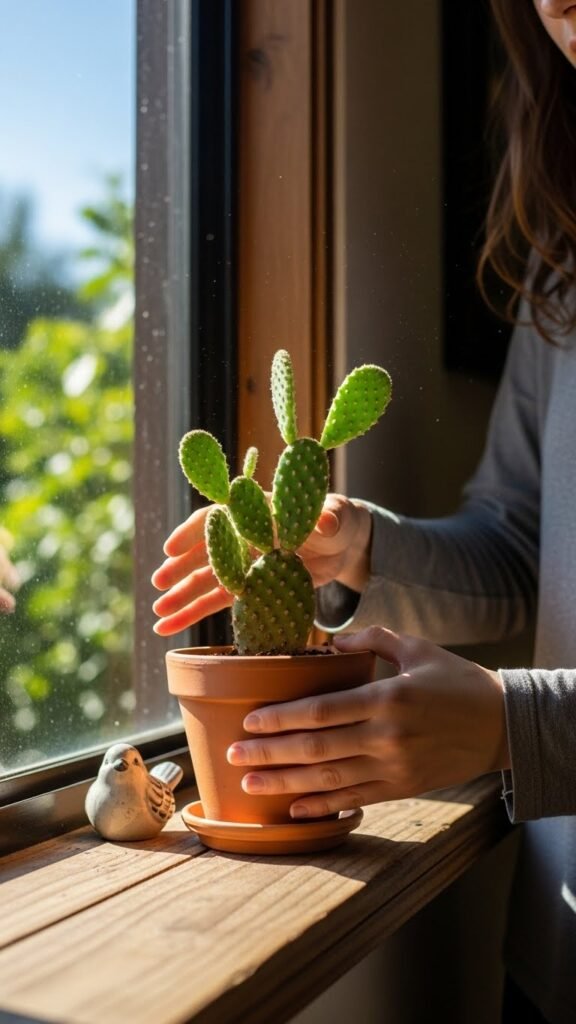
Indoor cacti often lean toward light sources. Rotate your pots every few weeks for even growth and balanced form. It’s a simple habit that prevents one-sided development.
If your cactus starts bending, rotate and reduce watering slightly to help it adjust. This tip keeps plants strong and upright for years.
12. Control Pests Naturally
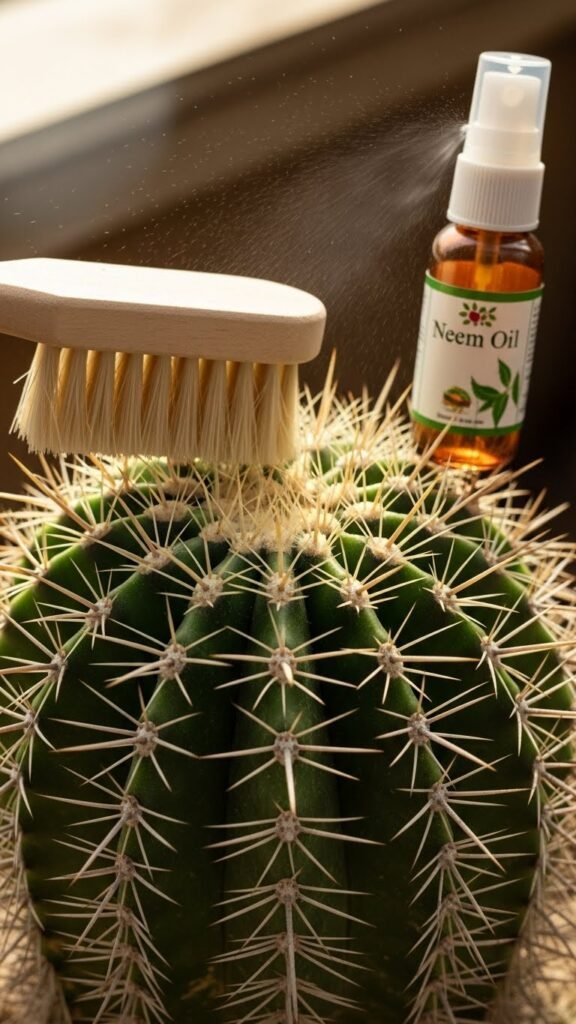
Spider mites and mealybugs can sneak in. Use neem oil spray or a mix of mild soap and water to keep pests under control. Always test on a small area before applying fully.
For outdoor gardens, attract ladybugs or lacewings—they feed on pests naturally. Regularly inspect your plants, especially under pads and around spines. Early care saves your cactus from long-term stress.
13. Avoid Touching with Bare Hands
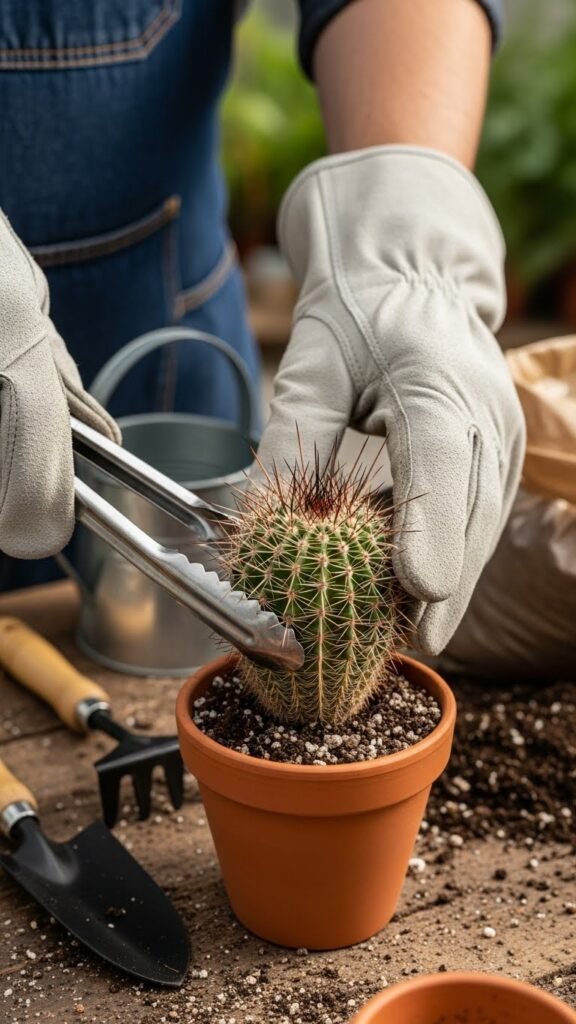
Many cactus spines are hair-thin and difficult to remove once embedded. Always wear leather or rubber gloves when handling them. For extra prickly species, use tongs or folded newspaper to grip the base.
Keep tweezers handy for removing stray spines safely. It’s a small precaution that saves a lot of discomfort and avoids accidental plant damage.
14. Add Rock Accents
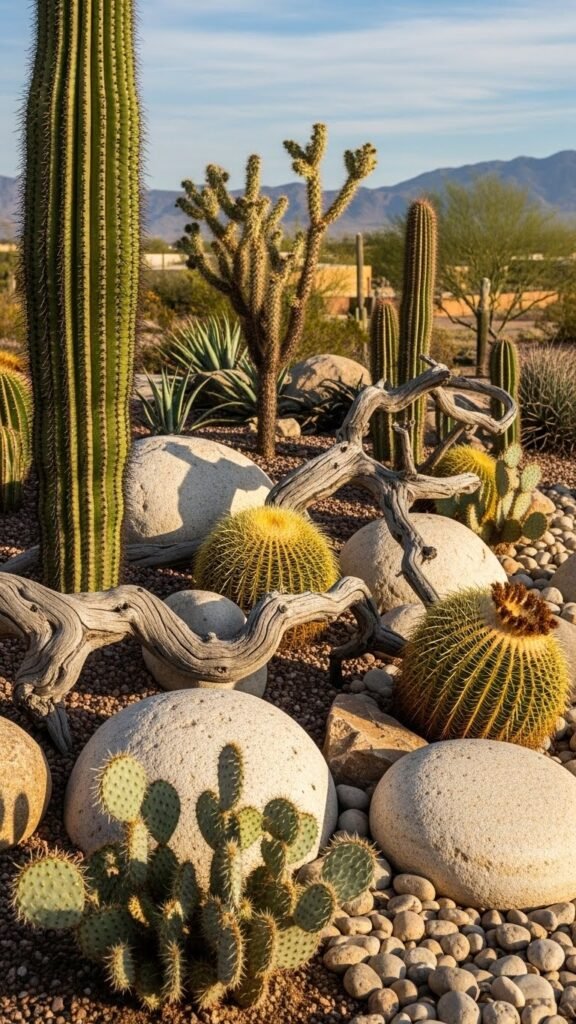
Rocks don’t just look nice—they stabilize temperature and complement cactus shapes. Arrange stones around your plants to create a natural desert aesthetic.
You can use lava rocks, sandstone, or river pebbles depending on your color theme. It’s a low-cost way to enhance visual appeal while reducing soil erosion.
15. Group by Watering Needs
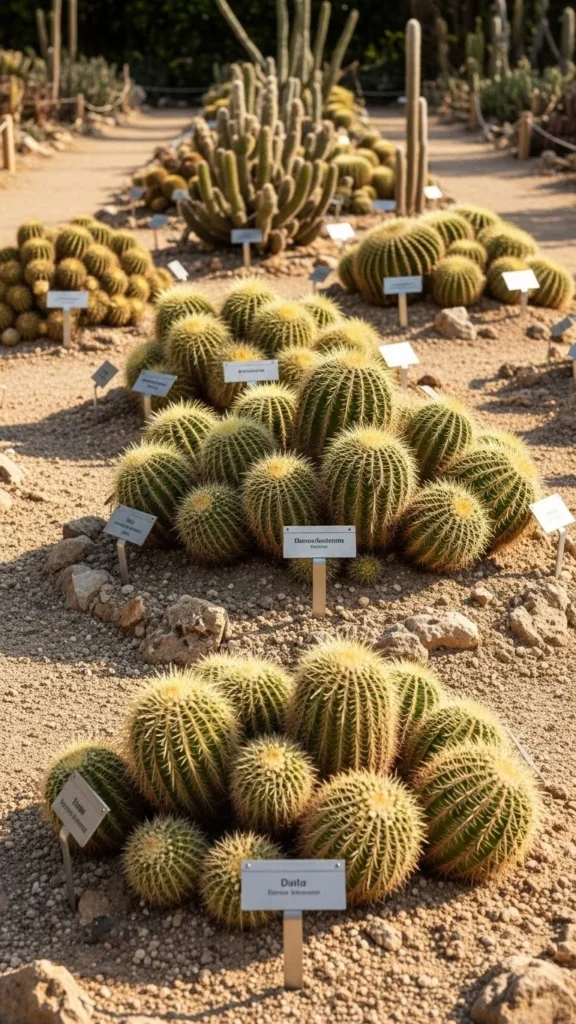
Not all cacti have the same thirst level. Group species with similar watering needs to prevent over- or under-watering.
For example, pair prickly pear with barrel cactus, and keep moisture-loving epiphyllum separate. This small planning step makes maintenance easier and avoids confusion later.
16. Repot Every 2–3 Years
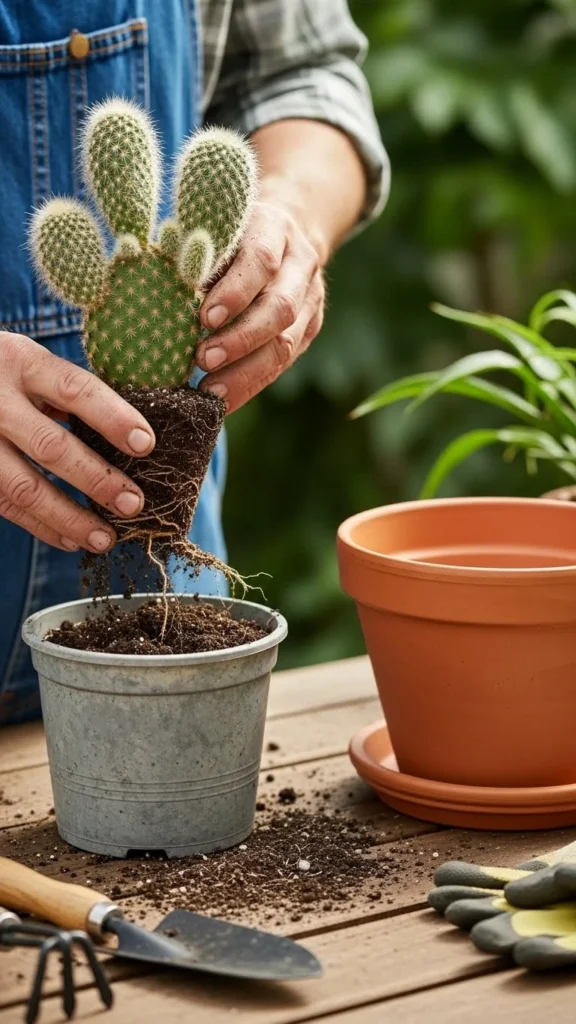
Cacti grow slowly but still outgrow their pots over time. Repot every few years to refresh soil and check root health. Choose a slightly larger pot with clean, dry soil.
Spring is the best time for repotting since it aligns with active growth. Handle carefully and let roots settle for a few days before watering again.
17. Use Raised Beds in Wet Areas
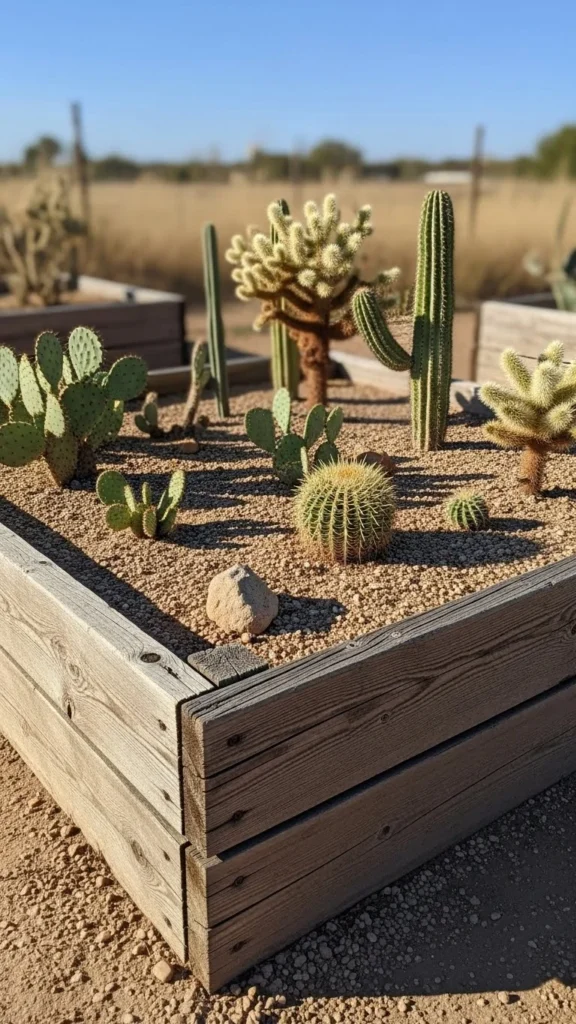
If your yard gets occasional rain or poor drainage, build raised beds for your cacti. Use sandy soil and make sure excess water can escape.
Raised beds also improve air circulation and make your plants stand out visually. They’re simple to construct with wood, stone, or bricks—great for DIY gardeners.
18. Keep Weeds Under Control
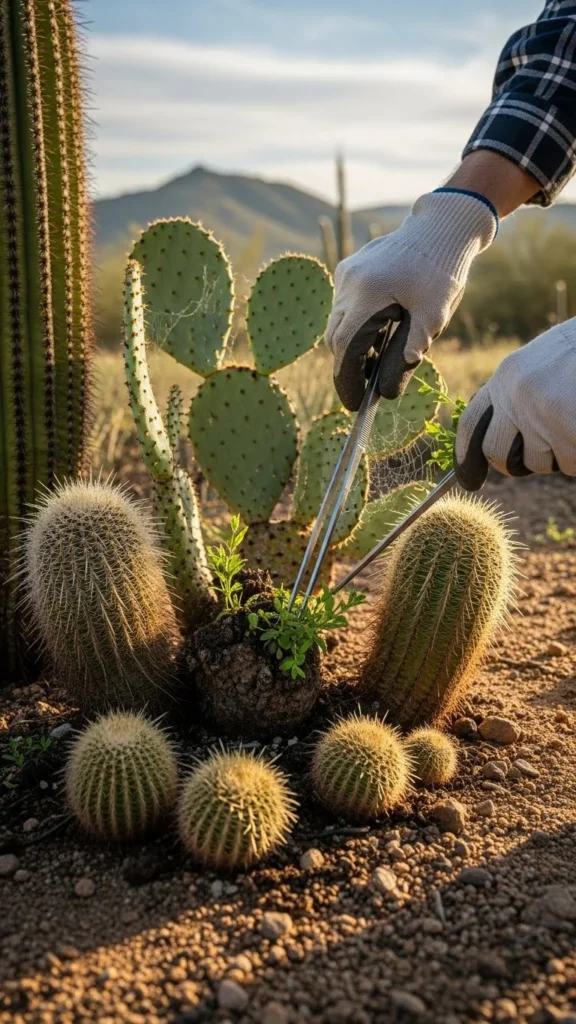
Weeds compete for nutrients and trap moisture, which harms cacti. Remove them early before roots spread.
Add a layer of gravel mulch to reduce weed growth naturally. You can also use landscape fabric underneath for extra protection. Keeping your garden tidy helps cacti thrive without unwanted competition.
19. Experiment with Vertical Displays
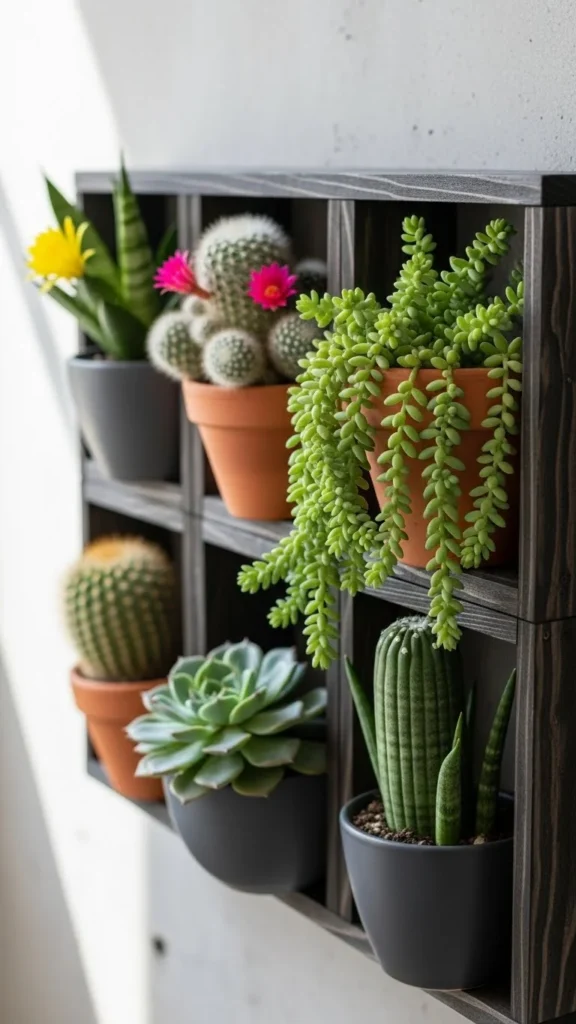
Small spaces can still host beautiful cactus gardens. Use vertical planters, wall racks, or hanging containers to display compact species.
These setups add visual height and save floor space. Be sure drainage remains excellent and sunlight reaches all levels. It’s perfect for patios or balconies.
20. Celebrate Seasonal Bloom
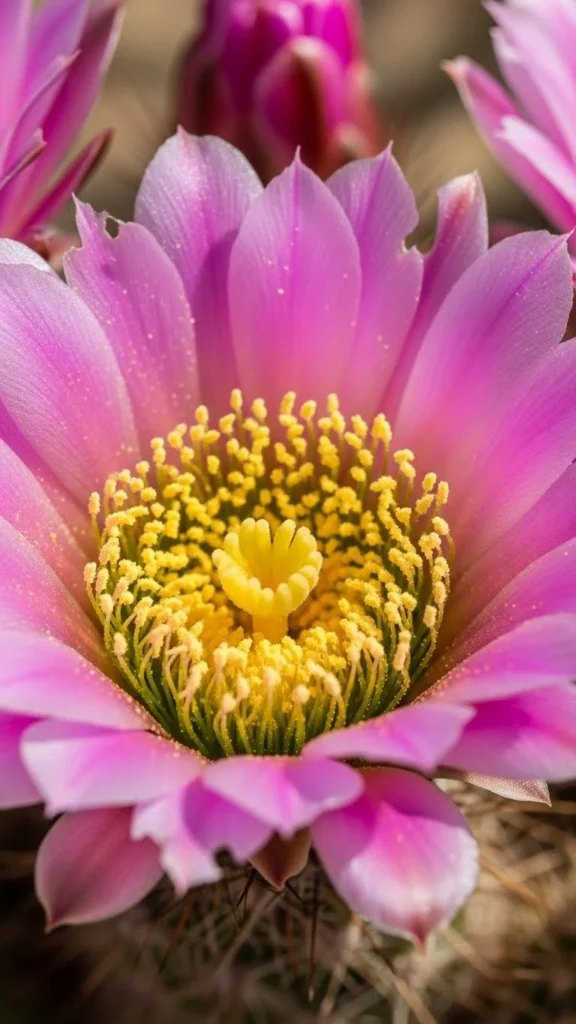
Some cacti produce stunning flowers once a year. When they bloom, reduce watering slightly and avoid moving the plant. Blossoms often last longer under stable light conditions.
Capture photos during morning light—the colors are most vibrant then. These fleeting blooms are the reward for consistent care throughout the year.
Conclusion
Cactus gardening is both practical and beautiful—perfect for anyone living in dry or water-limited regions. With the right soil, light, and patience, these rugged plants can thrive almost anywhere. Start small, experiment with varieties, and enjoy building a garden that’s easy to care for yet full of character. Every cactus you grow adds a touch of desert charm that lasts for years.

Leave a Reply