

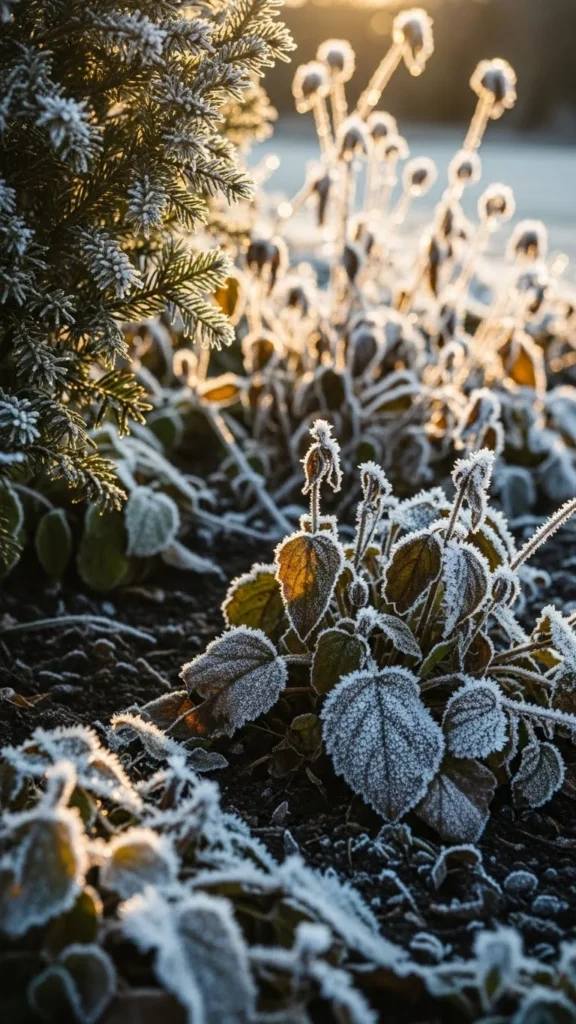
Cold-hardy perennials are a gardener’s best friend during freezing months. They return year after year with little effort, handle harsh winters, and fill your yard with structure even when everything else goes dormant. This list helps you pick reliable plants that push through snow, tolerate icy soil, and keep your garden alive with shape, color, and texture through the cold season.
1. Hellebores (Lenten Rose)
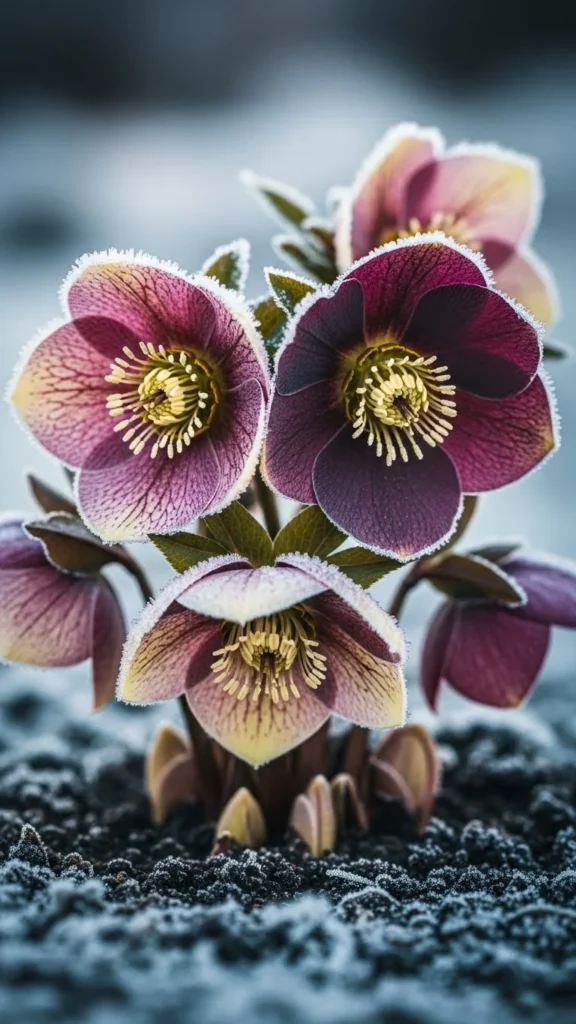
Hellebores shine when most plants disappear. Their early blooms bring soft winter color while the rest of the garden sleeps. These plants love shaded corners and settle easily into cool soil. Water lightly during dry spells and add compost in fall to support strong roots. For budget gardening, divide mature clumps every three to four years to create free plants. Tuck them near walkways where their blooms can be enjoyed up close on cold, quiet mornings.
2. Sedum Autumn Joy
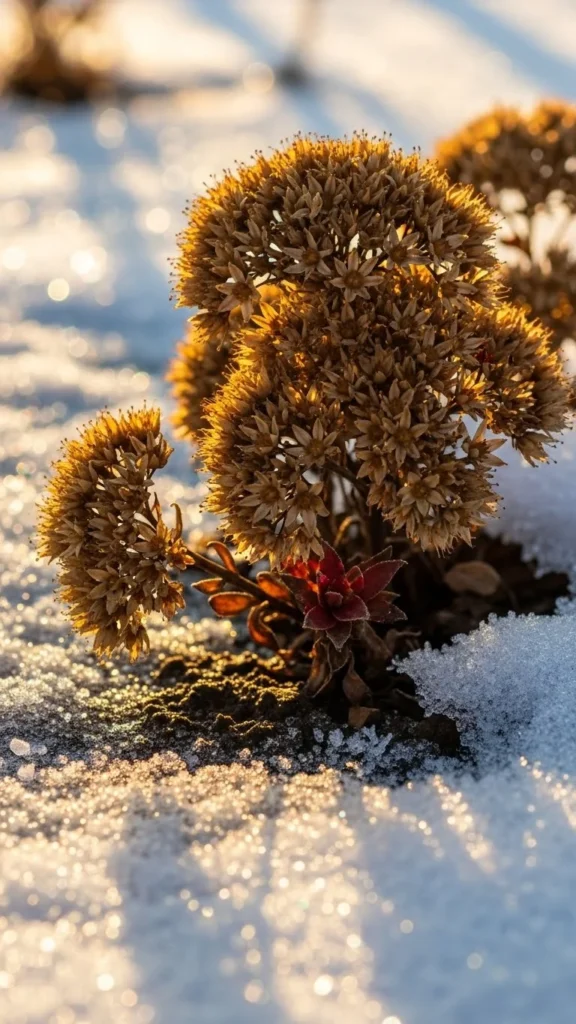
Sedum holds its shape all year. In winter, its dried flower heads look sculptural against snow. It thrives with almost no care and grows well in rocky or sandy spots. Plant small nursery pots in spring—they spread quickly. If you enjoy simple DIY touches, leave the dried stems through winter for structure, then trim in early spring. You can root cuttings in summer to create low-cost patches for borders or gravel gardens.
3. Coneflowers (Echinacea)
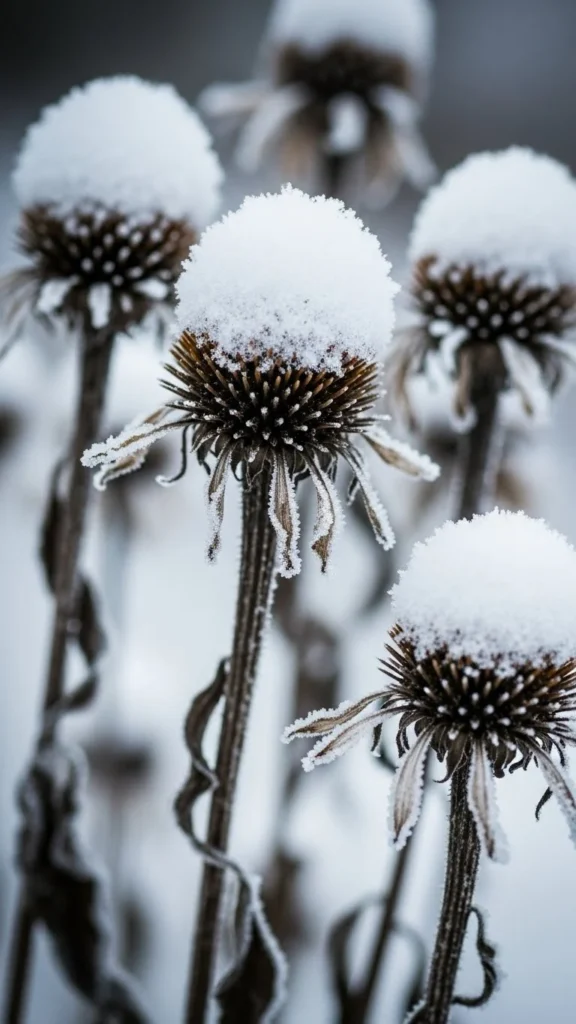
Coneflowers return reliably each year and handle freezing conditions with ease. Their sturdy seed heads stay upright through winter and add striking lines to an otherwise quiet yard. Birds enjoy them too. For easy savings, allow spent blooms to drop seeds in late fall and self-sow naturally. Plant them in full sun and avoid overwatering, especially in cold months. They pair well with ornamental grasses for a simple winter-friendly landscape.
4. Black-Eyed Susan (Rudbeckia)
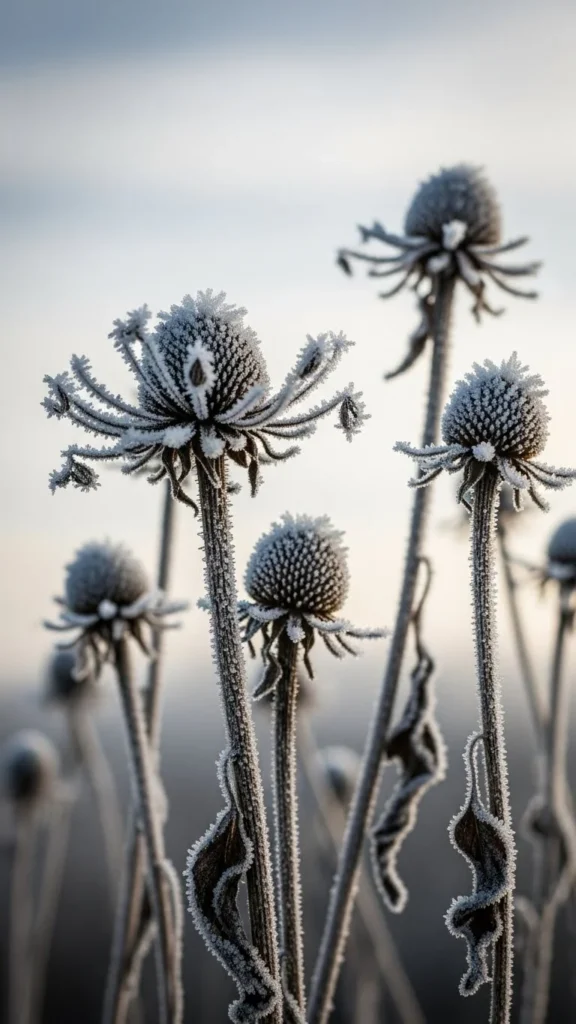
Black-Eyed Susans spread happily and return every year without fuss. Their dried winter stems bring rustic charm and support wildlife. They handle clay soil, sandy soil, and everything in between. Cut back only in early spring. If your garden budget is tight, grow them from seed—they germinate easily and create large patches by the following year. Leave stems standing to catch frost for a natural winter display.
5. Siberian Iris
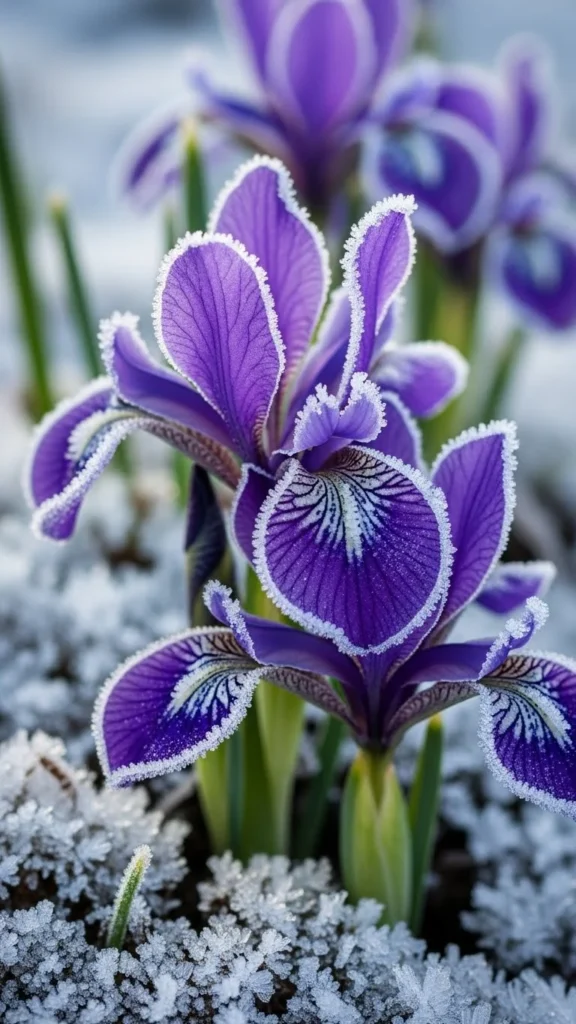
Siberian iris is known for its strong, winter-tough roots. The foliage stays upright long into the cold months, adding height to sleeping beds. These plants like moist soil but adapt to many locations. Add mulch around the base before winter for extra protection. Divide large clumps every few years to grow your collection without any extra cost. Plant them along fences or water features where the slender leaves add graceful structure.
6. Daylilies
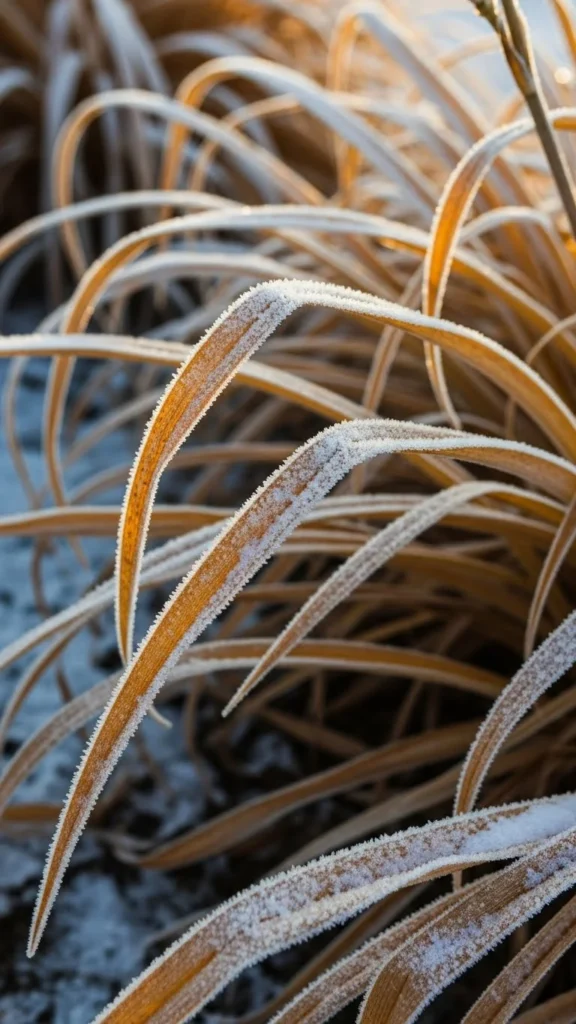
Daylilies return with reliable energy each spring. They tolerate both heat and cold, making them a staple for mixed borders. In winter, their dried foliage adds warm tones to frozen beds. Plant them in groups for strong impact. For an easy DIY project, divide crowded clumps and replant them to fill empty corners. Water sparingly during cold months. Mix varieties to create a longer bloom season once warmer weather arrives.
7. Hostas
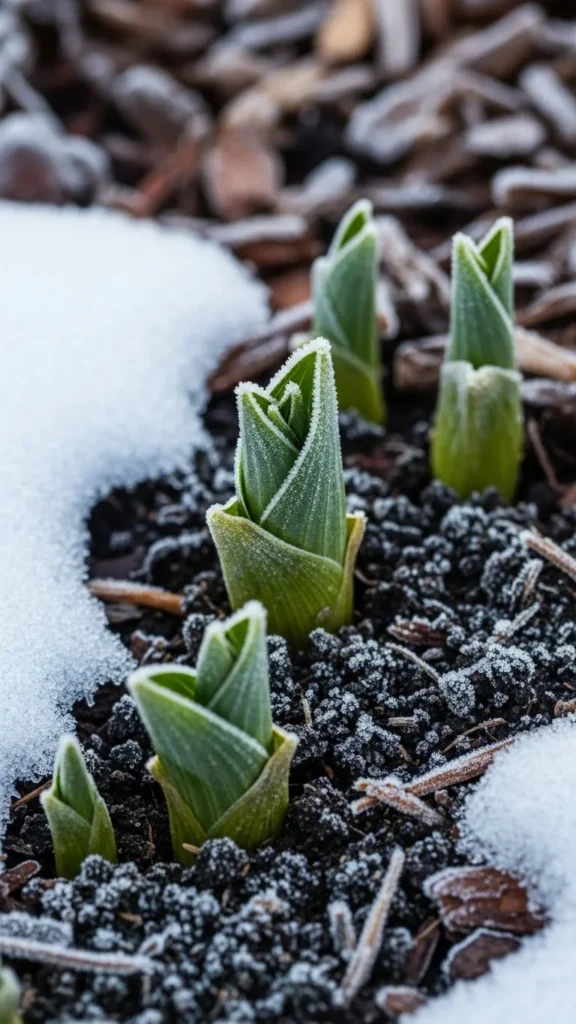
Hostas die back completely in winter but return stronger each year. Their roots tolerate frozen ground well. When temperatures drop, add a thin layer of shredded leaves for natural insulation. They prefer shade and pair beautifully with ferns and hellebores. If you want to save money, trade hosta divisions with neighbors—they divide cleanly and rebound fast. Choose varieties with thicker leaves for extra winter strength.
8. Coral Bells (Heuchera)
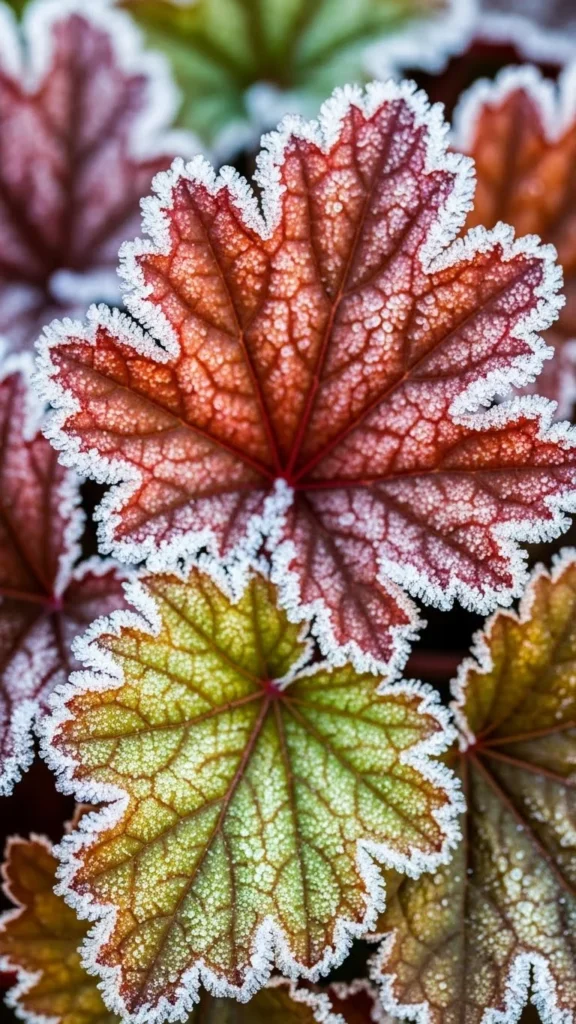
Coral bells offer winter interest through their evergreen or semi-evergreen foliage. Even under frost, the leaves keep their rich tones. Plant them along a path where low winter sun can highlight their color. These plants prefer good drainage, so consider mixing gravel into the soil if it stays wet. For a low-cost project, root small offshoots in your garden trays. Use them to create colorful borders that stay visible long after other perennials fade.
9. Peonies
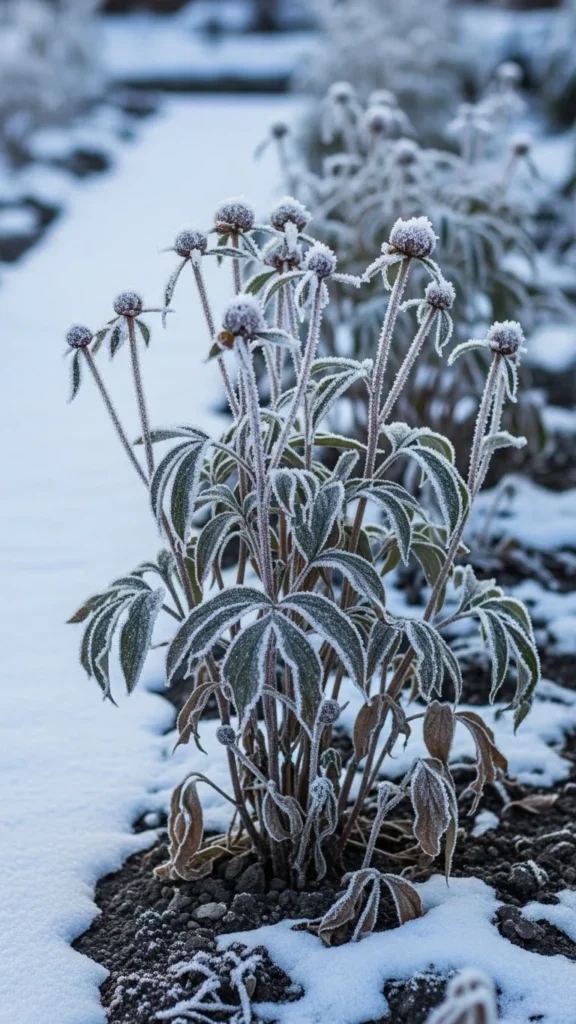
Peonies love cold winters. Their roots need chilling to prepare for spring blooms. Cut them back in fall, leaving a few inches of stem to mark the spot. They return larger each year and can live for decades without moving. Avoid overwatering in winter; peonies prefer dry soil during this time. Start with bare-root options to save money, and space them well so they mature into generous clumps.
10. Bee Balm (Monarda)
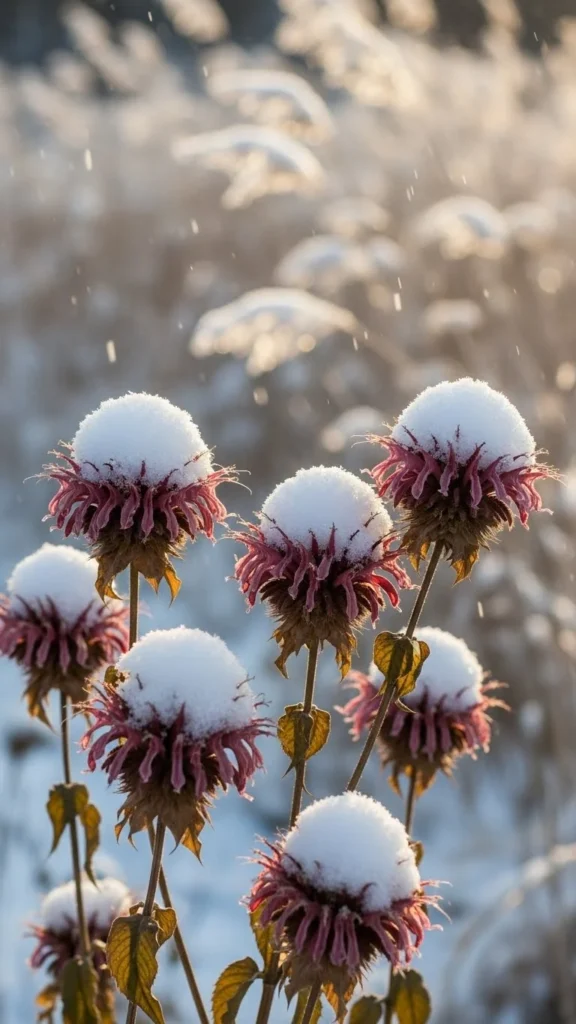
Bee balm spreads gently and survives freezing temperatures with no trouble. Its dried winter seed heads stand tall and support backyard birds. In spring, new shoots emerge quickly. To keep costs low, divide clumps and replant sections along fences or near patio edges. Bee balm grows well in sunny spots with moderate watering. Trim back spent stems only after winter passes, so the structure remains throughout the season.
11. Russian Sage
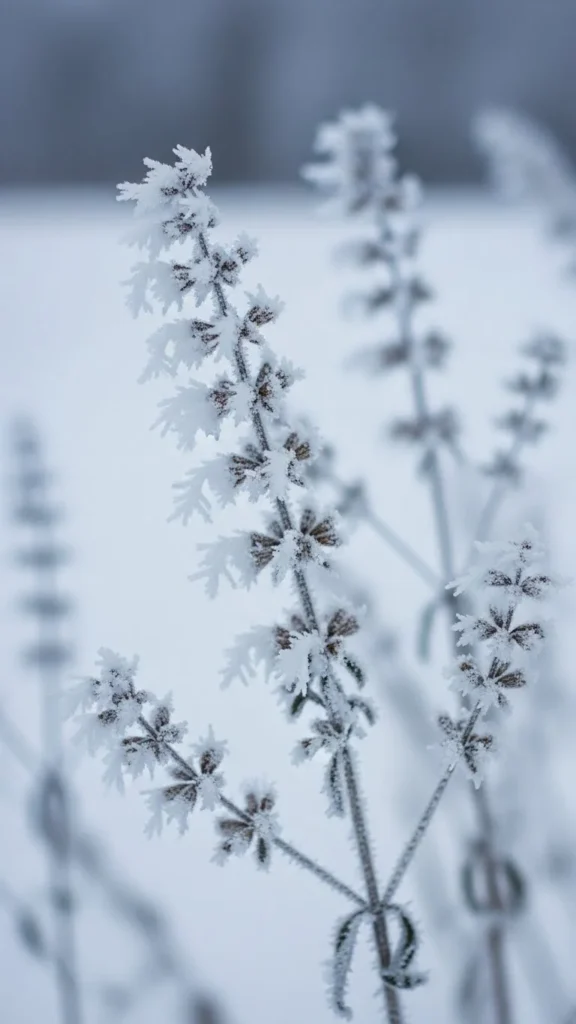
Russian sage shines year-round. In winter, its silver stems stay upright and visually striking. It thrives in poor, dry soil and needs very little care. Plant small starter pots—they fill out quickly by the next season. If you enjoy simple DIY projects, pair Russian sage with stones or gravel for a low-cost winter-friendly bed. Leave the stems standing until early spring for shape and movement in the garden.
12. Yarrow
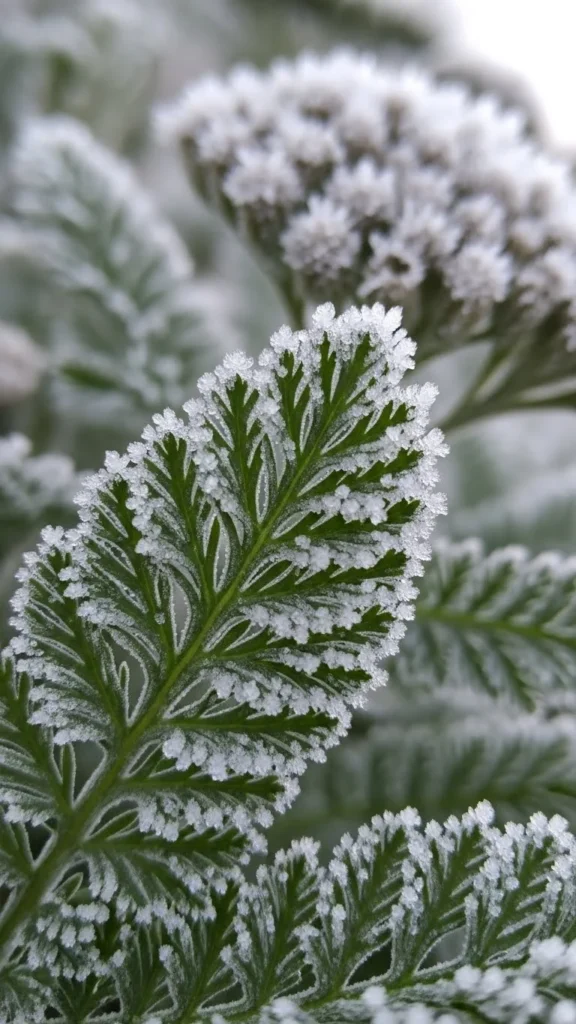
Yarrow withstands freezing conditions easily. Its fern-like foliage and dried flower heads look delicate but handle cold extremely well. It spreads naturally, which helps you fill space on a budget. Cut some stems for winter arrangements or leave them in place for texture outdoors. Plant yarrow in sunny spots with dry soil. Once settled, it requires very little water, even during winter, and returns reliably each year.
13. Lupines
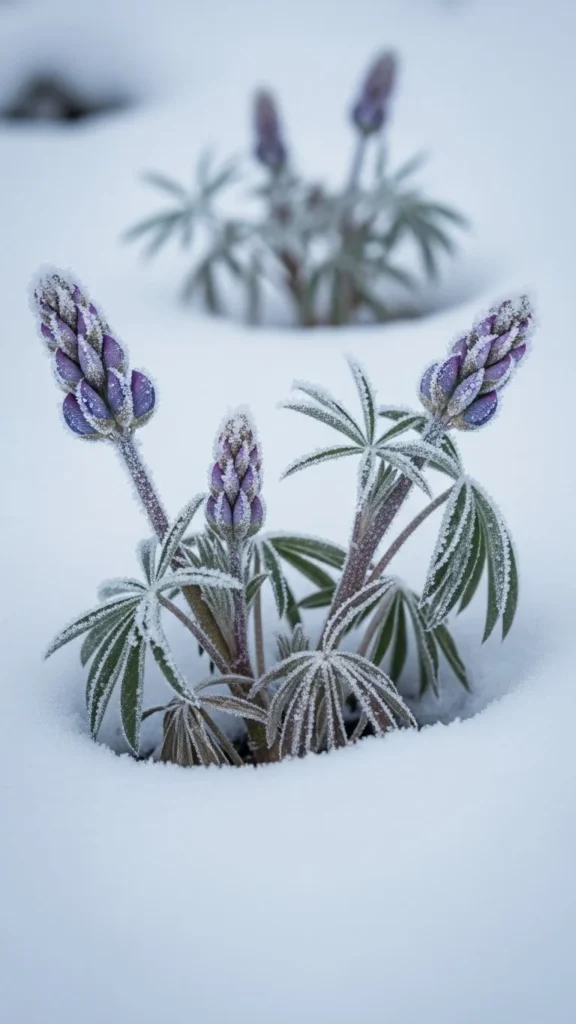
Lupines thrive in cold climates and return with dramatic spring growth. Their winter form is subtle but sturdy. Add sand or gravel to the planting area to support well-drained soil. For savings, grow them from seed in fall or early spring—they sprout reliably with patience. Keep the soil slightly moist during extended dry winter spells. Lupines pair beautifully with delphiniums and foxgloves for a cottage-style look.
14. Delphiniums
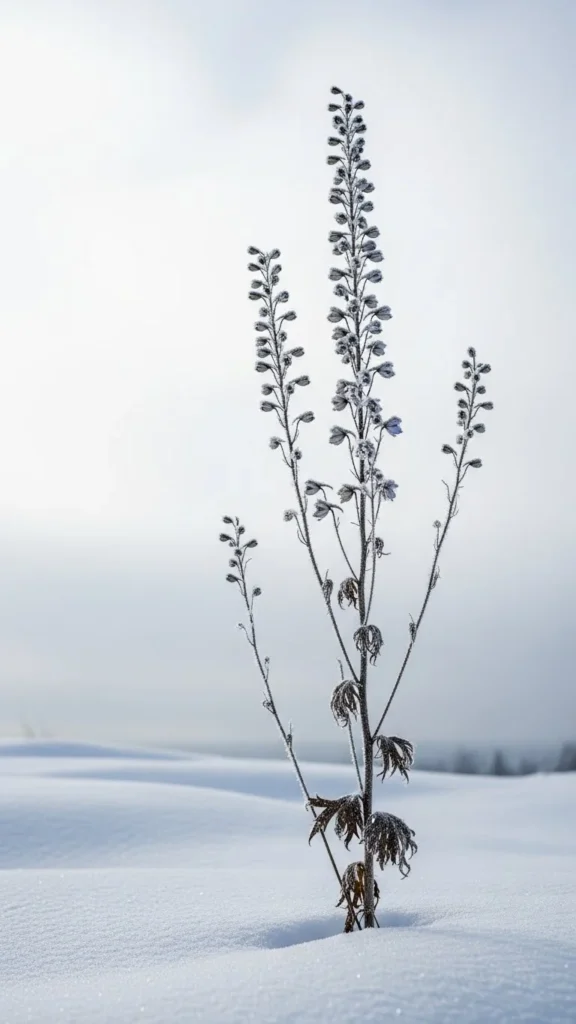
Delphiniums bring height and drama to any summer garden, but their strong roots also handle winter frost well. After blooming, cut them back and mulch lightly before cold weather settles in. For budget-friendly expansion, collect seeds from spent blooms and sow them in trays. Place them in protected outdoor spots to naturally chill during winter. Their dried stems look architectural and can stay in place until early spring trimming.
15. Phlox
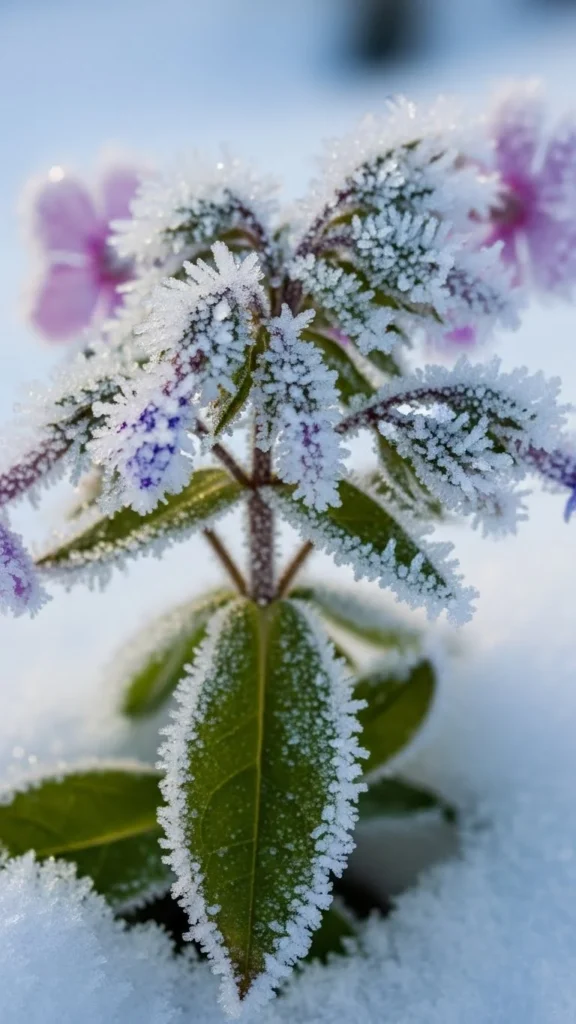
Garden phlox returns annually and handles cold climates with ease. Its roots stay firm through freezing nights. Water lightly during winter if rainfall is low. If you want more plants without extra spending, divide mature phlox clumps every few years. They bounce back quickly and spread beautifully. Leave winter stems untouched for texture and cut them back only as new spring shoots appear.
16. Astilbe
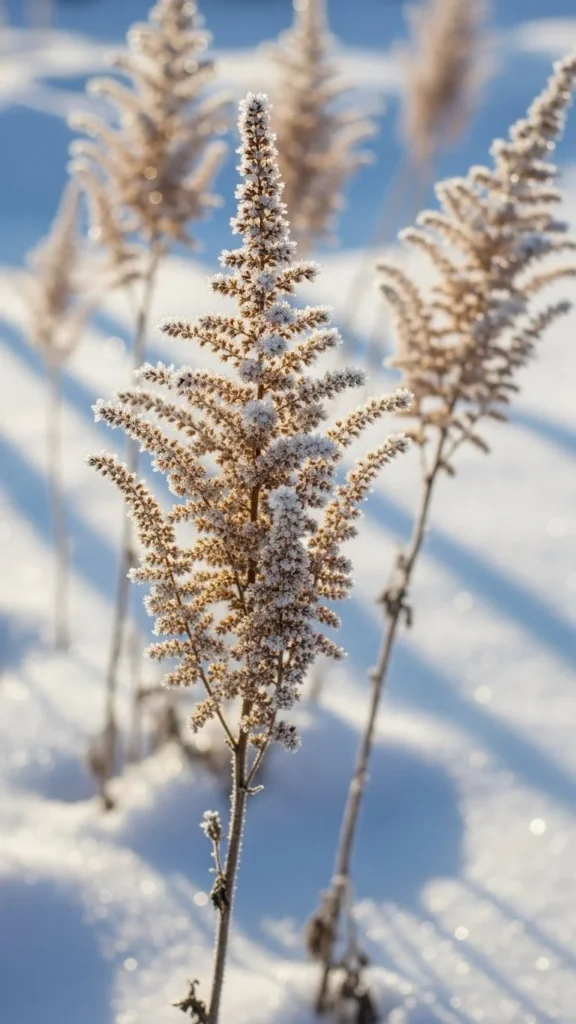
Astilbe’s dried winter plumes remain elegant even after the cold arrives. Its roots handle frozen soil well, especially in shaded areas with moist ground. Add compost in fall for stronger growth next year. For a budget-friendly project, divide older astilbe plants and arrange them in groups of three for visual harmony. Keep soil slightly damp during long dry spells. Their feathery stems add softness to winter gardens.
17. Catmint (Nepeta)
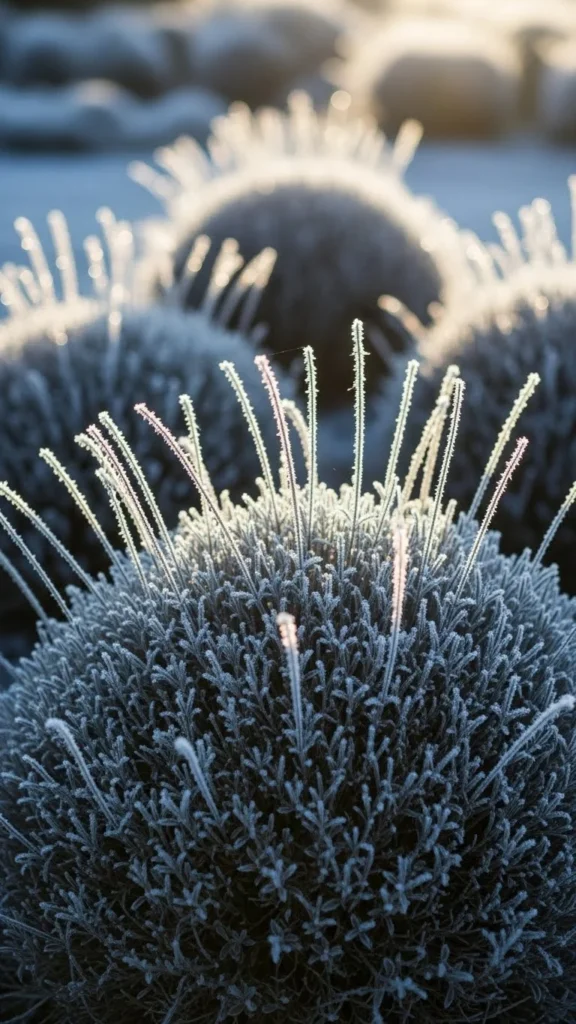
Catmint is one of the toughest perennials for cold gardens. It forms low mounds that hold their shape well into winter. Trim lightly in fall to tidy the plant. Catmint thrives in full sun and well-drained soil. To stretch your gardening budget, root short cuttings in summer and plant them around walkways or near patios. Even when dormant, its frosted stems brighten the winter landscape.
18. Ferns (Hardy Varieties)
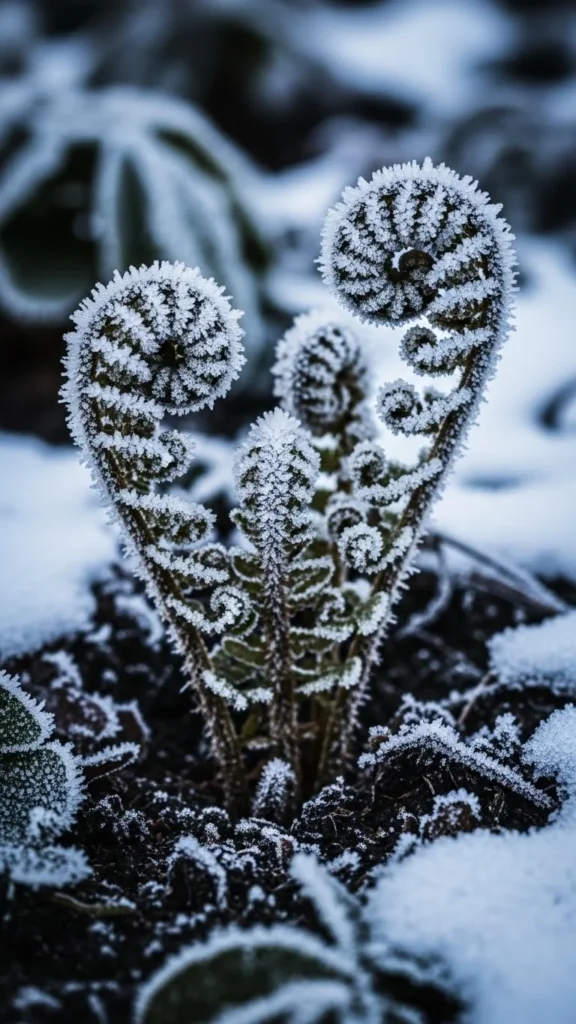
Certain fern varieties return every year, even in icy climates. They add lush texture during warm months and interesting shapes in winter. Plant them in shade with humus-rich soil. Add fallen leaves around their base for natural insulation. You can divide mature ferns in spring to create more plants at no cost. Hardy ferns work well along tree lines, foundation walls, or anywhere that benefits from soft, arching lines.
19. Ornamental Grasses
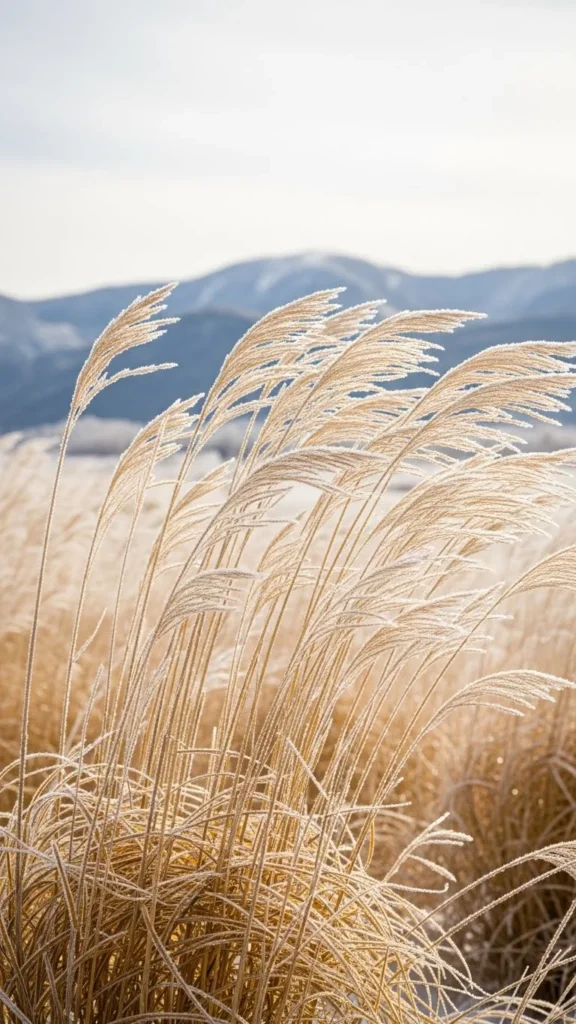
Ornamental grasses add movement and warmth to frozen gardens. Their dried plumes stand tall through the season and catch every ray of winter light. Avoid cutting them back until spring—their structure is part of the charm. Many grasses spread over time, offering free divisions. Plant them in groups for strong visual impact. They pair well with coneflowers, sedum, or Russian sage.
20. Bergenia
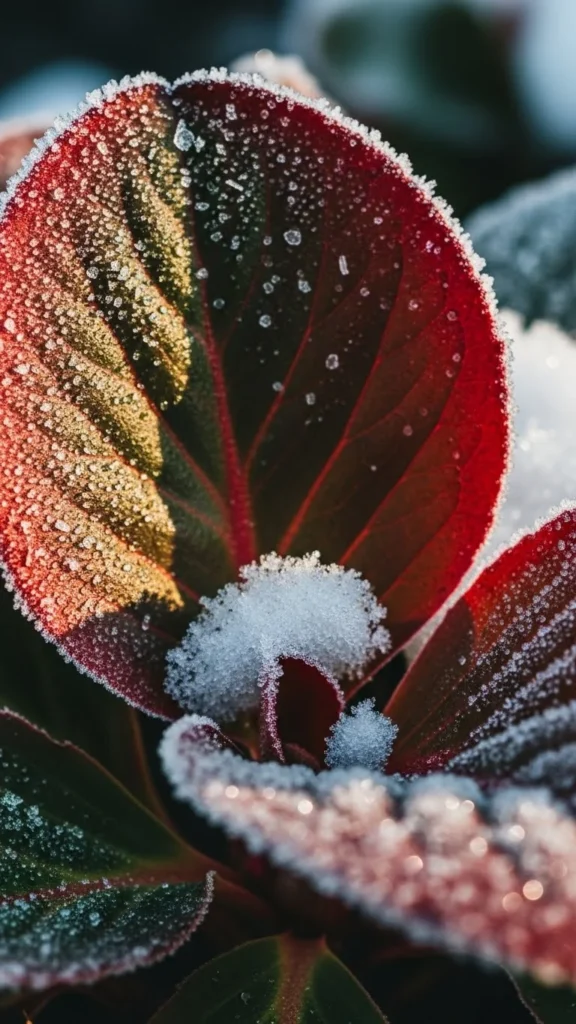
Bergenia, often called “elephant ears,” develops beautiful winter foliage. Cold air brings out red and purple tones in its thick leaves. These plants thrive in shade or partial sun and need little care once settled. Add mulch before heavy snow for root protection. For DIY expansion, divide old clumps and replant divisions along pathways. Bergenia adds bold shape to winter beds and pairs well with ferns and hellebores.
21. Japanese Anemone
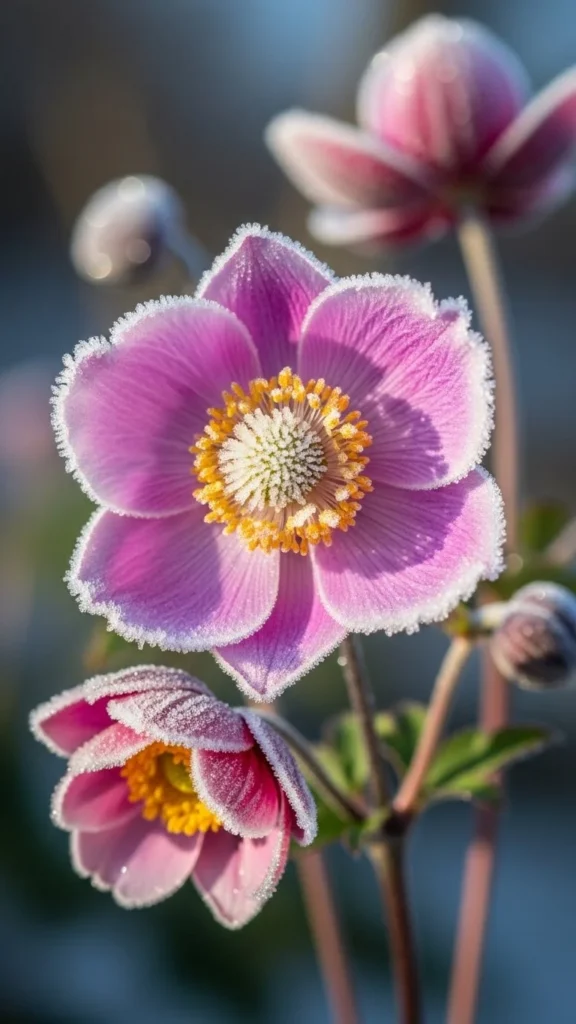
Japanese anemones return reliably each fall with graceful blooms, but their winter form is simple and strong. Cut them back after frost and leave the base undisturbed. They spread gently, offering free new plants for other garden areas. These perennials thrive in partial shade with moist soil. Their seed heads can be left on for subtle winter texture. Add compost in fall to support healthy growth next season.
22. Hardy Geranium
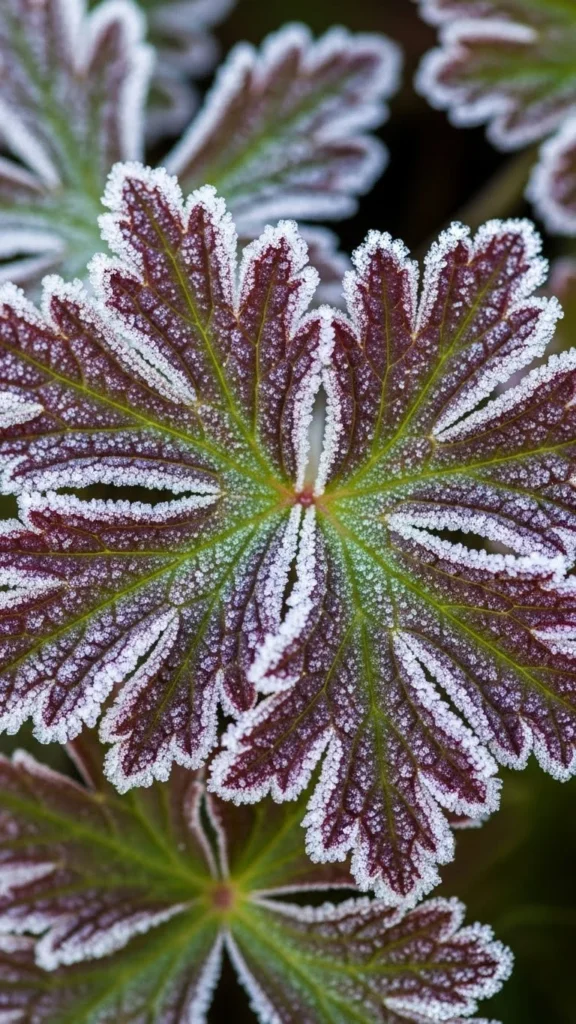
Hardy geraniums stay tough through freezing weather. Many varieties keep some foliage in winter, adding low color to bare areas. Plant them along edges or under shrubs where they can form natural-looking mounds. Divide mature plants every few years to expand your supply. Water only during long dry spells. These plants blend easily into any garden style and return stronger each spring.
23. Lamb’s Ear
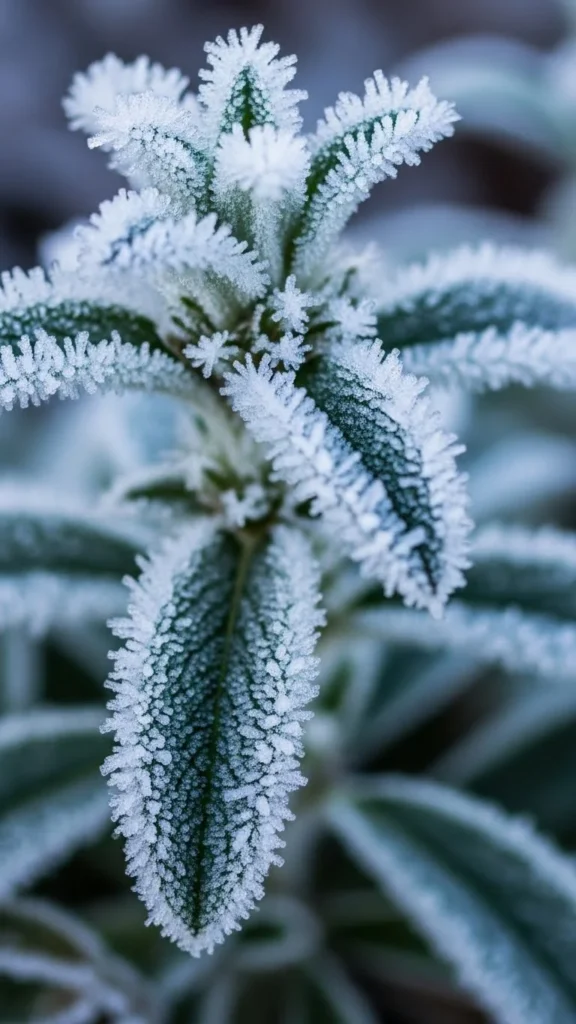
Lamb’s ear holds its silver color through winter, even in deep cold. Its fuzzy leaves look beautiful dusted with frost. It thrives in dry, sunny spots and needs very little water. If you want to fill space cheaply, divide large clumps and replant sections along borders. Cut back wilted stems in early spring. The plant spreads easily and brings soft brightness to winter beds.
24. Sedum Angelina
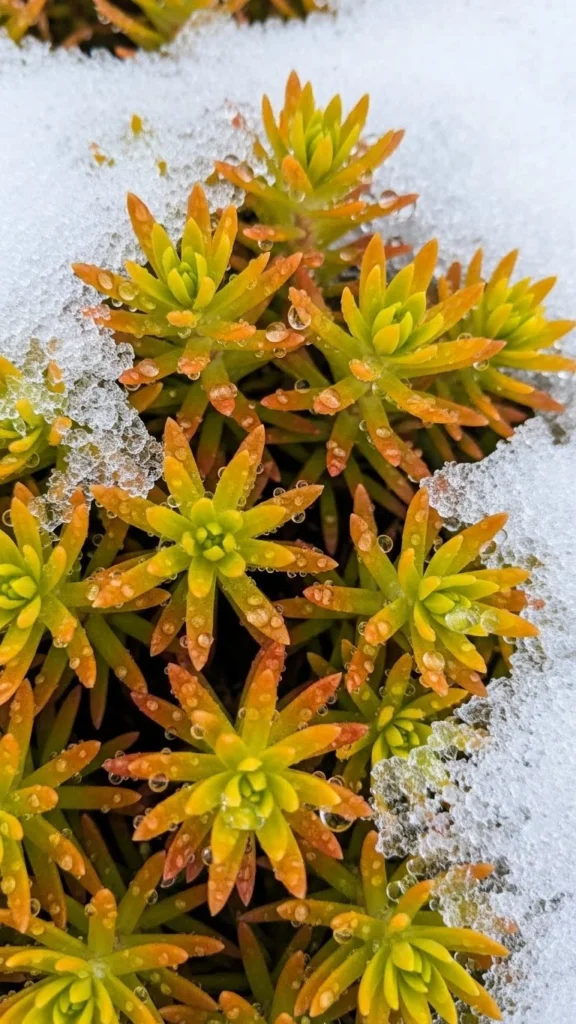
This low-growing sedum creates colorful winter carpets that shift shades with the cold. Its evergreen foliage offers interest even when snow arrives. Plant it in rock gardens, containers, or border edges. It thrives with minimal water and spreads quickly, giving you plenty of free pieces to replant in new spots. Pair it with dark stones to highlight its winter colors.
25. Soapwort (Saponaria)
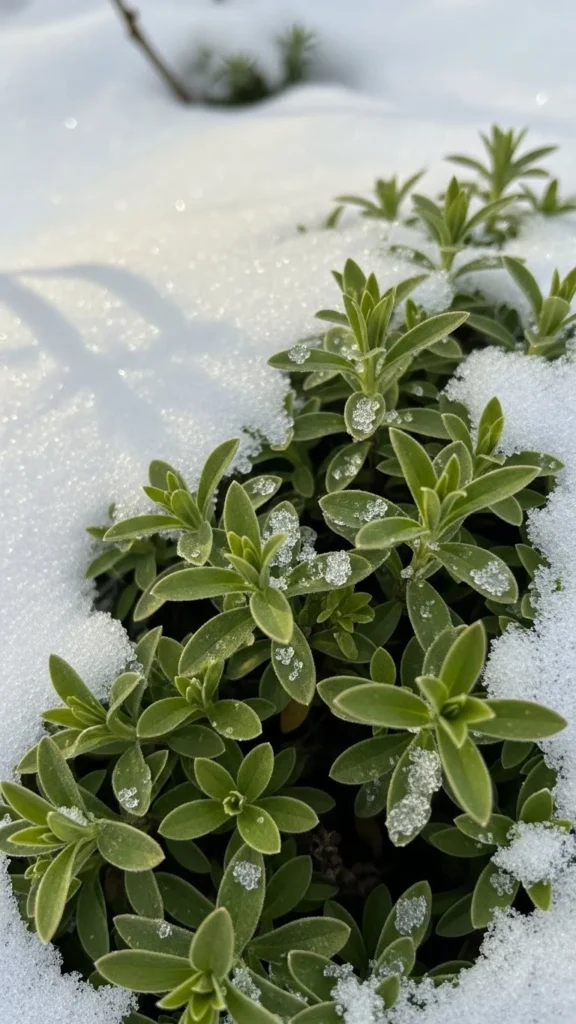
Soapwort forms tight mats that stay green under snow. It returns every year and handles cold climates with no trouble. Use it as groundcover along paths or slopes. You can root small pieces in gritty soil to create new plants on a budget. Water only when the soil stays dry for long periods. Soapwort adds year-round texture and pairs well with sedums and dwarf conifers.
Conclusion
Cold-hardy perennials make winter gardening simple and low-cost. They return each year, shape your yard during the quiet months, and set the stage for spring growth. Pick a mix of heights, colors, and textures to keep your garden interesting even in freezing weather. Start with a few favorites from this list, divide them over time, and watch your winter landscape grow richer every year.

Leave a Reply