

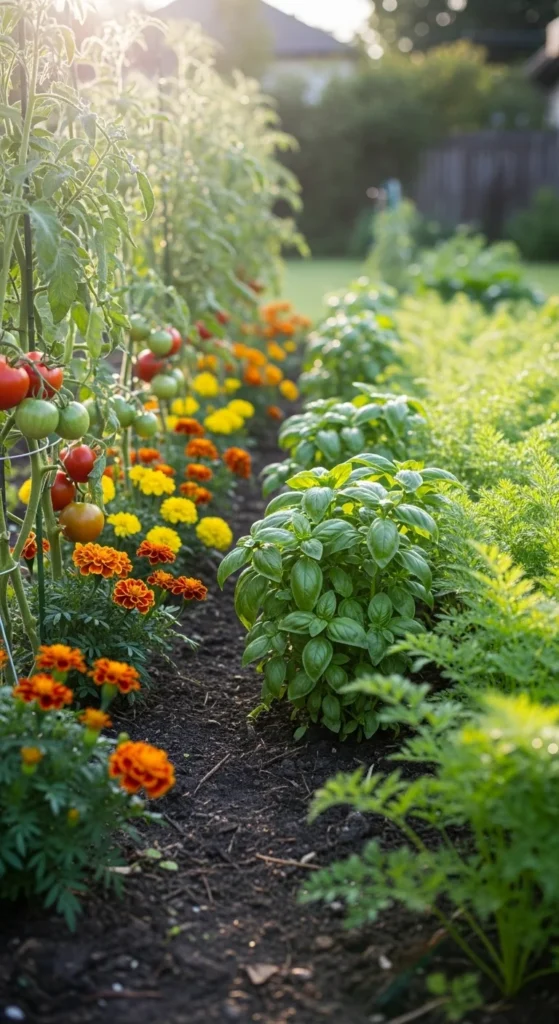
Companion planting is one of the simplest ways to grow a more productive garden without extra fertilizers or pesticides. The right plant pairings help each other thrive—repelling pests, improving soil health, and even enhancing flavor. Whether you’re gardening in raised beds, containers, or open soil, these combinations will save time, space, and effort while creating a more balanced garden ecosystem.
1. Tomatoes and Basil
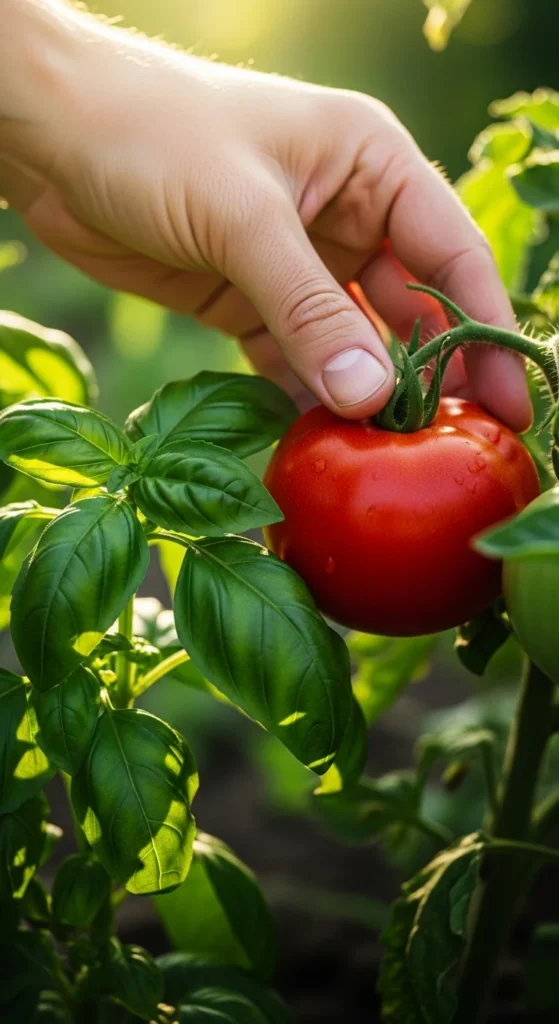
Tomatoes and basil are a classic team. Basil helps keep whiteflies and aphids away while improving tomato flavor. Plant basil between tomato plants for natural pest control and better air circulation. Keep the soil moist but not soggy. You can even dry the extra basil leaves for seasoning later.
A small tip: add crushed eggshells around tomato roots to prevent blossom-end rot. It’s an easy calcium fix and saves waste from your kitchen.
2. Carrots and Onions
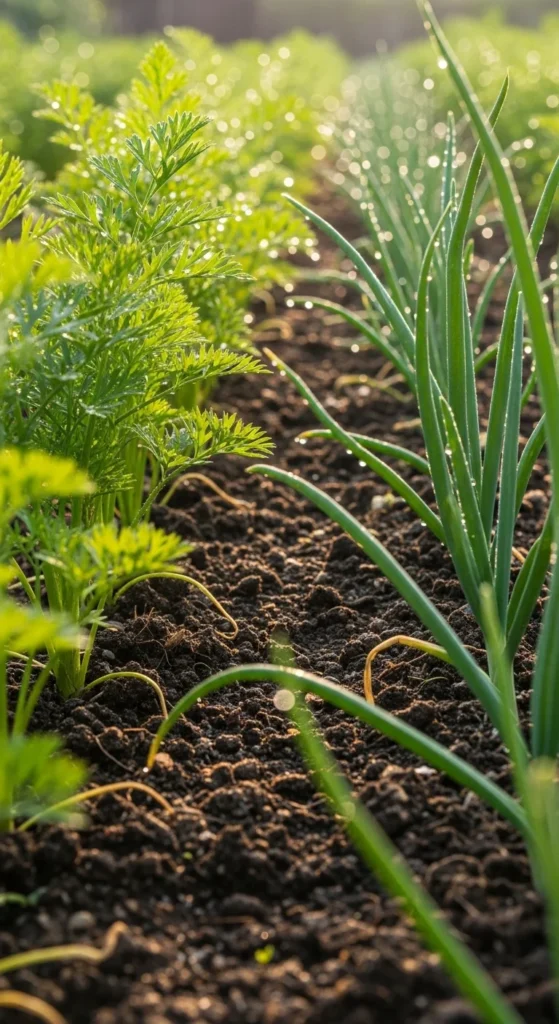
Carrot flies hate the smell of onions, and onions grow happily beside carrots. This combo keeps both pests and diseases low. Space them close but not crowded—about two inches apart.
As onions mature, their tall greens shade the carrots slightly, keeping the soil cooler. When harvesting, pull carrots first to let onions finish bulbing. You’ll enjoy a double harvest from the same row without chemicals.
3. Corn, Beans, and Squash (Three Sisters)
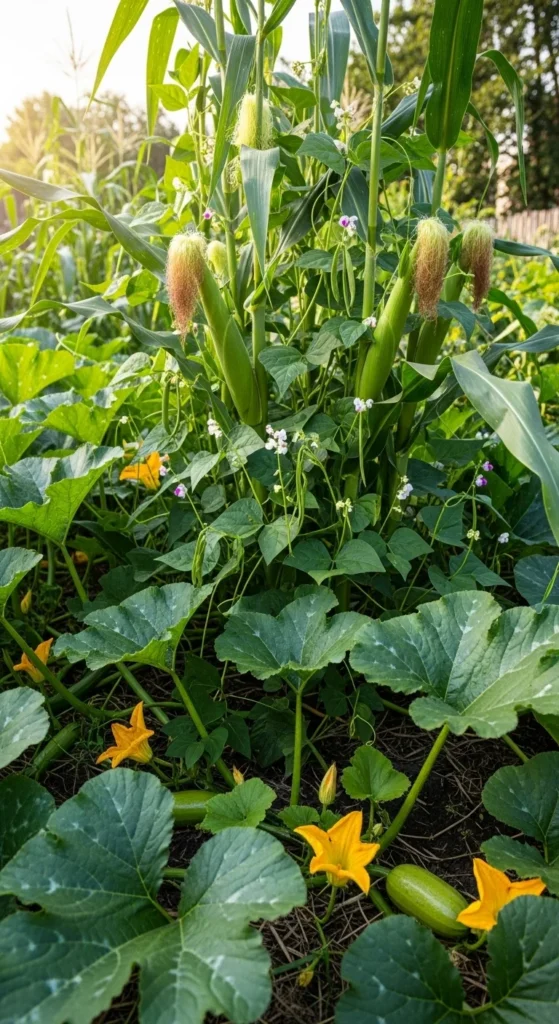
This ancient trio works perfectly together. Corn gives beans a natural trellis. Beans add nitrogen to the soil for all three. Squash shades the ground to keep weeds down and moisture in.
Plant corn first, then beans a week later, and squash last. It’s a low-effort way to fill a raised bed and get three crops at once.
4. Lettuce and Radishes
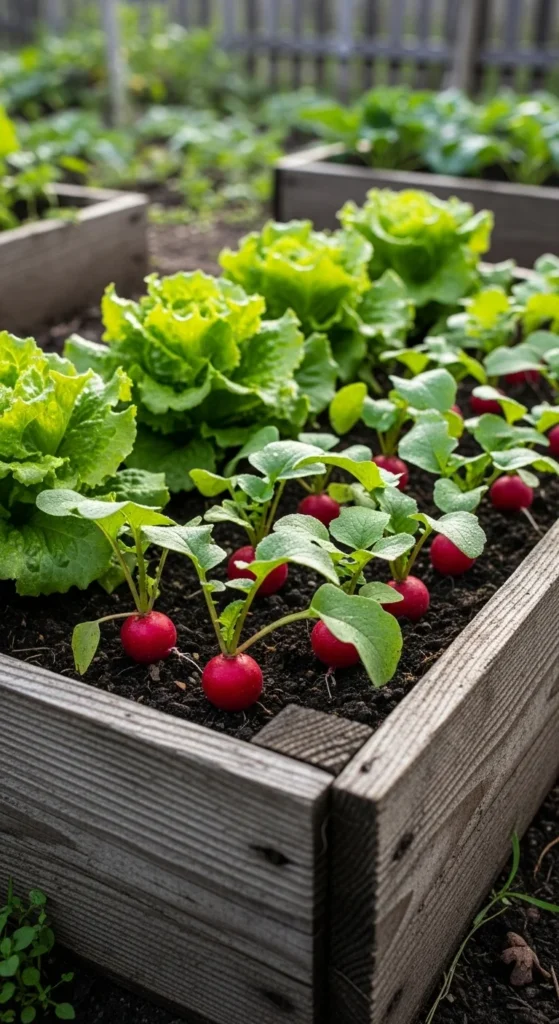
Lettuce grows shallow and radishes go deep, making great use of space. Radishes also help loosen compact soil for lettuce roots. Sow radish seeds between lettuce rows and watch both mature fast.
Once radishes are pulled, lettuce gets more room to spread. This pair keeps your salad bowl full all season long.
5. Cabbage and Dill
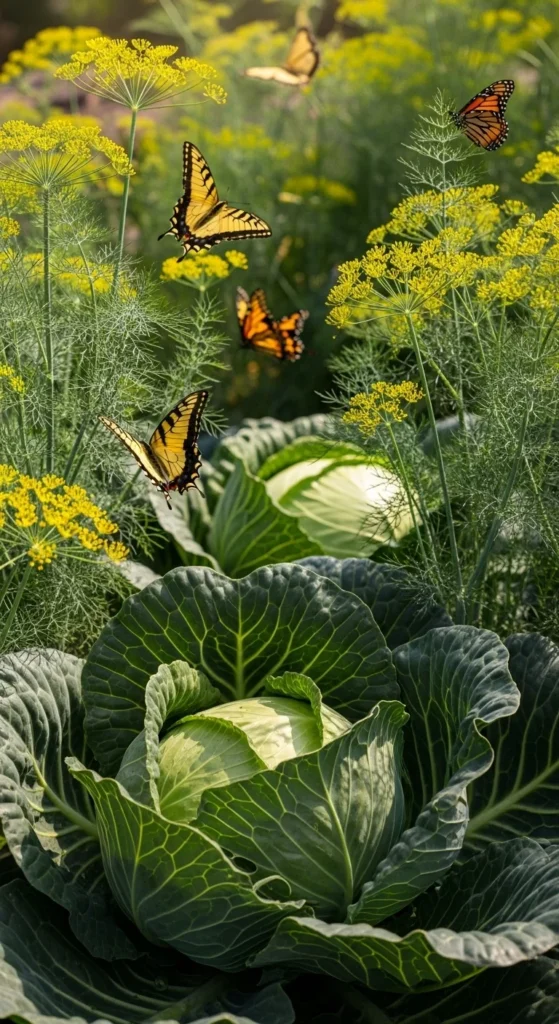
Cabbage worms dislike dill. Plant dill around your cabbage patch for natural pest control. The aroma confuses harmful insects but attracts pollinators.
Harvest dill leaves for pickling or drying while cabbage continues growing strong. It’s a win-win for flavor and pest balance.
6. Cucumbers and Nasturtiums
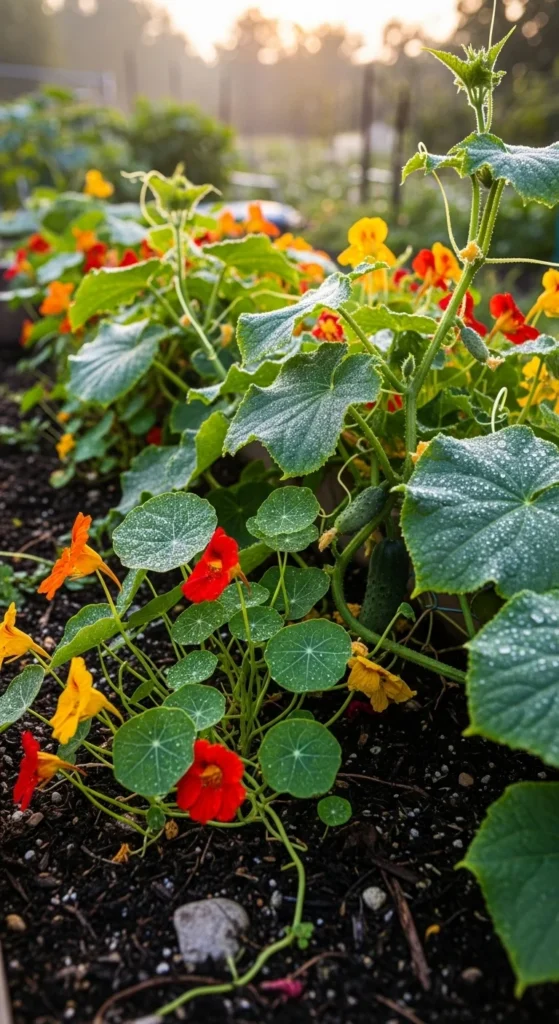
Nasturtiums are like living pest traps for cucumbers. They attract aphids and beetles away from your crop while adding color to your garden.
Let nasturtiums sprawl between cucumber vines to cover soil and hold moisture. Bonus: the edible flowers taste peppery in salads!
7. Peppers and Carrots
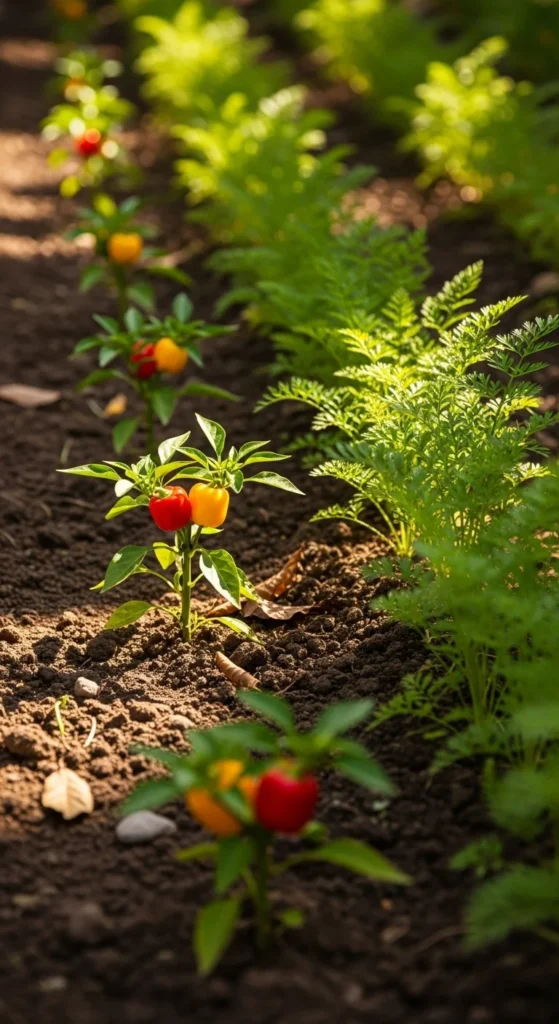
Carrots help keep the soil aerated for peppers. Peppers, in turn, shade carrots during hot spells. The result? Tender carrots and vibrant peppers.
Plant carrots first, then add pepper seedlings nearby once they sprout. You’ll love how they fill gaps and make every inch of your bed count.
8. Spinach and Strawberries
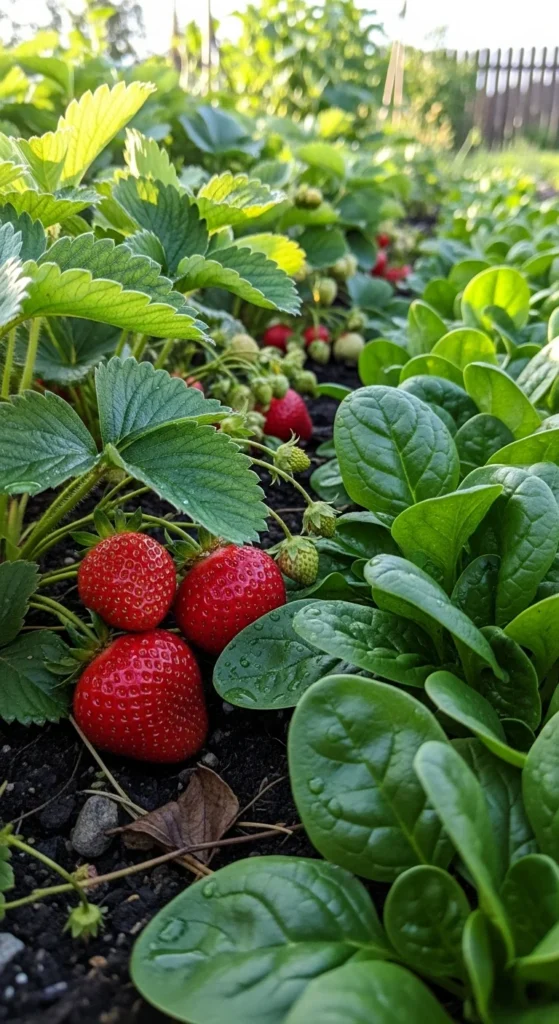
Spinach grows well in the partial shade of strawberry plants. The strawberries act as living mulch, keeping weeds and soil temperature under control.
Harvest spinach early in the season, then enjoy strawberries as summer heats up. It’s a perfect succession plan for small gardens.
9. Garlic and Roses
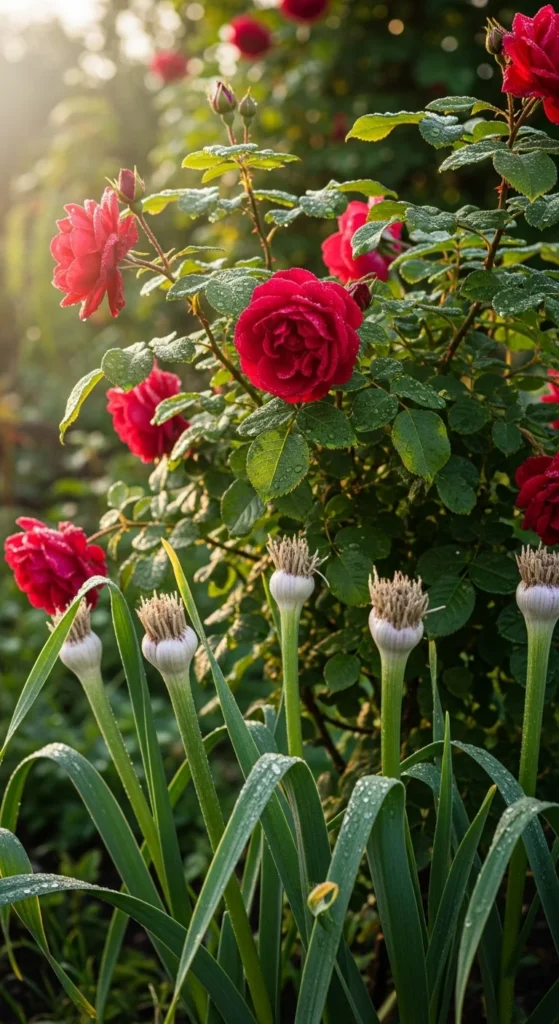
Garlic keeps aphids and fungal diseases away from roses. Its smell repels pests without any sprays.
Plant garlic cloves around your rose bushes in fall. They’ll grow quietly through winter and protect your blooms next spring.
10. Marigolds and Almost Anything
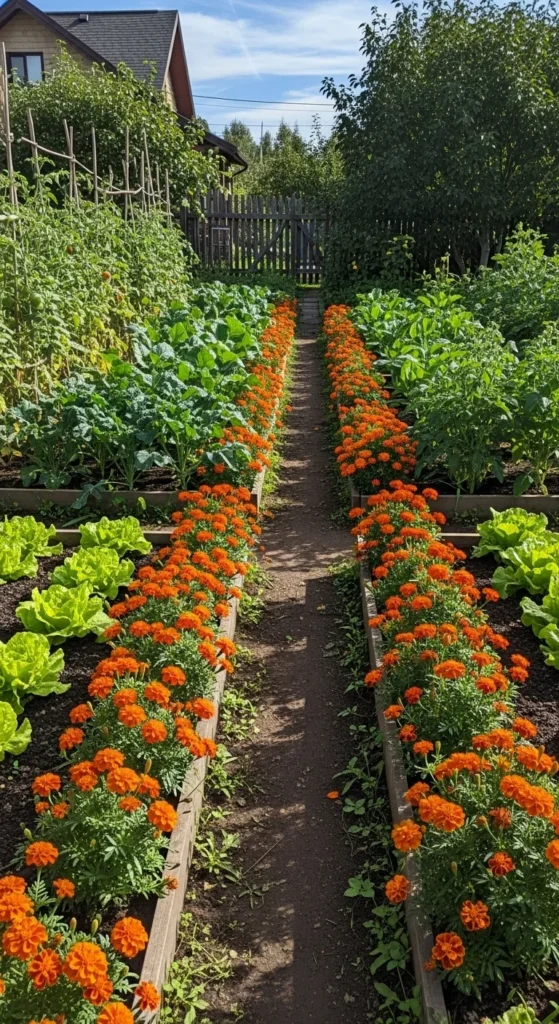
Marigolds deter nematodes, whiteflies, and beetles naturally. They fit anywhere—from tomato rows to cucumber beds.
Choose French marigolds for smaller beds and African marigolds for borders. Their bright color also brings more pollinators to your garden.
11. Beets and Garlic
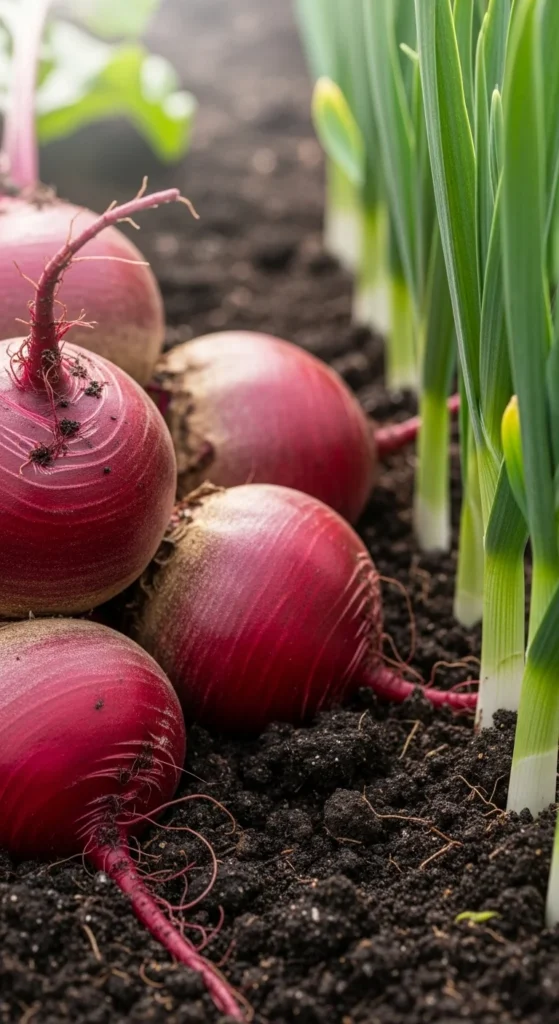
Garlic drives off aphids and keeps fungal diseases away from beet leaves. Beets, with their quick growth, share soil well without competition.
Plant garlic in rows and scatter beet seeds between. It’s an easy combination for compact spaces and raised boxes.
12. Broccoli and Celery
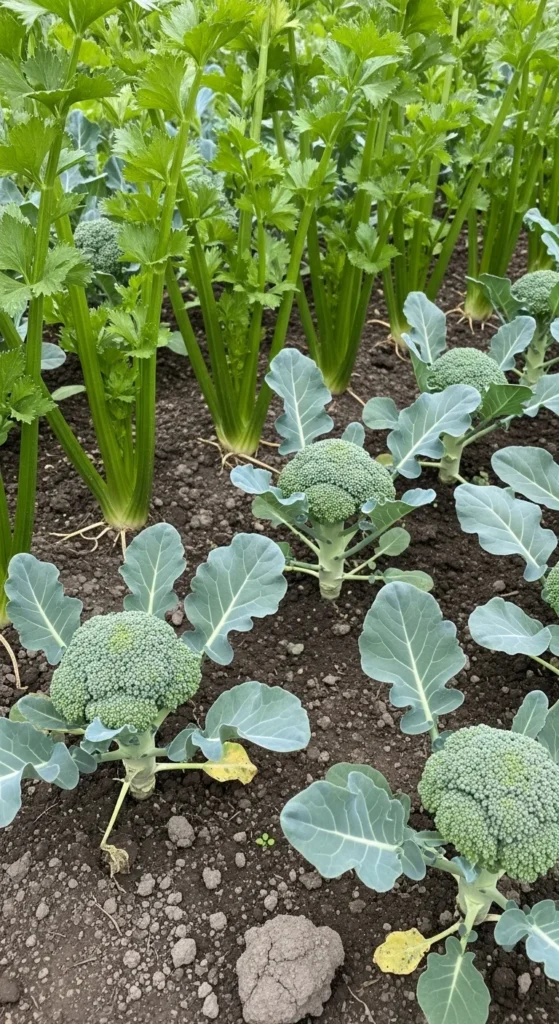
Celery masks broccoli’s scent, confusing cabbage moths. The two don’t fight for nutrients and thrive in cool weather.
Water often to keep celery tender and broccoli firm. Add compost mid-season to support both.
13. Kale and Mint
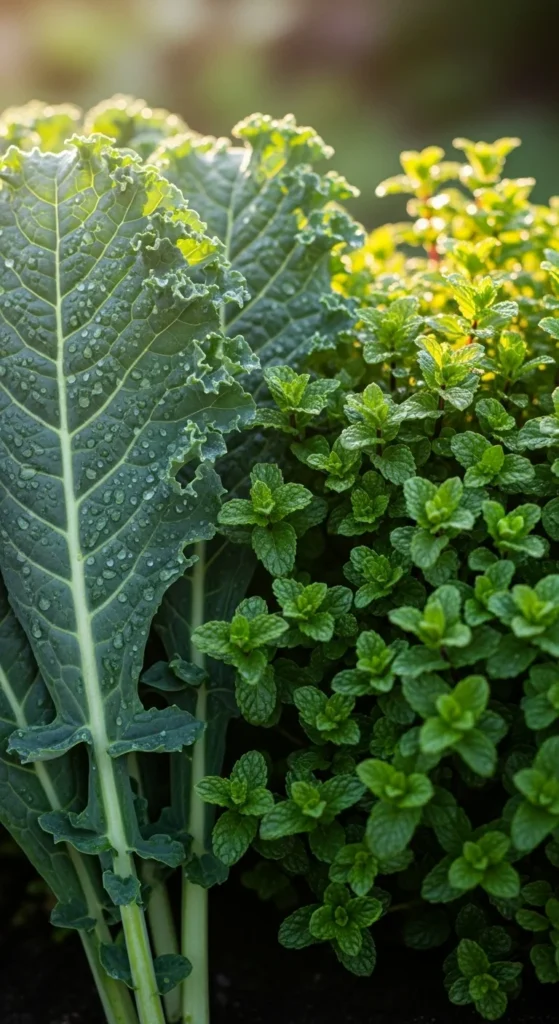
Mint repels cabbage moths and flea beetles that love kale. But keep mint in containers nearby to stop it from spreading too far.
This pairing not only keeps pests low but also fills your kitchen with two versatile greens.
14. Zucchini and Borage
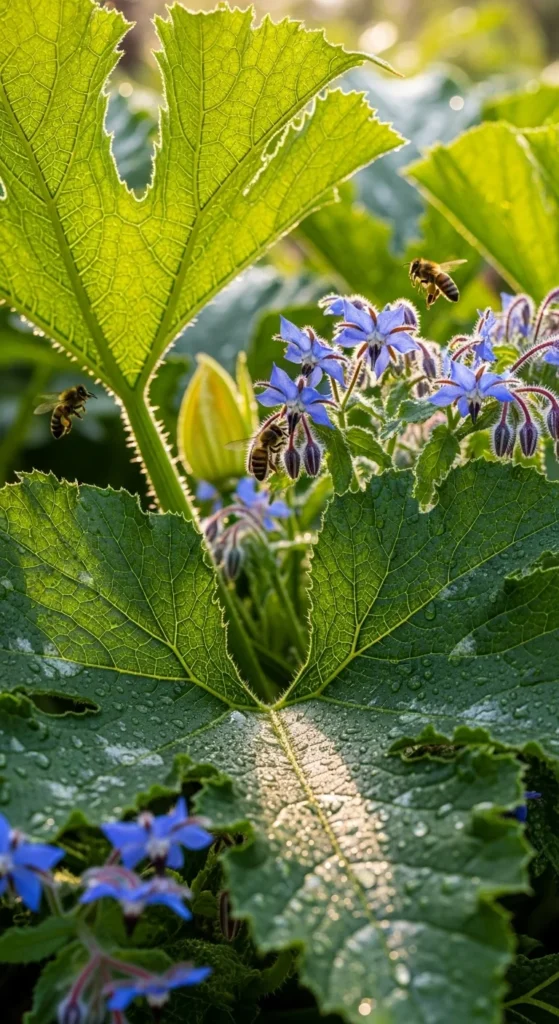
Borage attracts bees and deters tomato hornworms. When planted near zucchini, it improves pollination and fruit size.
Add a few borage plants near your zucchini bed. Their starry flowers also make great edible garnishes.
15. Potatoes and Beans
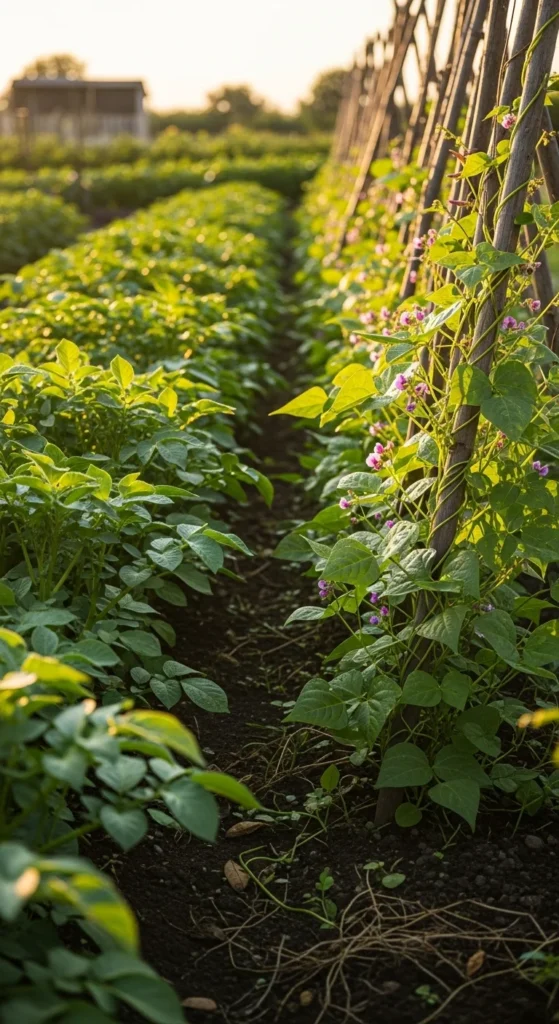
Beans fix nitrogen in the soil, which potatoes love. This combo reduces the need for fertilizers.
Space them with at least a foot between to allow airflow. As beans climb, potatoes spread low, maximizing your space.
16. Lettuce and Chives
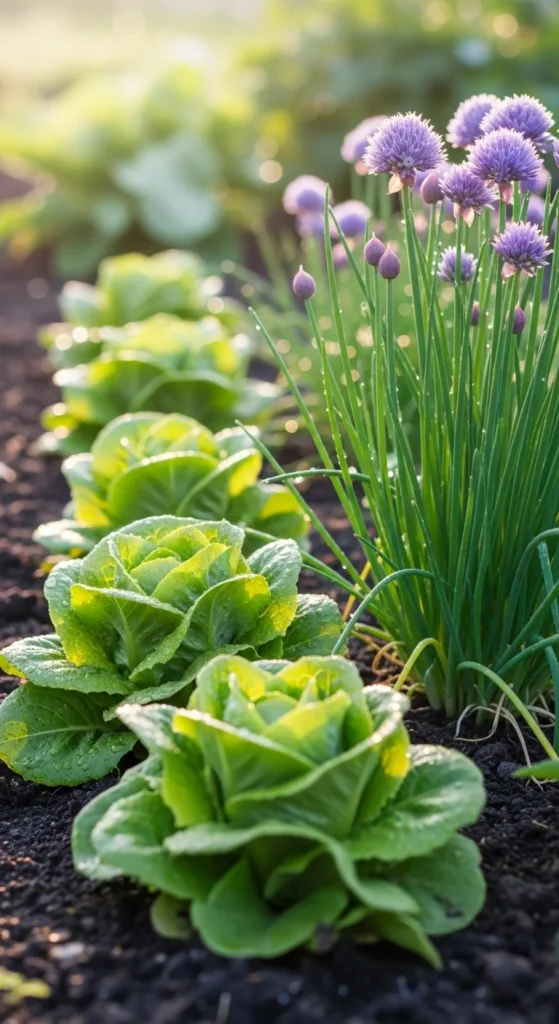
Chives keep aphids and slugs away from lettuce. Plus, their flowers attract pollinators.
Snip chive leaves regularly to promote fresh growth. Use them in salads with your homegrown lettuce for a full circle harvest.
17. Peas and Turnips
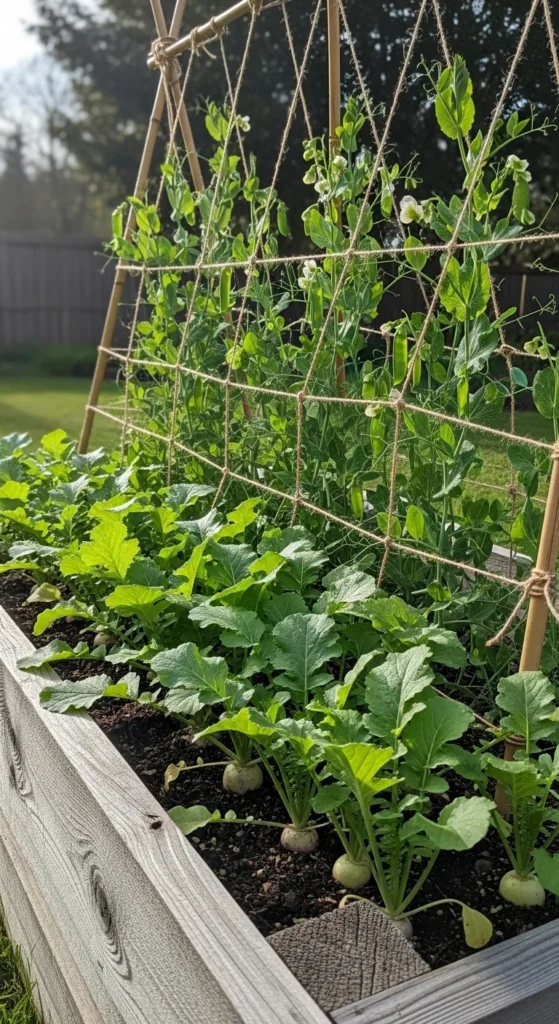
Peas fix nitrogen, helping turnips grow healthy roots. Turnips stay low, using light that peas don’t need.
Once peas are done producing, cut their stems and leave the roots to enrich the soil for your next crop.
18. Spinach and Radishes
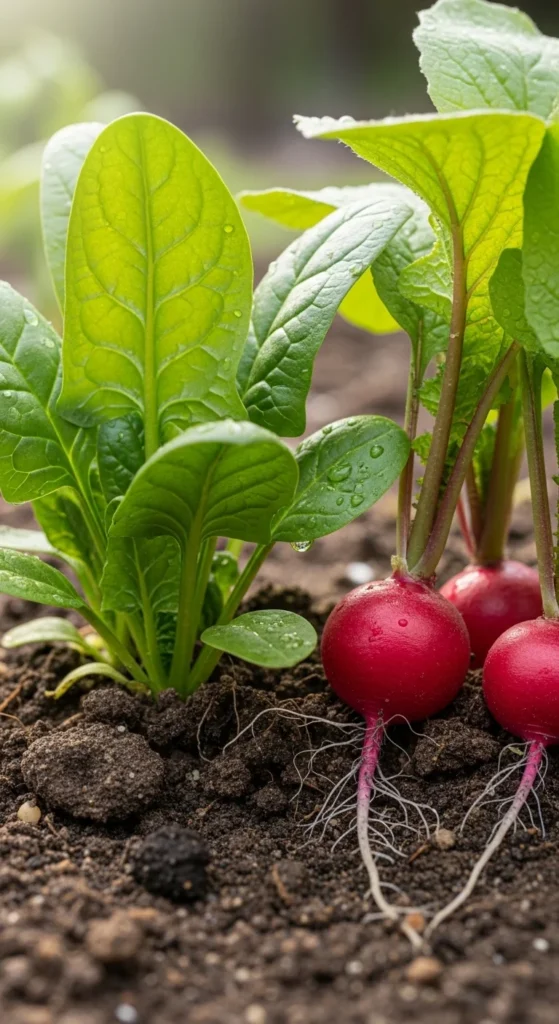
These two grow fast together. Radishes loosen soil for spinach roots, and spinach shades the soil for better moisture retention.
You’ll harvest both within a month—great for early spring or fall gardens.
19. Cucumbers and Sunflowers
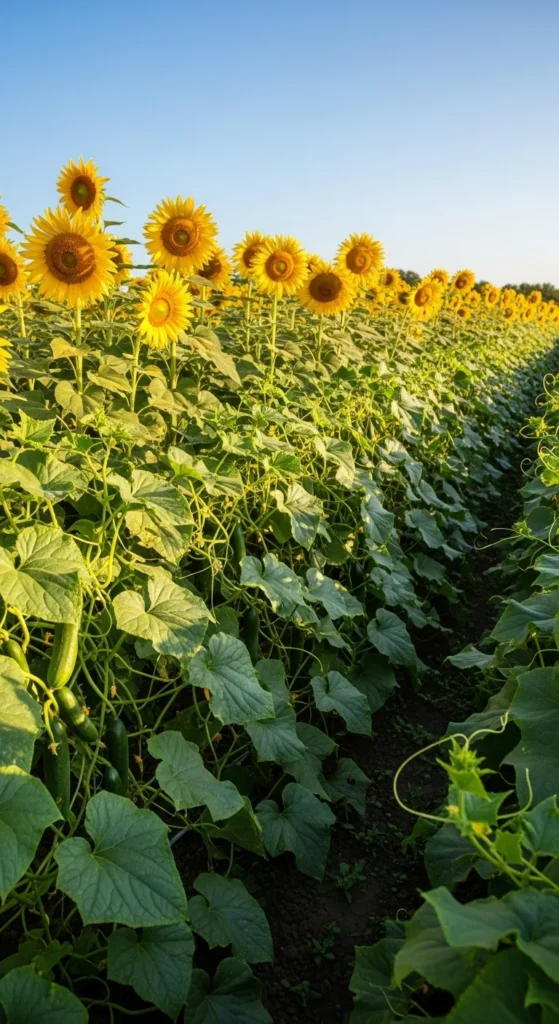
Sunflowers serve as a natural trellis for cucumbers. Their height provides some shade too.
Plant sunflowers first, then cucumbers a few weeks later. It’s a stunning and space-saving combo for backyard gardens.
20. Onions and Beets
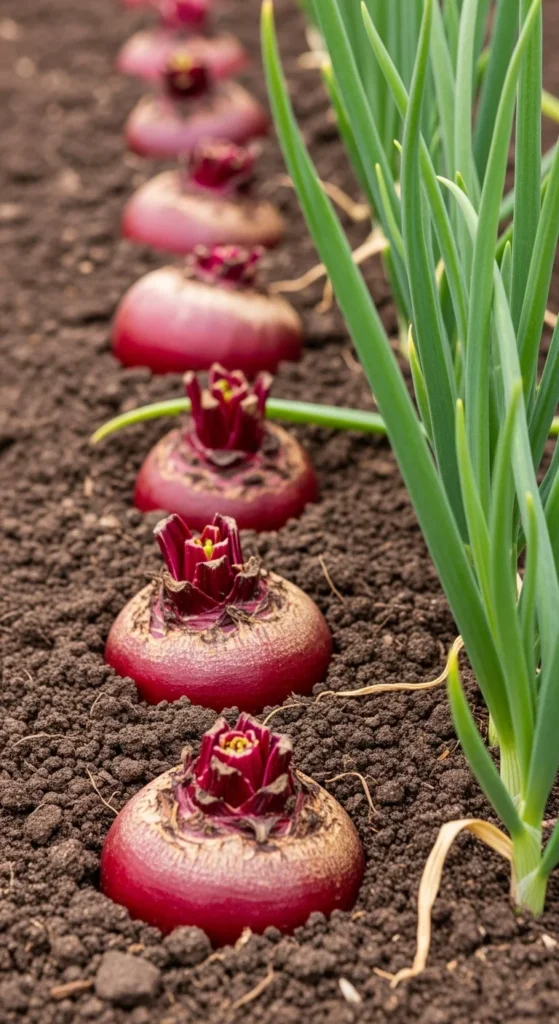
The strong smell of onions confuses pests that target beets. Together, they use nutrients efficiently and prevent overcrowding.
Rotate this combo yearly to keep soil balanced. It’s a great trick for small plots.
21. Tomatoes and Carrots
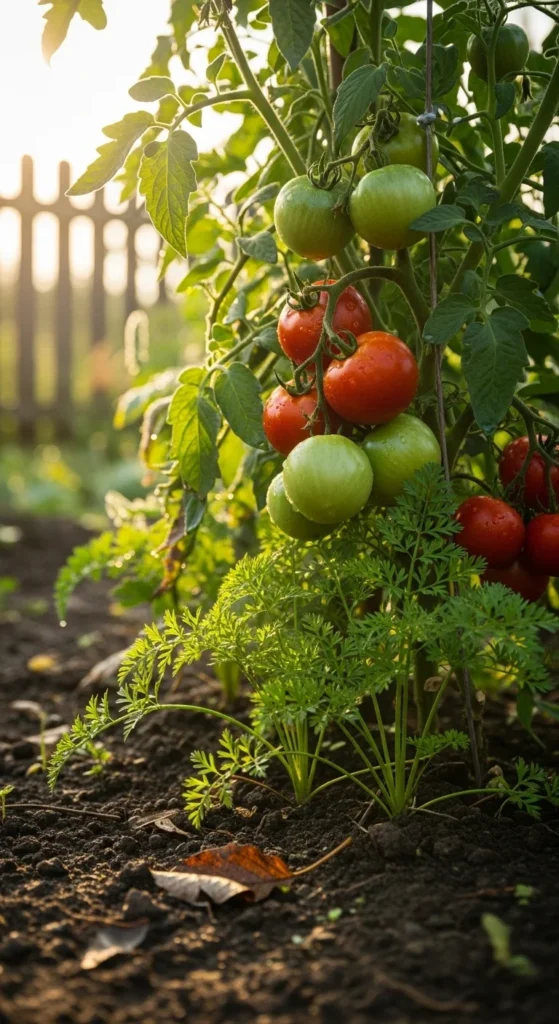
Tomatoes provide light shade to carrots, preventing them from bolting in heat. Carrots, in return, keep soil aerated.
Keep soil loose and well-watered to help both grow evenly. You’ll get sweet carrots and juicy tomatoes from one spot.
22. Basil and Peppers
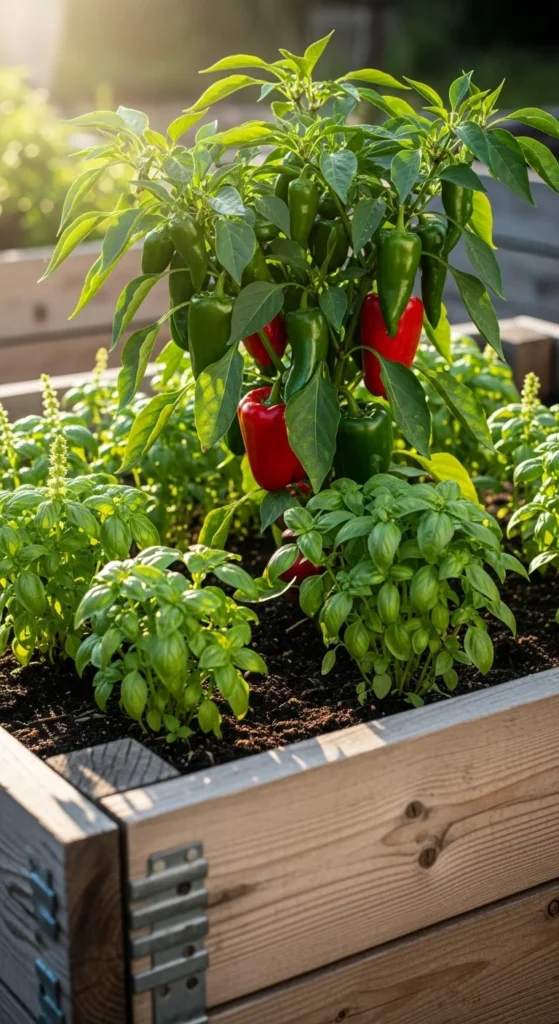
Basil repels spider mites and adds aroma to the garden. Peppers benefit from improved air circulation and fewer pests.
Clip basil leaves often to encourage more growth. Use them fresh for cooking or drying later.
23. Celery and Leeks
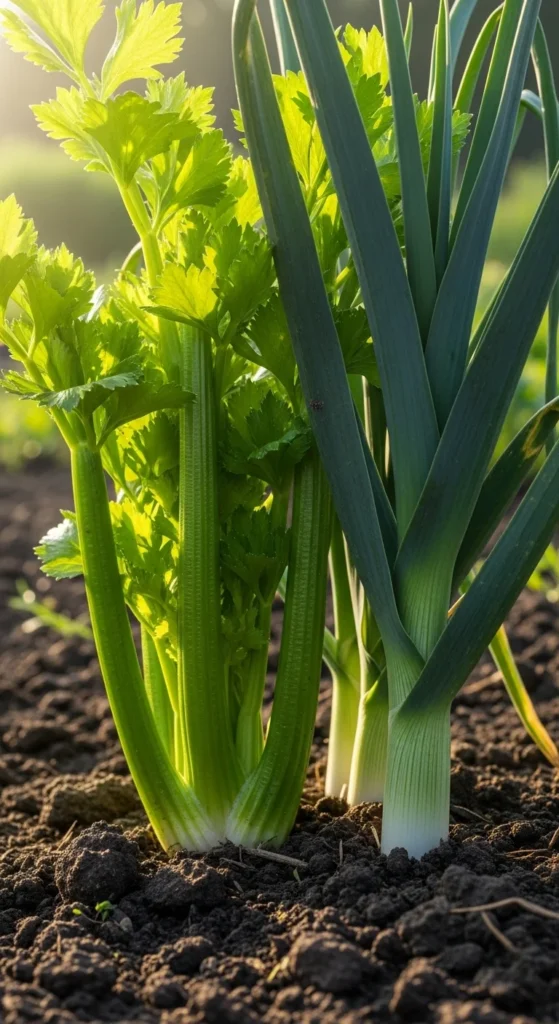
Leeks and celery share water and nutrients well. Leeks protect celery from carrot flies, and both love steady moisture.
Keep mulch thick around the base to retain water. The mild flavors complement each other in soups and stews later.
Conclusion
Companion planting isn’t complicated—it’s smart gardening made simple. These combinations create balance, save space, and reduce pest problems naturally. Start with one or two pairs this season, and soon your garden will grow healthier, more colorful, and easier to manage. Small changes like these can turn any patch of soil into a thriving ecosystem that practically takes care of itself.

Leave a Reply