

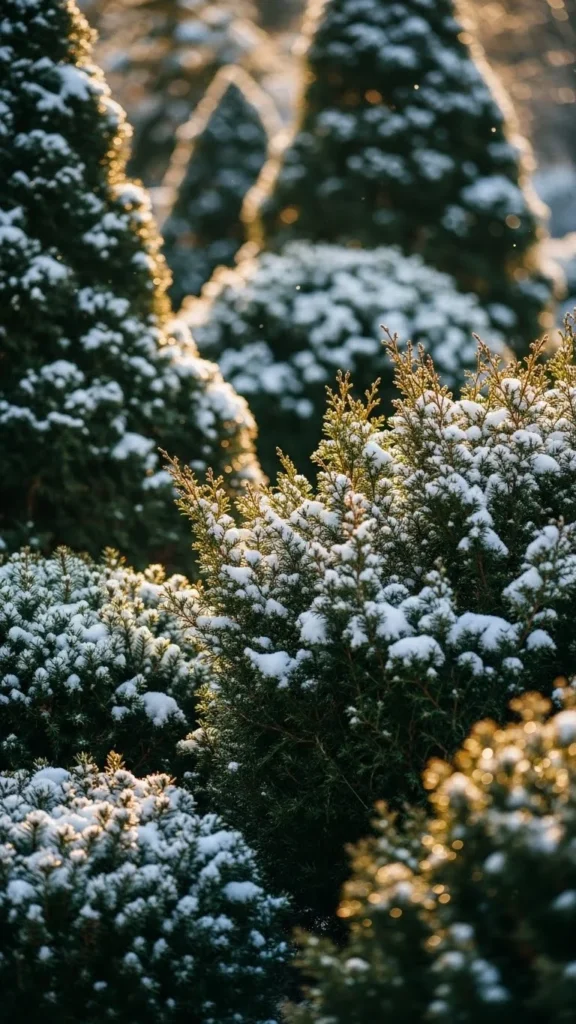
Evergreen plants bring steady color when everything else fades. They hold their shape, stay bright in cold weather, and make any winter garden feel alive. If you want a landscape that looks appealing even in freezing conditions, these plants are reliable choices. Most are easy to maintain, budget-friendly to plant, and work well in both large and small spaces. This guide shares practical ideas to help you choose evergreens that stay green even when covered in snow.
1. Boxwood (Buxus)
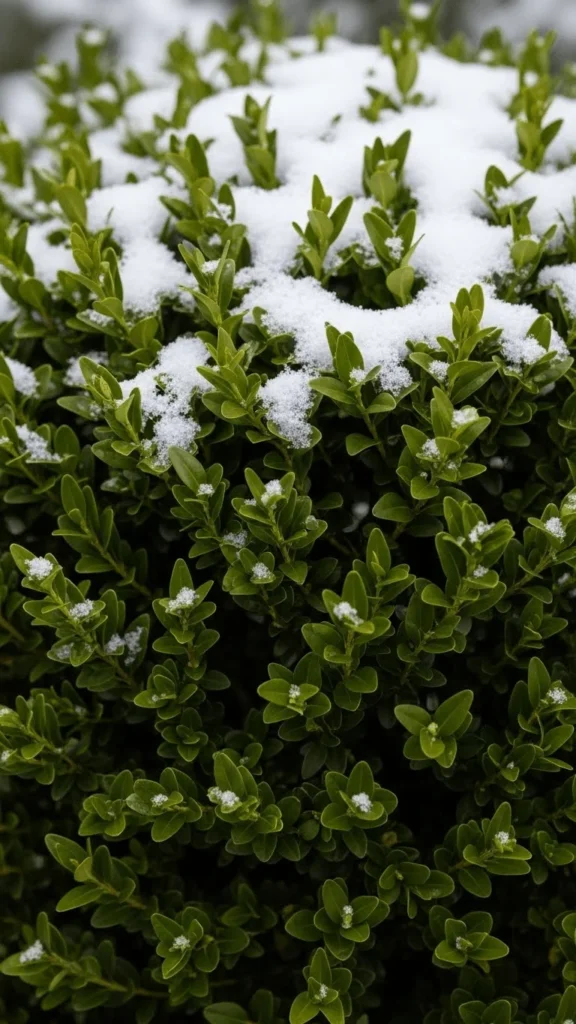
Boxwood holds its shape all winter. It has dense leaves and stays green even in freezing conditions. Many gardeners use it for borders, pathways, or small hedges. If you want something that looks tidy without much work, boxwood is a solid pick.
Keep the soil slightly moist in fall so the roots stay strong. Add mulch around the base to help hold warmth. If you’re on a budget, buy smaller nursery pots and let them grow into shape. You can also trim boxwood lightly in early summer to keep it compact. For container gardening, choose a heavy pot so it does not tip over in winter winds. Boxwood pairs well with stone paths, entryways, and raised beds.
2. Dwarf Alberta Spruce
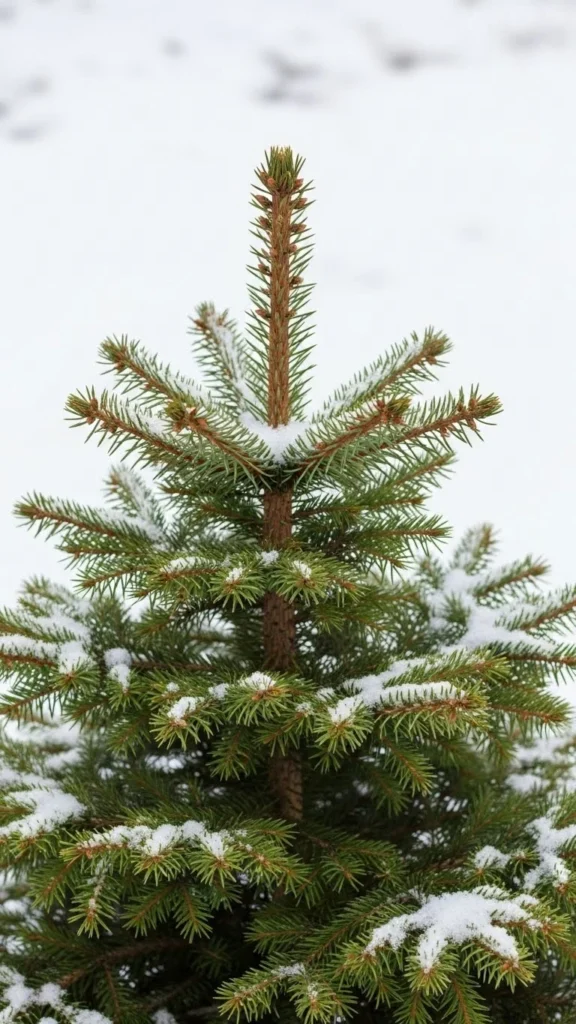
This spruce stays green in the harshest weather. It grows slowly, which means you can enjoy it for years without heavy trimming. Its tidy cone shape fits well in small gardens, porches, and front-yard displays.
Plant it in a sunny spot with good drainage. Add a thin mulch layer to help protect the roots from freezing soil. You can grow it in large containers near the front door for year-round structure. If your budget is tight, start with one plant and build a matching pair later. Water lightly before the cold season starts, and brush off heavy snow to prevent bending. Its compact look makes your winter garden feel organized and bright.
3. Emerald Green Arborvitae
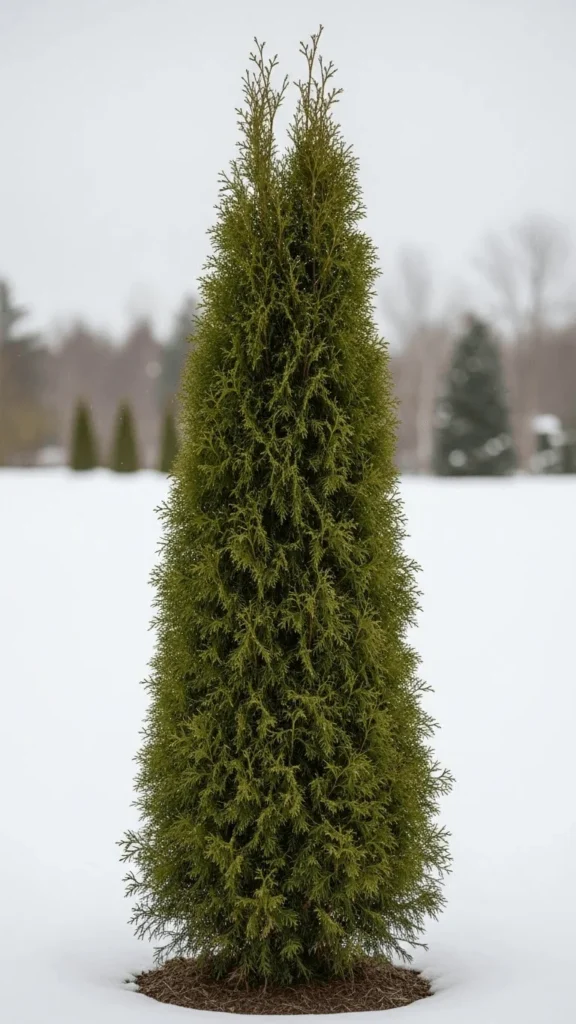
This plant grows in a slim column shape and stays green even under heavy snow. It’s great for privacy screens, backyard edges, or lining long driveways. Many homeowners like it because it needs very little attention after planting.
Set it in well-draining soil and full sun. Add mulch to help protect the roots. If you’re planting several, space them evenly to avoid crowding. Starting with smaller sizes helps keep costs down. Arborvitae also works well in mixed evergreen rows to add height. In winter, shake off snow gently if branches bend. Its tall form adds structure to any snowy garden.
4. Japanese Holly
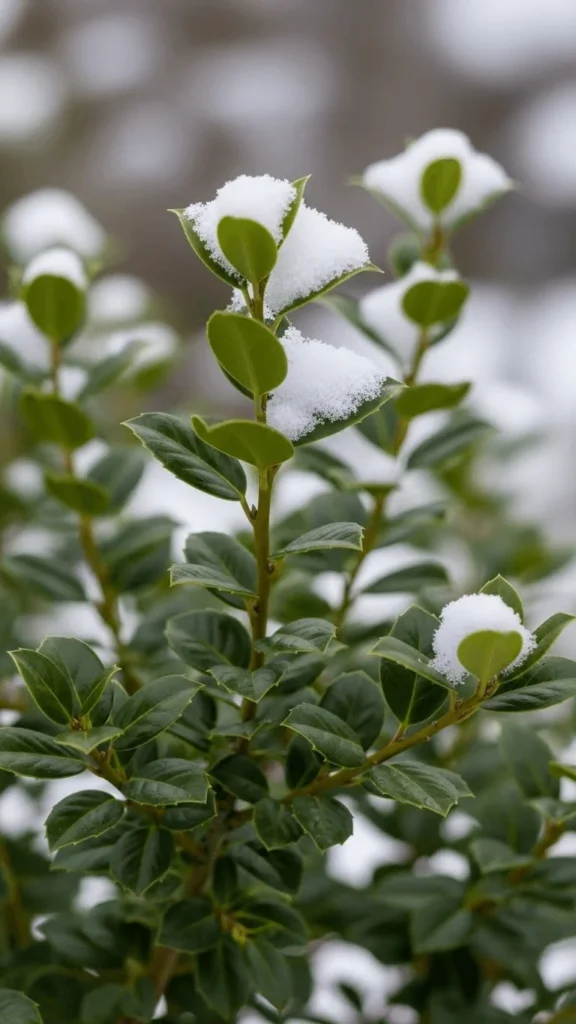
Japanese holly keeps its bold green leaves through icy weather. It resembles boxwood but has tiny berry-like details that add charm. It’s perfect for low hedges, walkway borders, and foundation beds.
Give it partial to full sun and soil that drains easily. Add mulch in fall to protect the roots. Trim lightly once a year to keep its shape. If you want a budget-friendly approach, plant younger shrubs and allow them to grow naturally. Use it near steps, patios, or front porches for winter color. While the plant stays green even in storms, brushing off heavy snow helps maintain its shape.
5. Mountain Laurel
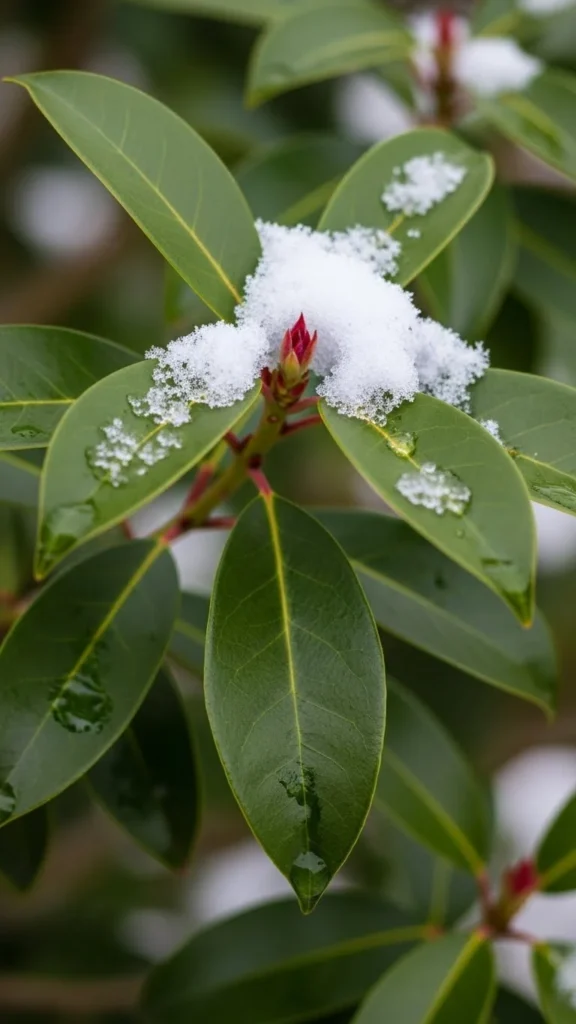
Mountain laurel stays green year-round and keeps its leaves glossy even as temperatures drop. The shrub adds a natural woodland feel to any yard and is perfect for shady areas.
Plant it in partial shade with slightly acidic soil. Add a thick layer of mulch to help keep roots insulated. Water before the ground freezes so it enters winter strong. Choose smaller plants if you want to keep the budget low—they grow well over time. Use mountain laurel along fences, woodland edges, or under tall trees. Its broad leaves bring life to areas that look bare in winter.
6. Blue Star Juniper
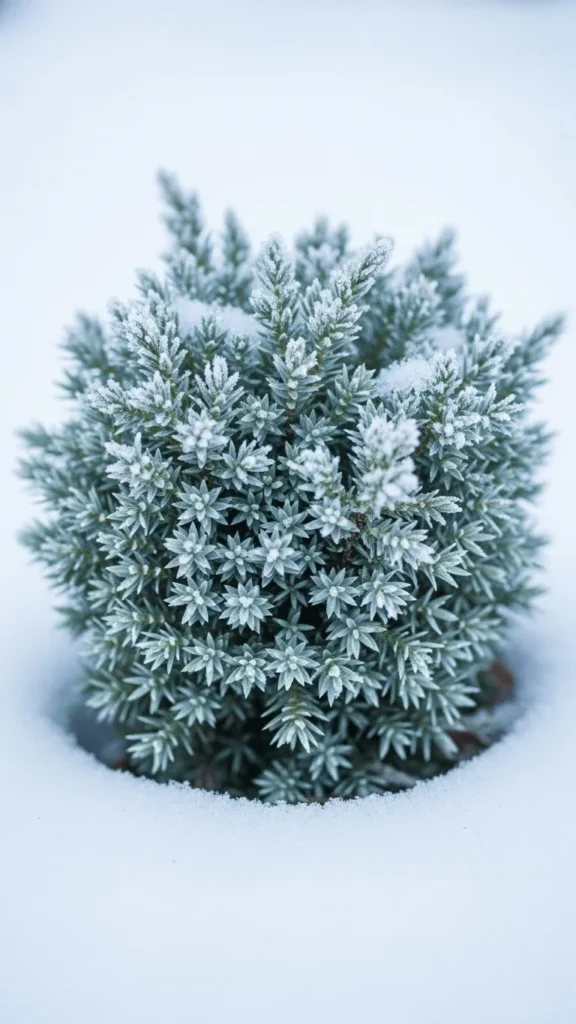
This low-growing evergreen adds year-round color with its blue-toned needles. It spreads slowly and creates a soft, rounded mound that looks great along pathways or rock gardens.
Set it in full sun so its color stays strong. Make sure the soil drains well to avoid soggy roots. You can plant several in a row for a low border or use them to fill empty spots in beds. Budget gardeners can start with one or two and divide the design later. Brush off heavy snow to keep the shape crisp. Its unique color stands out beautifully against winter white.
7. English Yew
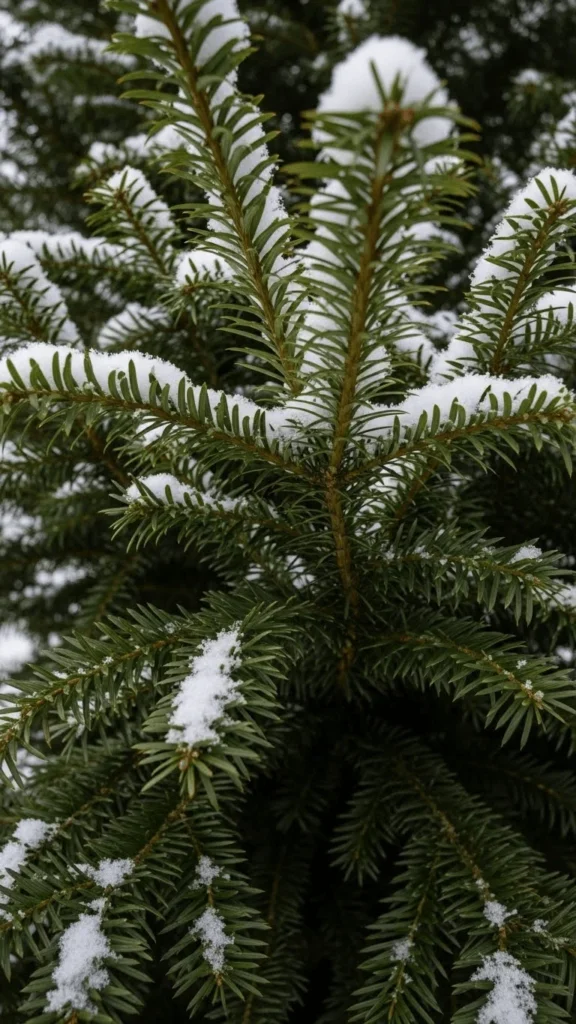
English yew remains deep green in cold months. Its thick needles and slow growth make it a reliable winter shrub for formal gardens.
Plant it in sun or partial shade. Use well-draining soil and add mulch before heavy frost. Yew can be trimmed into geometric shapes, giving your landscape a clean look. If you want to save money, buy smaller nursery sizes—they respond well over time. Use yew for hedges, corners, or accent spots. Its dark foliage creates a nice contrast with snowy surroundings.
8. Siberian Cypress
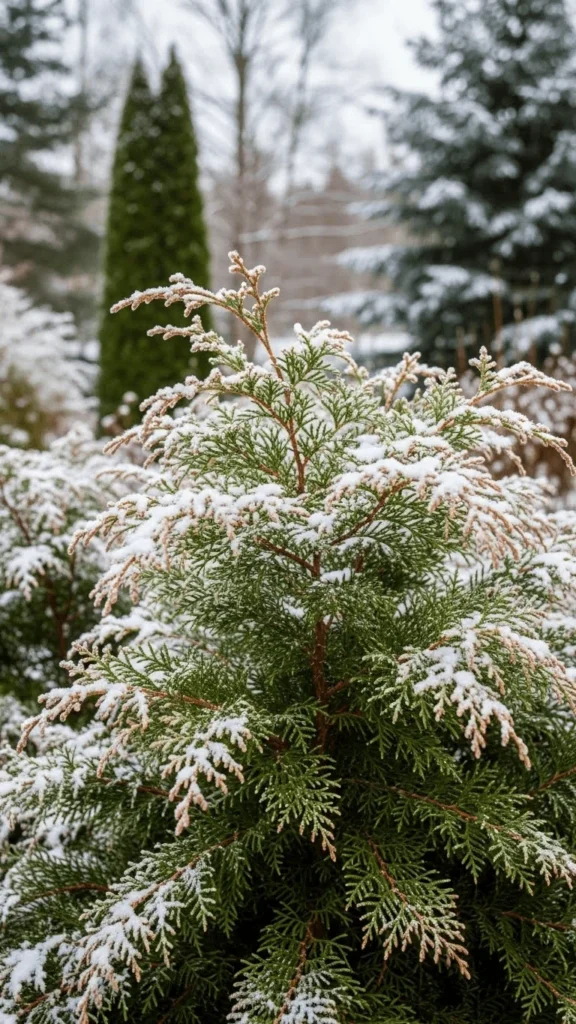
Siberian cypress is low and spreading, perfect for slopes or groundcover. It handles freezing winters well and keeps a soft green tone.
Plant it where it can spread naturally, such as near large rocks or borders. Make sure the area drains well. Add a simple mulch ring to help protect the roots. It grows slowly, so starting with small pots works fine if you’re saving money. Use it to cover bare patches or add texture. Its feathery look brightens up snowy days.
9. Rhododendron
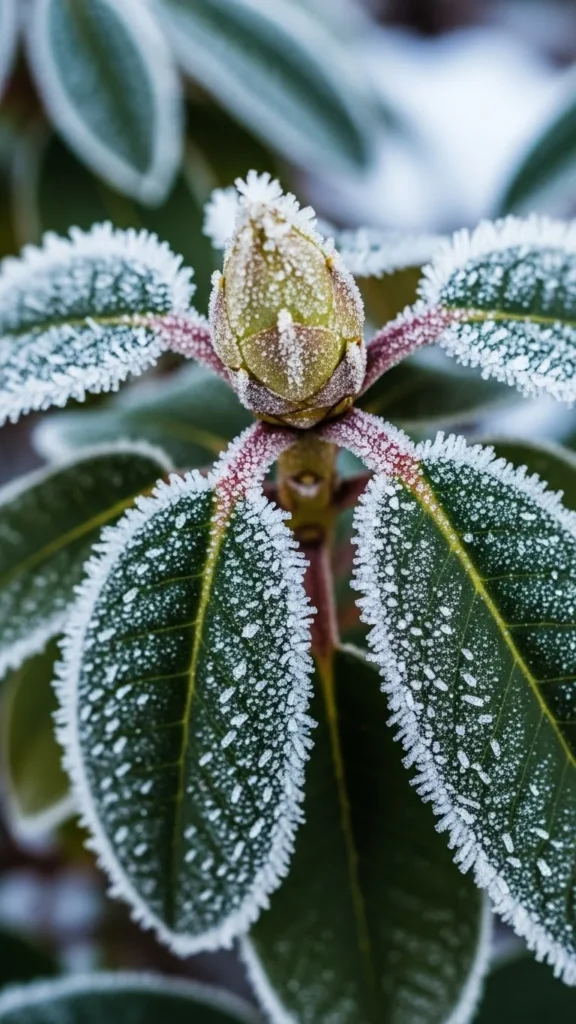
Rhododendrons stay green through winter and add a bold, leafy texture. They love sheltered spots and bring a natural forest feel to any garden.
Plant them in partial shade with acidic soil. Add mulch to help lock in soil warmth. Water lightly before freezing weather arrives. You can buy smaller shrubs and let them expand over time to save money. Place rhododendrons near entryways or garden beds that need winter structure. Their wide leaves hold snow in a charming way without losing color.
10. Mugo Pine
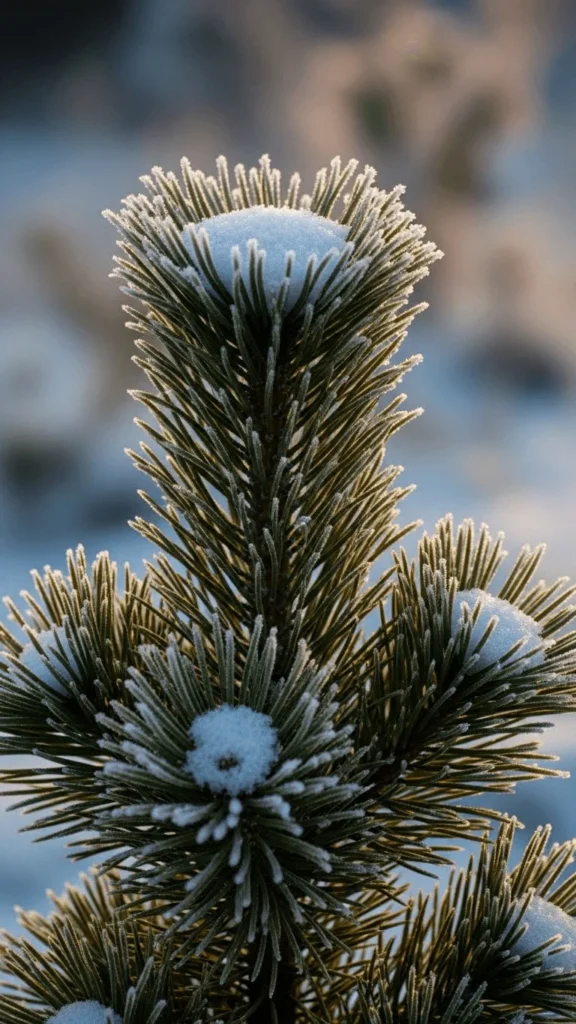
Mugo pine stays green through snowstorms and needs minimal care. Its strong needles hold up well to ice and wind.
Set it in sunny locations with good drainage. Add a bit of mulch around the base. If you’re sticking to a budget, start with dwarf varieties—they look great even when small. Add mugo pine to rock gardens, small beds, or patio edges. Shake off heavy snow to avoid bent branches. Its rugged look stands out in winter.
11. Wintergreen (Gaultheria)
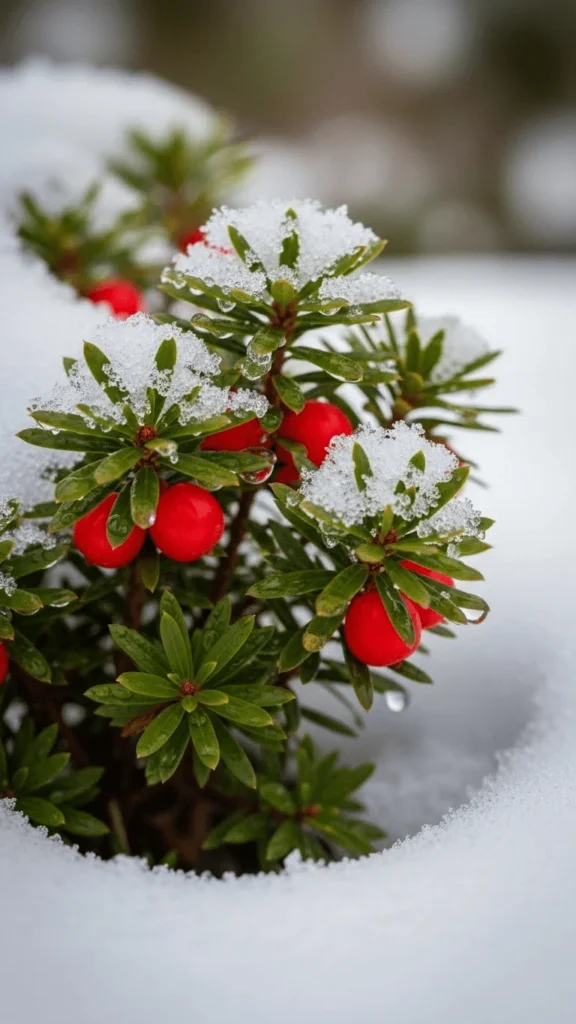
Wintergreen keeps its deep green leaves and bright berries all season. It’s low-growing and perfect as a groundcover.
Plant it in partial shade with moist, well-draining soil. Add mulch for protection. You can buy small plugs to save money—they spread slowly and fill space well. Wintergreen looks charming along walkways and in woodland beds. Snow settles lightly on the leaves without harming them.
12. Lebanon Cedar
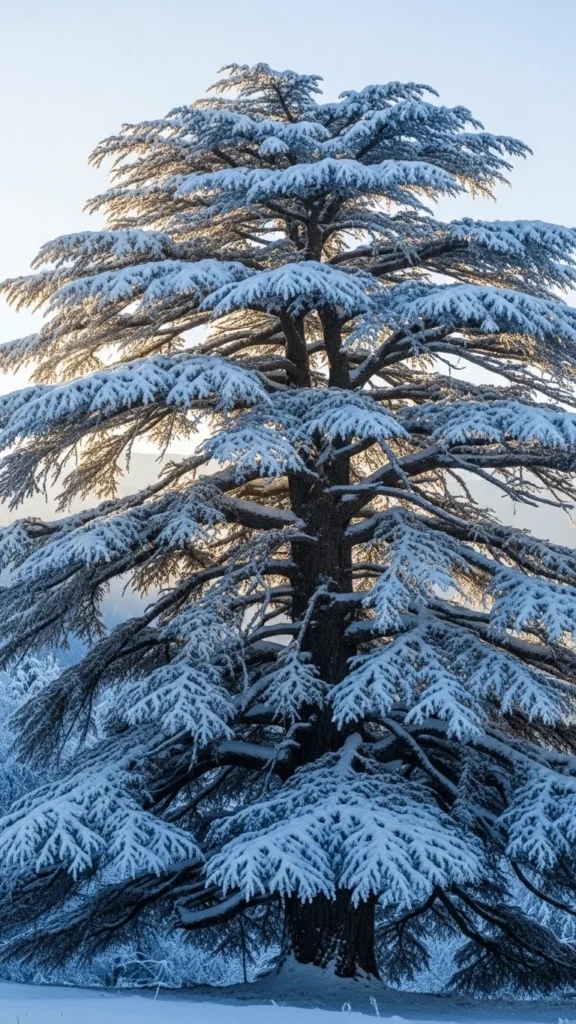
This cedar has dramatic branching and holds its green color through snow and cold weather.
Plant it in a wide open space with full sun. Water the soil before winter to help strengthen the roots. Since large trees can be pricey, start with a younger version to reduce costs. Use this cedar as a focal point in the yard or at the back of large beds. It adds height and character even when everything else looks bare.
13. Inkberry Holly
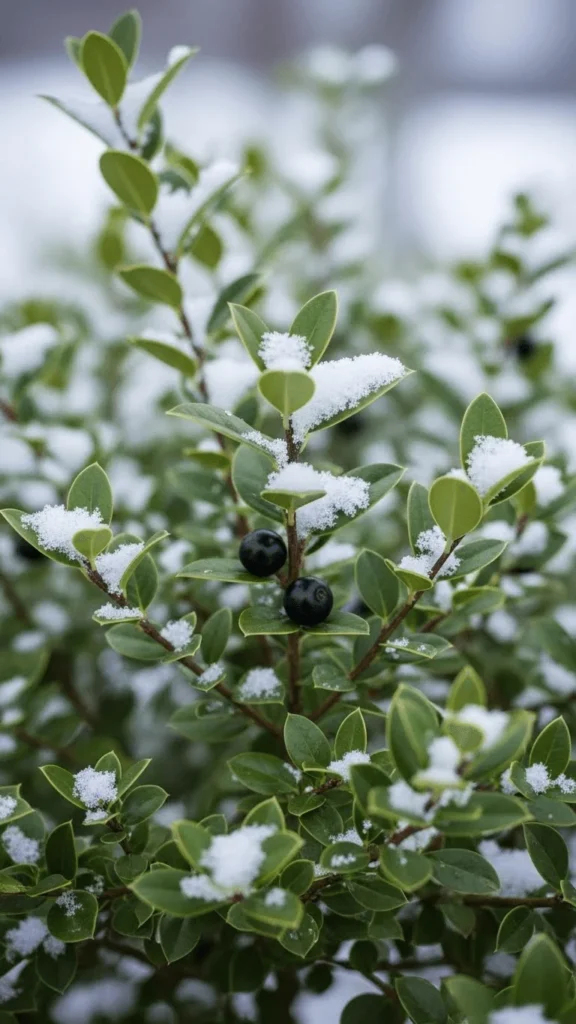
Inkberry holly stays full and green during winter and works well as a low hedge or filler plant.
Set it in sun to partial shade. Keep the soil slightly moist and add mulch before frost. To manage costs, choose small starter shrubs. They thicken up over time. Inkberry holly looks great near porches, paths, and foundation areas. Snow sits gently on the leaves, giving the plant a crisp winter look.
14. Shore Pine
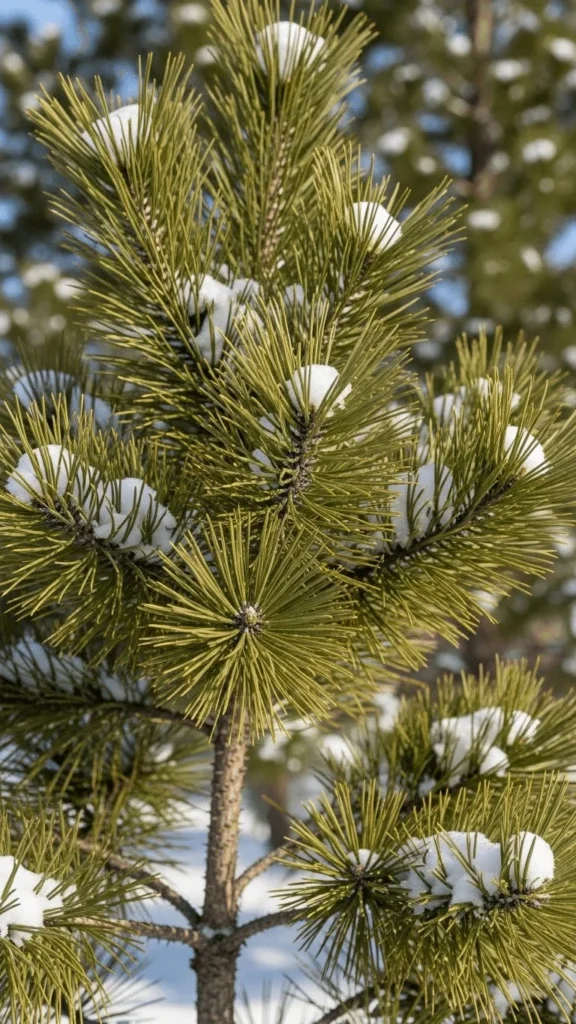
Shore pine is sturdy and holds color during freezing weather. It grows in irregular shapes that add charm to winter gardens.
Plant it in full sun and give it space to develop. Soil should drain well. Add mulch in fall for extra protection. Start with smaller plants if you want to keep things affordable. Shore pine works well in natural landscapes or coastal-style yards. Snow only enhances its rugged look.
15. Oregon Grape Holly
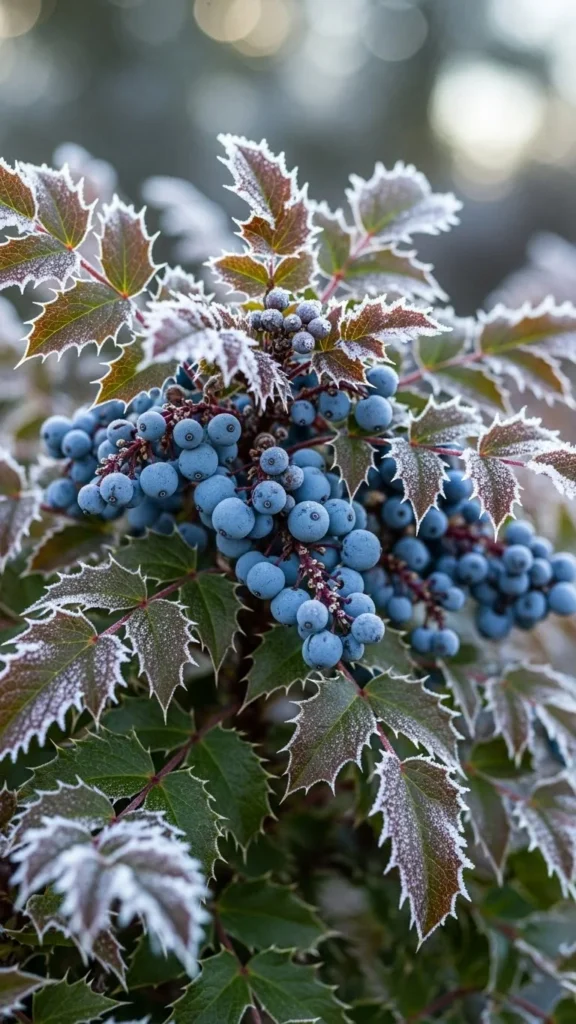
This evergreen has glossy leaves that stay green even in deep winter. It also produces berries that add color.
Plant it in partial shade with rich soil. Add mulch before temperatures drop. You can buy small plants to reduce upfront costs. It grows well under trees or along fences. Its bold leaves make winter gardens feel full and lively.
16. Spruce ‘Baby Blue’
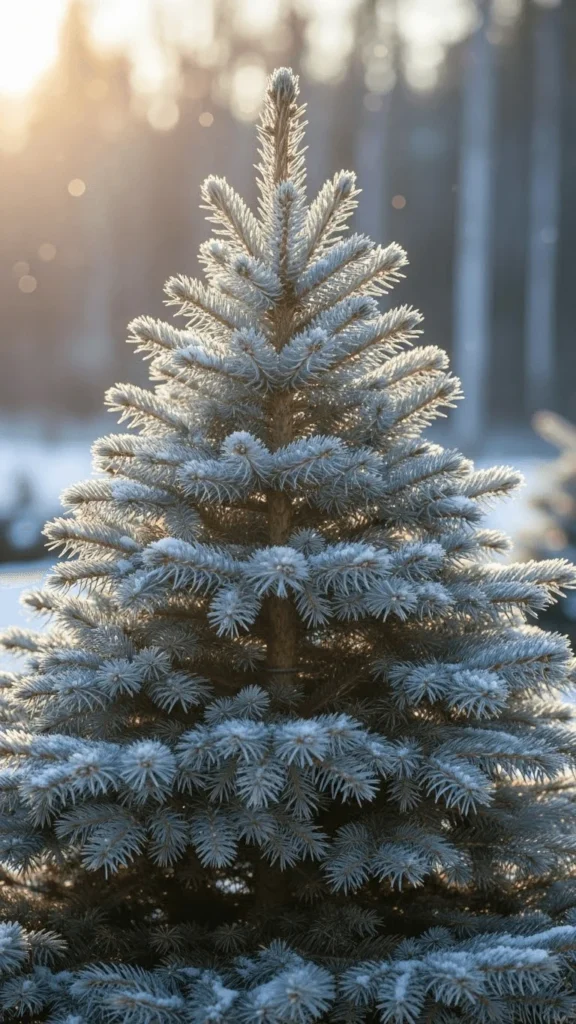
This spruce holds its blue-green needles all winter. It’s smaller than classic varieties, making it a good choice for smaller yards.
Plant it in full sun with good drainage. Mulch around the base. Budget gardeners can start with smaller pots. Use it as an accent in beds or near patios. It brings brightness to snowy landscapes.
17. Pieris Japonica
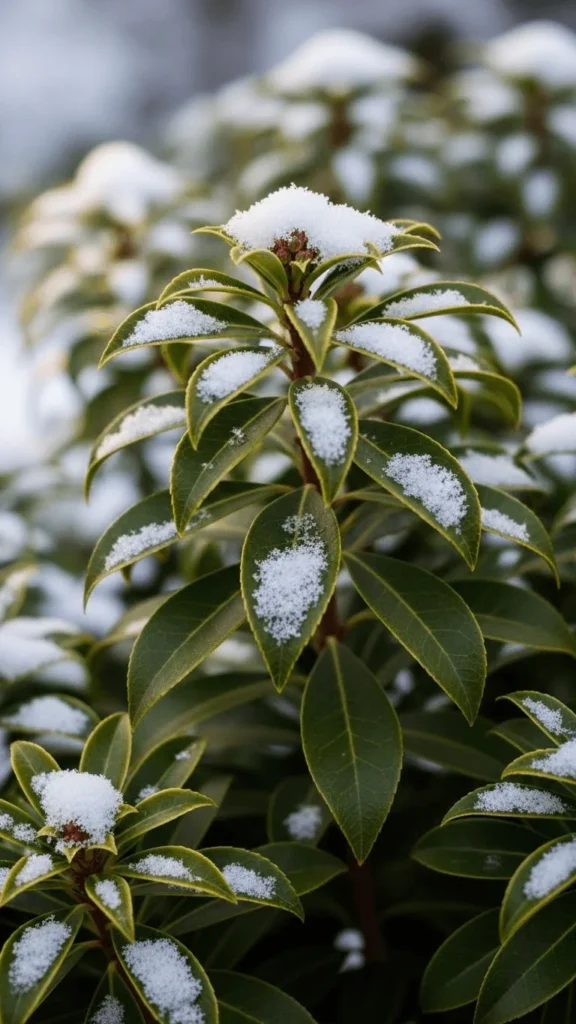
Pieris Japonica keeps its color all year and adds a refined look to winter gardens.
Plant it in partial shade with acidic soil. Mulch in fall to help the roots. Choose smaller shrubs to save money. Place it near entryways or along shaded paths. Its layers of leaves create depth even under snow.
18. Hinoki Cypress
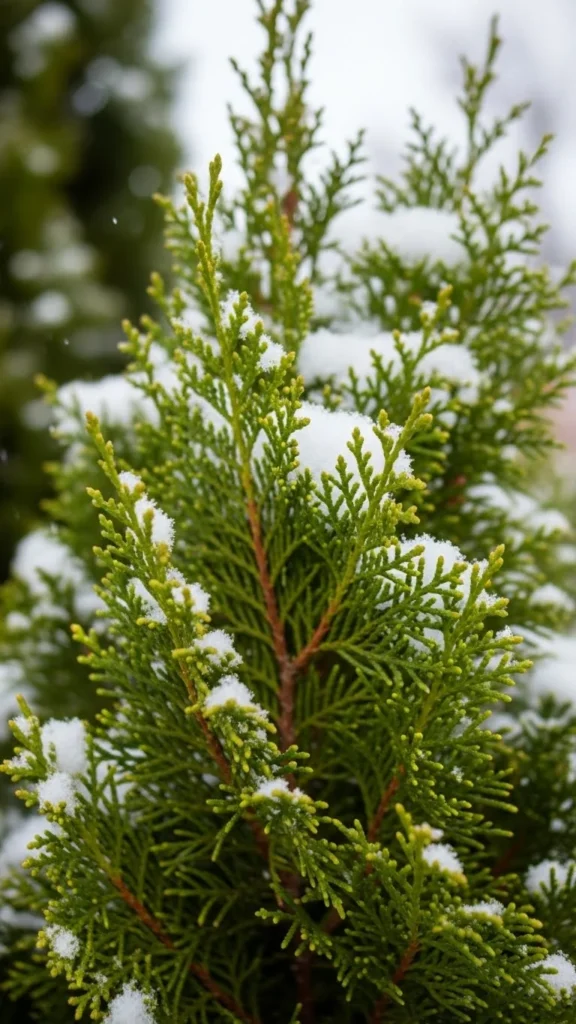
Hinoki cypress stays green and offers soft, sculptural texture throughout winter.
Plant it in well-draining soil and sun. Add mulch before frost. Smaller sizes cost less and still look great. Use hinoki as a focal point or near garden corners. Its unique shape stands out in snowy settings.
19. White Pine
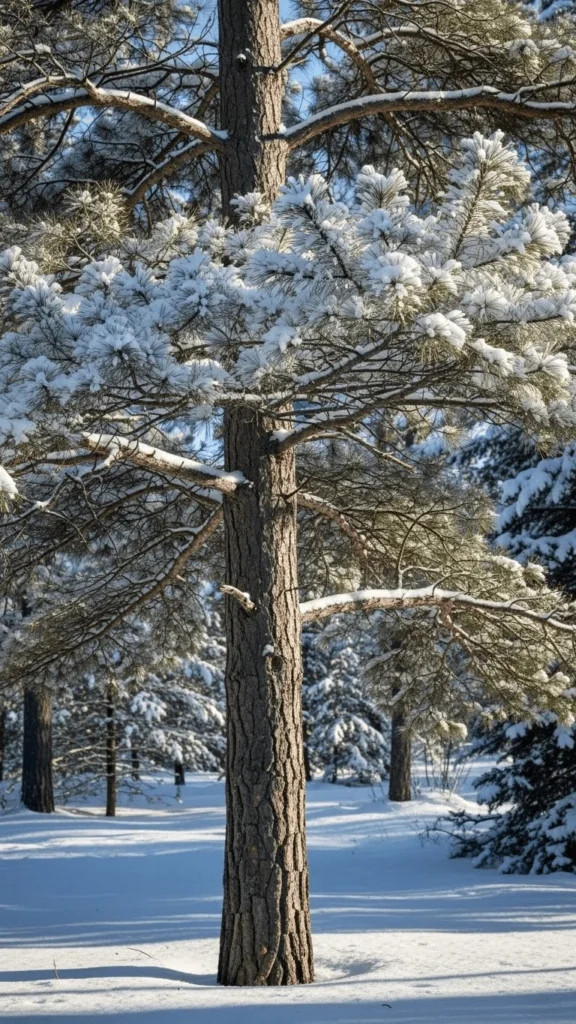
White pine keeps its green needles even in heavy snow. Its long needles create a soothing, airy look.
Plant it in full sun with well-draining soil. Give it plenty of space. Mulch the base for warmth. Smaller seedlings are more budget-friendly. Use white pine at the back of beds or to frame large open areas. Snow sits gently on its flexible branches.
20. Deodar Cedar
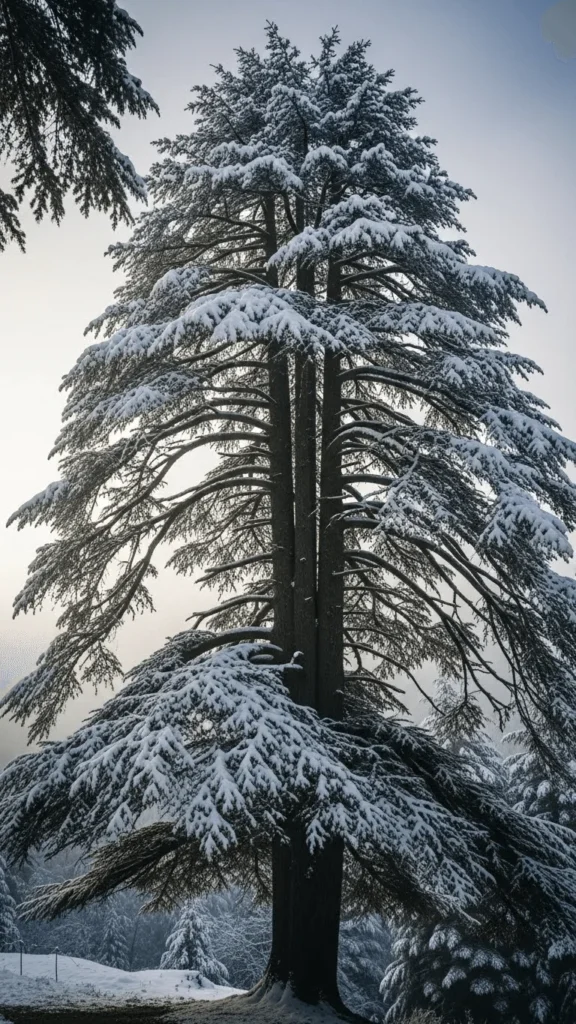
Deodar cedar has a flowing shape that stays green all season.
Plant it in sun with good drainage. Water before the ground freezes. Young trees cost much less, making them ideal for long-term growth. Use this cedar as a centerpiece in wide areas. Its elegant shape looks beautiful in winter scenes.
21. Creeping Juniper
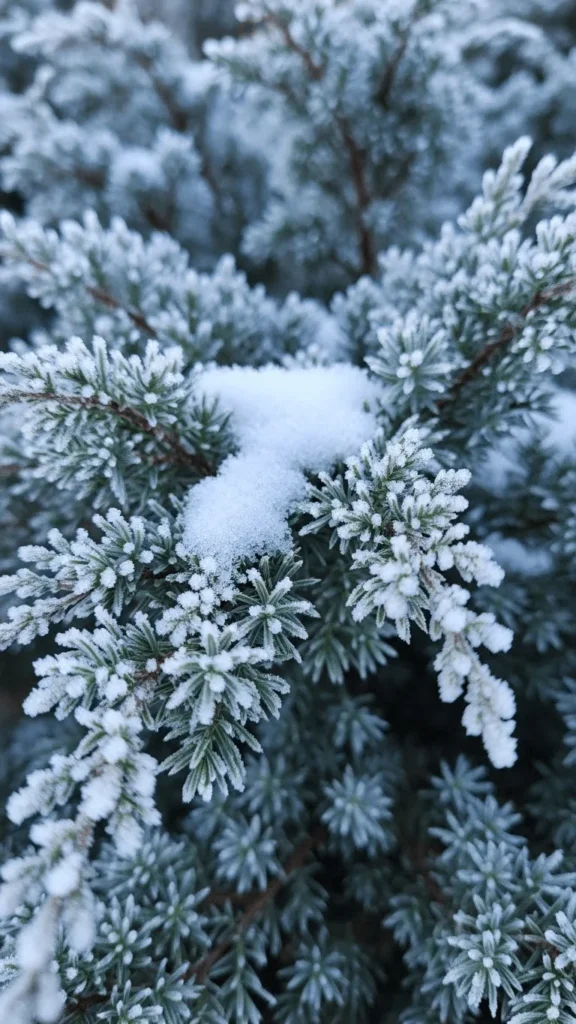
Creeping juniper forms a soft mat of evergreen color. It handles winter well and spreads slowly across the ground.
Plant it on slopes, borders, or rocky spots. Soil should drain well. Mulch lightly around the base. Smaller plants save money and fill in gradually. Snow settles neatly on its low branches.
22. Holly ‘Blue Prince’
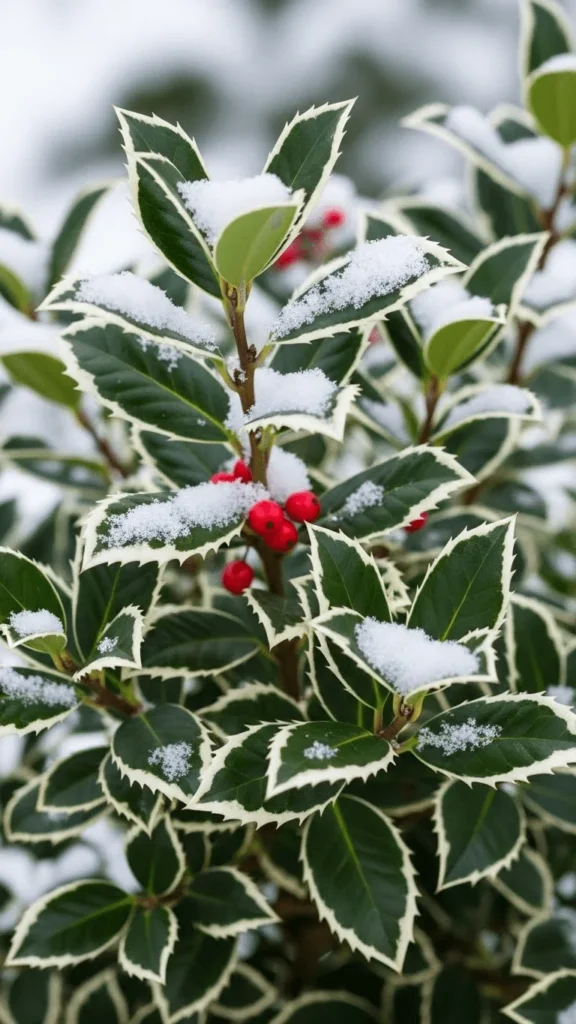
This holly keeps its deep blue-green leaves through winter. It works well for hedges and landscape accents.
Plant it in sun or partial shade. Add mulch before frost. Buy young shrubs for a budget-friendly start. Use it near driveways or along fences. Its durable leaves hold color through storms.
23. Japanese Euonymus
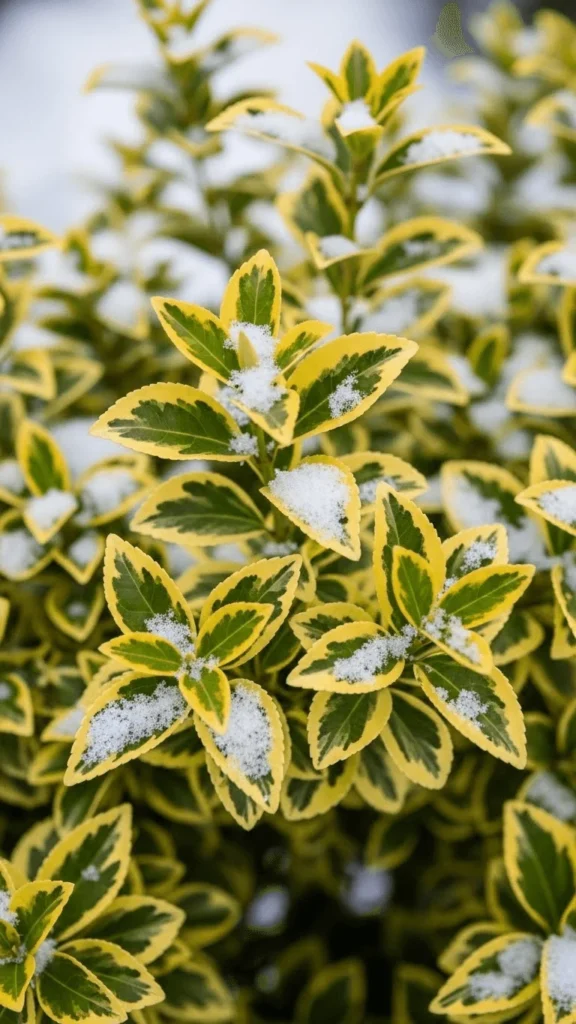
This plant stays bold even in cold months, thanks to its variegated leaves.
Set it in partial sun and well-draining soil. Mulch the base. Choose smaller pots to cut costs. Use it to brighten dull winter corners. Snow contrasts nicely with its colorful foliage.
24. Northern Bayberry
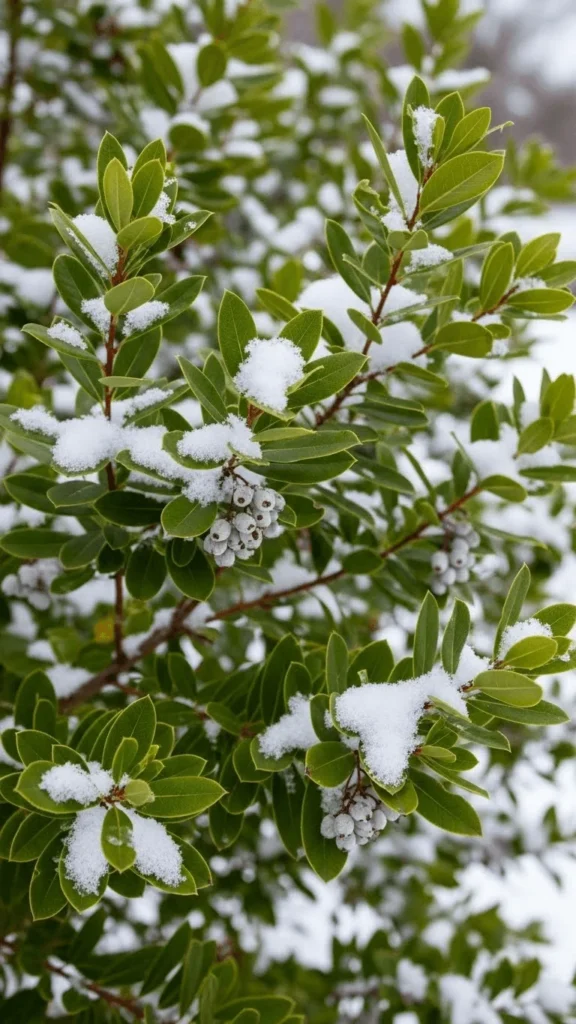
Bayberry holds onto its leaves through winter and gives off a soft natural look.
Plant it in full sun with sandy soil. Add mulch for warmth. Start with small shrubs if watching your budget. Use bayberry along fences or open yard edges. Snow adds charm to its textured branches.
25. Western Red Cedar
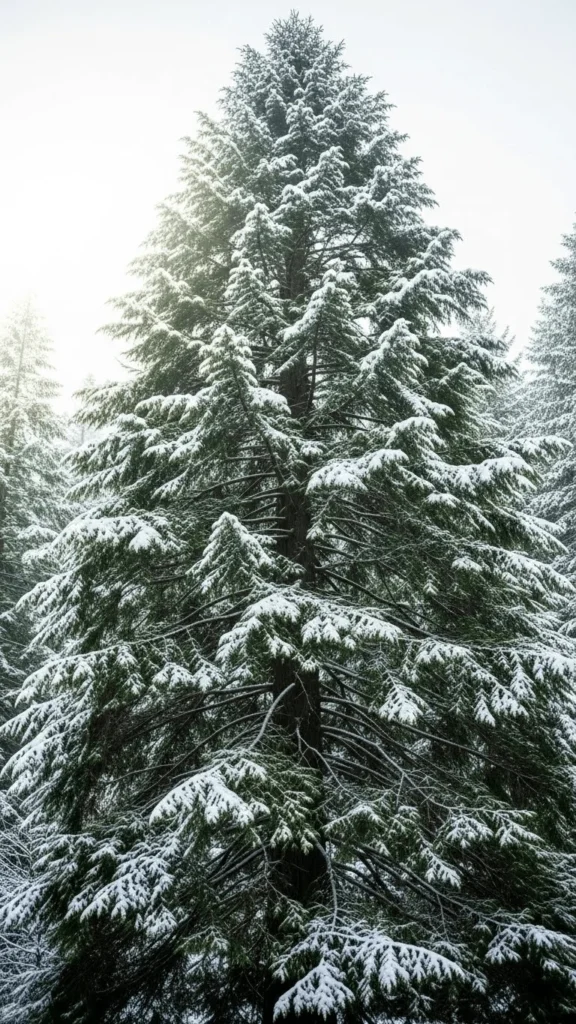
This cedar keeps its feathery green foliage all winter and grows well in many climates.
Plant it in full sun with moist, well-draining soil. Mulch the base before frost. Young trees cost less and settle in quickly. Use them for tall screens or windbreaks. Snow glows beautifully against the foliage.
26. Dwarf Hinoki False Cypress
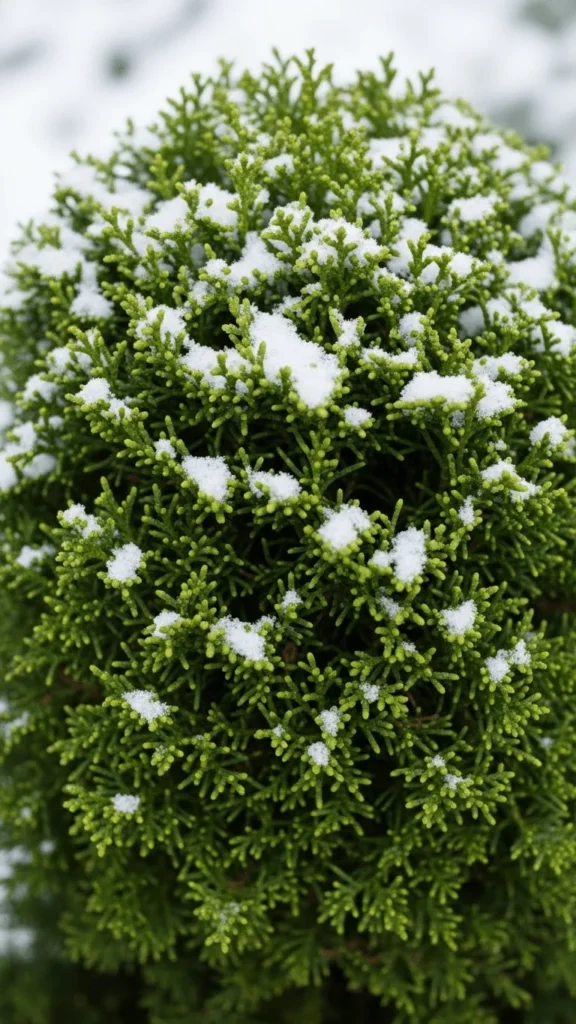
This compact evergreen keeps its green texture through the cold months.
Plant it near paths, patios, or garden beds. Give it sun and good drainage. Add mulch for insulation. Budget gardeners can choose tiny starter plants—they stay cute even when small. Snow highlights its soft structure.
27. Korean Fir
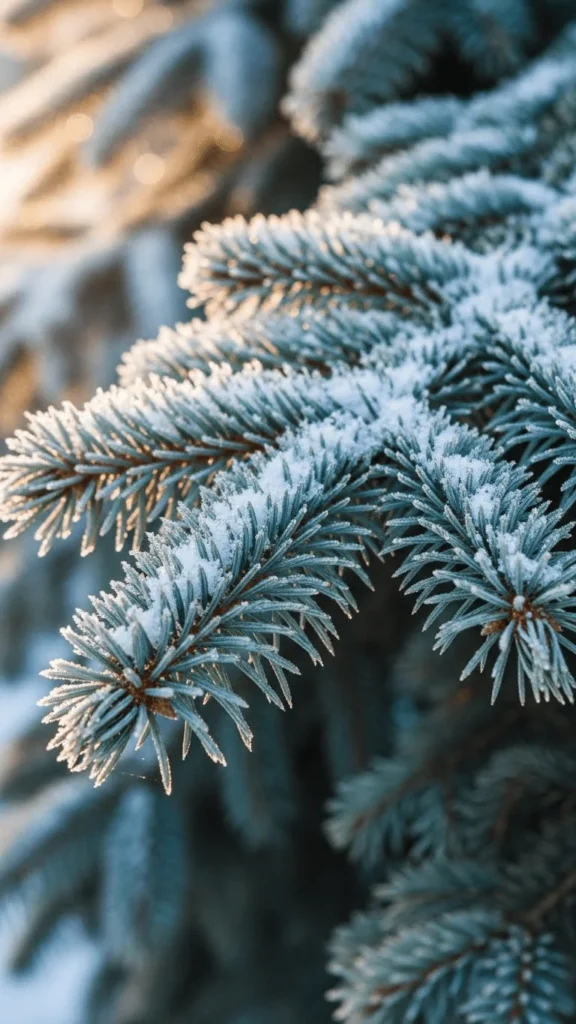
Korean fir keeps its needles all year and adds a soft, cool tone to winter gardens.
Plant it in sun with rich soil. Mulch the base. Young trees are affordable and grow slowly. Use it as an accent tree or near seating areas. Snow makes its needles sparkle.
28. Laurel ‘Otto Luyken’
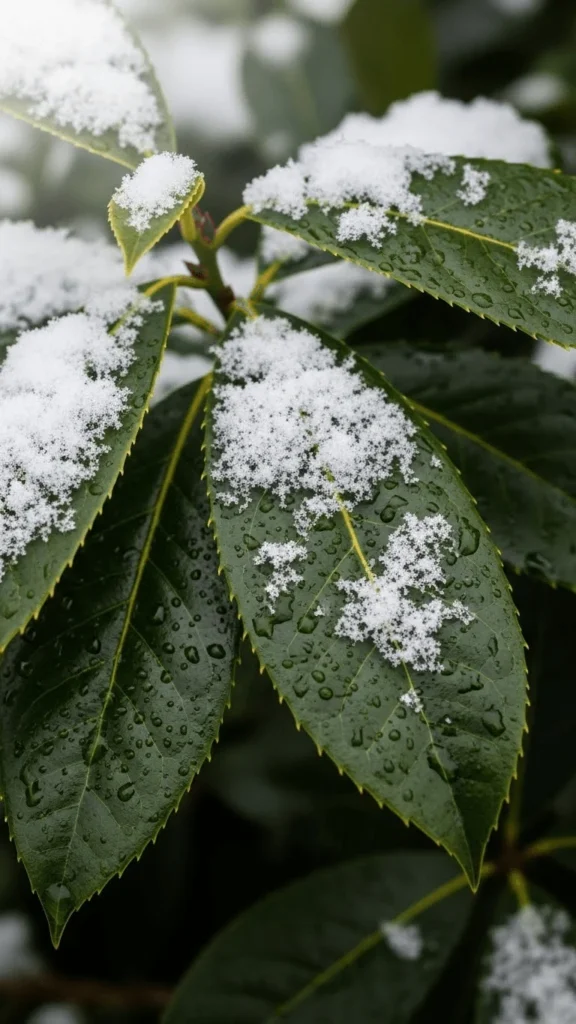
This compact laurel stays green during winter and fits well in small spaces.
Plant it in partial shade with moist soil. Mulch before cold weather arrives. Smaller shrubs save money and still fill in well. Use it along walkways or near porches. Snow sits softly on its smooth leaves.
29. Japanese Cedar
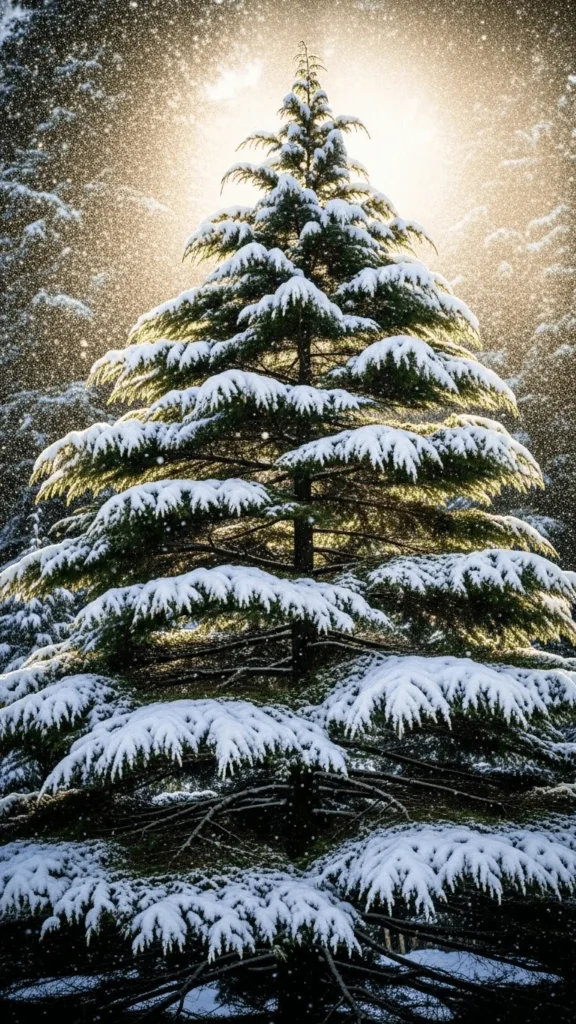
Japanese cedar stays green all season and has a soft, layered texture that looks beautiful in cold weather.
Plant it in a sunny spot with good drainage. Add mulch for warmth. Choose smaller trees to stay within budget. Use this cedar for background planting, privacy screens, or large beds. Snow clings lightly to its spreading branches, giving your landscape calm winter color.
Conclusion
Evergreen plants bring structure, color, and comfort when everything else goes bare. Even a few of these choices can make your winter garden feel active and inviting. Choose the ones that match your space, start small to save money, and let them grow into shape over time. A green winter garden is easier to create than most people think—just pick the right evergreens and enjoy the steady color they bring.
Leave a Reply