


As summer fades, your lawn begins to prepare for colder months ahead. Fall is the perfect time to restore tired grass, improve soil health, and set your yard up for success next spring. With the right care, your lawn can recover from heat stress, grow thicker roots, and stay green longer. Here are 25 practical fall lawn care tips to help you revive your yard and keep it looking great through the season.
1. Rake Leaves Regularly
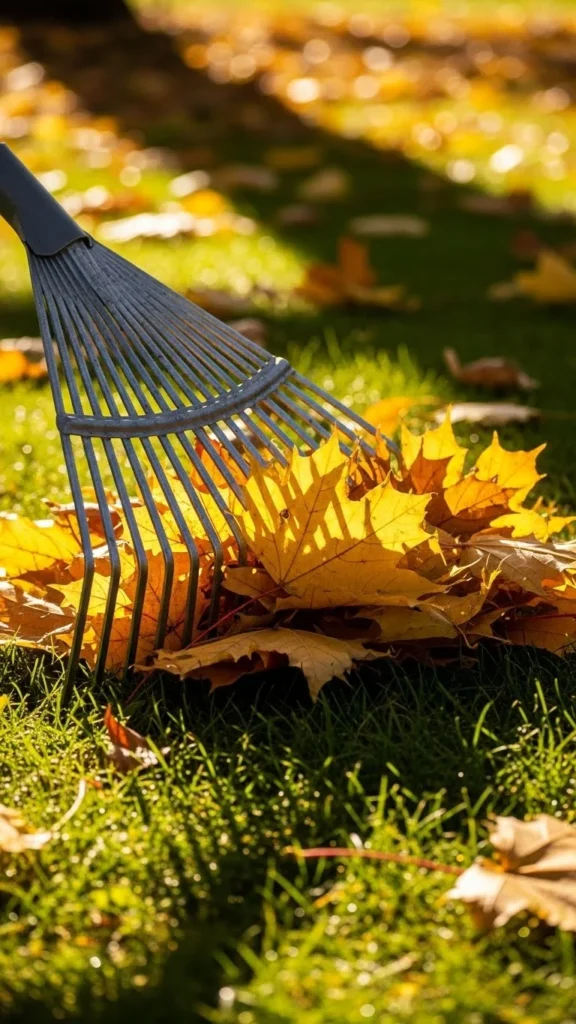
Don’t let fallen leaves smother your grass. A thick layer traps moisture and blocks sunlight. Rake every few days to keep your lawn breathing. You can use a leaf blower for quicker cleanup or mulch the leaves with a mower to create a thin organic layer. This simple habit keeps disease and mold away while adding natural nutrients to your soil.
2. Aerate the Soil
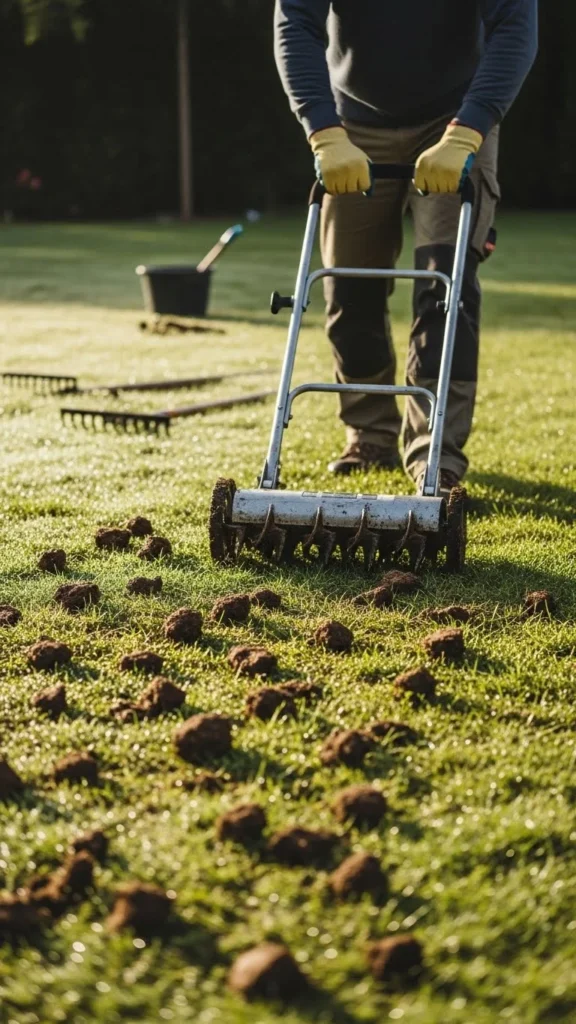
Aeration helps roots access air, water, and nutrients after a hot summer. Use a core aerator to remove small plugs of soil. Focus on compacted areas and high-traffic spots. For DIY ease, you can rent a plug aerator for a day. After aeration, apply compost or fertilizer so nutrients reach deeper layers. This step strengthens root growth before winter sets in.
3. Overseed Bare Patches
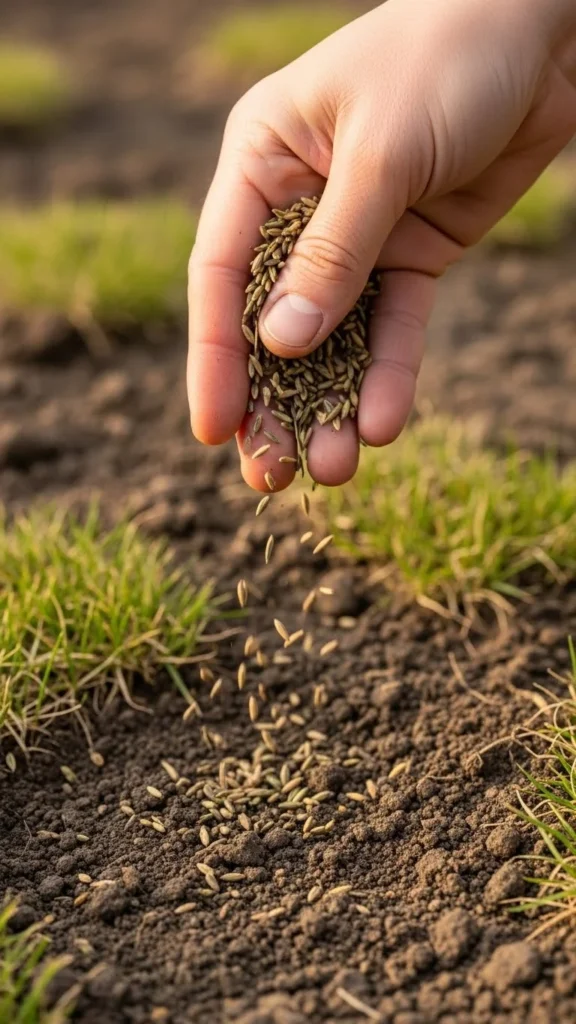
Fall offers the ideal temperature for seeding. Mix high-quality grass seed into thin or bald areas after raking. Lightly cover with compost or topsoil and keep moist for two weeks. Use a seed spreader for even coverage. A little effort now fills in patches, giving your lawn a uniform look by spring.
4. Mow at the Right Height
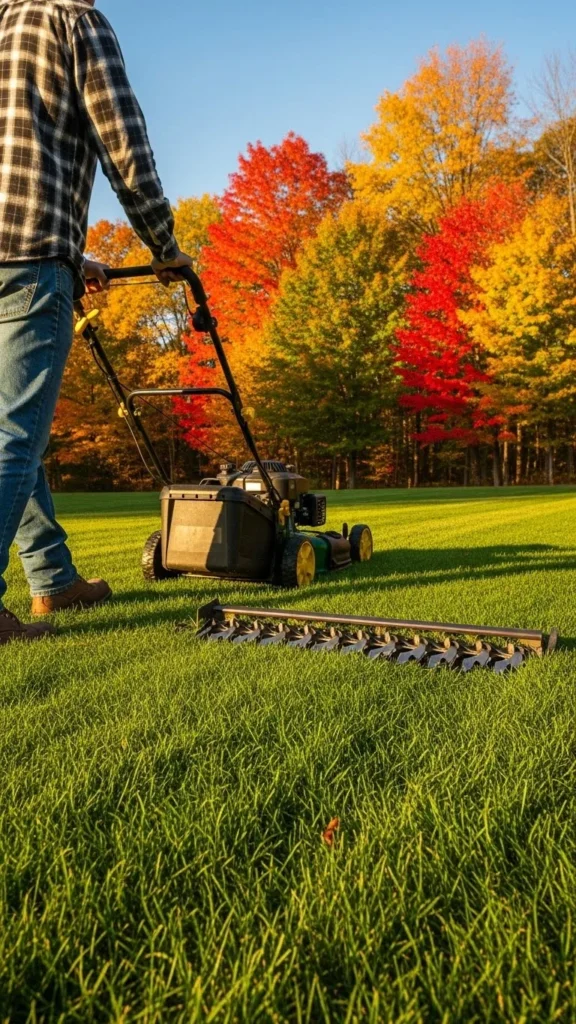
Keep mowing until the grass stops growing. Set your blade height between 2.5 to 3 inches. Shorter grass resists disease, but cutting too low weakens roots. Regular mowing in fall keeps your yard tidy and prevents fungal issues. Always keep mower blades sharp to avoid tearing grass.
5. Feed with a Fall Fertilizer

Apply a slow-release fall fertilizer high in potassium and nitrogen. This feeds roots and promotes recovery after summer stress. Spread it evenly and water afterward to help absorption. Avoid overdoing it—too much fertilizer can burn the grass. Stick to labeled rates and time your application before the first frost.
6. Test Your Soil pH

Healthy lawns depend on balanced soil. Use a simple pH test kit from a garden store. Grass thrives between 6.0 and 7.0 pH. If your soil is too acidic, sprinkle lime. For alkaline soil, use sulfur or compost. Testing once every fall helps you apply the right amendments for greener, thicker growth.
7. Dethatch the Lawn
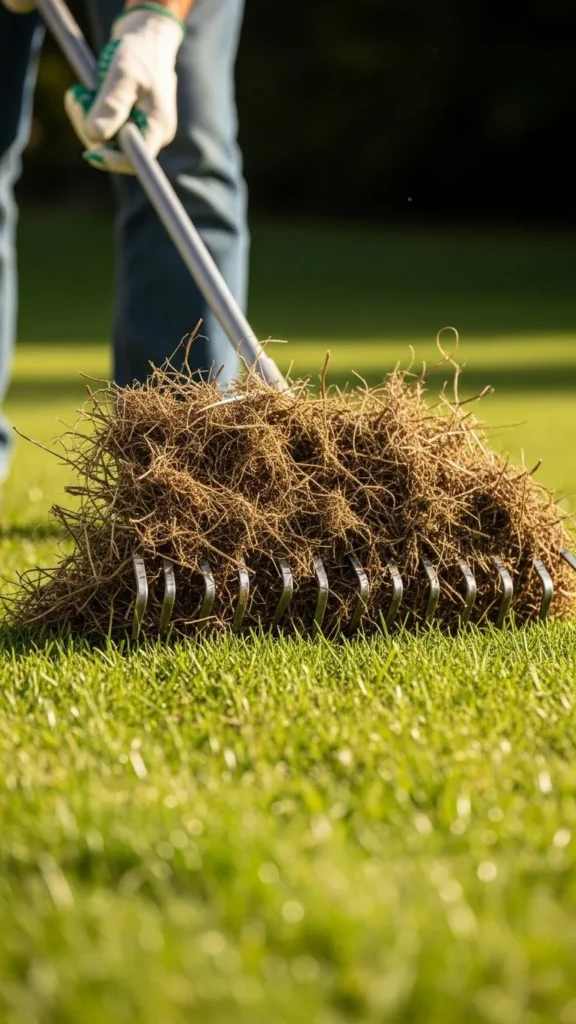
A thick thatch layer blocks air and nutrients. Use a dethatching rake or power rake to loosen it up. Do this when the soil is moist for easier removal. Bag or compost the debris afterward. Dethatching improves water flow and helps seeds and fertilizer work more effectively.
8. Water Deeply, Not Frequently
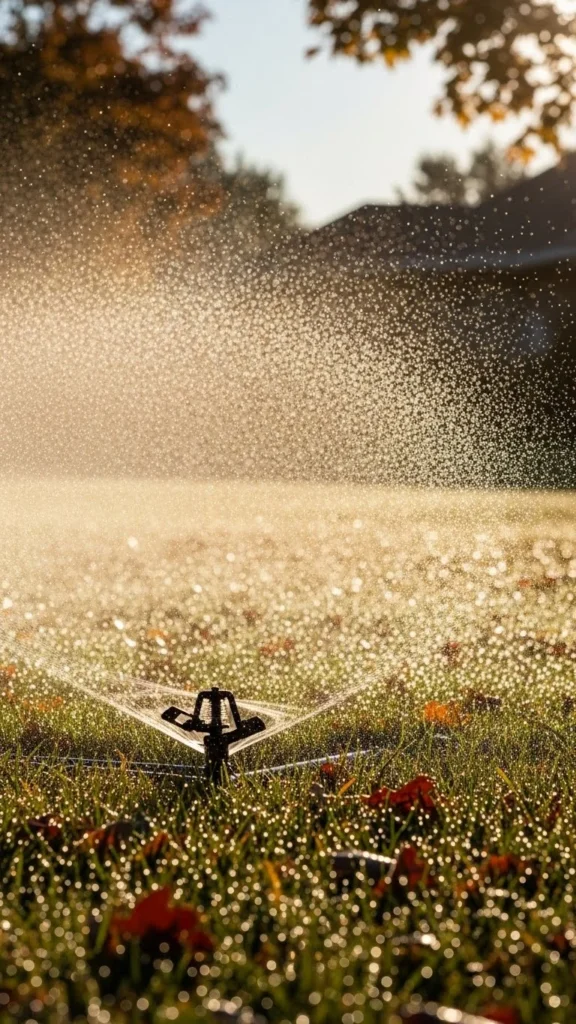
Even though temperatures drop, lawns still need moisture. Water deeply once or twice a week. Focus on giving 1 inch of water per week, including rainfall. Morning watering reduces evaporation and disease. Deep watering encourages roots to grow downward for better winter endurance.
9. Edge the Lawn for Clean Lines
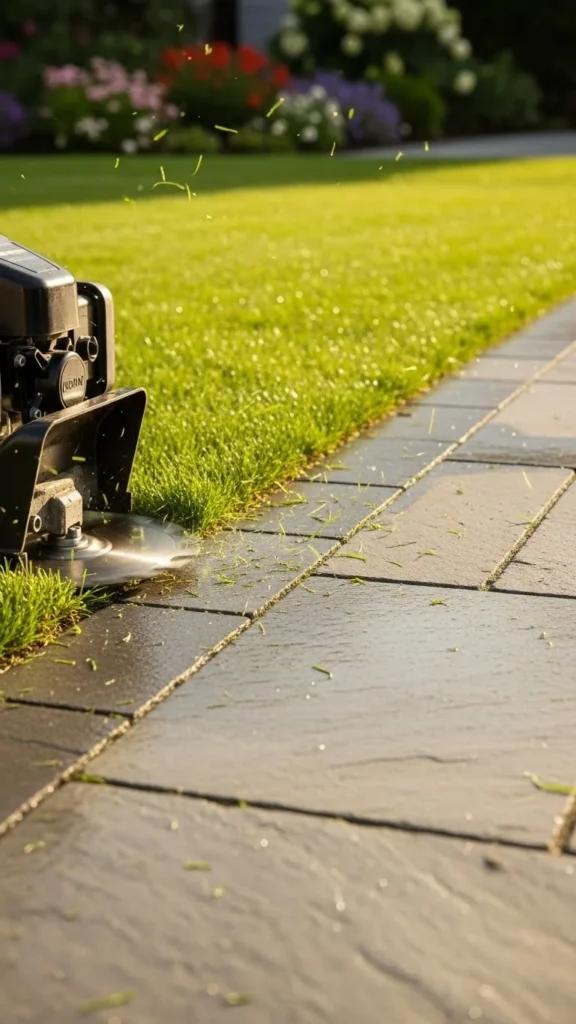
Fall is a great time to sharpen up your landscape. Use an edger along driveways and walkways for a clean look. This not only boosts curb appeal but also keeps grass from creeping into beds. After edging, sweep debris to prevent staining or decay along borders.
10. Mulch Around Trees and Garden Beds
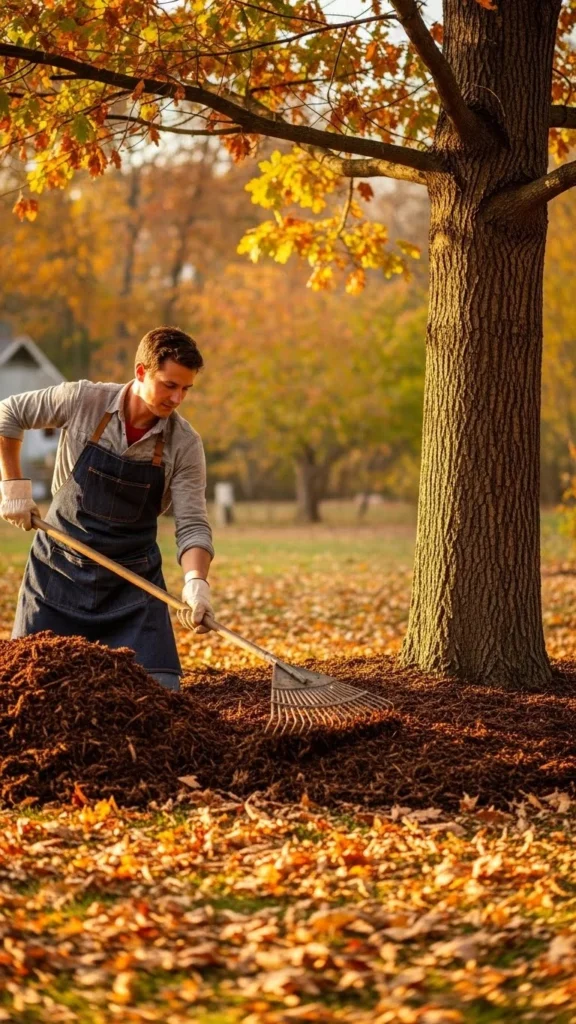
Mulching locks in soil moisture and prevents weeds. Apply a 2-3 inch layer of shredded leaves or wood chips around trees, shrubs, and garden beds. Keep mulch a few inches away from trunks to avoid rot. This insulation protects roots from cold and keeps soil healthy through winter.
11. Clear Debris from Gutters and Lawns

Leaves, sticks, and debris can block drainage. Clean gutters to prevent overflow and pooling on your lawn. Rake away fallen branches and compost small twigs. A clean yard lets grass breathe and reduces pest hiding spots. Plus, it gives your home a neat, ready-for-winter appearance.
12. Control Weeds Before Winter
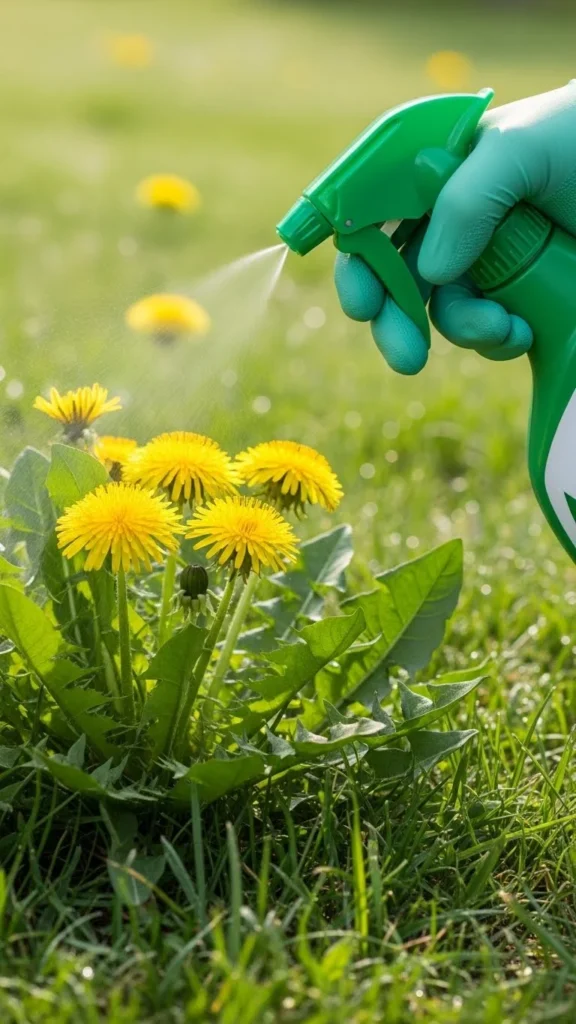
Fall is your chance to tackle stubborn weeds. Apply a pre-emergent or selective herbicide while weeds are still active. Focus on clover, dandelion, and crabgrass. The cooler weather allows herbicides to work longer. Be careful not to spray newly seeded areas—you don’t want to harm fresh grass.
13. Compost Your Leaves
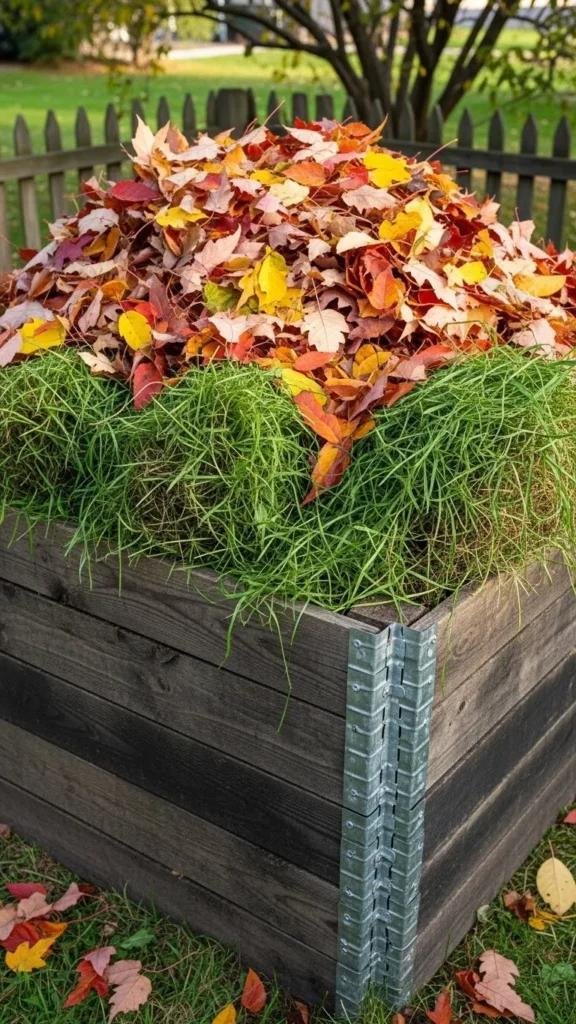
Instead of tossing leaves, compost them. Shred dry leaves and mix with green material like kitchen scraps or grass clippings. Turn the pile weekly for air circulation. By spring, you’ll have rich compost to spread on your garden beds—saving money and improving soil quality naturally.
14. Repair Lawn Equipment

Before winter storage, check your lawn tools. Sharpen mower blades, drain fuel, and clean filters. Wipe metal parts with light oil to prevent rust. This simple maintenance ensures your gear runs smoothly when spring arrives—and saves you repair costs later.
15. Apply Topdressing
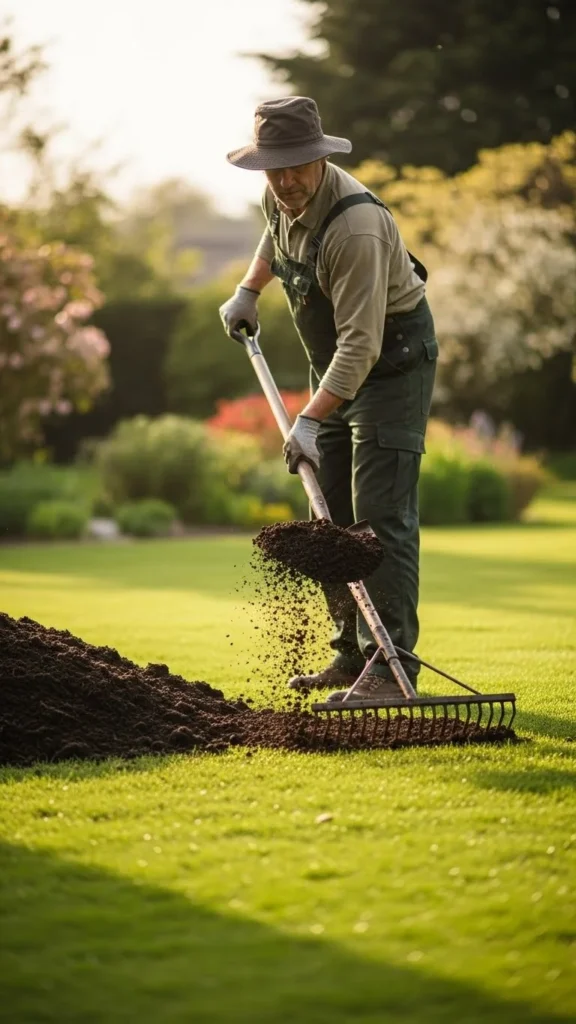
Topdressing smooths uneven areas and adds nutrients. Spread a thin layer of compost or screened soil across your yard after aerating. Rake lightly so it settles into the turf. This helps level small dips, improves drainage, and promotes healthy root growth.
16. Keep Foot Traffic Low

Grass is fragile when preparing for winter. Avoid walking or placing heavy objects on the lawn. High traffic compresses soil and damages roots. If you need to move equipment, lay down plywood to spread the weight evenly. Protecting the surface now prevents patchy growth later.
17. Control Lawn Pests
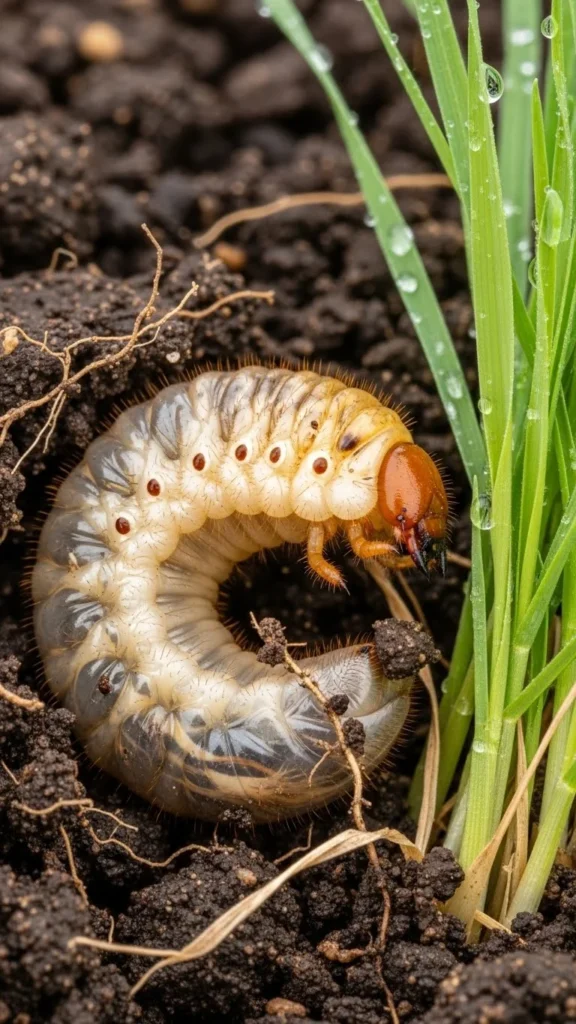
Inspect for grubs and lawn insects that feed on roots. Apply beneficial nematodes or natural pest control if needed. Keep birds visiting by adding feeders—they’ll help control pests naturally. Early detection prevents brown patches and keeps soil healthy for spring.
18. Trim Trees and Shrubs

Prune dead or overgrown branches to let more sunlight reach the grass. Fall trimming improves air circulation and prevents limb breakage from snow. Collect trimmings for mulch or compost. Always sanitize tools between cuts to prevent disease spread.
19. Reseed Shaded Areas
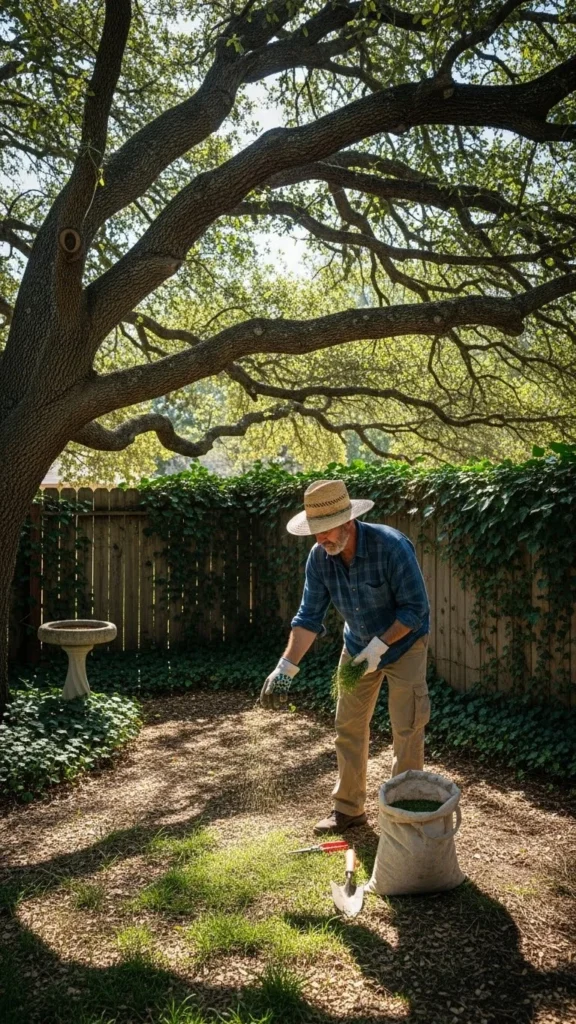
Shady spots can thin out quickly. Choose shade-tolerant grass seed and reseed those areas in fall. Rake lightly to help seed contact soil. Water daily for the first week. This strengthens coverage in dim zones before leaves fall completely.
20. Keep Blades Clean After Mowing
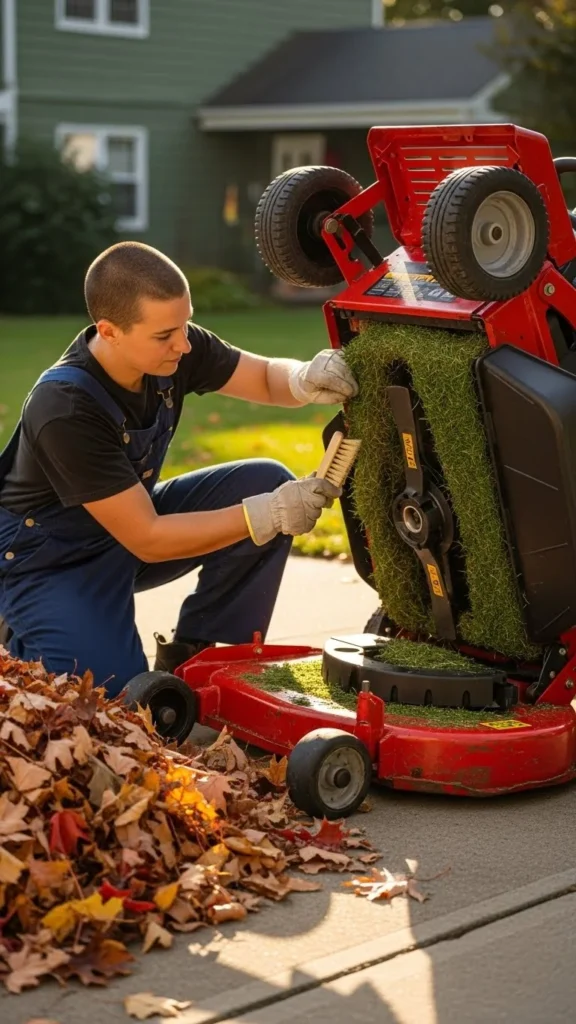
After each mow, scrape off grass buildup from the underside of the mower. This keeps blades sharp and reduces disease spread. Clean tools with soapy water and dry them before storage. Proper care extends tool life and ensures cleaner cuts next time.
21. Fill Low Spots with Soil Mix
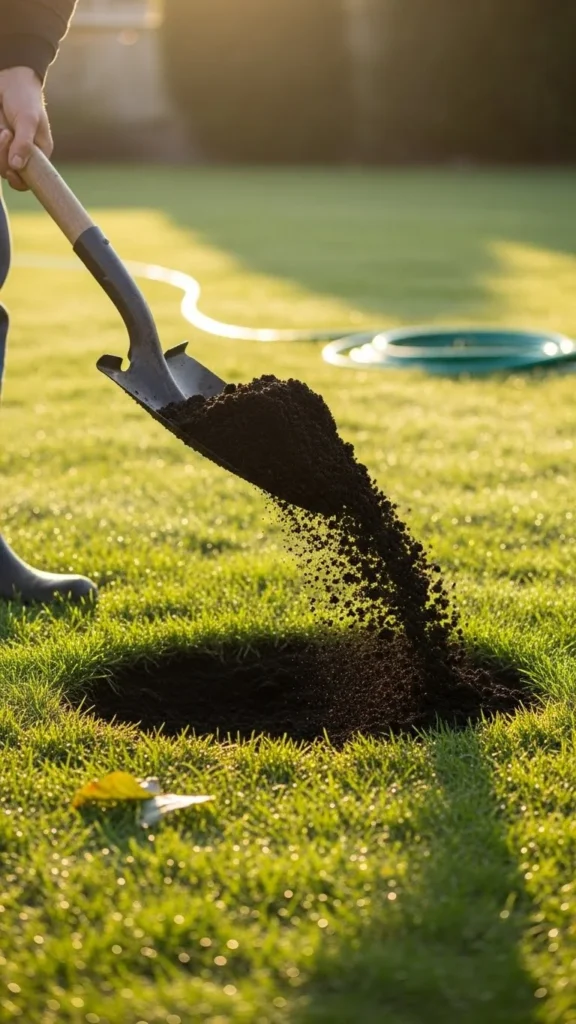
Low spots collect water and suffocate grass. Fill dips with a 50/50 mix of sand and topsoil. Rake smooth and reseed the area. Leveling early in fall allows grass to root before frost, preventing future puddles and improving drainage.
22. Keep an Eye on Mushrooms

Mushrooms thrive in wet, shaded lawns. They often signal decaying organic matter underneath. Rake up excess thatch and improve drainage. Remove mushrooms manually to prevent spreading spores. Better airflow and soil care will make them disappear naturally.
23. Use Fallen Leaves for Insulation
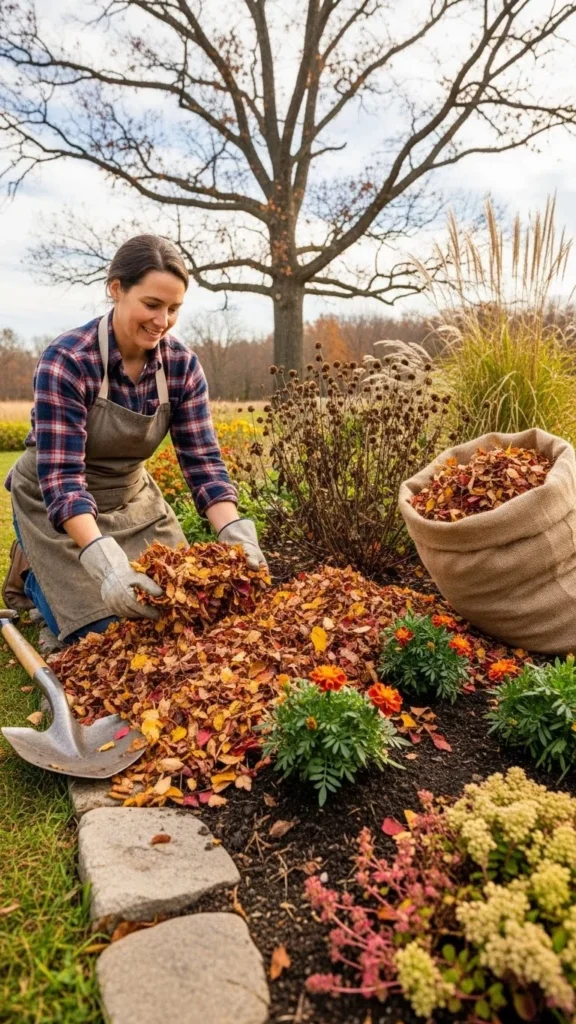
Shredded leaves can protect garden beds and tree roots from early frost. Spread them over vulnerable areas like perennials or new seedlings. They trap warmth, prevent erosion, and slowly break down into natural compost through winter.
24. Adjust Sprinkler Schedules

Cooler weather means less evaporation. Reduce watering times or switch to manual mode. Avoid watering before freezing temperatures to prevent icy soil. Fine-tuning your sprinkler schedule saves water and helps the lawn adapt to seasonal changes.
25. Prepare for Winter Dormancy
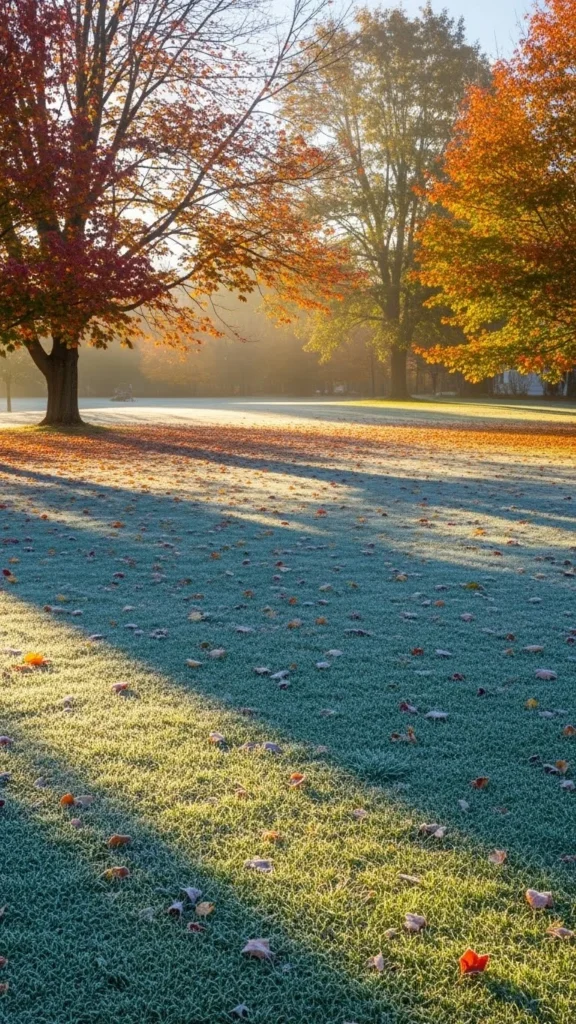
By late fall, your lawn enters dormancy. Avoid heavy activity and stop fertilizing about a month before the first freeze. Give it one last deep watering if rainfall is low. Then let nature rest—the groundwork you’ve done will reward you with a lush, healthy lawn in spring.
Conclusion
A thriving spring lawn starts with smart fall care. By aerating, feeding, seeding, and cleaning up during these cooler months, you help your yard recover and grow stronger roots. Each small task adds up to a vibrant, green space that survives winter with ease. Take it one step at a time, and by next season, your yard will thank you with rich color and healthy growth.

Leave a Reply