

Imagine stepping into your backyard and picking ripe strawberries, juicy peaches, or crisp apples right from the branch. Growing your own fruit garden isn’t just rewarding — it’s a delicious way to live more sustainably and enjoy fresher, tastier produce than anything you’ll find at the store.
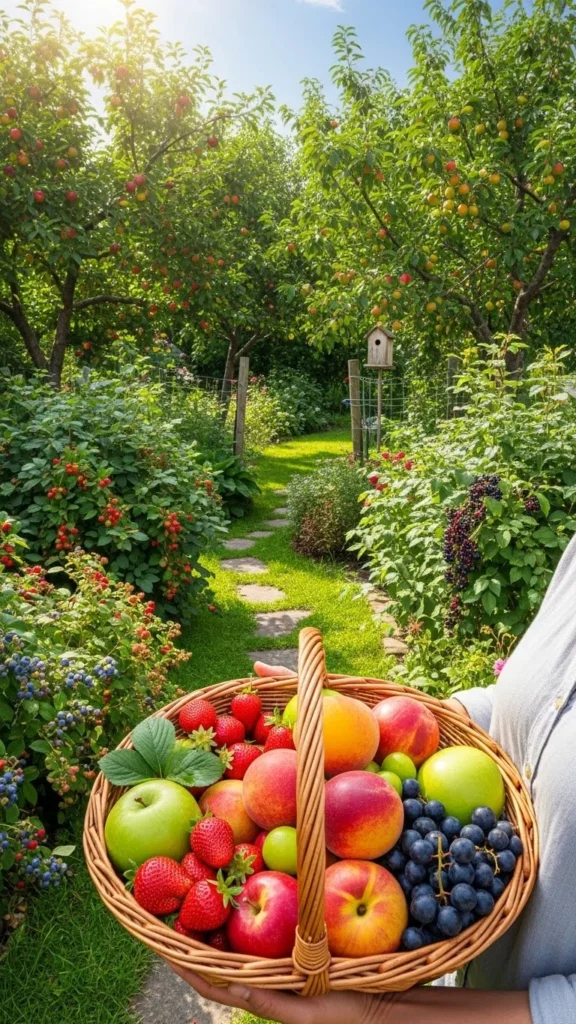
Starting a fruit garden might sound like a big project, but with a little planning and care, you can enjoy a steady supply of homegrown goodness every season.
Choose the Right Spot for Your Fruit Garden
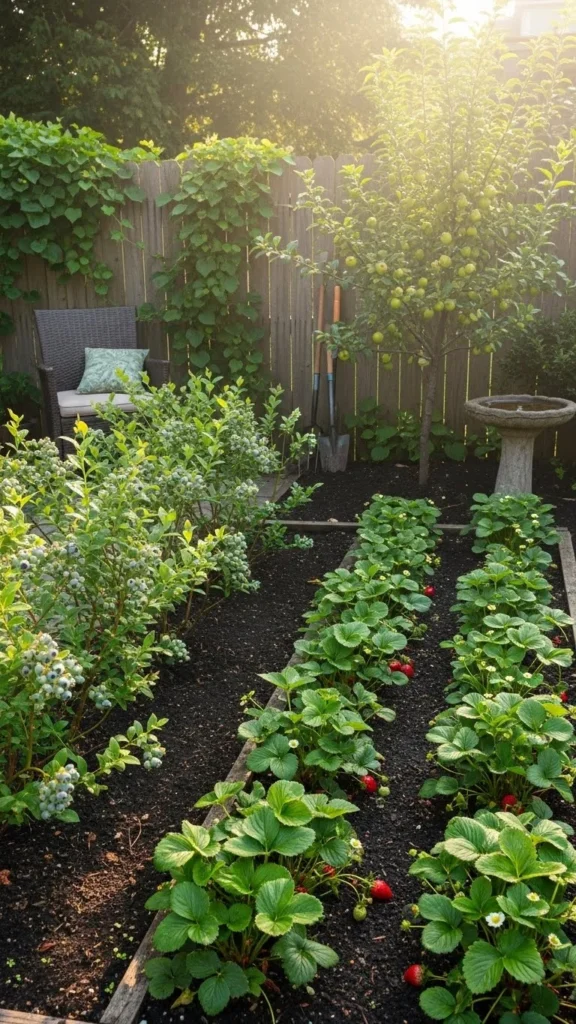
The first step to success is location. Fruit plants love sunlight, so find a spot that gets at least six to eight hours of sun every day. Avoid areas that collect standing water — fruit roots need well-drained soil to stay healthy.
A few quick tips:
- Choose southern or eastern exposure for the best light.
- Keep plants away from large trees that can block sun or steal nutrients.
- Make sure your chosen spot is easy to water and has good air circulation to prevent disease.
Pick Fruits That Thrive in Your Climate
Not every fruit will grow everywhere, so pick varieties suited to your region’s temperature and growing season.
Here’s a quick guide:
- Cool climates: Apples, pears, plums, raspberries, and strawberries.
- Mild or coastal areas: Citrus, figs, and kiwis.
- Warm regions: Peaches, nectarines, melons, and pomegranates.
When in doubt, check with a local nursery or extension service. They can help you find cold-hardy or heat-tolerant cultivars perfect for your area..
Prepare the Soil for Planting
Fruit plants need nutrient-rich, slightly acidic soil. Before planting:
- Test your soil’s pH. Aim for a range of 6.0 to 6.8.
- Add organic matter like compost or well-rotted manure to boost fertility.
- Loosen compacted soil so roots can spread easily.
If your native soil is poor, consider using raised beds or large containers filled with quality potting mix.

Planting Your Fruit Garden
Planting time depends on your fruit type and climate:
- Bare-root trees (like apples or peaches) go in during early spring before buds open.
- Berry bushes and strawberries can be planted once frost danger passes.
- Citrus and figs thrive when planted in warm soil — late spring is ideal.
How to plant:
- Dig a hole twice as wide as the root ball but not deeper.
- Spread the roots gently and cover with soil.
- Water thoroughly, then mulch around the base to retain moisture and suppress weeds.

Ongoing Care and Maintenance
Once your fruit garden is planted, a little routine care keeps it thriving year after year.
Watering:
Most fruits prefer consistent moisture, especially during flowering and fruiting. Use a soaker hose or drip irrigation to water deeply without wetting leaves.
Feeding:
Feed your plants with a balanced organic fertilizer in spring, and again mid-season for heavy feeders like berries and citrus.
Pruning:
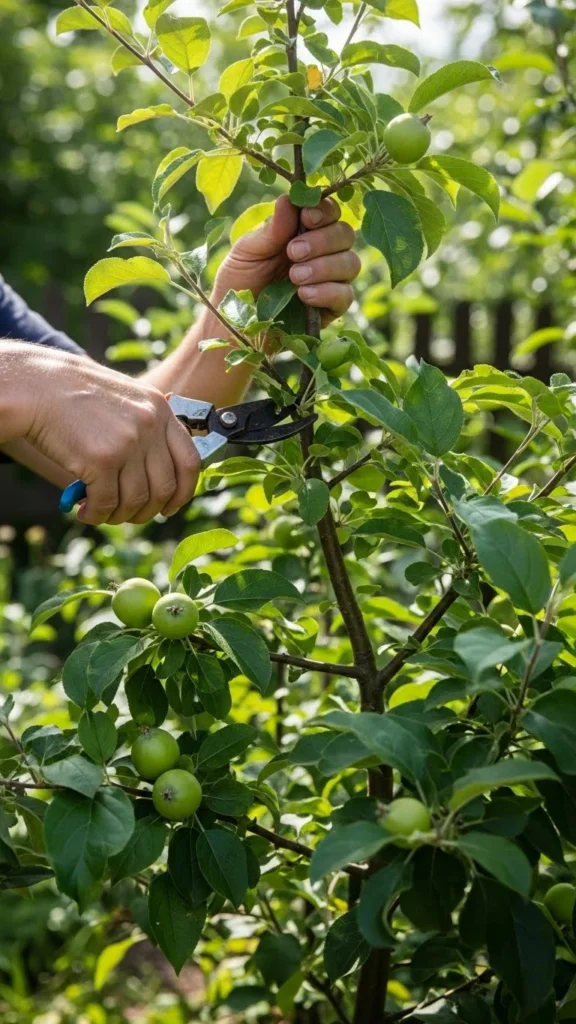
- Prune fruit trees annually to remove dead or crossing branches.
- Keep shrubs like blueberries and raspberries tidy to improve airflow.
Pest Management:
Use natural pest control methods — neem oil, companion planting (like marigolds or garlic), or beneficial insects (like ladybugs).
Harvest and Enjoy Your Homegrown Fruit
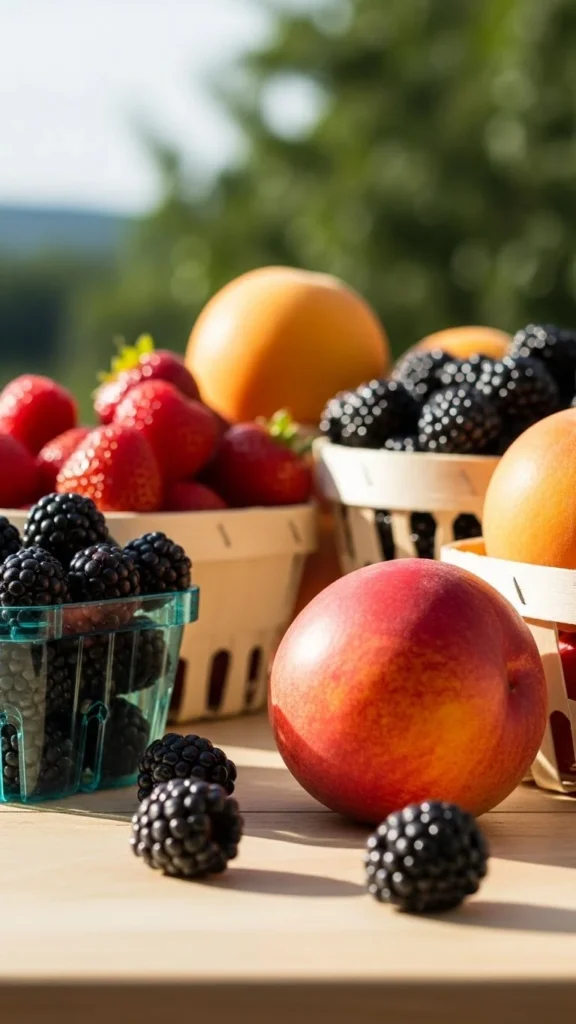
The best part of gardening is the reward — picking fresh fruit at its peak ripeness!
- Strawberries and raspberries are ready when fully colored and easy to pull off.
- Apples should twist off the branch easily when ripe.
- Peaches and plums will give slightly when gently squeezed.
Enjoy them fresh, bake them into pies, or preserve them for the off-season.
Final Takeaway
Starting a fruit garden is one of the most satisfying ways to connect with nature and your food. Whether you grow a few berry bushes or a full mini orchard, you’ll be rewarded with sweet, juicy harvests that keep on giving year after year.
Ready to get started? Grab your gardening gloves, pick your favorite fruits, and plant the seeds of your future harvest today.
Save this guide for later — your dream fruit garden awaits!

Leave a Reply