

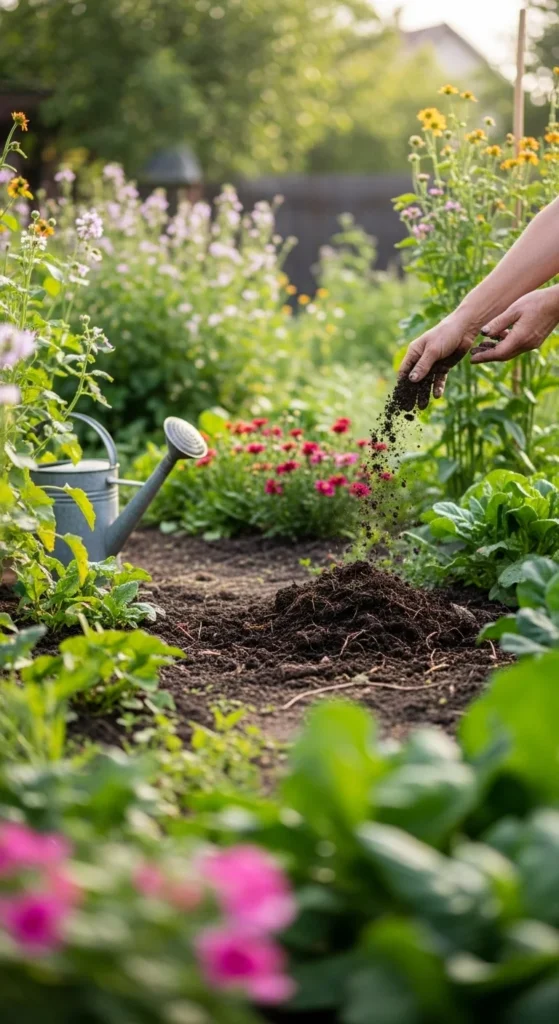
Healthy gardens start from the soil up. Fertilizing isn’t about dumping products — it’s about feeding your plants the right way, at the right time. Whether you grow vegetables, flowers, or fruit trees, these 24 easy fertilizing secrets will help your garden thrive without draining your wallet. You’ll learn how to mix natural ingredients, time your feedings, and make the most of what you already have at home.
1. Start with Compost Gold
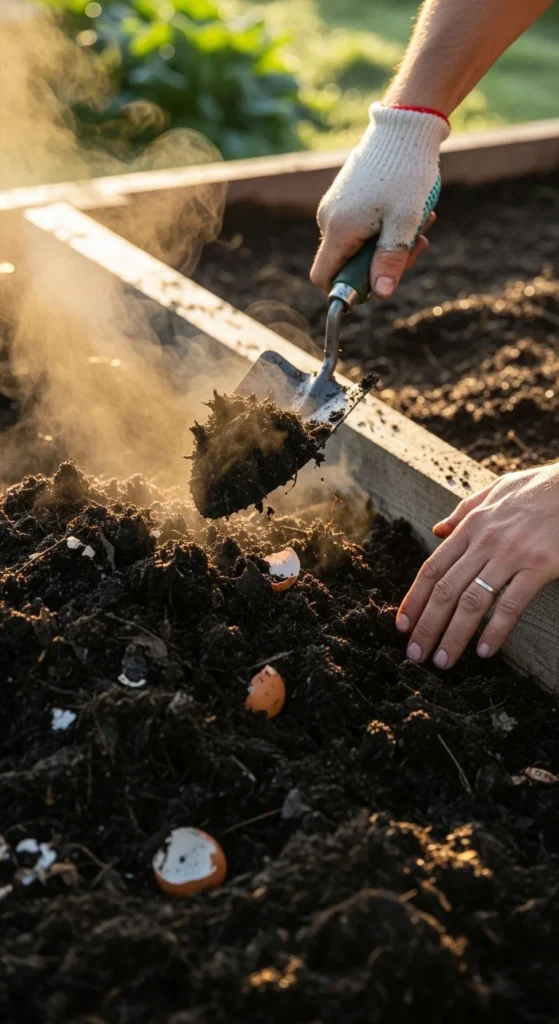
Compost is the most natural fertilizer you can make. It adds nutrients, improves soil structure, and supports healthy microbes. Use kitchen scraps like fruit peels, eggshells, and coffee grounds. Mix them with dried leaves or grass clippings to keep it balanced. Apply a few inches around your plants every few weeks. You’ll save money and recycle waste while enriching your garden’s foundation.
2. Feed Early in the Morning
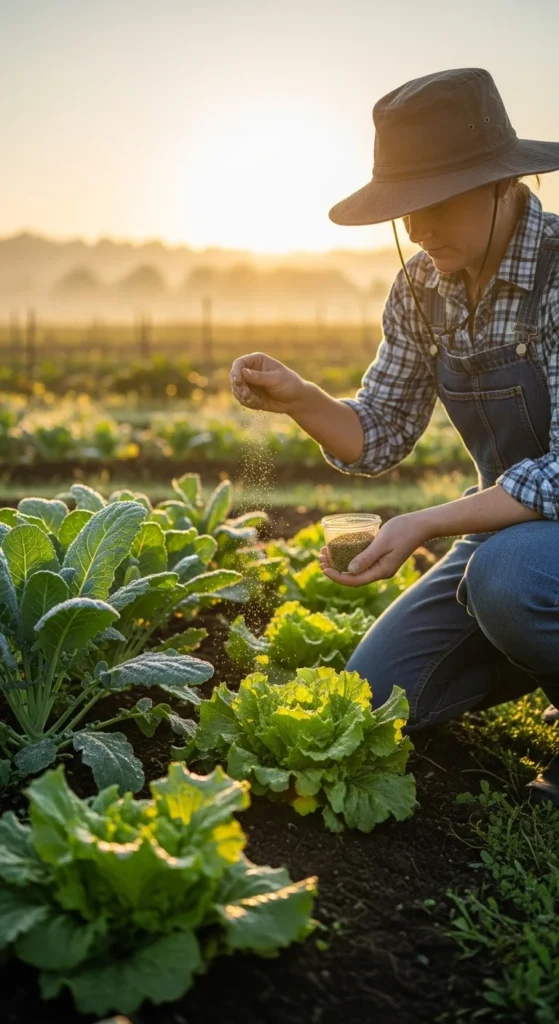
Plants absorb nutrients best when the soil is cool and moist. Fertilizing early helps nutrients soak in before the midday sun evaporates moisture. Water lightly after applying fertilizer to help nutrients reach the roots. Skip fertilizing during intense heat — it can burn your plants. A calm morning routine will reward you with steady growth all season.
3. Use Banana Peels for Potassium
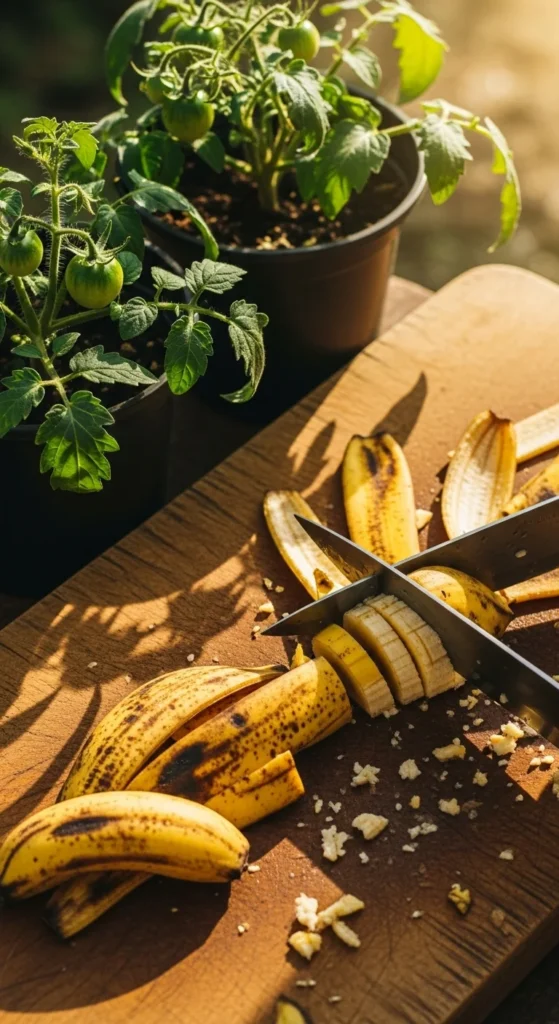
Bananas are packed with potassium, which encourages strong stems and blooms. Chop banana peels and bury them near the plant base. Over time, they release potassium and calcium. You can also blend peels with water for a liquid fertilizer. It’s simple, free, and supports healthier flower and fruit development.
4. Save Coffee Grounds
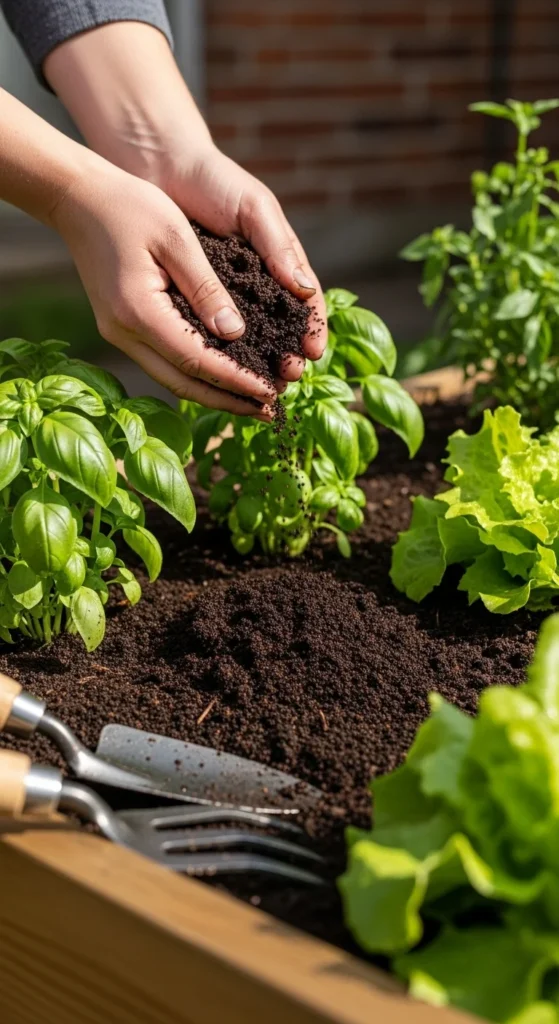
Used coffee grounds add nitrogen, which helps leafy plants like spinach and herbs. Let them dry before spreading around your garden. Mix lightly into the topsoil to prevent mold. If your soil is too acidic, blend coffee grounds with crushed eggshells for balance. Free fertilizer and fewer kitchen leftovers — a win for both plants and planet.
5. Try Fish Emulsion
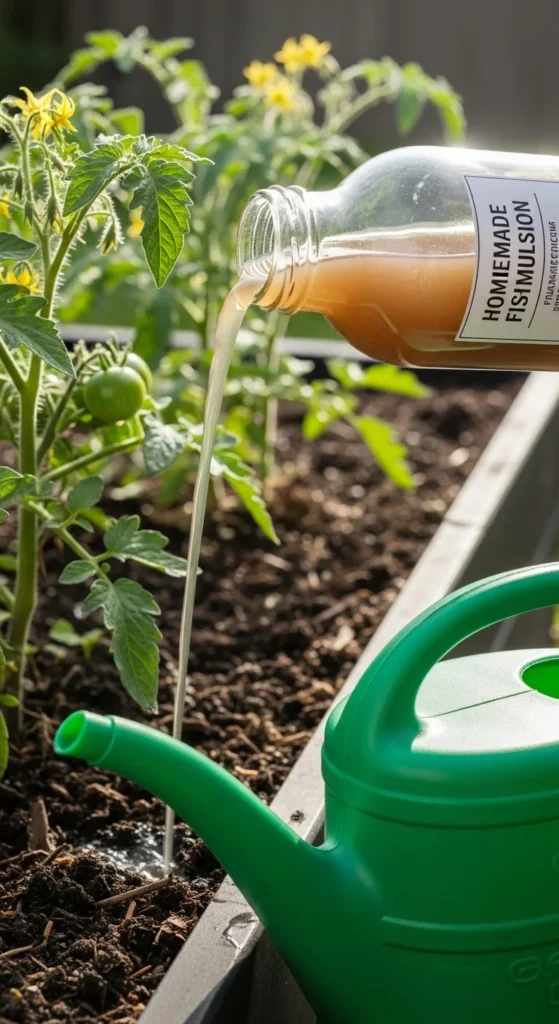
Fish emulsion gives plants a fast nutrient kick. It’s rich in nitrogen and trace minerals. Mix it with water and apply every two weeks for lush growth. Don’t overdo it — too much can cause excess foliage instead of flowers. It’s especially good for veggies in containers or raised beds.
6. Let Grass Clippings Work for You
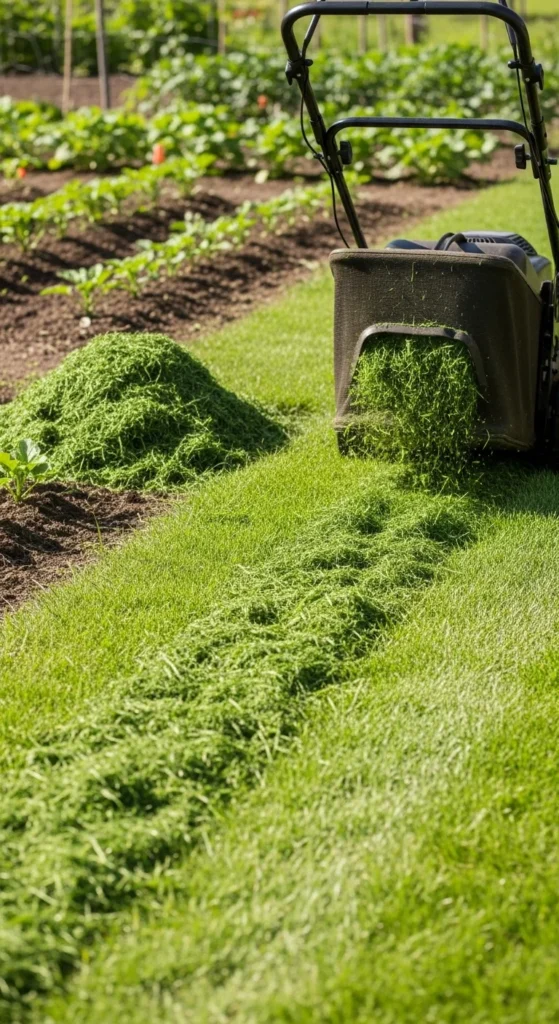
Fresh clippings are full of nitrogen and act as mulch. Spread a thin layer under plants to conserve moisture and release nutrients as they break down. Avoid thick piles — they can block air and cause mold. Reusing your lawn trimmings keeps your garden fed naturally.
7. Make an Eggshell Powder
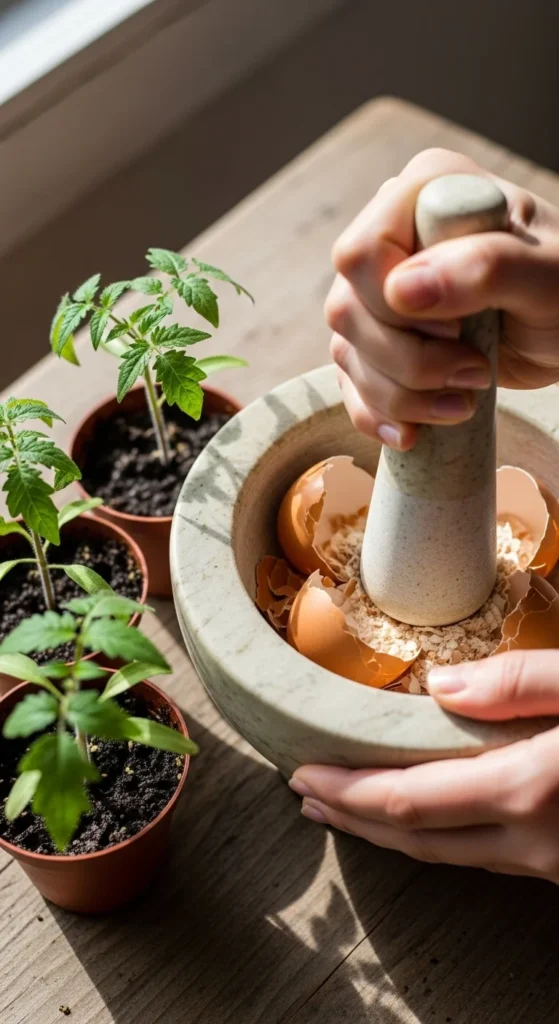
Eggshells provide calcium, which prevents blossom-end rot in tomatoes and peppers. Rinse, dry, and crush them into powder. Sprinkle around plant bases or mix into compost. You can even add the powder to watering cans for a gentle mineral supplement.
8. Use Epsom Salt Sparingly
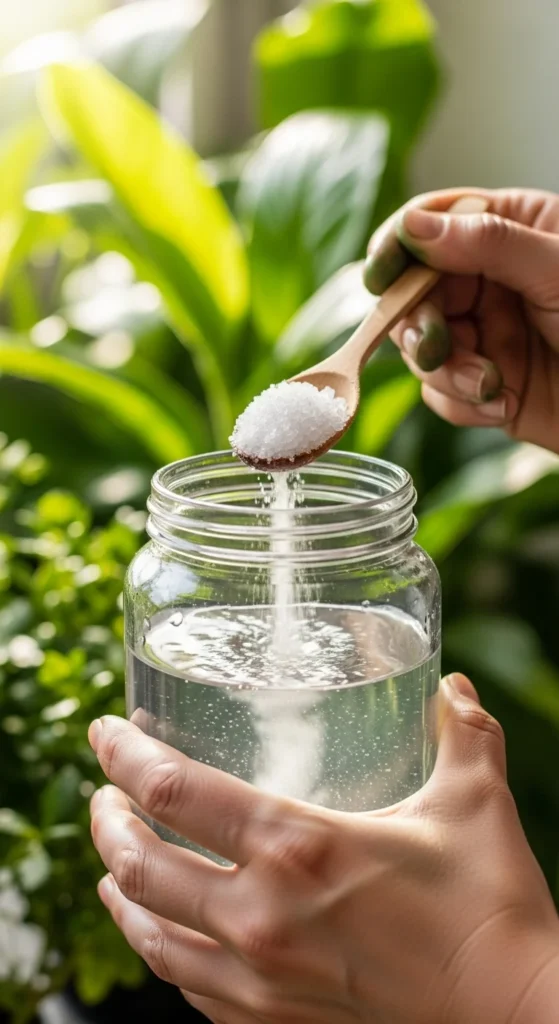
Epsom salt adds magnesium, helping plants absorb nutrients better. Mix one tablespoon per gallon of water and spray on leaves once a month. This helps tomatoes, peppers, and roses stay vibrant. Don’t overuse it — balance is key for steady growth.
9. Rotate Your Fertilizers
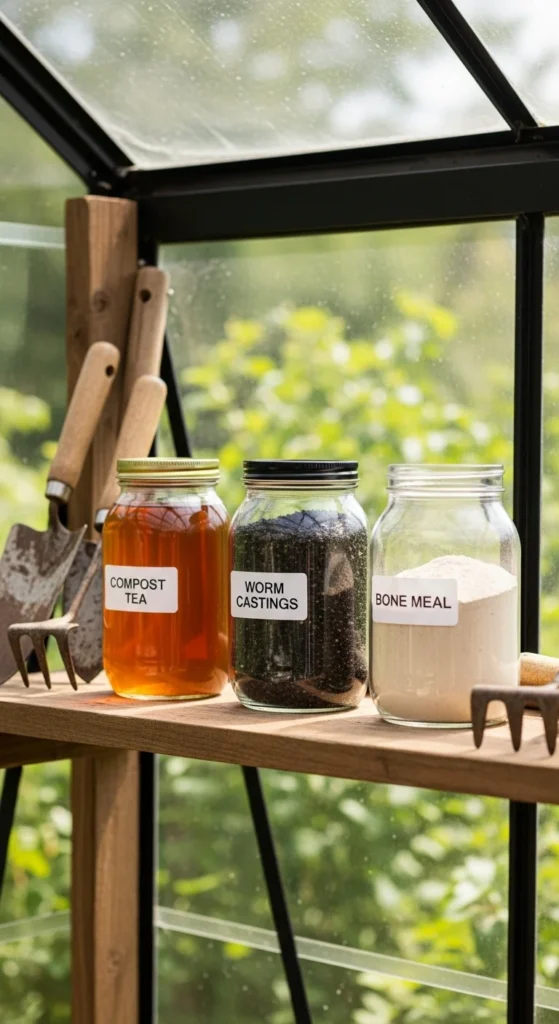
Using the same fertilizer every time can imbalance the soil. Rotate between compost, liquid feeds, and organic powders. This keeps nutrient levels steady and prevents buildup. Think of it as a balanced diet for your plants.
10. Collect Rainwater for Mixing
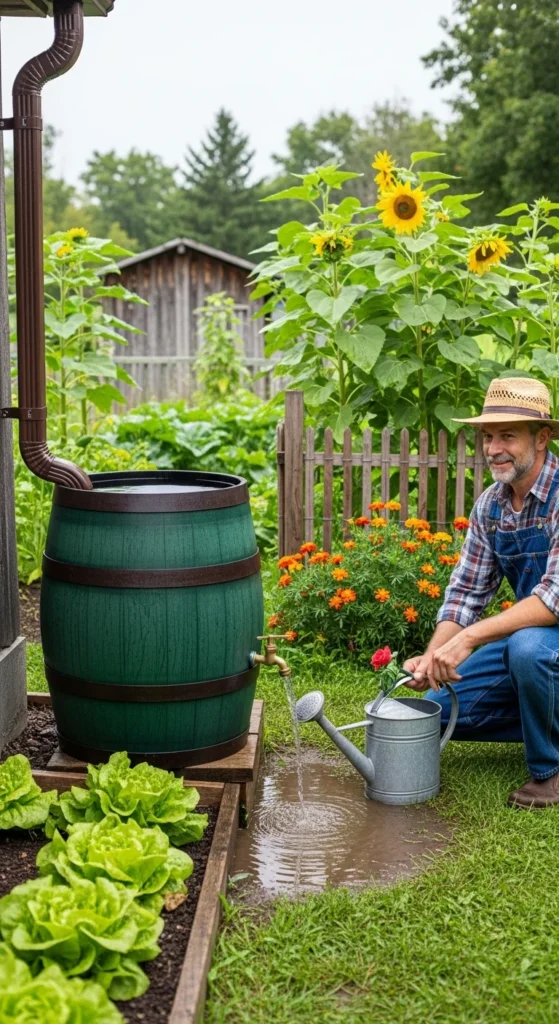
Tap water often contains chlorine that harms soil microbes. Rainwater is softer and perfect for mixing with fertilizers. Set up a barrel or bucket to collect it. It’s free, natural, and keeps your fertilizer solutions gentle and effective.
11. Try Worm Castings
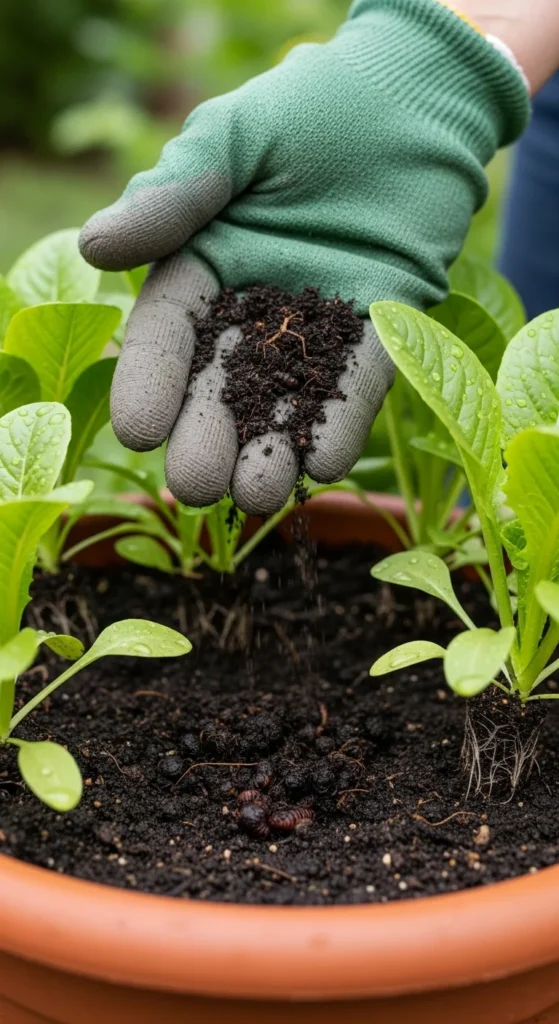
Worm castings are nutrient-rich and improve soil texture. You can buy them or make your own with a small worm bin. Mix castings with compost for a gentle, long-lasting feed. Great for seedlings and root crops alike.
12. Brew Compost Tea
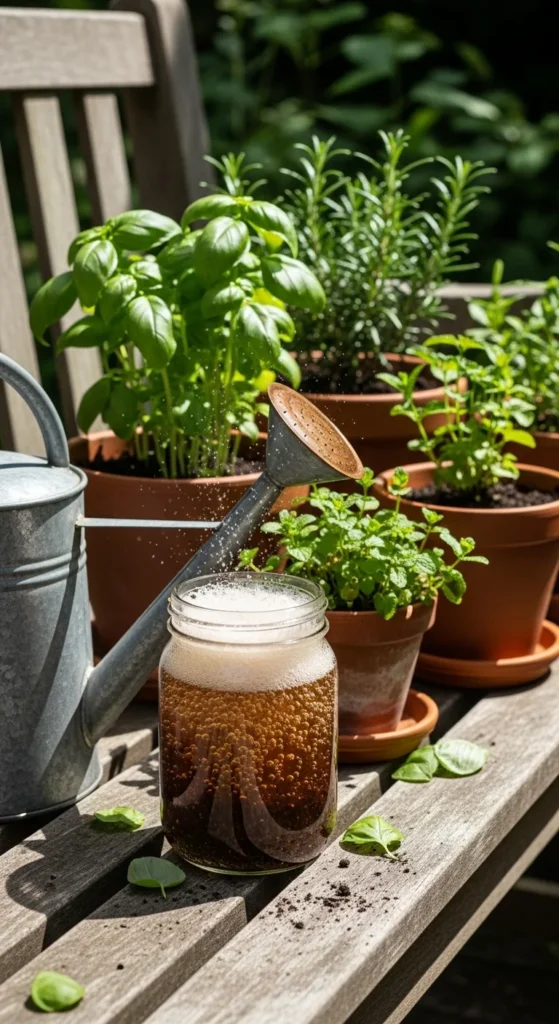
Soak compost in water for 24–48 hours to create compost tea. Strain and pour it around plants or spray on leaves. It adds beneficial microbes and nutrients quickly. Use within a day or two for best results.
13. Fertilize After Rain, Not Before
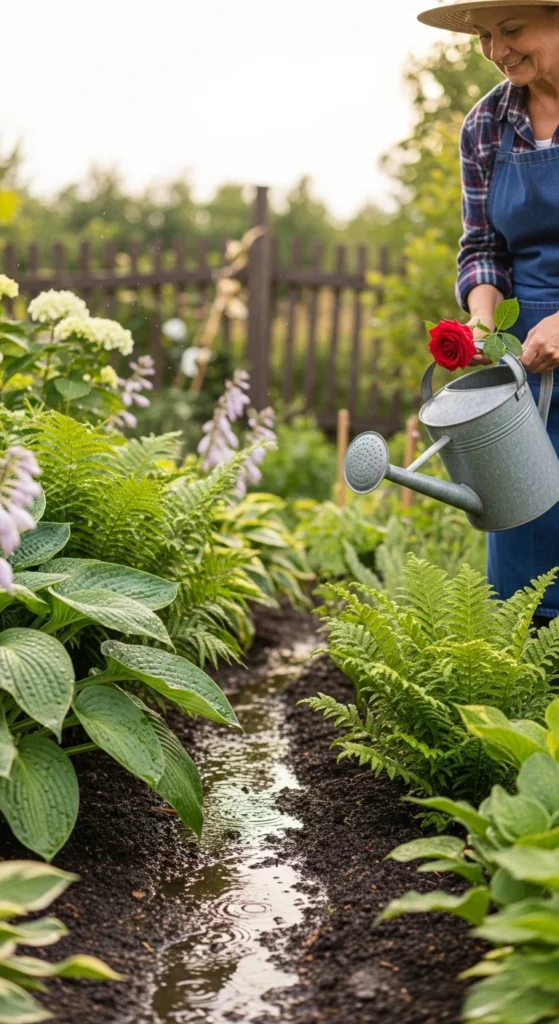
Fertilizing before rain can wash away nutrients. Wait until after rainfall when the soil is moist but not waterlogged. This helps nutrients soak in deeper where roots can reach them.
14. Mulch with Manure
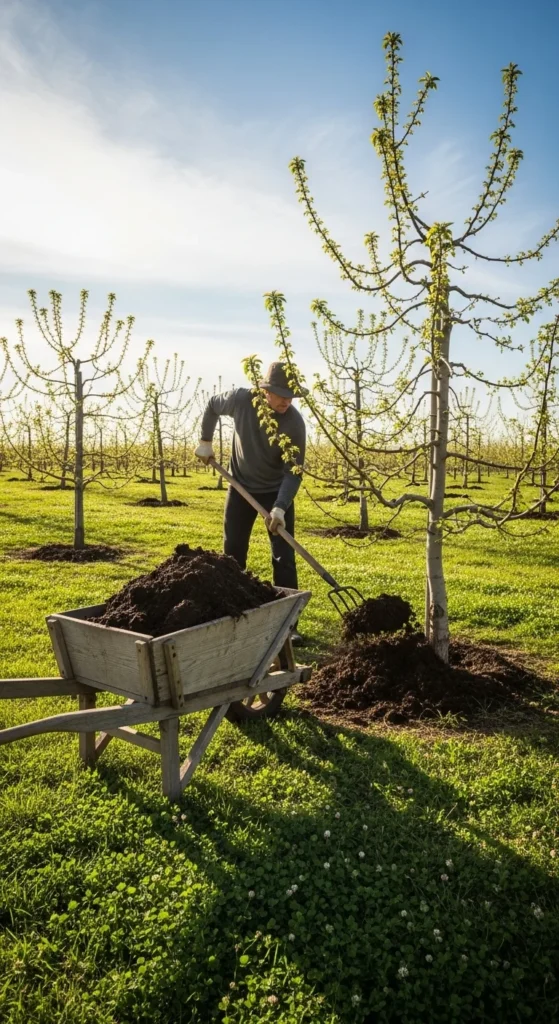
Aged manure is full of nitrogen and organic matter. Spread a thin layer around perennials or trees. Avoid fresh manure — it’s too strong and can burn roots. Cow, horse, or chicken manure all work if well-aged.
15. Don’t Forget Micronutrients
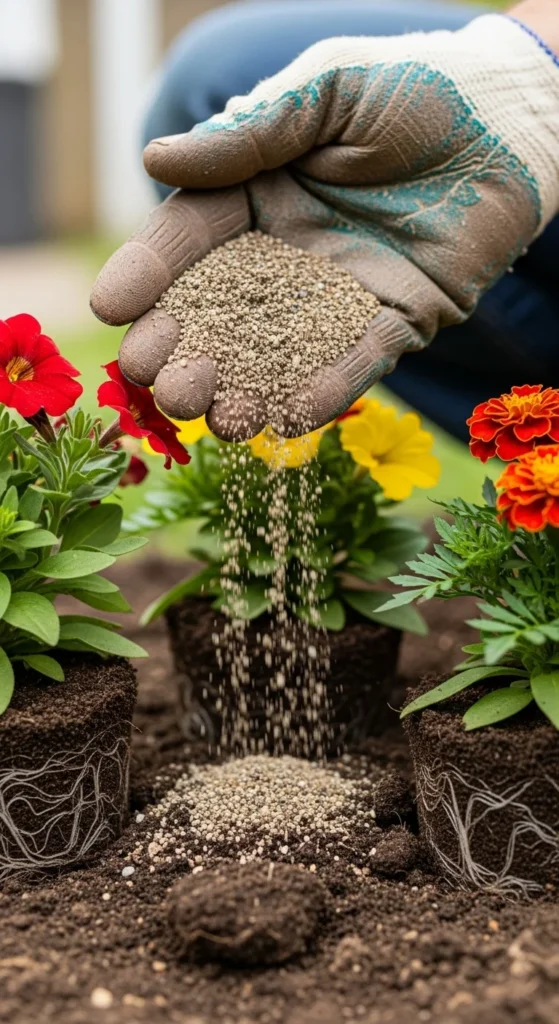
Plants need more than nitrogen, phosphorus, and potassium. Elements like iron, zinc, and manganese matter too. Use seaweed extract or trace mineral blends once a month. They keep leaves green and blooms bright.
16. Use Slow-Release Pellets
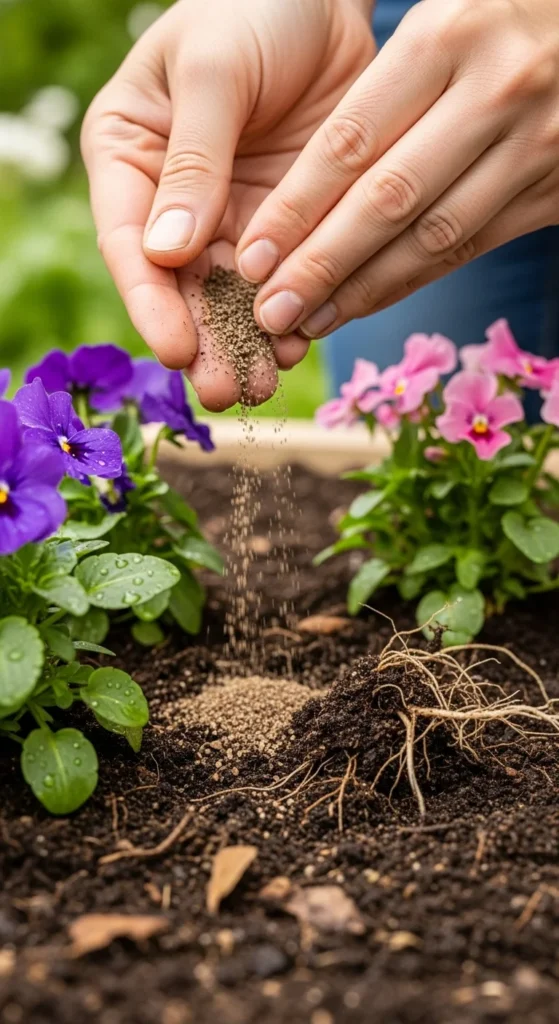
Slow-release fertilizers feed plants gradually. They’re perfect for busy gardeners who can’t fertilize often. Use them in pots or garden beds for steady nourishment over several weeks.
17. Pair Fertilizer with Mulch
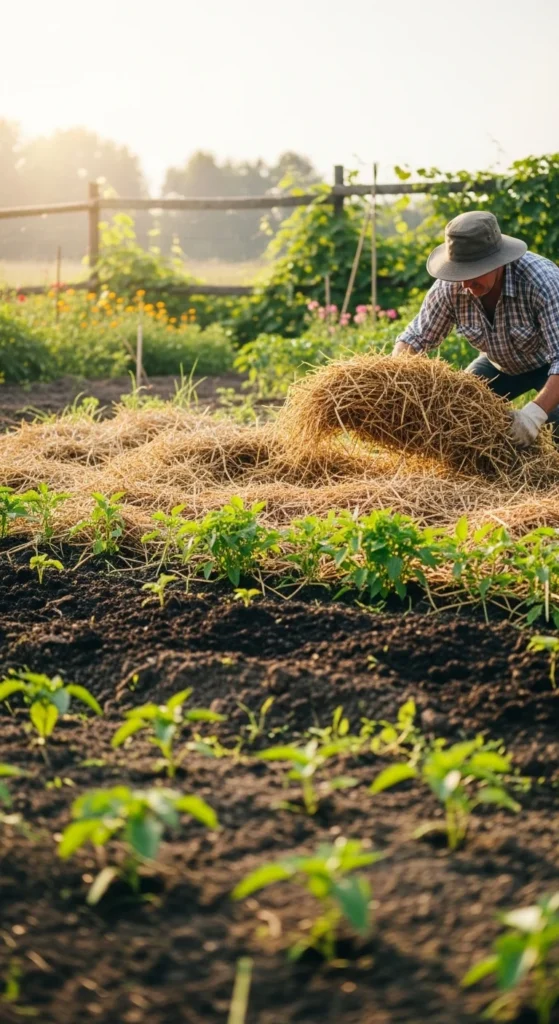
After fertilizing, cover the area with mulch to hold moisture and prevent nutrients from evaporating. Straw, leaves, or shredded bark work well. It’s a simple step that keeps feeding consistent.
18. Fertilize the Right Plants Only
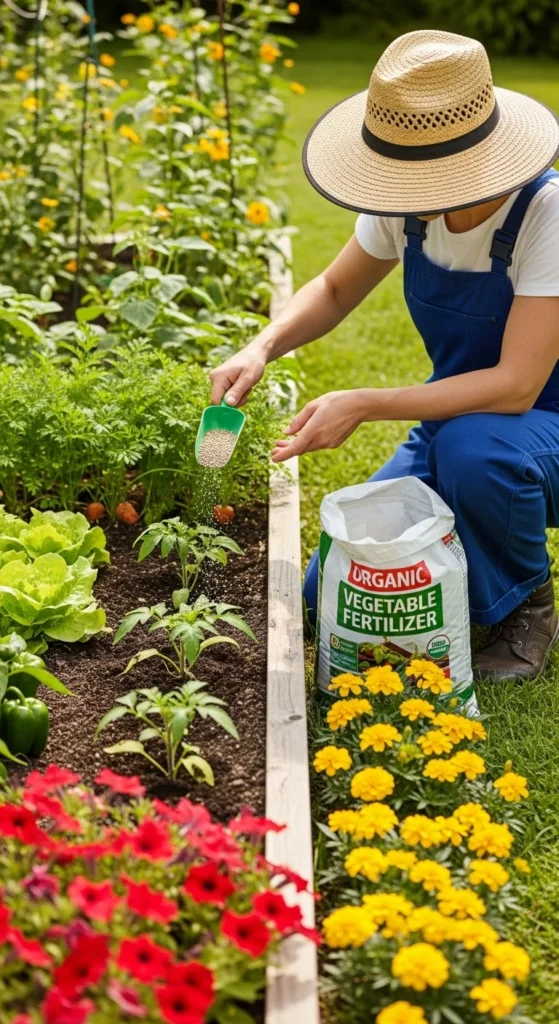
Not every plant needs extra feeding. Hardy shrubs or native plants often thrive without it. Focus on high-demand crops like tomatoes, cucumbers, or roses. Feed smart, not everywhere.
19. Fertilize the Right Plants Only
A quick soil test tells you what nutrients are missing. You can buy an affordable kit online. Adjust your fertilizer based on the results — no guessing, no waste.
20. Feed at the Root Zone
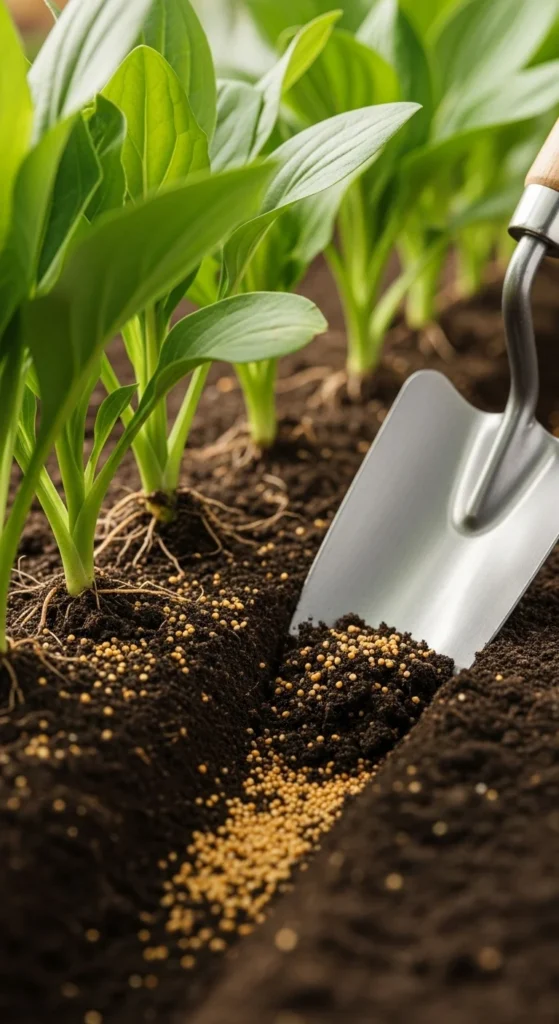
Spread fertilizer near the root zone, not directly on the stem. That’s where absorption happens. Mix gently into the topsoil and water afterward. It helps nutrients reach where plants can use them best.
21. Make Seaweed Spray
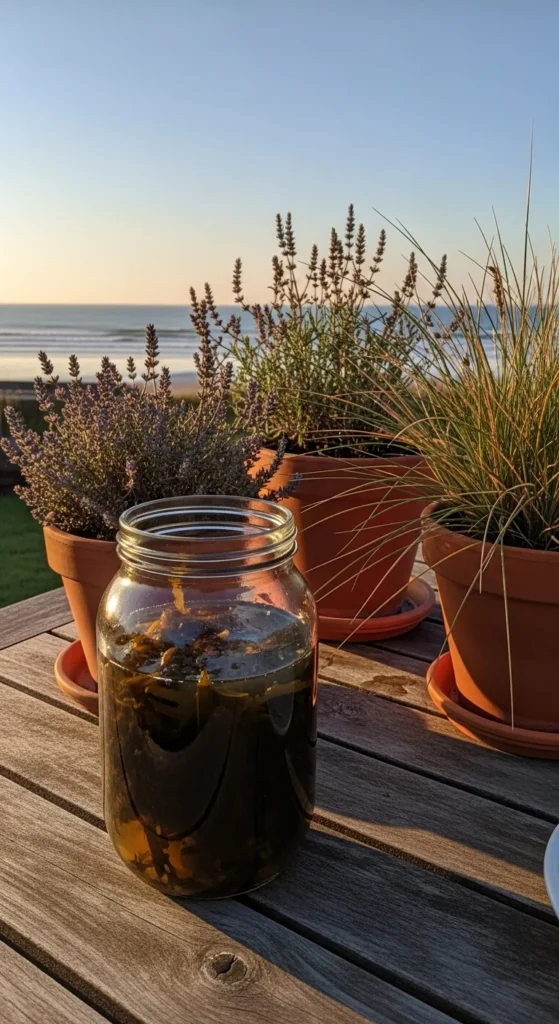
Seaweed adds trace minerals and helps plants handle stress. Soak dried seaweed in water for a few days, then strain. Spray or pour around roots every few weeks. Great for coastal gardeners.
22. Don’t Overfeed Seedlings
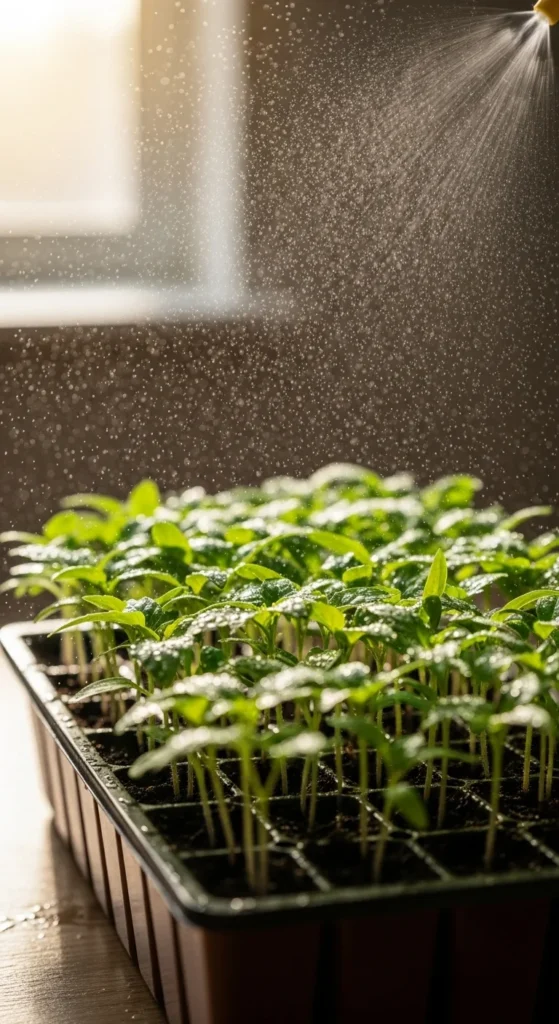
Young plants are sensitive. Use half-strength fertilizer and apply sparingly. Too much can burn delicate roots. Focus on gentle, consistent watering instead.
23. Combine Fertilizing with Weeding
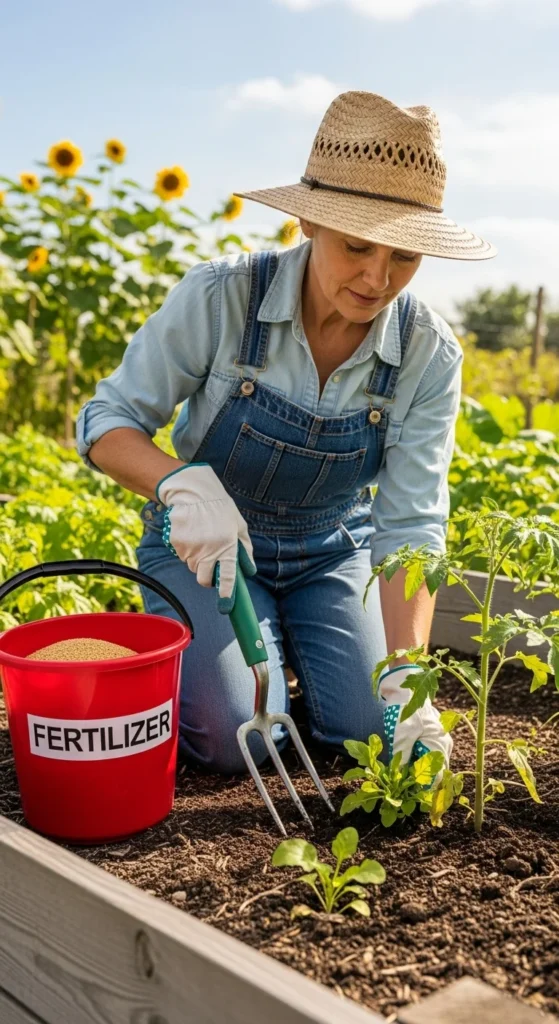
Weeds steal nutrients. Before fertilizing, clear them out so your plants get the full benefit. Make it a routine — feed and weed together every few weeks.
24. Keep a Feeding Journal
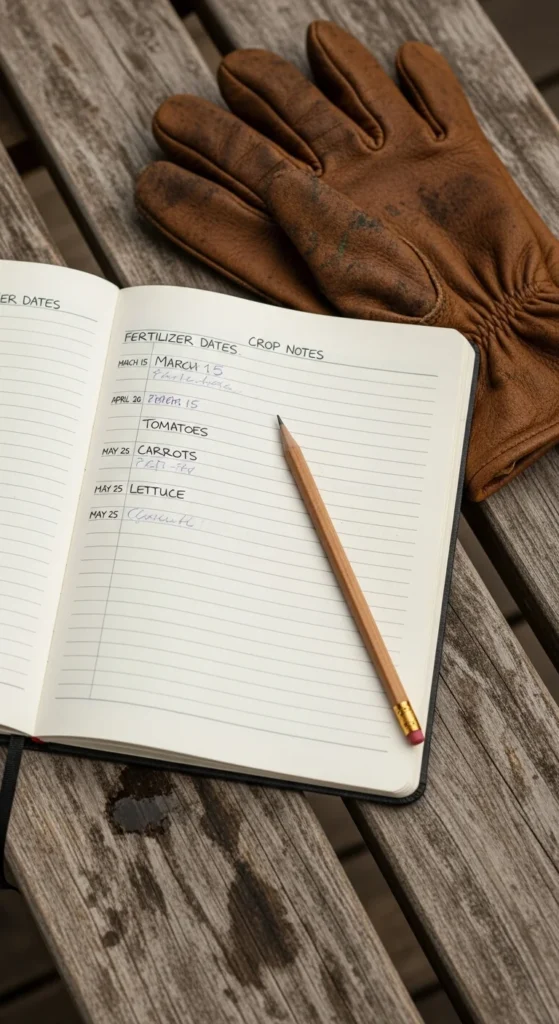
Write down what fertilizer you used, when, and how plants responded. Over time, you’ll spot patterns and improve your timing. It turns guesswork into a personalized growing guide for your garden.
Conclusion
Healthy gardens don’t rely on expensive fertilizers — they rely on consistent, thoughtful feeding. From compost and eggshells to rainwater and seaweed, simple habits build rich soil and vibrant growth. Start with one or two of these fertilizing secrets today. With patience and care, your garden will reward you with color, flavor, and life in every corner.

Leave a Reply