

Nothing beats the satisfaction of stepping outside to snip fresh herbs for your favorite meal or homemade essential oils. Growing your own herbs isn’t just practical—it’s relaxing, rewarding, and fills your garden with soothing scents. Whether you’re after fresh basil for pesto or lavender to calm your senses, this guide will show you how to grow herbs that delight both your taste buds and your nose.
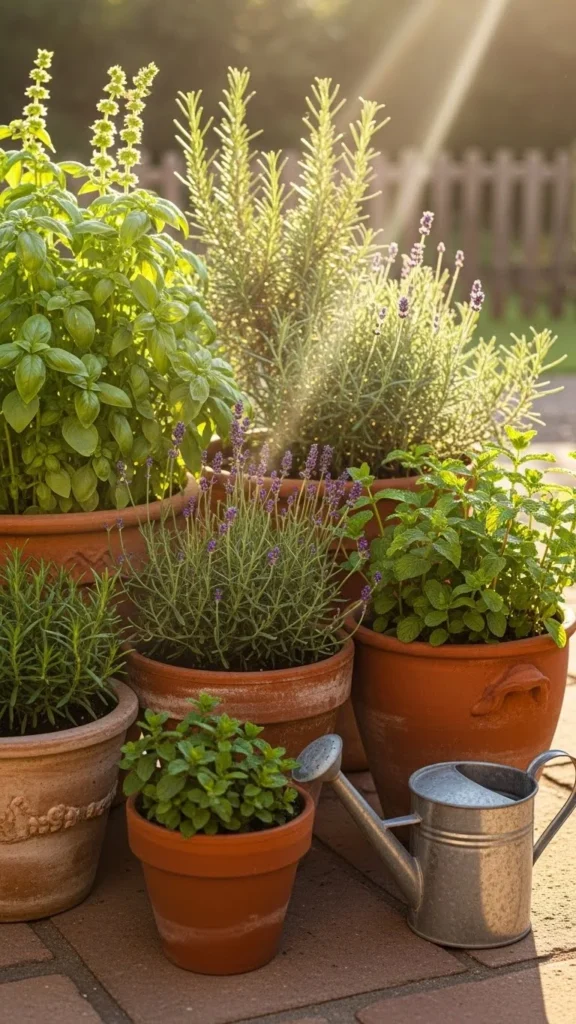
Choosing the Right Herbs for Your Needs
Start by deciding what you want from your garden—culinary flavor, healing properties, or aromatic beauty.
For Cooking:
- Basil – Perfect for Italian dishes, tomato sauces, and salads.
- Rosemary – Adds a woodsy aroma to roasted veggies or bread.
- Thyme – Great for soups and chicken dishes.
- Mint – Refreshing for teas, desserts, and sauces.
For Aromatherapy:
- Lavender – Known for its calming fragrance.
- Lemon balm – A citrusy scent that soothes stress.
- Chamomile – Used for relaxation and skincare infusions.
- Sage – Earthy and grounding, excellent for cleansing spaces.
Pick 3–5 herbs that suit your lifestyle and space. Small containers or window boxes are perfect for beginners.
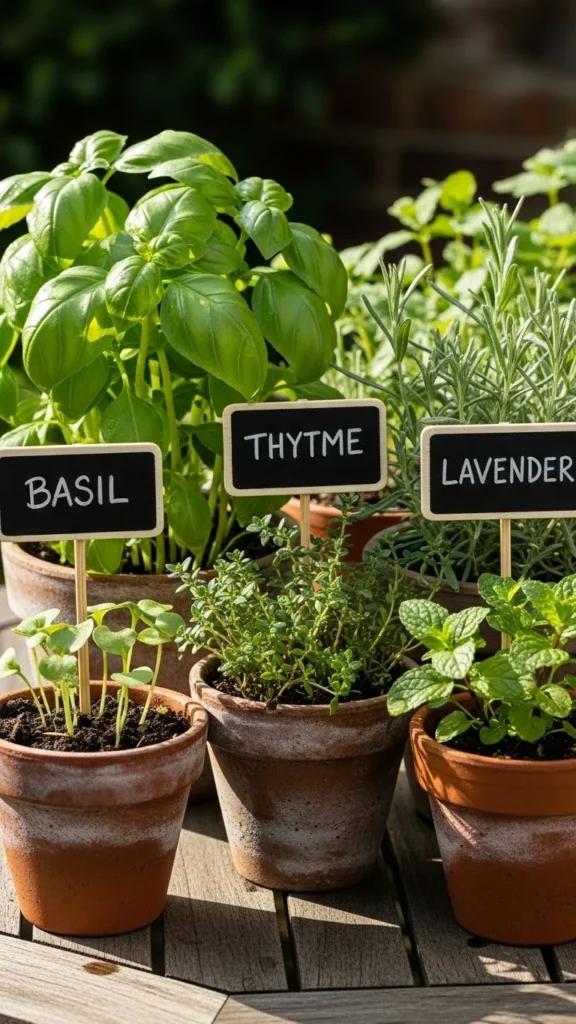
Finding the Perfect Spot
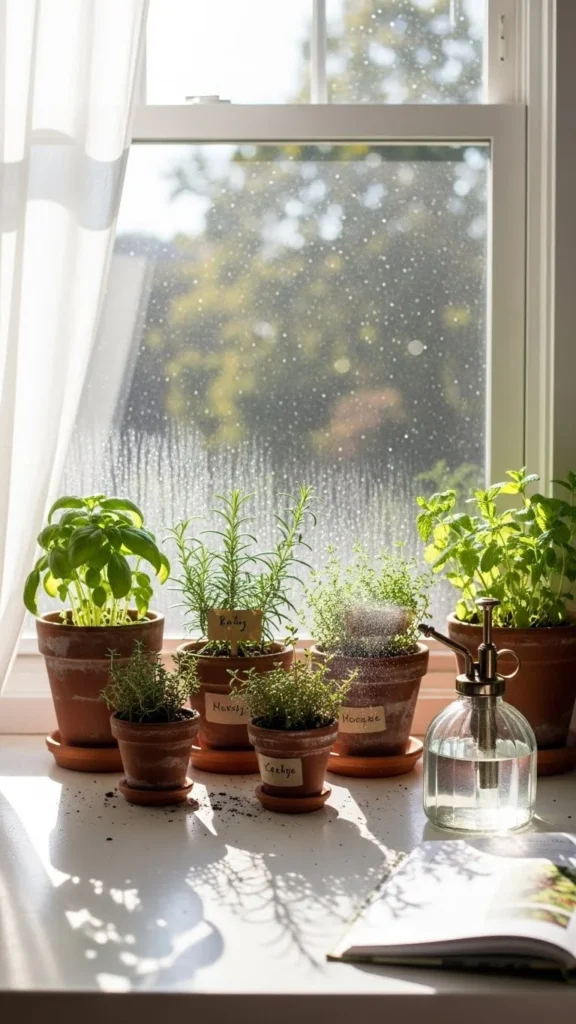
Most herbs thrive in full sunlight—around 6–8 hours per day. If you’re short on outdoor space, a sunny kitchen windowsill or balcony railing planter works just fine.
Tips for choosing the right location:
- Ensure good air circulation to prevent mildew.
- Use draining pots—herbs hate soggy roots.
- Rotate containers occasionally for even sun exposure.
If you live in a hot climate, give delicate herbs like parsley or cilantro afternoon shade to prevent wilting.
.
Planting and Caring for Your Herbs
You can start herbs from seeds or small nursery plants. For faster results, go with starter plants.
Soil & Planting Tips
- Use loose, well-draining potting mix (avoid heavy garden soil).
- Add organic compost for nutrients.
- Space herbs properly—crowding leads to poor airflow and disease.
Watering Routine
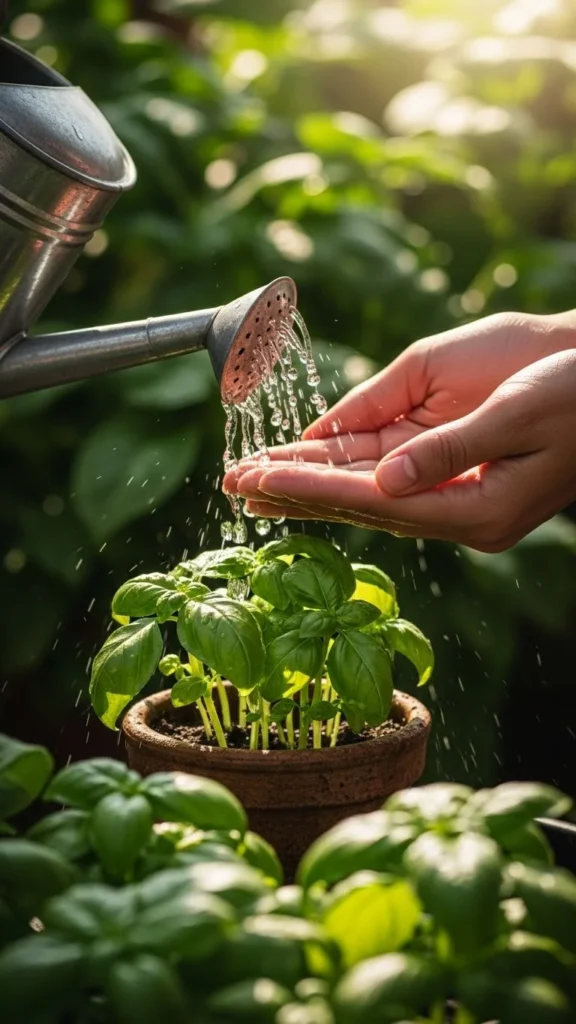
- Keep soil slightly moist, but not soaked.
- Touch the top of the soil—if it’s dry, it’s time to water.
- Morning watering helps avoid fungus growth.
Feeding Your Plants
- Use diluted organic fertilizer every few weeks.
- Herbs like basil and parsley benefit from extra feeding, while rosemary and thyme prefer leaner soil.
Harvesting for Freshness and Aroma
Harvesting correctly keeps your herbs healthy and flavorful.
- Always trim leaves from the top, not the bottom.
- For strong-flavored herbs like rosemary or thyme, a small snip goes a long way.
- Avoid cutting more than one-third of the plant at once.
- For drying, harvest just before flowering, when oils are most concentrated.
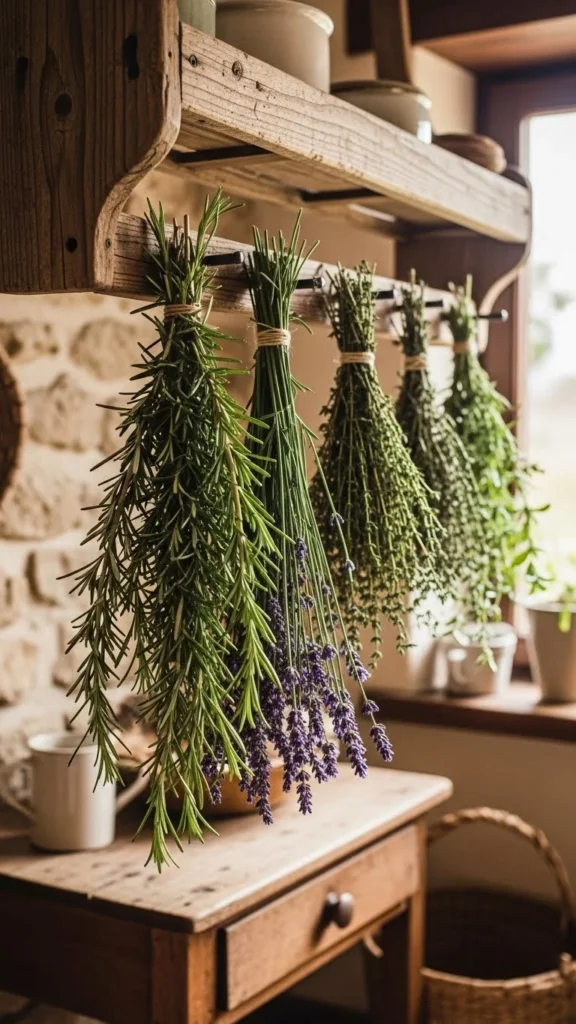
To dry, tie herbs in small bundles and hang them upside down in a dark, airy room for 1–2 weeks. Store the dried leaves in airtight jars.
Using Herbs in Cooking and Aromatherapy
Once your herbs are ready, the fun begins!
In the Kitchen
- Add fresh basil or oregano to homemade pizza.
- Sprinkle chopped parsley over pasta or soups.
- Mix mint into fruit salads for a refreshing twist.
For Aromatherapy
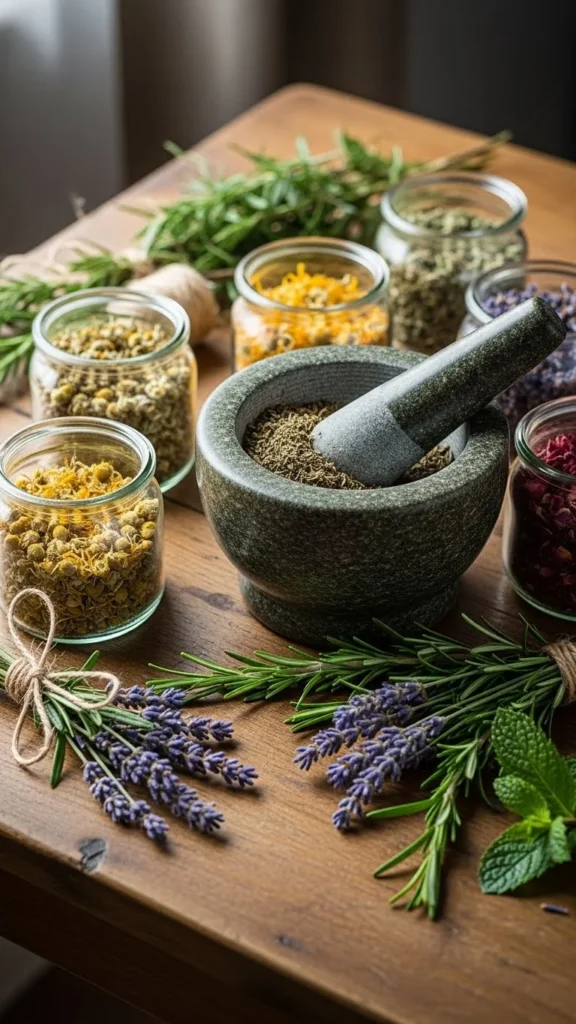
- Create lavender sachets for your drawers or pillows.
- Simmer rosemary sprigs in water to freshen your home.
- Infuse lemon balm or chamomile into oil for a relaxing massage blend.
Experiment with combinations—mint and lavender together smell divine!
Keeping Your Herb Garden Thriving
To keep your herbs lush:
- Prune regularly to encourage new growth.
- Remove yellowing leaves promptly.
- Protect tender herbs from frost in cooler months by bringing pots indoors.
- Replant perennials like rosemary and thyme every few years for vigor.
Small, consistent care goes a long way—herbs are forgiving and respond beautifully to gentle attention.
Final Takeaway
Growing your own herbs turns your garden into a mini oasis of flavor and fragrance. Whether you’re seasoning dinner or crafting a calming scent blend, your herbs will reward you with freshness every day.
Start small, experiment often, and enjoy the joy of harvesting from your very own garden.
Save this guide for later and start your herb garden today!

Leave a Reply