

Creating your dream garden is one of the most rewarding projects you can take on. Whether you have a sprawling backyard or a cozy patio, careful planning ensures every plant, path, and pot comes together in perfect harmony. Let’s walk through the simple steps to help you design a garden that’s both beautiful and practical.
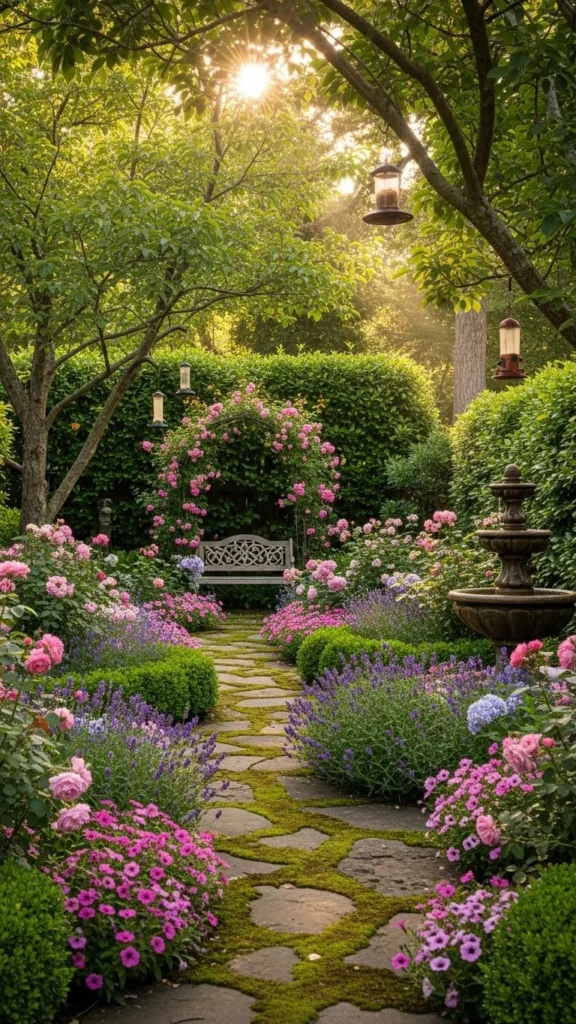
Step 1: Envision Your Ideal Garden
Before you start digging, take a moment to imagine what your dream garden looks like.
- Do you want a peaceful retreat filled with fragrant flowers?
- A vegetable garden for homegrown produce?
- Or perhaps a mix of ornamental plants and functional herbs?
Create a mood board with images from Pinterest or magazines that capture your ideal style — whether it’s rustic, tropical, minimalist, or cottage-inspired.
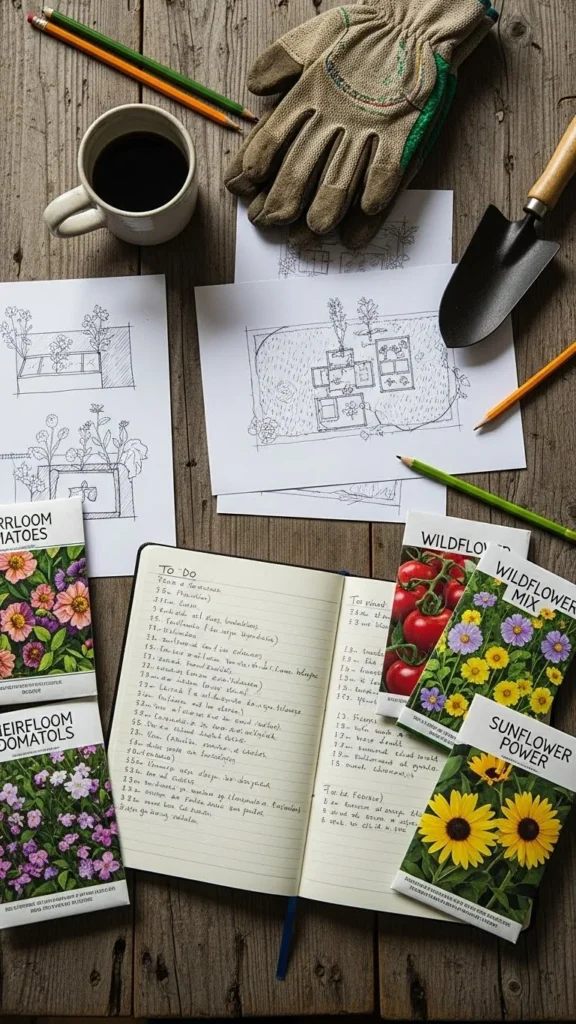
Step 2: Assess Your Space
Every garden has its strengths and challenges. Walk around your space and take notes:
- Sunlight: Which areas get full sun, partial shade, or full shade?
- Soil: Is your soil sandy, clay-heavy, or loamy? You can buy a simple soil test kit to check its pH.
- Wind and Drainage: Notice if there are windy corners or spots where water tends to pool.
Knowing your garden’s conditions helps you choose plants that will thrive, not struggle.

Step 3: Choose a Layout That Fits Your Lifestyle
Think about how you’ll use your garden. Do you want space for kids to play, a cozy seating area, or raised beds for vegetables?
Here are a few layout tips:
- Zoning: Divide your garden into sections (e.g., flowers, veggies, seating, storage).
- Pathways: Use gravel, stepping stones, or wood chips to create inviting walkways.
- Balance: Mix tall and short plants, soft and structured shapes to add depth.
Sketch your layout on paper or use a free online garden planner to visualize it before planting.

Step 4: Pick the Right Plants
Now comes the fun part — choosing what to grow!
- For sunny spots: Roses, lavender, sunflowers, and tomatoes.
- For shady corners: Hostas, ferns, impatiens, and hydrangeas.
- For low-maintenance areas: Succulents, ornamental grasses, and native plants.
Remember to consider seasonal interest — select plants that bloom at different times so your garden stays colorful all year.
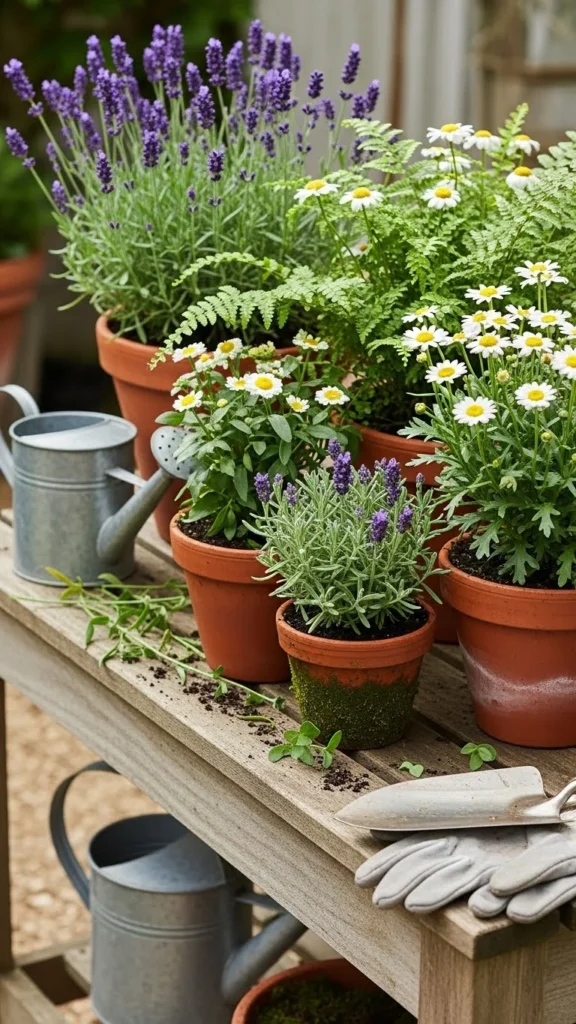
Step 5: Add Personality with Design Details
Your garden should feel like you. Add personal touches that reflect your style:
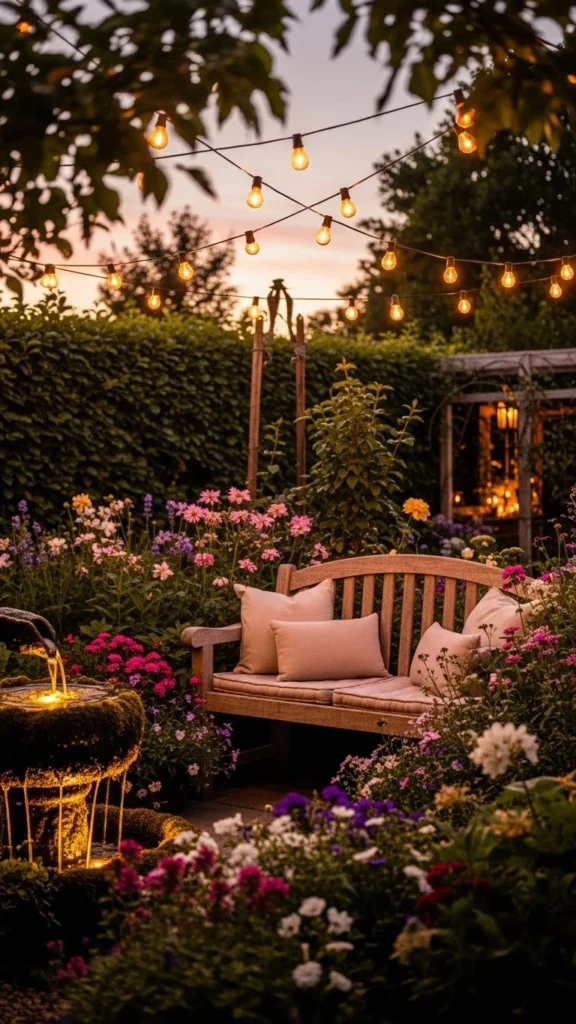
- String lights or solar lanterns for a magical evening glow
- A small fountain or birdbath for movement and sound
- Decorative planters or garden sculptures
- A rustic bench or hammock for relaxation
These elements transform a regular garden into a truly enchanting space.
Step 6: Plan for Growth and Maintenance
Every great garden evolves with time. To keep it thriving:
- Water deeply but less often — this encourages strong roots.
- Add mulch to retain moisture and reduce weeds.
- Prune regularly to keep plants healthy and neat.
- Rotate crops in vegetable gardens to prevent soil fatigue.
Consistency is key — even 10 minutes a day of care keeps your garden looking fresh.
Step 7: Enjoy and Evolve
A dream garden isn’t built in a weekend — it’s a growing, changing project. Don’t be afraid to adjust your layout, swap out plants, or try new color schemes. Gardening is as much about the journey as the result.

Final Takeaway
Planning your dream garden is about blending creativity with practicality. With a little vision, thoughtful preparation, and patience, you’ll soon have a space that reflects your style and brings joy season after season.
Save this guide for later — your dream garden awaits!

Leave a Reply