

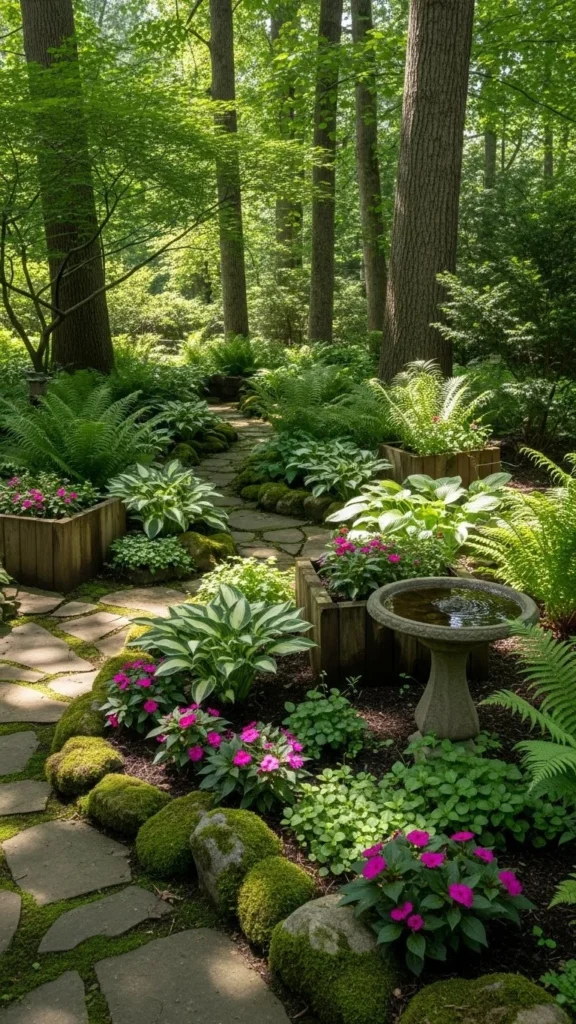
Creating a garden in a shady spot doesn’t have to be frustrating. Many plants thrive without direct sunlight if given the right setup. Whether your yard sits under tall trees or between buildings, you can still grow a lush and colorful oasis. Below are 21 practical, low-light garden ideas that make the most of shade — perfect for anyone looking to turn a dim corner into a beautiful and thriving retreat.
1. Layer Shade-Loving Plants
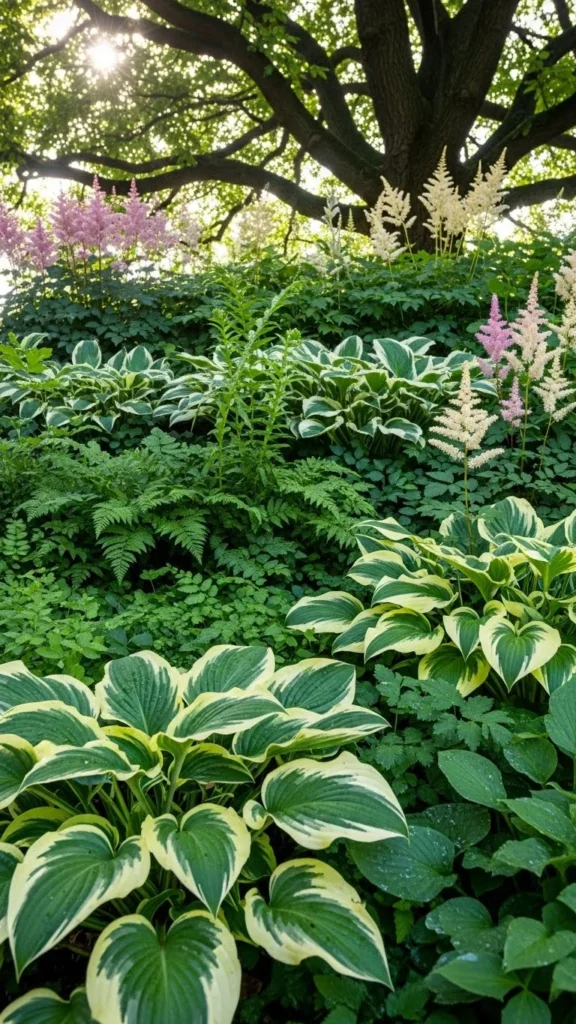
Combine plants of different heights for depth and visual balance. Use tall ferns or hydrangeas in the back, medium hostas in the middle, and ground covers like creeping Jenny up front. This setup works well in partially shaded corners. Add mulch to keep soil moisture steady and prevent weeds. Even with limited sunlight, the varied heights create movement and fullness in your garden.
2. Add a Shade Sail or Canopy
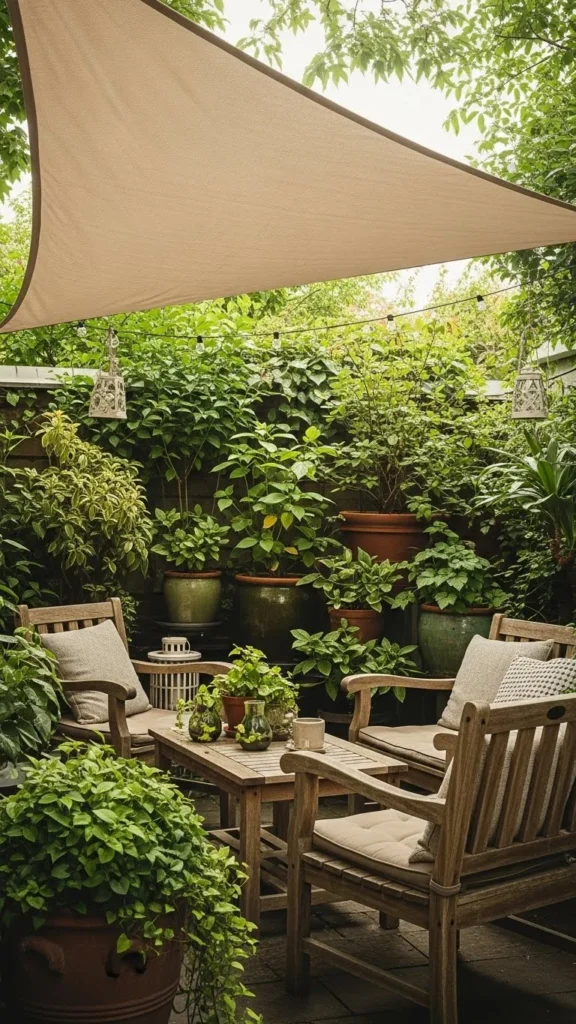
If your area gets patchy sun, hang a shade sail or canopy to control exposure. It helps protect delicate plants like coleus or begonias from burning midday rays. You can install budget-friendly canvas sails using metal hooks and rope. Try positioning the sail so it blocks the strongest afternoon light but allows gentle morning rays to peek through.
3. Use Reflective Surfaces
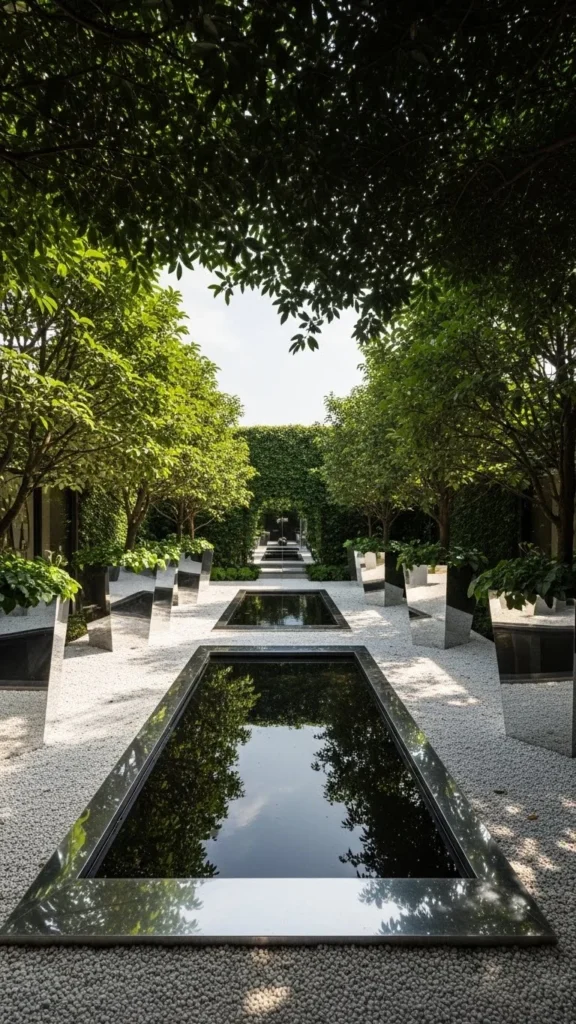
Reflective materials can brighten a dim garden. Use white gravel paths, light-colored pots, or a small mirror near shaded beds. These surfaces bounce what little sunlight you have, helping plants photosynthesize more efficiently. You can even paint wooden fences a light cream tone to increase the brightness naturally.
4. Choose Plants for Deep Shade
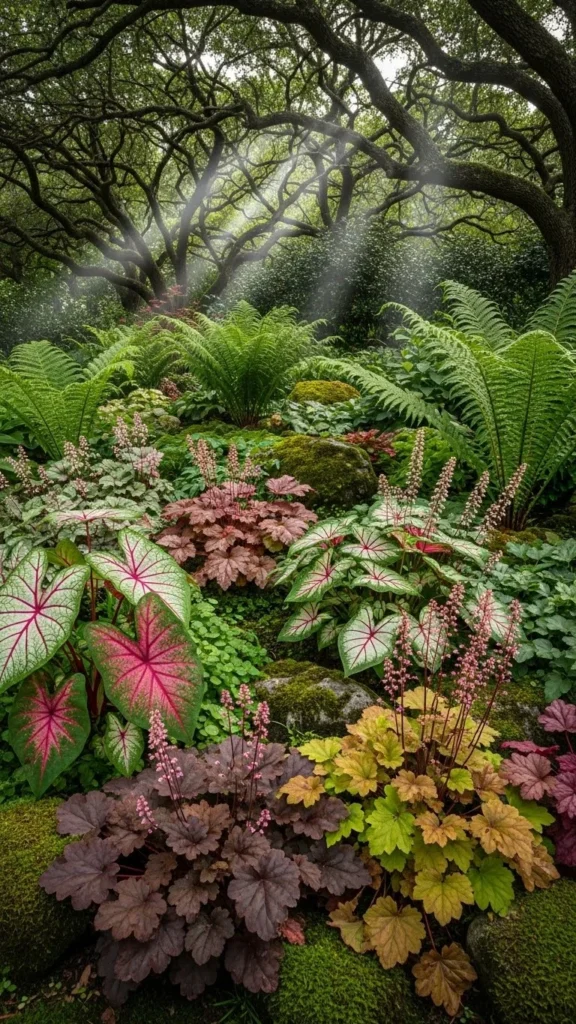
Certain plants thrive with almost no direct sunlight. Great options include hostas, ferns, lungwort, and Japanese forest grass. Combine varieties with colorful leaves to keep your space lively. Try grouping plants with similar water needs for easy maintenance. Shade gardens rely more on foliage color and texture than blooms, so pick plants with interesting leaf patterns.
5. Create a Moss Garden
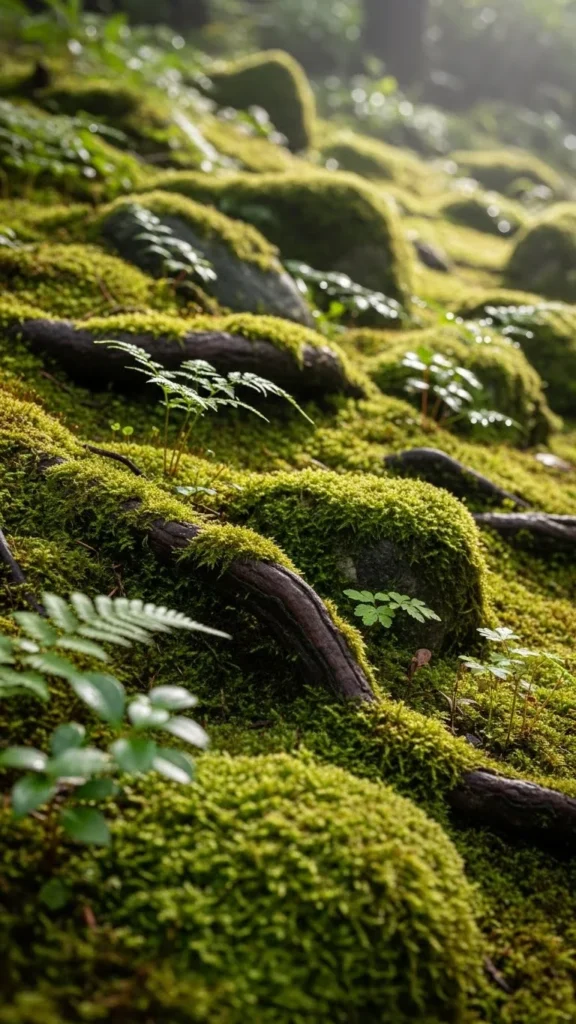
Moss grows beautifully in damp, shaded areas. You can start your own moss garden by pressing live moss into moist soil or rock surfaces. Mist it frequently for the first few weeks. Over time, moss will spread naturally, forming a velvety carpet that adds a calm, ancient look. It’s perfect for low-maintenance corners where other plants might struggle.
6. Build a Shaded Seating Nook
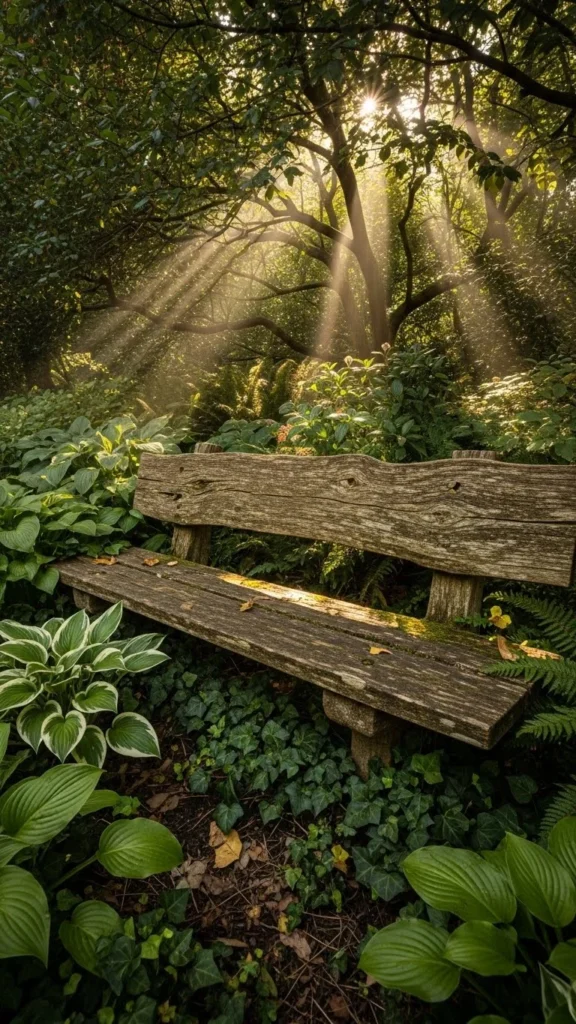
Turn a shady corner into a peaceful retreat. Place a simple bench or swing under the trees. Surround it with low-light plants like ferns or bleeding hearts. Use stepping stones to lead the way. The result feels like a hidden getaway right in your backyard. Add a few solar lanterns to keep it cozy at dusk.
7. Grow Shade-Tolerant Herbs
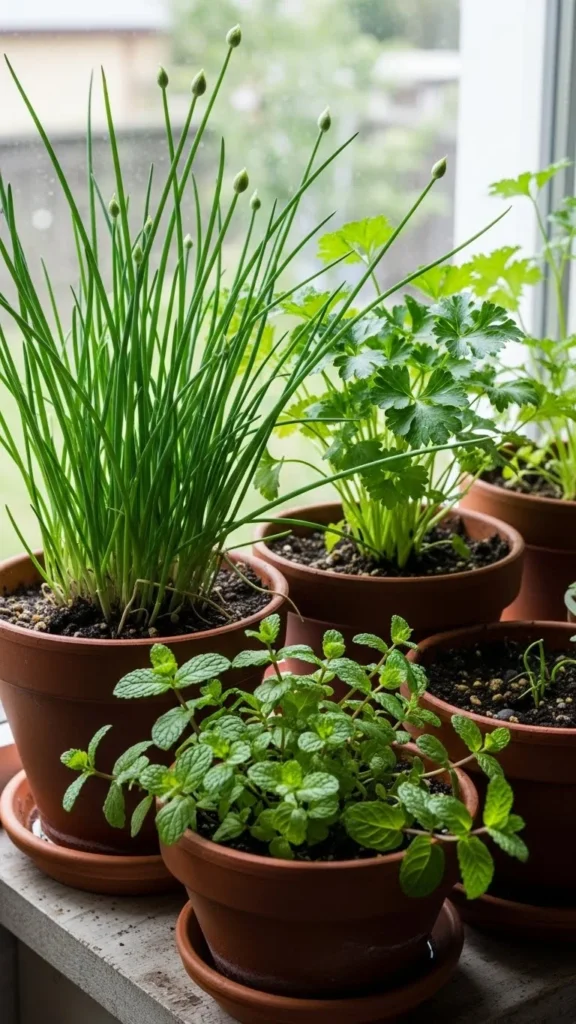
Not all herbs need full sun. Mint, parsley, chervil, and chives do well in partial shade. Keep them in containers for easy mobility and moisture control. Rotate pots every few days to help even growth. A shaded herb garden gives you flavor at your fingertips without requiring constant sunlight.
8. Install a Pergola with Climbing Plants
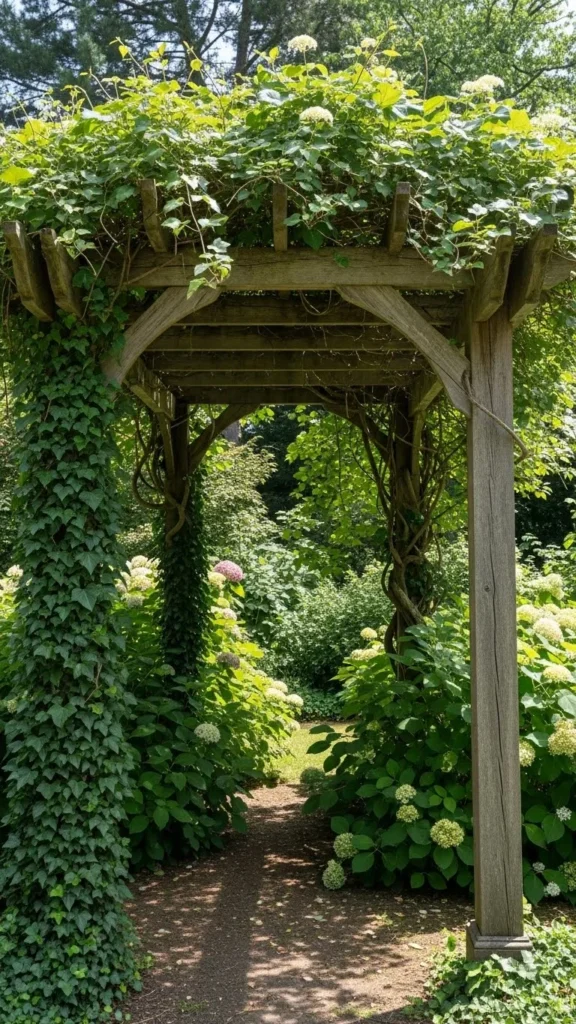
A pergola adds structure while providing partial shade. Train climbing plants like ivy or clematis to cover it naturally. This setup filters sunlight beautifully and creates an intimate feel. You can even hang string lights or planters from the beams for added charm.
9. Try Container Gardening
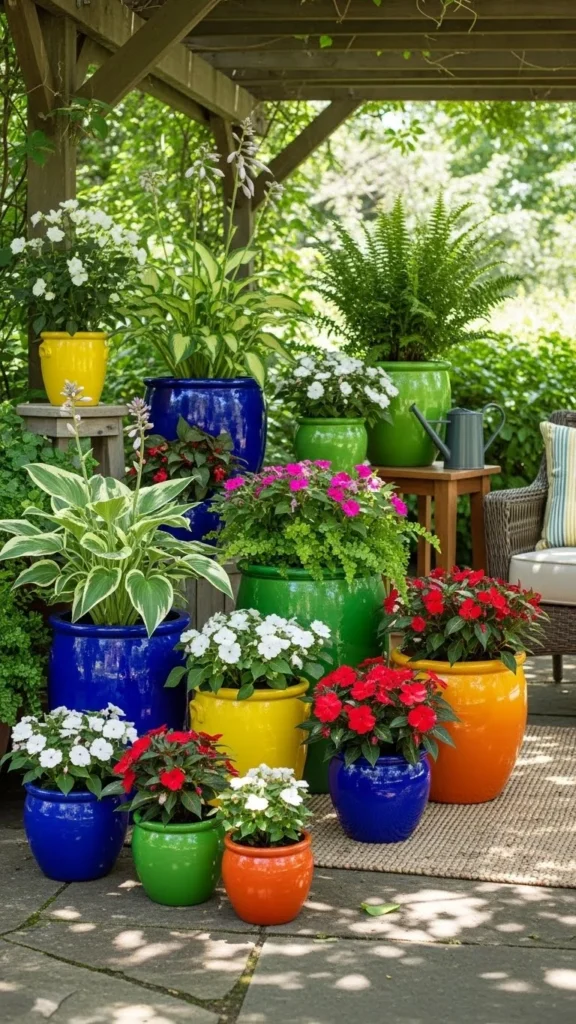
Containers make it easier to manage shade plants. Move them around to find ideal light levels. Use lightweight pots with good drainage and mix in compost for rich soil. Shade-tolerant flowers like impatiens or begonias bring color even in dim spots. You can cluster pots together for visual impact.
10. Add a Water Feature
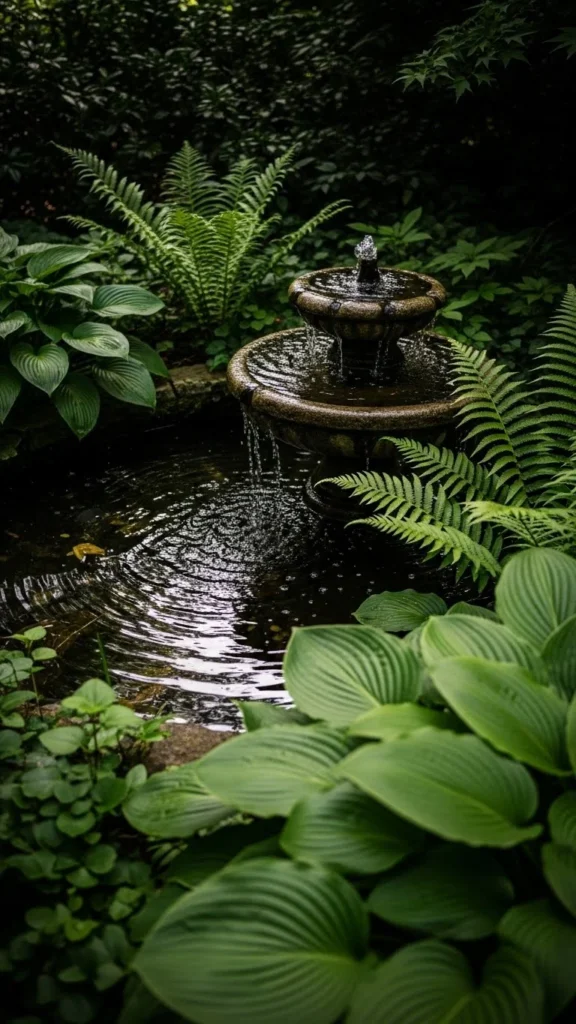
Water features bring calm movement to shady gardens. A simple fountain or birdbath adds sound and attracts wildlife. Since shaded areas retain moisture, algae buildup is minimal. Choose stone or ceramic designs that blend with the garden’s tone. Keep the pump clean for steady flow.
11. Use Mulch to Lock in Moisture
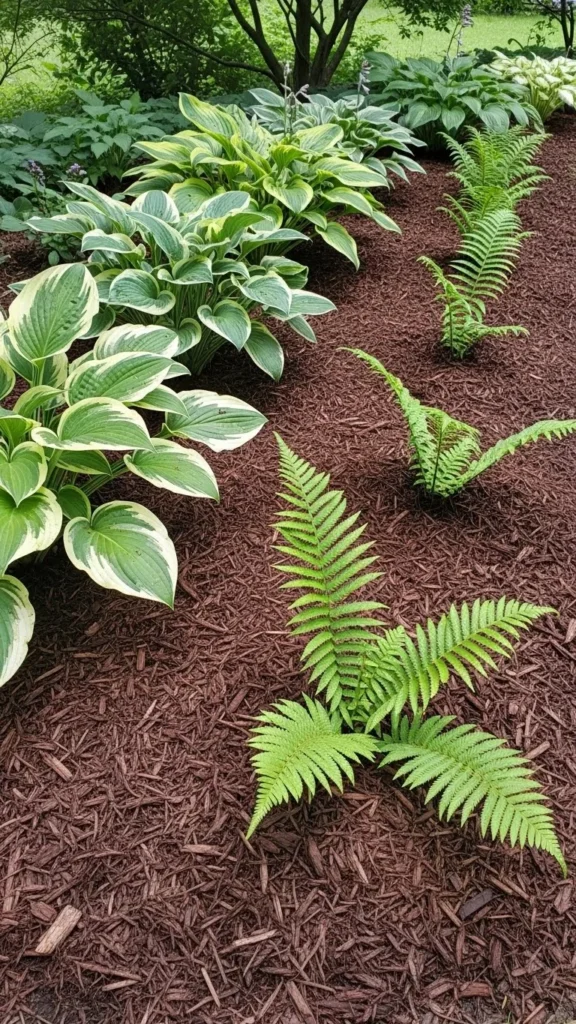
Shade gardens often stay cooler, which means moisture can last longer — but not always evenly. Adding organic mulch helps maintain balance. It prevents soil from drying out and keeps roots insulated. Try bark chips or shredded leaves for a natural look. Replace annually to refresh appearance and improve soil texture.
12. Build a Woodland Garden
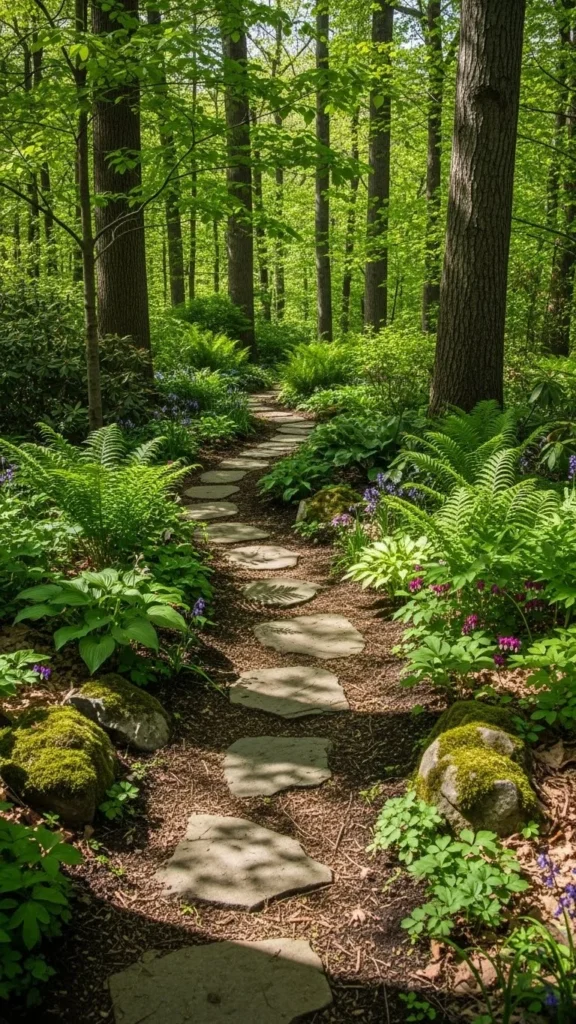
If your yard sits under trees, mimic a woodland feel. Use native plants like trillium, wild ginger, and ferns that thrive under natural canopies. Leave fallen leaves on the ground for organic mulch. It’s low-effort and supports local wildlife. A few logs or stones can complete the forest-floor look.
13. Use Hanging Baskets
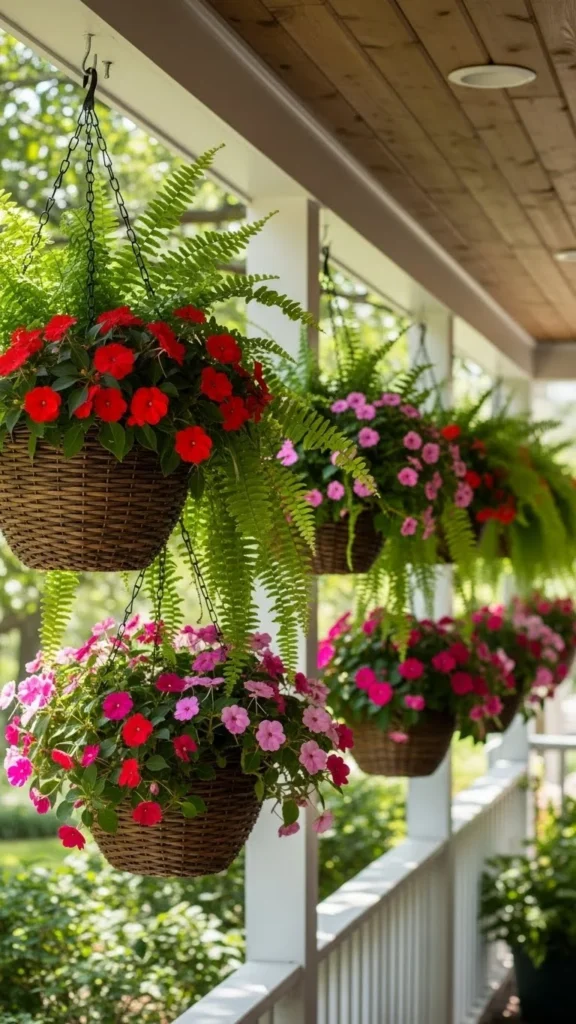
Hanging baskets make excellent use of vertical space. Choose cascading plants like fuchsias, begonias, or ivy. Use coco liners to retain moisture and keep roots cool. Hang them at varying heights to add dimension. Water consistently, as baskets dry faster than garden beds.
14. Add White or Silver Foliage
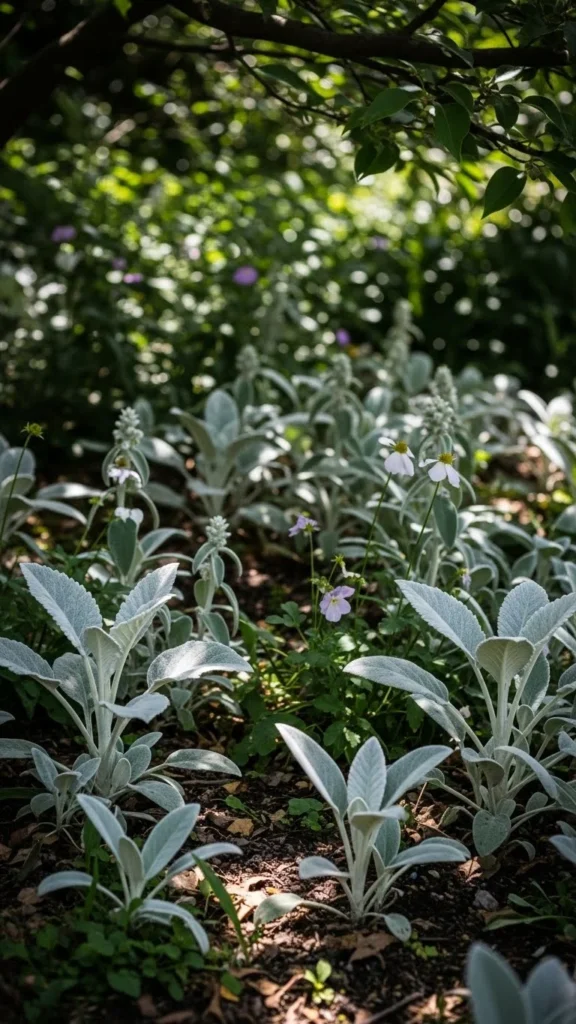
White or silver foliage reflects even limited light, making your garden seem brighter. Try brunnera, lungwort, or lamb’s ear. These plants highlight darker greens beautifully. Mix them along paths or borders for a balanced palette.
15. Create Raised Beds
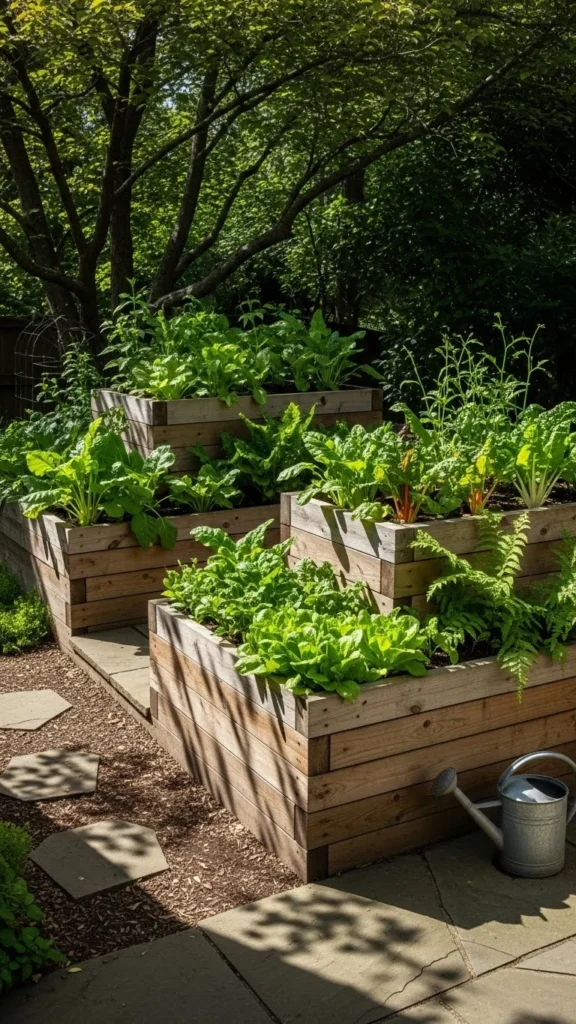
Raised beds improve drainage and make planting easier in shaded areas with compacted soil. You can fill them with compost-rich mix and plant low-light crops like lettuce, spinach, or kale. Build with untreated wood for longevity. The raised design also keeps pests at bay and adds structure.
16. Grow Vegetables for Partial Shade
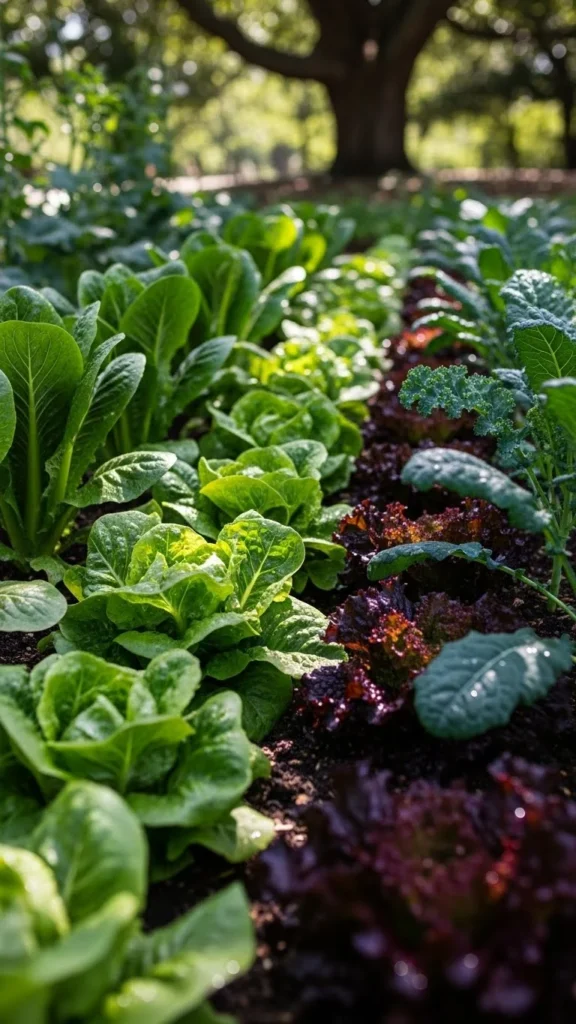
Some vegetables handle shade quite well. Try spinach, kale, lettuce, and broccoli. These crops actually prefer cooler conditions. Keep soil moist and harvest often to encourage growth. You can grow them in containers or raised beds for flexibility.
17. Incorporate Stone Paths
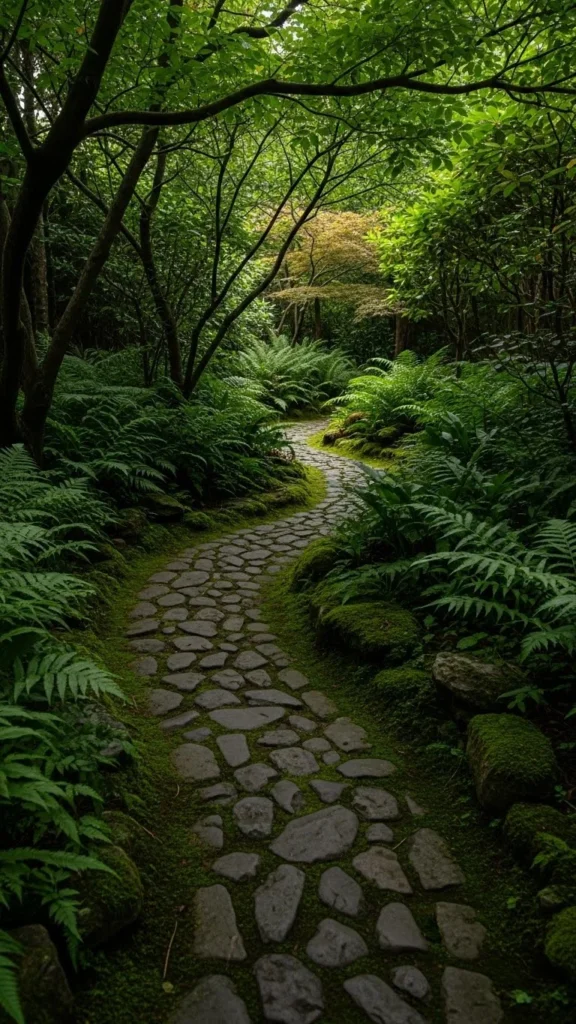
Stone paths break up dense plantings and add structure. Use irregular stepping stones for a natural look. The contrast between hard stone and soft plants makes your garden feel intentional. Choose moss-friendly stones so greenery can creep over time for a lived-in charm.
18. Try Ground Covers for Shady Spots
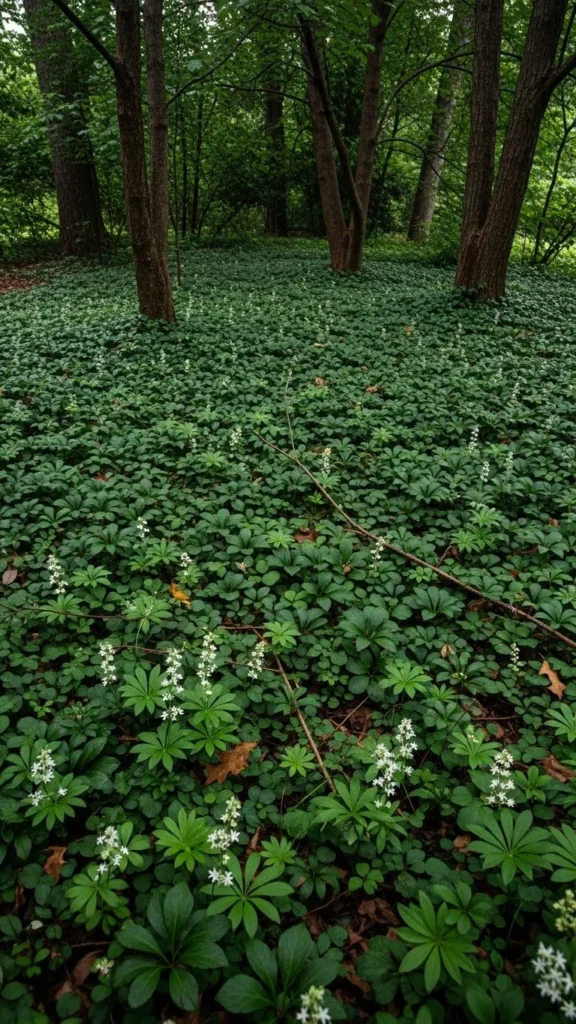
Bare shaded ground can look patchy. Fill it with hardy ground covers like pachysandra, ajuga, or sweet woodruff. They spread quickly and suppress weeds. Once established, they need very little attention and stay green year-round.
19. Add a Shade Greenhouse
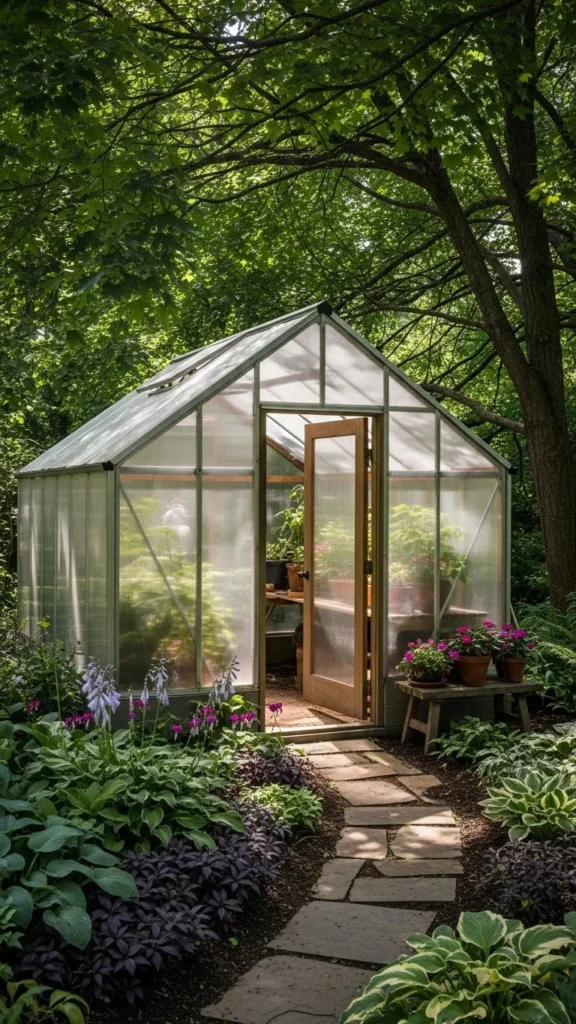
A shade greenhouse helps control temperature and humidity. It’s perfect for ferns, orchids, and begonias that love indirect light. You can build a small frame and cover it with shade cloth. It also extends your growing season and protects delicate plants from wind or pests.
20. Paint Garden Walls Light Colors
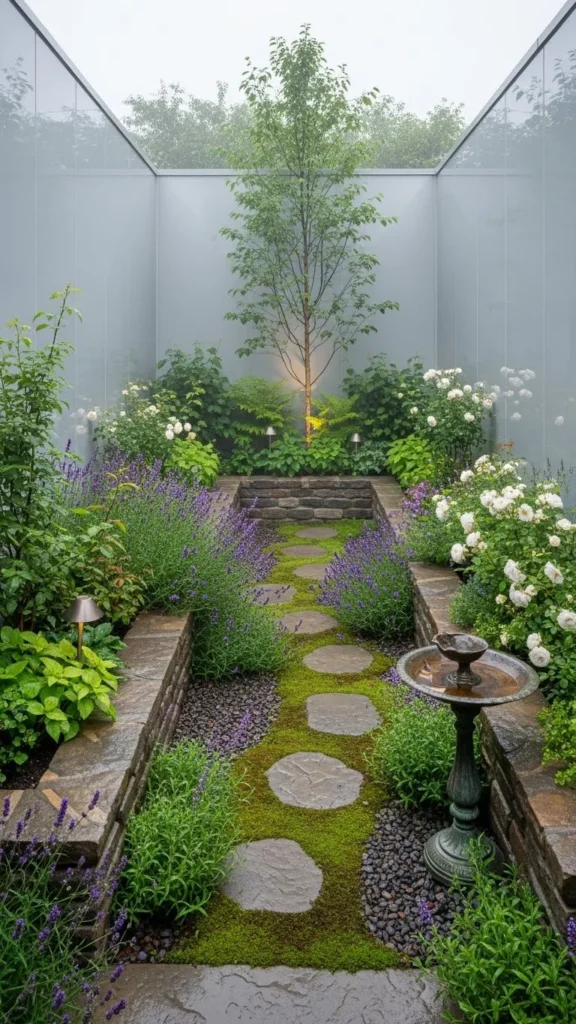
Paint fences or walls around your shade garden in pale tones — white, light gray, or beige. These surfaces reflect available light, helping brighten dark corners. The effect is subtle but powerful, especially when combined with silver-leaved plants and reflective pots.
21. Use Decorative Lanterns and Solar Lights
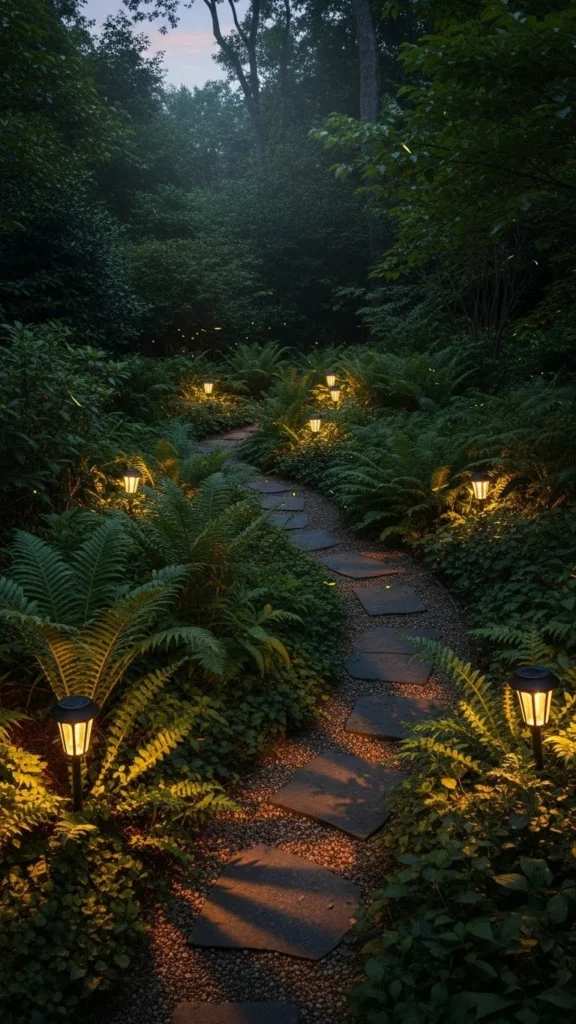
Lighting adds magic to shady gardens. Use solar-powered lanterns, string lights, or path markers to define spaces and highlight foliage. Choose warm tones for a cozy glow. It’s an easy upgrade that makes your garden inviting even after sunset.
Conclusion
Even in low light, your garden can thrive with the right choices. From clever plant selection to reflective accents and creative seating, these 21 shade garden ideas show that sunlight isn’t the only ingredient for beauty. Start small — maybe with a moss patch or a cluster of hostas — and grow from there. With patience and smart planning, your shaded spaces can become some of the most peaceful corners in your home.
Leave a Reply