

If you’ve ever watched a vine twist toward the sun or a cucumber plant reach for something to cling to, you’ve seen nature’s instinct to climb in action. A trellis gives those climbers a helping hand—creating structure, saving space, and turning your garden into a living piece of art. Whether you’re growing peas, beans, roses, or morning glories, a good trellis can make all the difference.
Why Climbing Plants Need a Trellis
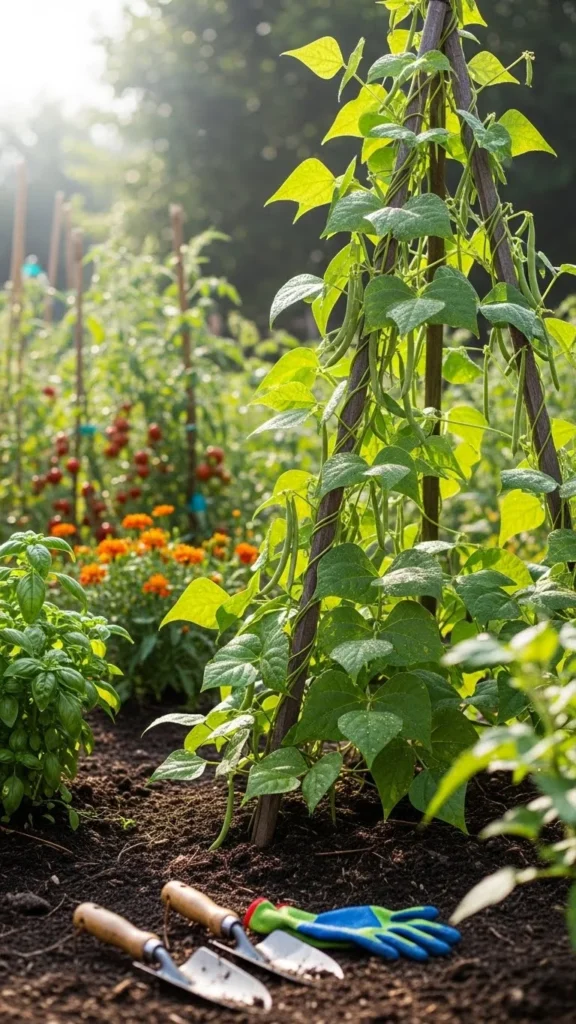
Climbing plants grow upward by nature, but without proper support, they often sprawl across the ground, leading to tangled stems, pest problems, and uneven growth. A trellis helps by:
- Providing structure for vines to attach and grow vertically
- Improving air circulation, reducing the risk of mold or rot
- Making harvesting easier for fruiting vines like peas, cucumbers, and tomatoes
- Adding beauty with vertical greenery that enhances your garden design
From a practical standpoint, trellises help maximize small spaces—perfect for balcony gardens or compact yards.

Choosing the Right Trellis for Your Garden
Before building or buying, consider what type of plants you’ll grow and how they climb. Each plant has its own preferred support style.
Common Types of Trellises
- A-Frame Trellis: Great for peas, beans, and cucumbers; easy to fold and store.
- Fan or Obelisk Trellis: Ideal for decorative climbers like clematis and climbing roses.
- Wall Trellis: Mounted directly on a wall or fence—perfect for ivy or espalier fruit trees.
- Arches and Pergolas: Best for larger gardens and heavy climbers like wisteria or grapes.
Material Choices
You can build trellises from:
- Wood – Rustic, easy to DIY, blends naturally with gardens
- Metal – Durable and elegant, often used for ornamental plants
- Bamboo or PVC – Lightweight and affordable for seasonal use
- Wire and String – Minimalist supports ideal for smaller vines
Pick a material that matches your garden’s style and the strength your plants need.

How to Build a Simple DIY Trellis
Building a trellis is easier than it looks. Here’s a step-by-step guide to create a sturdy and stylish one using affordable materials.
Materials You’ll Need:
- 4 wooden stakes (about 6 feet tall)
- Garden twine or wire
- Hammer or mallet
- Measuring tape
- Optional: paint or sealant for weather protection
Step-by-Step:
- Measure and Mark: Decide where you want your trellis. Space two stakes about 3 feet apart.
- Install Stakes: Drive the stakes into the ground about 1 foot deep for stability.
- Connect Cross Supports: Tie horizontal twine or wire between the stakes every 8–10 inches.
- Add Vertical Lines: For extra support, weave additional twine vertically through the structure.
- Plant and Train: Once installed, plant your seeds or transplants at the base and gently guide them upward as they grow.
This simple setup works beautifully for beans, peas, or even small flower vines.

Tips for Training and Maintaining Your Climbing Plants
Once your trellis is in place, the next step is training your plants—helping them attach and grow upward evenly.
- Start early: Guide young vines toward the trellis before they sprawl outward.
- Use soft ties: Fabric strips or garden tape are gentle and flexible.
- Prune regularly: Remove excess stems or leaves to improve airflow and growth direction.
- Watch for pests: Check the undersides of leaves for aphids or caterpillars.
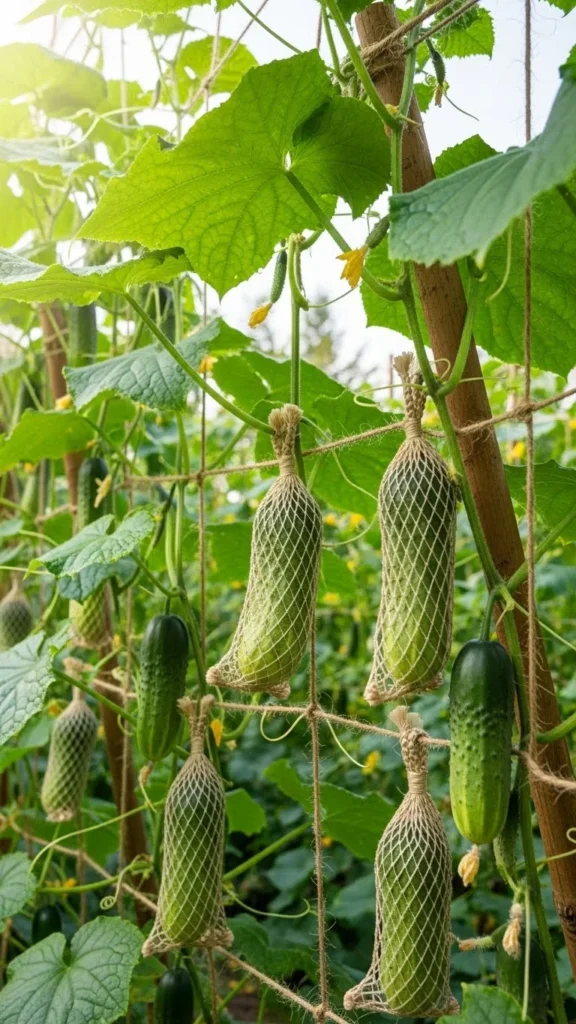
- Support heavy fruits: For cucumbers or melons, use small slings or nets to prevent breaking stems.
Creative Trellis Ideas to Elevate Your Garden
Once you get the basics down, you can get creative with your trellis designs. Try these ideas:
- Recycled Ladder Trellis: Repurpose an old wooden ladder for a rustic, farmhouse look.
- String Trellis Wall: Perfect for balconies or small patios—simply attach string to a frame or hooks.
- Living Archway: Grow flowering vines over an arch to create a romantic garden entrance.
- Trellis Planter Combo: Build a raised bed with a trellis attached for efficient use of vertical space.
These touches can turn your garden from ordinary to Pinterest-worthy in just a weekend.

Final Thoughts
Trellises don’t just support your plants—they elevate your entire garden. They bring vertical beauty, make harvesting easier, and keep your greenery healthy and well-shaped. Whether you build your own or buy one ready-made, adding a trellis is one of the simplest ways to transform your garden space.
So, grab a few stakes, twine, and your favorite climbing plants—and start building upward!
Save this guide for later and watch your garden reach new heights!
Leave a Reply