

When the weather starts to cool, it doesn’t mean your gardening days have to end. With a simple greenhouse, you can keep your favorite vegetables, herbs, and flowers thriving long after the first frost. Setting one up is easier (and more affordable) than you might think—and the payoff is fresh, homegrown produce even in chilly months.
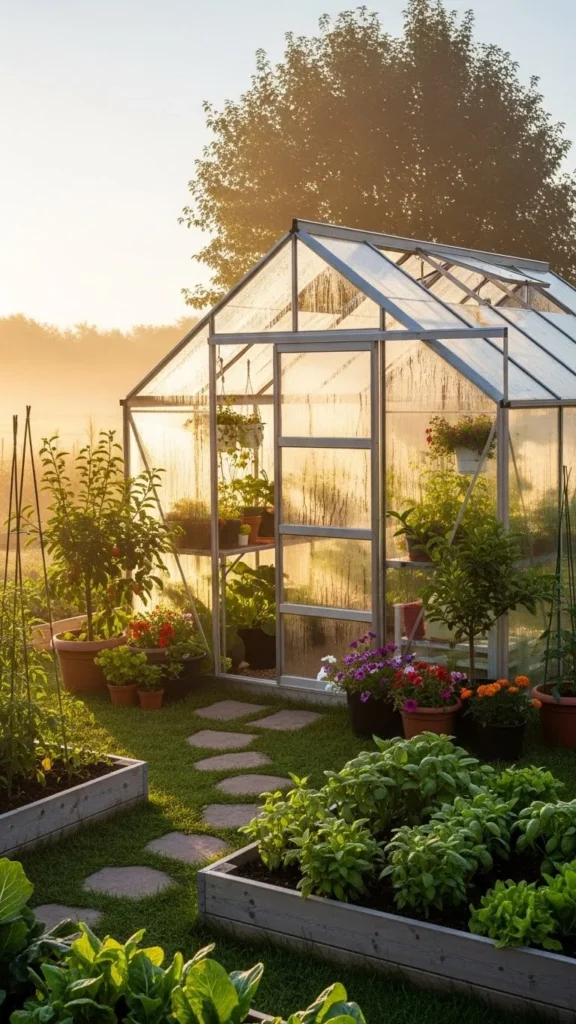
Why You Need a Greenhouse
A greenhouse creates a controlled environment where plants stay warm and protected from harsh weather. The transparent walls trap sunlight, turning it into heat that encourages steady growth year-round.
Here’s why gardeners love them:
- Extended growing season: Start seeds early in spring and harvest later into fall.
- Protection from pests: Keeps out insects, animals, and bad weather.
- Control over humidity and temperature: Ideal for delicate plants like herbs and seedlings.
Whether you’re a beginner or an experienced gardener, a small greenhouse is one of the most rewarding upgrades you can make.
Step 1: Choose the Perfect Location
The right location can make or break your greenhouse’s success. Aim for a sunny spot that gets at least six hours of direct sunlight per day.
Tips for placement:
- Face the greenhouse east to west to capture maximum light.
- Avoid spots shaded by trees or tall fences.
- Ensure the ground is level and has good drainage.
[Image Prompt] A small backyard greenhouse positioned on a sunny patch of lawn, with neat garden rows beside it and a few shade trees in the background.
If your yard is small, consider a lean-to greenhouse attached to a sunny wall—it’s space-efficient and easier to heat in winter.
Step 2: Pick the Right Greenhouse Design
There’s no one-size-fits-all solution. Your greenhouse can be as simple or sophisticated as you like.
Popular options:
- Mini hoop house: Perfect for beginners or small gardens. Made with PVC pipes and clear plastic sheeting.
- Pop-up greenhouse: Portable and easy to set up; ideal for renters.
- Polycarbonate or glass structure: A long-term investment that looks beautiful and performs year-round.
Budget-minded gardeners can even build a DIY frame from wood and polyethylene film—it’s affordable and surprisingly sturdy.
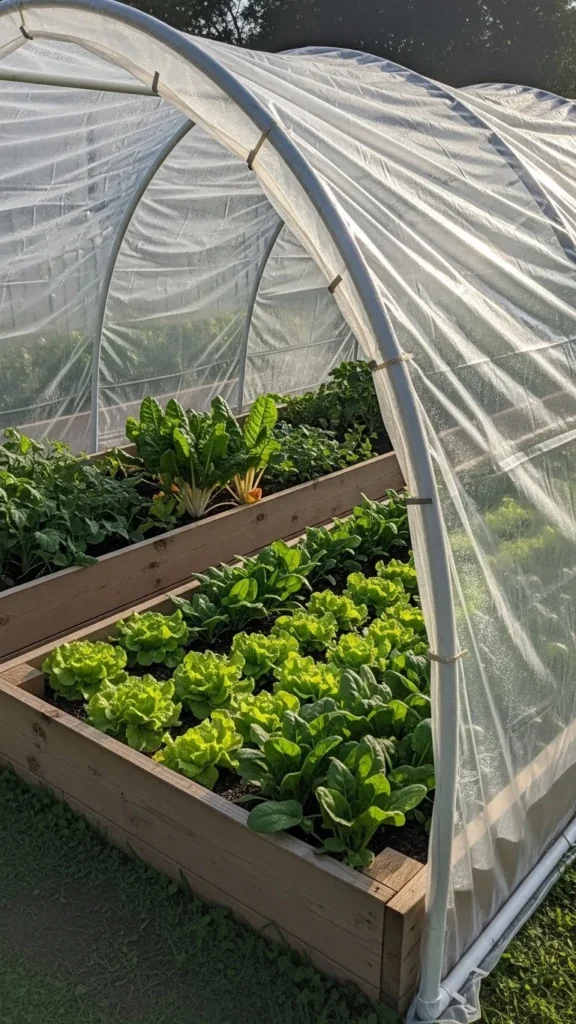
Step 3: Set Up the Frame and Cover
Once you’ve picked your design, it’s time to assemble it.
For DIY setups:
- Build your frame using wood, PVC, or metal rods.
- Attach the cover tightly—plastic film should be smooth, not sagging.
- Secure edges with clips or weights to prevent wind damage.
If you live in a windy area, anchor your greenhouse with ground stakes or heavy blocks.
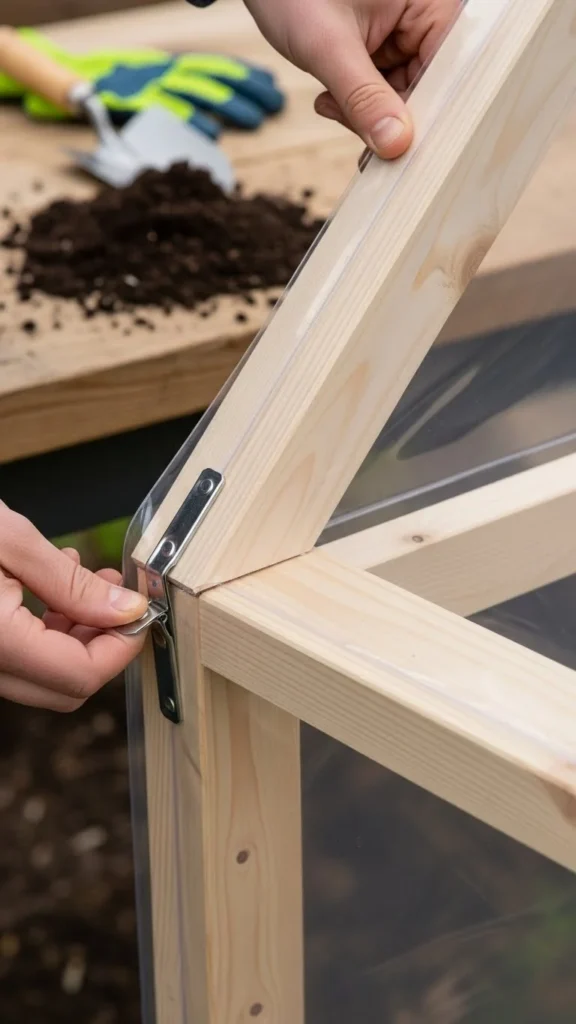
For ventilation, install a zippered door flap or simple vent holes—plants need fresh air to stay healthy.
Step 4: Regulate Temperature and Humidity
A greenhouse can get too warm on sunny days, so balancing heat and airflow is key.
Easy climate control ideas:
- Open vents or roll up sides during warm afternoons.
- Use a small fan to keep air moving and prevent mold.
- Add water barrels or stone pavers inside—they absorb heat by day and release it at night.
In winter, cover plants with fleece or row covers inside the greenhouse for extra insulation.
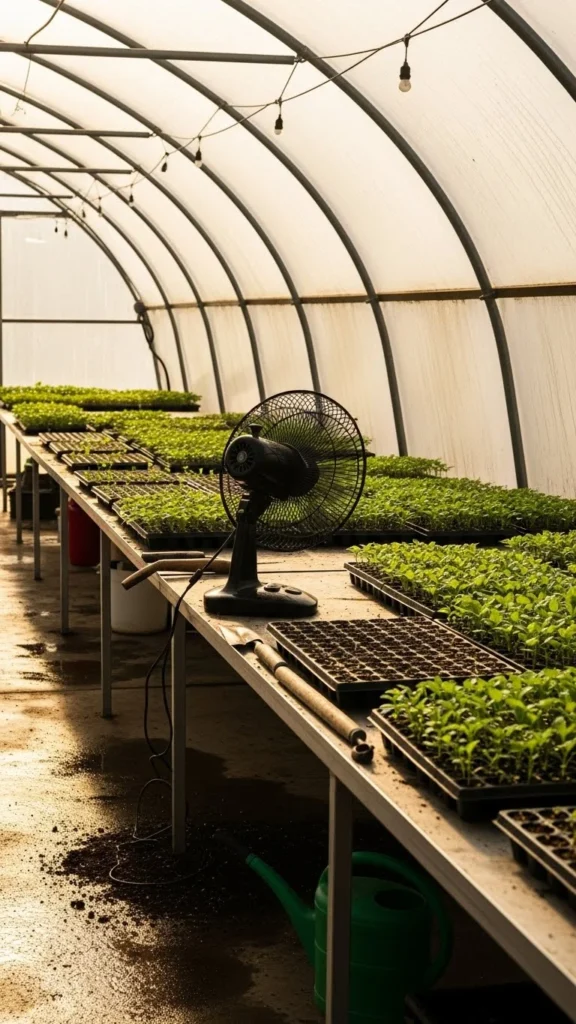
Step 5: Organize Your Plants Smartly
To make the most of your space, group plants based on their temperature and light needs.
Smart layout ideas:
- Place tall plants like tomatoes in the back.
- Keep herbs and seedlings near the front for easy access.
- Use shelves or hanging baskets to increase growing space vertically.
Keep a thermometer and hygrometer inside so you can track conditions easily.
Step 6: Maintain Your Greenhouse
A greenhouse is low-maintenance, but a few habits will keep it running smoothly:
- Clean the panels monthly for maximum light.
- Check for tears or gaps in the plastic after storms.
- Rotate plants occasionally for even sunlight.
- Water early in the day to reduce humidity at night.
These small steps help prevent pests and mold from settling in your cozy growing space.
Enjoy Gardening All Year Long
Setting up a simple greenhouse doesn’t require fancy tools or expert skills—just a little time and creativity. Once it’s up, you’ll have a personal oasis where you can nurture seedlings, grow herbs in winter, and experiment with exotic plants.
Imagine stepping into a warm, green space on a cold morning and picking fresh lettuce or basil for dinner—it’s pure gardening joy.
Start small, keep it simple, and you’ll be amazed how far your growing season can stretch.
Save this guide for later and start planning your own backyard greenhouse today!
Leave a Reply