

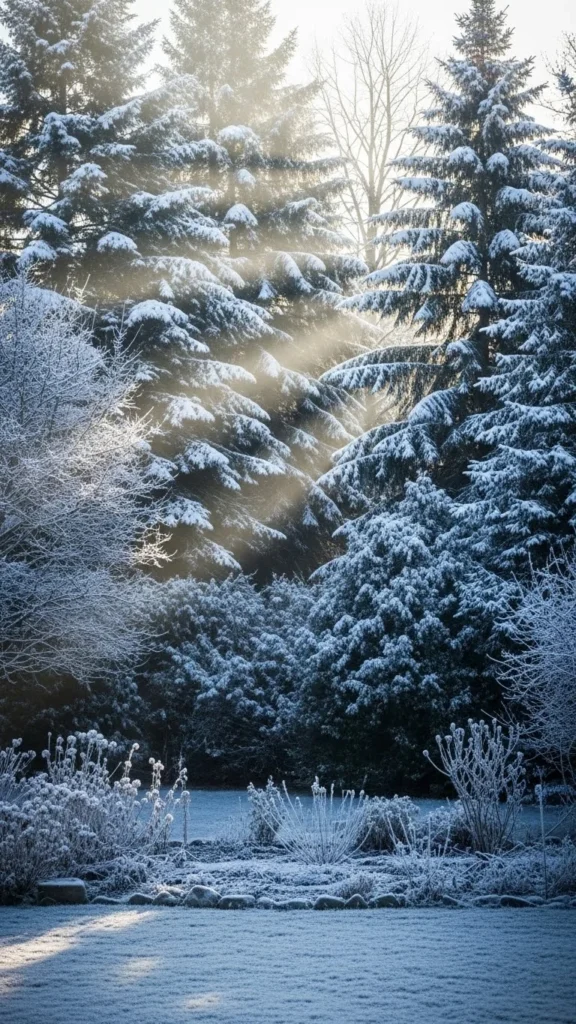
Evergreen trees keep outdoor spaces lively when everything else turns bare. They bring color, shape, and structure to yards during the cold months. Many also block wind, add privacy, and frame winter views. Whether you have a small garden or a wide lawn, the right evergreen can make winter feel warmer and more welcoming. This guide focuses on trees that stay attractive all season and are easy to live with, even on a budget.
1. Eastern White Pine
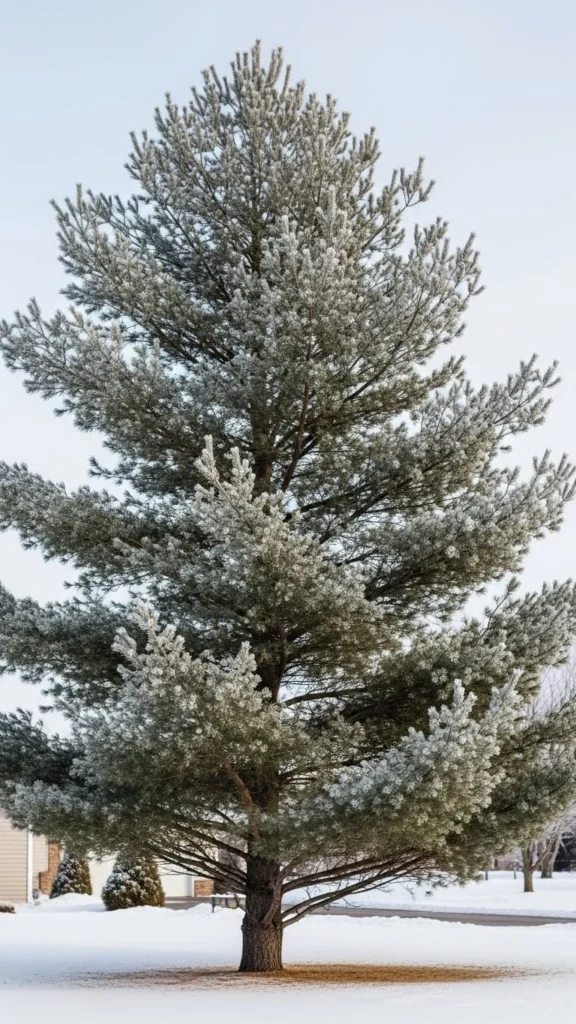
Eastern White Pine has long, soft needles that move gently in winter wind. The color stays calm green, not harsh or dull. This tree works well as a background anchor in large yards. It also acts as a quiet wind blocker.
Young trees are affordable and grow steadily. Plant them where space allows, since they spread with time. For small budgets, buy younger saplings and mulch well. Pine needles dropped naturally can be reused as garden mulch. This saves money and keeps soil covered.
Prune lightly in late winter to guide shape. Avoid heavy cuts. This tree does well without constant care. It looks best when allowed to grow naturally.
2. Colorado Blue Spruce
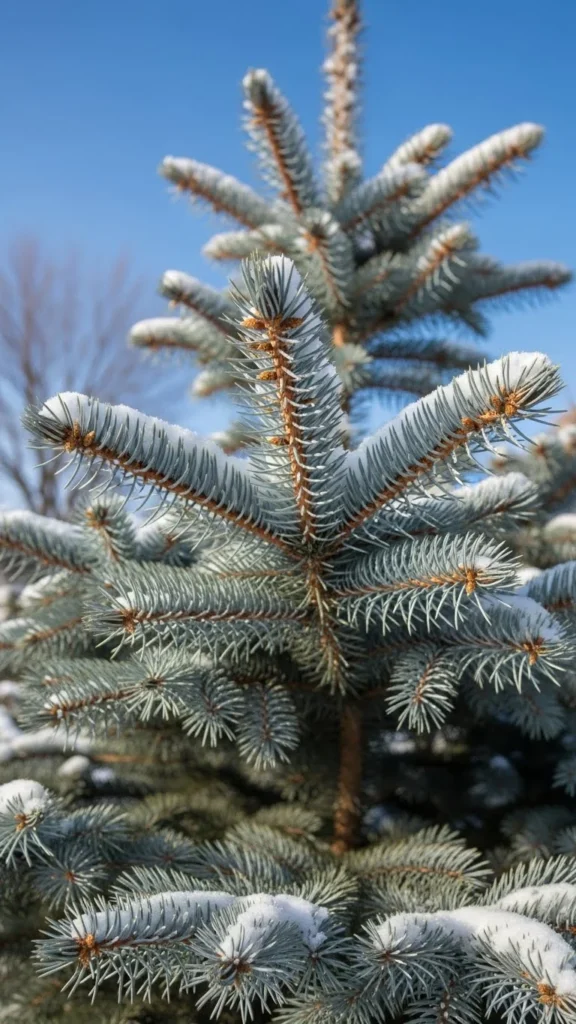
Colorado Blue Spruce stands out with its blue-gray needles. The color stays bold all winter. It works well as a focal point in front yards or near driveways.
Smaller nursery trees cost less and adapt well. Plant in full sun for best color. This tree holds its shape without much pruning. That saves time and effort.
Use simple mulch rings at the base. Keep soil covered during cold snaps. Blue Spruce handles winter well once settled. Its stiff branches also hold light decorations nicely.
3. Norway Spruce
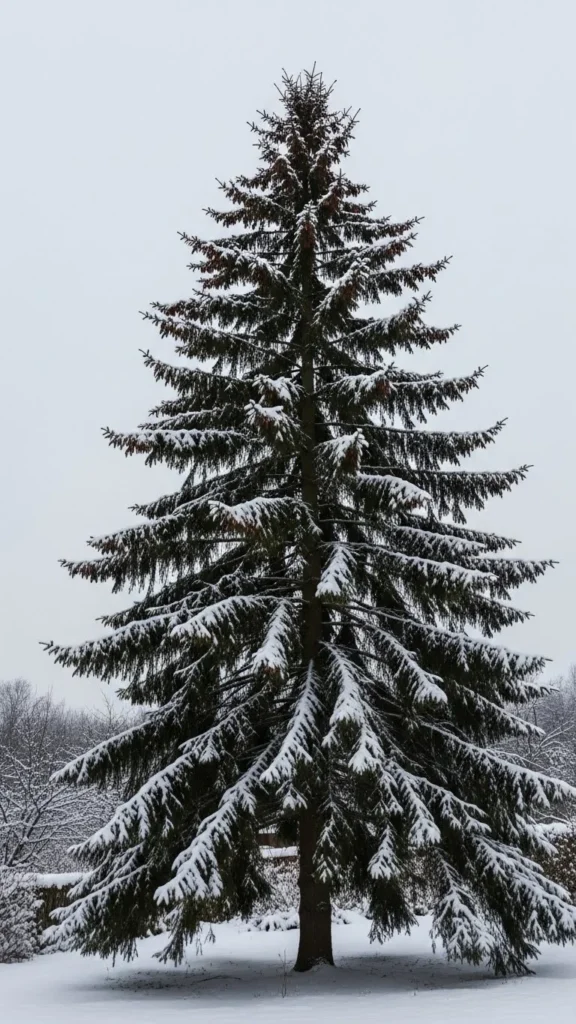
Norway Spruce has long, hanging branches that collect snow beautifully. The look feels calm and classic. It grows fast and works well as a privacy screen.
For budget planting, space young trees closer at first. Thin later if needed. This creates faster coverage. Fallen branches can be reused as natural winter garden borders.
It tolerates cold and wind without fuss. Minimal shaping keeps it tidy. Let the branches drape for winter interest.
4. Douglas Fir
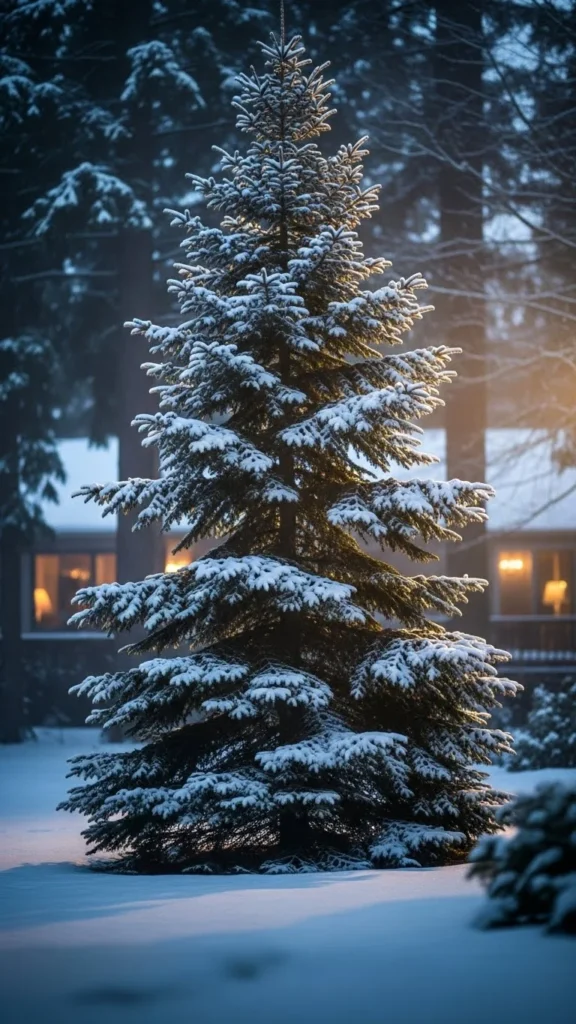
Douglas Fir has rich green needles that stay full all winter. It smells pleasant when brushed past. This tree works well in medium to large yards.
Young trees are widely available at fair prices. Plant in well-drained soil. Mulch helps roots stay steady in cold weather.
This tree grows straight without heavy pruning. Trim only damaged branches. Its balanced shape keeps winter views neat.
5. Balsam Fir
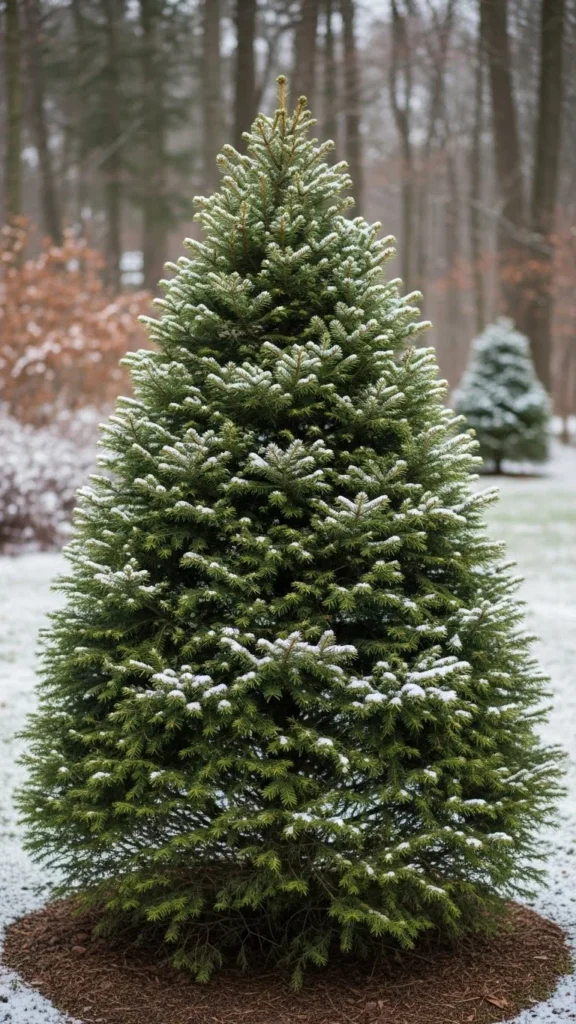
Balsam Fir has a neat shape and soft needles. It stays dense even in harsh weather. The tree fits smaller landscapes better than many tall evergreens.
It grows slowly, which helps with long-term care costs. Use leaf mulch around the base for insulation. No fancy supplies required.
This tree pairs well with winter lights. Its branches support light décor without bending.
6. White Spruce
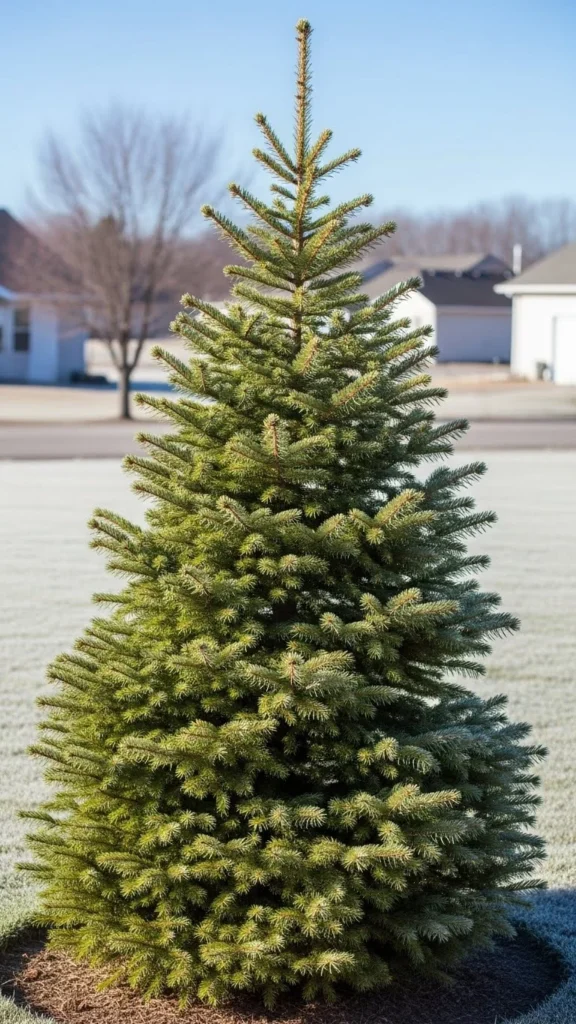
White Spruce stays compact and tidy. The needles hold color even during cold spells. It works well near fences or property lines.
Planting younger trees saves money. Water well before ground freeze. After that, it mostly cares for itself.
Light trimming keeps edges clean. It blocks wind and adds winter privacy.
7. Eastern Red Cedar
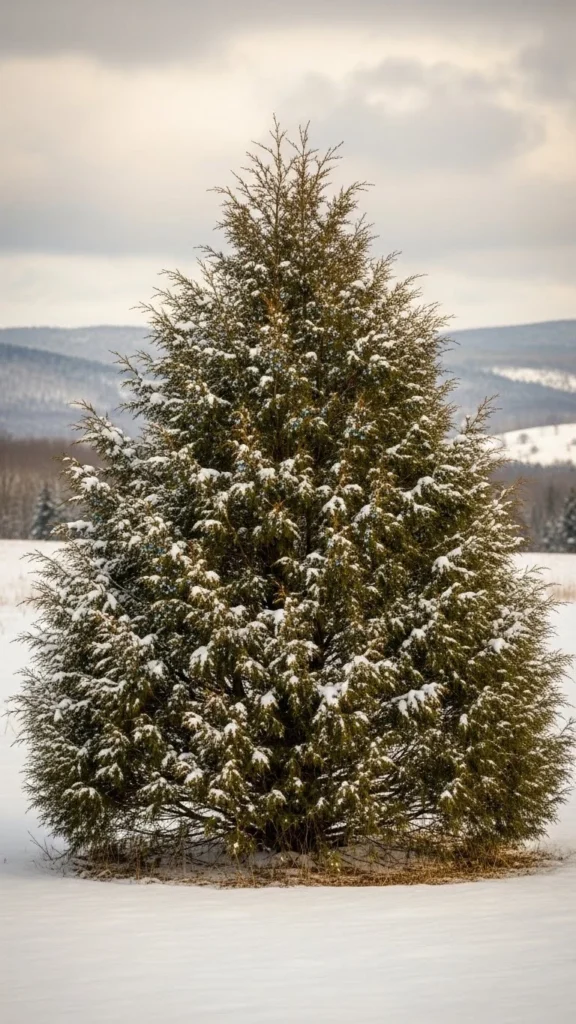
Eastern Red Cedar adds texture with fine foliage. It also attracts birds during winter. That brings life to quiet yards.
This tree handles poor soil well. That helps lower setup costs. Use natural stone or fallen wood as edging around the base.
Minimal pruning keeps the shape balanced. It works well as a screen or single accent tree.
8. Arborvitae Green Giant
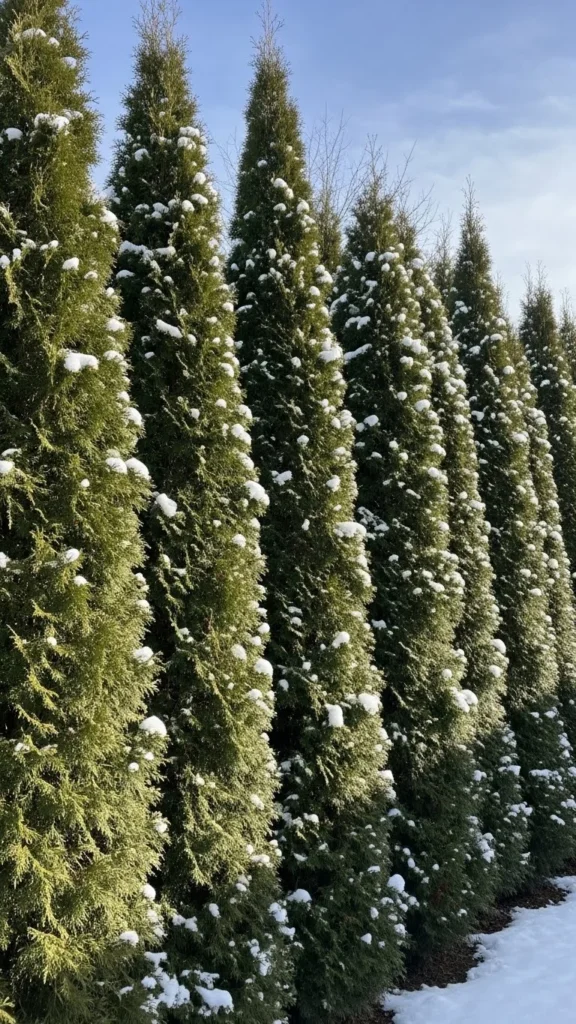
Green Giant Arborvitae grows fast and stays full. It forms a strong winter privacy wall. The color stays deep green.
Bulk planting discounts help reduce cost. Space properly to avoid crowding later. Mulch helps during the first winters.
Little pruning is needed. This tree works well for long straight lines along property edges.
9. Emerald Green Arborvitae
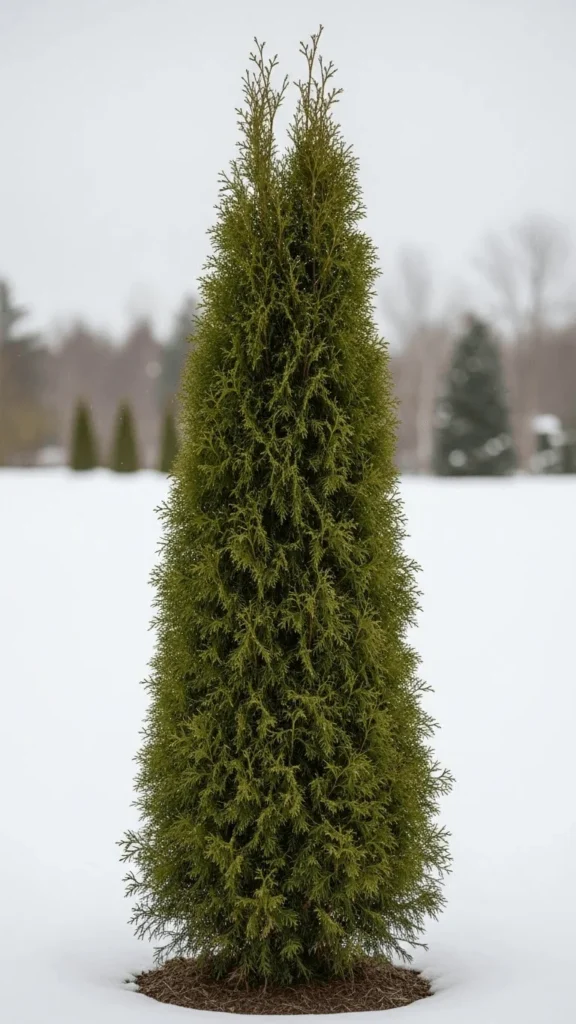
Emerald Green Arborvitae stays narrow and tidy. It fits small yards and entryways. The color stays bright in winter.
Use simple burlap wraps during harsh wind. This keeps foliage safe. The wraps are reusable year after year.
This tree works well in rows or as accents near doors.
10. Japanese Yew
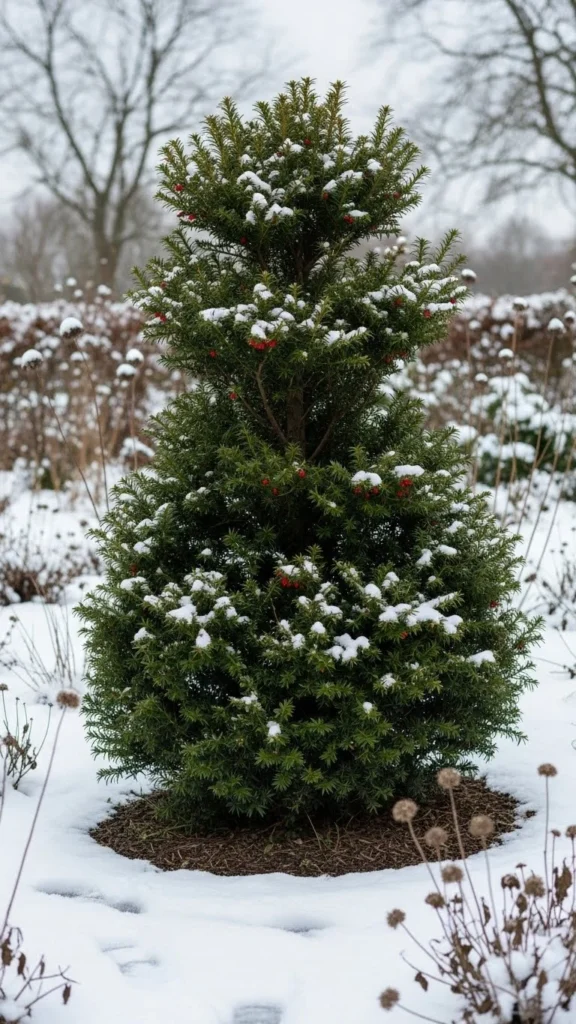
Japanese Yew handles shade better than many evergreens. It keeps dark green color all winter. The red berries add contrast.
This tree responds well to shaping. Use hand pruners only. No special tools required.
Plant near foundations or shaded areas. It stays compact and controlled.
11. Canadian Hemlock
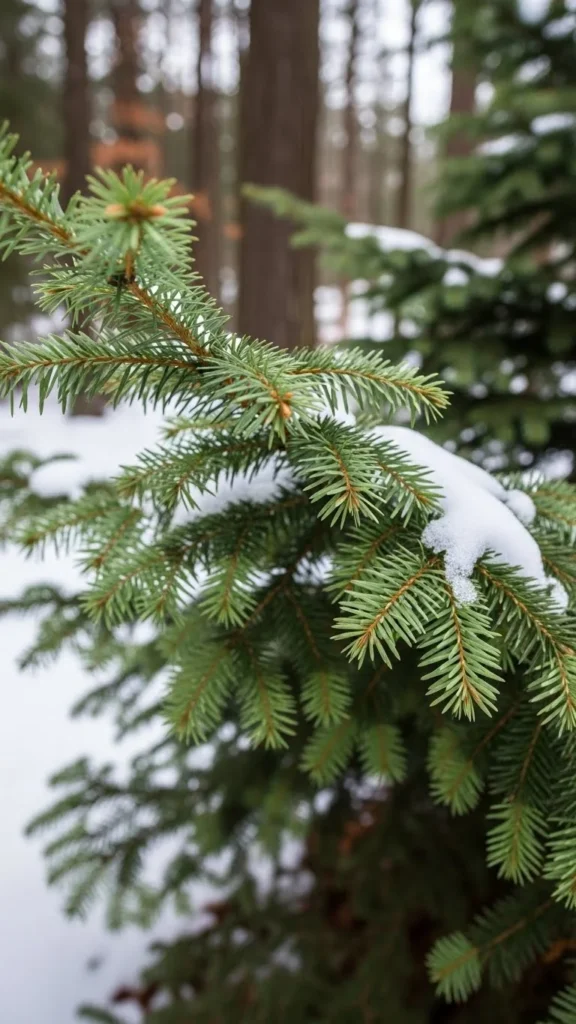
Canadian Hemlock has soft texture and layered branches. It looks gentle and natural in winter scenes.
Buy young plants to save money. Provide mulch and wind cover early on. After that, it settles well.
It works well as a screen or background tree.
12. Eastern Hemlock
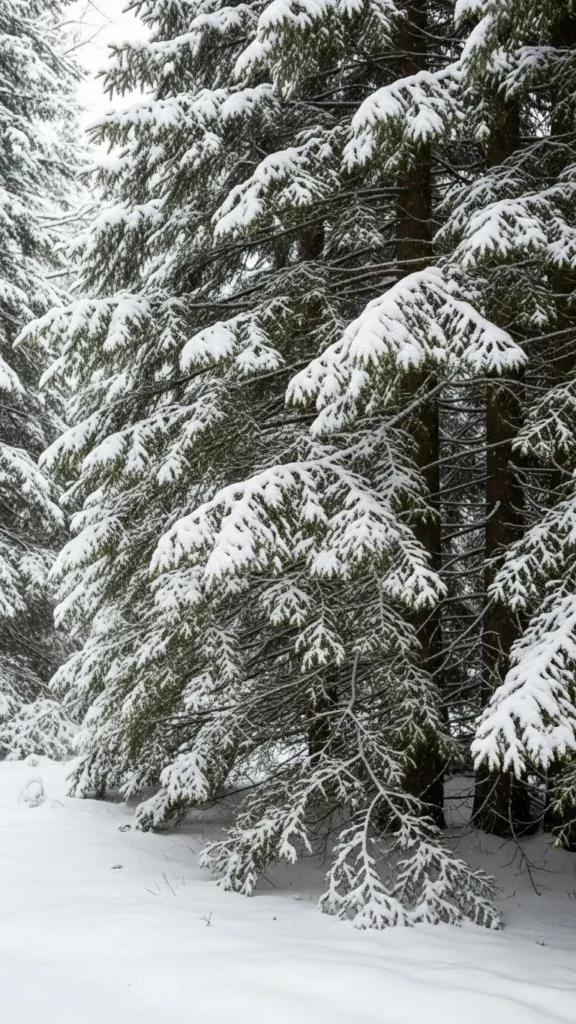
Eastern Hemlock offers graceful form and soft color. It prefers cooler, shaded spots.
Natural leaf mulch works well around roots. This reduces spending on supplies.
Minimal shaping keeps it healthy. Avoid heavy trimming.
13. Leyland Cypress
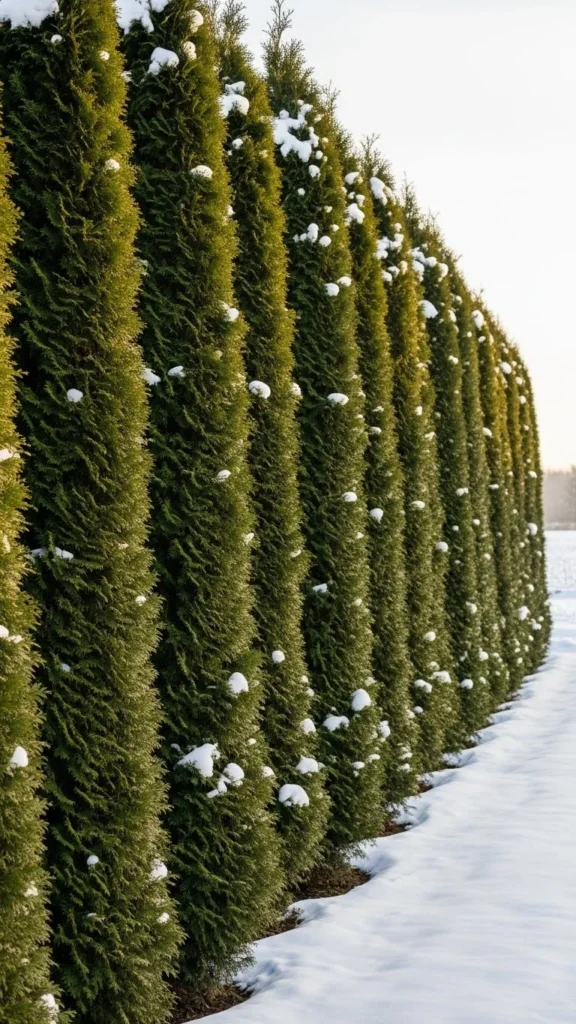
Leyland Cypress grows fast and tall. It forms a strong winter screen.
Plant smaller sizes to cut costs. Water deeply before freeze.
Trim lightly once a year to manage height.
14. Austrian Pine
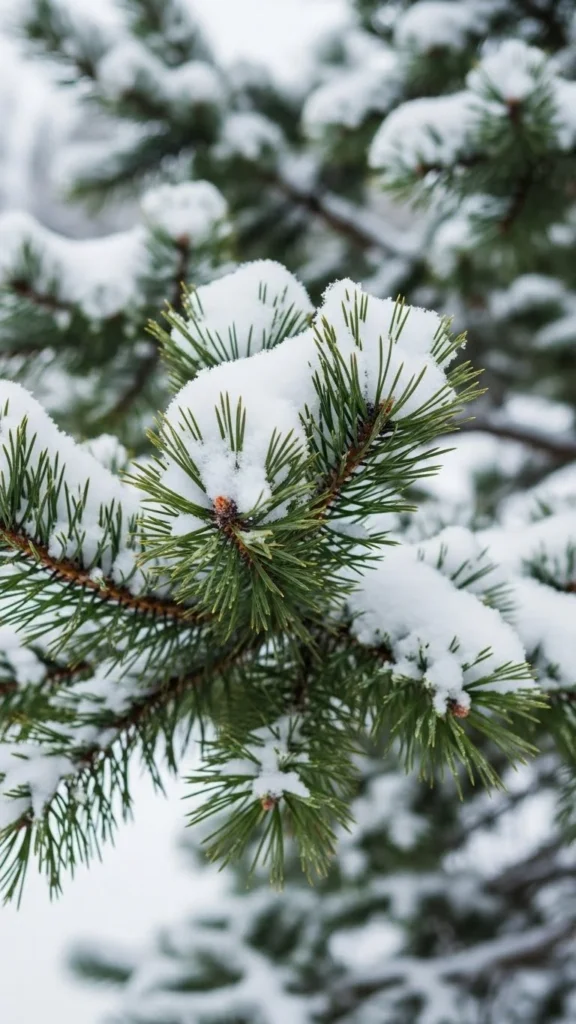
Austrian Pine has bold needles and strong branches. It stands up well to snow.
It grows steadily without much care. Use simple mulch for root protection.
This tree works well in open spaces.
15. Scots Pine
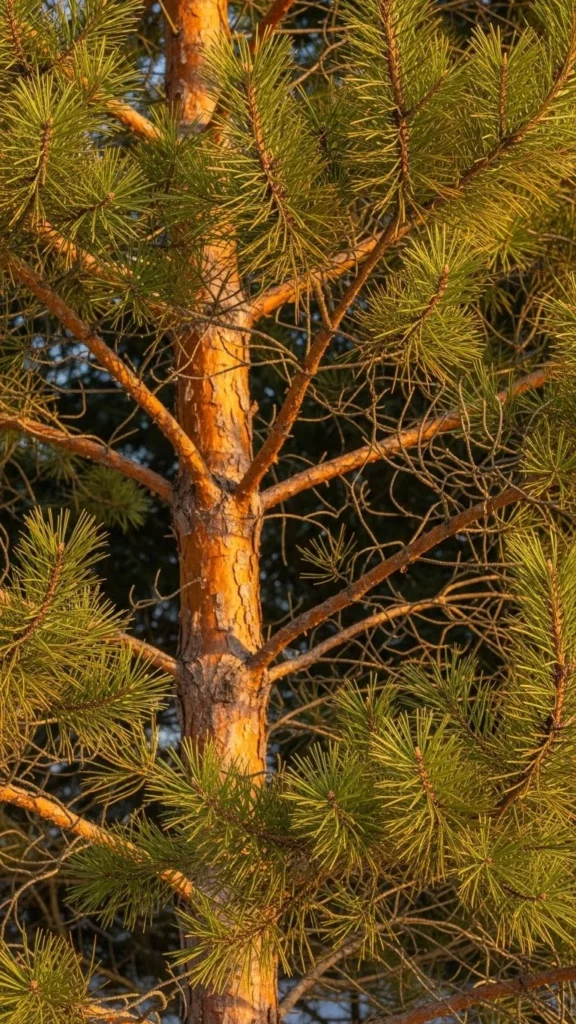
Scots Pine adds color through bark and needles. The contrast looks striking in winter.
It adapts to many soils. That helps reduce prep work.
Light pruning keeps the form balanced.
16. Swiss Stone Pine
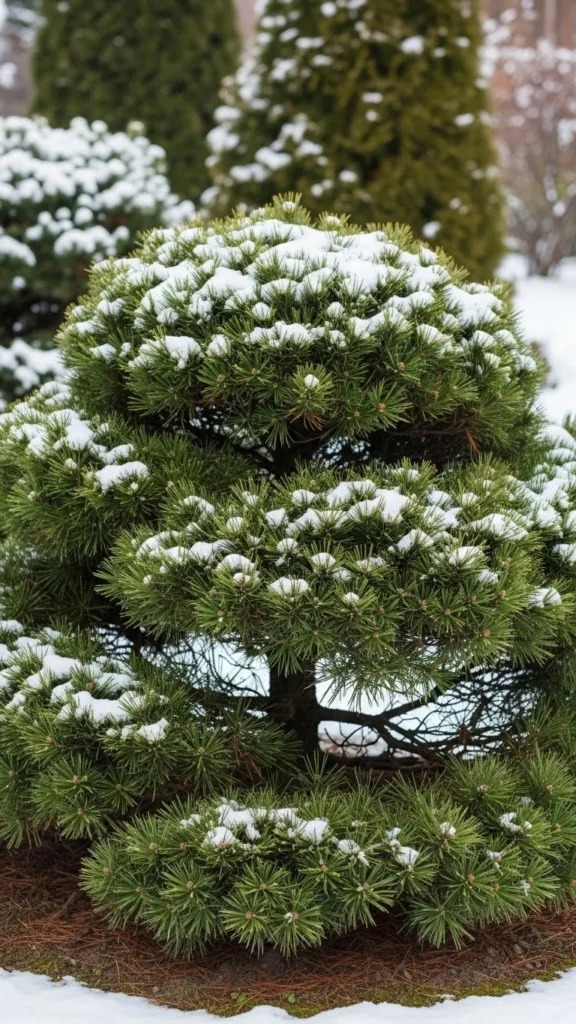
Swiss Stone Pine grows slowly and stays compact. The rounded shape looks calm in winter.
Slow growth means less trimming. That saves time and tools.
Plant as a feature tree near patios.
17. Serbian Spruce
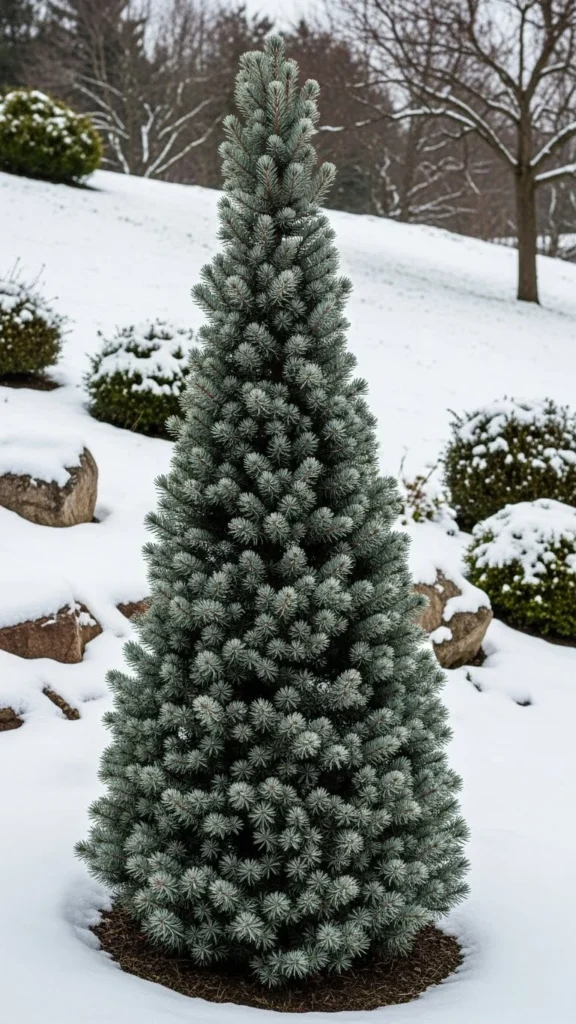
Serbian Spruce has a slim shape and two-tone needles. The look stays sharp all winter.
It fits tight spaces well. Mulch helps young roots settle.
Little shaping required.
18. Korean Fir
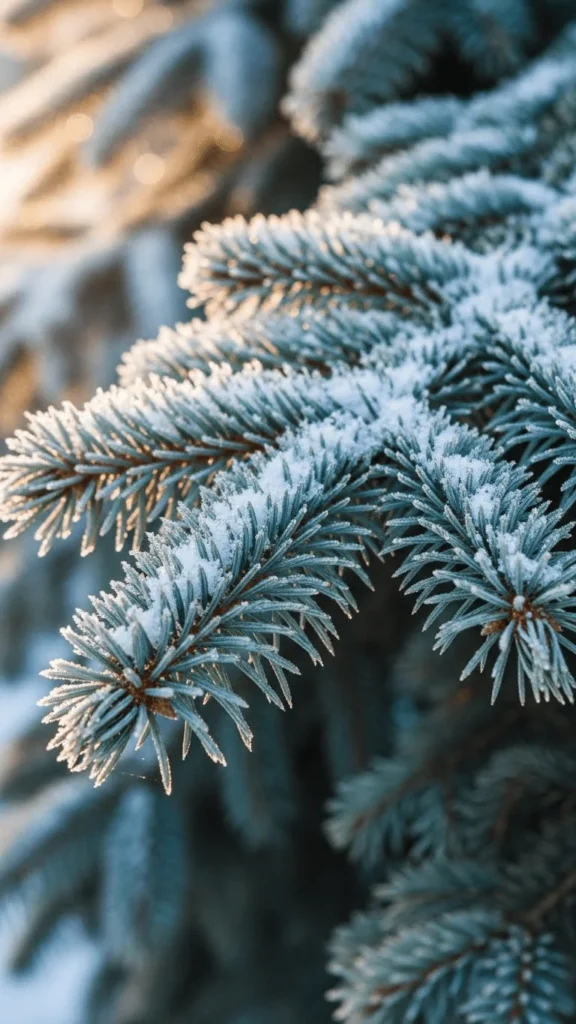
Korean Fir stays compact and neat. The cones add visual interest.
It suits small gardens. Use compost mulch for warmth.
This tree works well near walkways.
19. Fraser Fir
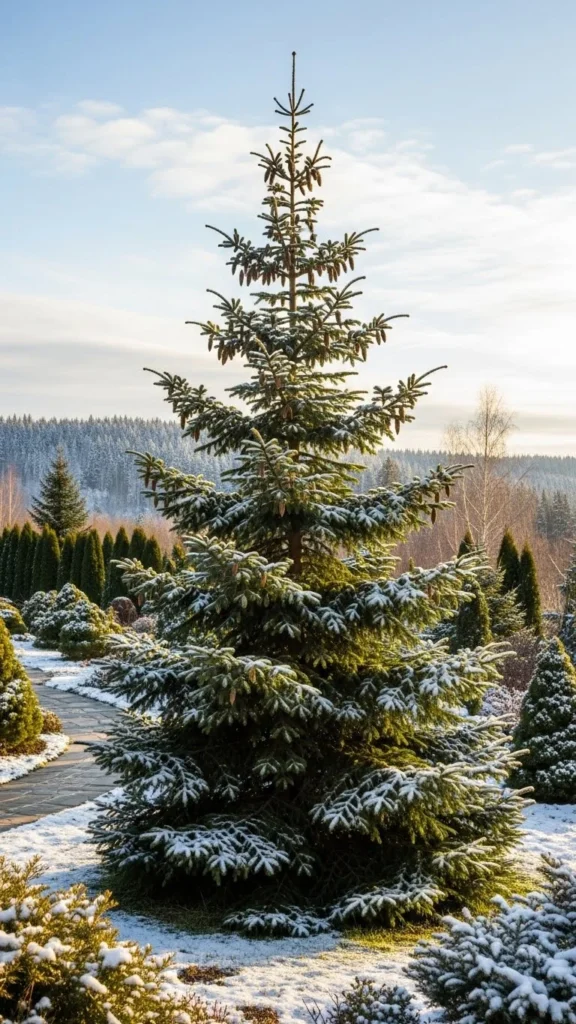
Fraser Fir holds its shape well. The branches stay full.
It prefers cooler areas. Mulch and water before freeze.
Minimal care keeps it attractive.
20. Black Spruce
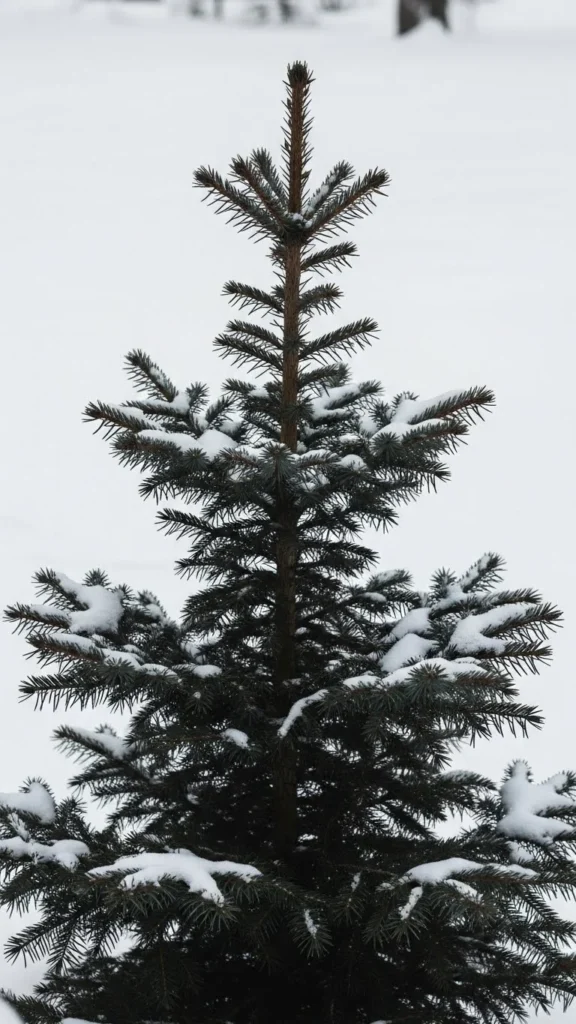
Black Spruce handles harsh winters easily. The color stays deep.
It works well in natural-style landscapes. Use fallen needles as mulch.
Little trimming needed.
21. Mountain Hemlock
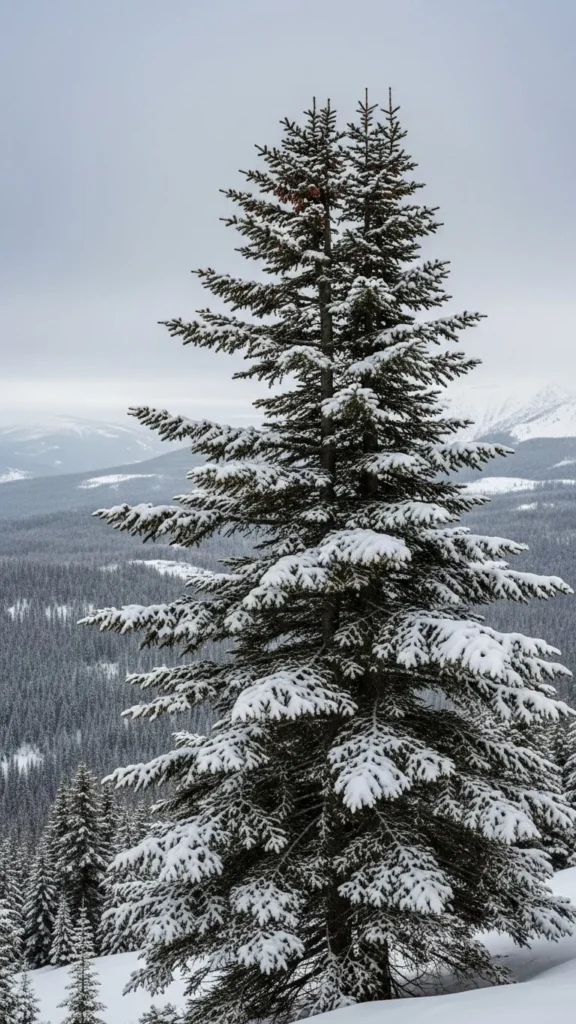
Mountain Hemlock has graceful lines. Snow highlights the form.
It prefers cool climates. Protect young trees from strong wind.
Natural mulch works best.
22. White Fir
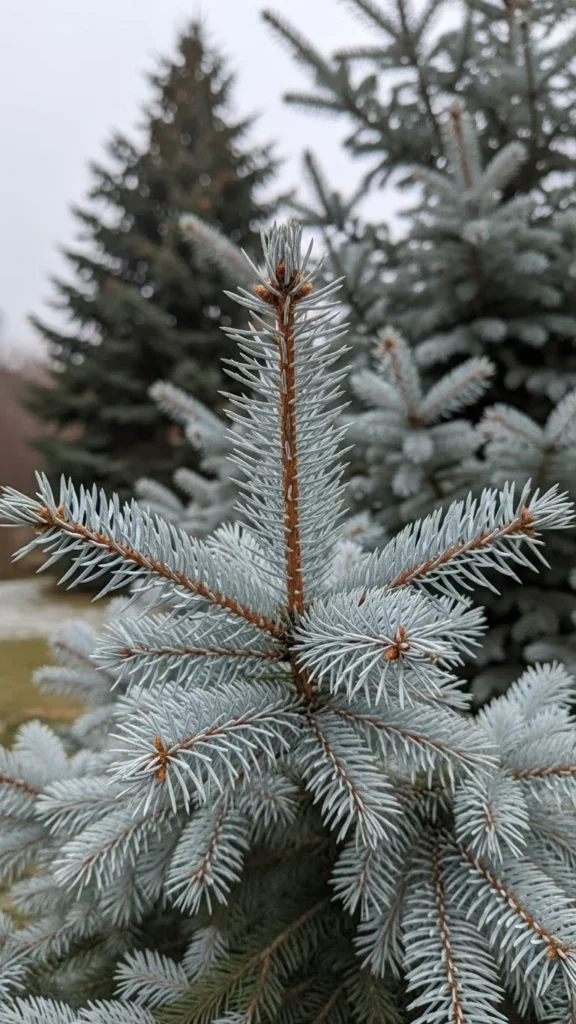
White Fir shows soft color and tidy shape. It stays clean-looking.
It grows evenly. Light pruning only.
Works well as a centerpiece tree.
23. Chinese Juniper
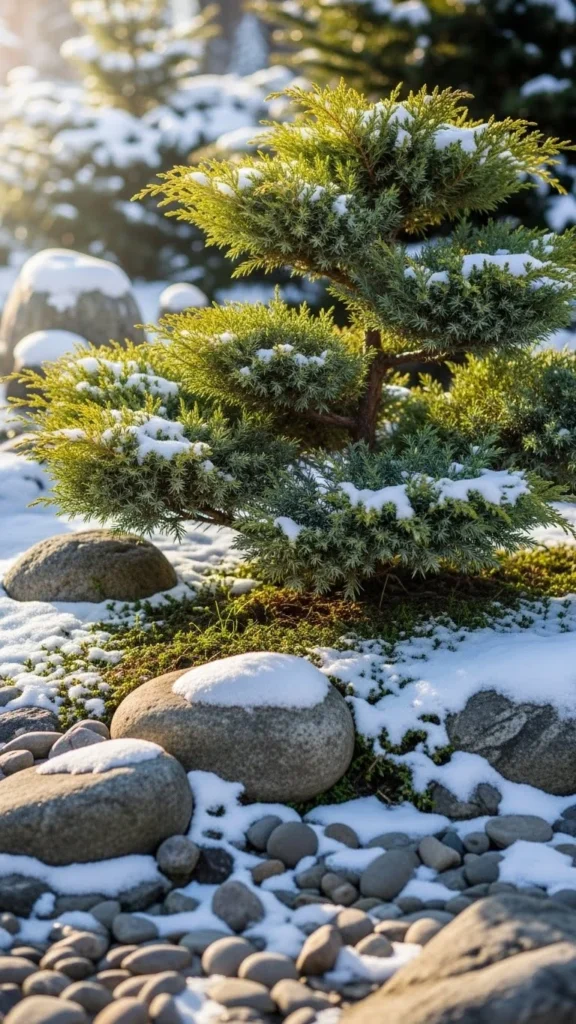
Chinese Juniper offers texture and flexibility. It works in many designs.
It tolerates poor soil. That lowers setup cost.
Prune lightly for shape.
24. Rocky Mountain Juniper
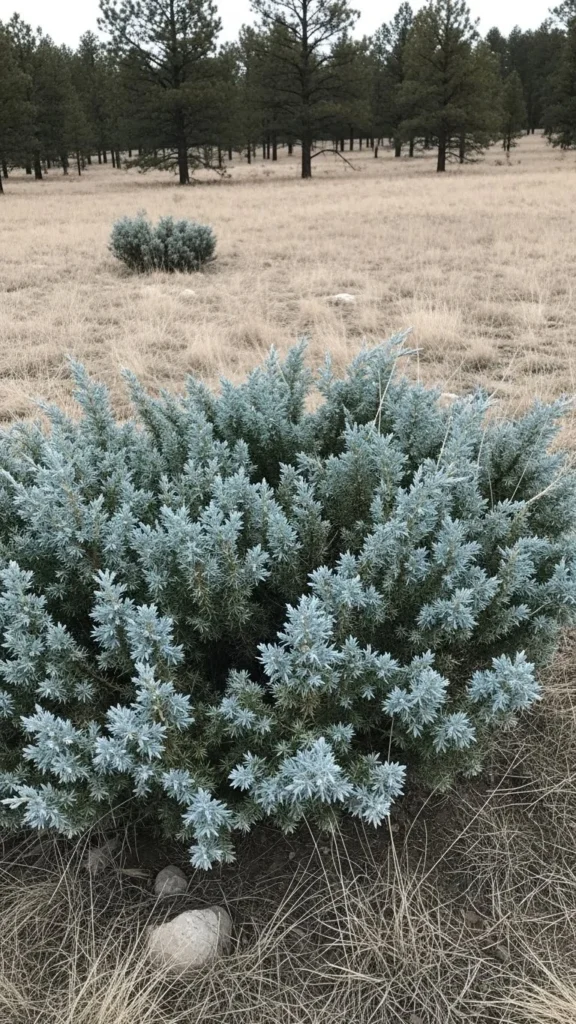
Rocky Mountain Juniper stays compact and rugged. It suits dry areas.
It needs little care. Mulch helps roots in winter.
Works well near driveways.
25. Dwarf Alberta Spruce
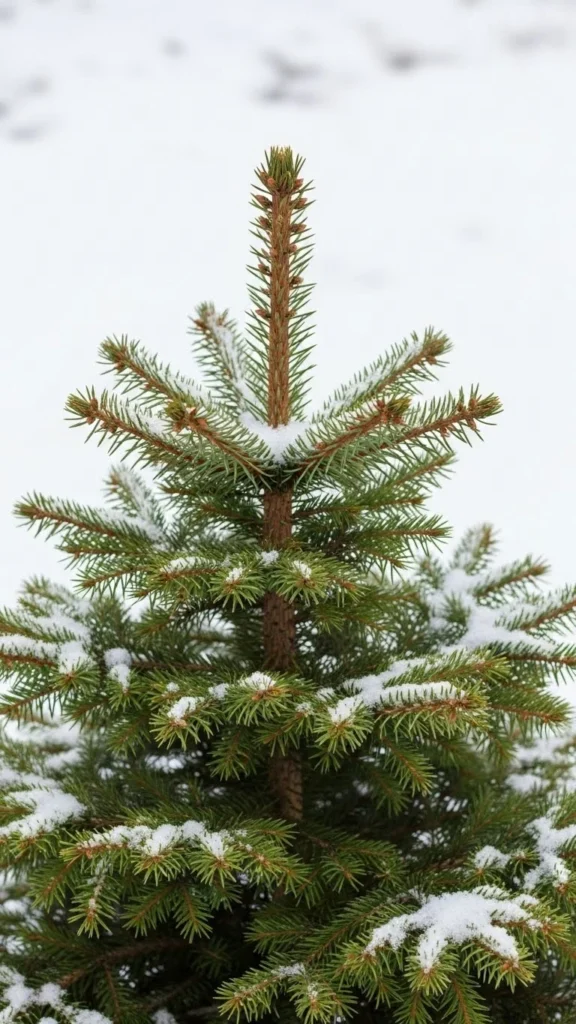
Dwarf Alberta Spruce fits small spaces and containers. It keeps a neat cone shape.
Container planting keeps costs low. Use simple pots and soil.
Protect pots from extreme cold with burlap.
Conclusion
Evergreen trees bring steady color and structure when winter strips most landscapes bare. From tall privacy screens to compact accent trees, there is an option for every yard size and budget. Start with young plants, reuse natural mulch, and keep care simple. With the right choices, your outdoor space stays inviting and lively all season long.
Leave a Reply