

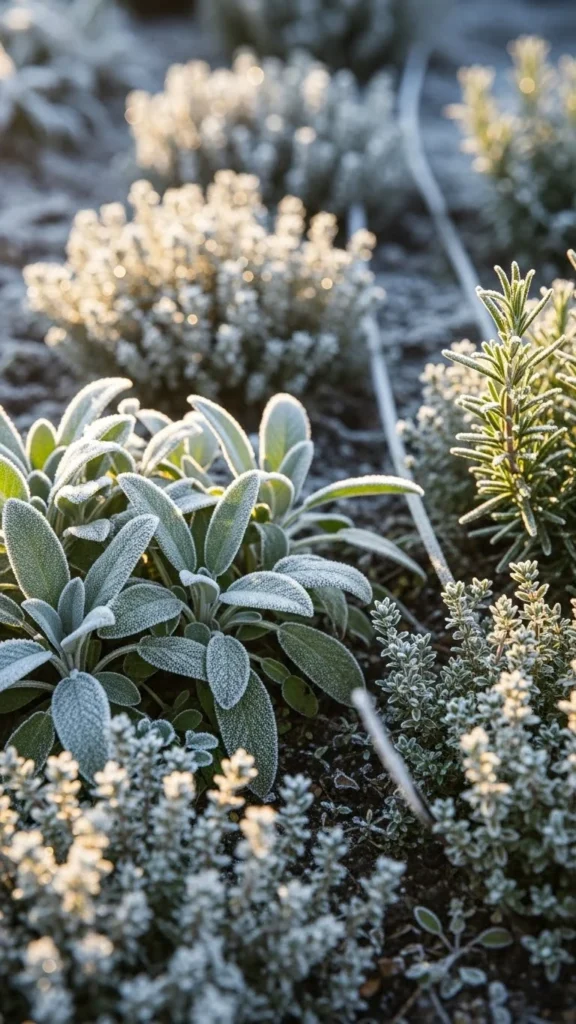
Cold days don’t mean your herb garden has to pause. Many herbs stay green, flavorful, and sturdy even as temperatures drop well below freezing. These plants handle frost, short daylight, and snowy weather while still offering aroma and color for winter cooking and home remedies. Below you’ll find ideas for hardy herbs that keep producing through winter and simple ways to grow them with low effort, even in small gardens, containers, or kitchen windows.
1. Winter Thyme
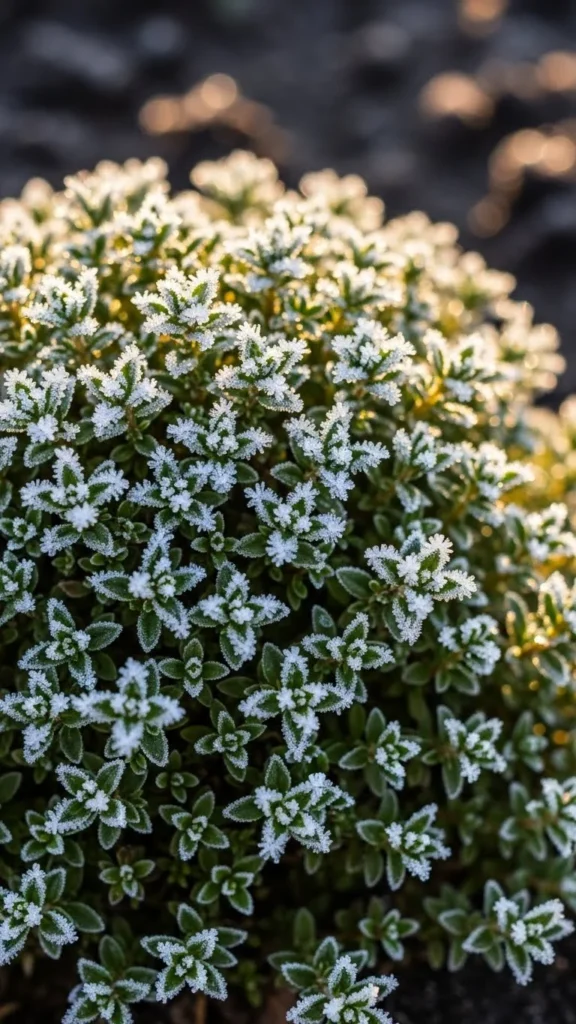
Winter thyme hugs the ground, making it naturally sturdy in freezing weather. Its tiny leaves hold their form even after frost, so you can snip sprigs any time. Keep the plant in a raised bed or pot with drainage holes, because wet roots struggle in cold months. Add crushed gravel around the base to keep moisture balanced. If you want more plants, divide a mature thyme mound in early fall. Each piece settles quickly and grows low without fuss. For a simple winter harvest station, place a pot near your back door so you can grab a handful when cooking. Trim lightly instead of taking long stems, as shorter cuts help the plant stay compact. For low-cost protection, lay a piece of burlap over the pot during extreme cold spells.
2. Sage
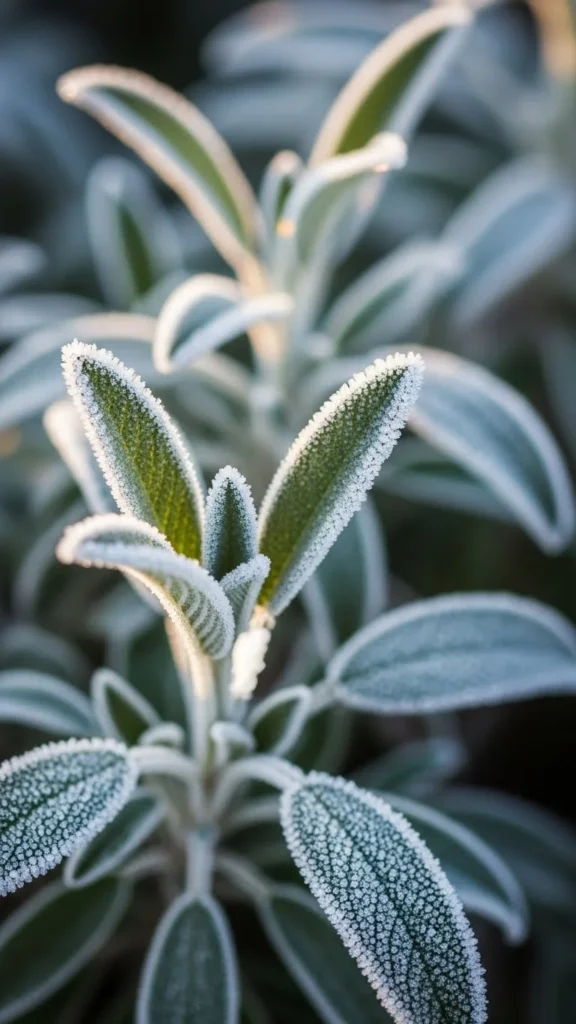
Sage has thick, velvety leaves that handle icy winds without losing structure. Even when snow gathers on top, the plant keeps producing. Plant sage in a spot with good airflow since damp shade slows growth during winter. You can create a simple greenhouse effect by placing a clear plastic storage tote upside down over the plant during storms. This protects the shape while letting light through. Clip only the outer leaves during winter so the center stays strong. Dry leftover leaves by spreading them on a tray near a warm indoor vent. If you want a bushier shape, pinch back long stems before the first frost. A small pot of sage near your kitchen door stays green all season with very little care.
3. Rosemary
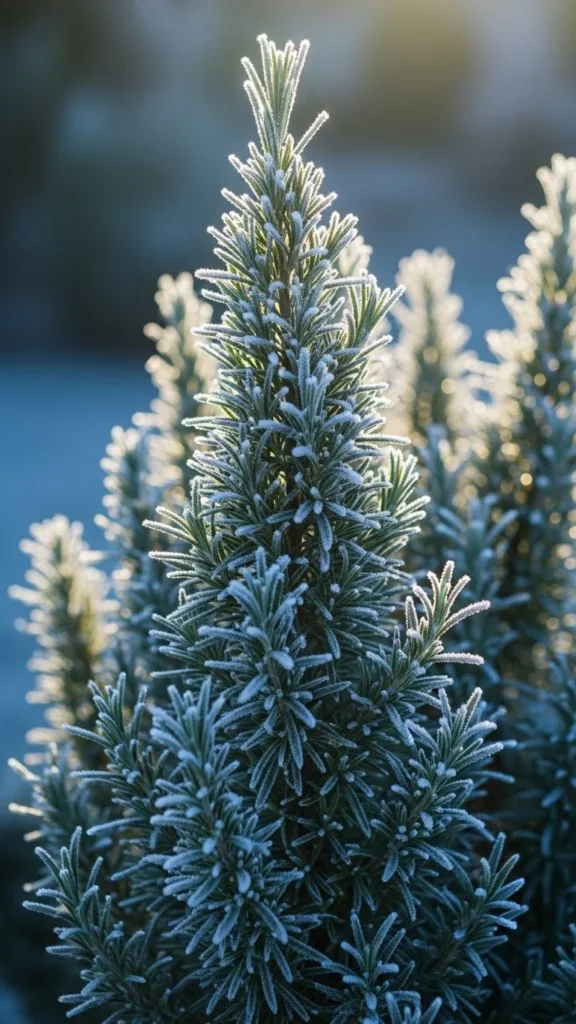
Rosemary stays upright and sturdy even in freezing temperatures, especially if you choose a hardy variety. Keep it in a container with gritty soil so excess water doesn’t pool. When nights drop extremely low, move the pot against a wall for warmth. Rosemary enjoys dry roots, so water lightly—just enough to keep the soil from cracking. Remove any brown tips with sharp scissors to help it stay tidy. If your plant grows tall, cut a few stems to create a small winter wreath for your entryway. The scent holds well in cold air. You can also root cuttings in a jar of water if you want extra plants for spring. Rosemary rewards low effort with green stems all winter.
4. Chives
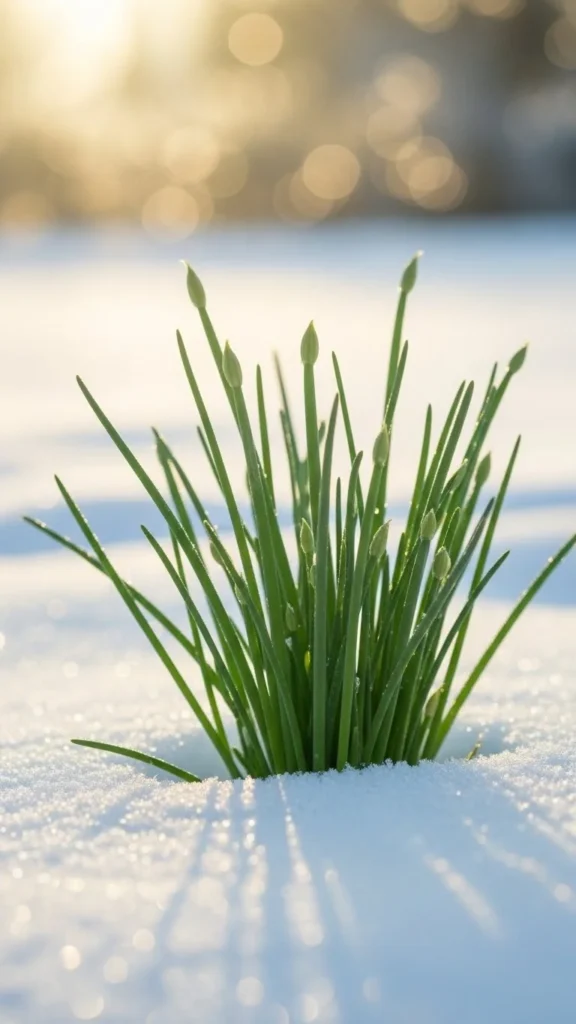
Chives push through snow with surprising strength. Their slender leaves look delicate, but they regrow quickly after frost. Plant extra clumps in fall so you have more to harvest during winter. Keep soil slightly moist but not soggy. If ice builds up, gently brush it away so the tips don’t bend. Chives grow well in small pots, so set a container near a sunny window. Trim leaves with clean scissors, leaving one inch above the crown. To make a free fertilizer, cut the trimmed pieces finely, mix with water, and sprinkle around the base. The plant absorbs nutrients as it grows. Chives stay green with very little attention, making them perfect for winter gardeners.
5. Oregano
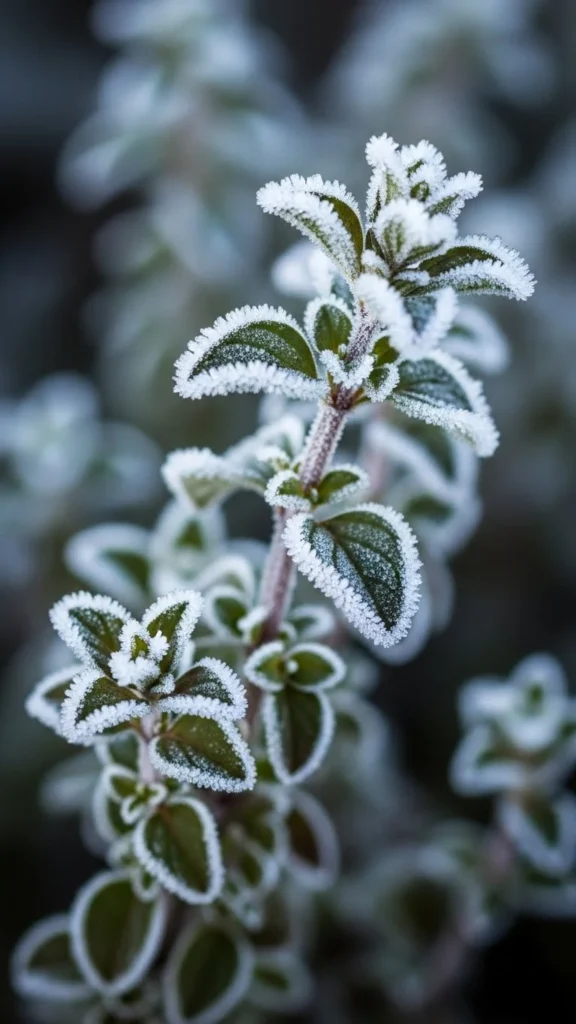
Oregano forms a low, sturdy mat that protects itself during winter. Once established, it spreads quietly even in freezing conditions. Choose a sunny space, as light keeps the flavor strong. Add stones or mulch around the plant to shield the roots from icy bursts. Oregano dries well, so clip a handful of stems and hang them near a heat vent on a string. If a heavy snow is coming, press a loose mound of straw around the base to keep stems from snapping. For containers, use a wide pot since oregano likes to sprawl. Cut back leggy pieces in fall to encourage dense winter growth. You’ll always have a handful ready for soups and roasts.
6. Parsley
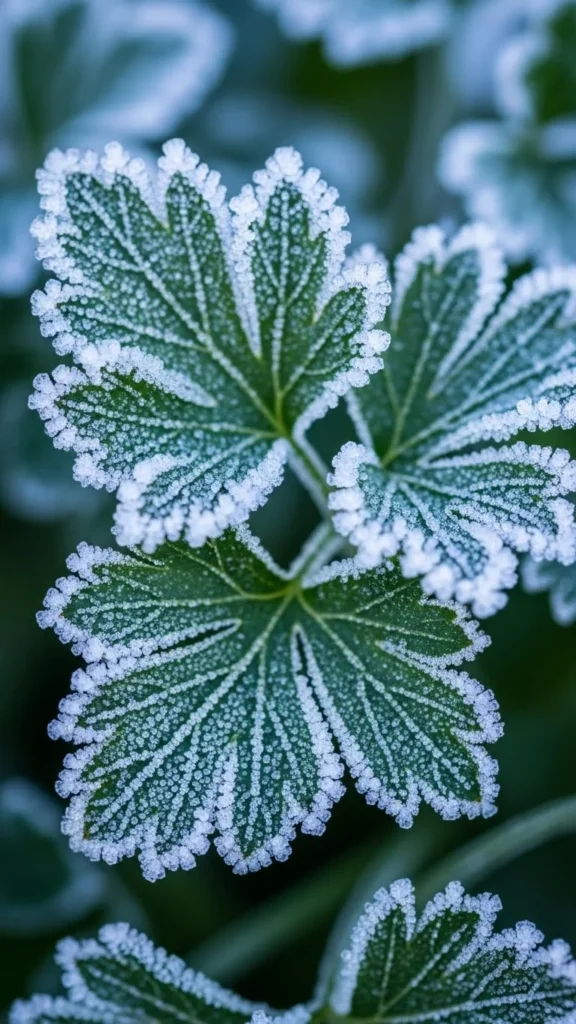
Parsley stays surprisingly sturdy through winter. It may slow down, but the foliage remains usable even during cold spells. Plant several small clumps instead of one large one for steadier harvests. Keep it lightly watered and remove yellowing leaves so the plant focuses energy on new shoots. If snow is in the forecast, place a simple wire basket over the plant and cover it with burlap. This protects leaves without smothering them. Parsley grows well indoors too, so you can move a spare pot to a sunny counter for quicker regrowth. Clip stems from the outside inward to keep the plant productive.
7. Mint
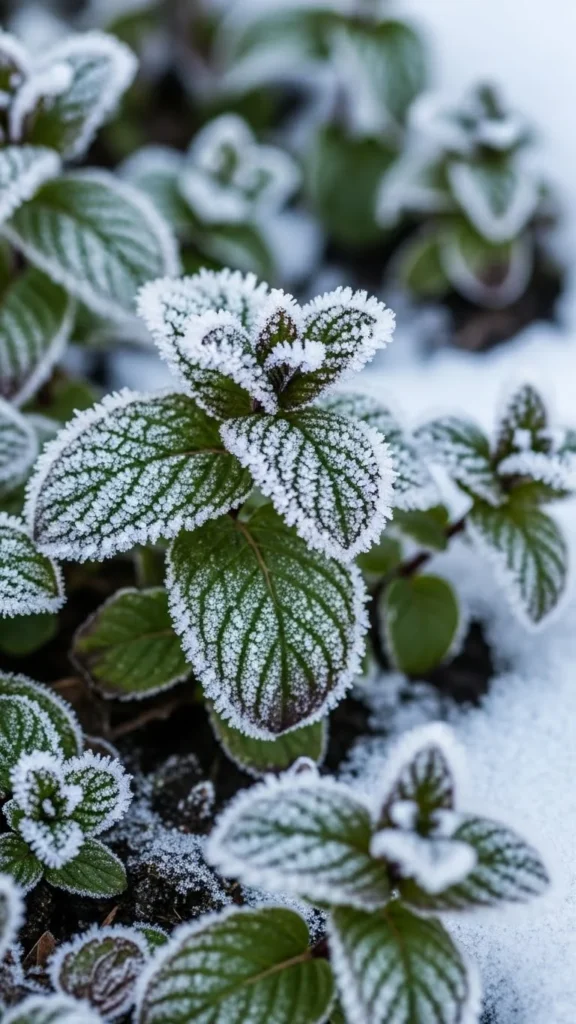
Mint handles winter better than many gardeners expect. Even if the top dies back, new shoots emerge from the hardy root system. Keep mint contained in a pot since it spreads fast. Use a mix of compost and coarse sand for drainage, then place the pot where it gets morning sun. If the plant looks tired, trim it to soil level. New growth appears as soon as temperatures stabilize. Mint also thrives indoors during winter. Take a small cutting, place it in a glass of water until roots form, then plant it in a small pot. Mist the leaves lightly to maintain color. Mint gives you a steady supply all winter with very minimal work.
8. Lemon Balm
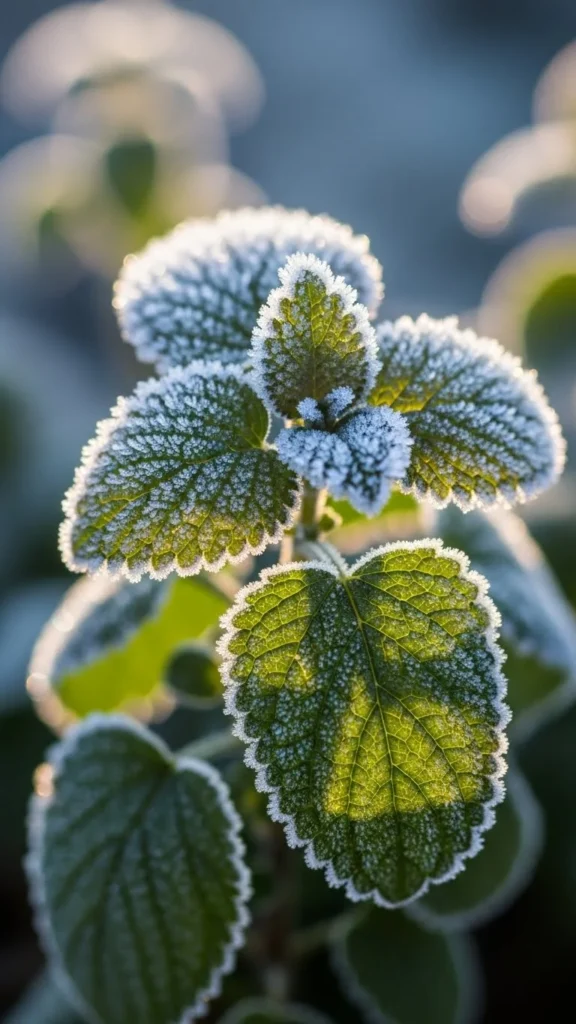
Lemon balm shrugs off frost thanks to its strong root structure. While the top may brown slightly, new shoots keep pushing up. Grow it in a container to keep it from taking over the garden. Use a loose soil mix, and water only when the top looks dry. Cut leaves early in winter for drying—they hold their scent well. If you want to protect the crown during deep freezes, add a light mulch layer. Indoors, lemon balm grows well under a simple desk lamp if natural light is limited. Clip stems regularly to shape the plant and encourage new growth.
9. Winter Savory
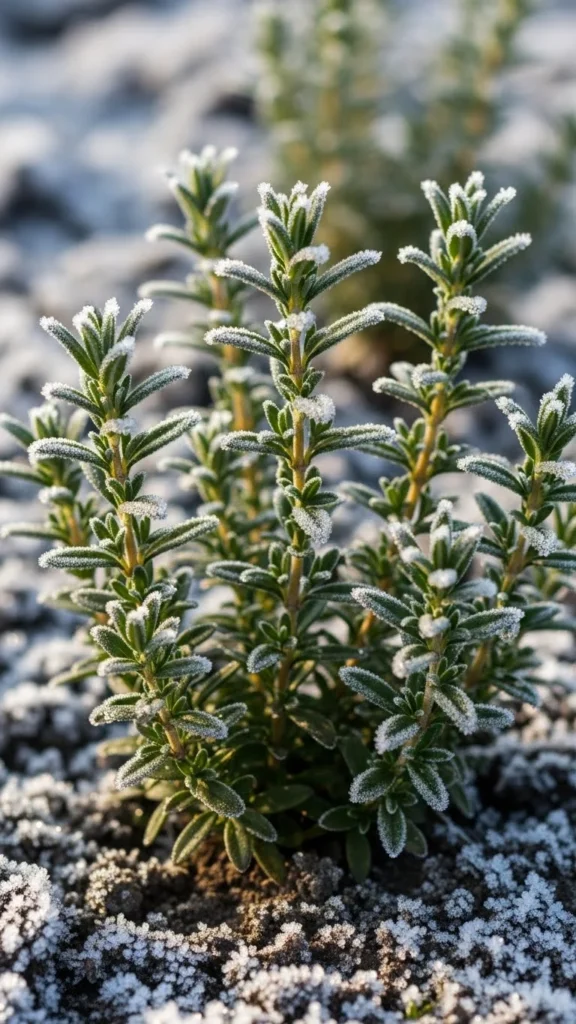
Winter savory lives up to its name and stays green even as temperatures fall. It grows like a compact shrub, making it easy to manage. Plant it in a sunny, slightly raised bed or pot. The herb enjoys airflow, so avoid crowded corners. Trim the tips often to keep stems soft and tender. Winter savory adds structure to cold-season herb gardens, especially when paired with thyme or rosemary. To help it handle extreme cold, place a rock or brick behind the plant to radiate heat during the day. Dry extra cuttings and store them in a small jar for cooking.
10. Tarragon
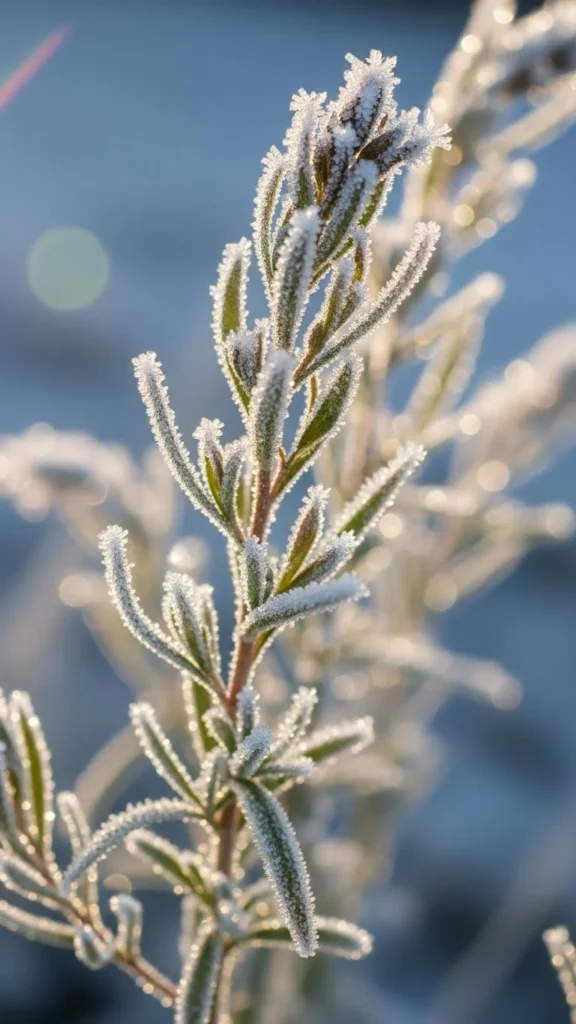
Tarragon may look delicate, but the plant holds strong through cold weather once rooted. Plant it in a container to manage moisture better during winter. Soil should be slightly dry, so water only when the top layer feels chalky. Clip older stems to encourage soft, green regrowth. If wind exposure is high, surround the pot with stones or bricks to keep it stable. Tarragon returns reliably each year, and winter growth tastes mild. Keep a second small pot indoors for quicker access while cooking.
11. Cilantro
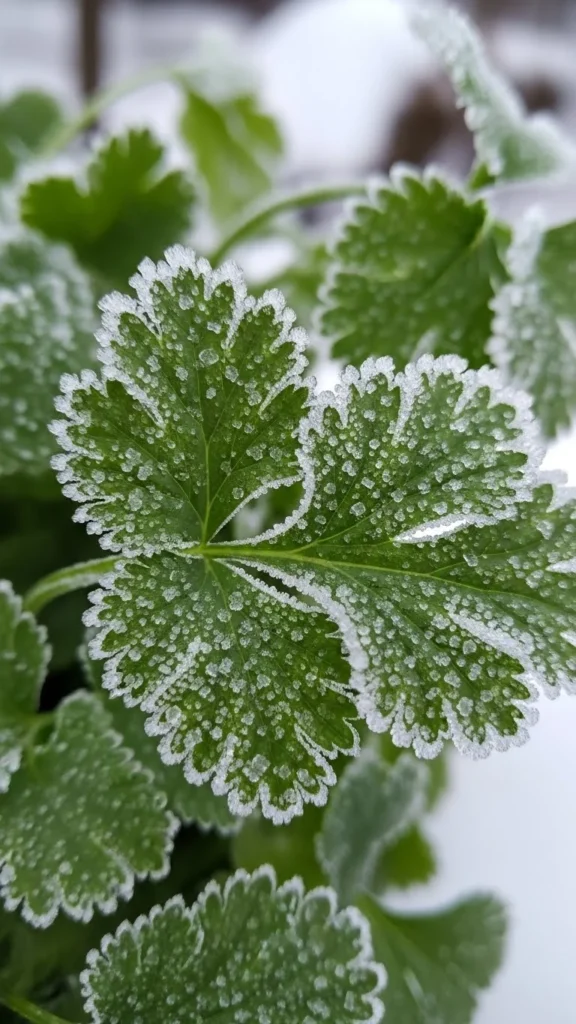
Cilantro enjoys cool weather and keeps growing long into winter. It tolerates frost far better than hot summer temperatures. Plant seeds every two weeks in fall so you have a steady rotation. Keep soil slightly damp, but never soaked. Consider placing a clear plastic bowl over new seedlings during early cold snaps. Cilantro grows well in narrow containers, making it ideal for windowsills. Harvest leaves by clipping stems near the base. If the plant slows down, sprinkle a thin layer of compost on top to encourage fresh growth.
12. Lovage
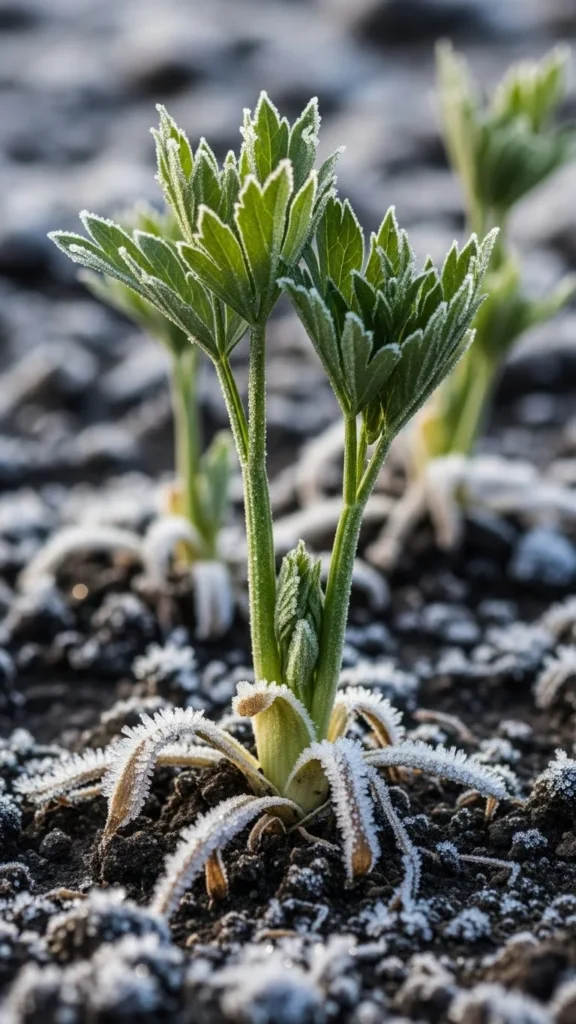
Lovage comes back each year with little maintenance. Even though it can grow tall, the root system stays protected during winter. Keep lovage in a corner where it can expand, or place it in a deep pot. Remove dry stems in fall so new ones appear cleanly in winter. The plant likes steady moisture, so give it a light drink when the soil looks pale. If temperatures drop sharply, pile loose leaves around the base for insulation. You can trim young shoots all winter for soups or teas.
13. Bay Laurel
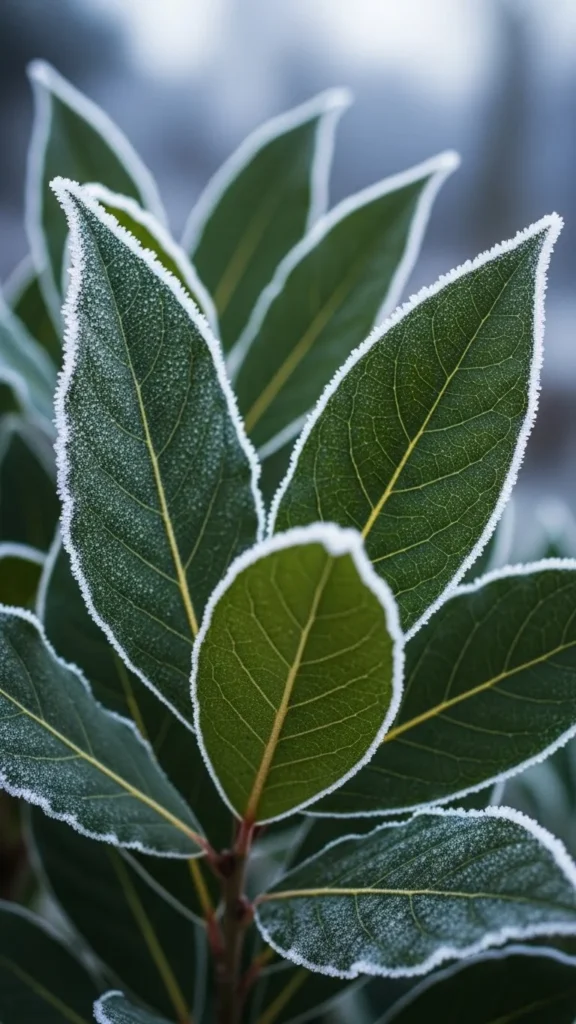
Bay laurel prefers mild winters, but hardy varieties tolerate freezing weather with ease. Grow it in a pot so you can shift its location when temperatures swing. Place it near a south-facing wall for warmth. Water sparingly—only when the soil feels dry one inch down. Trim long branches lightly to encourage a neat shape. For low-cost winter protection, wrap the pot with bubble wrap to shield the roots. Snip a few leaves at a time for cooking; the plant replaces them slowly but steadily.
14. Chamomile
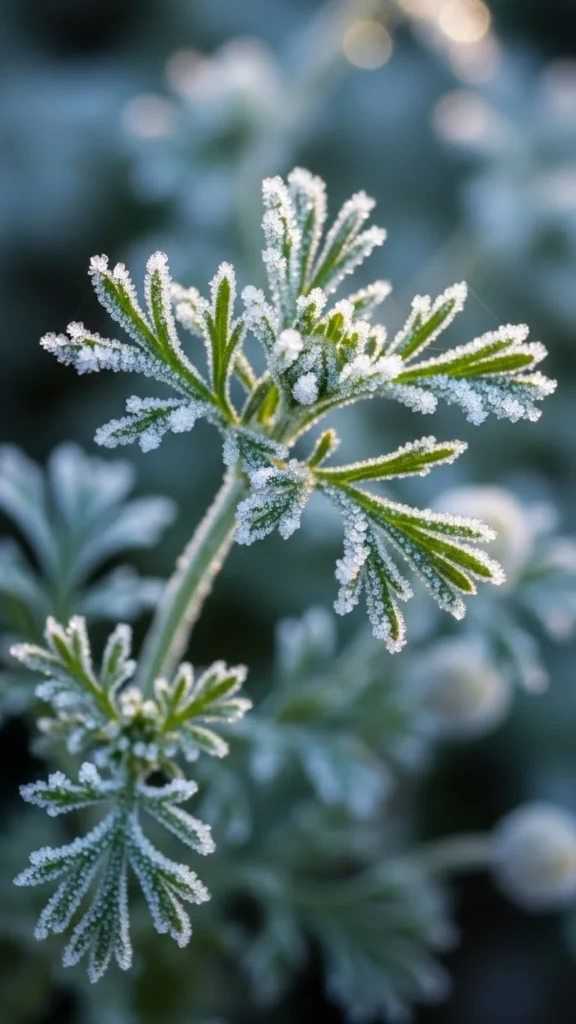
Chamomile stays active through winter once established. The feathery foliage holds up well under frost, and new shoots keep appearing. Plant chamomile in a sunny patch and add a thin layer of gravel around the base. This helps the plant stay upright after snow. Trim weak stems to give strong ones more space. If your area gets heavy ice, place a simple wire hoop over the plant and cover it lightly with fabric for protection. Chamomile also grows nicely indoors near a bright window. Clip small amounts at a time so the plant keeps its fullness.
15. Marjoram
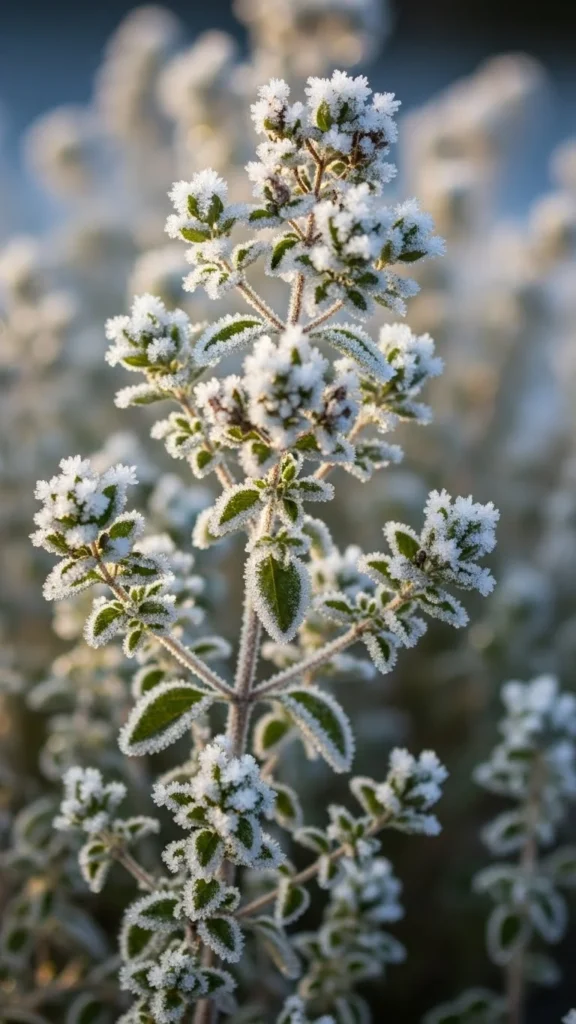
Marjoram has soft foliage but surprisingly strong winter endurance. It grows low and tidy, making it easy to manage during cold months. Give it a sunny position and well-drained soil. Add a sprinkle of sand if water tends to pool in your garden. During icy mornings, gently shake snow from the plant so stems don’t flatten. Dry extra sprigs by laying them on a baking sheet near a warm vent. For indoor growing, move a small pot to a bright room and mist it lightly to keep the color vibrant. Marjoram stays flavorful even during frost.
16. Hyssop
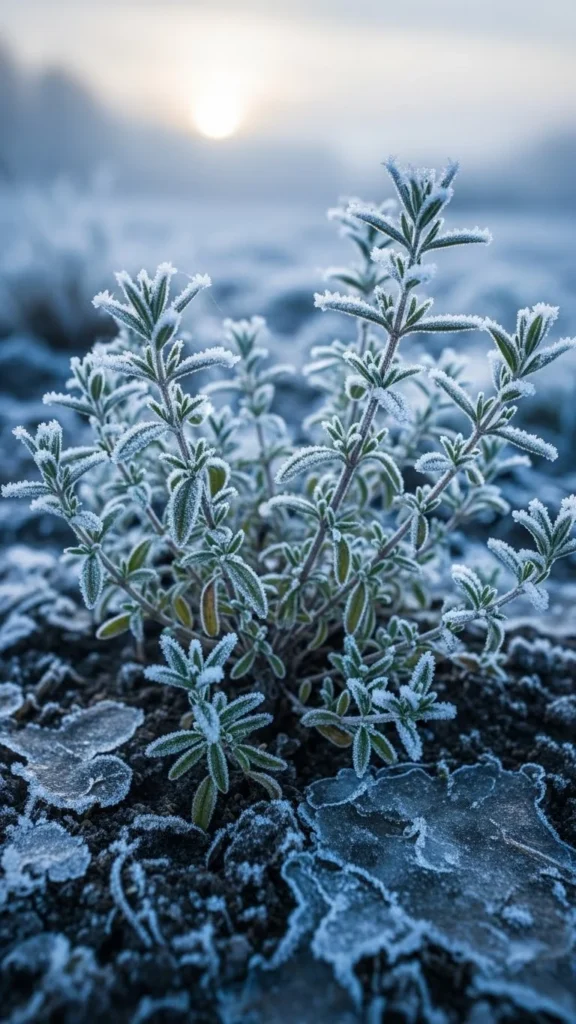
Hyssop is a hardy woody herb that stands upright despite cold winds. Plant it in a raised bed or pot, as the plant prefers drier soil during winter. Trim back long stems in fall so the plant forms a compact mound. This shape survives cold spells better. Hyssop pairs well with sage and lavender in winter borders. If you want extra plants, take a woody cutting and root it in coarse sand. Place a small layer of mulch at the base to protect the crown from deep freezes. The herb stays green enough for small harvests all season.
17. Yarrow
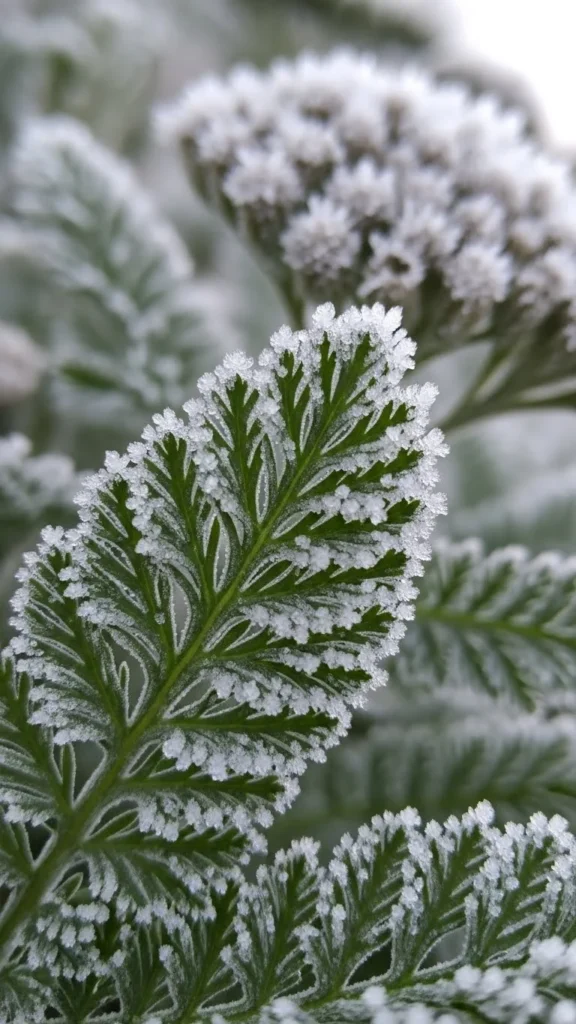
Yarrow grows through harsh winters thanks to its strong roots. The leaves stay low and dense, giving them natural protection. Plant yarrow in soil with good drainage and avoid overwatering. The plant handles dryness very well. Trim the stems lightly in fall, keeping the center intact. If you want winter flowers indoors, cut stems before frost and dry them upside down. Outdoors, yarrow adds texture during cold months and pairs nicely with other hardy herbs. Add a few stones around the plant to hold warmth.
18. Catmint
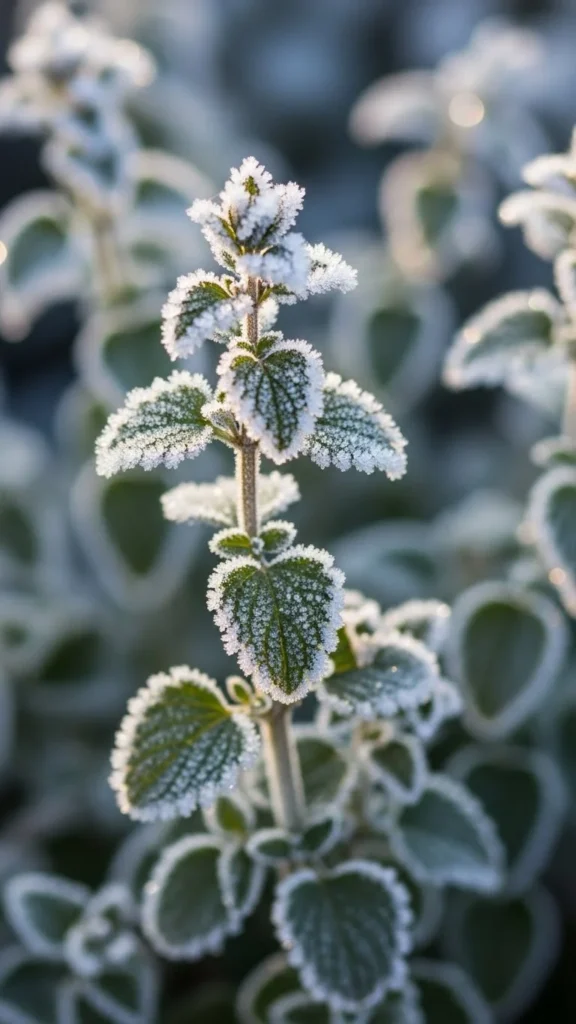
Catmint is extremely reliable during freezing weather. It spreads gently and forms a cushion of leaves that withstands snow. Plant it in a sunny spot with roomy soil. Trim it back by half in fall to encourage neat winter growth. Catmint attracts pollinators in warm months, but in winter it offers color and structure to outdoor beds. Add mulch around the base for extra insulation. Indoors, a small pot of catmint grows well near a window and releases a pleasant scent when touched.
19. Fennel
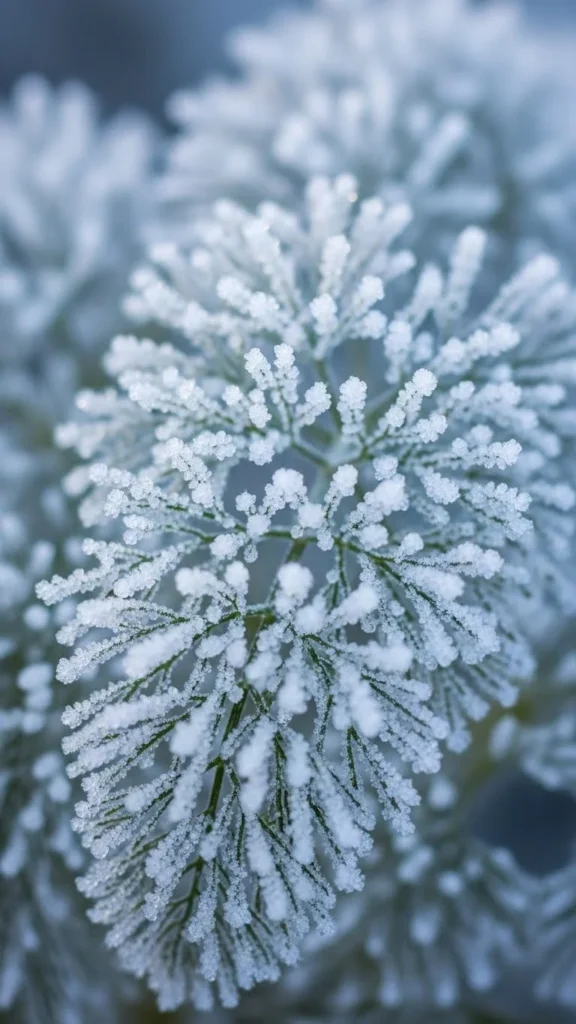
Fennel’s fronds look delicate, yet the plant stands strong in winter. Even if the top dies back, the bulb and roots stay alive for spring growth. Plant fennel in a deep pot or raised bed to avoid waterlogging. Remove any dead fronds to keep the crown clean. If frost becomes heavy, loosely cover the plant with straw. You can cut tender shoots during milder days for tea or soups. Fennel often reseeds itself, giving you new plants without extra effort.
20. Garlic Chives
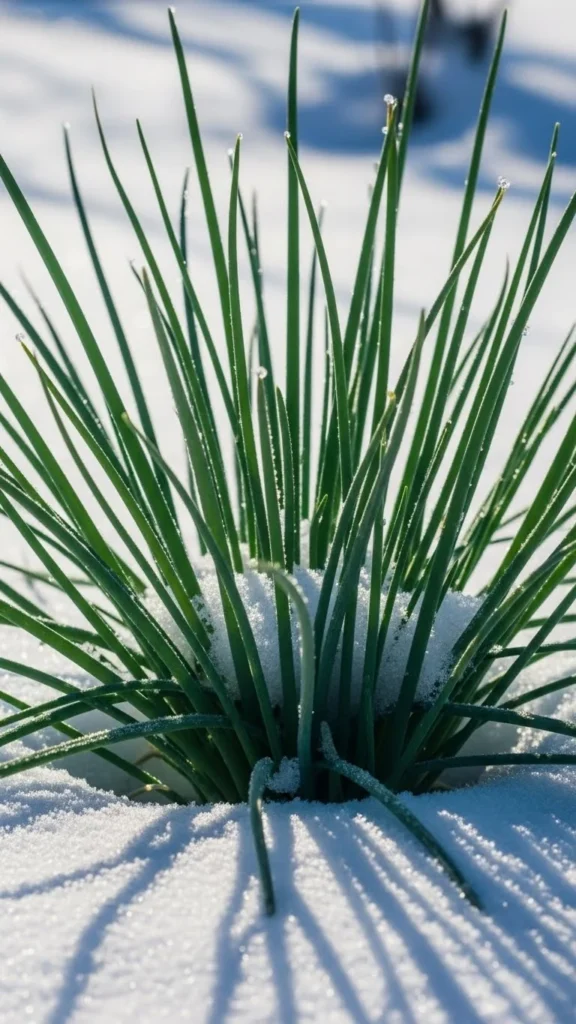
Garlic chives stay green through most winter weather. Their flat leaves tolerate freezing temperatures and bounce back quickly when clipped. Plant them in clumps so the roots stay warm. Use compost-rich soil in pots or garden beds. Water lightly and trim leaves often to encourage new shoots. During extreme cold, add a layer of straw or shredded leaves for extra warmth. Garlic chives grow well indoors too—place a pot near a bright window and clip what you need for cooking.
21. Horehound
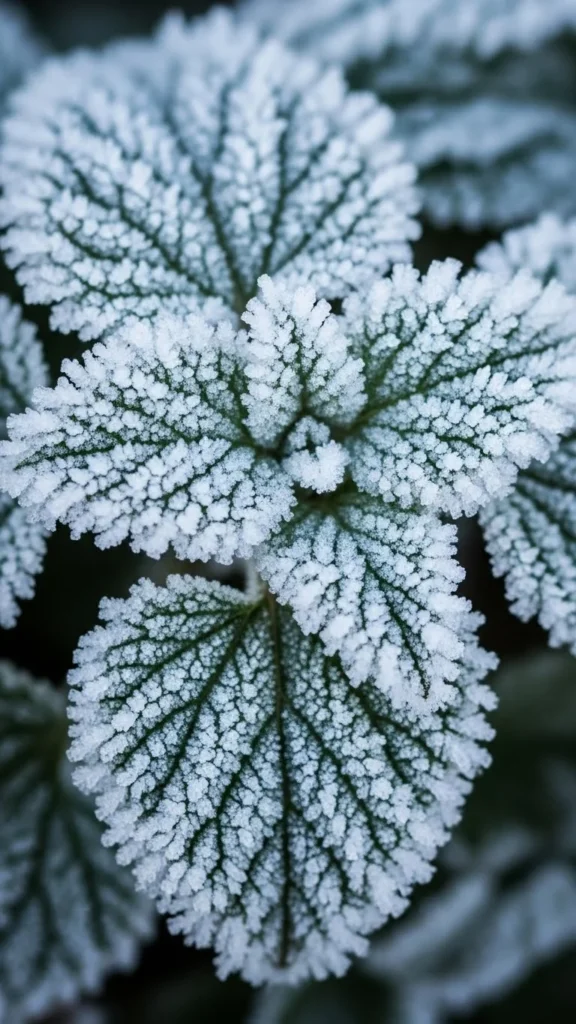
Horehound stands up to winter with ease thanks to its sturdy, woolly leaves. The plant grows wide and low, giving it natural frost protection. Put horehound in a sunny location with gritty soil. It dislikes heavy moisture, so add gravel if your garden stays wet. Cut back long stems in fall and let the plant form a dense mound. Horehound works well in rock gardens and dry borders. Harvest a few leaves at a time, as the plant grows slowly in cold weather.
22. Burnet
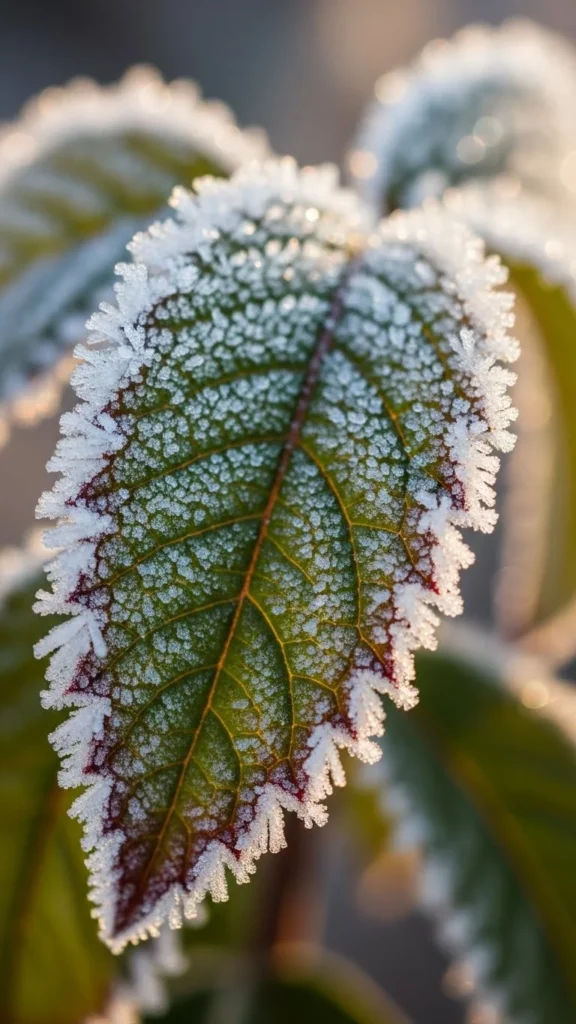
Burnet keeps its shape through winter and stays green even when temperatures fall sharply. Its leaves have a crisp texture that holds color well. Plant burnet in soil with excellent drainage and give it full sun. Water sparingly. During early winter, trim older stems to encourage new growth. Burnet grows happily in containers too, making it easy to move if conditions worsen. It pairs nicely with chives and parsley in winter herb beds.
23. Korean Mint (Agastache)
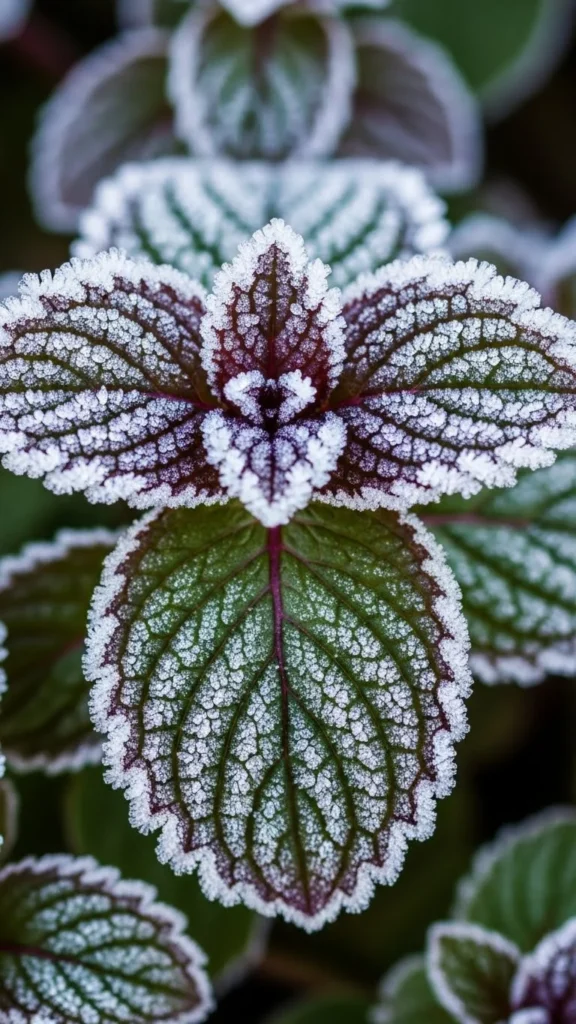
Korean mint tolerates freezing weather far better than most flowering herbs. Even if the top dies back, roots stay active and push new shoots through winter. Plant it in well-drained soil and remove faded stems in fall. Add a thin layer of mulch to protect the crown. Indoors, a small pot grows well under a simple desk lamp. Clip young leaves during winter for teas. Korean mint adds color and fragrance to cold-season gardens.
24. Wintergreen
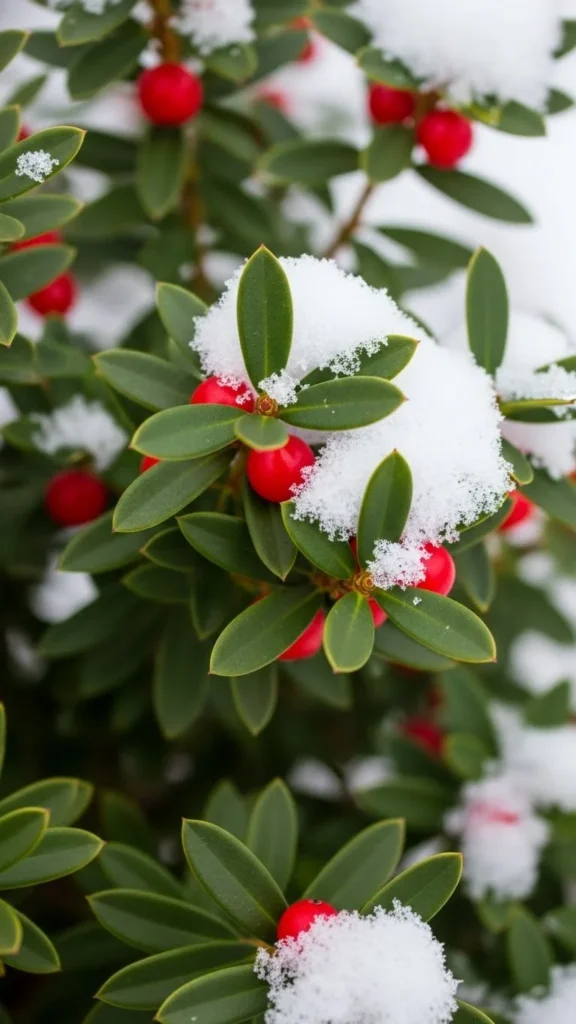
Wintergreen lives up to its name by staying colorful even in snow. The plant has shiny leaves that hold their shape during icy periods. Wintergreen prefers acidic soil, so mix pine needles or peat into the planting area. It grows slowly, so choose a spot where it won’t be disturbed. Water lightly and remove fallen leaves from around the base. During deep freezes, add a thin mulch ring to protect the roots. The plant remains beautiful all winter and works well in borders or pots.
Conclusion
Growing herbs through winter is simpler than many gardeners expect. With the right varieties and a few small care habits, your garden can stay green, aromatic, and useful long after temperatures drop. These hardy herbs handle frost with ease and keep producing outdoors or indoors. Pick a few favorites, plant them in strategic spots, and enjoy homegrown flavor all winter.

Leave a Reply