

Snow doesn’t have to turn your garden into a blank white pause button. With the right planning, winter can become the most enchanting season of all—soft textures, sculptural shapes, and subtle colors glowing against fresh snow. A snow garden isn’t about fighting winter; it’s about designing with it.
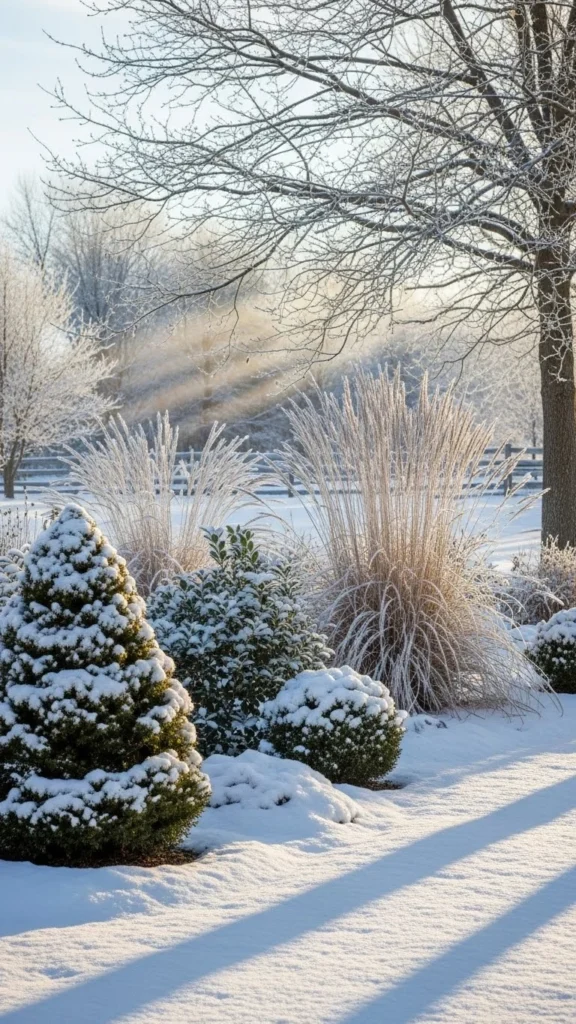
Below is a step-by-step, beginner-friendly guide to creating a snow garden that feels calm, magical, and Pinterest-worthy all season long.
Start With Structure That Shows Through Snow
When flowers fade and snow falls, structure becomes the star. Think of your snow garden as a black-and-white photograph where form matters more than color.
Focus on:
- Evergreen shrubs with strong shapes
- Small trees with elegant branching
- Raised beds, stone borders, or pathways
Boxy hedges, rounded shrubs, and vertical elements give your garden visual weight even when everything is dusted white. Place these structural plants first—they’ll anchor everything else.
Tip: Group shapes in odd numbers (3 or 5) to keep the design looking natural rather than rigid.
Choose Plants That Look Better in Winter
Not all plants disappear in winter. Some actually shine more once snow highlights their texture.
Look for:
- Evergreens like spruce, pine, or juniper
- Ornamental grasses that stay upright
- Plants with interesting seed heads or stems
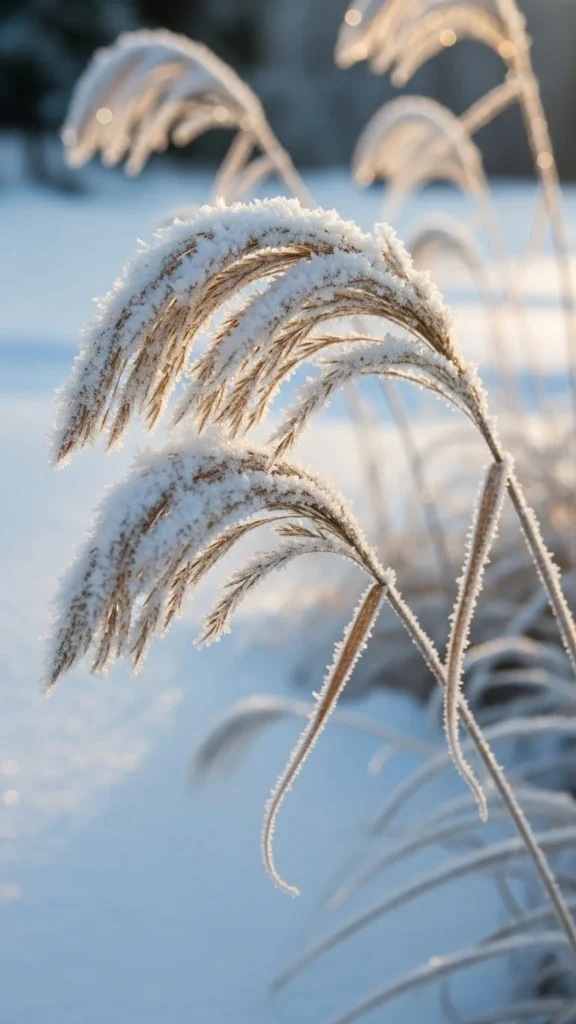
Leave dried flowers and grasses standing instead of cutting them back in fall. Snow clings to them beautifully, adding softness and movement.
Bonus: Birds love these plants too, adding life to quiet winter days.
Design With Contrast in Mind
Snow gardens are all about contrast. White snow becomes a backdrop that makes dark, rough, or glossy surfaces stand out.
Ways to add contrast:
- Dark mulch or stone edging
- Bark textures (birch, dogwood, or willow)
- Deep green or blue-toned evergreens
Think in layers: low groundcover, mid-height shrubs, and taller trees. This layered look creates depth even when the garden is partially buried.
Add Hardscape That Feels Storybook
Hardscape elements become more visible in winter, so this is where the “magical” feeling really comes alive.
Great snow-garden additions include:
- Curved stone paths
- Simple wooden benches
- Garden arches or trellises
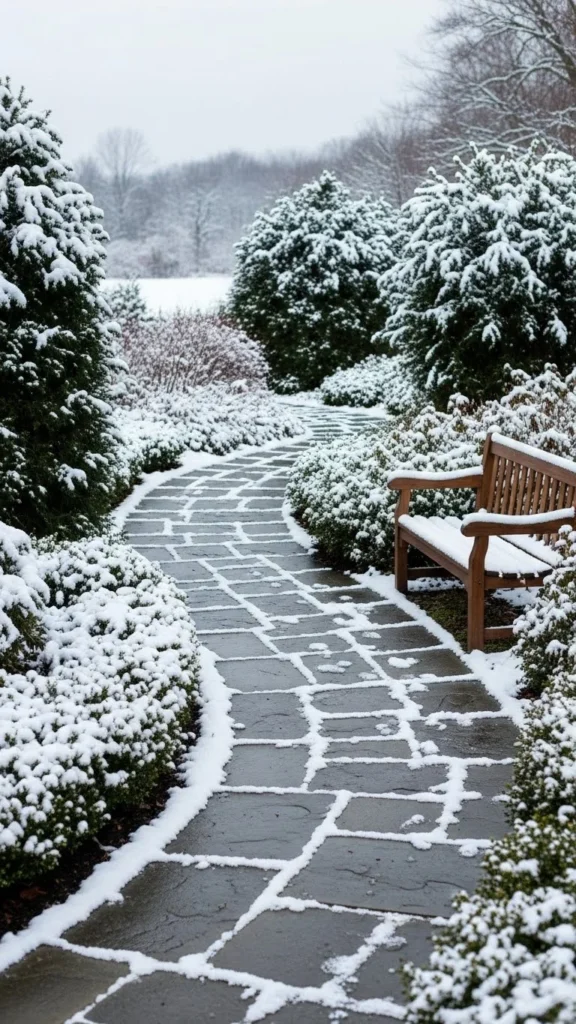
Keep lines soft and organic. Straight paths can look harsh in snow, while curves feel whimsical and inviting.
Use Lighting to Create Winter Glow
Short days don’t mean your garden should disappear after sunset. Gentle lighting turns a snow garden into a glowing winter scene.
Try:
- Warm white solar lights along paths
- Soft uplighting on trees
- Lantern-style lights near seating areas
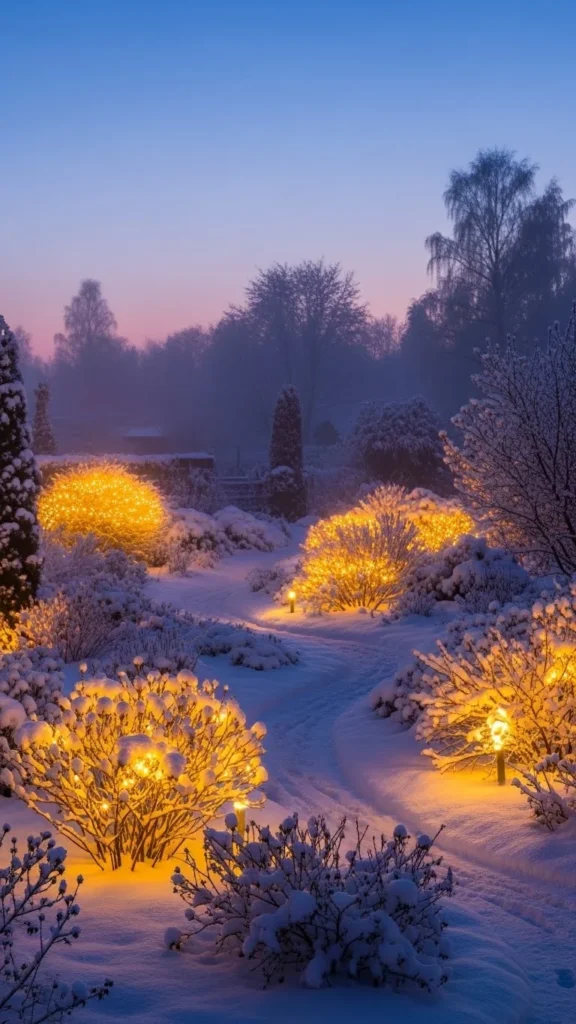
Avoid harsh or overly bright lighting. The goal is cozy sparkle, not stadium lighting. Snow reflects light naturally, so less goes a long way.
Plan Containers That Shine in Snow
Containers are perfect for snow gardens because they sit above the snow line and stay visible.
Fill winter containers with:
- Evergreen branches
- Pinecones
- Dried grasses or twigs
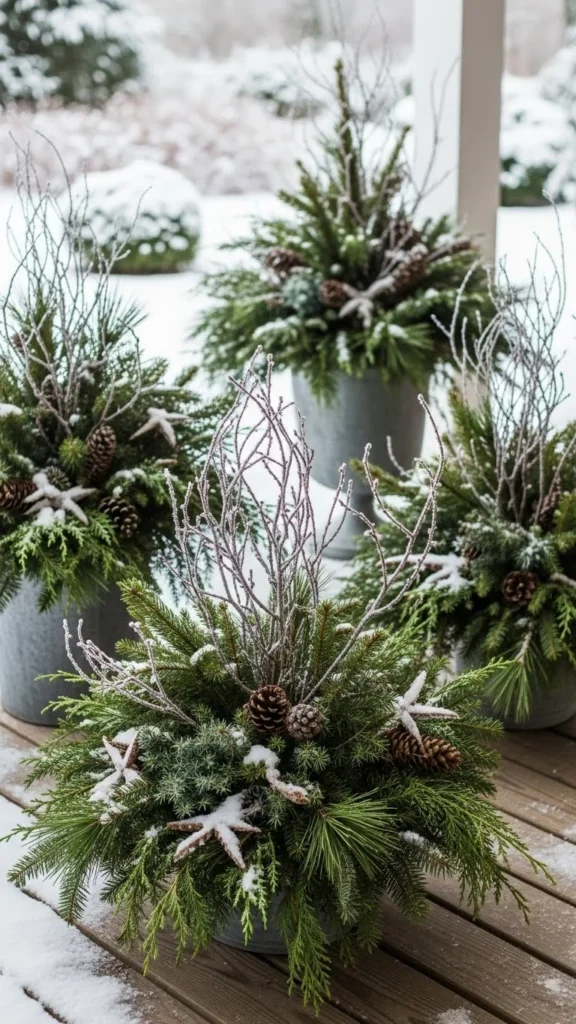
Choose neutral or dark-colored pots so they contrast with snow. Group containers near entryways or along paths for maximum impact.
Keep Maintenance Simple and Intentional
A magical snow garden should feel peaceful, not high-maintenance. The goal is to let winter do most of the work.
Simple winter care tips:
- Avoid heavy pruning until spring
- Brush off heavy snow gently if needed
- Keep paths clear to enjoy the view
Resist the urge to “tidy up.” Slightly wild textures are part of winter’s charm.
Think About the View From Indoors
You’ll likely enjoy your snow garden from inside just as much as outside. Frame views from windows using focal plants or lighting.
Ask yourself:
- What do I see from the kitchen window?
- Where does my eye naturally land?
Place your strongest visual elements where they’ll be most appreciated during cold days.
Final Thoughts: Let Winter Be the Magic
Designing a snow garden isn’t about perfection—it’s about mood. Soft light, quiet textures, and simple shapes come together to create something calm and magical when the world slows down.
You don’t need a huge space or rare plants. With thoughtful structure, contrast, and a little lighting, winter becomes a feature instead of a pause.
Save this guide for later and start planning a snow garden you’ll love all winter long.
Leave a Reply